

Shanling UP6: a compact Bluetooth DAC/amplifier that combines power, versatility, and refinement
30 July 2025
Contents
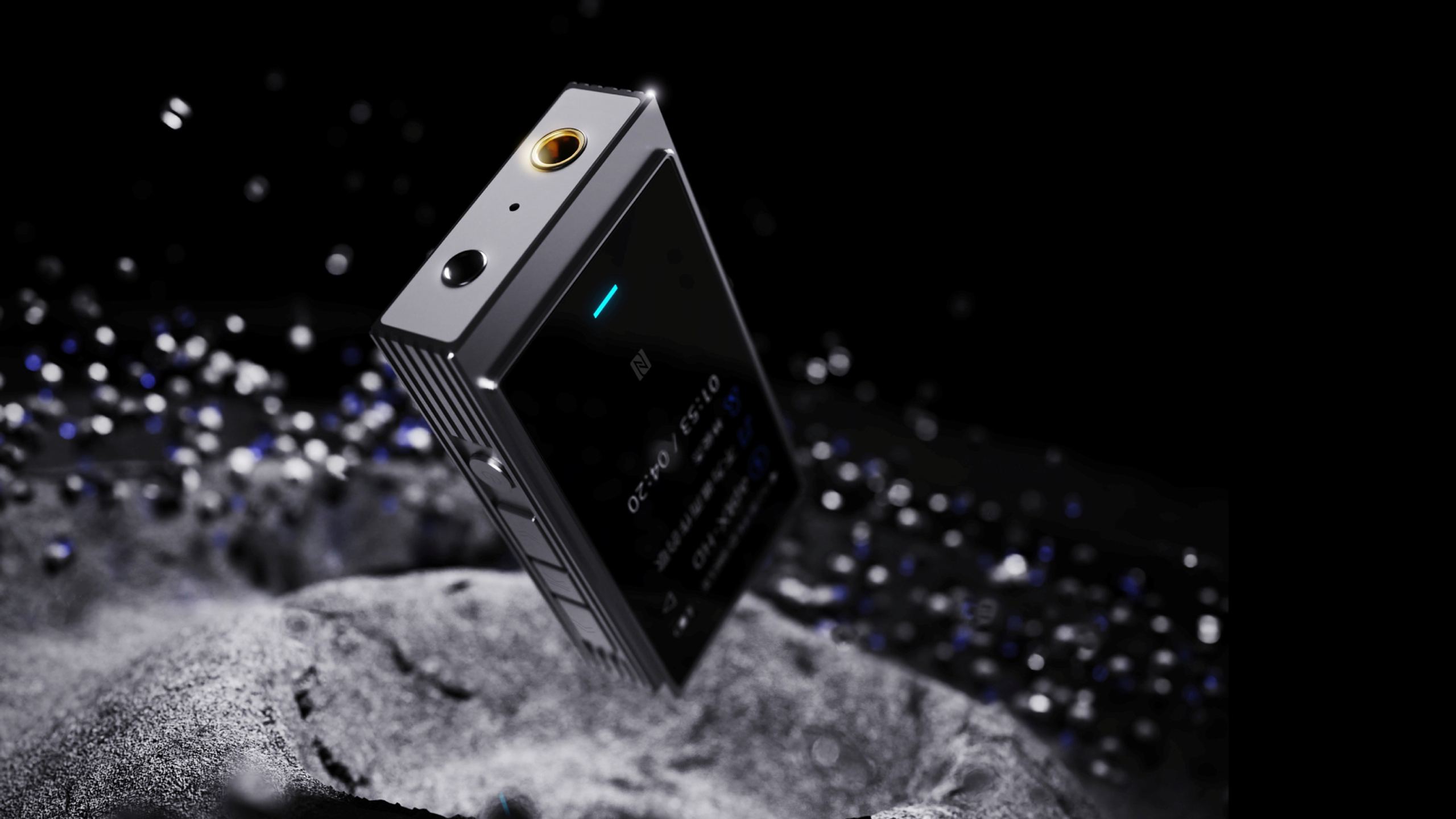
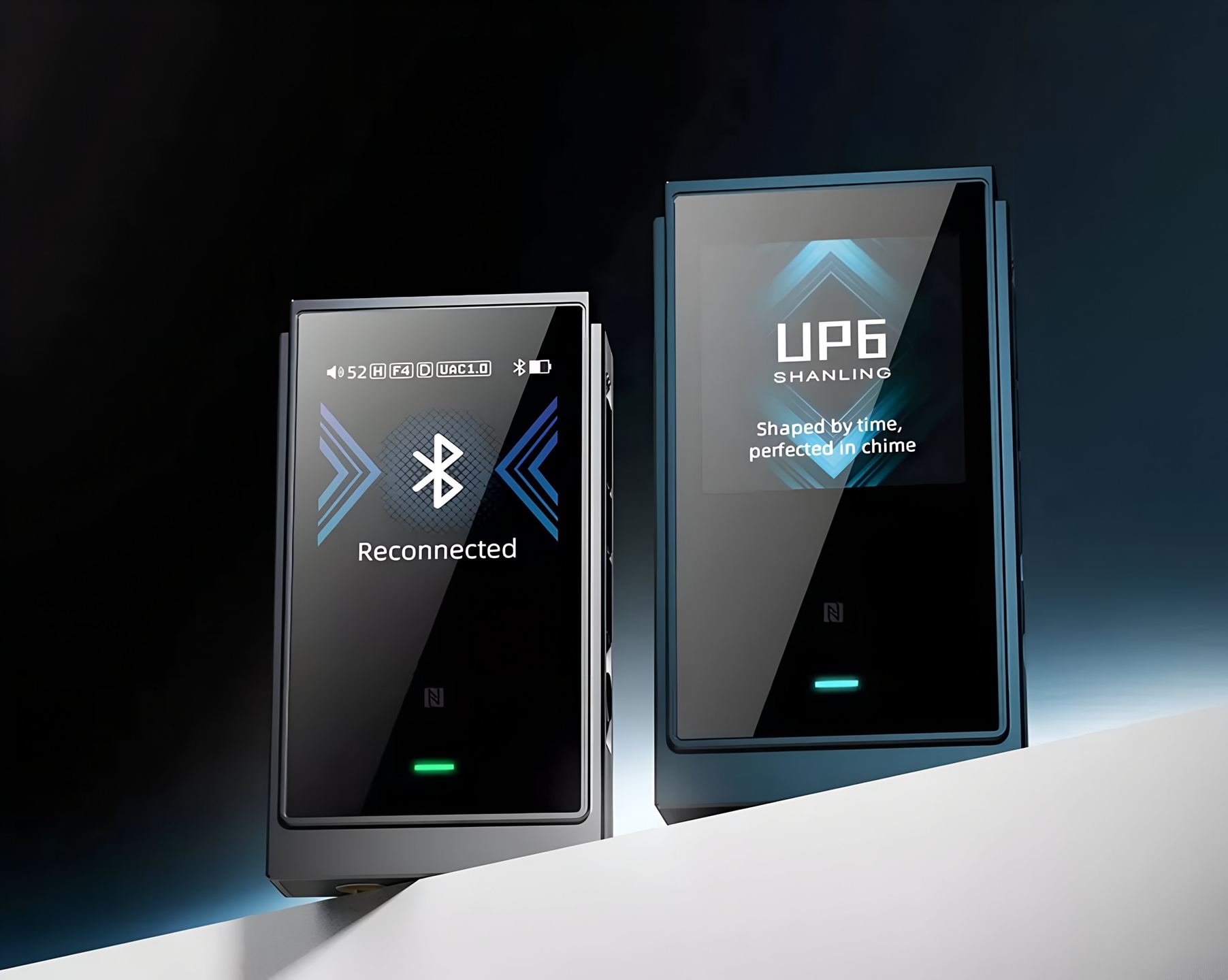
In the realm of portable DACs, the Shanling UP6 stands out as a unique offering, bridging the gap between wired and wireless use. This model, which follows the UP5 after several years of hiatus in the lineup, leverages the latest advances in audio chips and connectivity to meet the expectations of mobile audiophiles, without sacrificing ease of use.
Audio Architecture: Dual ESS ES9069Q DACs and Refined Amplification
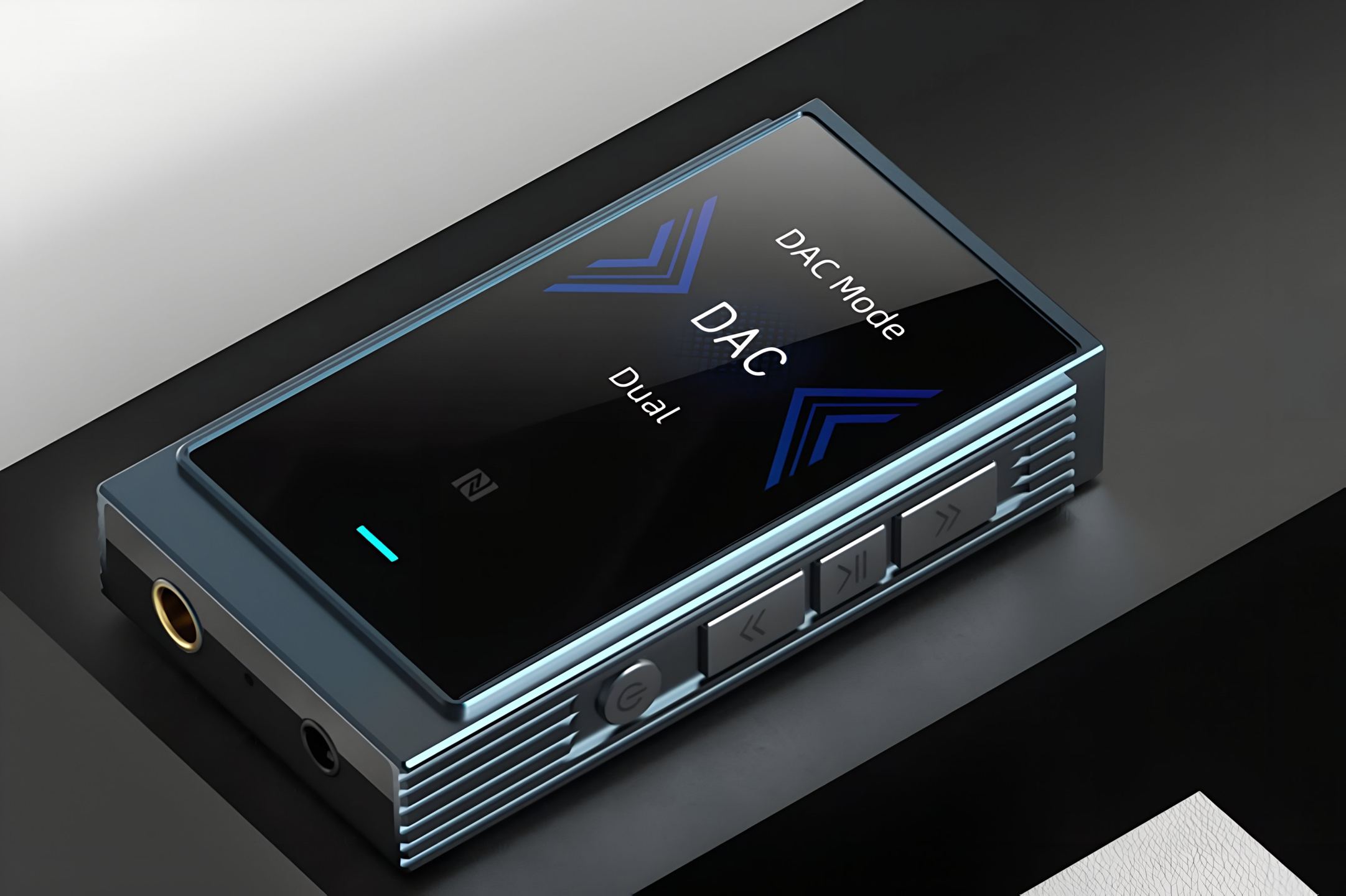
At its core, the UP6 features two ESS ES9069Q chips, renowned for their ultra-low distortion (THD -120 dB) and wide dynamic range (130 dB). This setup allows for native decoding of PCM files up to 768 kHz/32-bit and DSD512, covering the majority of today’s high-resolution formats. Users can choose between single or dual DAC operation, which affects both power consumption and sound reproduction, especially on the 3.5 mm unbalanced output.
Amplification is handled by two SGM8262 op-amps, known for their low noise and high speed, capable of delivering impressive power for a device of this size: up to 626 mW at 32 ohms in balanced mode (4.4 mm) and 195 mW at 32 ohms in unbalanced mode (3.5 mm). This power reserve allows for the use of a wide range of headphones and IEMs, including demanding models, without any perceptible background noise.
Advanced Bluetooth Connectivity and Universal Compatibility
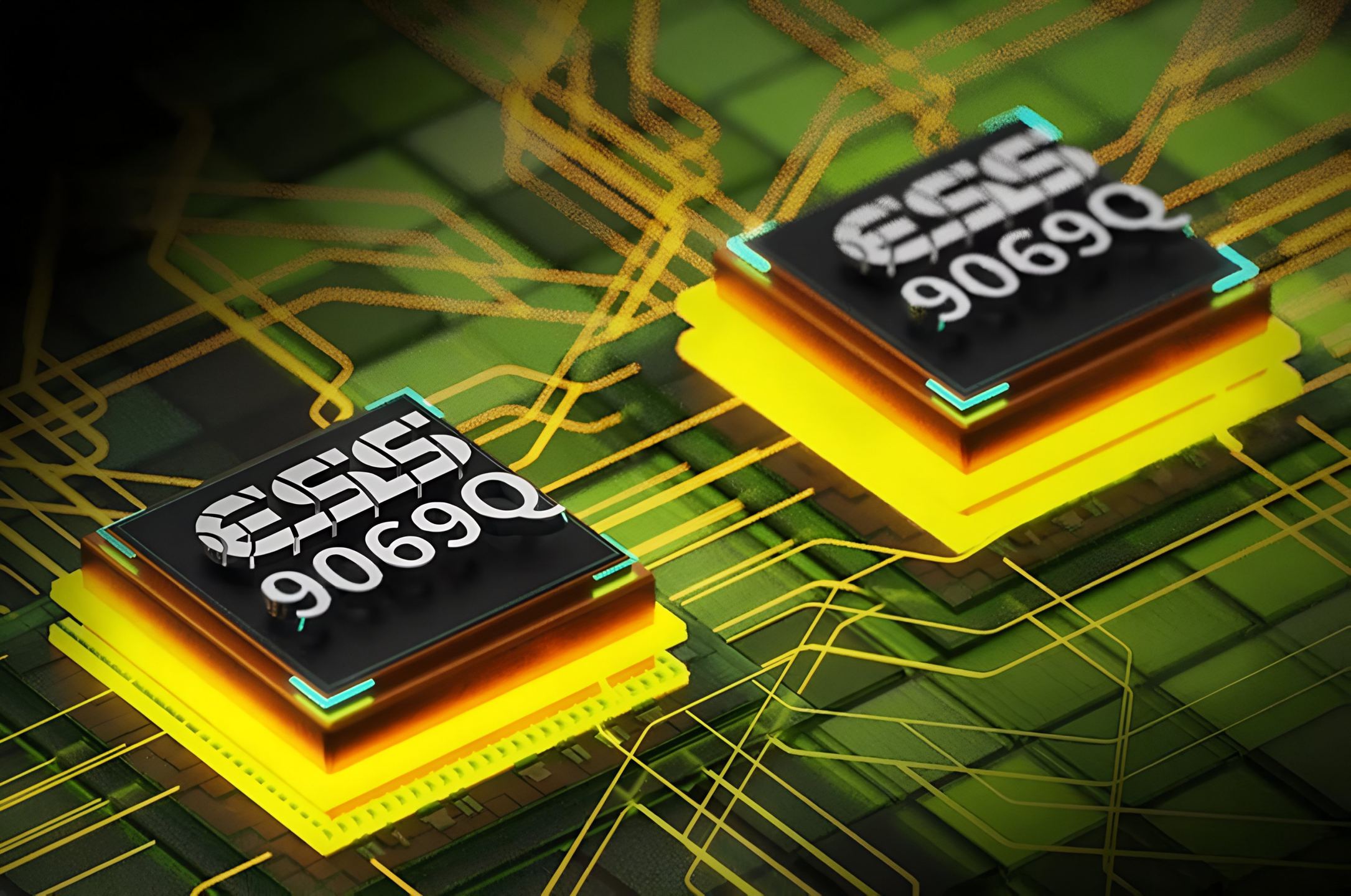
The UP6 features the Qualcomm QCC5125 chip, supporting Bluetooth 5.2, and is compatible with a wide array of codecs: LDAC, aptX HD, aptX Adaptive, aptX LL, AAC, and SBC. This versatility ensures high-quality wireless transmission, regardless of the smartphone or player used. Bluetooth range remains stable, even with demanding codecs like LDAC, and NFC pairing makes connecting to compatible devices effortless.
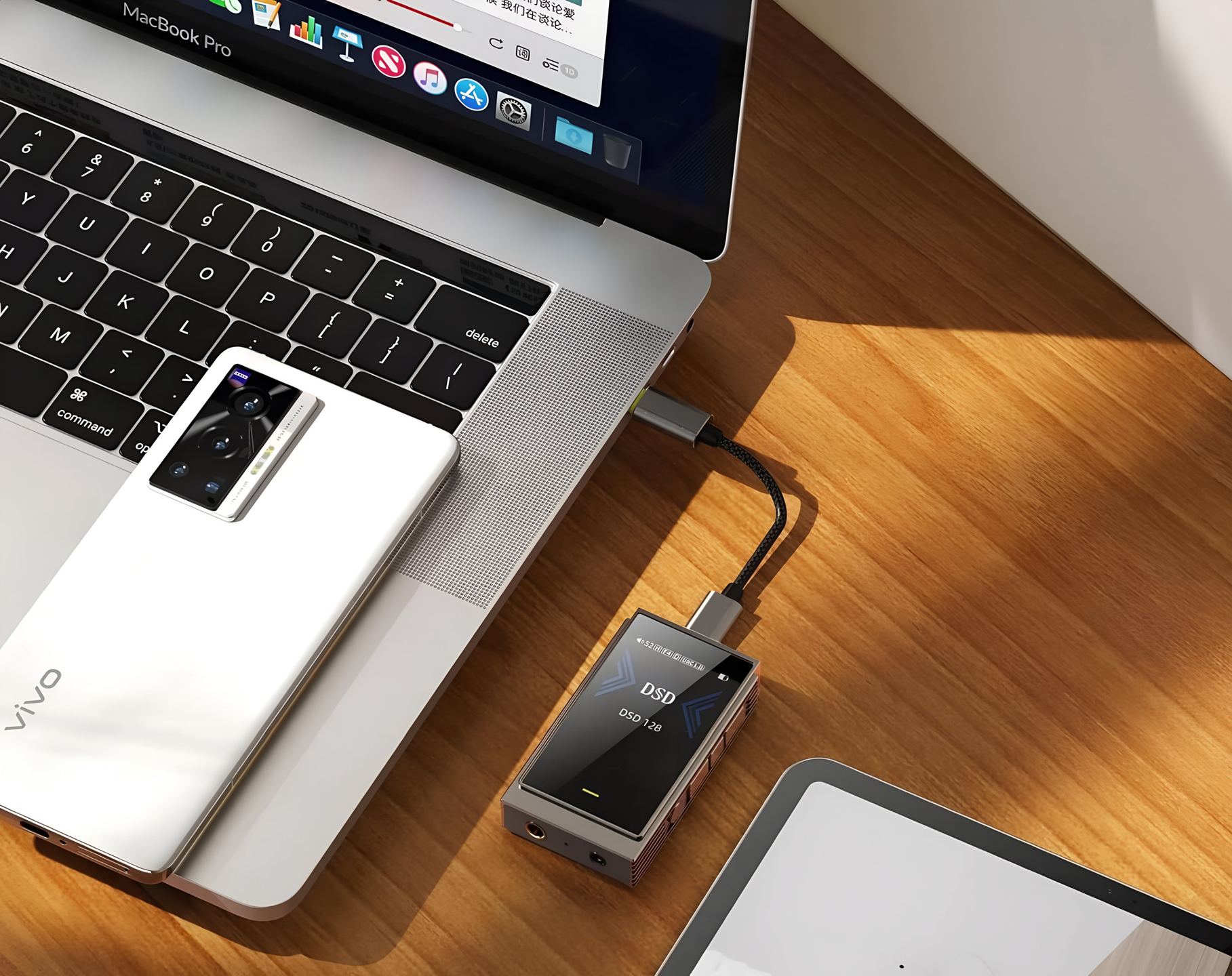
In wired mode, the XMOS XU316 interface handles USB conversion, supporting both UAC 2.0 and 1.0 modes, which enables use with consoles like the Nintendo Switch or as a classic USB DAC on a computer. A “car mode” allows for automatic power-on when connected to a vehicle’s USB port, further enhancing the device’s portability.
Ergonomics and Battery Life: Color Display, Controls, and Dedicated App
The UP6 stands out with its 1.54-inch color LCD screen, displaying essential real-time information: codec in use, battery level, current track, gain settings, and more. Menu navigation is smooth, and the Eddict Player app (Android/iOS) provides access to advanced settings, a customizable equalizer, and OTA updates.
As for battery life, the 950 mAh battery delivers up to 6.5 hours of listening on the unbalanced output and 4.5 hours in balanced mode, with a full recharge in about two hours via USB-C. Its compact size (70 x 39 x 14 mm, 51 g) makes it easy to carry every day, with no compromise on durability thanks to an aluminum chassis.
Listening Experience and Real-World Use
When listening, the UP6 impresses with its transparent, dynamic, and detailed sound reproduction, whether wired or via Bluetooth. The soundstage expands naturally, and the ample power reserve lets you fully enjoy high-end headphones like the Sennheiser HD 660S2 or the HIFIMAN Sundara, while remaining perfectly silent with sensitive IEMs. The gain and DAC mode options provide real flexibility to suit different needs and usage scenarios.
Popular products



You may also like to read
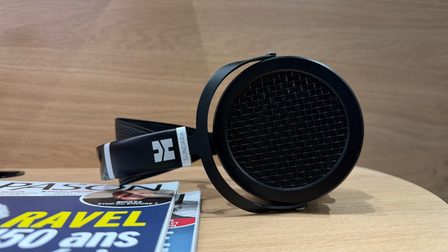 Hifiman Sundara V4 Review: open-back planar magnetic headphones at 189 eurosProduct reviews
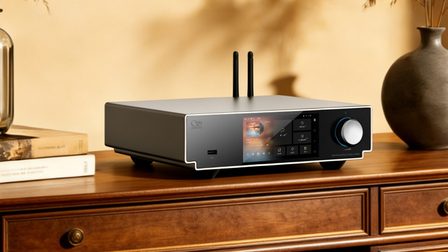 Shanling SM90: network player, DAC and TV gateway combined in a compact formatHi-fi and home cinema news
 HD 480 Pro vs HD 490 Pro: which Sennheiser headphones should you choose for your needs?Hi-fi and home cinema news
 Shanling SMT1.3: the transport that adapts to all convertersHi-fi and home cinema news
 Sennheiser CX 80U and HD 400U: wired goes USB-CHi-fi and home cinema news
 Sennheiser RS 275: brand’s first TV headphones compatible with AuracastHi-fi and home cinema news


