

High-Definition Televisions
High-definition TVs offer 4K Ultra HD resolution of 3840 x 2160 pixels, i.e. four times more pixels than a Full HD screen. This technology delivers sharp images with visible details and realistic colours, ideal for large formats. Available in OLED, QLED or LED, these TVs come with Smart TV features to access streaming platforms such as Netflix or Disney+. Learn more

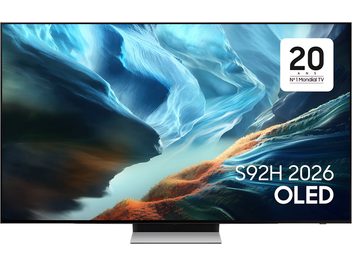



















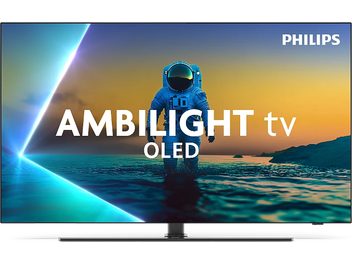


What is 4K high definition?
High definition today mainly refers to the Ultra HD (UHD) format, commonly called 4K. With a resolution of 3840 x 2160 pixels, a 4K TV displays about 8.3 megapixels, compared with 2 megapixels for a standard Full HD screen. This pixel density guarantees a sharp image where details remain visible even on large screens.
The term “4K” comes from the film industry, even though home resolution differs slightly from that used in movie theatres (4096 x 2160 pixels). For consumers, the terms 4K, Ultra HD and UHD all refer to the same 3840 x 2160 pixel display standard.
Display technologies
Several technologies coexist on the high-definition TV market. OLED screens use self-emissive pixels that produce their own light, delivering deep blacks and high contrast. QLED TVs rely on Quantum Dots to generate vivid colours with strong brightness. Conventional LED screens remain popular thanks to their value for money, while Mini-LED technology offers more precise backlight control.
HDR (High Dynamic Range) complements these technologies by improving brightness and contrast management. HDR10, Dolby Vision and HDR10+ formats display a wider colour gamut and reveal more detail in both dark and bright areas.
→ Discover the different display technologies
Practical advantages
A high-definition TV lets you enjoy large screens without having to increase viewing distance proportionally. While a Full HD screen requires about 3 times its diagonal as viewing distance, a 4K screen only needs 1.5 to 2 times that diagonal. A 65-inch (165 cm) TV can therefore be installed 2.5 metres from the sofa without visible pixels.
The upscaling function built into 4K TVs automatically optimises lower-resolution content. Image processors analyse and enhance the sharpness of HD or Full HD programmes to match 4K resolution. This technology lets you enjoy the full TV and streaming catalogue in optimal conditions.
Available content
High-definition content sources have multiplied in recent years. Streaming platforms such as Netflix, Disney+, Prime Video and Apple TV+ offer a wide selection of movies and series in 4K. PlayStation 5 and Xbox Series X games consoles take full advantage of this resolution, as do Ultra HD Blu-ray players.
French ISPs’ internet boxes are broadcasting more and more channels and programmes in 4K. DTT is also migrating to Ultra HD, with a gradual rollout planned through 2025. Recent smartphones record in 4K, allowing you to watch your own videos in optimal quality.
Selection criteria
Refresh rate is a key factor, especially for sports and gaming. A rate of 100 Hz or 120 Hz ensures smoother fast motion and reduces blur. HDMI 2.1 connections let you fully benefit from these high frame rates with next‑generation consoles.
Smart TV features turn the TV into a connected entertainment hub. Operating systems such as Android TV, Google TV, webOS or Tizen provide access to streaming apps, web browsing and voice assistants. Wi‑Fi and Bluetooth compatibility makes it easy to connect external devices.
Screen size should be chosen according to available space and viewing distance. Common formats range from 43 inches (109 cm) for smaller rooms up to 75 inches (189 cm) and more for large living rooms. The energy class affects power consumption, with ratings from A to G under the new European standards.




