Amplifiers & Preamplifiers
The amplifier is the heart of any hi‑fi system. It amplifies the audio signal from sources such as a CD player, turntable, or network player to power the speakers and reproduce music with power and fidelity. From stereo integrated transistor models to tube amplifiers and separate configurations (preamplifier + power amplifier), each architecture meets specific needs depending on your system setup. Learn more


Must-haves
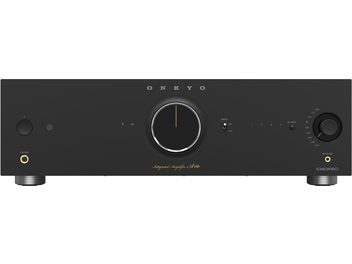
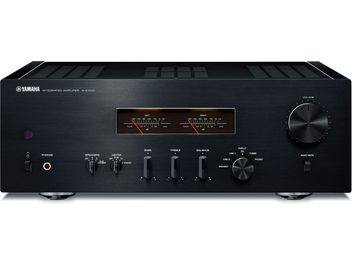
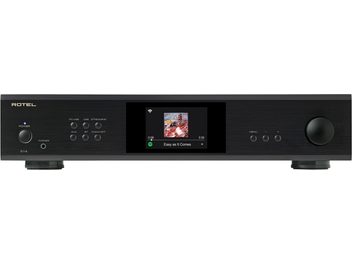

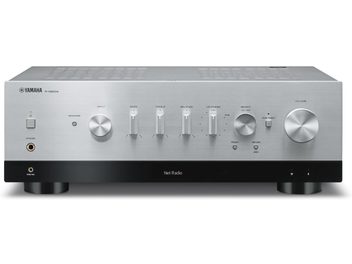
Best sellers
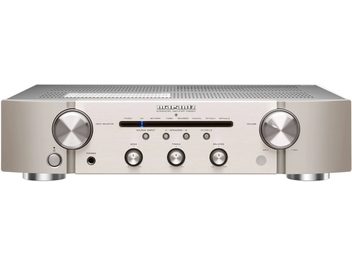
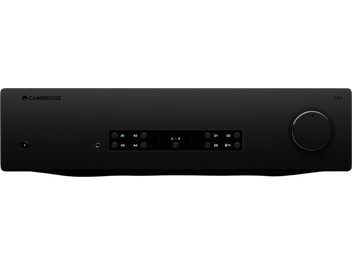
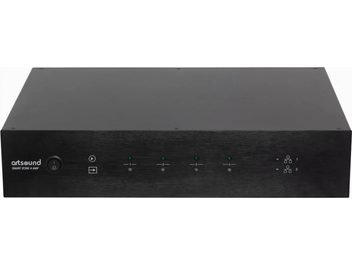
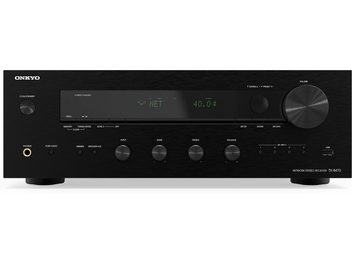
Understanding the role of the amplifier
A hi‑fi amplifier performs three main functions in an audio chain. It amplifies the low‑level electrical signals from sources, centralizes connectivity to link various devices (CD player, turntable, tuner, network player), and provides controls to adjust volume, balance, and sometimes tone. Unlike home theater amplifiers designed to drive 5 to 13 speakers in multichannel setups, a stereo amp focuses on powering 2 to 4 speakers with increased precision across two channels.
Stereo integrated amplifiers
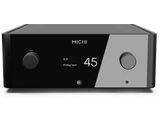
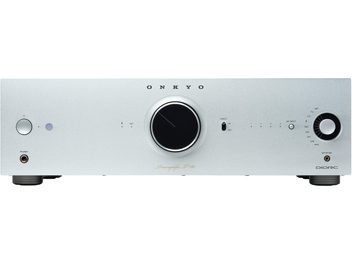
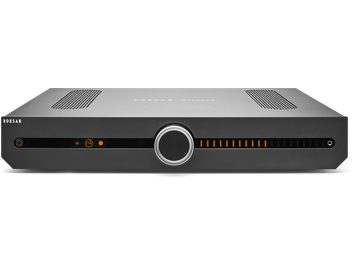
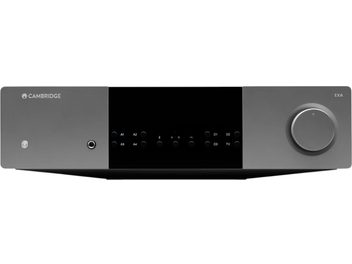
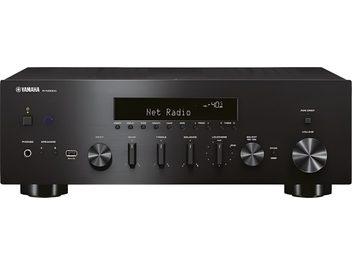
The integrated amplifier is the most common solution in hi‑fi. This format combines the preamplifier (which adapts and selects sources) and the power amplifier (which delivers the energy needed by the speakers) in a single chassis. Power is expressed in watts into 8 ohms, with a recommended minimum of 2x40W for comfortable use. This power must be matched to the speakers’ sensitivity: low‑sensitivity models require more power to avoid clipping and distortion.
Moving up the range is justified by the refinement of electronic components. High‑end models benefit from better isolated circuits, higher‑quality components that reduce background noise, and robust power supplies offering greater headroom. Some adopt a dual‑mono architecture, with two independent amplification blocks for each channel, thereby optimizing stereo separation and expanding the soundstage.
Amplifier classes
Amplifiers are distinguished by their operating class. Class A handles the entire signal continuously, minimizing distortion at the cost of high power consumption and significant heat output. Class B splits the signal between two stages, offering better efficiency but introducing crossover distortion. Class AB, the most common in hi‑fi, combines the advantages of both by operating in Class A for low‑level signals and in Class B for high‑level signals. Class D, often called “digital,” uses pulse‑width modulation to achieve excellent energy efficiency in a compact form factor.
Tube and hybrid amplifiers
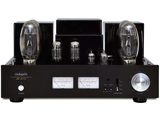
Tube (or valve) amplifiers are prized for their distinctive sound. They generate even‑order harmonics that enrich the sonic texture, delivering warmth and musicality appreciated by discerning listeners. This century‑old technology excels at timbre reproduction, particularly with vocals and acoustic instruments, offering a deep, three‑dimensional soundstage.
Tubes, however, require specific maintenance. Preamplifier tubes can last up to 10,000 hours, while power tubes typically last around 4,000 hours. A warm‑up time of 15 to 45 minutes depending on the model allows optimal performance. Hybrid amplifiers offer an appealing compromise: they use tubes for the preamp stage (bringing the characteristic warmth) and transistors for the power stage (ensuring robustness and efficiency).
Separate configurations
In high‑end audiophile setups, the preamp and power amp are separated. This configuration offers increased circuit isolation and allows you to mix and match components to taste. The preamp manages source selection and volume control, while the power amp focuses solely on amplifying the signal. Some purists even opt for mono blocks, one amplifier per channel, for absolute stereo separation.
Specialized preamplifiers
A phono preamplifier is essential for connecting a turntable to an amplifier without a phono input. It boosts the very low signal from the cartridge (3 mV for MM cartridges, 0.3 mV for MC) and applies the RIAA equalization curve standardized in the 1950s. MM‑compatible models (moving magnet) are the entry point, while MM/MC preamps offer greater versatility with adjustable gain and impedance settings.
Headphone amplifiers optimize headphone listening by precisely managing impedance and providing the necessary power for demanding headphones. They offer better dynamics and superior timbral reproduction compared to headphone outputs built into amplifiers. Some models combine multiple functions (DAC, hi‑fi preamp, headphone amp) in a compact form factor.
Multiroom and connected amplifiers
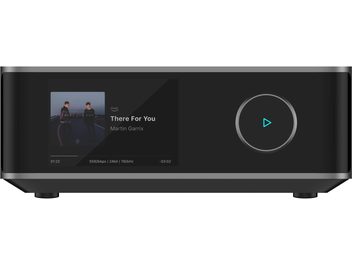
Multiroom amplifiers let you stream music to different rooms in the home from a centralized source. These models often integrate network features (DLNA, AirPlay, Bluetooth) and provide access to streaming services (Spotify, Tidal, Qobuz). Some modern integrated amps include a built‑in network player, a DAC, and sometimes HDMI ARC connectivity for TV, creating a highly versatile all‑in‑one solution.
Selection criteria
Choosing an amplifier depends on the speakers to be driven and the available sources. Signal‑to‑noise ratio (ideally above 90 dB) and total harmonic distortion (THD as low as possible) determine sound purity. Connectivity is essential: RCA and XLR inputs for analog sources, digital inputs (optical, coaxial, USB) and a built‑in DAC for modern sources. A phono input makes it easy to connect a turntable without an external preamp.
The power supply plays a decisive role in performance. Toroidal transformers and high‑capacity capacitors ensure signal stability even at high volume. An oversized power supply provides better dynamic headroom and tighter speaker control, particularly in the bass.
The choice between transistors and tubes often comes down to personal preference. Transistor amplifiers prioritize neutrality, power, and ease of use. Tube models appeal with their musicality and aesthetics, in exchange for regular maintenance and compatibility checks with speakers (favor high‑efficiency models, above 90 dB, for Class A tube amplifiers).