

Multi-Channel Power Amplifiers
A multichannel power amplifier distributes amplification across several independent channels (from 3 to 16 depending on the model) to drive the speakers of a home theater system simultaneously. Unlike an integrated amplifier, it focuses solely on amplifying the audio signal and pairs with a preamp or processor via RCA or XLR inputs. Learn more
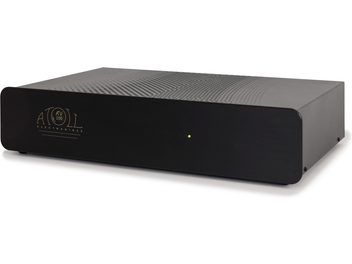
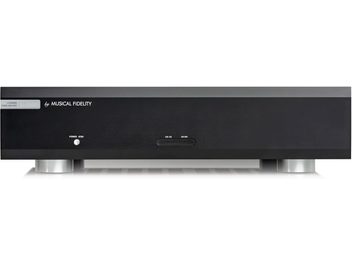
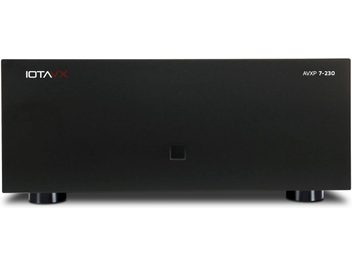
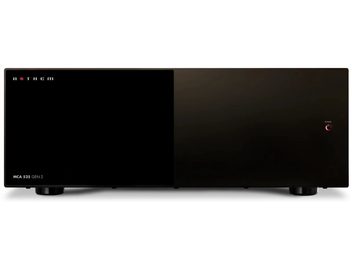
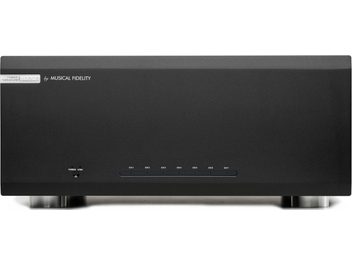
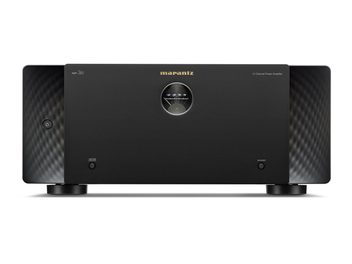
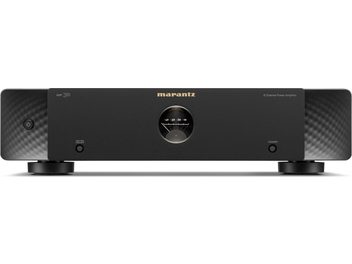
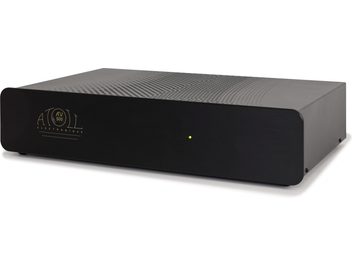
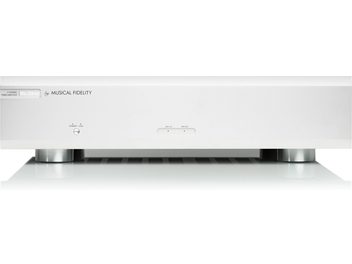
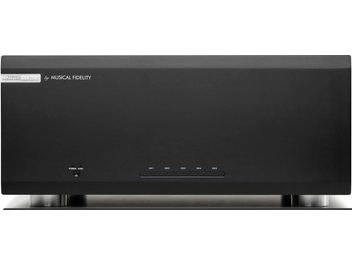
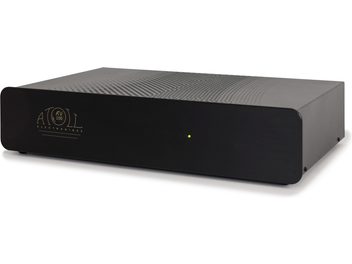
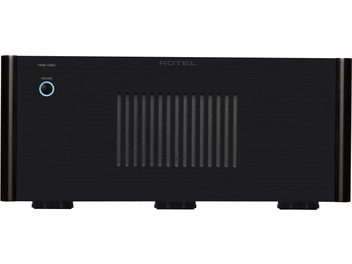
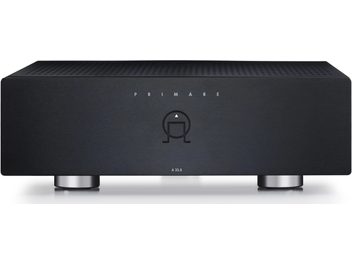
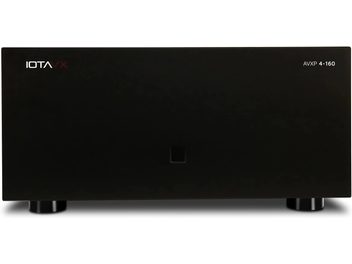
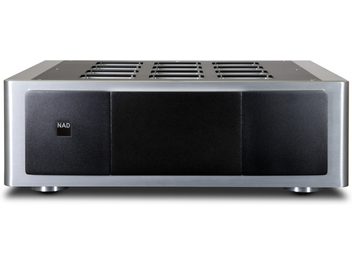
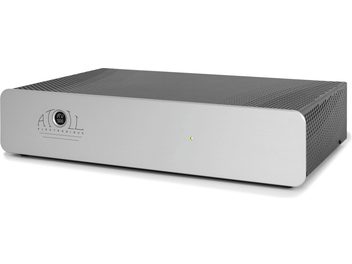
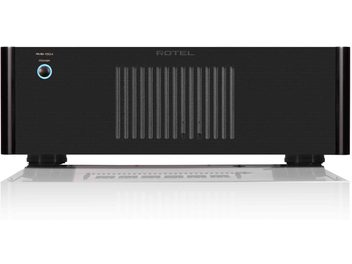
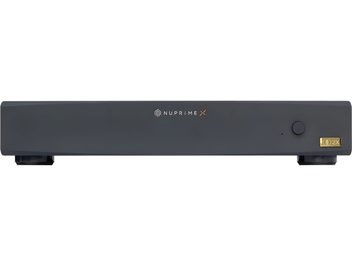
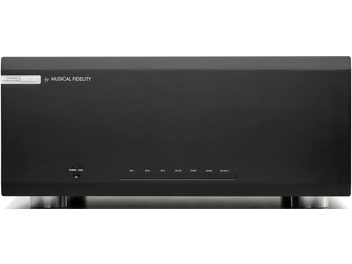
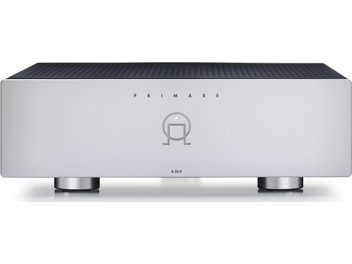
Understanding the multichannel power amplifier
The multichannel power amp stands out for the absence of a preamplification stage. Each channel has its own independent amplification stage, capable of delivering several hundred watts into 8 ohms. This separated architecture reduces interference and allows each component to operate under optimal conditions.
Models range from 3 channels (ideal for the left, center, and right front speakers) to 11- or 16-channel versions for the most ambitious Dolby Atmos and DTS:X setups. Amplification technologies vary between Class AB, Class D, or Class H, each offering its own balance of power, efficiency, and sound quality.
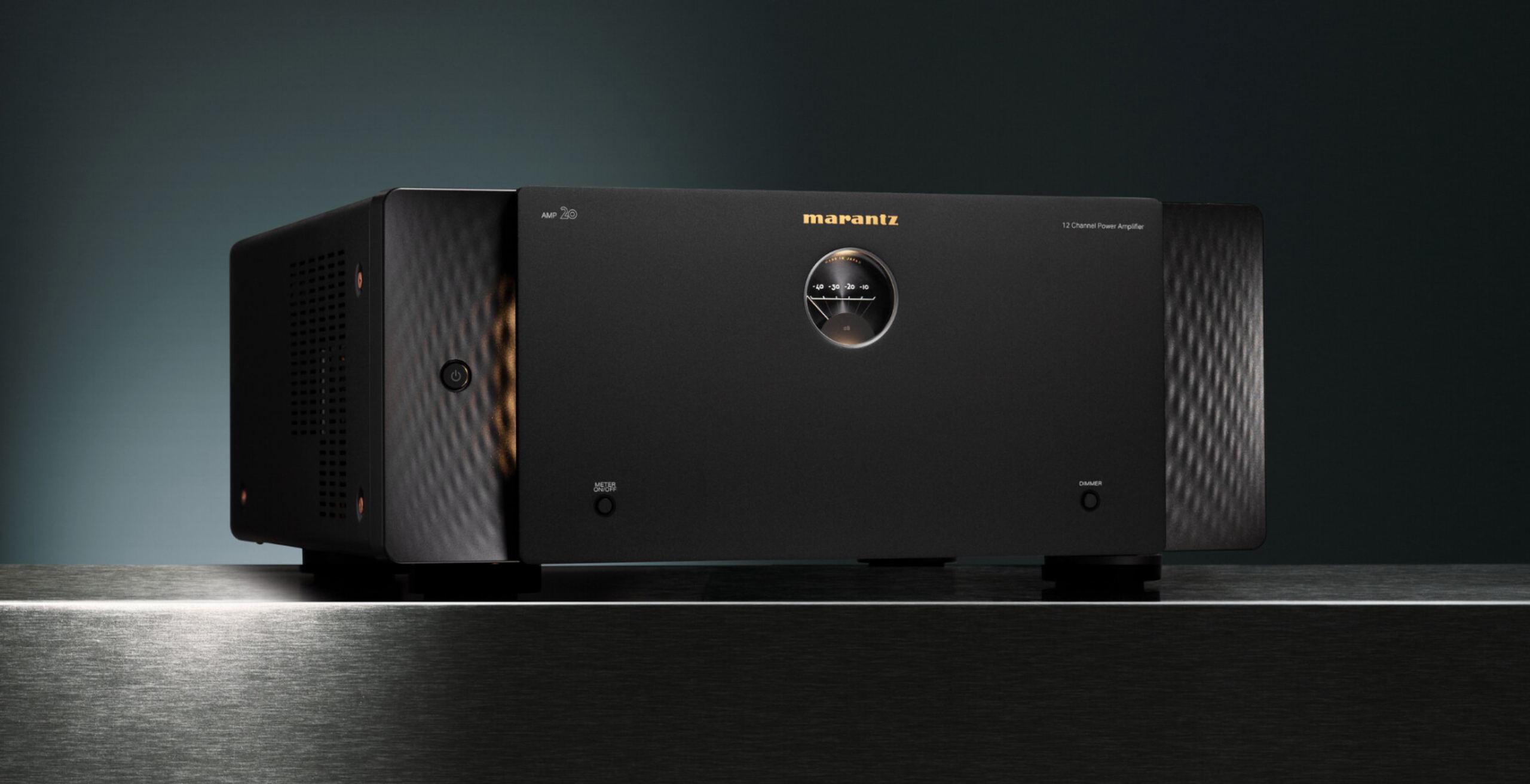
Why add a power amp to your system?
Adding a power amplifier addresses several practical needs. When an integrated home theater amplifier decodes more channels than it can power, or when you want to move from a 5.1 setup to a 7.1 or Atmos system, a multichannel power amp lets you expand without replacing your existing electronics.
Front speakers are generally the most demanding and power-hungry. Assigning them a dedicated amplifier relieves the main amp and improves overall system dynamics, even at moderate volume. The generous power supply of a power amp, often superior to that of integrated amplifiers, offers better current headroom to handle soundtrack dynamic peaks without clipping.
Pairing with a preamp or processor
A multichannel power amplifier integrates into a separates system. It receives the signal from a home theater preamp or dedicated processor that handles decoding of multichannel audio formats and signal processing. This separation of functions is the preferred solution for high-end installations: the processor focuses on digital processing and room correction, while the power amp is dedicated exclusively to amplification.
Connectivity is generally straightforward: analog line inputs (RCA or balanced XLR) and binding posts for the speakers. Some models offer convenient features such as auto trigger, bridge mode to double the power on certain channels, or rack mounting for dedicated installations.
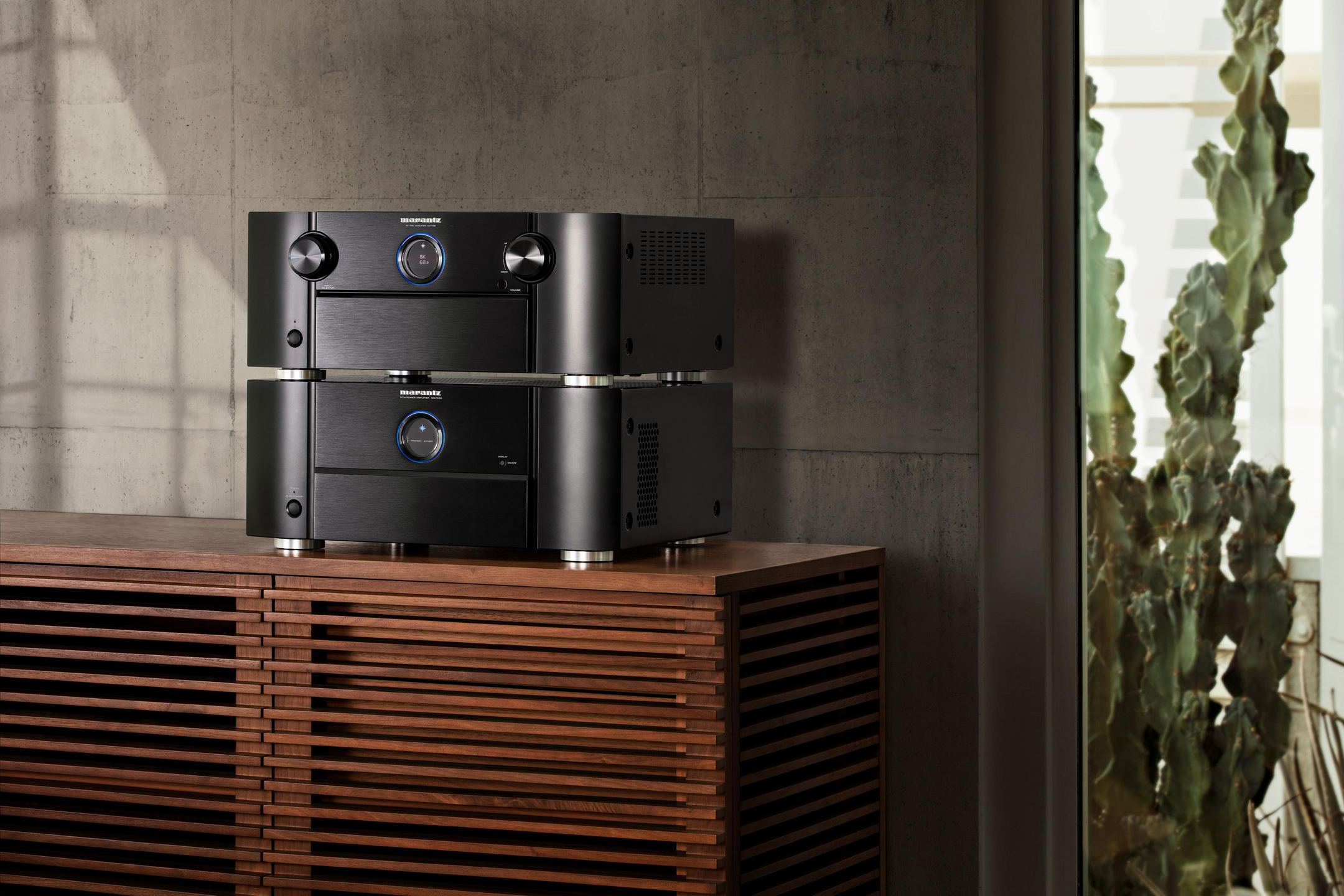
Choosing according to your setup and needs
The number of channels you need depends on your current system and upgrade plans. A 3-channel model is sufficient to reinforce the front speakers, while a 5- or 7-channel unit can power a complete setup. Advanced Atmos installations with ceiling speakers require 9-, 11-channel amps or more.
Power per channel into 8 ohms remains a key criterion, as does the ability to deliver that power with all channels driven simultaneously. Check the specifications: some manufacturers quote power in stereo mode only, which does not reflect real-world performance in multichannel configurations. A robust power supply and efficient thermal design ensure reliability and longevity.