Home Theater Speakers
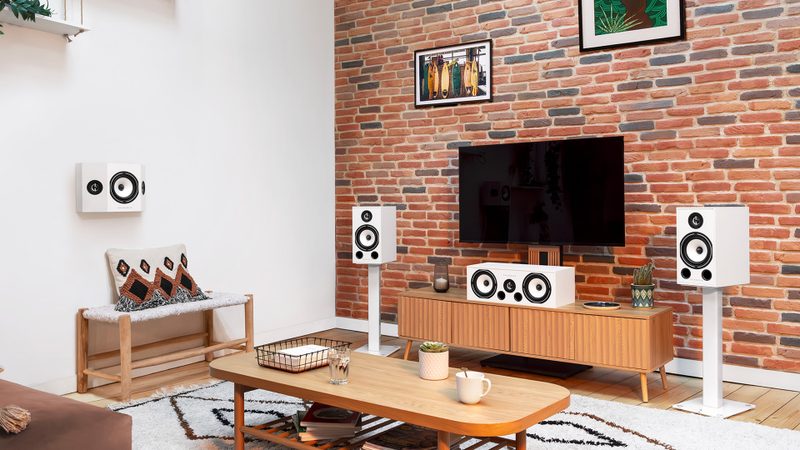
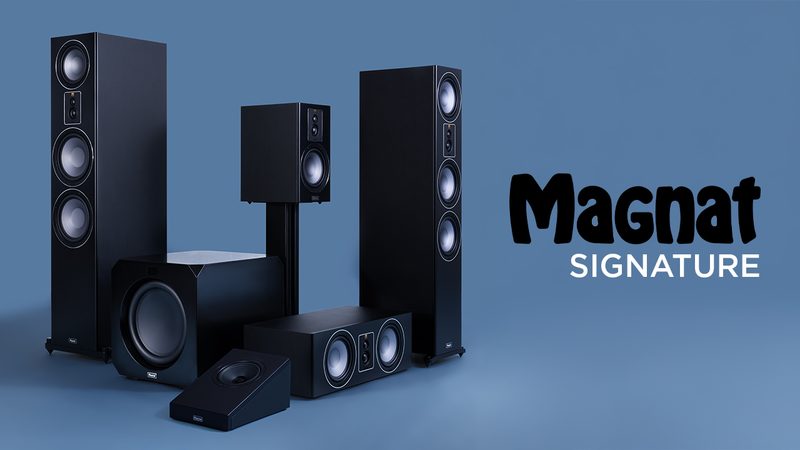
Home theater speakers deliver immersive surround sound for your movies, series, and video games. Comprising front speakers, a center speaker, surround speakers, and a subwoofer, these 5.1, 7.1, or Dolby Atmos configurations provide sound spatialization comparable to a movie theater. More capable than a soundbar, they adapt to any room with compact or floorstanding formats. Learn more
Must-haves
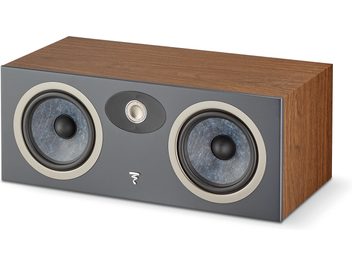
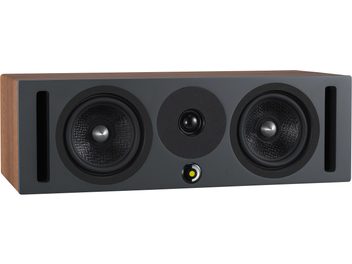
- FocalTheva center walnutCenter SpeakerIn stock€390
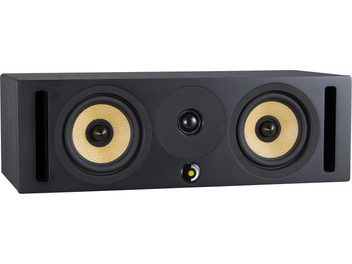
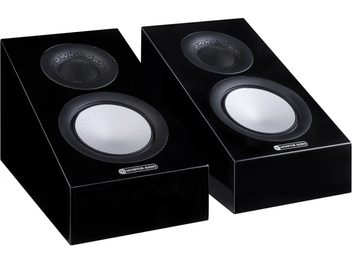
Best sellers
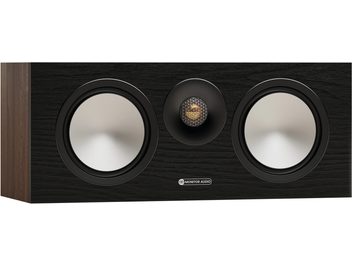
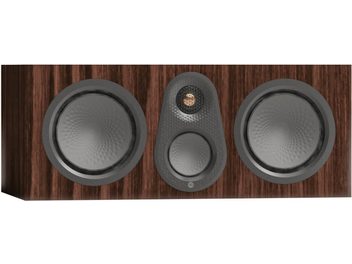
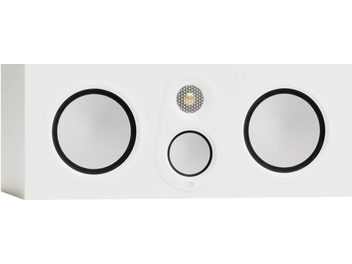
- Monitor AudioSilver Centre 8G walnutCenter SpeakerIn stock€1,000
- Monitor AudioSilver Centre 8G whiteCenter SpeakerIn stock€1,000
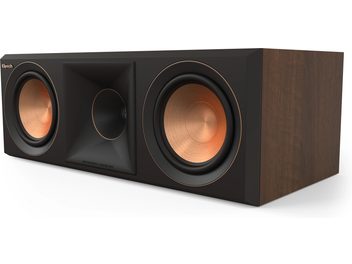
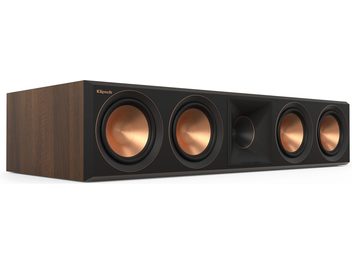
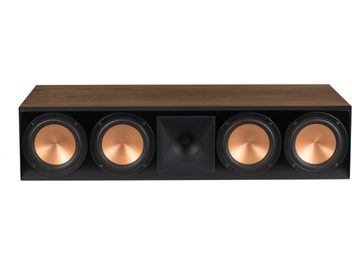
- KlipschRC-64 III walnutCenter SpeakerIn stock€1,890
How home theater speakers work
A home theater speaker system reproduces the audio signal from an amplifier to create an enveloping sound environment. Unlike all-in-one solutions, these multi-speaker setups offer true separation of audio channels, allowing you to precisely locate sound effects in space. The standard setup includes at least five speakers and a subwoofer (5.1 configuration), but can evolve into more advanced formats depending on your needs.
The different possible configurations
The 5.1 configuration is the foundation of multichannel home theater, with two front speakers, a center speaker for dialogue, two surround speakers at the back, and a subwoofer (the .1). This setup suits Dolby Digital and DTS formats on DVDs and over-the-air TV. To fully take advantage of the high-definition audio tracks on Blu-ray and streaming services, a 7.1 configuration adds two additional speakers for better lateral spatialization. Dolby Atmos and DTS:X formats require speakers dedicated to vertical effects, creating 5.1.2, 5.1.4, or 7.1.4 configurations where the numbers after the decimal indicate height channels.
Choosing between bookshelf and floorstanding speakers
The type of speakers you choose depends mainly on your room size. In a space under 20 m², compact (bookshelf) speakers paired with a subwoofer offer an excellent balance of performance and footprint. These models can be placed on stands or wall-mounted, making them easy to integrate into an already furnished living room. For rooms over 20 m², floorstanding speakers naturally produce deeper bass and can sometimes do without a subwoofer, although one is still recommended to reinforce the low frequencies of special effects.
The importance of tonal consistency
Home theater speaker packs ensure consistent sound across all channels. Each speaker in the pack uses the same technologies and drivers, ensuring that dialogue or effects moving through space retain the same tonality and volume. This uniformity respects the original mix and prevents breaks that would undermine immersion. If you’re building your system piece by piece, prioritize speakers from the same product line by a single manufacturer.
Placement and room integration
Speaker placement directly influences spatial quality. Place the center speaker below the screen, the front speakers on either side, and the surrounds behind or to the sides of the listening area, ideally at ear height. The subwoofer, being less directional, generally sits well near a front wall. Modern amplifiers include automatic calibration systems that measure distances and adjust settings to optimize performance for your actual setup.
Amplification and compatibility
Home theater speakers require an audio-video amplifier capable of decoding multichannel sound formats and driving the number of speakers in your setup. The amplifier’s power should match your speakers’ handling capacity to avoid clipping or damage. HDMI connectivity allows 4K/8K video and high-definition audio to pass between your sources (Blu-ray player, console, set-top box), the amplifier, and your display. Dolby Atmos and DTS:X formats require an amplifier compatible with these 3D audio technologies.
System upgradability
Most packs offer speakers available separately, allowing you to upgrade a 5.1 configuration to 7.1 by adding two speakers identical to your existing surrounds. This modularity lets you gradually adapt your setup to your preferences and the evolution of audio technologies. Some manufacturers also offer wireless speakers to simplify installation, especially for the subwoofer, which can then be placed freely without cabling constraints.