

Projection Screens
A projection screen transforms any room into a movie theater or a professional presentation space. Whether you’re looking for a motorized screen for your home theater, a manual model for your meeting room, or a portable screen for travel, the choice depends on your projector, the available space, and how you plan to use it. From 16:9 to 21:9 CinemaScope, including special fabrics for bright environments, every setup has its ideal screen. Learn more

The different types of projection screens
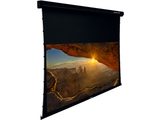
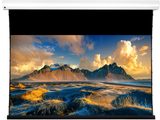
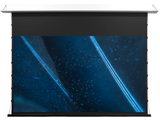
Projection screens come in several categories, each meeting specific needs. Motorized screens are the most comfortable solution: mounted on a wall or ceiling, they deploy and retract automatically via remote control or a home automation system. Some models can even be built into a drop ceiling for a discreet integration. Manual screens are a more economical alternative, with a user-friendly spring roll-up mechanism.
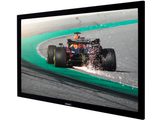
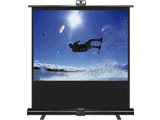
For a permanent installation, fixed-frame screens offer a perfectly flat, tensioned projection surface, ensuring optimal image quality with no risk of rippling. Portable tripod screens or models with a carrying case meet mobility needs, whether for on-the-go professional presentations or enjoying an outdoor movie night.
Home theater and professional use
A suitable projector screen makes all the difference in recreating the ambiance of a real cinema at home. Movie enthusiasts generally favor large diagonals and high-quality fabrics to fully leverage their projector’s 4K or UHD resolution. In a professional context, projection screens equip meeting rooms, lecture halls, and educational institutions, where they serve presentations, videoconferences, and training sessions.
Formats and sizes
The 16:9 format largely dominates the market, matching the standard of current projectors and HD/4K content. The older 4:3 format remains relevant for certain professional applications or the projection of classic films. Ultra-wide 21:9 (CinemaScope) formats appeal to cinema purists seeking the most immersive experience possible. Screen size should be chosen based on available viewing distance, the projector’s throw, and your personal preferences.
Fabrics and technologies
The nature of the projection fabric directly influences image quality. Standard matte white fabrics are suitable for most setups in darkened rooms. High-gain fabrics reflect more light, compensating for a less powerful projector. ALR (Ambient Light Rejecting) screens are a major advance for bright rooms: they reject ambient light while preserving the projector’s light, enabling projection even in the presence of natural or artificial light. Some specific fabrics are acoustically transparent, useful when speakers are placed behind the screen.
Installation and compatibility
Installing a projection screen requires checking compatibility with your projector, notably the throw ratio and necessary distance. Wall-mounted screens are the most common, but ceiling mounts offer more flexibility in room layout. For complex configurations, some motorized screens allow automatic triggering synchronized with turning on the projector or the home theater amplifier.
Choosing a projection screen starts with analyzing your real needs: usage frequency, room brightness, type of content viewed, and available budget. French brands like Oray stand out for their expertise, while other European manufacturers offer solutions to suit every budget.




