

Power Supply Accessories
Power accessories encompass all the components that connect, distribute, and secure power for your equipment. Mains cables, adapters, connectors, sockets, and power cords are the essential parts for linking your devices to the electrical grid. These accessories come in various formats and standards (IEC, CEE, NEMA) to fit all types of installations. Learn more
Understanding power accessories
Power accessories provide the connection between the electrical grid and your equipment. Beyond simple cables, this category includes a variety of technical products: standardized connectors (C13, C14, C5, C7), plug adapters for different international standards, extensions and mains leads in various lengths, as well as connection components for fixed installations.
Types of cables and cords
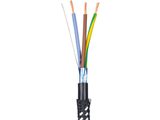
Power cables vary according to their use. Standard mains leads connect computers, monitors, and UPS units using common IEC connectors. Three-core cables ensure systematic grounding for sensitive equipment. For hi-fi and video setups, certain models offer enhanced shielding against electromagnetic interference. Rated voltages generally range between 230V and 400V depending on domestic or professional applications.
Adapters and connectors
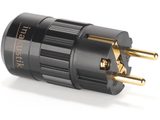
Adapters solve incompatibility issues between different electrical standards. They allow devices equipped with foreign plugs to be connected to the French grid, or vice versa. Professional connectors (CEE type) are designed to withstand water splashes and outdoor operating conditions. Specific formats such as right-angle or ultra-flat connectors make installation easier in confined spaces.
Accessories for fixed installations
For wiring distribution boards and enclosures, accessories include busbars, distribution terminal blocks, cable glands, and push-in connection systems. These technical components simplify installation and ensure reliable connections compliant with current standards. Terminal blocks distribute phase, neutral, and earth to multiple circuits. Electrical busbars, horizontal or vertical, make it easier to wire modular devices.
Choosing according to your needs
Selecting a power accessory depends on several criteria: the type of device to be powered, the required cable cross-section (expressed in mm²), rated current (in amperes), required length, and environmental constraints (watertightness, UV resistance, temperature). For IT equipment, prioritize cables with standardized IEC connectors. For outdoor installations, choose watertight connectors certified to IP67. Extension leads must match the power requirements of connected devices to avoid overheating.
Standards and compatibility
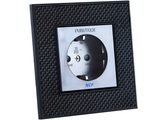
Power accessories comply with various international standards. IEC 60320 defines the most widely used connectors worldwide. French domestic sockets follow the CEE 7/5 standard. For professional applications, three-phase CEE plugs can carry significant power. Always check compatibility between your network voltage, the cable’s capacity, and the specifications of the device to be powered. An undersized cable poses a risk of overheating, while an unsuitable adapter can damage your equipment.




