

High-Fidelity
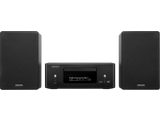
High fidelity covers audio equipment dedicated to reproducing music with as little coloration as possible: amplifiers, analogue and digital sources, speakers, headphones, cables and dedicated furniture. Our catalogue covers the entire chain, from phono preamps for vinyl to network players in Hi-Res, featuring the great European, British, American and Japanese brands. Learn more
Must-haves
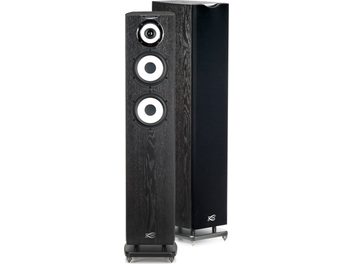
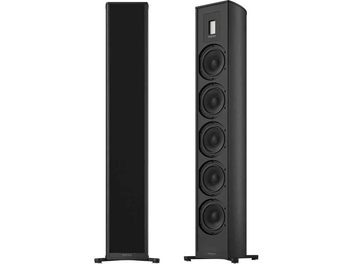
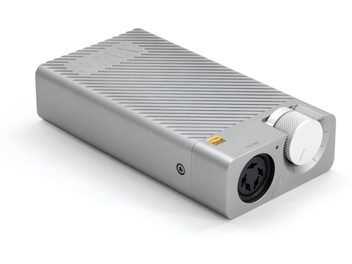
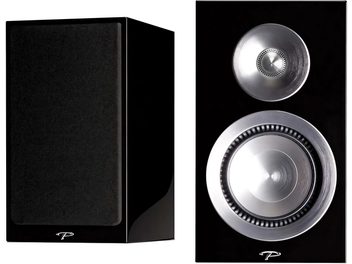
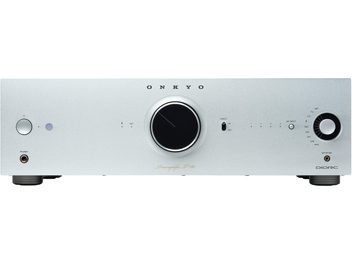
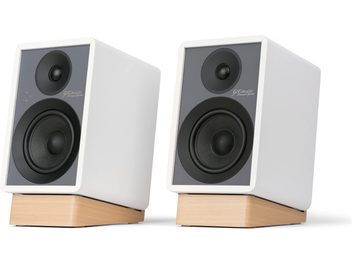
Best sellers
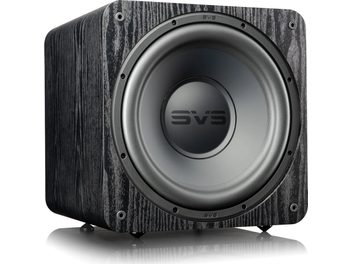
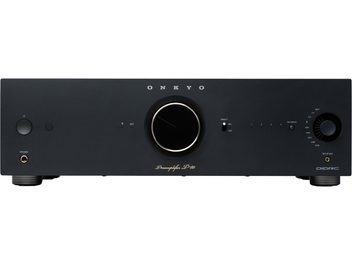
Understanding the hi-fi chain
A hi-fi system is built around three links: a source that plays the music (turntable, CD player or SACD, network player, DAC), an amplifier that restores the signal as power, and speakers (or headphones) that make it audible. Each link influences the result. Getting the balance of the whole system right matters more than the price of the most expensive component.
Modularity is one of the key advantages of separates hi-fi: you choose each component according to your needs, replace one link without starting from scratch, and maintain an upgradeable setup over ten or fifteen years.
Amplifiers and preamplifiers
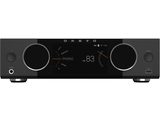
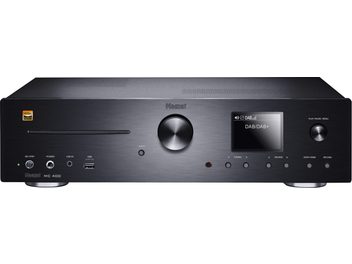
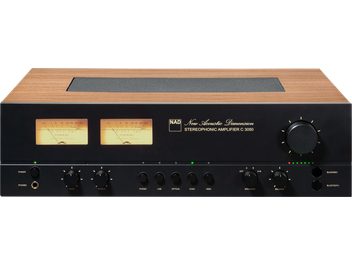
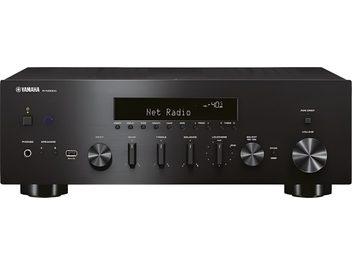
The stereo integrated amplifier remains the cornerstone of most consumer installations. It combines a preamp (input selector and volume control) and a power amplifier. Class AB dominates in traditional analogue, with well-established linearity. Modern Class D now achieves comparable levels of musicality with superior energy efficiency. The valve amplifier (KT88, EL34, 300B) retains its devotees for the warmth of the midrange and the smoothness of the treble.
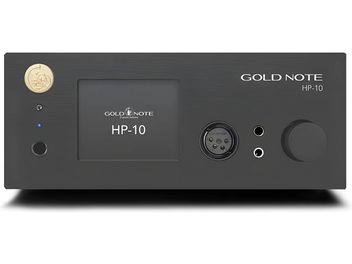
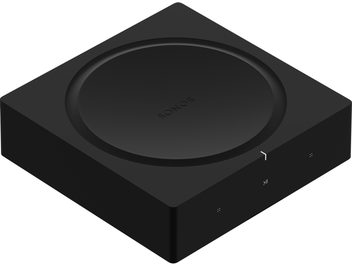
Our range also covers connected amplifiers with Wi-Fi, AirPlay 2 and Chromecast, stereo preamps, mono or stereo power blocks, MM and MC phono preamplifiers for turntables, and dedicated headphone amplifiers.
Sources: CD, vinyl, streaming
The CD player remains relevant for those with a physical music collection, with transports and integrated players available across all price ranges. SACD extends the format into high resolution. The turntable, long confined to nostalgic use, has returned to the forefront, with solid models from entry level to high end.
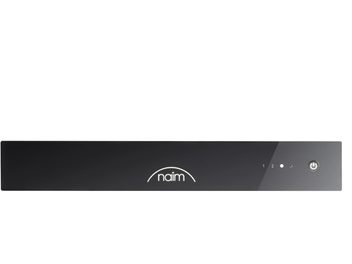
High-resolution streaming represents the primary entry point for new installations. A network player accesses Qobuz, Tidal, Deezer or Spotify and plays local files up to DSD256 and 24-bit/192 kHz PCM. For those who already own a computer or NAS, an external USB DAC transforms a standard digital source into a hi-fi quality player.
High-fidelity speakers
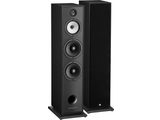
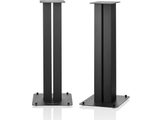
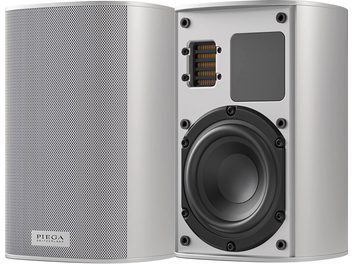
Floorstanding speakers remain the reference format in a living room of 20 to 40 m², with an extended bass response thanks to multiple woofers. Bookshelf speakers (or compact speakers) offer greater placement flexibility and suit rooms of 12 to 25 m², provided they are placed on dedicated stands. The diversity of sonic signatures between French, British, Scandinavian, Italian and Japanese manufacturers is real, and an in-store listening session remains the best guide.
Active speakers incorporate their own amplification, reducing the number of boxes. Connected models simplify installation further for those who want a complete system without a rack. Dedicated stereo subwoofers complement a pair of bookshelf speakers in the deep bass.
Audiophile headphones
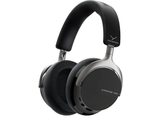
Hi-fi headphones address two common constraints: listening late without disturbing others and achieving a detailed soundstage at a reasonable cost. Open-back headphones deliver a wide sense of space but allow sound to leak. Closed-back models provide greater isolation. Planar magnetic technology often requires a dedicated headphone amplifier to perform at its best.
Cables, accessories and furniture
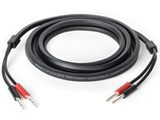
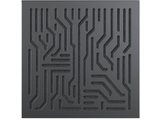
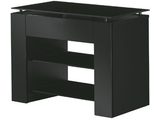
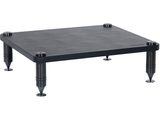
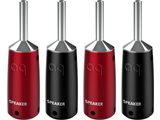
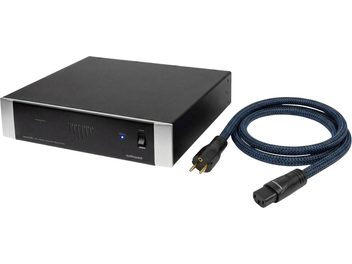
Speaker cables by the metre or terminated, RCA and balanced XLR interconnects, optical digital cables, coaxial and USB cables won’t transform a system, but their consistency avoids audible losses, especially over long runs. Banana plugs and spades secure connections. Modular hi-fi furniture, speaker stands and decoupling spikes limit vibration transmission between electronics and the floor. Acoustic treatments (absorbing panels, bass traps) can deliver more improvement than an amplifier upgrade in a problematic room.
How to choose your hi-fi equipment
The most common mistake is to over-invest in the source and under-invest in the speakers, or vice versa. A budget allocation that works well: roughly one third for speakers, one third for amplification, one third for the source and cables. Room size, wall construction, intended use (music only or combined with home theatre) and typical listening volume guide choices more than the rated wattage.
To build a coherent system, comparative listening in a dedicated audition room remains the most reliable method. Our Compiègne store has dedicated spaces for this purpose, and our team is also available by phone and messaging to help plan an installation remotely.
Frequently asked questions
What is the difference between a hi-fi amplifier and a home theatre amplifier?
A hi-fi amplifier is stereo (2 channels) and prioritises tonal accuracy for music. A home theatre amplifier (or audio-video receiver) handles 5, 7, 9 channels or more, decodes Dolby Atmos and DTS:X, and includes HDMI switching. For stereo music listening, a dedicated hi-fi amplifier almost always delivers better results at an equivalent budget.
Do you need an external DAC if you already have a network player?
Not necessarily. Most network players include a decent built-in digital-to-analogue converter. An external DAC is justified when you want to upgrade the conversion without changing the source, or when you are feeding a non-audio source (television, computer) that you wish to bring up to hi-fi standard.
How much amplifier power do you need for a given room?
As a general guide, 30 to 50 watts per channel will cover a room of 15 to 25 m² with average-sensitivity speakers (87 dB). Beyond 30 m², aiming for 70 to 100 watts per channel provides greater dynamic headroom on loud passages.
What is a phono preamplifier?
The signal from a turntable cartridge is too weak and has a frequency curve (RIAA) that must be corrected before entering the amplifier. A phono preamp does both. Many integrated amplifiers include one, which is sufficient for MM cartridges. For an MC cartridge or a step up in quality, a separate phono preamplifier brings an audible benefit.
Does high-resolution streaming sound better than CD?
With files of equivalent quality (a correctly read CD versus 16-bit/44.1 kHz FLAC), the audible difference is small. Files at 24-bit/96 kHz or 192 kHz, DSD masters and studio-quality tracks can offer a gain in resolution depending on the original recording and the quality of the player.




