

Contents
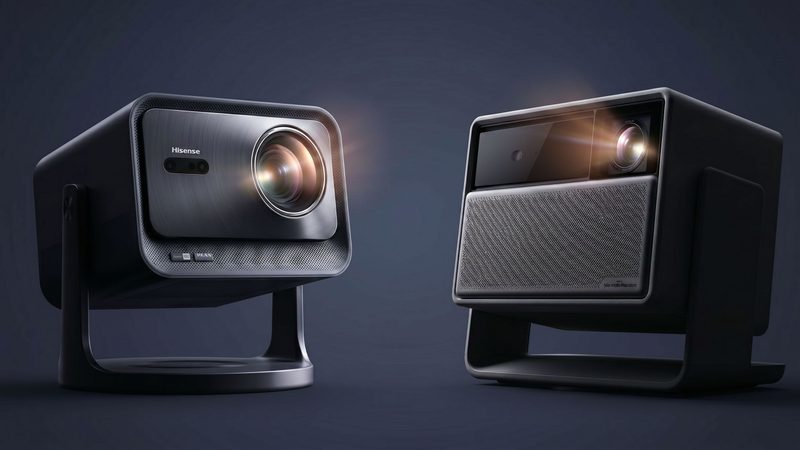
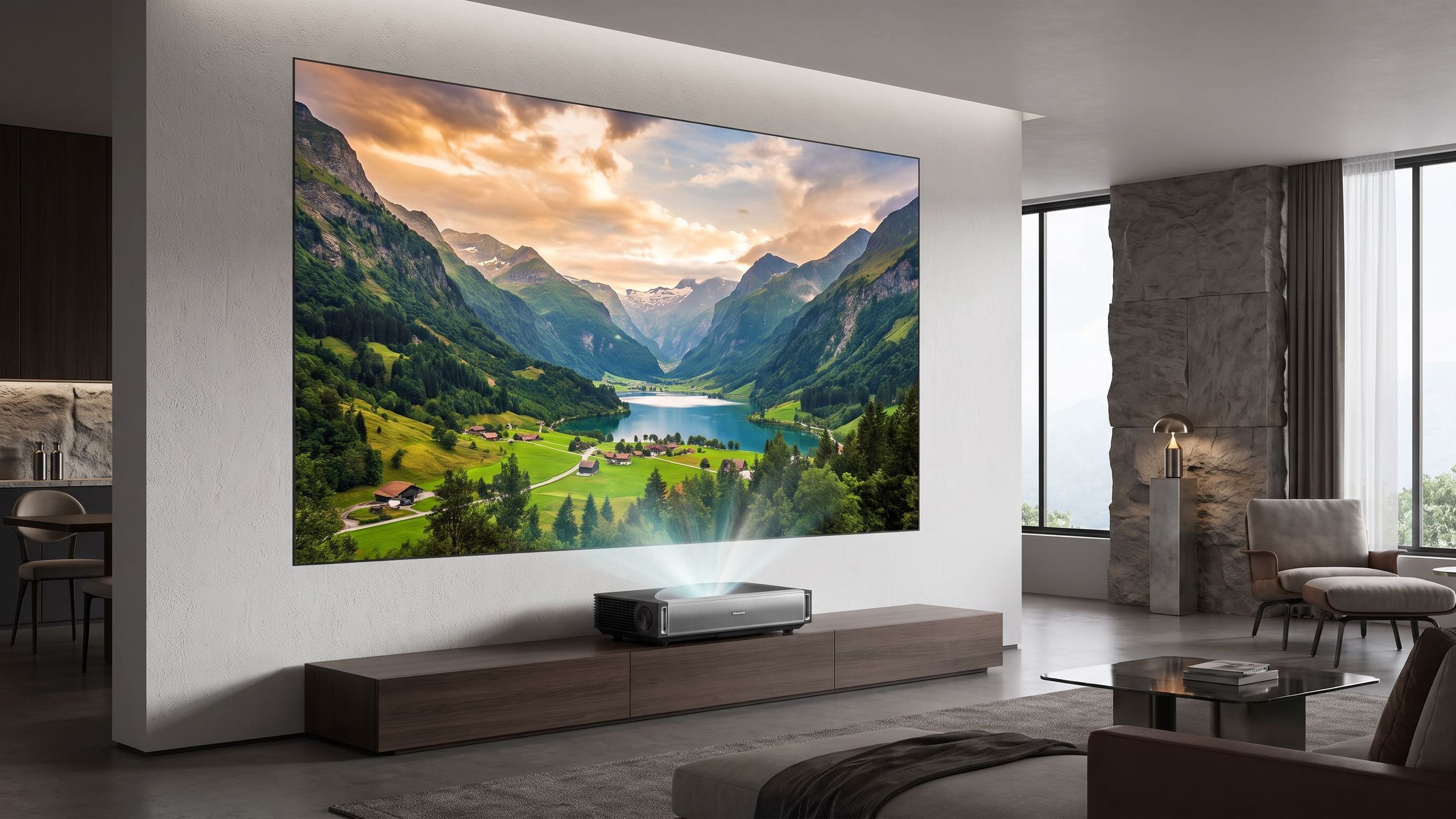
Two years separate the two ultra-short-throw laser consoles from Hisense, and the PX4-PRO, priced at €3,499, builds on the PX3-PRO’s foundations: three red, green and blue lasers, a 0.47-inch DLP chip that recreates a 4K image through rapid pixel shifting, Dolby Vision and HDR10+ support, and IMAX Enhanced certification. The changes cover the optics, sound, connectivity and gaming. Only one truly transforms the picture when watching a film in a dark room in the evening: the iris.
The differences between the two models in one table
| PX3-PRO | PX4-PRO | |
|---|---|---|
| Brightness | 3,000 ANSI lumens | 3,500 ANSI lumens |
| Native contrast | 3,000:1 | 6,500:1 (iris fully stopped down) |
| Iris | no | yes, 7 positions |
| BT.2020 color space coverage | 110% | 118% |
| Throw ratio | 0.22 | 0.20 |
| Image size | 80 to 150 inches | 80 to 200 inches |
| Built-in sound | Harman Kardon, 4 speakers, 50 W | Devialet 4.0.2, 6 speakers, 66 W |
| Audio formats | Dolby Atmos | Dolby Atmos, DTS:X |
| HDMI inputs | 3 (2 HDMI 2.1, 1 HDMI 2.0 with eARC) | 4 (2 HDMI 2.1, 2 HDMI 2.0 including 1 with eARC) |
| Gaming | 2K at 240 Hz, Designed for Xbox certified | 2K at 240 Hz, 1 ms, AMD FreeSync Premium |
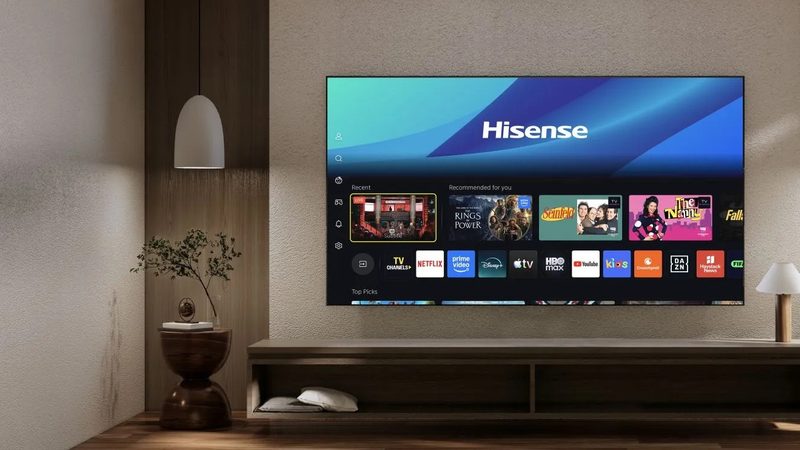
| Interface | VIDAA U7 | VIDAA U9 |
| Wireless | Wi-Fi 6E | Wi-Fi 7, Bluetooth 5.4 |
A seven-position iris for viewing in the dark
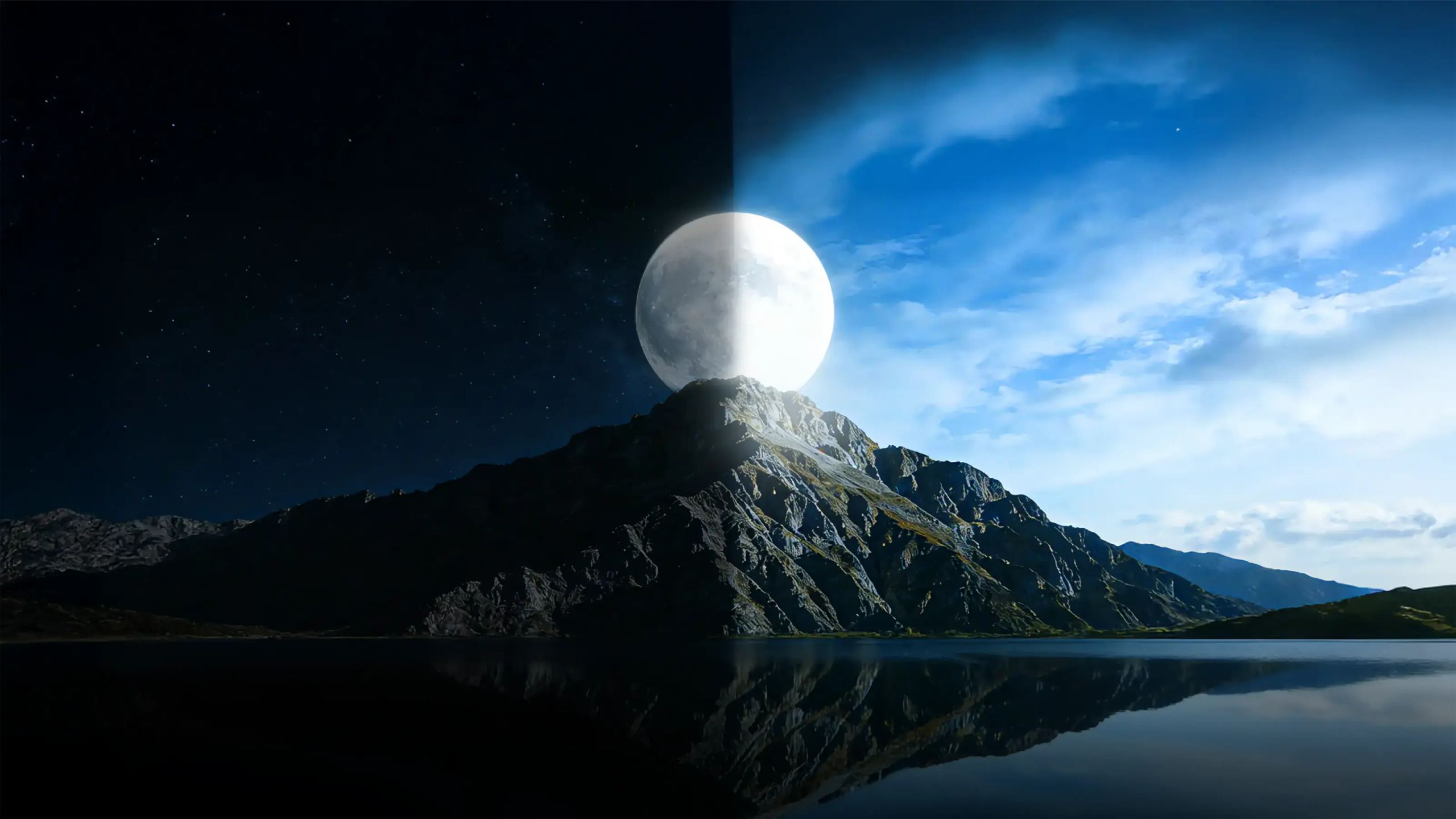
A projector cannot project black: it simply sends less light to the dark areas of the image. In a dark room, starry nights or dimly lit indoor scenes therefore often retain a slight gray haze, and this was the limitation of the PX3-PRO, rated at 3,000:1 native contrast (the ratio between the brightest white and deepest black displayed at the same time).
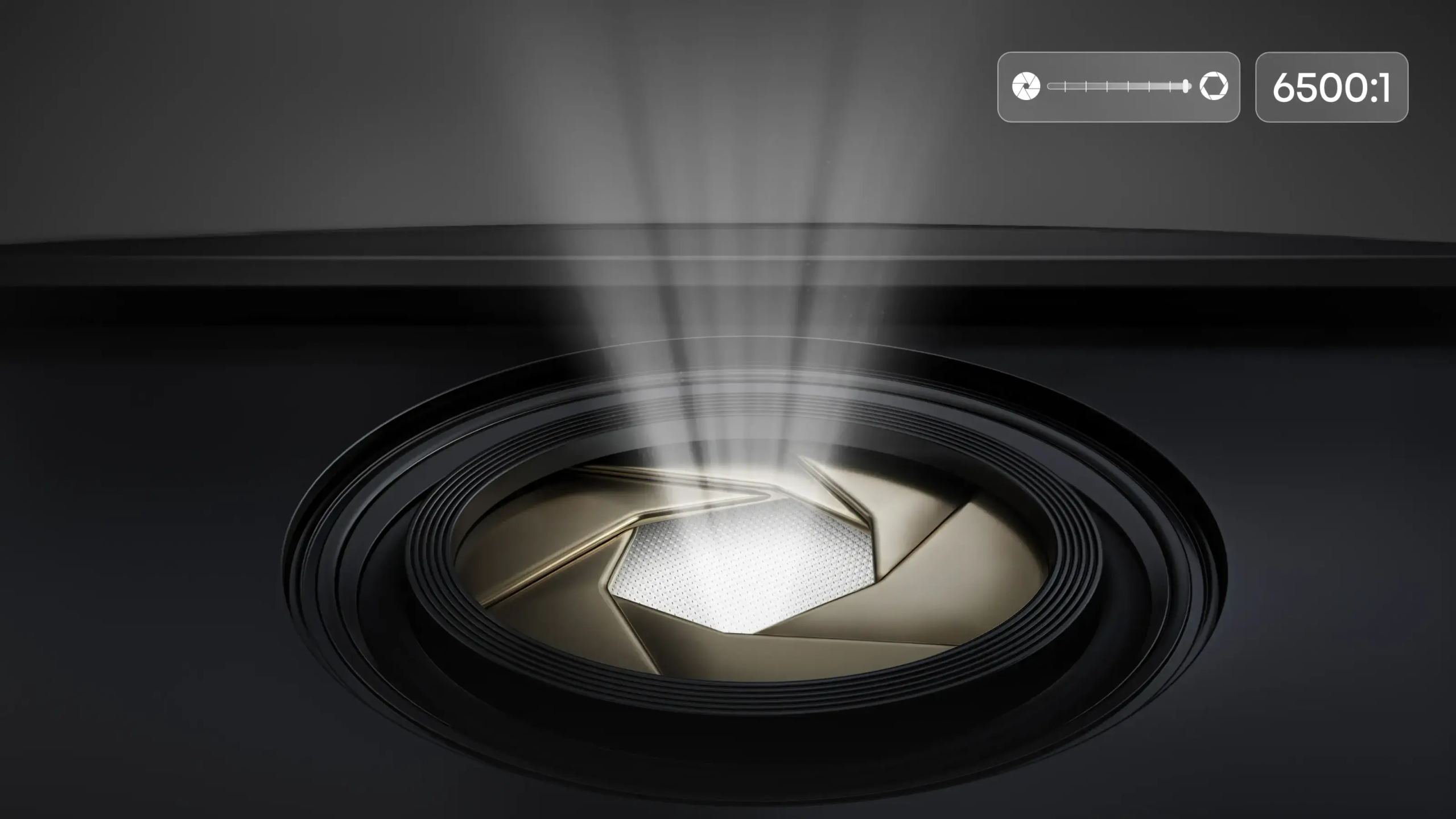
The PX4-PRO adds an iris to its lens, a mechanical diaphragm that reduces the opening through which light passes. Hisense offers seven positions. The more the iris closes, the deeper the blacks become, and native contrast reaches 6,500:1 at position 7, more than double that of the PX3-PRO. The trade-off is a loss of brightness, since the entire image receives less light. During the day, leave the iris open to take advantage of the 3,500 lumens. In the evening, with the shutters closed, stop it down for greater depth in films. Hisense pairs the iris with image processing called CineBlack Pro, which works on shades of gray in the shadows.
500 more lumens and a wider color gamut
Brightness increases from 3,000 to 3,500 ANSI lumens, or around 17% more. Hisense also quotes 4,375 ISO lumens for the PX4-PRO. The two values cannot be compared directly, as they come from two different measurement methods: to compare the two projectors, you need to look at ANSI lumens. This extra headroom is mainly useful for large image sizes or in a living room where daylight is still coming in.
Coverage of the BT.2020 color space, the reference for Ultra HD HDR content, increases from 110 to 118%. The PX3-PRO’s triple laser already went beyond what films require, as they are graded in the narrower DCI-P3 color space. This gain is less noticeable than the improvement from the iris. Hisense claims a Delta E of 0.9 or less out of the box. Delta E measures the difference between the color requested by the source and the one displayed on screen, and below a value of 1, the eye cannot perceive the difference.
The PX4-PRO also tackles the rainbow effect, those brief colored fringes that some viewers see on single-chip DLP projectors, which display red, green and blue one after another. Hisense increases the lasers’ operating frequency to 480 Hz and claims a reduction in the effect of up to 99%.
A shorter-throw lens that reaches 200 inches
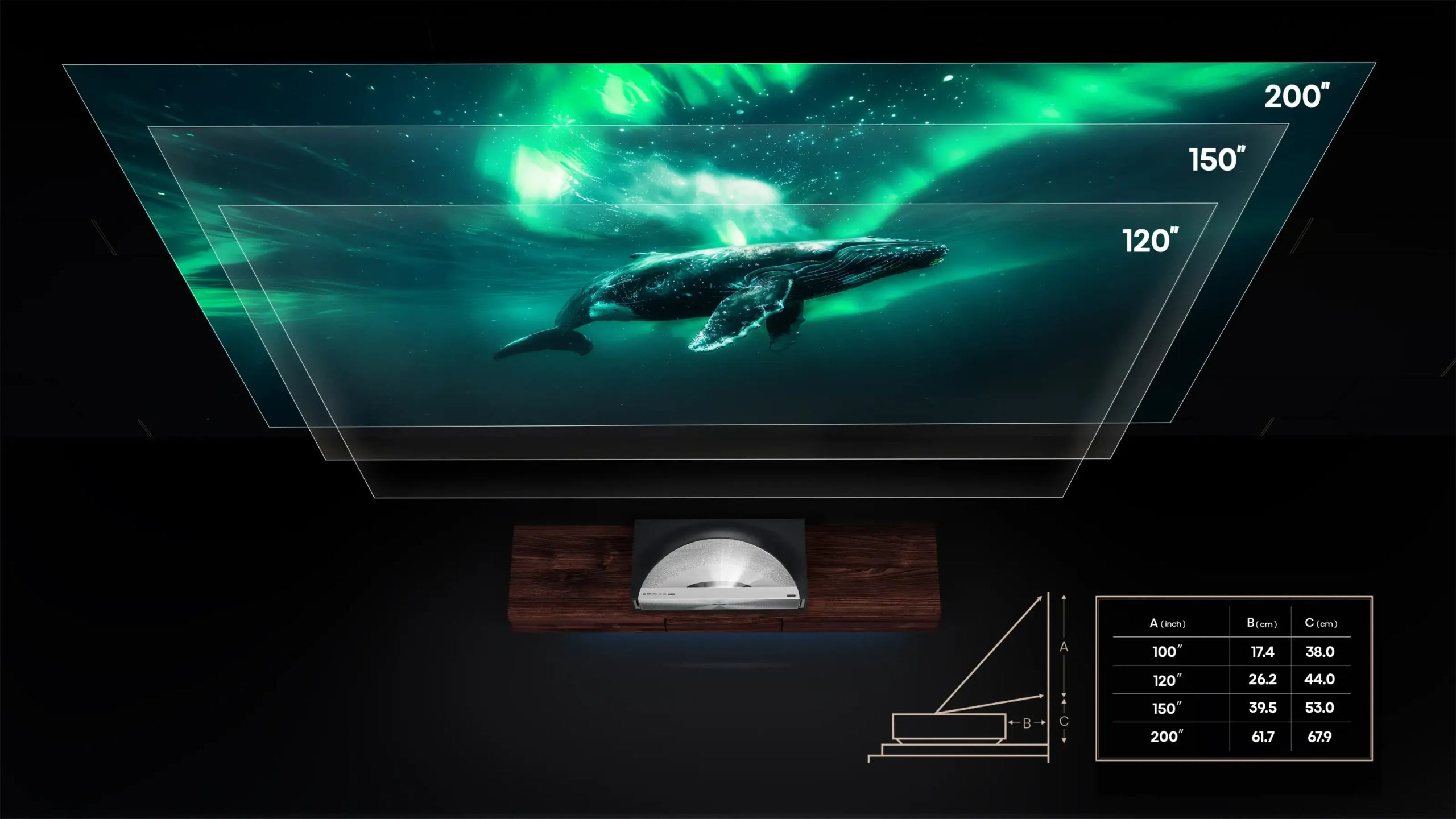
The throw ratio drops from 0.22 to 0.20. The distance between the lens and the screen is calculated by multiplying this ratio by the image width. For a 100-inch screen (2.21 m wide), the PX4-PRO sits around 44 cm from the screen, compared with 49 cm for the PX3-PRO. At 120 inches, the distances are 53 cm and 58 cm respectively. A shallower cabinet is enough.
The maximum diagonal size increases from 150 to 200 inches, or 5.08 m. The image then covers an area 1.8 times larger than at 150 inches, with the 3,500 lumens spread accordingly. This size requires a dark room or an ambient light rejecting (ALR) screen. The lens contains more than ten elements. Focus is motorized, and two built-in cameras align the image with the screen frame, with nine-point geometric correction for adjusting the corners manually.
Devialet replaces Harman Kardon
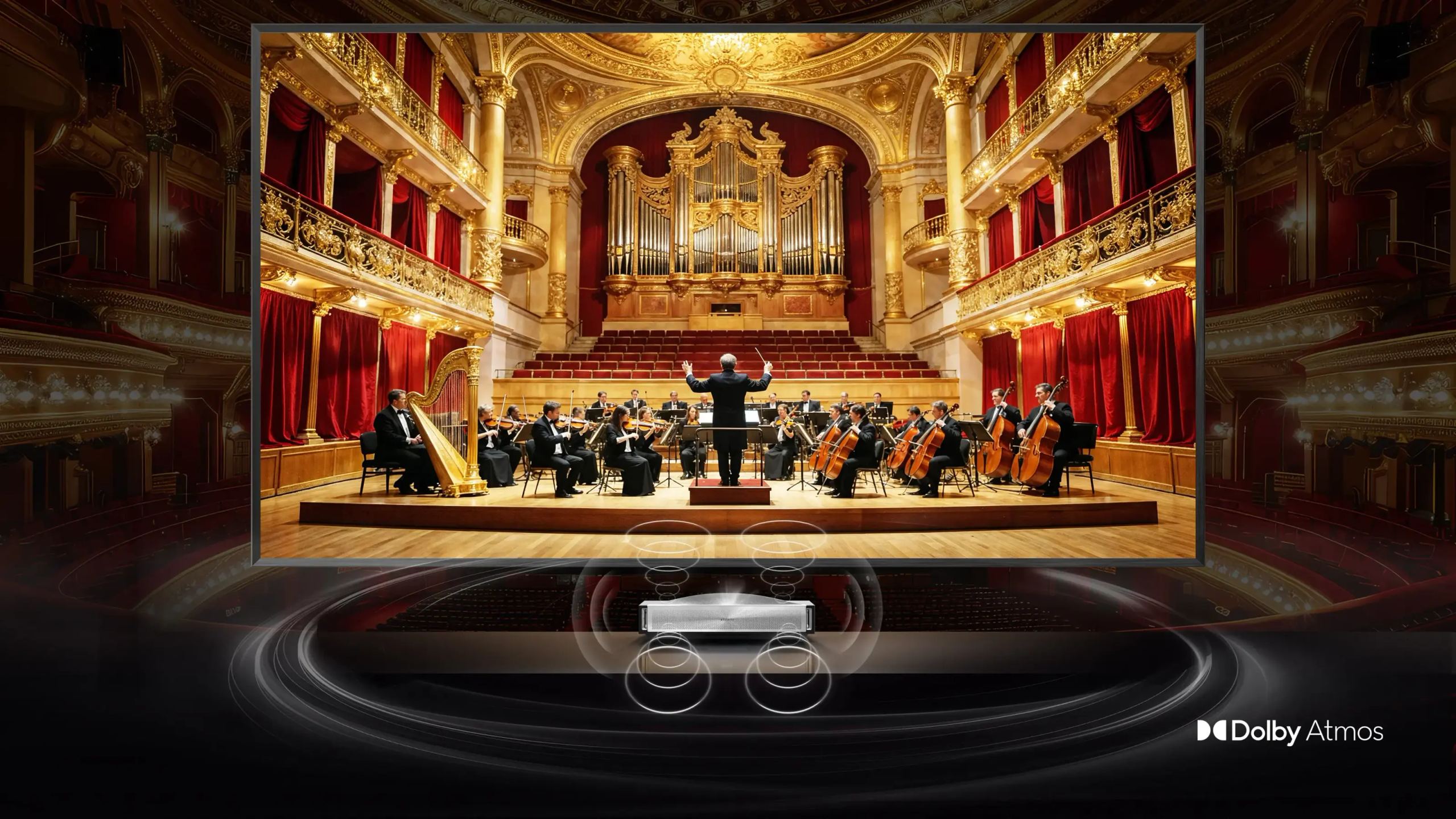
The PX3-PRO had four Harman Kardon speakers delivering 50 W in total (2 × 15 W and 2 × 10 W), all front-firing. The PX4-PRO switches to a system developed with French company Devialet, in a 4.0.2 configuration: six speakers delivering 66 W (2 × 15 W, 2 × 10 W and 2 × 8 W). The last two fire toward the ceiling, which reflects the sound back toward viewers to reproduce the height effects in Dolby Atmos tracks. DTS:X decoding is also added.
For those who only have the projector in their living room, this more complete built-in sound system avoids the need to buy a soundbar straight away. Those who already have an AV receiver or a soundbar will make little use of it: like the PX3-PRO, the PX4-PRO sends sound to the system through its HDMI eARC port, which transmits uncompressed multichannel formats.
Gaming: still 240 Hz, now with FreeSync Premium
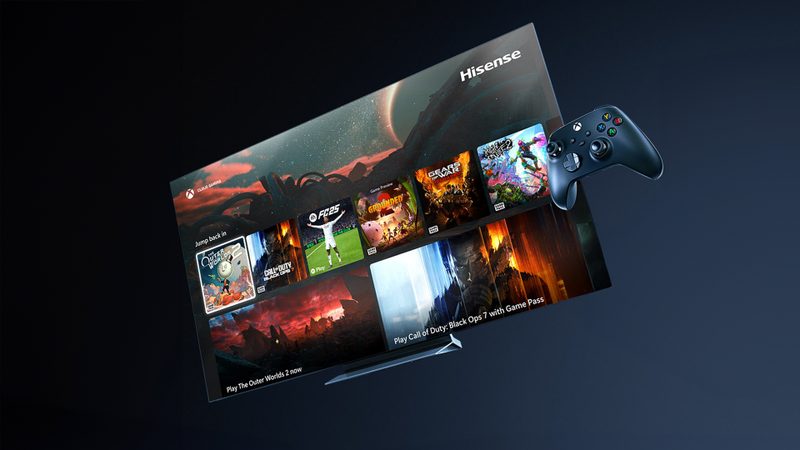
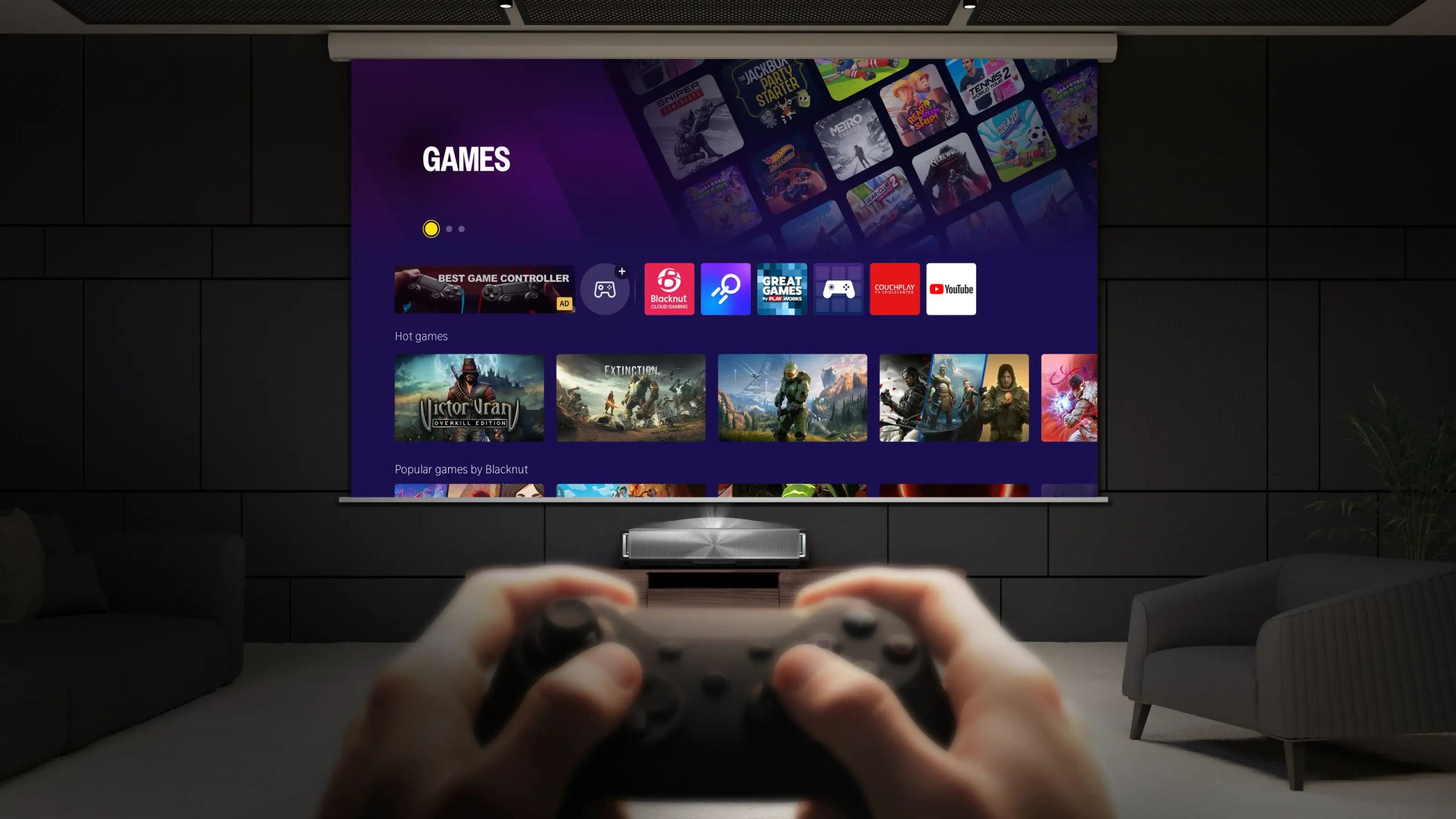
Both projectors display 4K at up to 60 Hz and reach 240 Hz at 2K, a lower resolution that delivers smoother images in fast-paced games. The PX4-PRO claims a 1 ms response time in this mode. It is the first ultra-short-throw projector certified for AMD FreeSync Premium, a version of variable refresh rate (VRR) that matches the image refresh rate to the output of the console or PC to prevent screen tearing. Game mode starts automatically when a console is detected (ALLM). The VIDAA interface also provides access to Xbox Cloud Gaming, Microsoft’s game streaming service, which works without a console with a Game Pass subscription and a controller.
Connectivity and interface
The PX4-PRO adds a fourth HDMI input. Two remain HDMI 2.1, the standard required for high frame rates, and one of the two HDMI 2.0 ports supports eARC. With a console, an Ultra HD Blu-ray player and an AV receiver connected, nothing needs unplugging anymore. Wi-Fi 7 and Bluetooth 5.4 replace Wi-Fi 6E. The interface moves from VIDAA U7 to VIDAA U9, with the same main apps (Netflix, Prime Video, Disney+, YouTube) and AirPlay 2 for sending videos from an iPhone or Mac. Everything else stays the same: active 3D with DLP-Link glasses sold separately, a laser source rated for 25,000 hours and maximum power consumption of 250 W. The console loses 900 g but gains 22 mm in height.
Whether to replace your PX3-PRO
For a PX3-PRO owner who mainly watches television during the day in a bright living room, with a home theater system for sound, the upgrade offers little: 500 more lumens, one more HDMI input and FreeSync Premium for PC gamers. The PX4-PRO really comes into its own for evening films in a dark room, where the iris more than doubles native contrast, or for those aiming for an image larger than 150 inches. For a first purchase, there is less to consider: the PX4-PRO replaces the PX3-PRO in Hisense’s range, with deeper blacks, more complete sound and more connectivity.