3D Glasses
3D glasses are essential for fully experiencing the immersive world of three-dimensional video projection. They transform flat images into deep scenes, enhancing cinema, video games, and virtual reality. Learn more
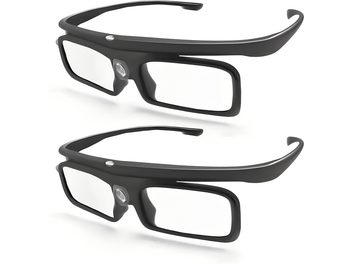
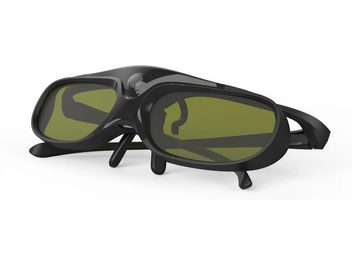
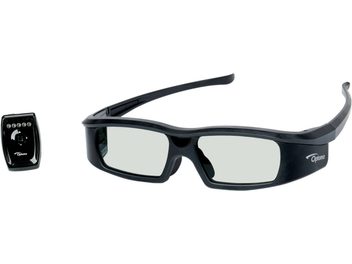
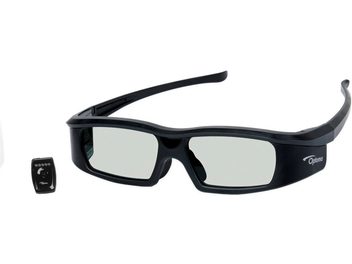
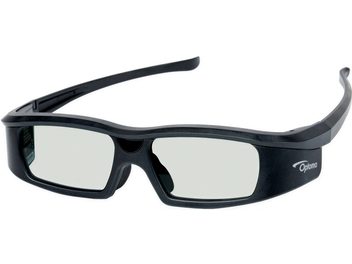
3D glasses are the bridge between projection technology and your eyes, allowing you to perceive the magic of 3D. There are two main types: active and passive glasses, each using a different method to create the illusion of depth.
Active 3D glasses use LCD shutters synchronized with the screen or projector. They rapidly alternate between the left and right eye, blocking the view of one eye while the other receives the corresponding image. This synchronization creates a convincing perception of depth. Although more expensive, they generally offer better image quality and fewer ghosting effects.
Passive 3D glasses, on the other hand, use circular polarization. Each lens filters a different orientation of light, allowing each eye to see a distinct image. Lighter and less expensive, they are often used in cinemas and do not require batteries.
For video game enthusiasts, 3D glasses open up a new world of immersion. They transform gaming environments into three-dimensional spaces, enhancing realism and player engagement. Compatibility with 3D TVs and home theater systems extends this experience to the living room.
Visual comfort is a crucial aspect when choosing 3D glasses. Recent models are designed to reduce eye strain, even during extended sessions. Some can be worn over prescription glasses, ensuring everyone can enjoy the 3D experience.
Anaglyph technology, using red and cyan color filters, remains an economical option for certain content, though it is less common for modern applications.
The evolution of 3D glasses goes hand in hand with that of virtual reality, offering ever more advanced possibilities for immersion. Whether watching a movie, playing a video game, or exploring virtual worlds, these accessories radically transform our visual perception.
Choosing the right 3D glasses depends on your equipment and preferences. Ensure compatibility with your projection system or television. Also, consider the frequency of use and the type of content you consume most often.
By investing in quality 3D glasses, you open the door to a new dimension of visual entertainment, transforming your space into a window to fascinating and immersive worlds.