iFi Audio UP Play Max


Specifications and features


Overview
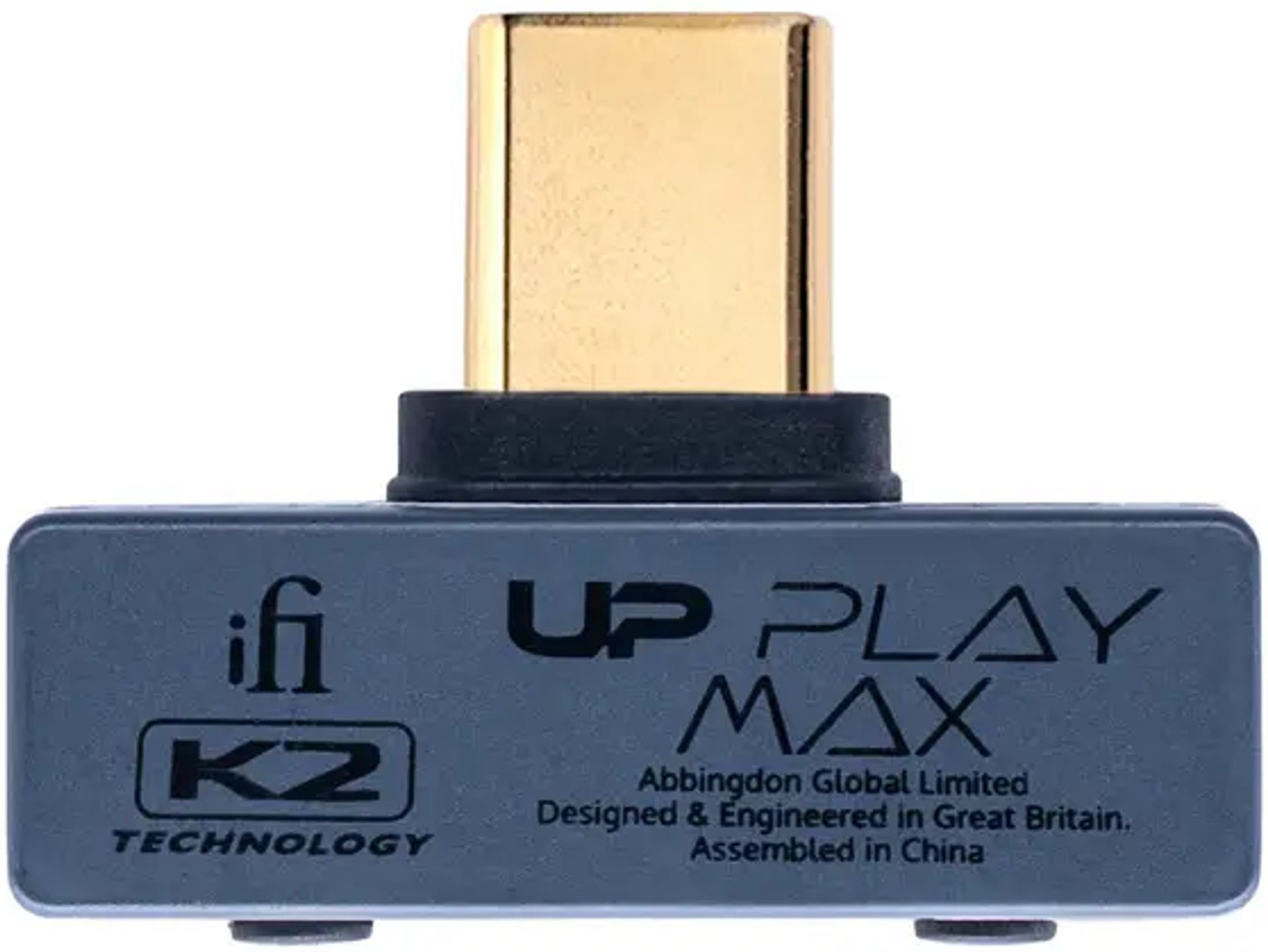
A recent smartphone and a high-end wireless headset do not always agree on the best way to communicate: the iPhone is limited to AAC, and each Android manufacturer chooses its own codecs. This 3-gram dongle plugs into the USB-C port and handles the Bluetooth connection instead of the device, with aptX Lossless, LDAC and a low-latency mode for gaming.
A USB-C dongle that replaces the device’s Bluetooth
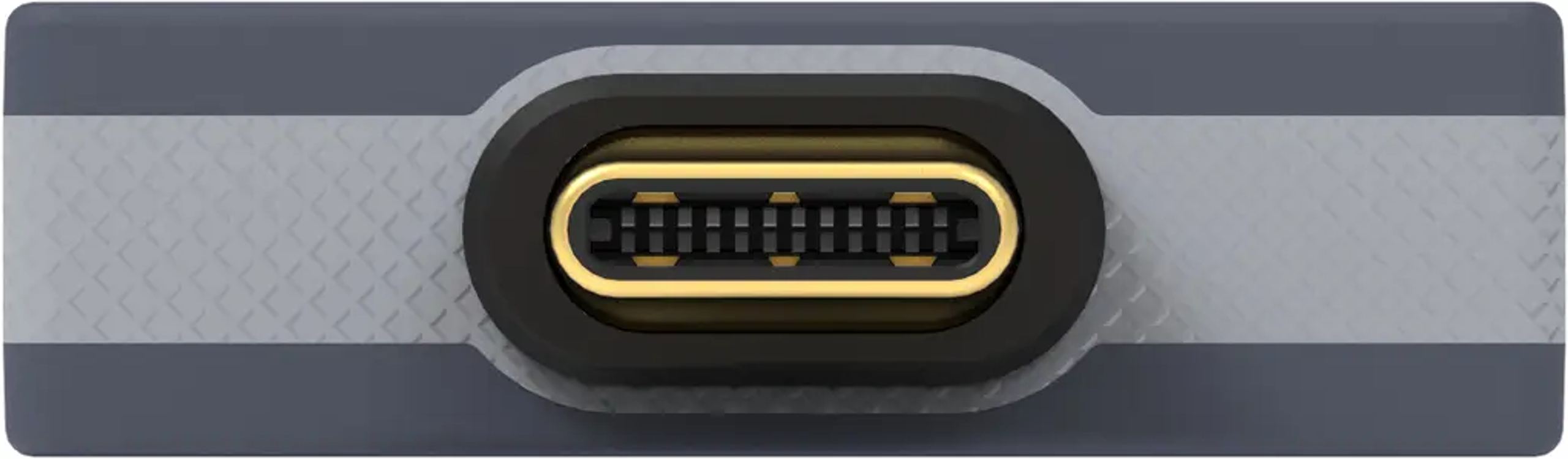
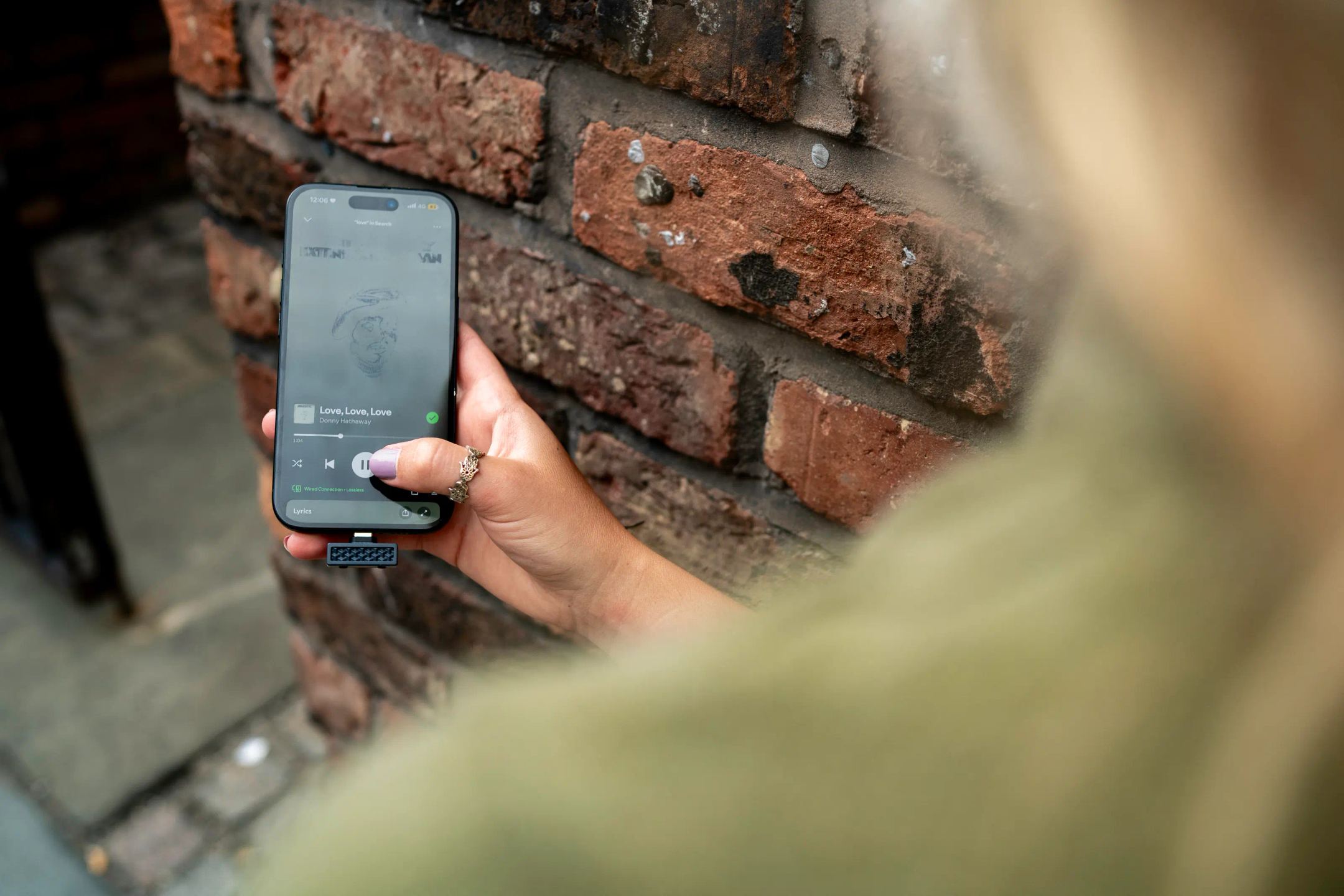
The principle is simple. Once plugged in, the dongle is recognized by the phone, tablet or computer as an audio output: sound leaves the device digitally through the USB-C port, and the UP Play Max encodes it before sending it to the headset via Bluetooth 5.4. The phone’s wireless chip and its limitations are no longer involved. On an iPhone, a lossless track from Apple Music, Qobuz or Spotify therefore reaches the dongle intact, rather than being converted to AAC before being sent to the headset.
At 27.6 × 20.8 × 8 mm, the dongle barely protrudes from the edge of the phone and can stay plugged in while it is in a pocket or bag, as it can on a laptop. It draws power from the host device’s USB-C port (5 V) and consumes less than 10 mA, a negligible drain on the battery. The stated range exceeds 10 meters, easily covering a room or office.
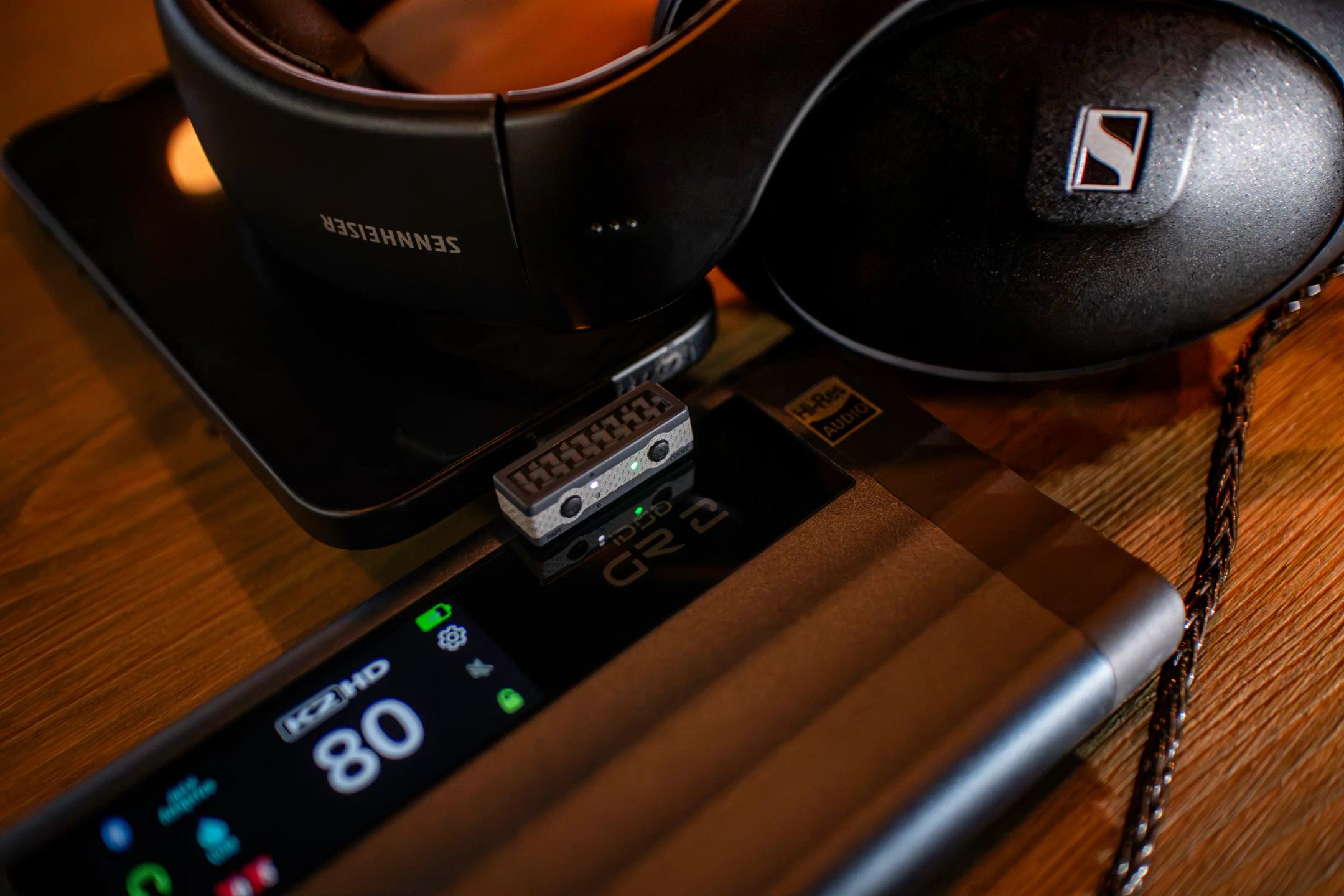
Seven codecs, up to lossless aptX Lossless
A codec is the compression method used to send music over a radio link, whose bandwidth remains limited. Both ends must support it: the transmitter and headset negotiate the best format they have in common. The UP Play Max supports seven, from basic SBC to LDAC and the entire aptX family, ensuring it can find common ground with almost any headset or earbuds.
aptX Lossless is the most ambitious. At around 1.2 Mbit/s, it transmits a CD-quality stream (16-bit, 44.1 kHz) without any data loss, whereas AAC on an iPhone tops out at around 250 kbit/s. It requires a compatible Snapdragon Sound-certified headset, earbuds or Bluetooth DAC on the receiving end: the iFi iDSD GR 2 portable DAC is one example, allowing the UP Play Max to make full use of the lossless connection. LDAC, supported by many headsets and offering up to 990 kbit/s, is the other high-resolution option, followed by aptX Adaptive, aptX HD and aptX.
The improvement therefore depends entirely on the headset. A model that supports only AAC and SBC, such as Apple earbuds, will continue to use those formats, and the dongle will bring no improvement in sound quality.
Low-latency mode and built-in microphone
With Bluetooth, sound always arrives slightly behind the picture because it takes time to encode, transmit and then decode. This lag is noticeable in videos or games. The UP Play Max’s low-latency mode uses the aptX Adaptive codec and is activated from the app: it reduces the lag, provided the headset also supports aptX Adaptive. The final delay depends on the entire chain, including the headset.
The dongle also has a microphone at its base, with Qualcomm noise and echo reduction processing. It can be used for hands-free calls and in-game voice chats.
Share listening with two or more people
Two headsets or pairs of earbuds can connect to the UP Play Max at the same time. This dual mode uses SBC, the codec common to all Bluetooth devices: it enables sharing with any model, at the expense of high-resolution audio, which remains reserved for solo listening.
Auracast goes further. This next-generation Bluetooth broadcast sends the same stream to an unlimited number of compatible headsets, which people can join or leave freely, without pairing or a password. It is coming to the UP Play Max through a firmware update planned shortly after its release.
K2 processing and settings in the iFi Nexis app
K2 technology, developed by JVCKENWOOD, reconstructs high-frequency harmonics lost during digitization for more natural sound from CD-quality files. This processing modifies the signal: it can be turned on or off at will, depending on whether you prefer that sound or an unaltered stream.
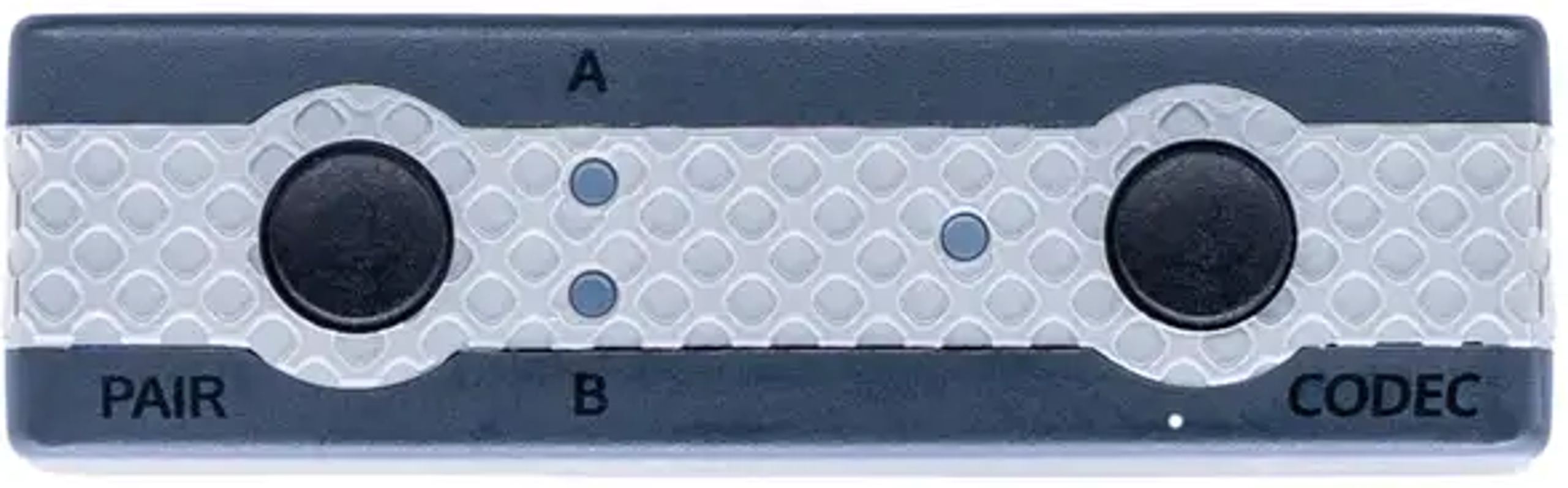
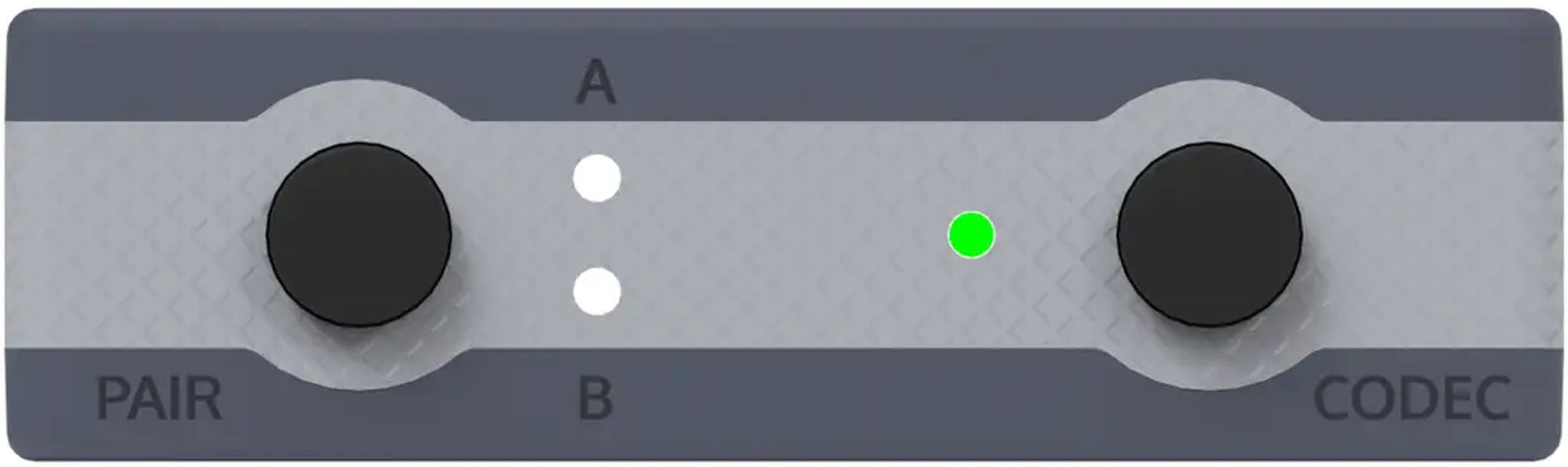
This setting is available in the iFi Nexis app for iOS and Android, which also brings together management of paired headsets, the active codec, low-latency mode and Auracast. Firmware updates are installed wirelessly through the same app.
Technical specifications
Connectivity and transmission
- Type: USB-C Bluetooth transmitter
- Input: USB-C
- Bluetooth version: 5.4
- Transmission range: ≥ 10 m
- Dual connection: up to 2 headphones or earbuds simultaneously, using SBC
- Auracast: Bluetooth broadcasting to an unlimited number of compatible devices
Audio and microphone
- Bluetooth codecs: aptX Lossless, LDAC, aptX Adaptive, aptX HD, aptX, AAC, SBC
- K2 technology: yes
- Built-in microphone: yes
- Noise and echo cancellation: Qualcomm technology
App and updates
- Control app: iFi Nexis
- Low-latency mode: aptX Adaptive, enabled via the app
- Firmware update: OTA via the app
Power and physical specifications
- Power supply: 5 V / ≥ 0.5 A
- Power consumption: < 10 mA
- Dimensions (W × H × D): 27.6 × 20.8 × 8 mm
- Net weight: 3 g
Box contents
- 1 × UP Play Max
- 1 × user manual
- 1 × quick start guide
Frequently Asked Questions
What’s the difference between the UP Play Max and the UP Play?
The UP Play Max adds aptX Lossless, which transmits CD-quality music without any loss to compatible headphones or a compatible converter. The UP Play is limited to lossy high-resolution codecs such as LDAC.
Is lossless playback guaranteed with all files?
aptX Lossless supports CD quality, at 16 bits and 44.1 kHz. A high-resolution file (24 bits, 96 kHz or higher) undergoes lossy compression to fit within the connection’s bandwidth. The bitrate also adapts to the quality of the wireless signal: if there are obstacles or interference, the connection reduces its bitrate to prevent dropouts, and transmission is no longer lossless.
Does my headset need to support aptX Lossless to work?
No. The UP Play Max connects to any Bluetooth headphones or earbuds and automatically selects the best codec they both support. aptX Lossless only comes into play with a receiving device that supports it; otherwise, it uses LDAC, aptX Adaptive, aptX HD, aptX, AAC, or SBC, depending on what the device supports.
Can you choose which codec to use?
Yes. The iFi Nexis app displays the active codec and lets you change it—for example, to switch to aptX Adaptive and use low-latency mode while gaming, then switch back to LDAC or aptX Lossless for listening to music.
Can it be used on a computer or tablet?
Yes, provided the device has a USB-C port and supports USB audio output, as recent computers, tablets, and smartphones do. A computer with only USB-A ports requires a USB-A to USB-C adapter.
Is K2 processing useful with lossless files?
K2 processes CD-format files by recreating high-frequency harmonics beyond what the format contains. With a lossless file, it therefore alters a signal that was intact: it comes down to listening preference, and the app lets you compare the two versions in seconds.
- Eco-contribution of €0.05 included in the sale price.
- Manufacturer reference: IFI0058