

Yamaha RX-A vs RX-V Amplifiers: Comparison, Differences, and Selection Criteria
28 February 2025
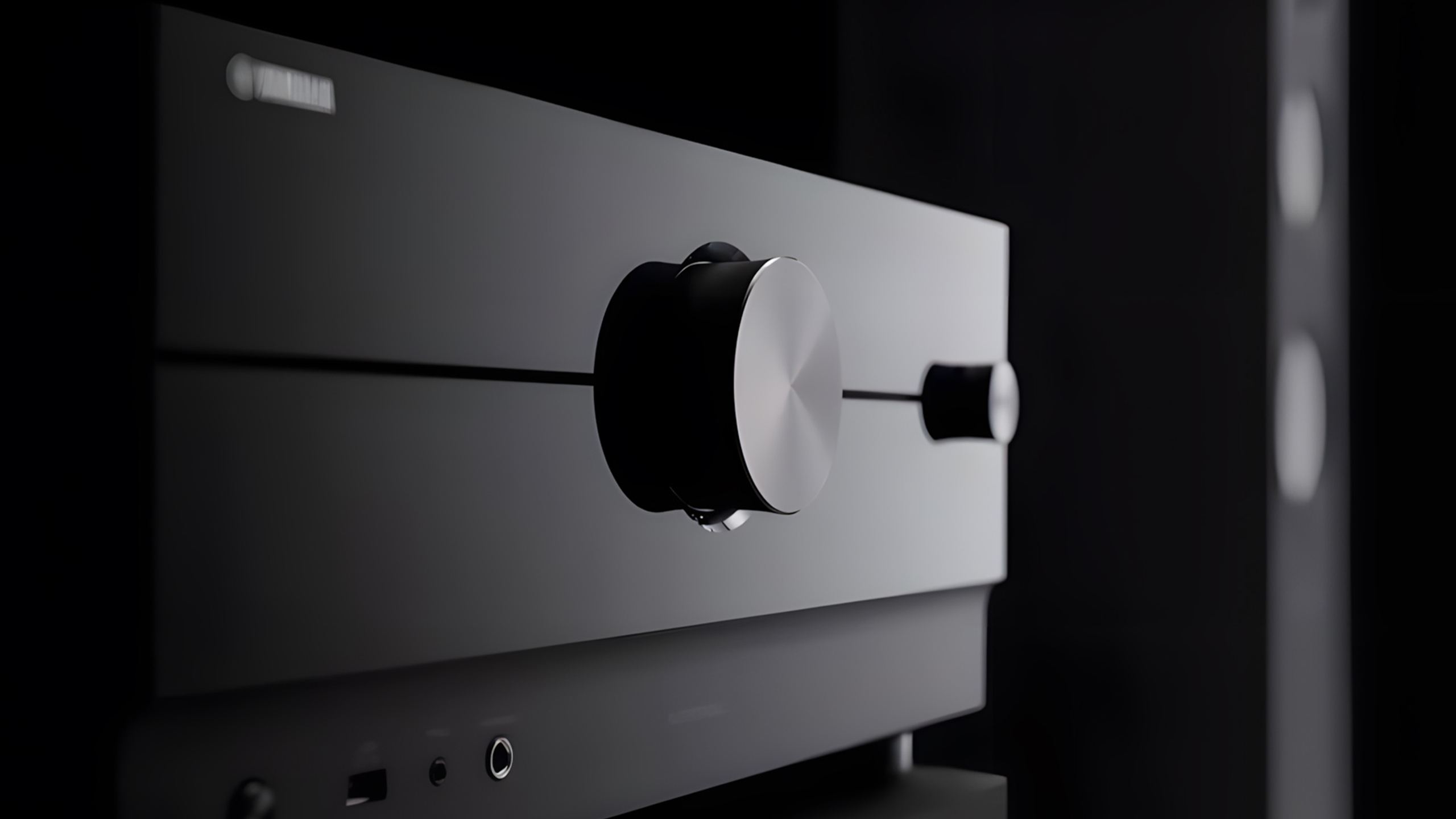
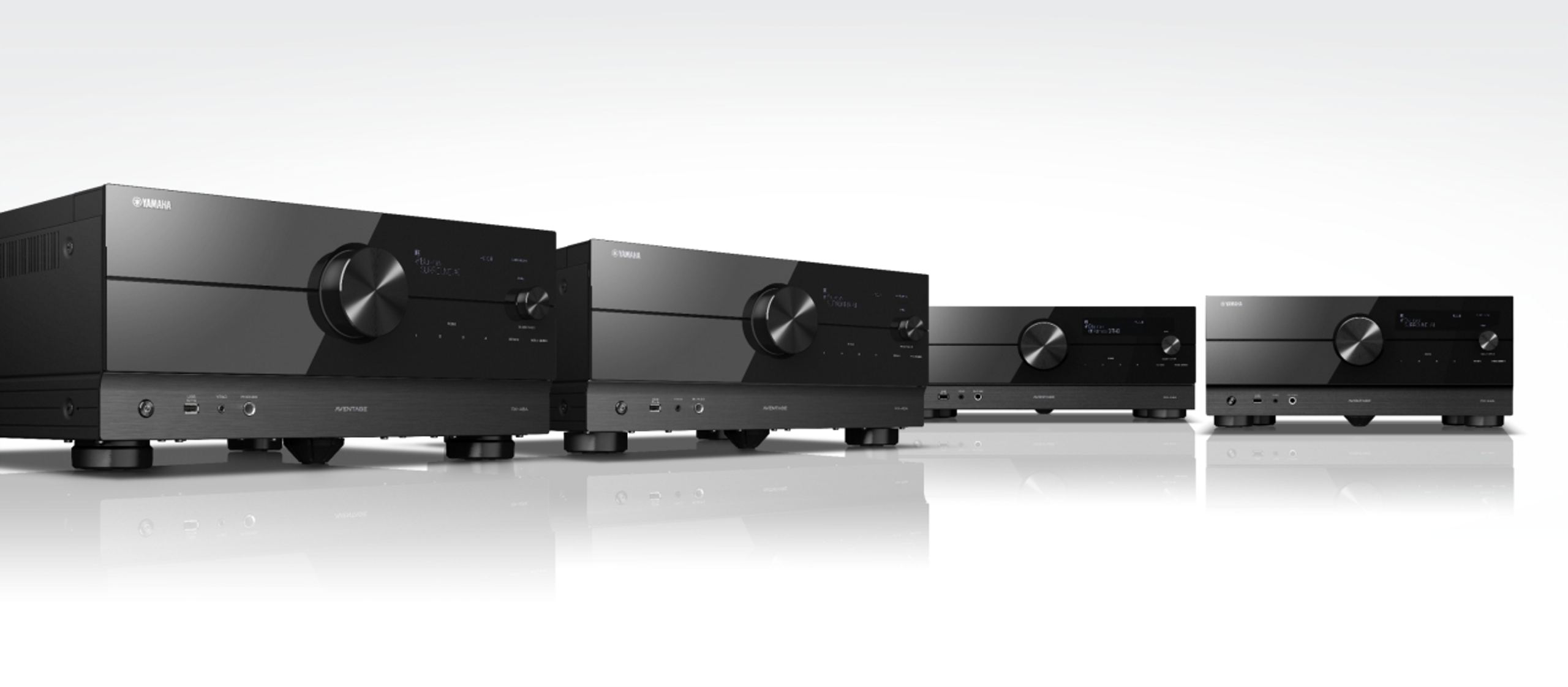
Are you hesitating between a Yamaha RX-A and RX-V amplifier for your setup? These two ranges, designed by a pillar of Japanese audio, target different needs. The RX-V series offers versatility and value for money, while the RX-A, under the Aventage banner, focuses on premium performance for enthusiasts.
RX-V and RX-A: two philosophies, one common DNA
Yamaha divides its AV amplifiers into two distinct families. The RX-V series is aimed at the general public with entry-level and mid-range models. It incorporates modern technologies such as Dolby Atmos, DTS:X, and 4K/8K video compatibility on recent models, all at an affordable price.
The RX-A Aventage series, on the other hand, targets the high-end market. Designed for audiophiles and immersive cinema enthusiasts, it promises superior sound quality thanks to advanced components and meticulous construction. While both ranges share Yamaha’s expertise, their ambitions differ: effective simplicity for the RX-V, technical excellence for the RX-A.
Design and construction: enhanced robustness for the RX-A (Aventage) series
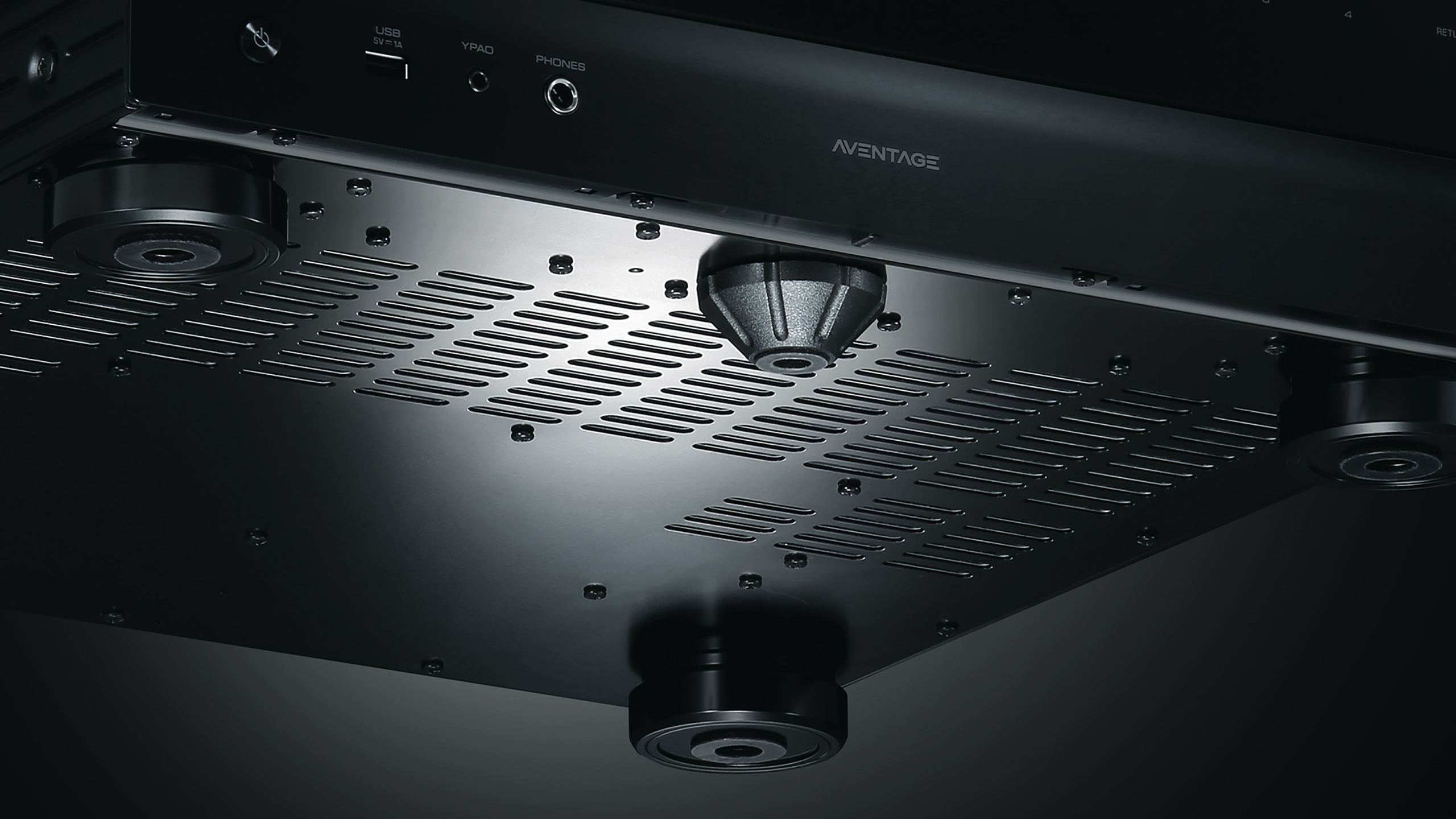
The first notable difference between the RX-A and RX-V series lies in their physical construction. The Aventage range (RX-A) benefits from a reinforced design aimed at reducing internal vibrations, which can harm sound quality. Each RX-A model features a rigid “H”-shaped chassis, combined with a fifth central foot called A.R.T. (Anti Resonance Technology). This additional foot, strategically placed under the power transformer, allows for better dispersion of mechanical vibrations generated by the device.
In contrast, RX-V amplifiers have a more conventional chassis, without this additional central foot or reinforced structure. This does not mean their quality is poor, but rather that they are designed for more general and less audiophile use.
Amplification: high-end components for the Aventage series
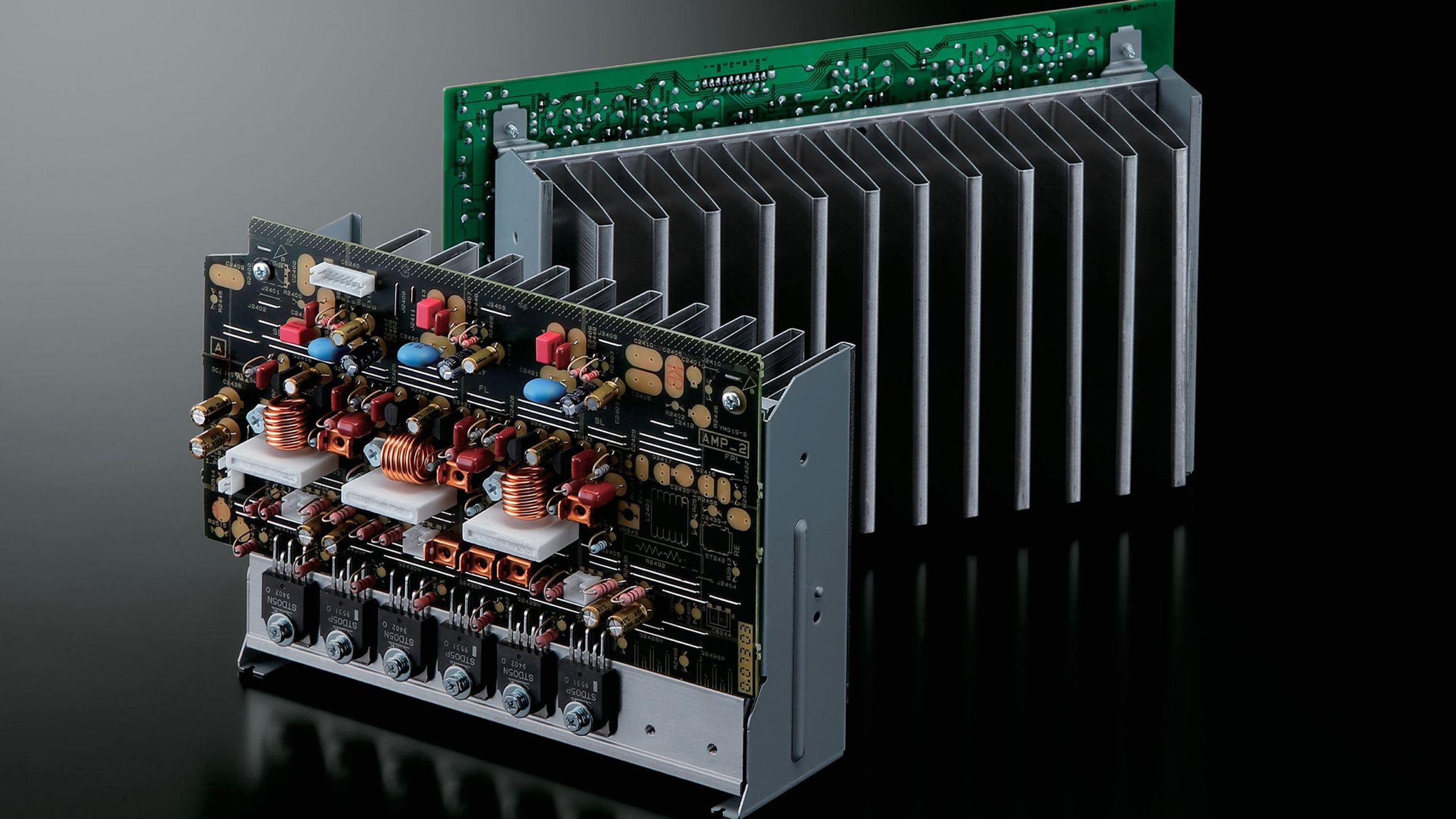
On paper, the announced power levels may seem similar between the two series. However, the difference lies mainly in the internal components and the type of amplification used.
Recent Aventage models (RX-A4A, RX-A6A, RX-A8A) include high slew rate amplifier circuits. In practical terms, this means these amplifiers respond more quickly to sudden changes in the incoming audio signal, ensuring more faithful and precise sound reproduction. Additionally, Yamaha equips its high-end Aventage models with ESS Sabre DACs, renowned for their excellent dynamics (up to 120 dB dynamic range) and very low distortion rates.
RX-V amplifiers, on the other hand, use more standard electronic components: standard amplification circuits and less advanced integrated DACs. The sound reproduction remains very good but does not match the finesse and precision offered by the Aventage models.
Digital audio processing: exclusive Qualcomm 64-bit processor on the Aventage series
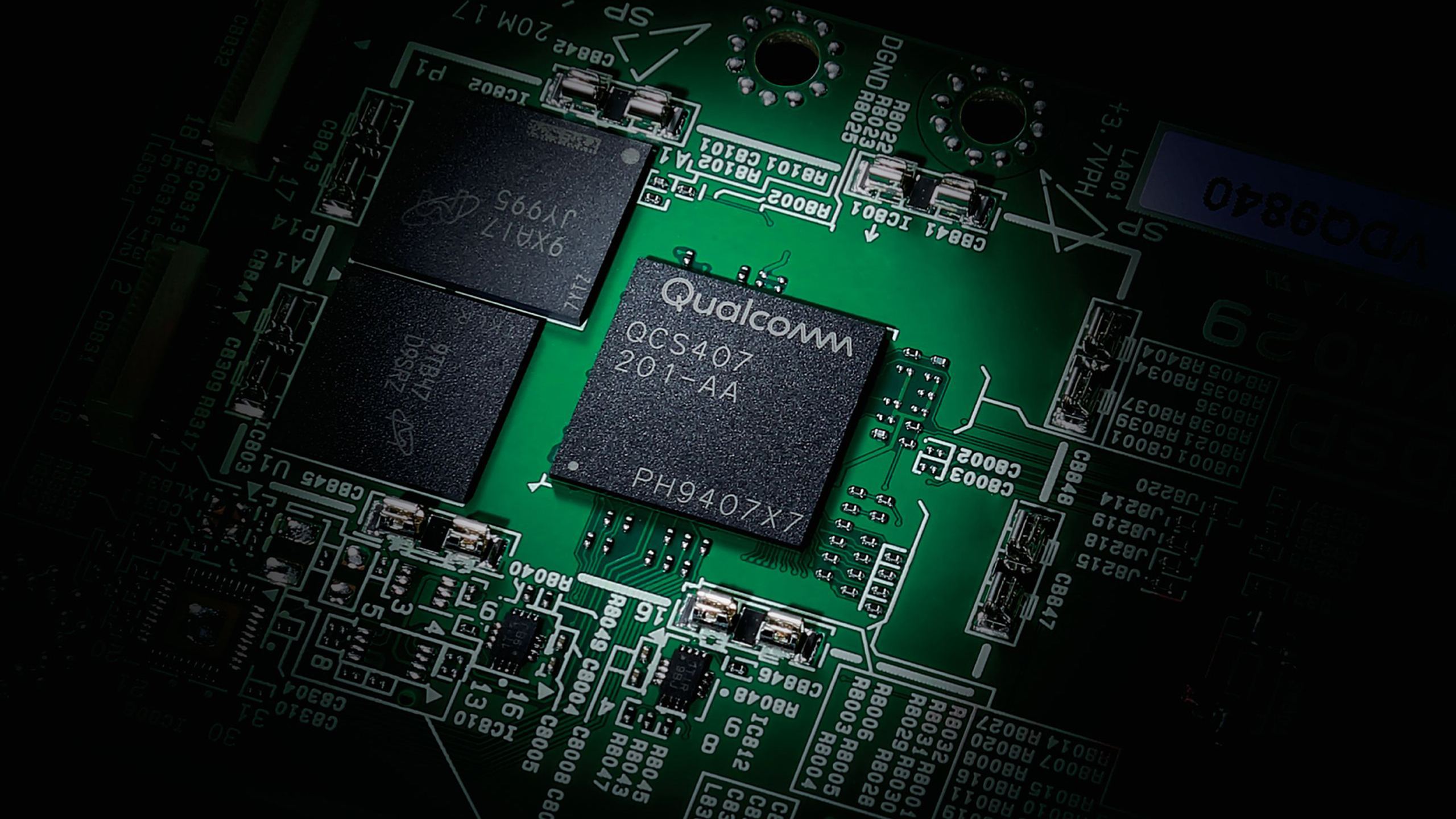
Another important technical criterion concerns digital audio signal processing (DSP). Recent Aventage amplifiers feature a dedicated Qualcomm QCS407 quad-core 64-bit processor for advanced audio processing. This processor enables:
- Decoding of three-dimensional audio formats such as Dolby Atmos, DTS:X, and Auro-3D (for RX-A6A and RX-A8A models).
- Use of Yamaha’s exclusive Surround:AI technology: artificial intelligence that analyzes each sound scene in real-time to automatically optimize dialogue, music, and sound effects.
- Advanced YPAO R.S.C. multipoint acoustic calibration with precise parametric equalization and specific bass optimization.
RX-V models also feature the YPAO system but in a simplified version with fewer measurement points and less advanced equalization. They also do not include the Qualcomm 64-bit processor or Surround:AI technology.
HDMI 2.1 connectivity: clear advantage for recent Aventage models
In terms of HDMI video connectivity, both ranges now offer HDMI 2.1 compatibility, supporting 8K/60Hz and 4K/120Hz resolutions as well as associated technologies like VRR (Variable Refresh Rate), ALLM (Auto Low Latency Mode), QFT (Quick Frame Transport), and HDR10+.
However, the latest Aventage models (RX-A4A/A6A/A8A) offer a particularly high number of HDMI 2.1 inputs/outputs: up to 7 inputs and 3 HDMI 2.1-compatible outputs on each device. Current RX-V models generally offer fewer HDMI inputs compatible with these new video standards.
Multimedia and audio streaming: parity thanks to MusicCast
On this specific point, Yamaha makes no distinction between its two ranges: all recent amplifiers integrate MusicCast technology, enabling multiroom audio streaming via Wi-Fi or Bluetooth to various compatible speakers throughout the home.
Yamaha amplifiers are also compatible with AirPlay 2 and all major online music services such as Spotify, Deezer, Tidal, or Qobuz. They support high-resolution audio formats FLAC/WAV/AIFF up to 192 kHz/24 bits as well as the DSD format up to 11.2 MHz.

Which amplifier to choose based on your profile?
- RX-V series: suitable if you are primarily looking for good value for money for versatile home cinema/music use without demanding audiophile requirements.
- RX-A (Aventage) series: recommended if your priority is precise and detailed sound reproduction with high-quality amplification suitable for demanding or dedicated home cinema setups.
In summary, choosing between a Yamaha RX-A or RX-V amplifier will mainly depend on your personal expectations in terms of pure sound performance, advanced acoustic precision, and extended video connectivity. Both ranges remain high-quality but cater to specific needs clearly identified through these major technical differences now clarified.
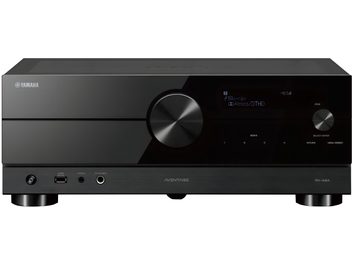
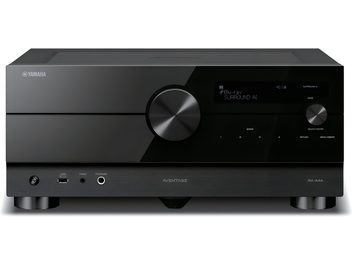
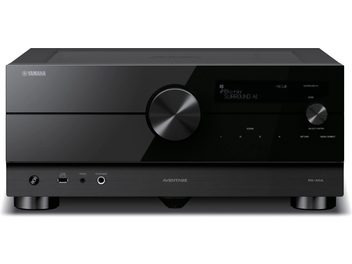
Featured products


You may also like to read
 Home Cinema Amplifier: Should You Choose Denon or Yamaha?Comparisons and buying guides
 Mastering Acoustics: How Automatic Calibration Effortlessly Enhances Your Home TheaterTutorials and practical guides
 Which hi-fi system should you choose to get started in 2026?Comparisons and buying guides
 Yamaha R200A: the successor to the R-S202 adds a phono input and Bluetooth 5.3Hi-fi and home cinema news
 Yamaha B200A: the Dolby Atmos soundbar designed for small spacesHi-fi and home cinema news
 Yamaha, Onkyo, Marantz, Denon: which home theater amplifier under €2,000 in 2026?Comparisons and buying guides


