

Cambridge Audio vs NAD: hi-fi amplifier comparison
27 February 2026
Contents
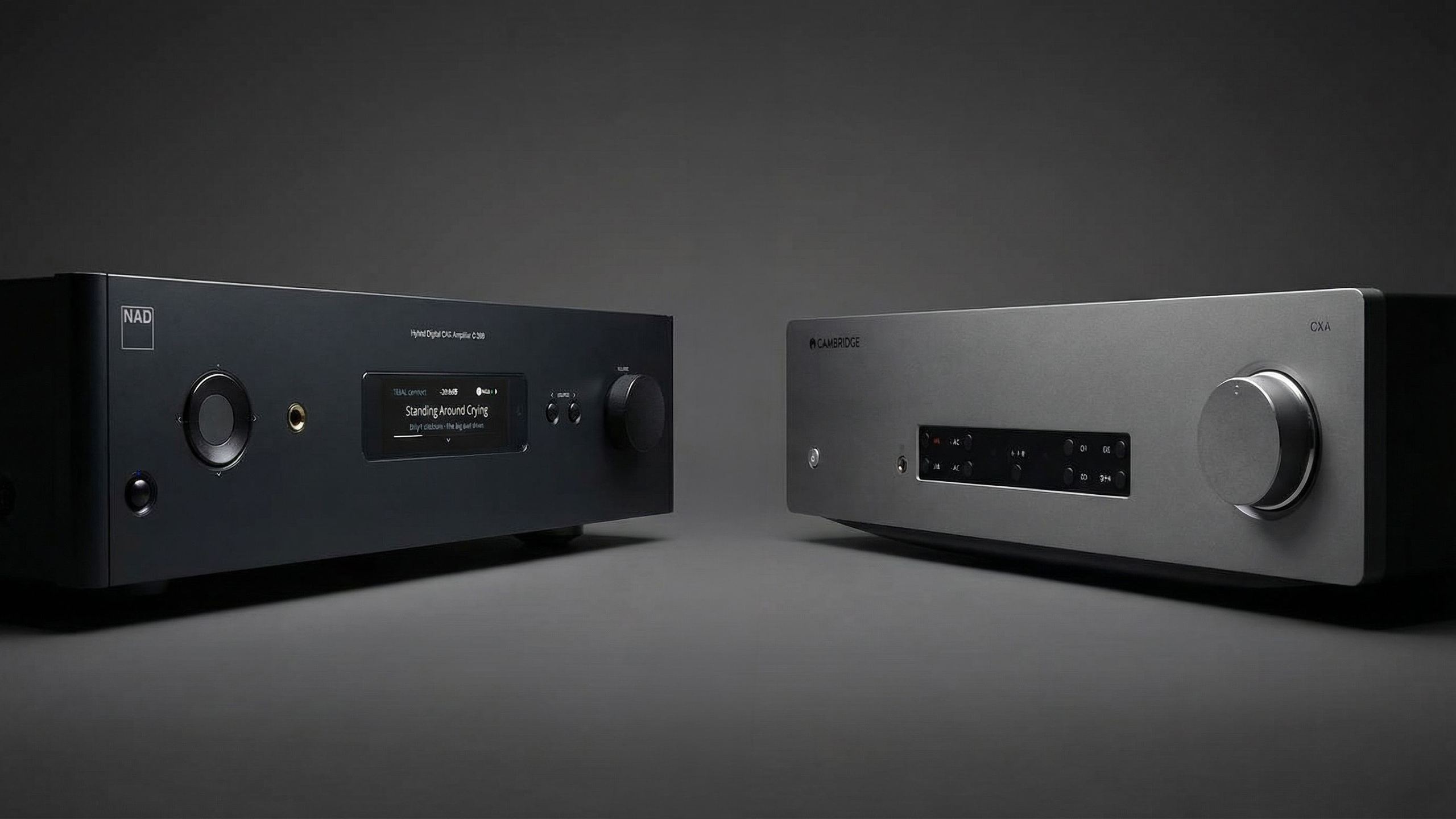
Should you choose the liveliness of Cambridge Audio or the neutrality of NAD? This comparison pits two distinct sonic philosophies against each other, two technological approaches and two visions of modern hi-fi. Both brands share a solid reputation among music enthusiasts, but their characters diverge enough to guide a choice. In this article, we analyse their sonic signature, their proprietary technologies, their connectivity and the recommended pairings with your speakers. So, Cambridge Audio vs NAD: which hi-fi amplifier suits your listening style?
Verdict table: Cambridge Audio vs NAD
| Criterion | Cambridge Audio | NAD |
|---|---|---|
| Sonic signature | Dynamic, detailed, slightly forward | Neutral, natural, smooth |
| Key technology | StreamMagic + ESS Sabre DAC | HybridDigital Eigentakt + MDC2 |
| Advanced calibration | Not integrated | Dirac Live on Classic and Masters ranges |
| Streaming | StreamMagic, stable and intuitive | BluOS, very comprehensive with native multiroom |
| Recommended pairings | Warm speakers: Fyne Audio, Triangle, Cabasse | Revealing speakers: B&W, Focal, Monitor Audio |
Understanding their differences
Cambridge Audio: punch and emotion
The Cambridge signature is recognisable by its slightly “forward” character. The midrange is expressive, the bass powerful yet agile, the treble airy without aggression. The soundstage remains compact and well defined. It is a sound that tells a story, that brings emotion to the musical experience.
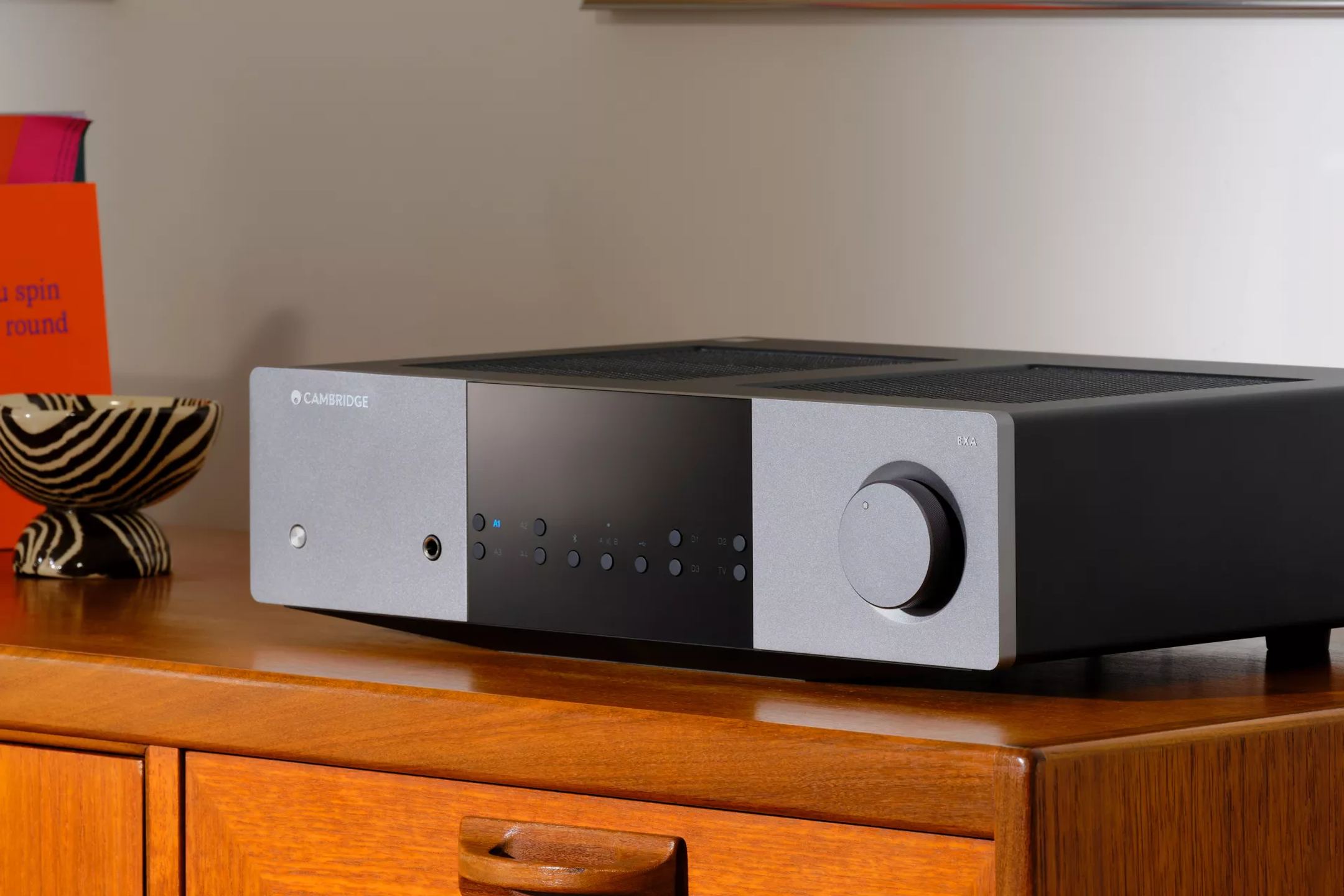
The brand relies on its StreamMagic platform for streaming. The amplifiers use ESS Sabre DACs and, on the Evo range, Class D Hypex nCore amplification (high-efficiency digital technology) inherited from the top-of-the-range Edge.
The product range remains easy to navigate: AX for entry level, CX for stepping up, the new EXA series for the upper-mid range, Evo for connected lifestyle, Edge for the no-compromise option. The DacMagic DACs and Alva turntables complete the lineup.
→ Discover Cambridge Audio amplifiers
NAD: neutrality in the service of music
NAD’s character is defined by its neutrality. The rendering is detailed, natural, with a tonal balance that suits almost any speaker. Solid amplification, sound without artifice.
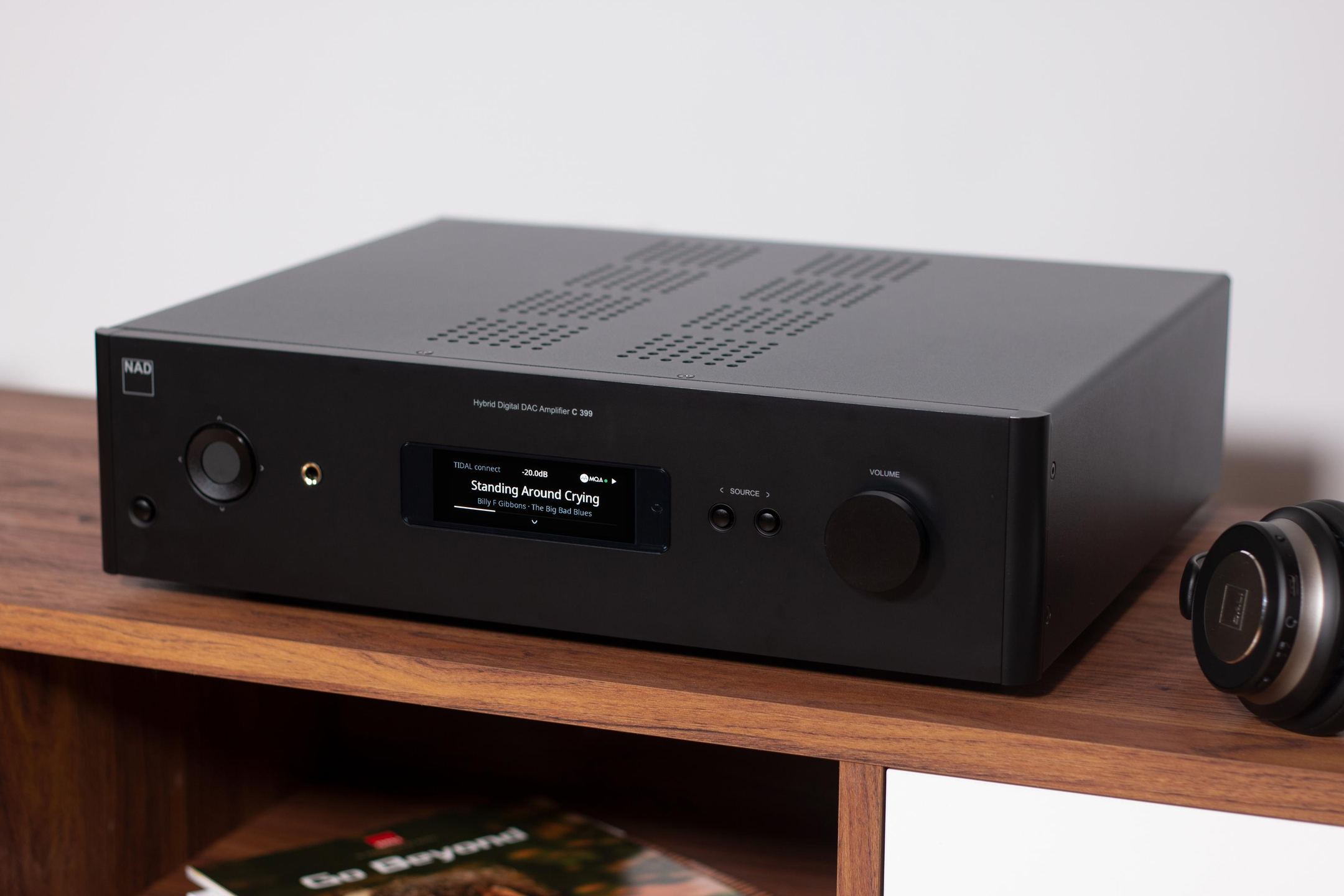
The flagship technology remains HybridDigital Purifi Eigentakt amplification, developed under licence from Purifi Audio. It virtually eliminates all harmonic distortion. The MDC2 system (Modular Design Construction) allows devices to evolve with replaceable modules. BluOS handles multiroom streaming, and Dirac Live corrects room acoustics.
The ranges are divided between Classic (C) for the core offering, Masters (M) for the flagship, Digital (D) for compact formats, Theatre (T) for home cinema and CI for custom installation.
Sonic signature: the comparison
Listening to Cambridge Audio
Connect a Cambridge amplifier to quality speakers and you will immediately sense its temperament. On an energetic rock track, guitars snap, drums strike with conviction, the bass line stays taut without dragging. The amplifier delivers punch, breadth, a dynamic quality that wakes up even the most reserved speakers.
On acoustic jazz, the piano gains body, brass instruments retain their brilliance without becoming aggressive. The voice stands out with presence and texture. Cambridge excels when the music calls for engagement and energy.
Listening to NAD
The NAD approach differs from the very first notes. The sound settles in gently, without any showboating. On the same rock track, the energy remains present but more controlled. Timbres seem more natural, less “pushed”. Listening fatigue decreases during long sessions.
High-resolution streaming reveals NAD’s transparency qualities. On classical music, the orchestra unfolds with spatial precision, each section finding its place. The Dirac Live correction, available on equipped models, further refines this reproduction by compensating for the acoustic shortcomings of the room.
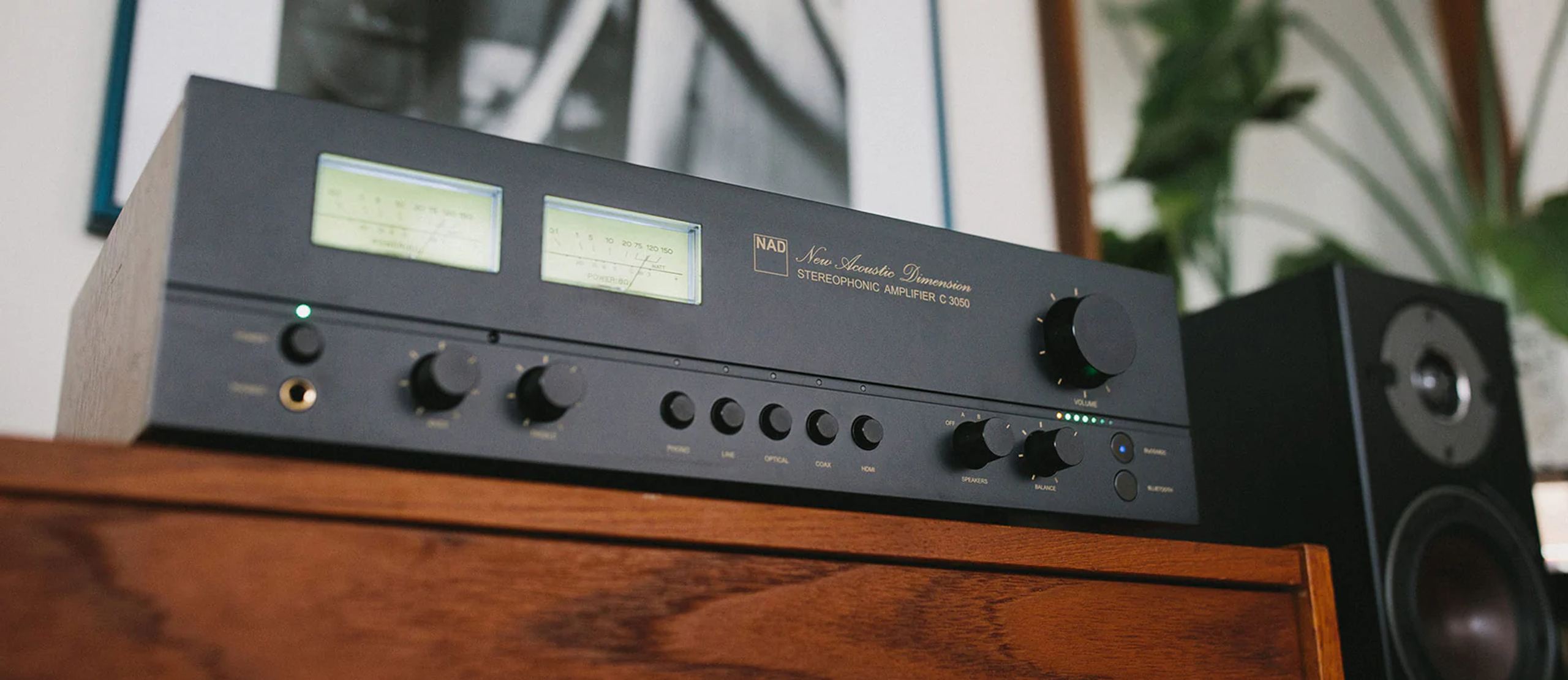
Cambridge Audio vs NAD technologies: Eigentakt, StreamMagic, MDC2
Amplification
Cambridge Audio relies on Hypex nCore Class D amplification for its Evo and Edge ranges, complemented by ESS Sabre DACs. This combination offers energy efficiency, low heat output and a linear frequency response. The new EXA range inherits these technologies. On the CX and AX ranges, amplification remains Class AB (traditional analogue).
NAD goes further with Purifi Audio’s Eigentakt technology, used in the Masters M33, M23 and derived into the Classic series. THD (harmonic) and IMD (intermodulation) distortion drops below 0.00017%. The response remains invariant regardless of the load.
Upgradability
This is NAD’s strong point. The MDC2 system allows modules to be added without replacing the unit: BluOS streaming, Dirac Live correction, new connectivity options. An amplifier purchased ten years ago can incorporate the latest technologies. Cambridge offers no equivalent.
Calibration
NAD integrates Dirac Live on several Classic and Masters models. This system analyses the room’s acoustics and loads compensation filters. Users report significant improvements in the low frequencies. Cambridge offers no integrated calibration.
Build quality and reliability
Both brands display serious build quality. Cambridge Audio pays particular attention to aesthetics: elegant “Lunar Grey” finish, floating fascia on curved feet, visual consistency across the ranges. The new EXA series continues this commitment with premium finishes.
NAD takes a more functional approach. The casework is robust, the connectors are high quality, but the design remains understated on the Classic series. The Masters range raises the bar with alloy panels and isolating magnetic feet.
Ergonomics and interface
NAD’s BluOS app surpasses StreamMagic in functional richness. Navigation remains fluid, multiroom management is comprehensive, and integration of streaming services is exhaustive. The touchscreen on the M33 or C 700 adds a welcome level of everyday convenience.
StreamMagic remains stable and clear, but less feature-rich. The interface is simpler to get to grips with. Cambridge remote controls benefit from refined ergonomics on the CX and Evo series.

Which amplifier to choose: Cambridge Audio or NAD?
Mixed use: how to choose based on your system
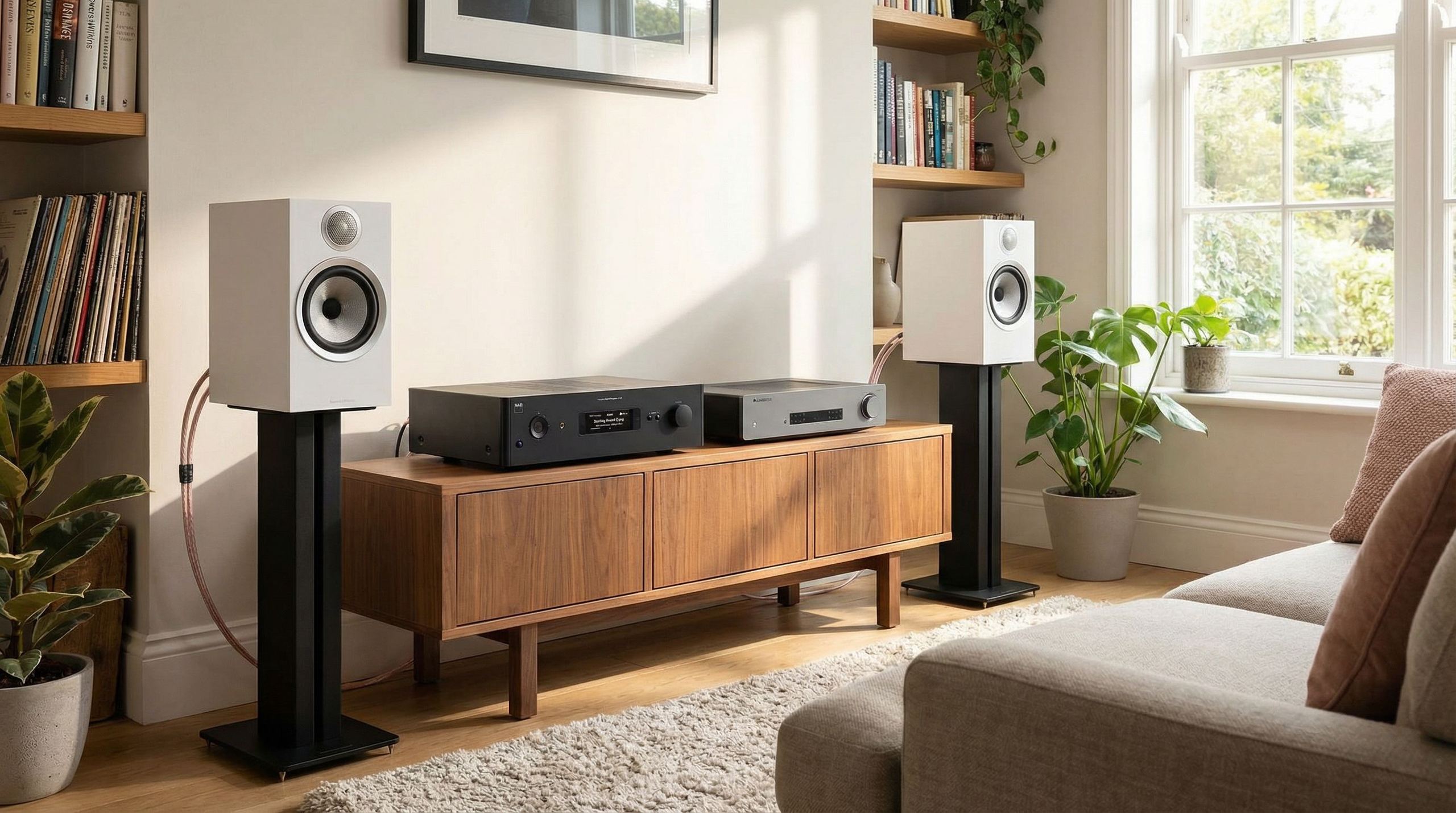
Do you own speakers with a warm character, such as Fyne Audio, Triangle or Cabasse? The energy of Cambridge Audio will create a stimulating balance. The liveliness of the amplifier will compensate for the roundness of the speakers.
With more analytical speakers such as Bowers & Wilkins, Focal or Monitor Audio, NAD’s neutrality will avoid excessive brightness. The sound will remain balanced without fatigue during long listening sessions.
Primarily musical listening with vinyl or CD sources? Cambridge Audio brings out the character of recordings. Intensive streaming with room correction and multiroom? NAD stands out for its functional completeness.
Which hi-fi amplifier for which budget
| Budget | Cambridge Audio | NAD |
|---|---|---|
| Under €700 | AXA35: 35W, phono input, Bluetooth | C 316BEE V2: 40W, phono input, classic NAD sound |
| €700 to €1,500 | CXA81 MkII: 80W, integrated DAC, remarkable clarity | C 399: 180W nCore, MDC2, upgradable |
| Over €2,000 | EXA100: new reference, Edge lineage | M33 V2: Eigentakt, BluOS, Dirac Live |
Recommended speaker pairings
The logic of pairing is based on complementary characters.
A Cambridge amplifier, with its dynamic presentation, pairs well with speakers that have a generous bass and rounded midrange. Fyne Audio (F and Classic series), Triangle Borea or Antal, Cabasse Jersey or Murano find in Cambridge a partner that stimulates their musicality without aggression. Davis Acoustics Courbet and Canton Vento complete this list with their warm timbre. Klipsch Reference series speakers bring an explosive dynamic that Cambridge channels with control.
NAD, being more neutral, suits more revealing speakers. Bowers & Wilkins 600 or 700 series, Focal Aria and Chora, Monitor Audio Silver or Gold find in NAD a partner that does not colour their reproduction. Elac Debut and Carina, Amphion Argon and PMC twenty5 benefit from NAD’s transparency to express their precision. PSB, NAD’s sister brand within the Lenbrook group, forms a natural synergy.
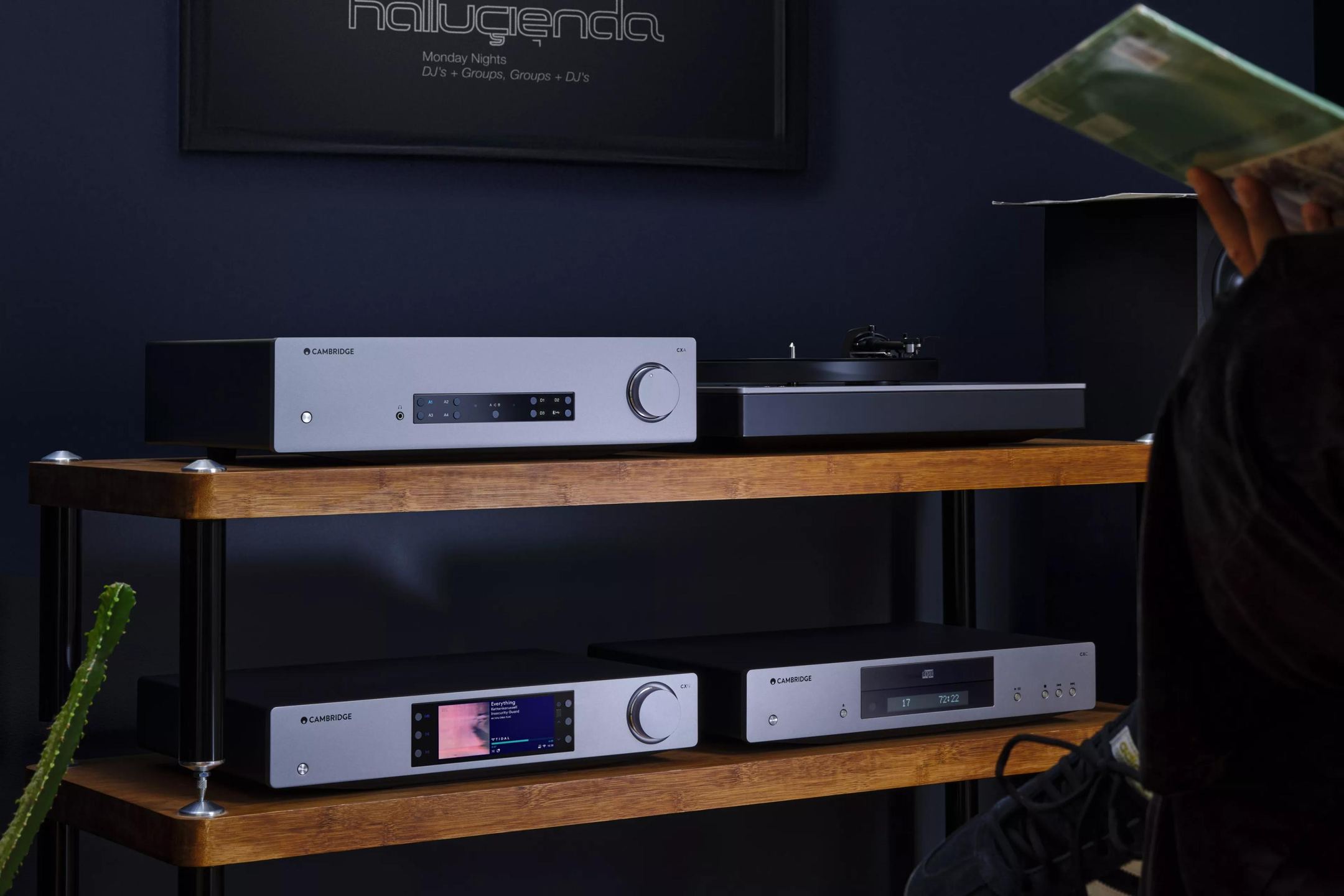
Final verdict: Cambridge Audio vs NAD
Choose Cambridge Audio if you are looking for a lively, dynamic sound with character. If your listening favours vinyl, rock, acoustic jazz, and you own warm speakers such as Fyne Audio, Triangle or Cabasse. The CXA81 MkII remains the brand’s reference, while the new EXA100 pushes performance even further.
Choose NAD if you prioritise neutrality, upgradability and connected features. If Dirac Live and BluOS multiroom match your usage, and your speakers call for a transparent amplifier such as Focal, B&W or Monitor Audio. The M33 V2 is the finest expression of the NAD philosophy: Eigentakt power, comprehensive streaming and integrated room correction.
Frequently asked questions
Cambridge Audio vs NAD: which brand for vinyl?
Cambridge Audio better captures the character of analog recordings thanks to its dynamic signature. The phono preamps built into the AXA35 and CXA81 offer a good level of quality. NAD remains relevant with its models equipped with MM phono inputs.
Are NAD amplifiers compatible with all speakers?
Yes, the NAD tonal balance adapts to most speakers on the market. HybridDigital technology maintains a linear response regardless of impedance. Pairings with B&W, Focal, Monitor Audio, or PSB work particularly well.
Can Dirac Live be used with Cambridge Audio?
No, Cambridge Audio does not include acoustic calibration in its amplifiers. You will need to add an external processor or accept the acoustic characteristics of your room.
Cambridge Audio vs NAD: which hi-fi amplifier for a small budget?
The Cambridge AXA35 and the NAD C 316BEE V2 are on a par at the entry-level range. The choice depends on your sound preference: dynamics for Cambridge, neutrality for NAD. Both feature a phono input and Bluetooth.
Is NAD's MDC system worth the investment?
Yes, if you plan to keep your amplifier for several years. The MDC2 allows you to add BluOS, Dirac Live, or new connectivity options without changing your device. This is a rare sustainability argument in the industry.
Popular products
You may also like to read
 Best hi-fi amplifier under €1,000: Denon, Cambridge Audio, NAD comparisonComparisons and buying guides
 NAD C 3030 and C 3030S: modern amplification behind a retro façadeHi-fi and home cinema news
 Which hi-fi system should you choose to get started in 2026?Comparisons and buying guides
 B&W, Focal, Klipsch: which Hi-Fi speaker brand should you choose?Comparisons and buying guides
 Atoll or Rotel: comparative guide to choosing the right integrated amplifierComparisons and buying guides