

Class A, AB, D: Amplification Types Explained Simply
September 03, 2025
Contents
Amplifier classes correspond to the different ways an electronic amplifier processes an audio signal to make it more powerful. This classification reflects the internal operation of transistors or tubes and directly affects sound quality, power consumption, heat output, and device complexity. Here is the comprehensive list of today’s important amplifier classes, explained simply.
Class A: the benchmark for sonic purity
In a Class A amplifier, the transistors are constantly active, even when no signal is present. This ensures highly faithful, richly musical reproduction with virtually no crossover distortion. In return, these amps run hot and draw a lot of power, with efficiency often below 30%.
- Advantages: exceptional sound quality, warm and natural tone.
- Disadvantages: high power consumption and heat.
- Use cases: high-end amplifiers, demanding audiophiles.
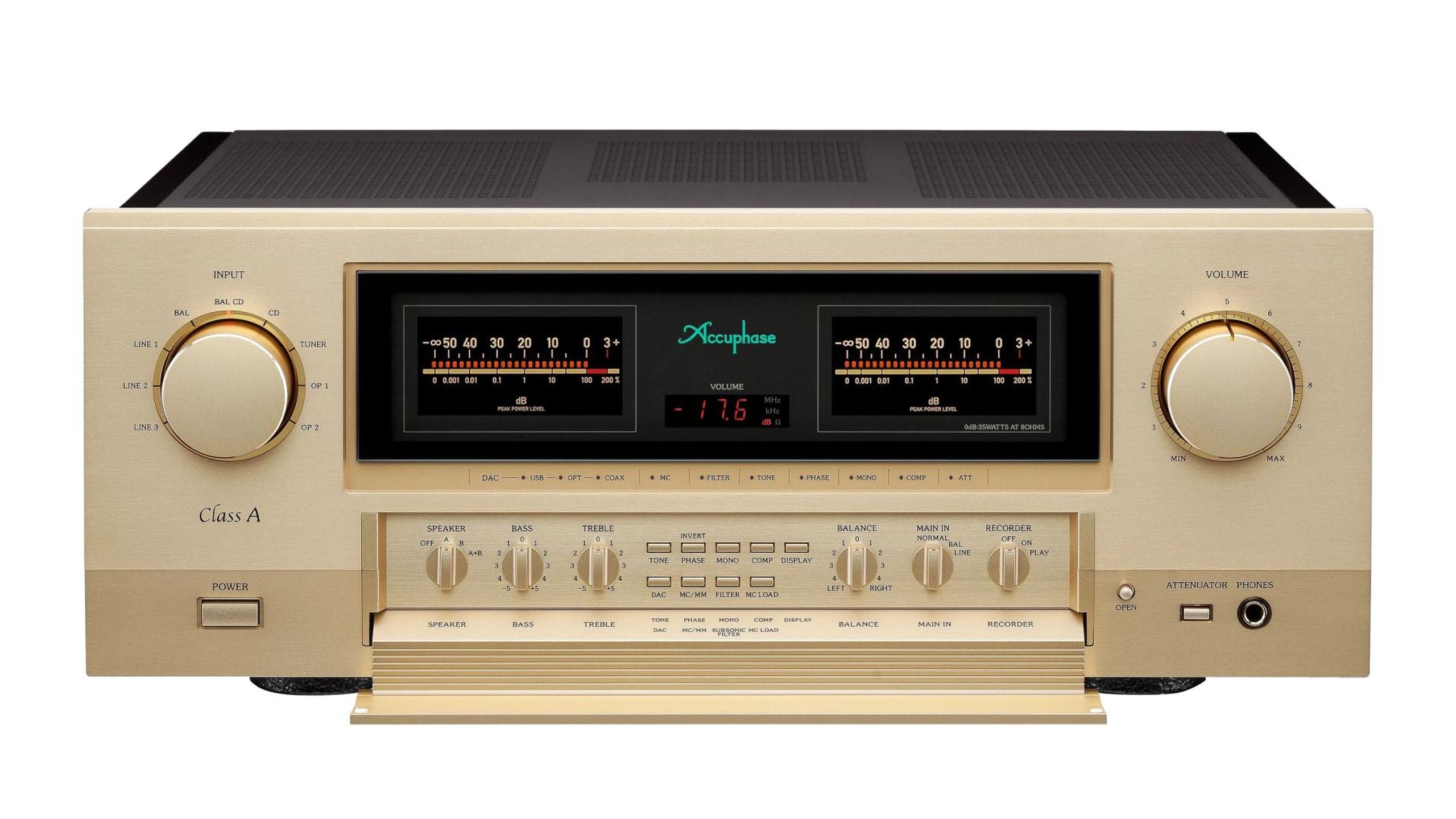
Accuphase E-700, a pure Class A integrated amplifier, 35 W per channel, designed for a warm and detailed listening experience, combining top-quality components and elegance.
Class B: a class now almost forgotten
Class B splits the audio signal between two transistors, each amplifying one half of the waveform. This improves energy efficiency compared to Class A but generates audible crossover distortion that degrades sound quality. For this reason, it is rarely used today in traditional hi-fi.
- Advantages: better efficiency than Class A.
- Disadvantages: significant distortion and lower sound quality.
- Use cases: virtually obsolete in consumer audio.
Class AB: the best overall compromise
Class AB combines the advantages of Classes A and B. The transistors are biased to operate somewhat like Class A at low levels, then transition toward Class B operation at higher levels. This hybrid approach delivers good sound quality with controlled power draw and heat.
- Advantages: solid quality/efficiency balance, low distortion.
- Disadvantages: moderate heat, average efficiency.
- Use cases: most hi-fi and home theater amplifiers.
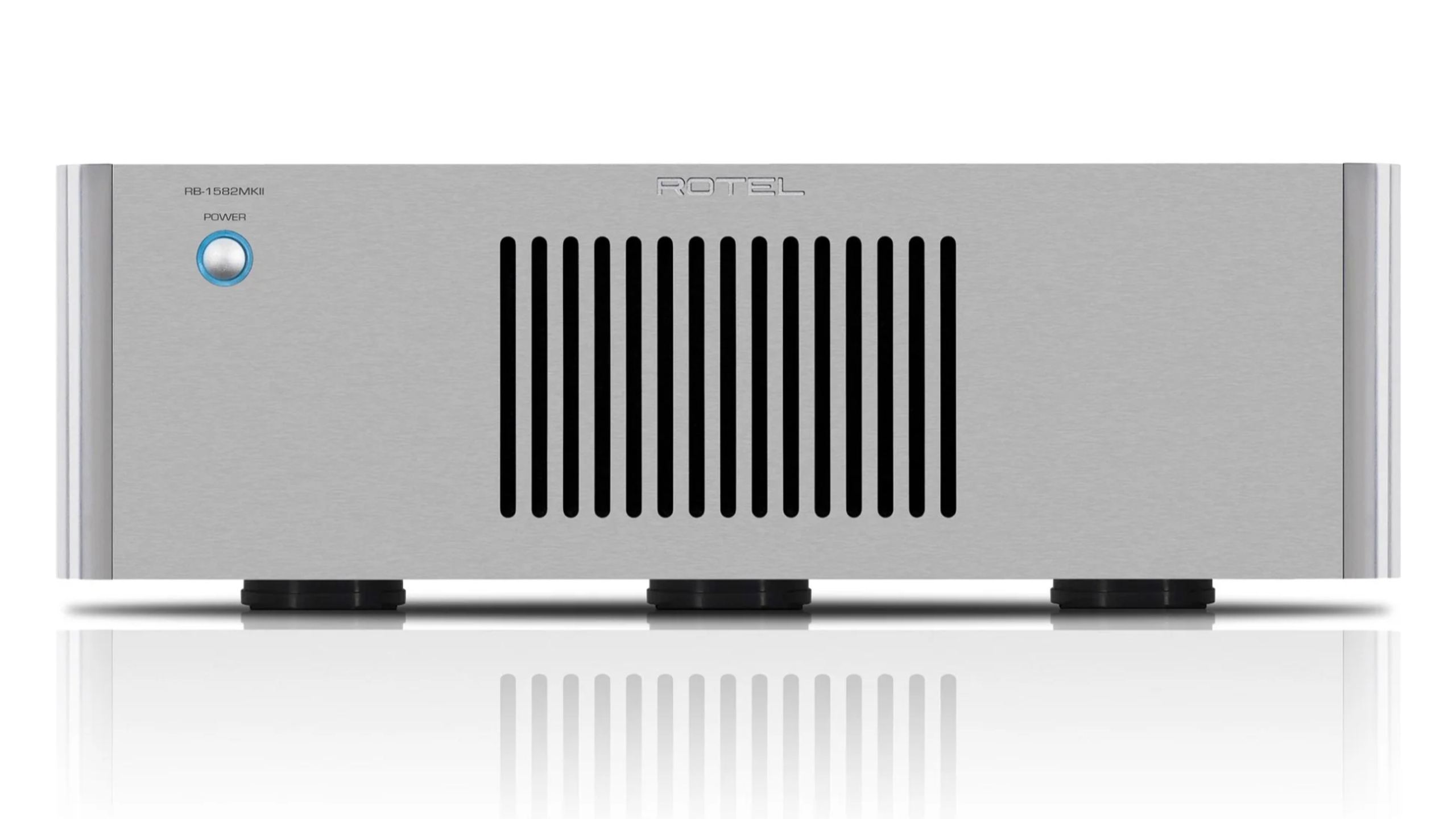
Rotel RB-1582 MKII , Class AB stereo amplifier with 200 W per channel, low distortion and strong speaker-driving capability, highly regarded in hi-fi.
Class D: highly efficient “digital” amplification
Class D uses a switching operation (very fast ON/OFF transistors) to modulate the audio signal. This maximizes efficiency (often above 90%) and minimizes heat dissipation. Initially criticized for sound quality, Class D has advanced greatly and now powers a wide range of products, from portable speakers to very powerful amps.
- Advantages: high efficiency, compact size and low heat.
- Disadvantages: requires good design; be mindful of electromagnetic interference.
- Use cases: modern systems, portables, sound reinforcement.
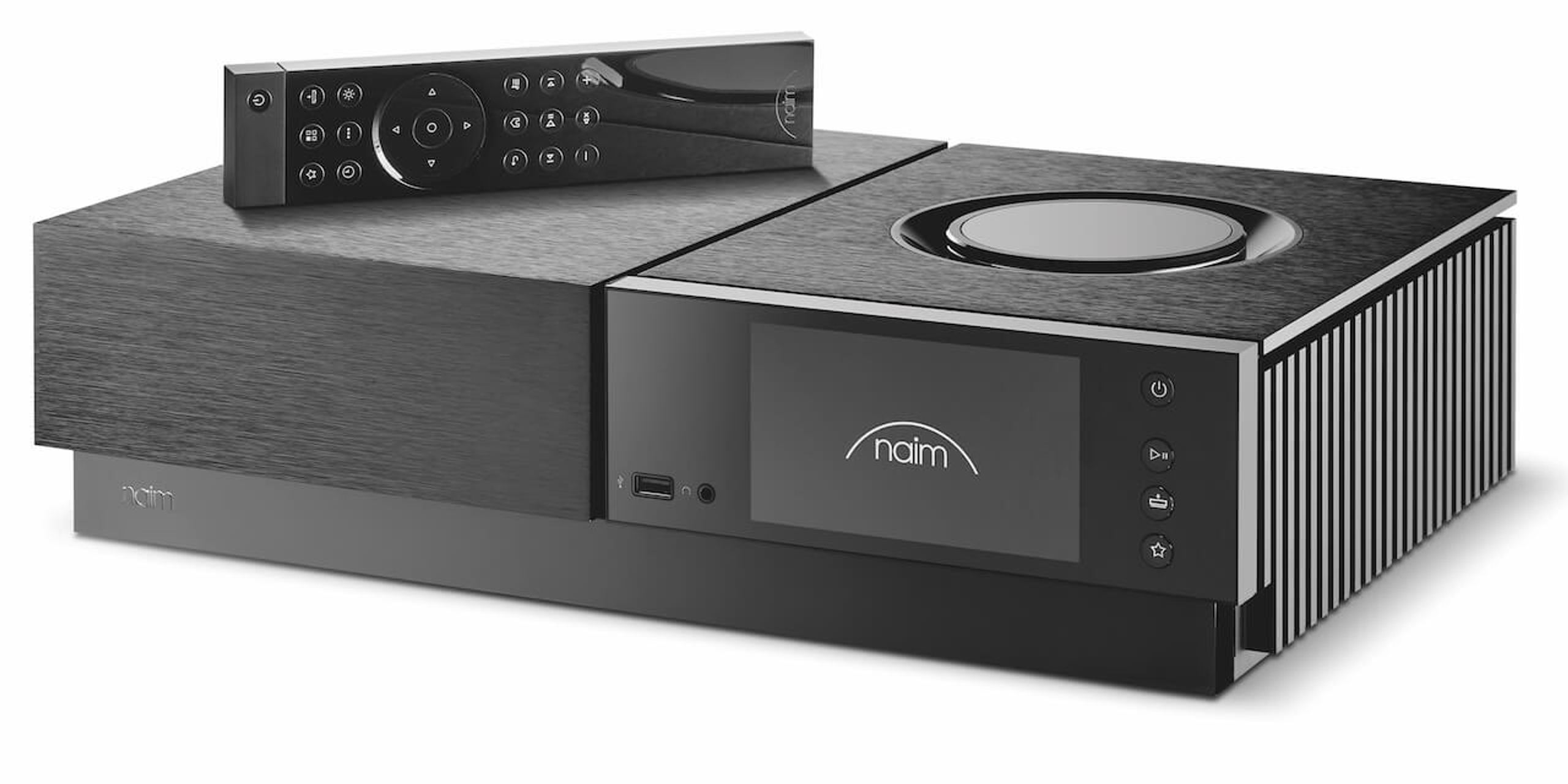
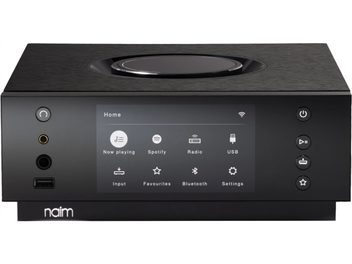
Naim Audio Uniti Nova Power Edition, a Class D amplifier, compact and powerful, perfectly suited to modern uses with dynamic, very clean sound.
Class G: an improvement on Class AB
Class G operates like Class AB but uses multiple power supply voltage rails that it switches according to the required power. This technique limits thermal dissipation by adapting the supply voltage on demand.
- Advantages: better efficiency than AB, comparable sound quality.
- Disadvantages: more complex circuitry.
- Use cases: high-performance hi-fi amps, sound reinforcement.
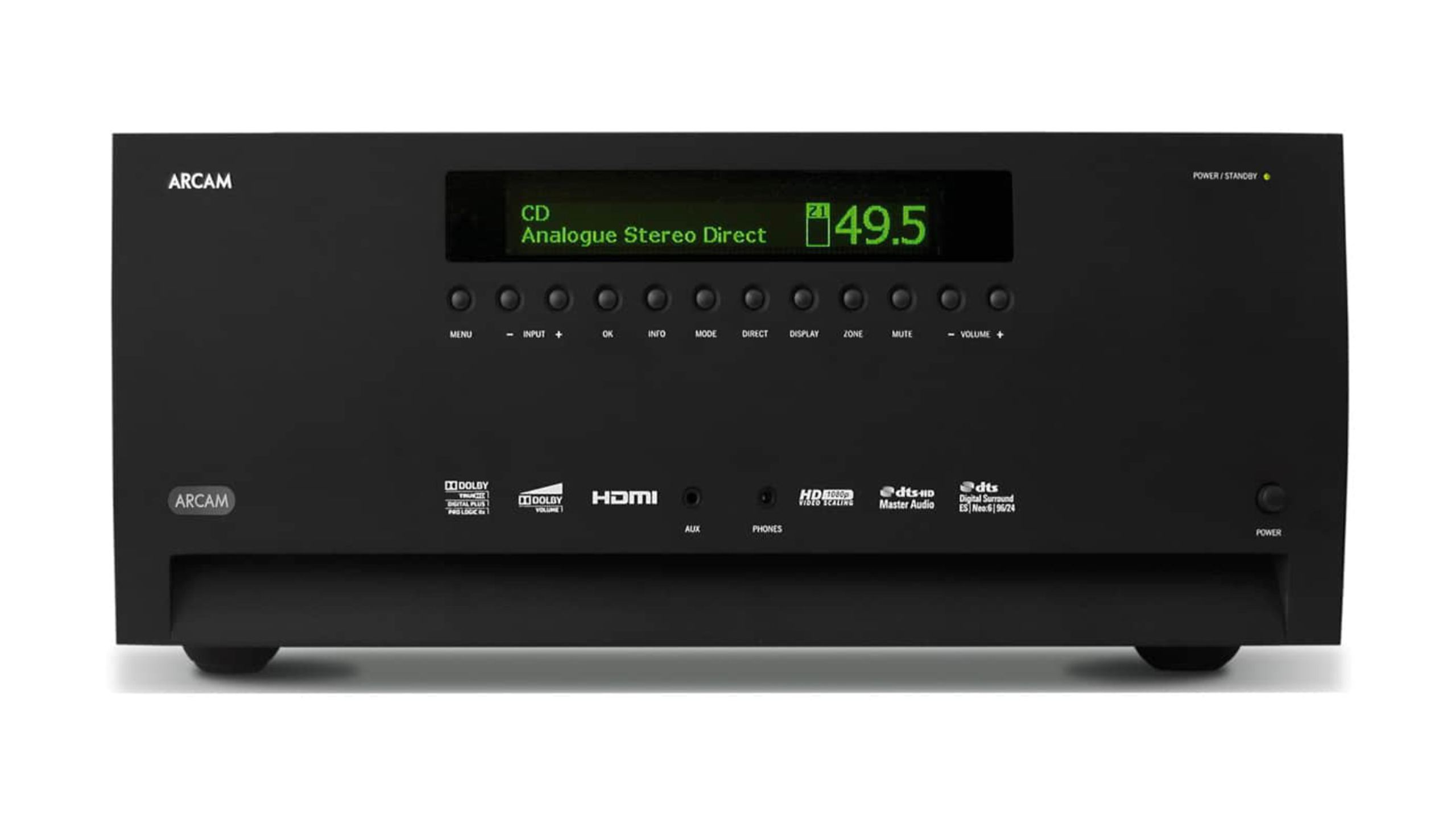
Arcam FMJ AVR600, a multichannel home theater receiver with Class G amplification for power and robustness, suited to demanding installations.
Class H: real-time modulated power supply
Similar to Class G, Class H continuously varies the supply voltage according to the audio signal. The result is even better efficiency with preserved sound quality. This class is often paired with a Class D power stage.
- Advantages: excellent energy efficiency, maintained sound quality.
- Disadvantages: high electronic complexity.
- Use cases: high-end home theater, professional amplifiers.
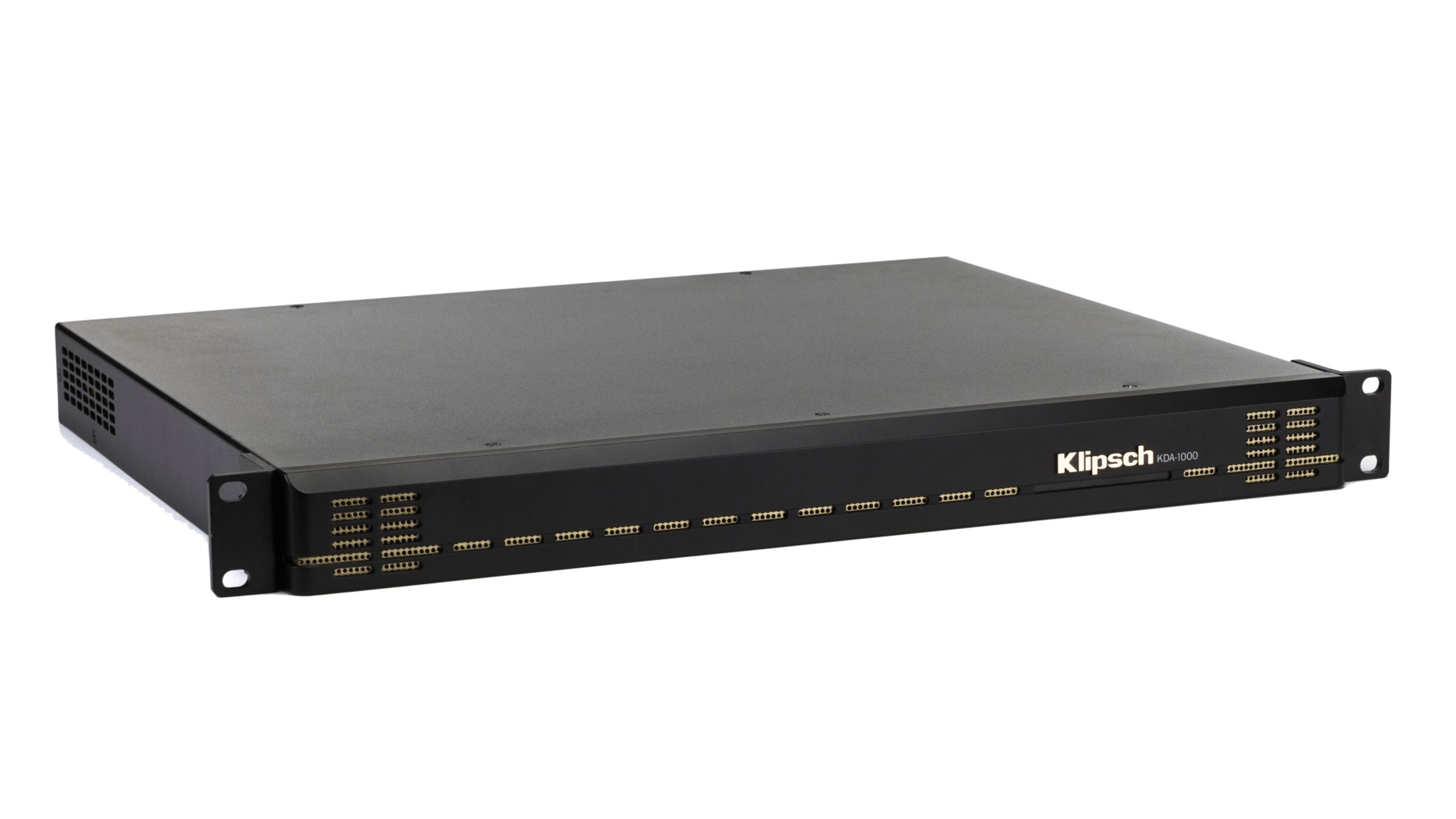
Klipsch KDA-1000, a multichannel Class G/H amplifier, powerful and efficient, ideal for pro audio systems.
Class AD: innovative hybridization
Class AD combines a Class A preamplifier with a Class D power stage. This hybrid architecture aims to blend the musicality and harmonic richness of Class A with the efficiency and power of Class D.
- Advantages: rich sound quality and efficient power.
- Disadvantages: relatively recent and costly technology.
- Use cases: high-end amplifiers, e.g., Devialet.
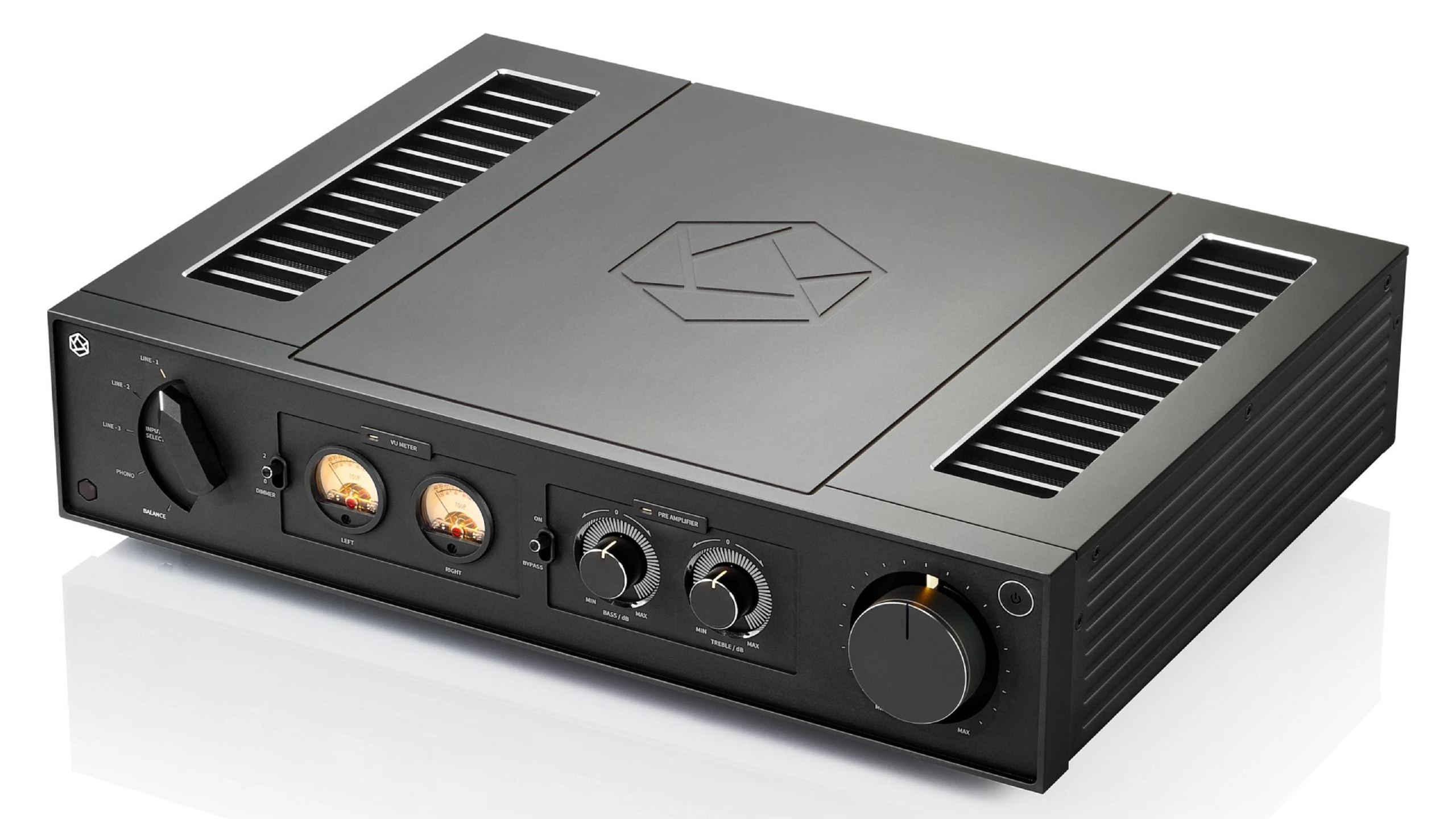
HiFi Rose RA280, a Class AD stereo amplifier with next-generation components, delivering 2 x 250 W and high-fidelity audio response.
Class XD: a new era of amplification
Class XD is a patented technology that combines musicality and power. It shifts the crossover point of distortion (problematic in AB) by offsetting the bias of the stages. This greatly reduces distortions without consuming the excessive energy of traditional Class A.
- Advantages: pure, powerful sound with optimized efficiency.
- Disadvantages: limited to specific brands.
- Use cases: Cambridge Audio amplifiers, high-end hi-fi.
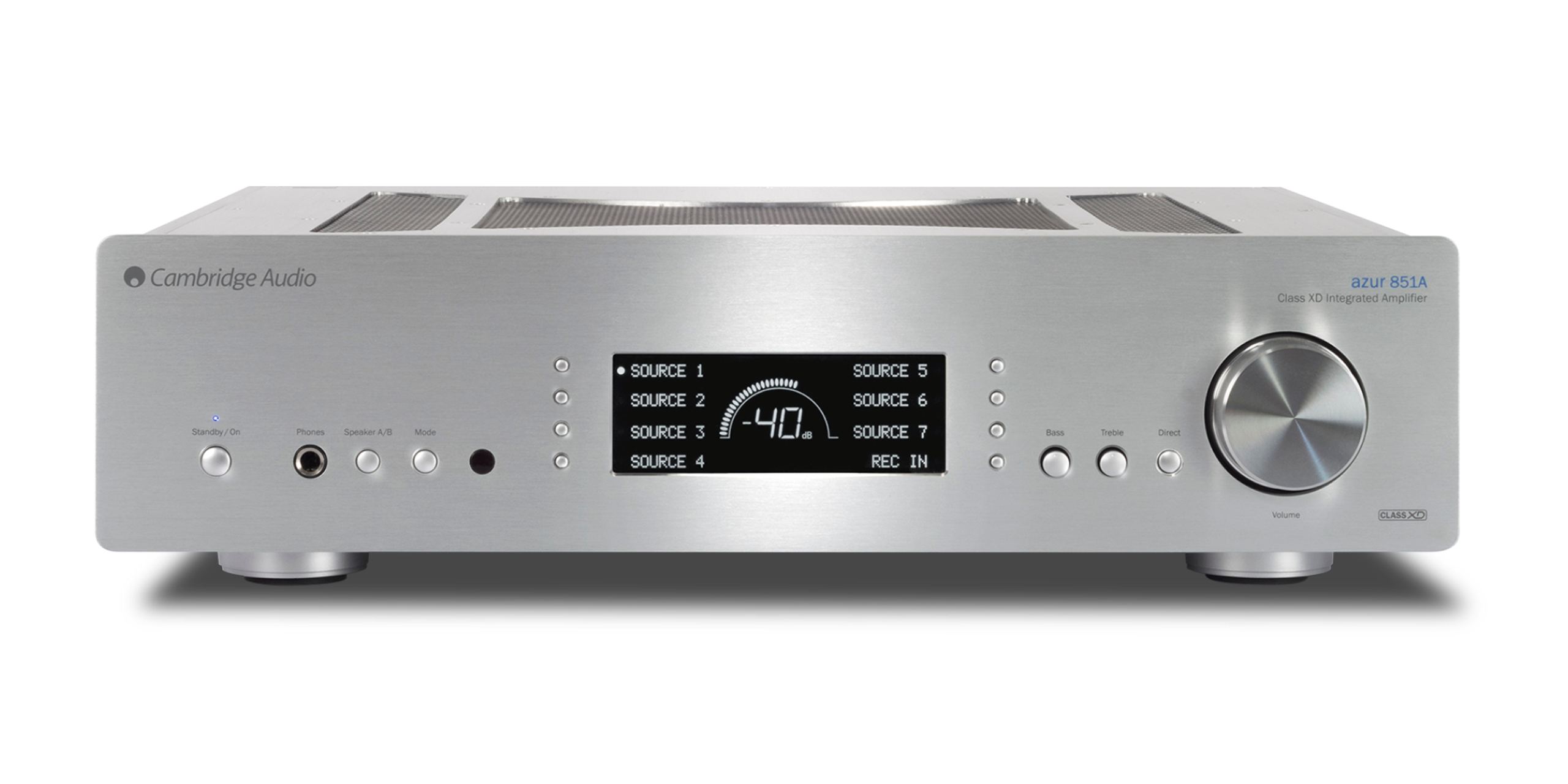
Cambridge Audio Azur 851A, a Class XD integrated stereo amplifier combining power, sonic finesse, and versatility—a modern reference in high-end hi-fi.
Class XA: a new Cambridge Audio development
Class XA is an advanced variant of Class AB with added bias voltage to minimize distortion at the crossover point.
- Advantages: very pure sound with near-absence of distortion; a strong balance of power, energy efficiency, and sound quality.
- Disadvantages: more complex to design, therefore more expensive.
- Use cases: recommended for those willing to invest more for ultimate sound quality and extreme precision.
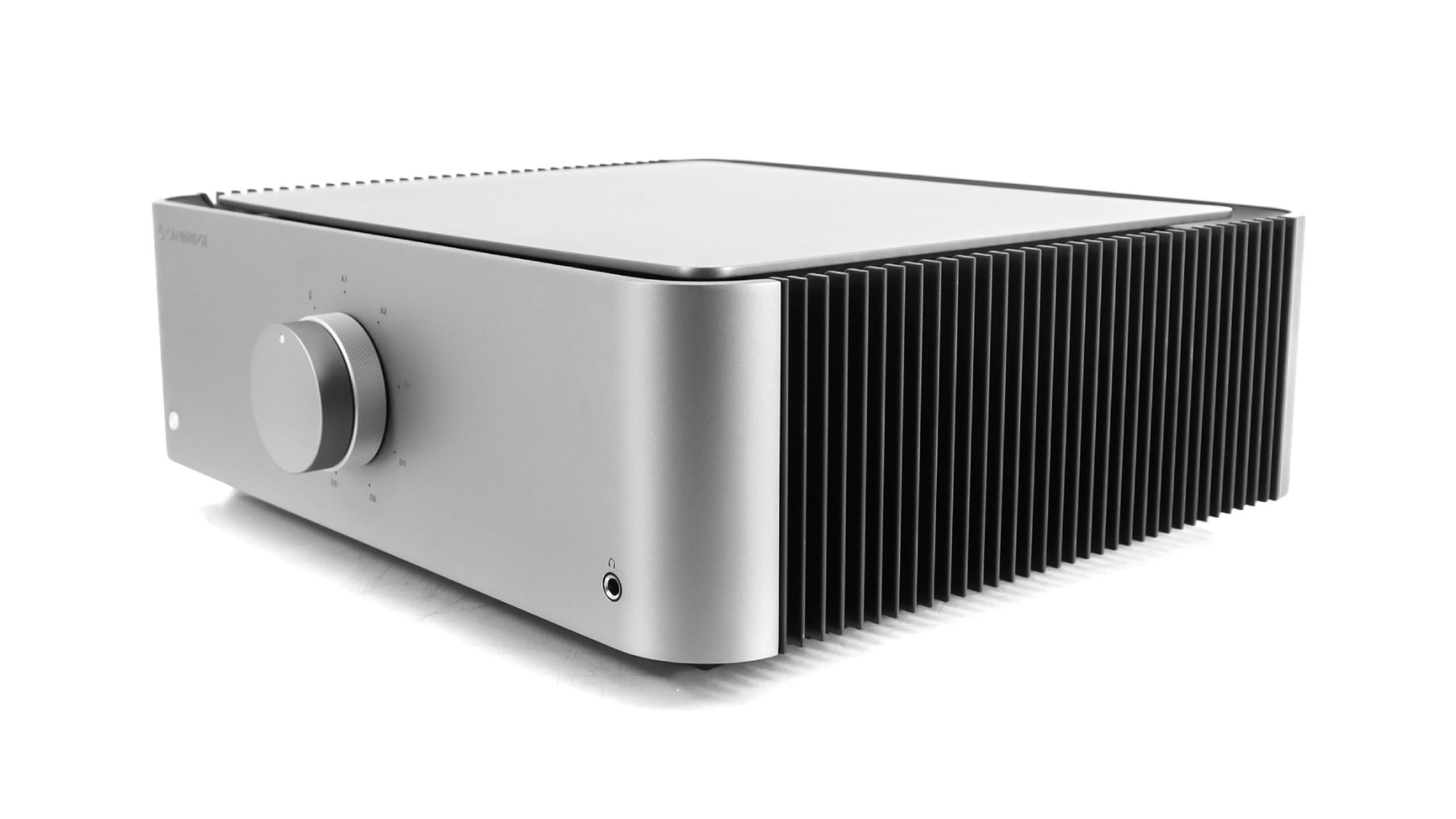
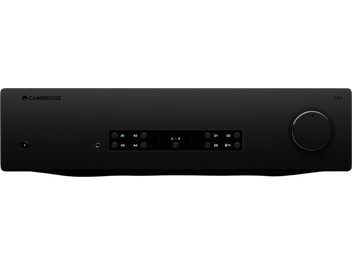
Cambridge Audio Edge A, an integrated stereo amplifier delivering 100 watts per channel into 8 ohms (200 W into 4 ohms), with Class XA design and symmetrical toroidal transformers that minimize distortion and heat. This amp is renowned for its exceptional clarity and balanced signal path.
Other specific classes
Class C, E, F: amplifiers designed for radio frequencies, not used in hi-fi.
Class S and T: specific variants of Class D with proprietary modulation to optimize compactness and musicality in certain products.
Popular products

You may also like to read
 2025 Guide: How to Choose Your First Hi-Fi System?Comparisons and buying guides
 EISA Awards 2025-2026: Which Products Won?Hi-fi and home cinema news
 Comparison of WiiM Streamers: Mini, Pro, Pro+, and UltraComparisons and buying guides
 Yamaha R-N600, R-N800, R-N1000, R-N2000: The Best in Connected High-Fidelity SoundHi-fi and home cinema news
 Triangle Borea: accessible French high-fidelityHi-fi and home cinema news
 Klipsch RP-1200CSW, RP-1400CSW and RP-1600CSW: sealed design to reduce floor spaceHi-fi and home cinema news