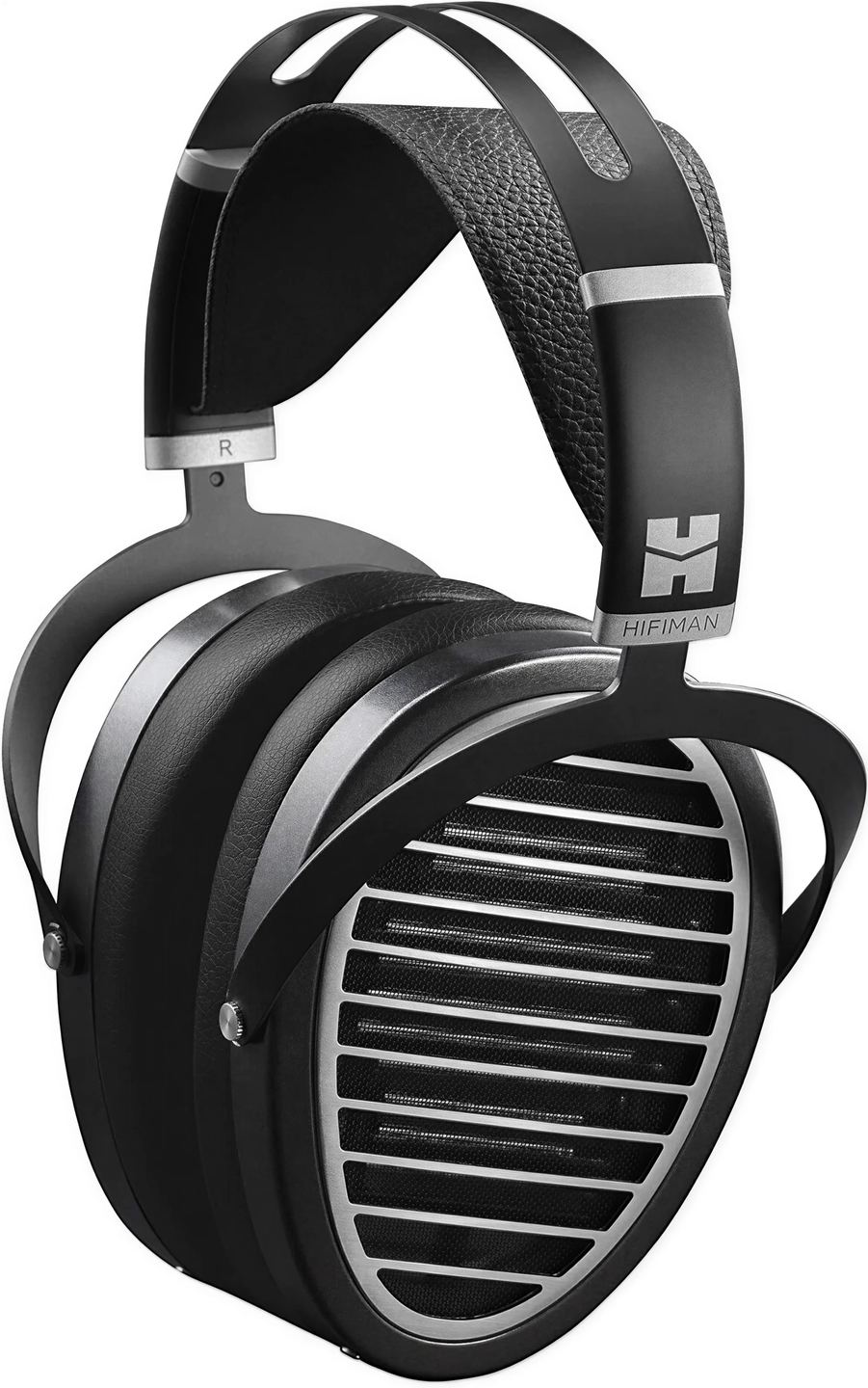
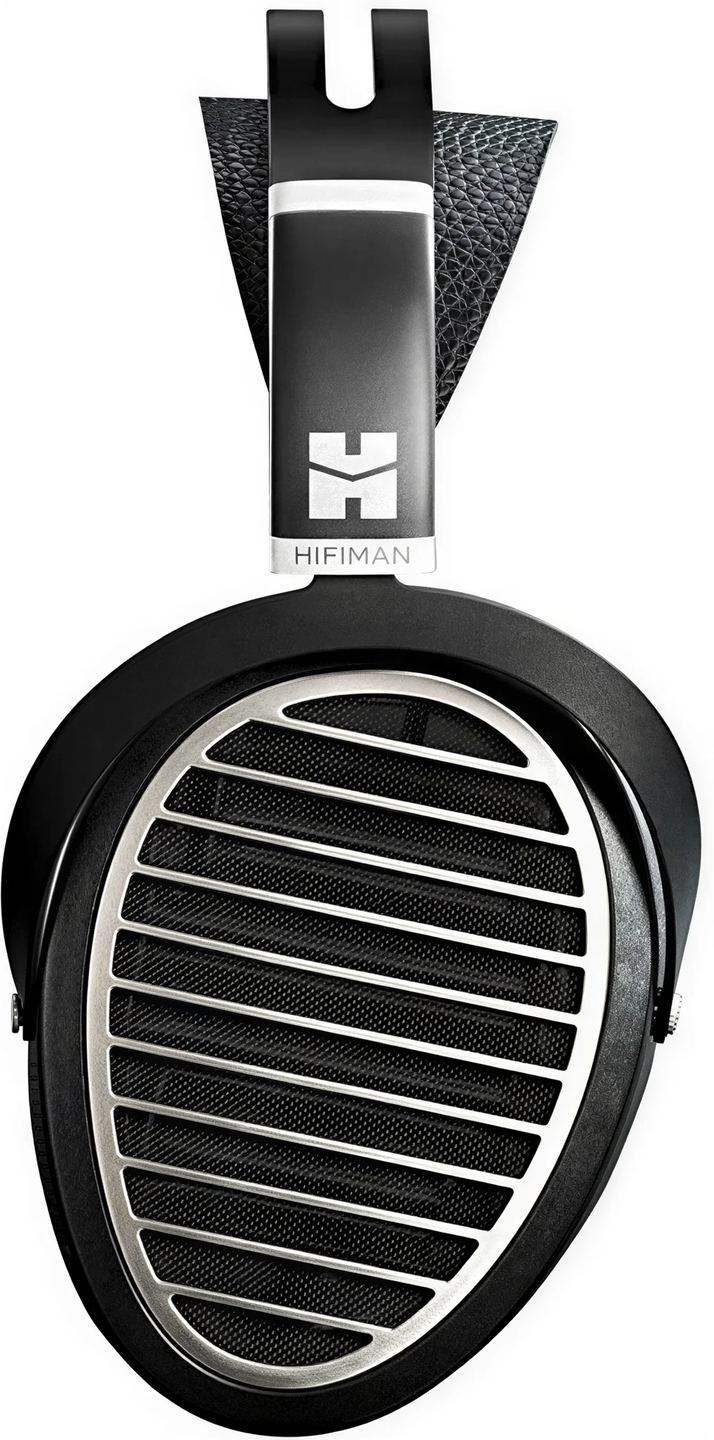
The Hifiman Ananda Stealth Magnet V3 headphones are the third generation of a flagship planar magnetic model. They offer a high sensitivity of 93 dB and a low impedance of 16 Ω, making them easy to use with portable sources. This open-back headphone retains the acoustic architecture of the Ananda range while improving mobile compatibility, thus combining audiophile performance with portability.
A Transparent Magnetic Architecture Serving the Signal
Stealth Magnet technology is at the heart of this headphone’s evolution. Initially developed for the flagship Susvara model in 2017, this innovation is based on a complete redesign of the magnet geometry. Unlike conventional magnets that generate turbulence and diffraction when sound waves pass through them, Stealth Magnets feature a specific shape with rounded edges and an optimized profile, allowing waves to pass without interference.
This acoustic transparency translates into a measurable reduction in distortion and preservation of signal integrity from the diaphragm to the ear. The asymmetrical double-sided magnetic system, inherited from higher-end models, maintains precise control of the diaphragm while minimizing unwanted reflections. The rear grilles use a “Window Shade” design—literally Venetian blinds—whose structure limits internal sound reflections while protecting the delicately designed transducers.
The Nanometric Diaphragm: Finesse Meets Responsiveness
The NsD (Neo supernano Diaphragm) represents the culmination of research begun in 2015 with the HE1000. With a thickness between 1 and 2 microns—80% thinner than previous generations—this conductive film achieves a level of lightness that allows for a transient response close to that of electrostatics, while retaining the robustness and character of planar transducers.
This extreme thinness presents considerable manufacturing challenges. The production process must maintain uniform tension across the entire diaphragm surface while ensuring adhesion of the submicron conductors. The slightest impurity or variation in the process can compromise performance. This technical complexity partly explains why Hifiman took several years to stabilize this technology before deploying it in more accessible models.
A Distinctive Technical Signature for the V3
The V3 version of the Ananda Stealth marks a significant departure from its predecessors. Where the V2 featured 27 ohms impedance and 103 dB sensitivity, this new iteration presents radically different characteristics: 16 ohms and 93 dB. These changes are not trivial—they suggest a complete overhaul of the magnetic system and potentially the diaphragm itself.
This 10 dB drop in sensitivity might be concerning, but it remains well above that of many orthodynamic headphones. A modern smartphone delivering about 1 Vrms can theoretically generate over 100 dB SPL with these headphones—more than enough for comfortable listening. The lower impedance also favors power transfer from portable sources, partially compensating for the reduced sensitivity.
The reduced weight at 398 grams (compared to 440g for the V2) suggests structural modifications, possibly an optimized magnetic circuit or the use of lighter materials. This reduction contributes to comfort during long listening sessions.
Broad Compatibility for All Uses
Optimization for portable sources is one of the Ananda Stealth V3’s major strengths. Unlike many planar headphones that require dedicated amplifiers, this model works well with:
-
Smartphones and tablets: The combination of low impedance and decent sensitivity allows for satisfying listening directly from the headphone output, though a quality USB-C to jack adapter will noticeably improve the experience.
-
Audiophile players: Modern DAPs (Digital Audio Players) generally have enough power to fully exploit the headphones’ potential. Models like the FiiO M11/M15 or the iBasso DX160/DX320 are ideal partners.
-
Portable USB audio interfaces: High-performance “dongles” like the FiiO KA3/KA5 or the iBasso DC04/DC05 offer an excellent compromise between portability and sound quality.
-
Desktop amplifiers: While not essential, dedicated amplifiers reveal the last nuances of refinement. Affordable models like the Topping L30 II or the JDS Labs Atom+ are more than sufficient.
The versatile power requirements allow for varied usage scenarios: high-quality mobile listening on the go, professional audio workstation, or home hi-fi system. This flexibility meets the evolving listening habits where the line between stationary and mobile use is increasingly blurred.
Design and Ergonomics: Evolution in Continuity
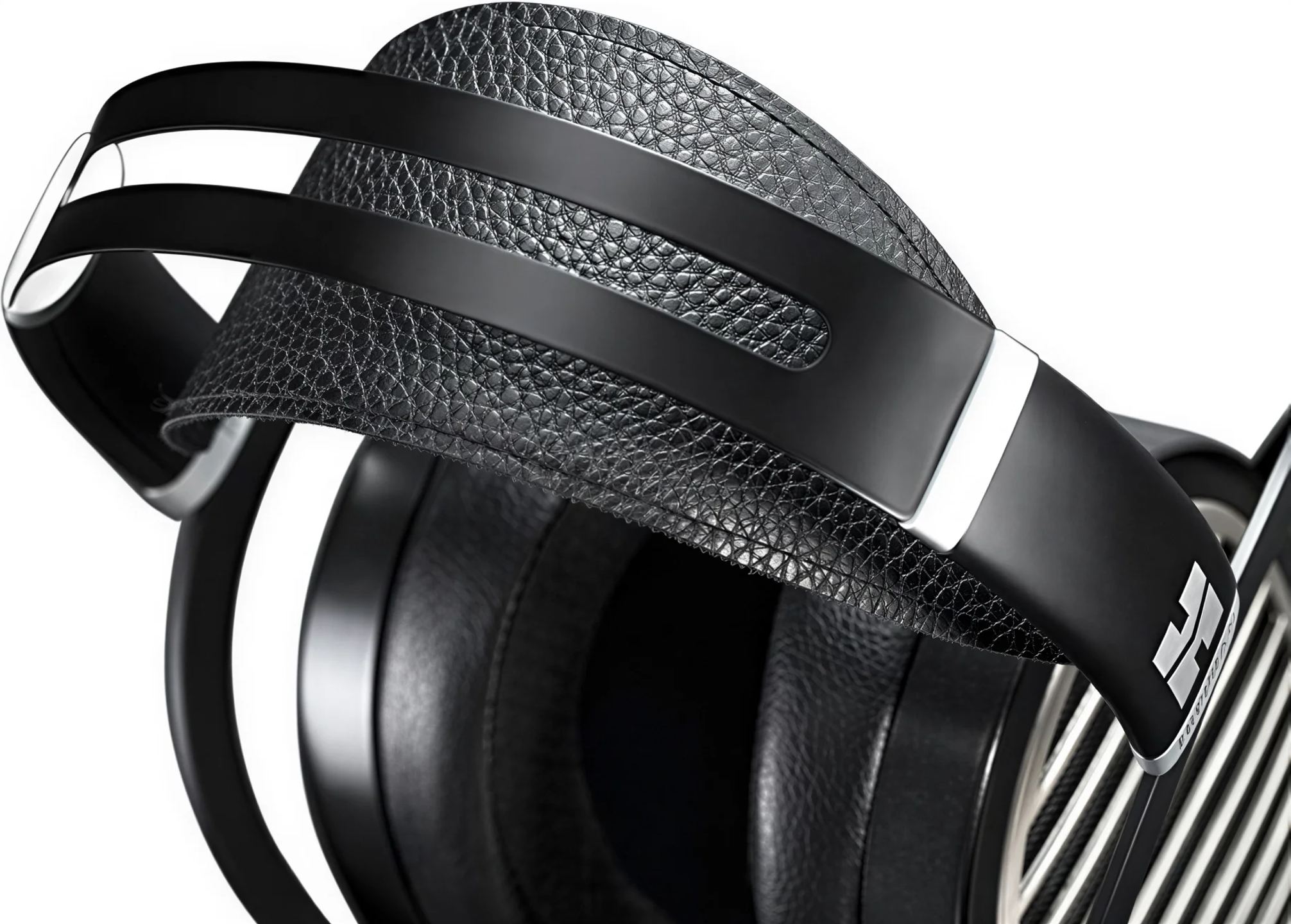
The Ananda Stealth V3 retains the characteristic aesthetics of the range, with its large ovoid earcups and all-black design. The headband borrows its robust construction from the Sundara, with metal hinges replacing the plastic parts of earlier generations. The synthetic leather headband effectively distributes weight across the head.
The hybrid earpads combine a polyester surface on the skin side—promoting acoustic transparency—and faux leather on the other sides for durability. Their asymmetrical shape follows the natural contours of the ear, though their generous size may not suit the smallest head shapes.
The lack of horizontal rotation of the earcups, criticized in previous versions, remains a possible area for improvement. Hifiman has demonstrated its ability to integrate this feature on other models like the Edition XS, suggesting this is more a product positioning decision than a technical constraint.
The supplied cable uses a Y-construction with 3.5mm mini-jack connectors at the earcups—a standard now established at Hifiman after abandoning the fragile 2.5mm connectors. The angled mini-jack source termination with a 6.35mm adapter offers universal compatibility, though the inclusion of a balanced cable would have been appreciated at this price point.