
Stefan
Onyko tx 8470 is the best,
i am very happy with it.
Comment from August 13, 2026 — Experience from August 02, 2026
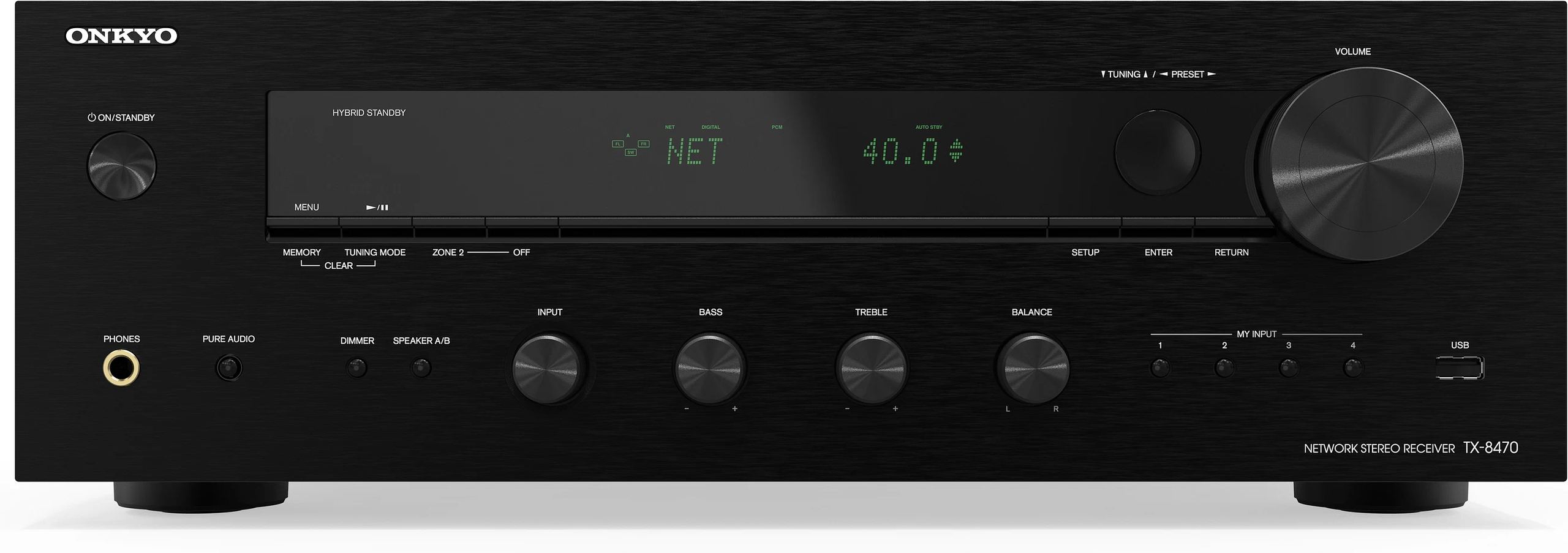
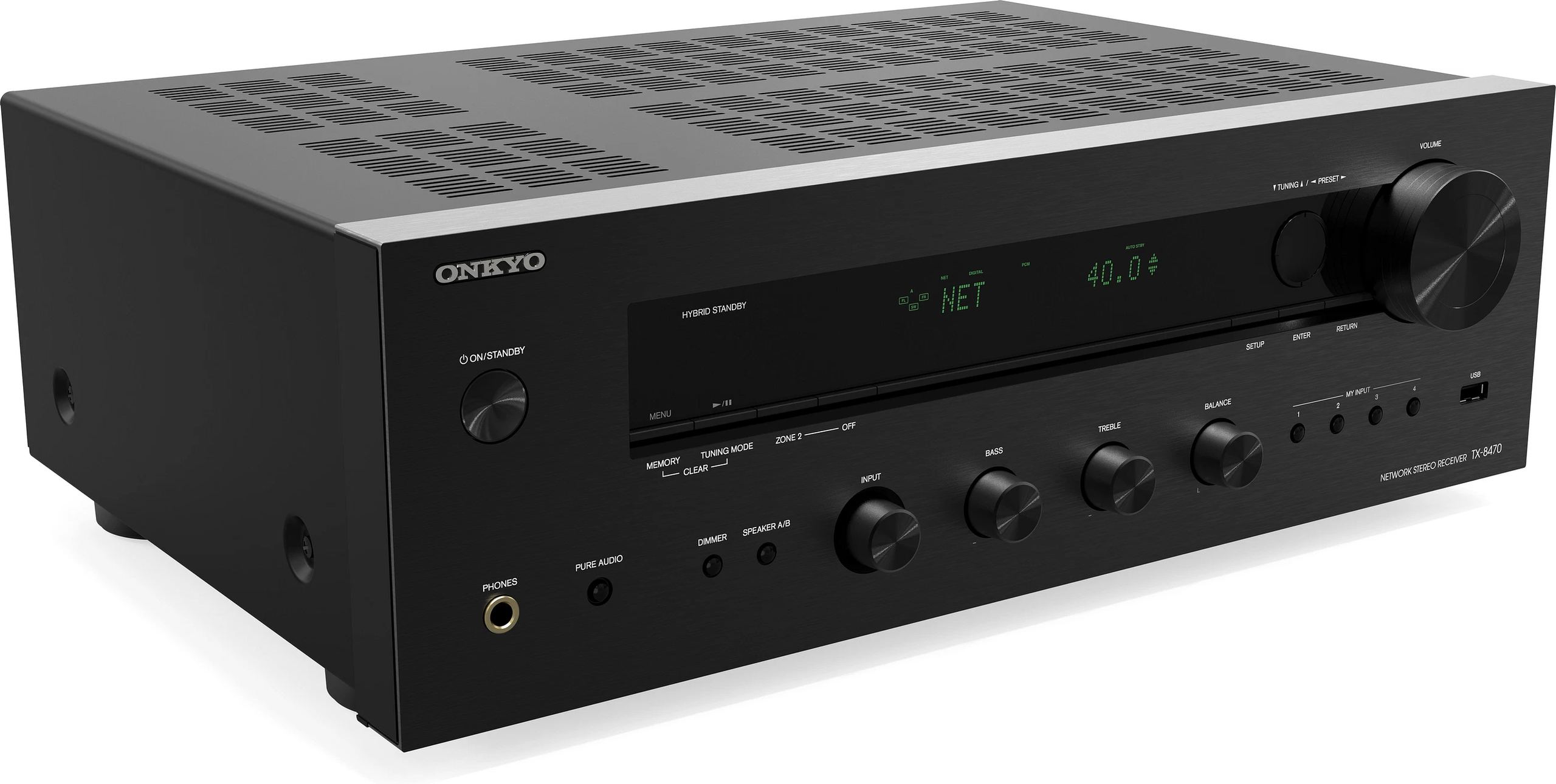
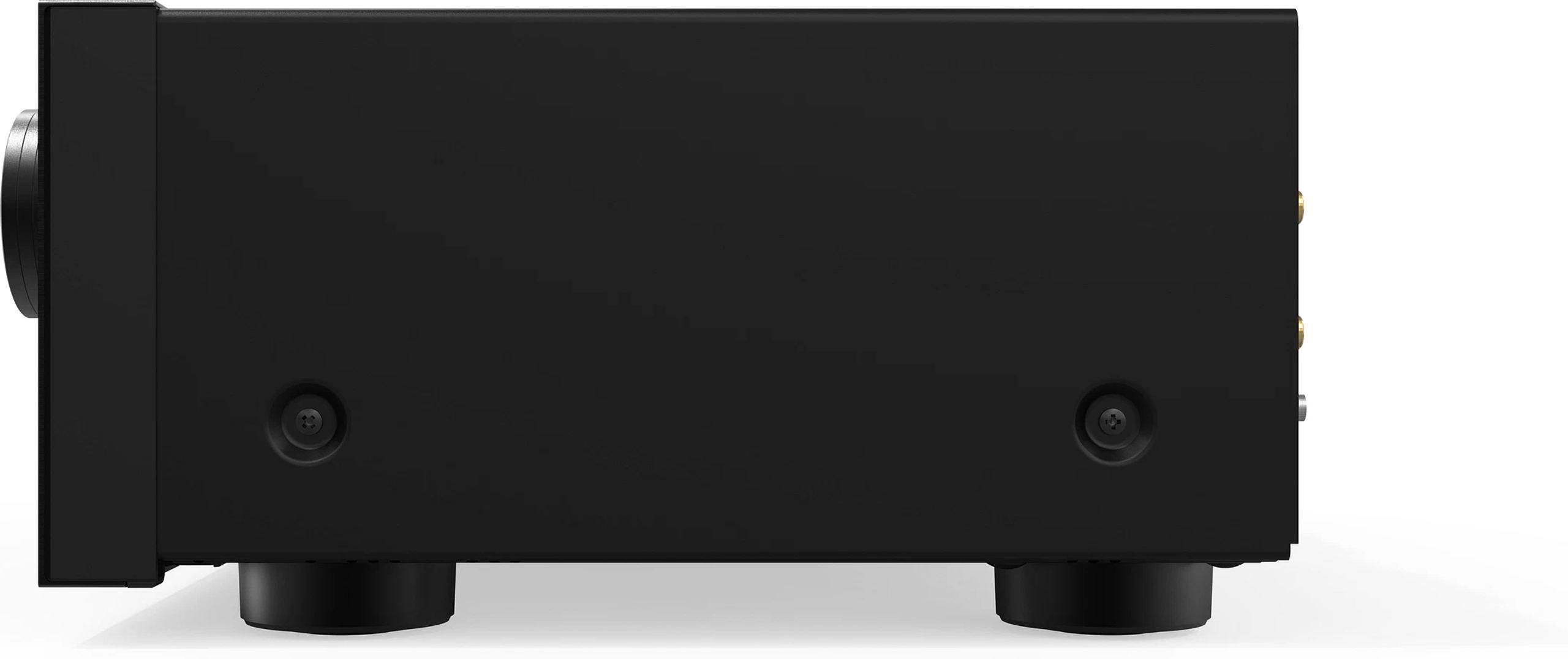
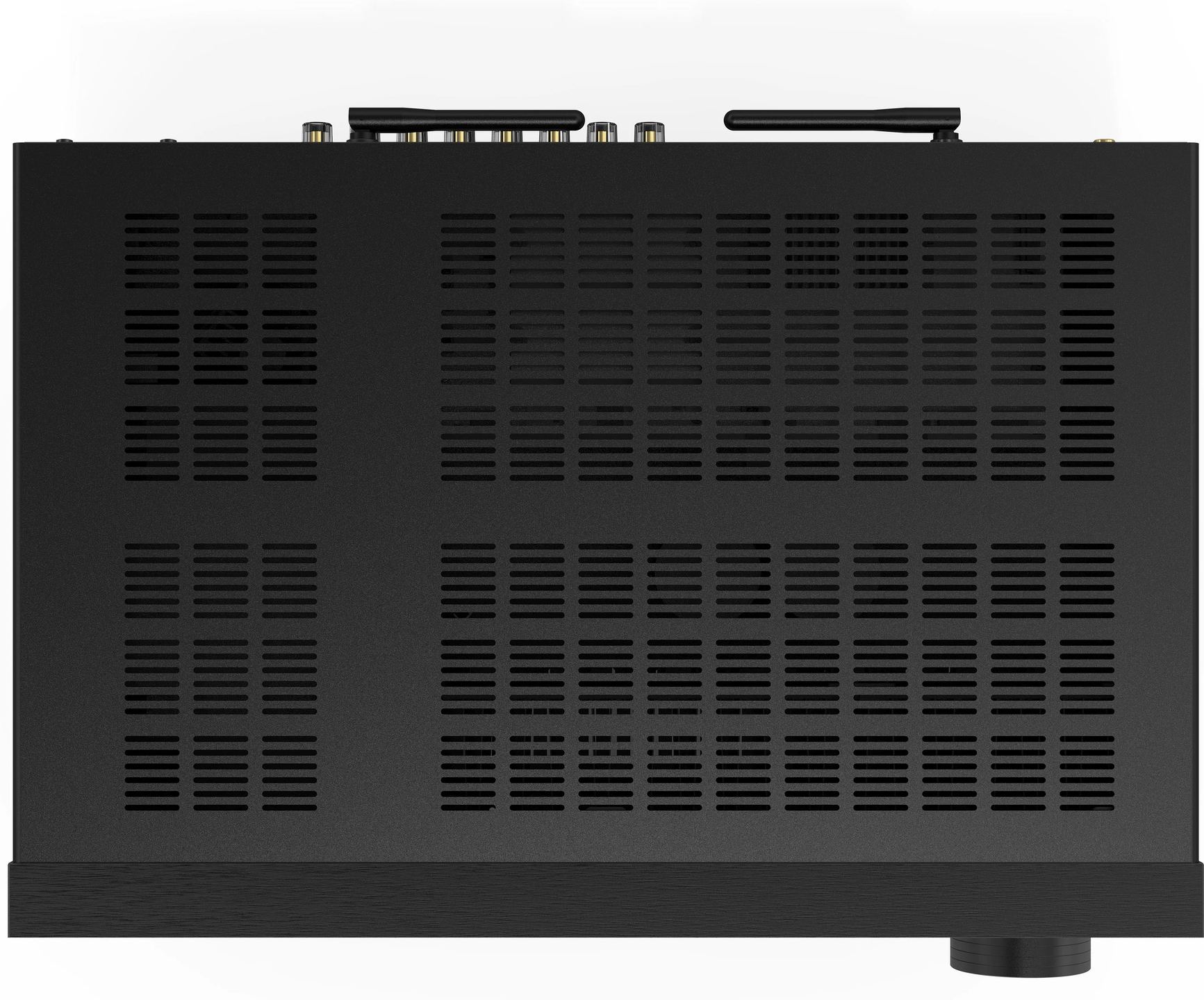
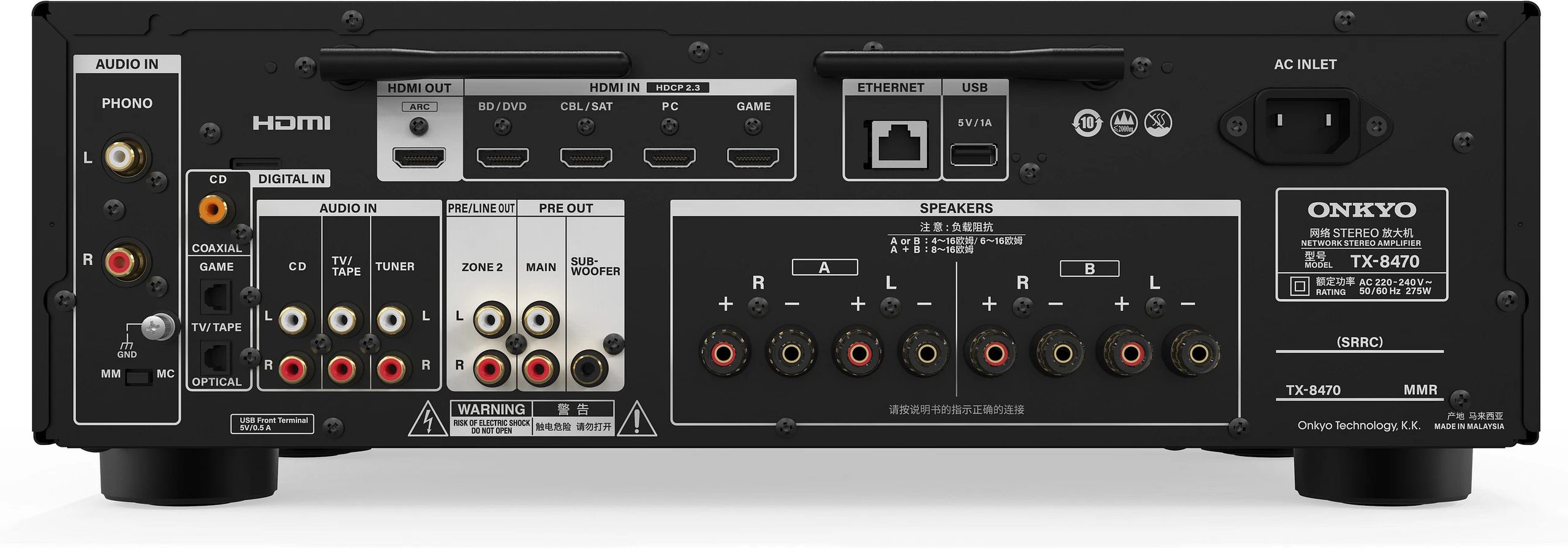



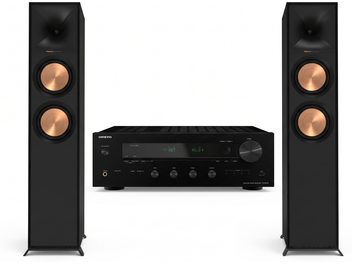
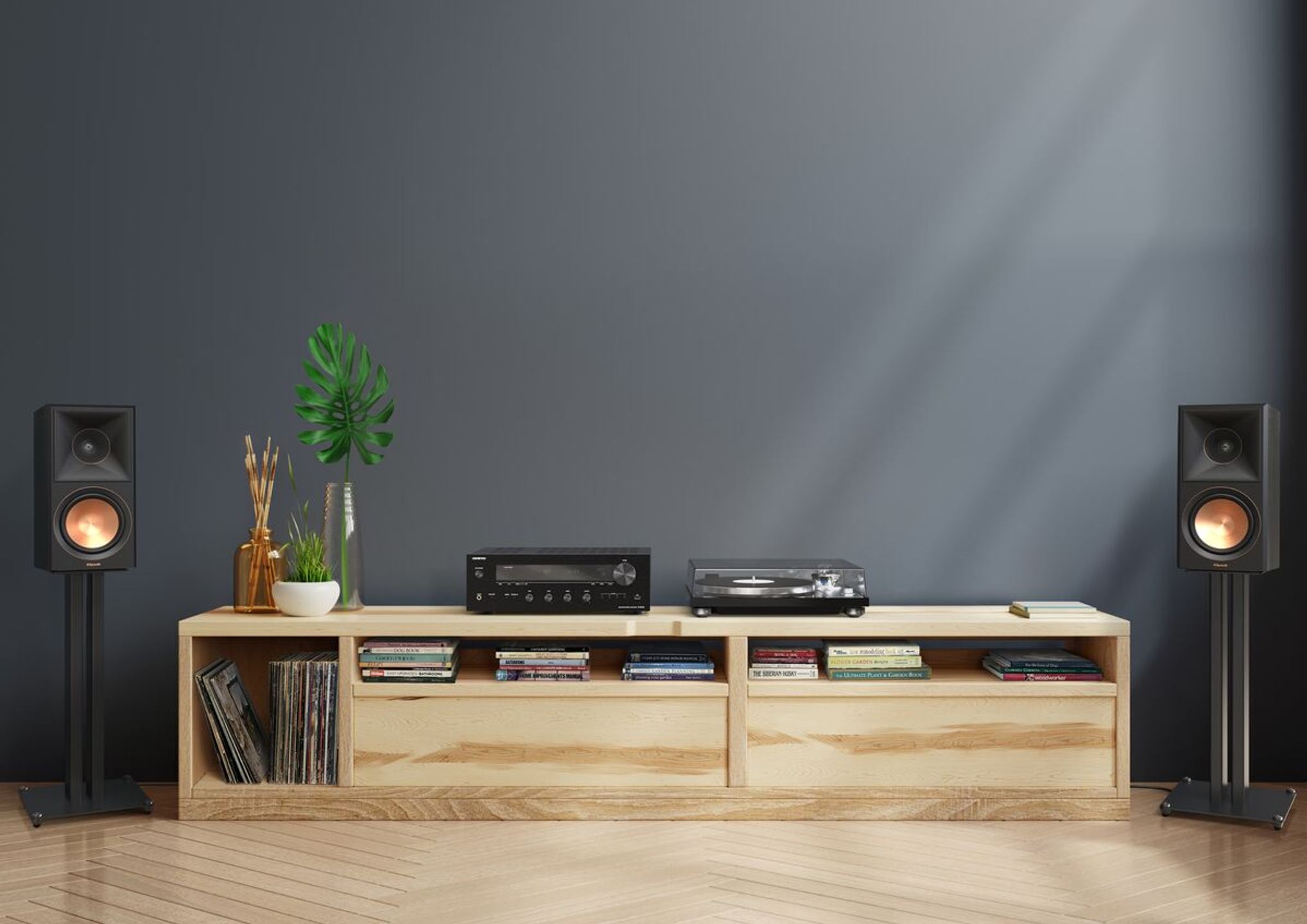
The Onkyo TX-8470 is a hi-fi stereo amplifier designed to deliver remarkable sound quality and modern connectivity. It combines precise sound reproduction with easy integration into a connected environment.
The TX-8470’s amplification operates in class G, combining the musicality of class AB with increased energy efficiency. Onkyo’s meticulous internal design uses carefully selected components, such as an oversized power supply and pure copper circuits to reduce noise and interference, with gold-plated terminals ensuring optimal signal transmission.
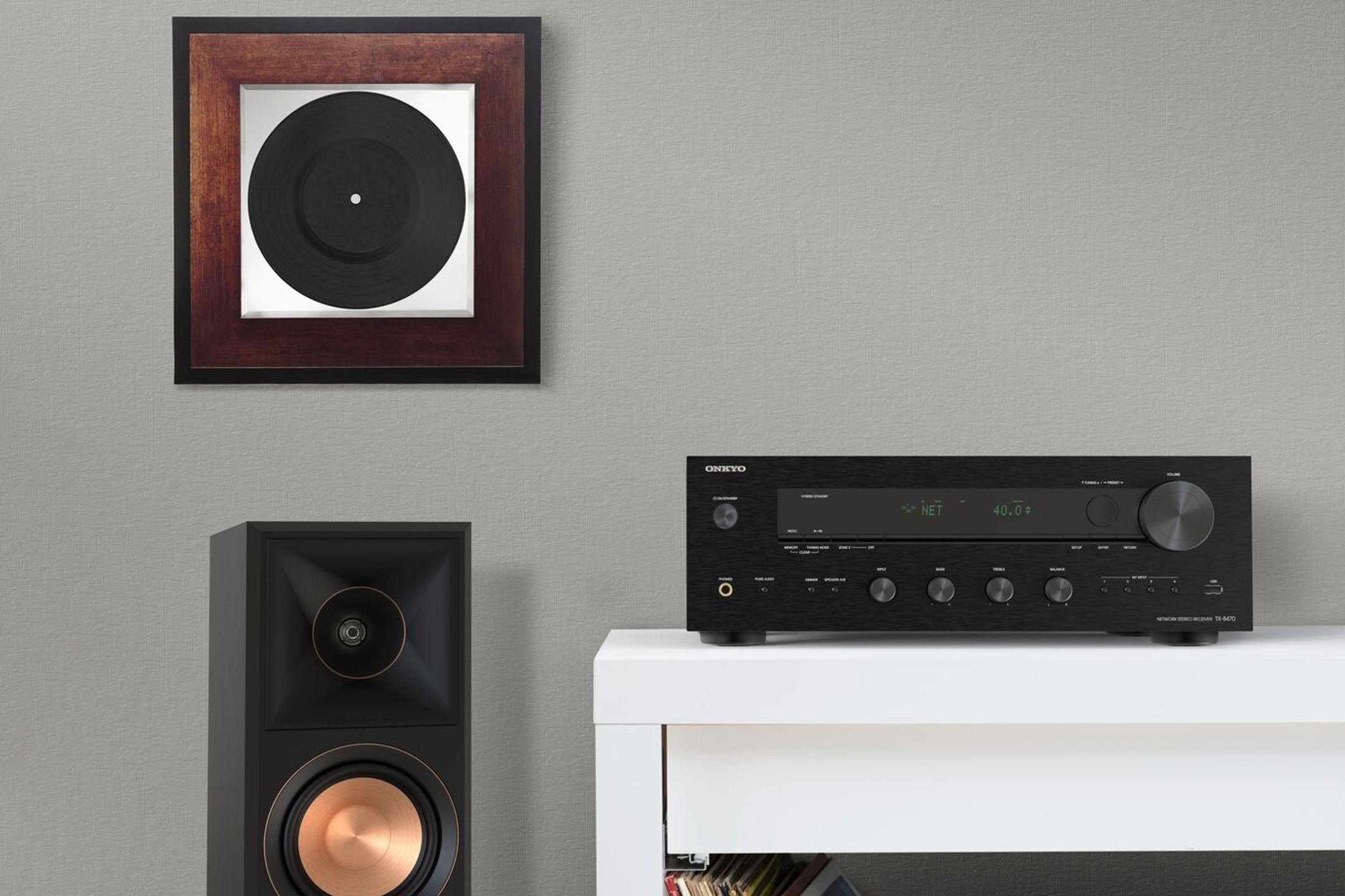
The TX-8470 features an amplification stage delivering 2 x 120 W at 8 ohms, with peaks at 2 x 140 W at 4 ohms. This power, coupled with a very low distortion rate, allows you to fully exploit the potential of various speakers, whether bookshelf or floor-standing.
The AKM 32-bit / 768 kHz DAC offers high precision in digital signal processing. The extended dynamic range and low harmonic distortion (THD+N of 0.08%) result in detailed and natural sound reproduction, from crystal-clear highs to deep bass.
Special attention is given to the MM/MC phono preamplifier. Its dedicated circuit and separate linear power supply reduce background noise and preserve the harmonic richness of vinyl records, offering clarity and dynamics close to the best digital sources.
The TX-8470 excels in connectivity:
The TX-8470 efficiently handles all sources, whether vinyl records, 4K movies, or Hi-Res music streaming. Its HDMI 2.1 compatibility supports the latest video formats like 8K HDR and 4K 120 Hz.
Thanks to its gigabit Ethernet and Wi-Fi controllers, the TX-8470 easily accesses a wide range of digital music. It is Roon Ready certified and supports HD streaming services such as Spotify Connect, Tidal, Qobuz, Deezer, and Amazon Music. Web radios and podcasts are available via TuneIn.
AirPlay 2, Chromecast, and DTS Play-Fi protocols are integrated for wireless streaming from various devices. Bluetooth is also present with SBC and AAC codecs.
The TX-8470 supports high-resolution audio files up to 24-bit / 192 kHz in FLAC, WAV, AIFF, and ALAC formats, as well as DSD 5.6 MHz, played from a USB device, DLNA server, or NAS. It also handles multiroom, integrating into systems like Sonos, Denon HEOS, or Yamaha MusicCast.

Gamers also benefit from the TX-8470’s gaming features:
These technologies enhance the gaming experience by eliminating lag and stutter, perfectly synchronizing sound and image.
The TX-8470 offers calibration tools, including the AccuEQ function that measures room and speaker response, automatically adjusting settings for optimized playback. Fine adjustments are also possible.
The amplifier is intuitively controlled via its user-friendly interface, the provided remote control, or the Onkyo Controller app for smartphones, allowing access to all functions and sources, including streaming services. It can also be voice-controlled via Google Assistant or Apple’s Siri.
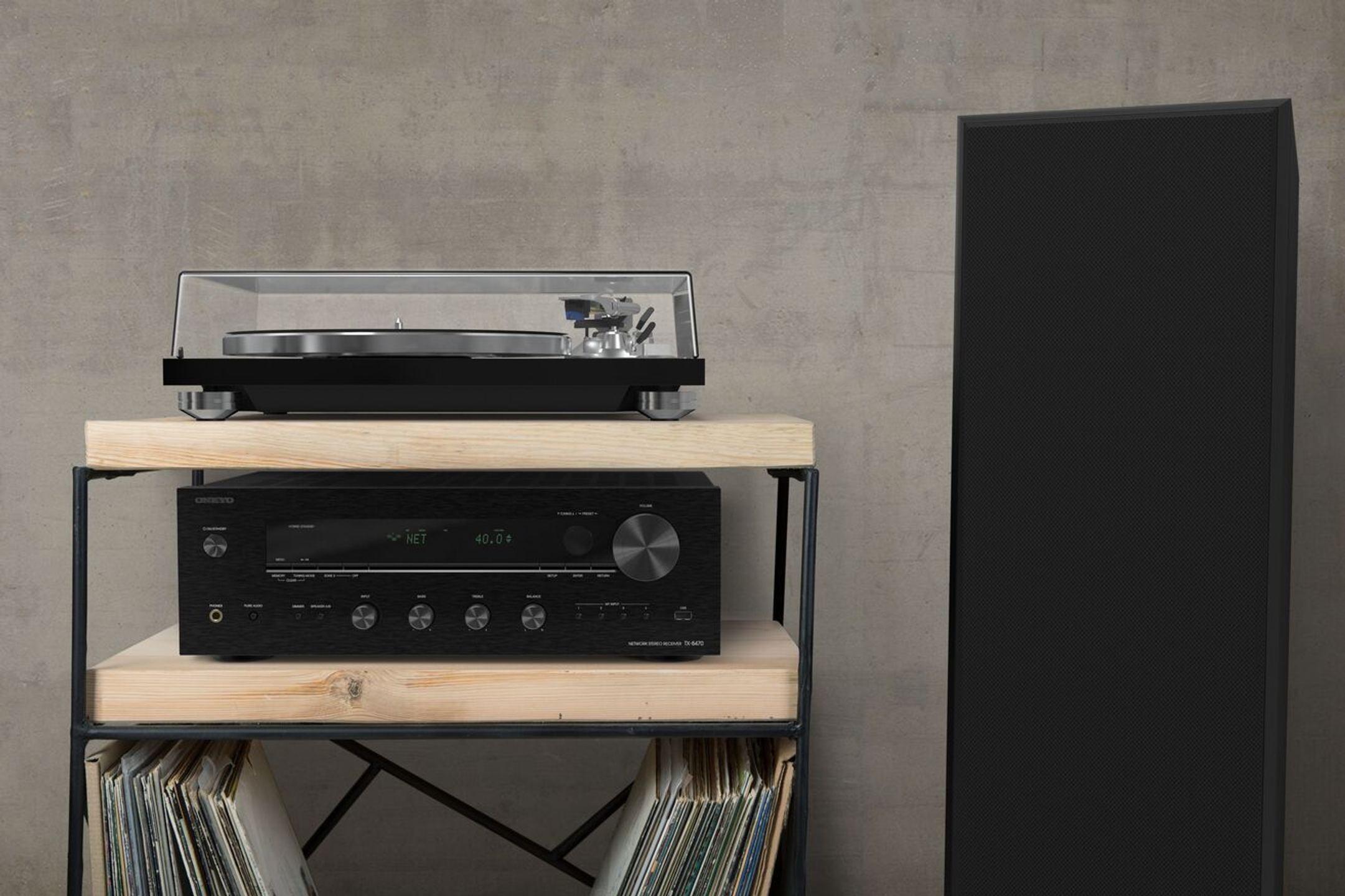
The Onkyo TX-8470 is superbly well equipped. It’s truly a home theater amplifier with only two amplification channels retained. It features multiple connectors for all types of sources, including, among others, its four HDMI inputs and its MM/MC phono input. Network connectivity is top-notch, two-zone multiroom is supported, and usability is excellent thanks to the full-featured remote control, HDMI CEC, and the mobile app.
Stefan
Onyko tx 8470 is the best,
i am very happy with it.
Comment from August 13, 2026 — Experience from August 02, 2026
Peter
Beautiful audio reproduction from DAB+ radio and TV via optical cable. Bluetooth and AirPlay work perfectly, I still have to try out the CD and phono, but I am already very satisfied with the sound reproduction👍
Comment from June 24, 2026 — Experience from June 13, 2026
Jef
Pros
- good and clear sound with little distortion
- bass is okay
- sufficient connection points
- haven’t owned it for long yet but already satisfied.
Con
Volume knob is a bit sluggish, responds a little slowly but I’ll probably get used to it
Comment from October 21, 2025 — Experience from October 10, 2025