

AudioVector R3 Avantgarde black (pack of 2)


Overview
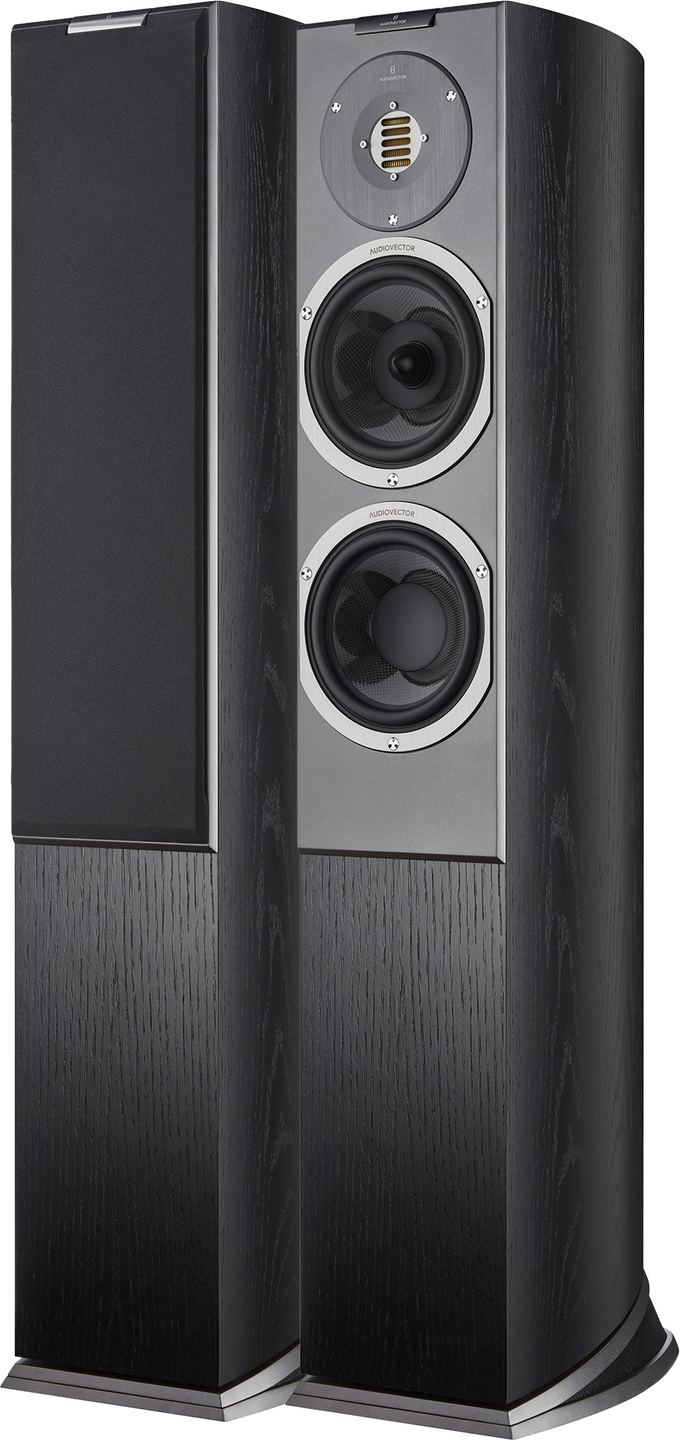
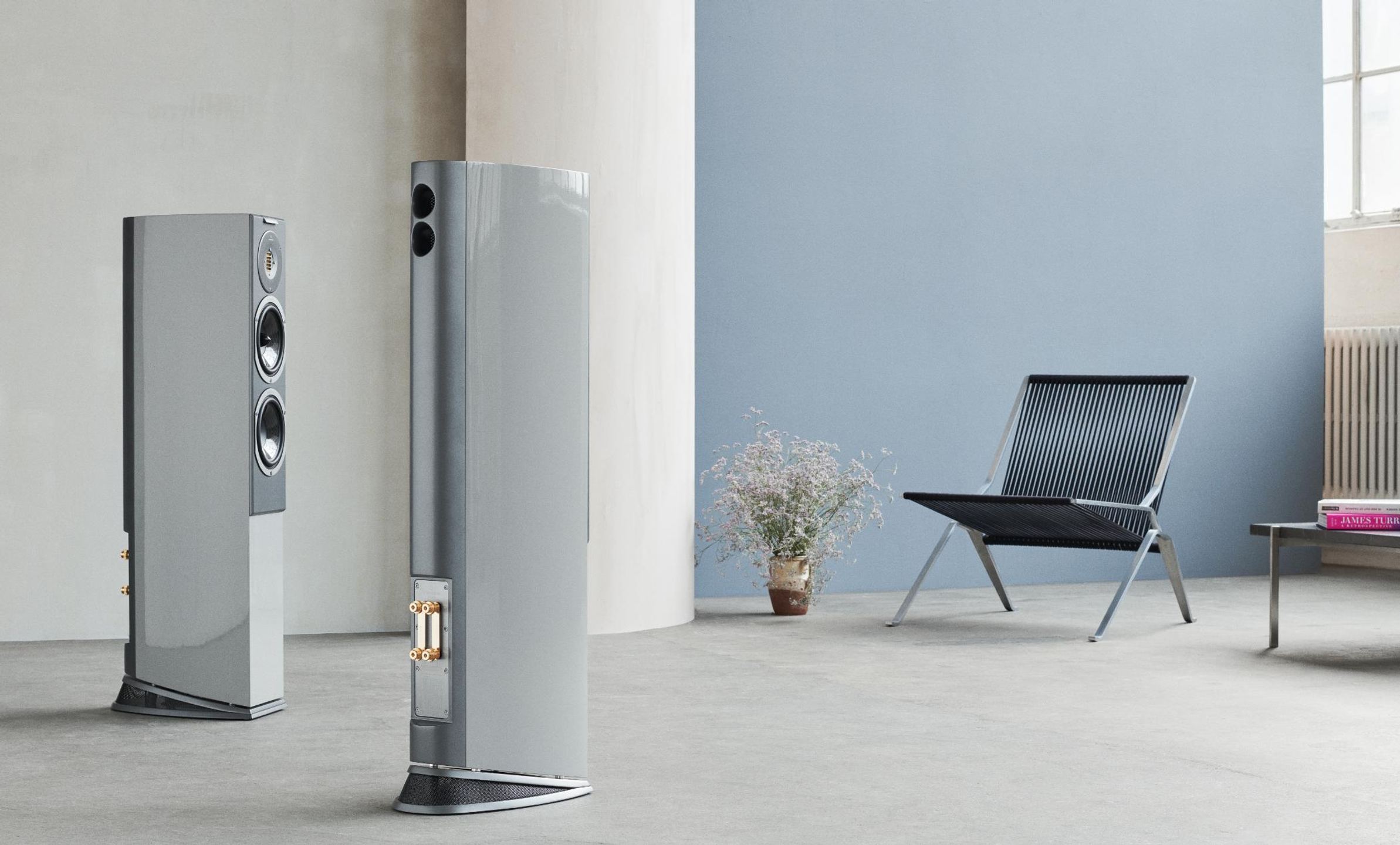
The Audiovector R3 Avantgarde floorstanding speakers are designed and manufactured in Denmark. They incorporate technologies developed by the brand and aim to deliver musical details with accuracy. Their sleek design and technical construction make them a suitable solution for listeners seeking an immersive listening experience in a refined format.
Audiovector’s Legacy of Excellence
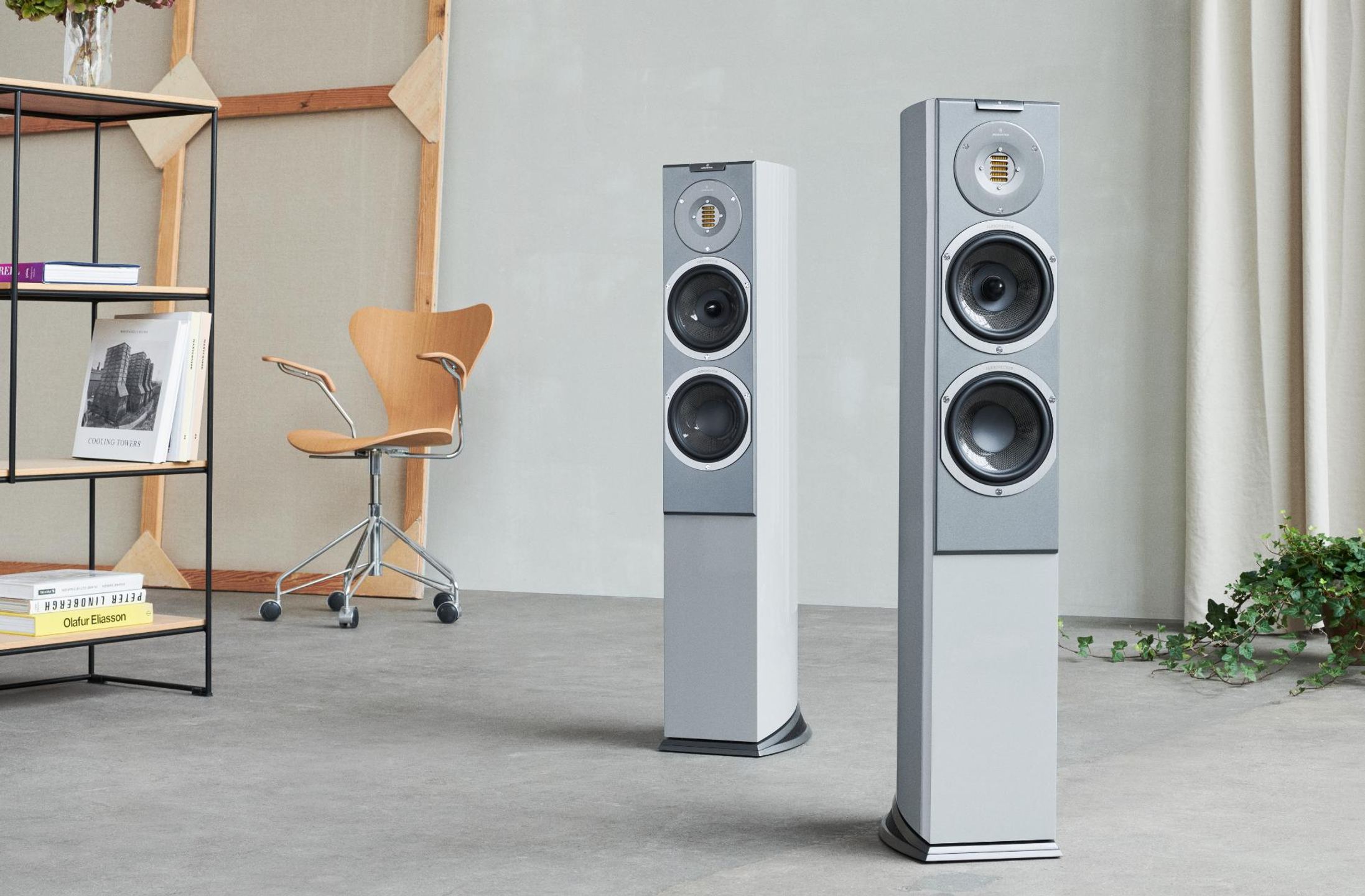
Audiovector’s story began with a clear ambition: to create the perfect loudspeaker for the global high-end market. Now led by Mads Klifoth, the Danish company continues this pursuit of excellence by developing speakers acclaimed by international critics. The R3 Avantgarde is part of this prestigious lineage, embodying the brand’s core values: technical innovation, flawless build quality, and natural musicality.
The R series forms the heart of the Audiovector range, with various levels of refinement available. The R3 Avantgarde stands out as a sophisticated listening solution, inheriting the sonic qualities that have built the brand’s reputation while offering significant technical improvements over standard models.
Sophisticated Acoustic Design
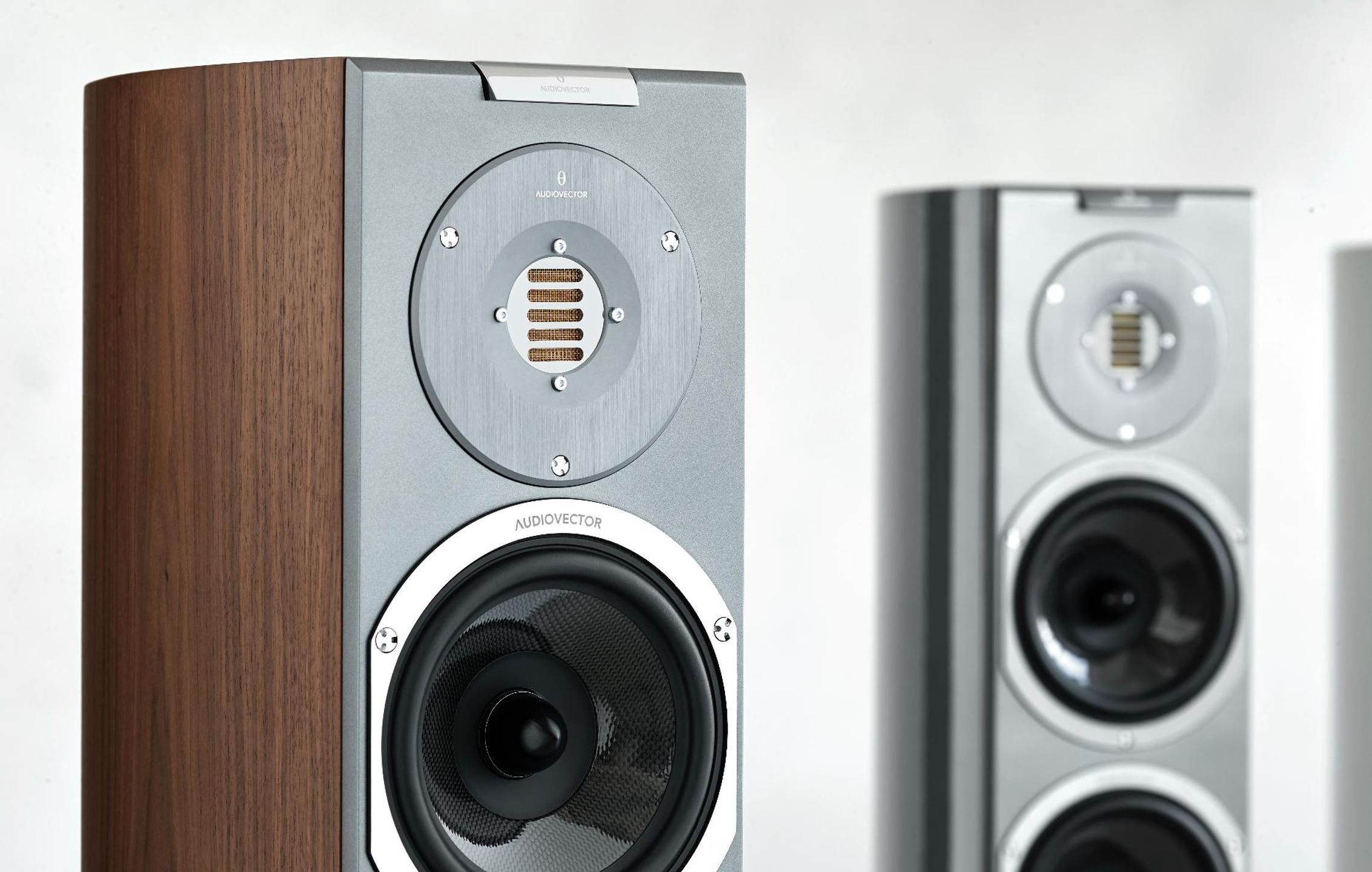
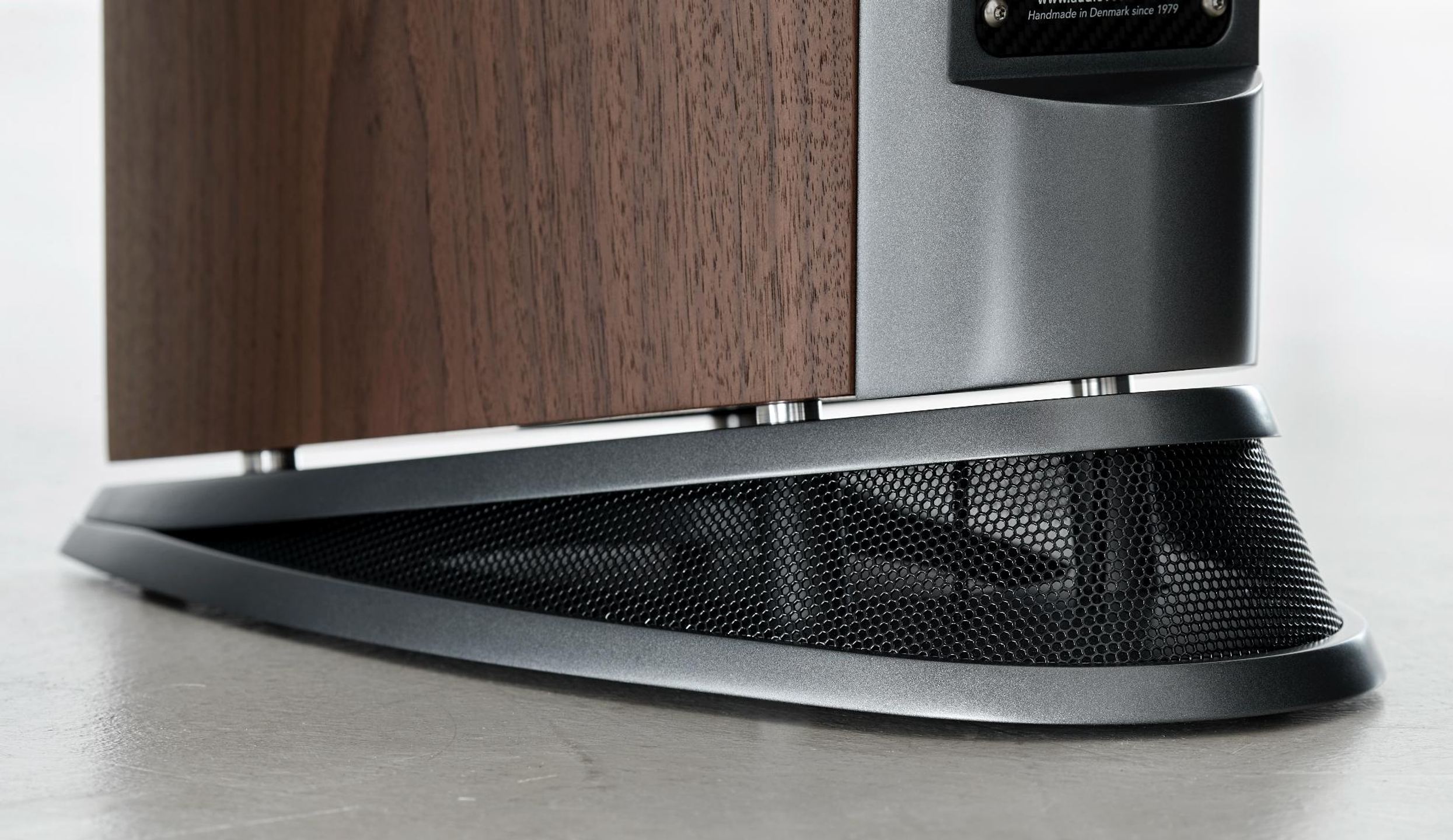
The R3 Avantgarde first impresses with its meticulous design. Its two-and-a-half-way architecture with a floor-firing bass-reflex system allows for a balanced reproduction of the entire sound spectrum. The laminated baffles with non-parallel surfaces are a notable innovation: by avoiding parallelism, Audiovector’s engineers significantly reduce standing waves and unwanted resonances that could color the sound.
The two 6.5-inch bass/midrange drivers use high-rigidity carbon cones, ensuring a precise and articulate response. These transducers feature titanium coil technology, a technical choice that optimizes heat dissipation and improves power handling during dynamic passages. The R AMT (Air Motion Transformer) ribbon tweeter is one of the highlights of these speakers, offering superior agility and definition in the high frequencies.
Exclusive Proprietary Technologies
The R3 Avantgarde incorporates a set of proprietary technologies that form Audiovector’s technical signature:
The IUC (Individual Upgrade Concept) technology represents a unique approach in the industry, allowing for progressive upgrades of critical components without having to replace the entire speaker. This philosophy reflects Audiovector’s commitment to the durability and scalability of its products.
The LCC (Low Compression Concept) significantly reduces the dynamic compression inherent in many speakers, thus preserving the integrity of transients and the natural dynamics of music.
The SEC (Soundstage Enhancement Concept) technology optimizes three-dimensional sound projection, creating a precise and naturally layered stereo image. This aspect is particularly appreciated when listening to acoustic and orchestral recordings.
The NES (No Energy Storage) system is a major innovation that limits the storage and delayed release of acoustic energy, a phenomenon often responsible for artificial coloration.
The DFF crossover technology completes this technical arsenal, ensuring a seamless transition between the different drivers.
Sound Performance
Reviewers agree on the remarkable sonic qualities of the Audiovector R3 speakers. Their striking clarity reveals every musical detail without ever becoming overly analytical. These speakers stand out for their direct and explicit presentation, where every note is perfectly defined from the initial attack.
The extended frequency response (23–53 kHz) demonstrates the R3 Avantgarde’s ability to faithfully reproduce the subtlest harmonics. The bass is deep and controlled, with no boominess or excessive dryness. The midrange, crucial for reproducing voices and main instruments, is characterized by its neutrality and transparency.
The R3 Avantgarde excels at soundstage reproduction, with precise instrument placement and convincing layering of the stereo image. This imaging quality greatly contributes to the sense of realism during listening.
Documentation
Technical Specifications
Proprietary Technologies
- IUC (Individual Upgrade Concept)
- LCC (Low Compression Concept)
- SEC (Soundstage Enhancement Concept)
- NES (No Energy Storage)
- DFF Filter Technology
Design and Components
- Laminated cabinets
- Non-parallel surfaces
- Audiovector carbon drivers
- Titanium technology coils
- Bi-wiring compatible
Audio Performance
- Frequency response: 23 - 53 kHz
- Sensitivity: 90.5 dB / W / m
- Impedance: 8 ohms
- Power handling: 300 W
- Crossover frequencies: 280 / 3000 Hz
Drivers
- Bass system: floor-standing bass-reflex
- Bass / midrange drivers: 6.5-inch carbon
- Tweeter: R AMT ribbon tweeter
Dimensions
- Height × Width × Depth: 103.4 × 23 × 36 cm
Frequently asked questions
What is the difference between the R3 Avantgarde and the Signature or Arreté versions?
The R3 range offers different levels of refinement. The R3 Avantgarde sits above the Signature, incorporating additional technologies such as NES and the DFF crossover, while using a more sophisticated AMT tweeter compared to the Signature’s soft dome. The Arreté is the ultimate version, with further enhancements. Each level offers an audible improvement while maintaining the fundamental sound signature of the series.
How should I ideally position these speakers in my room?
Start by placing them about one meter from the rear and side walls. The toe-in angle (orientation toward the listening point) is crucial for optimizing stereo imaging and tonal balance. Experiment with this angle until you achieve precise focus and well-defined bass. Pay attention to first reflection points on the side walls, which may benefit from light acoustic treatment due to the excellent dispersion of the AMT tweeter.
Can these speakers be used in a home theater system?
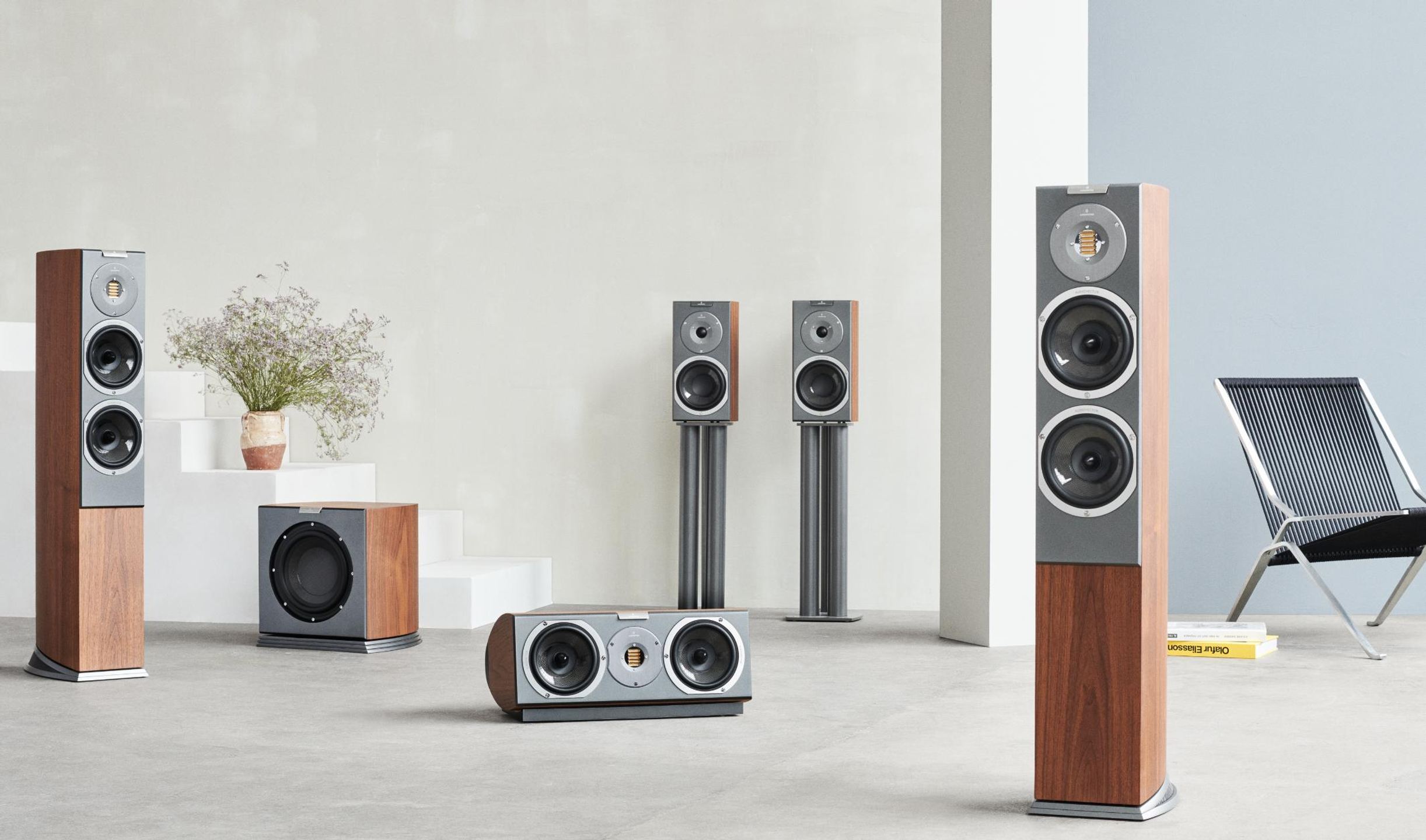
Absolutely. The R3 Avantgarde can serve as the main speakers in a high-quality home theater system. For optimal tonal coherence, it’s best to pair them with other speakers from the Audiovector range, especially the R C center speaker and, if desired, the R Sub subwoofer for low-frequency effects in movies. Their clarity and dynamics are excellent for reproducing cinematic soundtracks.
What are the advantages of bi-wiring with these speakers?
Bi-wiring allows you to use two separate pairs of cables to independently power the bass/midrange and treble sections of the speaker. This setup can improve register separation and reduce unwanted interactions between the different crossover sections. With the R3 Avantgarde, bi-wiring can refine bass definition and slightly enhance midrange transparency, though these improvements may vary depending on the cables used and the room’s acoustics.
How do the proprietary technologies improve the listening experience?
Each technology targets a specific aspect of sound reproduction. The Freedom technology reduces distortion by directing stray currents to ground, eliminating coloration between drivers. The SEC concept optimizes three-dimensional sound projection, creating a more natural and immersive soundstage. The LCC preserves the original dynamics of the recording, while NES limits energy storage that could blur temporal definition. Together, they create a more faithful and engaging listening experience.
- Eco-contribution included in the sale price.