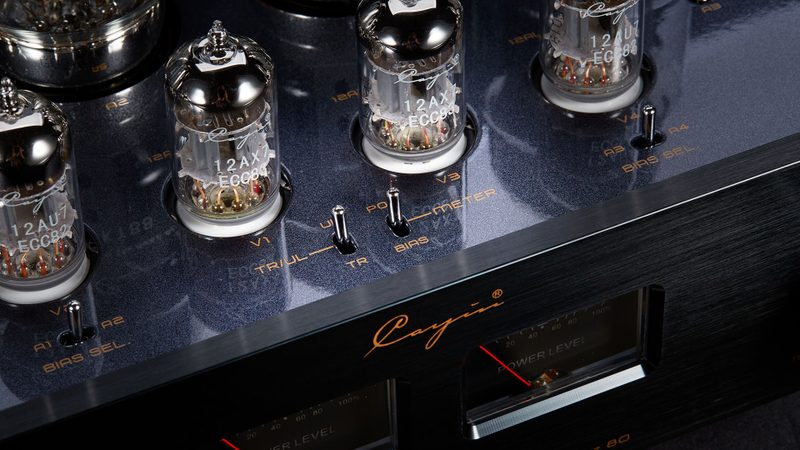
Cayin CS-150A black




Overview
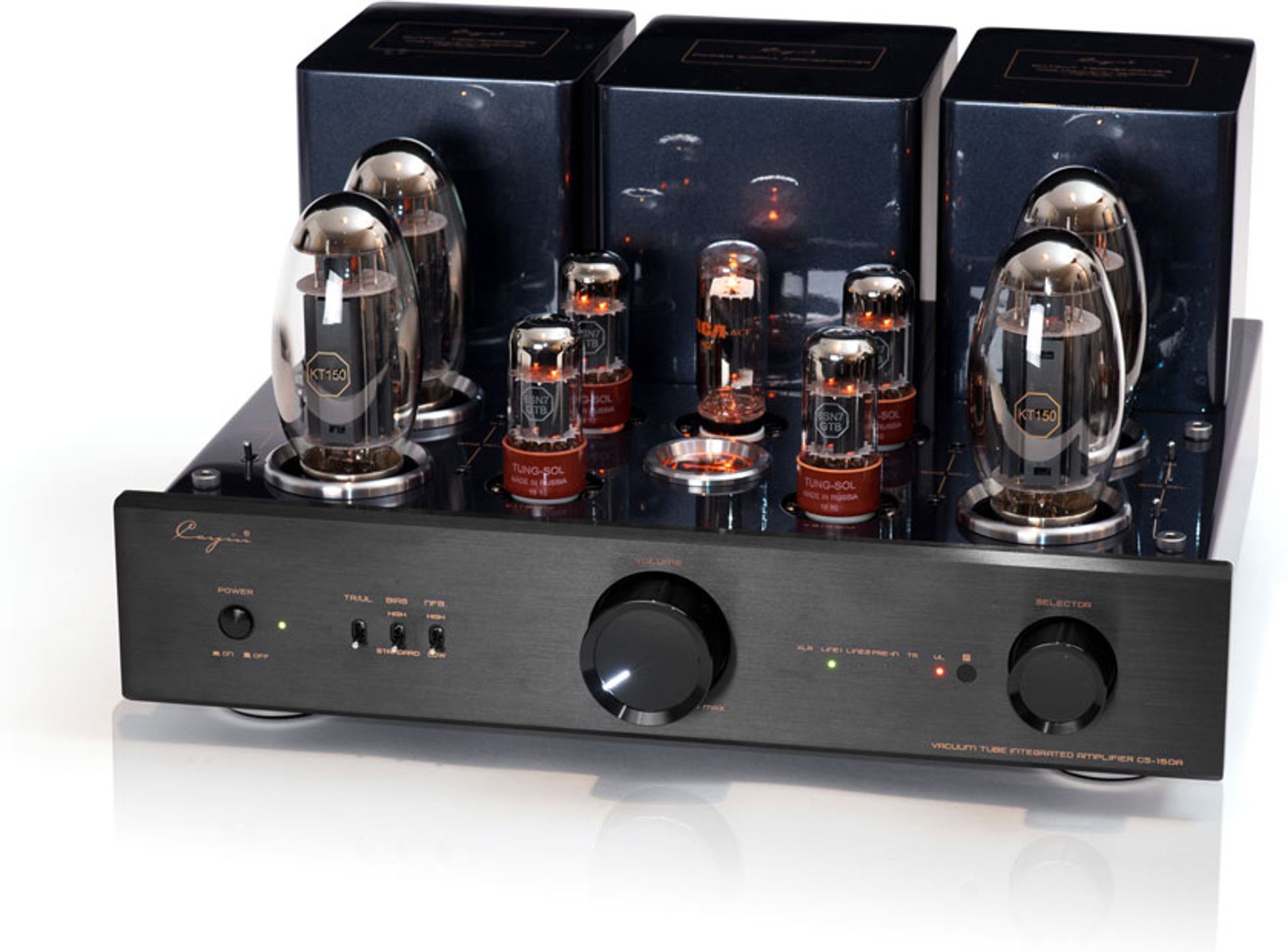
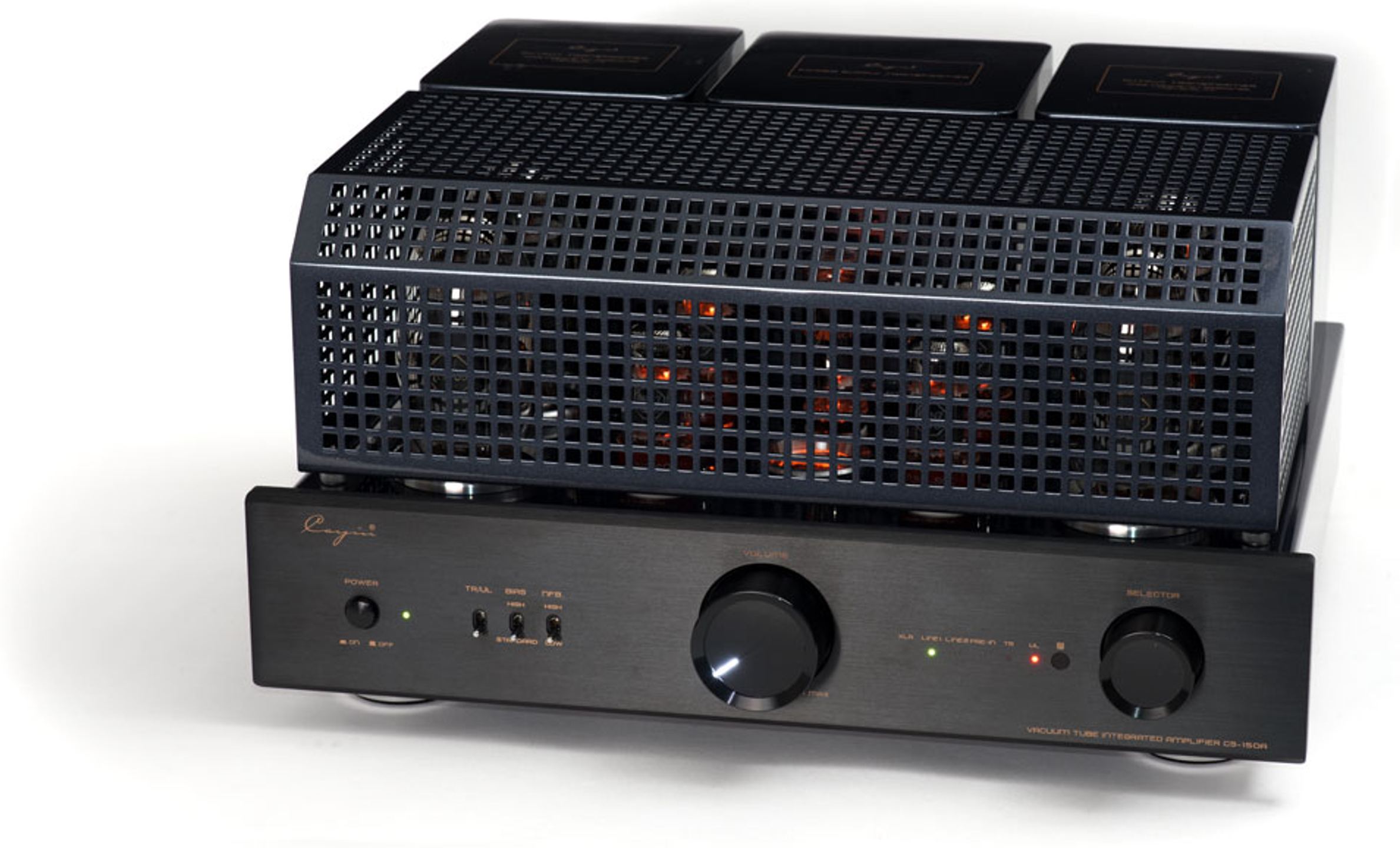
The Cayin CS-150A stereo integrated amplifier is a model developed by the Chinese brand Cayin, which specializes in tube-based devices. It offers two operating modes: a triode mode (2x55 W) for a smoother sound reproduction, and an ultralinear mode (2x100 W) for a more dynamic listening experience, especially in the low frequencies. Its design incorporates nine tubes, including four KT150s, paired with large transformers and hand-crafted point-to-point wiring. The CS-150A also features several sound adjustment options and extensive connectivity, making it easy to integrate with a wide range of speakers.
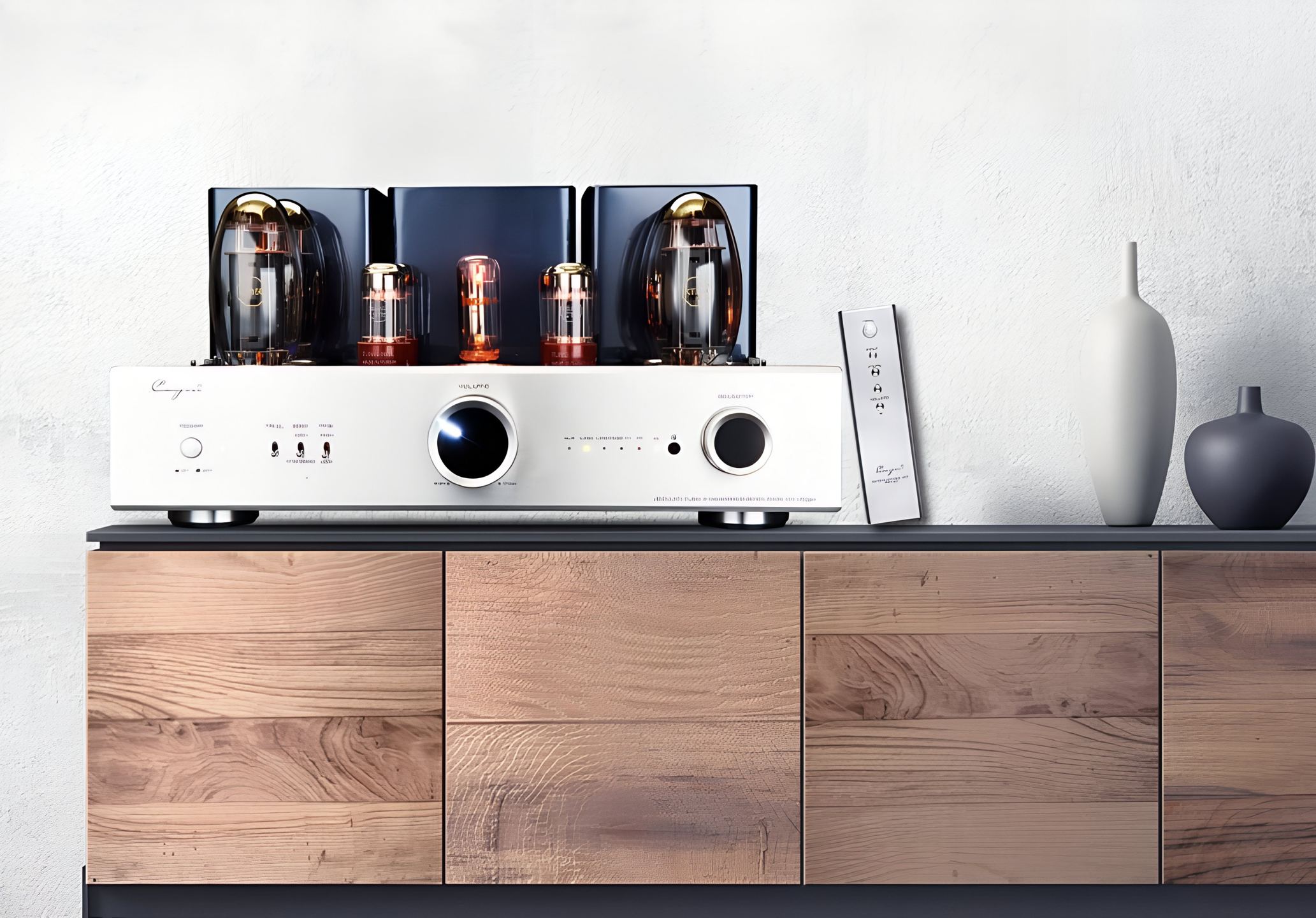
A Rigorously Optimized Tube Architecture
At the heart of the CS-150A is a set of nine meticulously selected tubes. Four KT150 power tubes make up the output stage, offering a rare combination of power and finesse. The preamplification section uses four Tung-Sol 6SN7 tubes, renowned for their musicality and tonal balance. Finally, a NOS (New Old Stock) RCA 22DE4 rectifier tube completes the setup—an audiophile choice that contributes to the device’s distinctive sonic signature.
The internal layout reveals a traditional yet optimized design, with point-to-point wiring done by hand using high-quality silver-plated wires. This artisanal method, more costly but acoustically superior, ensures the shortest possible path for the audio signal and minimizes interference.
Two Distinct Sonic Personalities
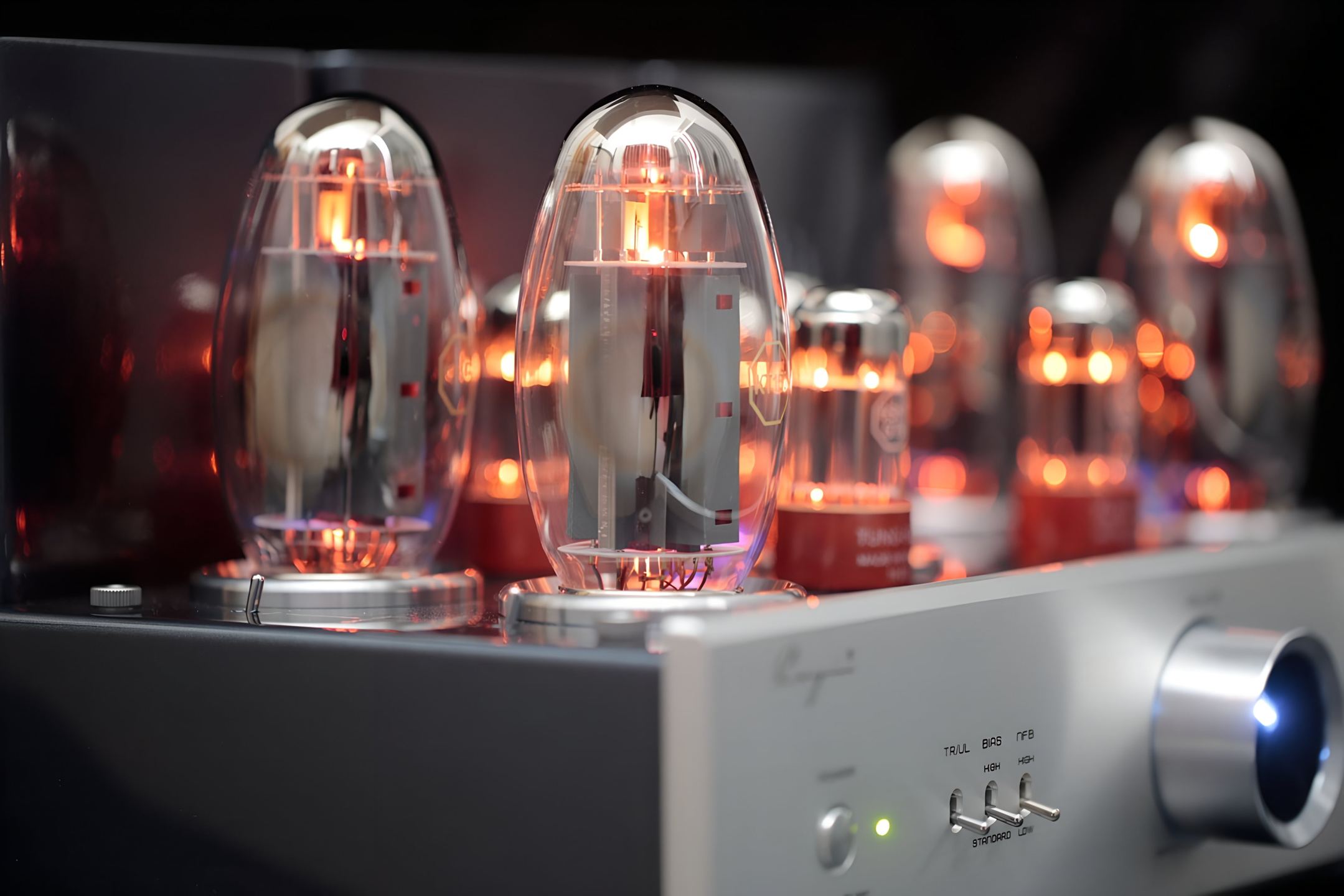
The CS-150A’s standout feature is its ability to operate in two distinct modes: triode or ultralinear. This flexibility truly transforms the amplifier’s sonic character according to listening preferences or music genre.
In triode mode, the amplifier delivers 2×55 watts into 8 ohms with a particularly warm, organic, and spacious sound. This mode excels at reproducing vocals and acoustic instruments, offering a rich sound texture and a holographic stereo image. Users report intense musical emotion and striking naturalness in this mode.
Switching to ultralinear mode, the power increases to 2×100 watts into 8 ohms, with greater extension in the low frequencies and firmer control. This mode retains some of the tube warmth but gains in dynamics and authority, coming closer to the behavior of a transistor amplifier while preserving superior musicality.
Advanced Sound Customization
Beyond the choice between triode and ultralinear modes, the CS-150A offers additional options to precisely fine-tune its sonic character.
A variable bias adjustment lets you choose a “high” setting that favors roundness in the mids and lows, or a “standard” setting focused on musical structure precision. Similarly, a two-level negative feedback control offers either a smooth, natural reproduction (“low” position) or a more controlled, tighter sound (“high” position).
These different adjustment combinations allow the amplifier to be finely adapted to all types of speakers, from compact models to imposing floorstanders, as well as to the listener’s personal taste and the specifics of each recording.
A Practical Tube Management System
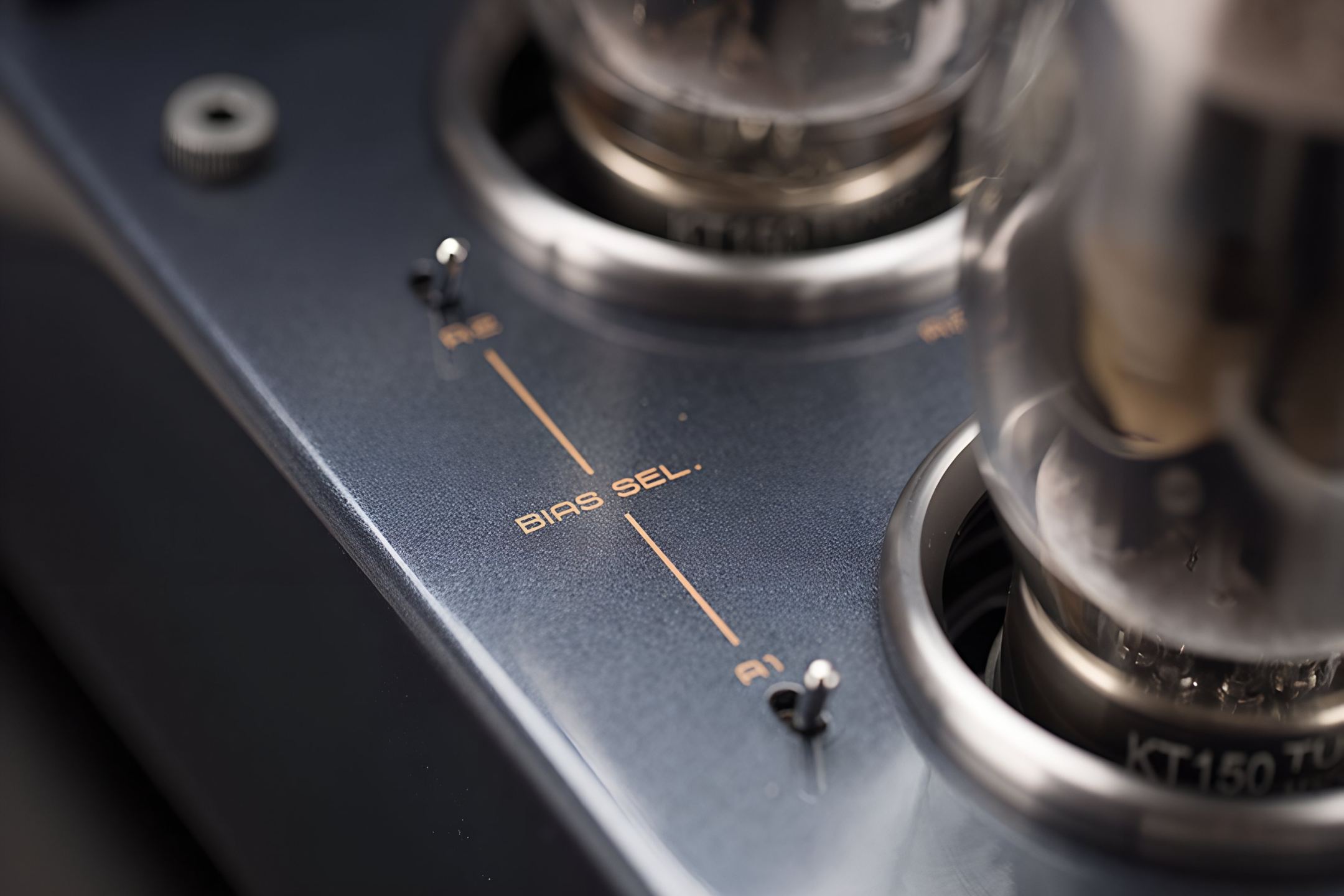
The CS-150A features an ingenious system for monitoring and adjusting the bias of the power tubes. This function, often absent from tube amplifiers in this category, greatly simplifies maintenance and ensures optimal long-term operation.
The circuit makes it easy to monitor the condition of the KT150 tubes and adjust their bias when necessary, thus extending their lifespan and maintaining top-level sound performance. This system also makes tube replacement easier—an inevitable operation after several years of use.
A soft-start circuit completes the setup, protecting the valuable tubes from electrical surges at power-up and thus contributing to their longevity.
Versatile Connectivity and Refined Ergonomics
Despite its resolutely audiophile focus, the CS-150A does not overlook practical aspects. Its rear panel offers two unbalanced RCA inputs and one balanced XLR input, allowing connection to various high-quality analog sources. A dedicated direct input also makes it possible to pair the amplifier with an external preamplifier for added flexibility.
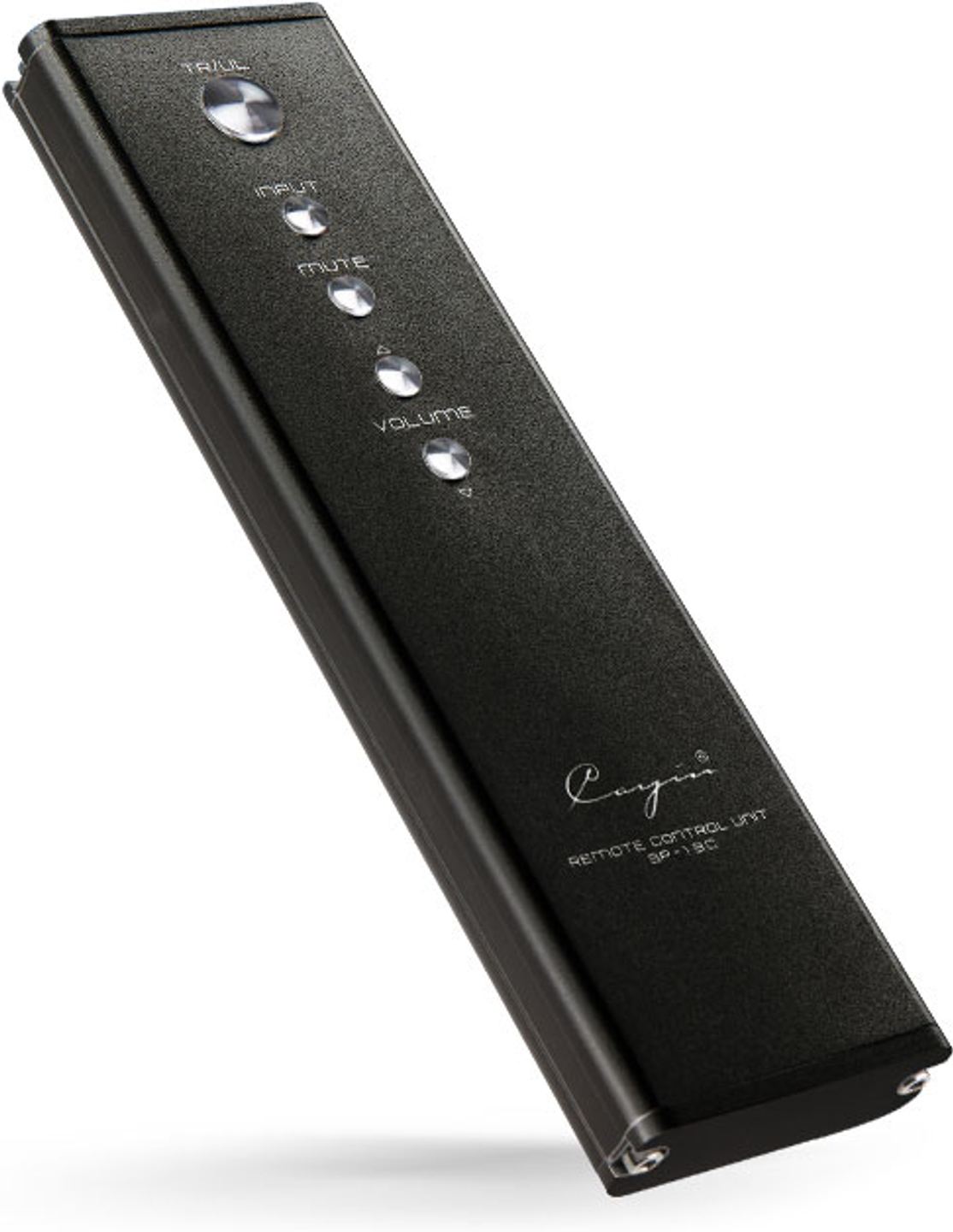
Everyday ergonomics benefit from a high-quality metal remote control giving access to the main functions, including input selection and volume adjustment. A memory function for the last selected input avoids repetitive operations each time the unit is powered on.
Documentation
Technical Specifications
Audio Performance
- Output Power:
- 55 W + 55 W (Triode Mode RMS)
- 100 W + 100 W (Ultralinear Mode RMS)
- Frequency Response: 9 Hz ~ 50 kHz (-3 dB)
- Total Harmonic Distortion (THD): 2% (1 kHz)
- Signal-to-Noise Ratio: 90 dB
Connectivity and Impedance
- Input Sensitivity: 380 mV (Integrated)
- Input Impedance: 1200 mV (Pre-input)
- Output Impedance: 100 kΩ
- Speaker Outputs: 4 Ω, 8 Ω
Vacuum Tubes
- TUNG-SOL 6SN7 × 4
- TUNG-SOL KT150 × 4
- RCA 22DE4
Dimensions and Weight
- Dimensions (W × D × H): 389 mm × 420 mm × 218 mm
- Net Weight: 34 kg
Power Supply
- Power Consumption: 520 W
Operating Conditions
- Operating Conditions:
- Temperature: 0°C ~ 40°C
- Humidity: 20% ~ 80%
- Storage Conditions:
- Temperature: -20°C ~ 70°C
- Humidity: 20% ~ 90%
Frequently Asked Questions
What is the average lifespan of KT150 tubes and what is the cost of replacement?
High-quality KT150 tubes like those used in the CS-150A generally have a lifespan of between 3,000 and 5,000 hours of use under normal conditions. However, this longevity depends on several factors: daily listening time, usual volume level, and power supply stability. A set of four replacement KT150 tubes represents an investment of around 500 to 700 euros, depending on the brand and retailer.
How does the bias adjustment system work and how often should it be adjusted?
The CS-150A’s bias adjustment system optimizes the bias voltage of the KT150 power tubes. This adjustment ensures that each tube operates under optimal conditions, maximizing performance and extending lifespan. Checking every 3 to 6 months is generally recommended, or after each tube replacement. The operation is simple thanks to the integrated system, which allows you to view the values and make adjustments without opening the chassis.
What audible difference can be expected between triode and ultralinear modes?
In triode mode, the sound is generally softer, warmer, with a wider soundstage and more natural, organic vocal reproduction. This is the preferred mode for listening to vocal jazz, acoustic, or classical music. In ultralinear mode, you gain power (about +45%), dynamics, and low-frequency extension, with firmer control. This mode is ideal for rock, electronic music, or large symphonic orchestrations that require more energy.
Is this type of amplifier sensitive to variations in power quality?
The CS-150A, like most high-end tube amplifiers, is relatively sensitive to the quality of the power supply. Its toroidal transformer provides good isolation, but using a power conditioner or a high-quality power strip can further improve performance, especially in urban environments prone to electrical noise. This sensitivity means it can reveal improvements made to the power chain, which is generally appreciated by audiophiles.
- Eco-contribution included in the sale price.
- Manufacturer reference: CAYCS150ANR
- GTIN / EAN: 695791490194