The number 1 in classical music and hi-fi. It is a benchmark in the field of classical music and hi-fi, as well as the distinction it awards to the best devices each year
Overview
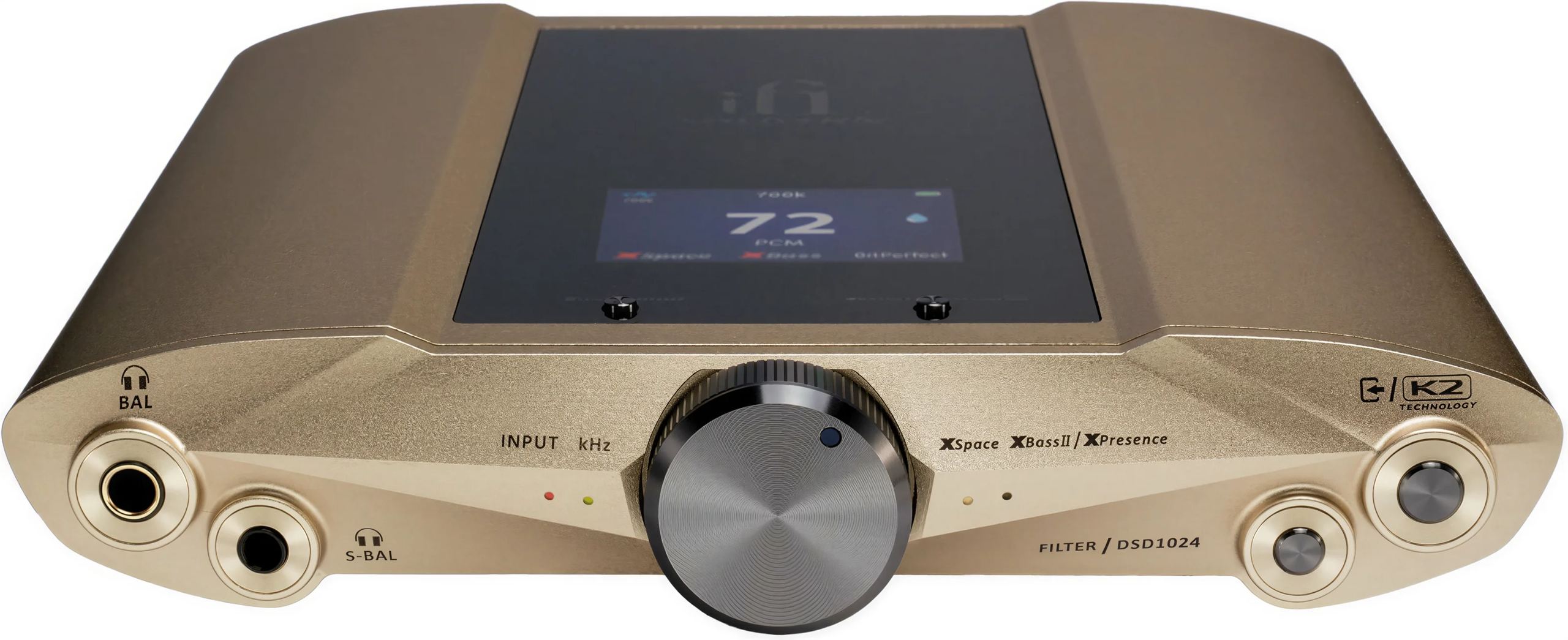
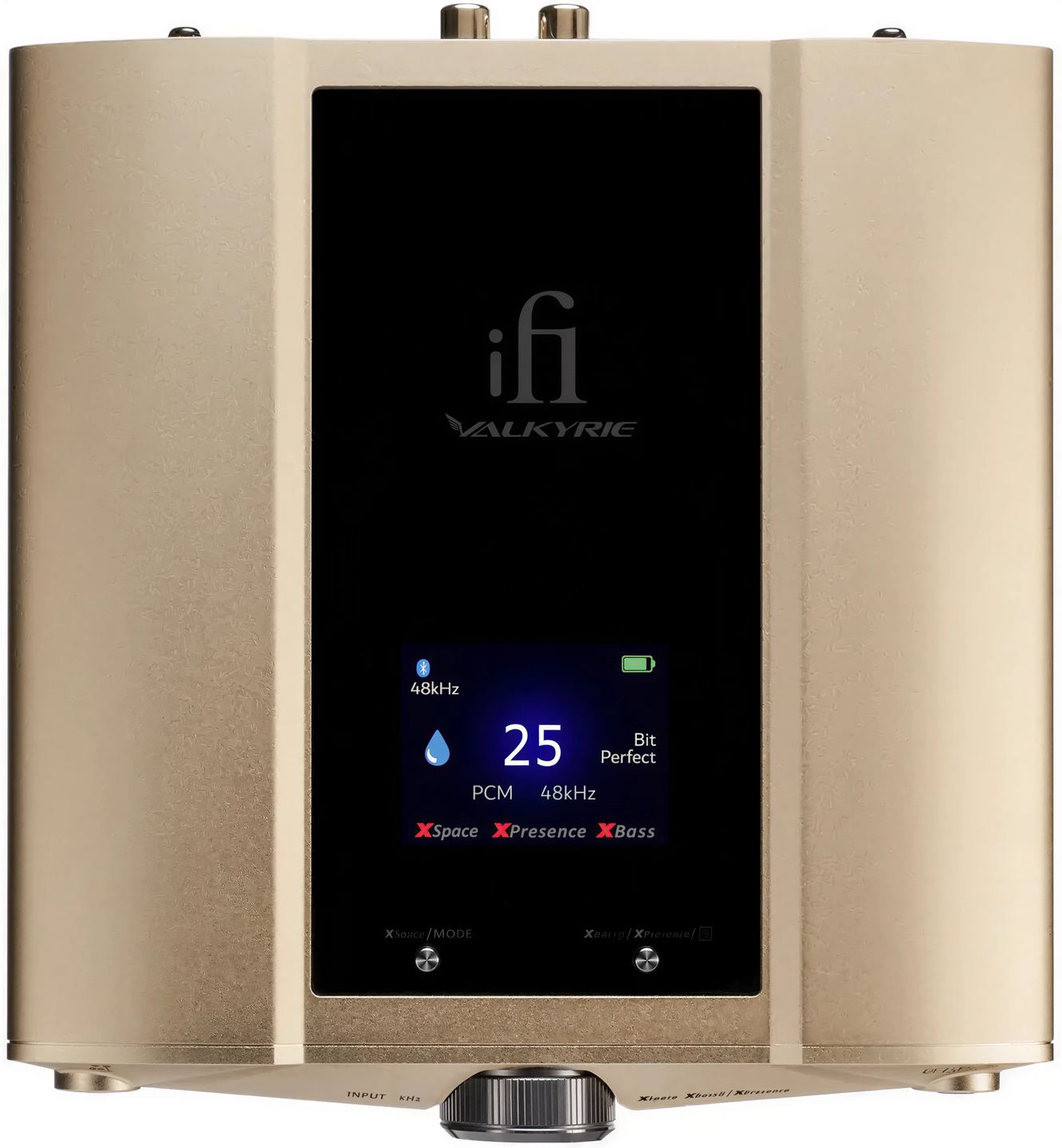
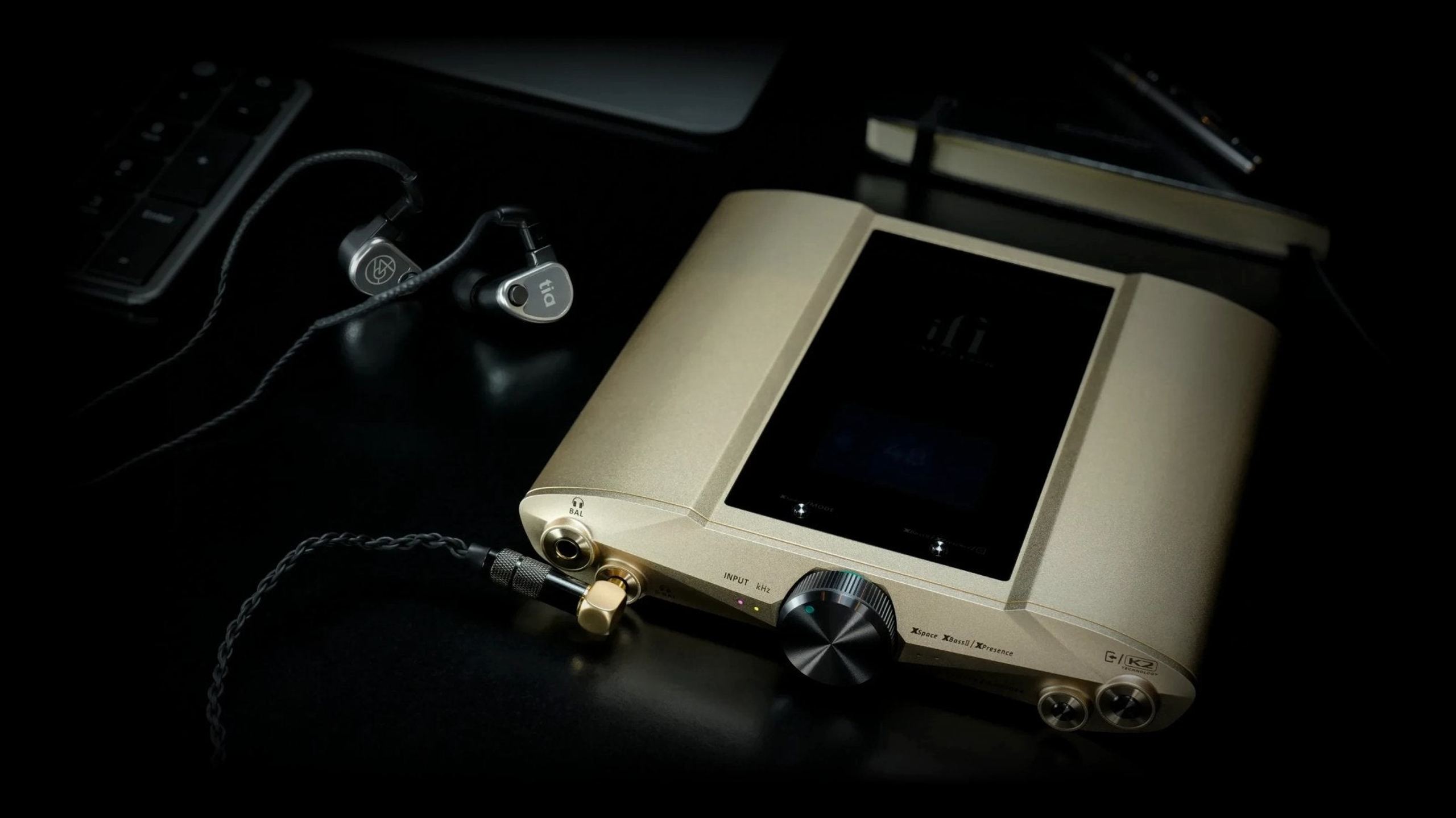
The iFi iDSD Valkyrie represents a significant advancement in the world of portable audio converters. This new flagship from iFi Audio combines technologies previously reserved for professional studios with a sophisticated portable design. Equipped with four Burr-Brown converters in a hybrid multi-bit configuration, the Valkyrie promises to reveal sound nuances imperceptible with conventional equipment. Its exceptional amplification power of 5,700 mW, coupled with an impressive 18-hour battery life, makes it a versatile device suitable for both on-the-go audiophiles and demanding home listeners.
Exceptional Technical Architecture
At the heart of the Valkyrie are four Burr-Brown DACs configured in a hybrid multi-bit architecture, a technical choice that stands out from the more commonly used ESS chips. This configuration offers remarkable linearity on low-amplitude signals, enabling precise reproduction of the subtlest details and micro-nuances in recordings. This more complex and costly technical approach partly justifies the device’s premium positioning.
The Valkyrie’s major innovation lies in the integration of K2HD technology, developed by JVC-Kenwood and previously reserved for professional environments. This proprietary technology aims to restore the sound characteristics of original recordings by compensating for losses inherent in the compression and digital distribution process. While some experts express legitimate skepticism about the promises of “remastering,” initial user feedback suggests tangible improvements in harmonic richness and spatial definition.
The system also includes a DSD remastering algorithm capable of converting standard audio files into DSD512 or DSD1024 formats, considered ultra-high resolution. This signal transformation is managed by a custom FPGA system that minimizes distortions while preserving musical integrity.
Uncompromising Sound Customization
The Valkyrie stands out with its exceptional sound customization capabilities. Six distinct digital filters (Apodizing, GTO, Bit Perfect, Standard, Minimum, and Transient Aligned) allow users to adjust the sound signature according to listening preferences and the characteristics of associated equipment.
Unlike most DACs on the market that use digital signal processors (DSP) to modify sound, the Valkyrie favors an analog approach for its equalization modes. This method, more complex to implement, better preserves signal integrity and offers a more natural and organic frequency adjustment.
Three proprietary iFi technologies further enhance customization possibilities:
XSpace expands the soundstage to create a more spacious and airy impression.
XBassII enhances low frequencies, particularly useful with headphones that naturally lack bass.
XPresence highlights midrange frequencies to enhance the presence of voices and melodic instruments.
This combination of technologies allows for fine-tuning of sound reproduction to suit each musical genre, listening environment, or mood, without ever compromising the fundamental quality of the signal.
Comprehensive Connectivity for Maximum Versatility
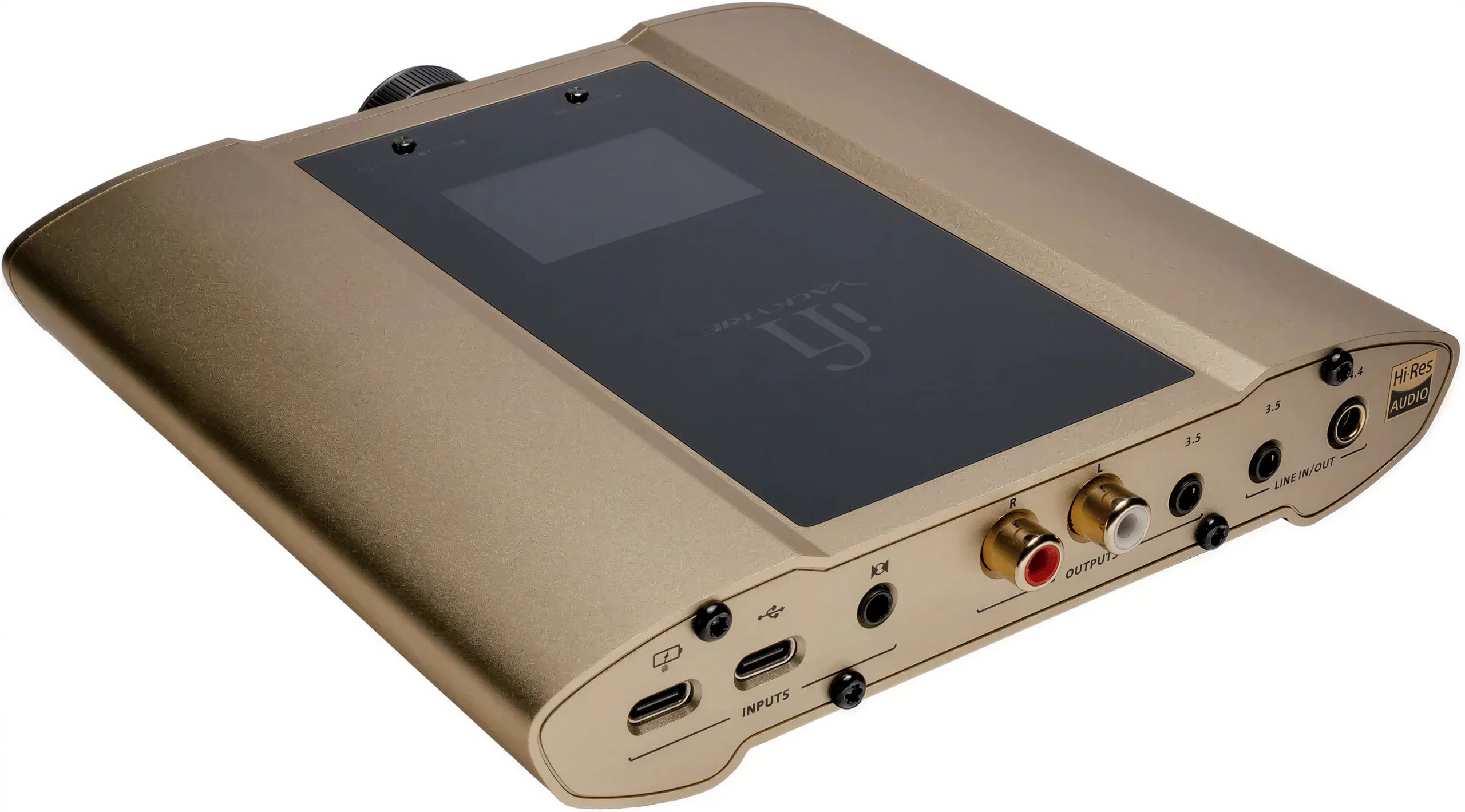
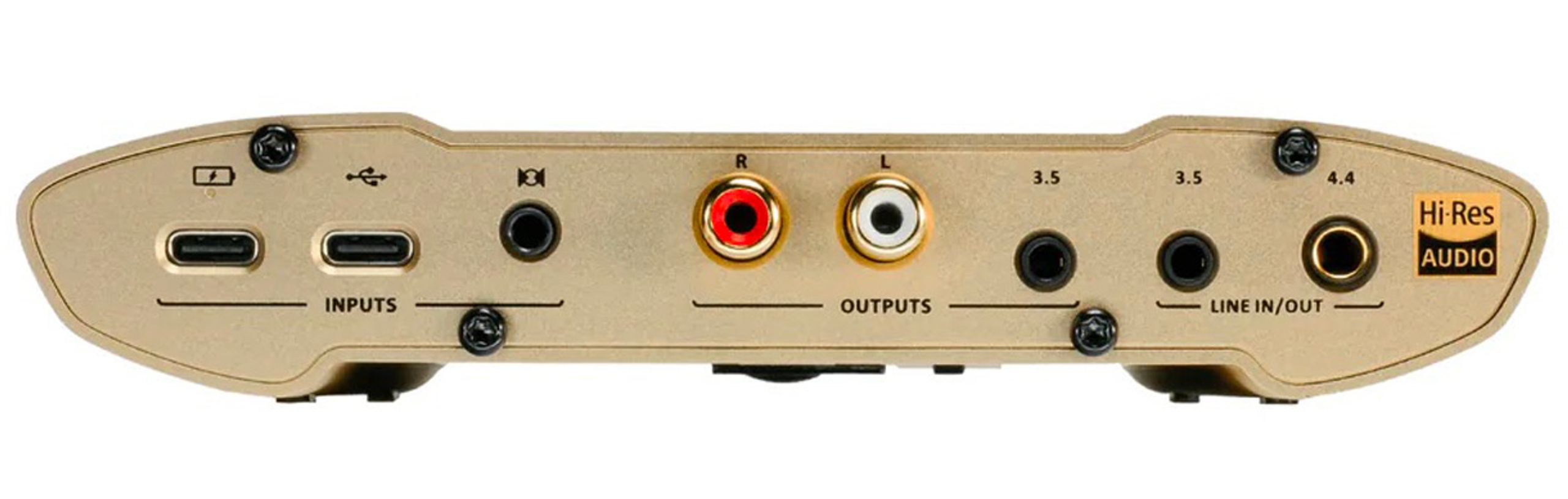
The Valkyrie excels with its exhaustive connectivity, covering all the needs of modern audiophiles. On the digital input side, the device features a USB-C port and an S/PDIF input compatible with optical and coaxial signals. Wireless connectivity is ensured by Bluetooth 5.4, supporting the most advanced high-resolution codecs: aptX Lossless, aptX Adaptive, LDAC, AAC, and SBC.
For connecting headphones and earphones, the Valkyrie offers balanced (4.4 mm) and unbalanced (3.5 mm) analog outputs capable of delivering enough power to drive all types of headphones on the market, including the most demanding planar models. RCA outputs also allow the Valkyrie to be integrated into a traditional hi-fi system or connected to powered speakers.
The audio format compatibility is impressive, with native support up to 32-bit/768 kHz in PCM and DSD512, extendable to DSD1024 via the remastering system. This technical versatility ensures the Valkyrie remains future-proof in the face of the constant evolution of high-resolution audio formats.
Battery Life and Ergonomics: Power Without Compromise
Despite its advanced technical capabilities, the Valkyrie manages to offer remarkable battery life thanks to its 20,000 mAh lithium-polymer battery. With up to 18 hours of continuous use, the device can accompany users throughout an entire day of listening without needing a recharge. The recharge time of just 2.5 hours minimizes downtime, and the fast-charging technology allows for several hours of battery life to be regained in just a few minutes.
For extended listening sessions at home, the “PowerX” power supply included with the device features an active noise cancellation system to minimize electrical interference that could affect sound quality. This dual approach—battery or mains power—provides appreciable flexibility depending on the usage context.
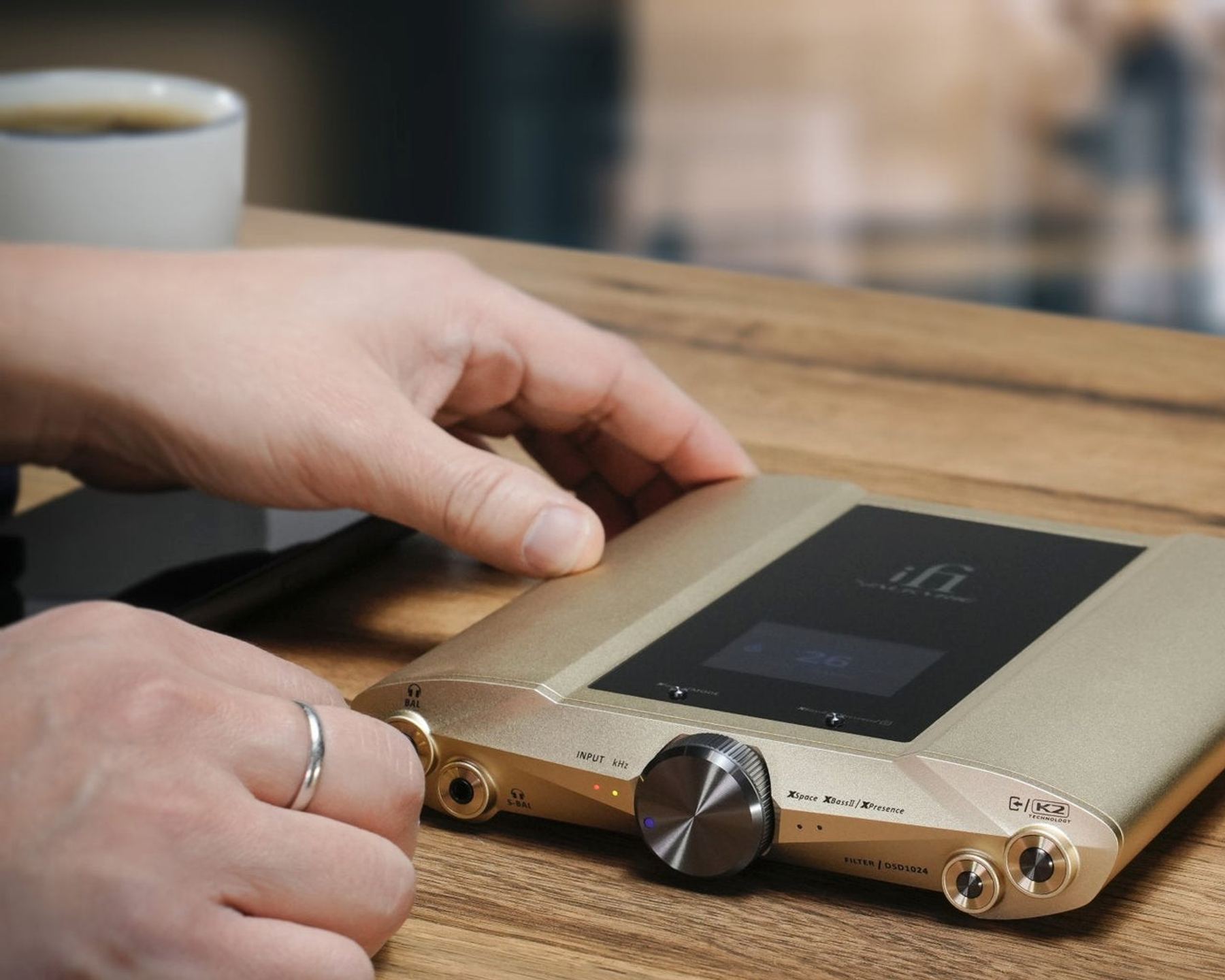
With dimensions of 172 x 160 x 30 mm and a weight of 882 grams, the Valkyrie is not an ultra-compact device but remains easily transportable in a bag. Its design subtly evokes the wings of a Valkyrie horse, a reference to the Norse mythology that inspired its name.
What the press says
One of the most remarkable features of the Valkyrie, which really impressed me, is its practicality. It comes equipped with filters and technologies that allow you to customize the sound to your preferences, as well as Bluetooth compatibility and its own battery.
Automatically translated — Show original (French)
L'une des caractéristiques les plus remarquables de la Valkyrie, qui m'a vraiment frappé, est sa praticité. Elle est dotée de filtres et de technologies permettant de personnaliser le son selon vos préférences, ainsi que de la compatibilité Bluetooth et de sa propre batterie.
One of the most remarkable features of the Valkyrie, which really struck me, is its practicality. It comes equipped with filters and technologies that let you customize the sound to your preferences, as well as Bluetooth compatibility and its own battery.
Automatically translated — Show original (French)
L'une des caractéristiques les plus remarquables de la Valkyrie, qui m'a vraiment frappé, est sa praticité. Elle est dotée de filtres et de technologies permettant de personnaliser le son selon vos préférences, ainsi que de la compatibilité Bluetooth et de sa propre batterie.
Support for xMEMS drivers for ultra-fast in-ear monitors
Power and battery life
20,000 mAh battery (equivalent to EV batteries)
Battery life: up to 18 hours
USB-C PD / QC3.0 20 V fast charge: 2.5 hours
Battery or mains operation with iPowerX and ANC for ultra-quiet power
Processing and features
Analog processing: XBassII, XSpace, XPresence
Touch interface with Gorilla Glass
Solid aluminum buttons
Control wheel inspired by watch crowns
Construction and design
CNC-machined aluminum finish
Retro champagne anodization for a timeless aesthetic
Design inspired by the majestic wings of the Valkyrie and the SR-71 Blackbird
Premium finish combining aesthetics and ergonomics
Dimensions and weight
Dimensions: 172 x 160 x 30 mm
Weight: 882 g
Comparison of iFi portable amplifiers
iDSD Valkyrie
Effective power: 2258 mW
DAC: 4x Burr-Brown
Bluetooth: aptX Lossless, LDAC, LHDC / HWA
Digital filters: 8 (including K2 / K2HD)
iDSD Diablo 2
Effective power: 2060 mW
DAC: 2x Burr-Brown
Bluetooth: aptX Lossless, LDAC
Digital filters: 4
xDSD Gryphon
Effective power: 1000 mW
DAC: 1x Burr-Brown
Bluetooth: aptX, LDAC
Digital filters: 4
Frequently Asked Questions
What audible difference does K2HD technology make compared to conventional systems?
+
K2HD technology, developed by JVC-Kenwood, analyzes and restores harmonics lost during digital compression processes. When listening, this translates to a more natural reproduction of timbres, better transient definition, and an overall impression of increased presence. Its effect is particularly noticeable on older or compressed recordings, restoring some of their original richness.
Is the Valkyrie truly portable given its weight?
+
At 882 grams, the Valkyrie is more of a “transportable” device than an ultra-portable one. It is perfectly suited for professional travel or changes in listening environments within the same home but is not designed to accompany users in daily activities like a lightweight portable player. Its design prioritizes technical performance and sound quality over lightness.
Can the Valkyrie be used as the main DAC in a home hi-fi system?
+
Absolutely. Thanks to its high-quality analog outputs and its ability to handle high-resolution formats, the Valkyrie can serve as the central converter in a stationary audiophile setup. Its numerous sound customization options even make it a more versatile solution than some DACs exclusively designed for home use.
How does the Valkyrie perform with very high-impedance headphones (300-600 ohms)?
+
With an output power reaching 640mW at 600 ohms via the 4.4mm balanced output, the Valkyrie has more than enough power reserve to drive high-impedance headphones such as certain models from Sennheiser, Beyerdynamic, or ZMF. It maintains excellent dynamics and optimal control, even with the most demanding transducers, without showing any signs of limitation.
User reviews
Ľudovít
Great DAC and headphone amplifier, which also has the advantage of being easy to carry. It contains high-capacity batteries that guarantee several hours of listening even in the most demanding Nitro mode (in terms of power consumption). Excellent performance/price ratio.
Comment from June 01, 2026 — Experience from May 17, 2026
Automatically translated — Show original (Slovak)
Skvelý DAC a sluchátkový zosilňovač, ktorý má navyše tú výhodu, že sa dá ľahko prenášať. Obsahuje v sebe batérie s vysokou kapacitou, ktoré zaručujú niekoľkohodinový posluch aj pri (na spotrebu) najnáročnejšom režime Nitro. Výborný pomer výkon/cena.
Mario
Sounds good, great battery life but big
Comment from October 08, 2025 — Experience from July 10, 2025
Automatically translated — Show original (Italian)
Suona bene, bella autonomia ma grande
Eco-contribution of €0.08 included in the sale price.
To better understand our visitors, measure marketing effectiveness and personalise ads, we and our partners use cookies and mobile advertising identifiers on your device. This data makes it possible to display personalised and non-personalised ads and measure their performance. Some cookies, which are technically necessary, are exempt from consent. You can accept those that require your consent, refuse them by clicking "Refuse", or customise your choices via the settings screen.
To find out how Google uses the data collected once you have given your consent, see Google’s Business Data Responsibility site.
You can change or withdraw your consent at any time via the "Consent and cookies" link. Your choices will apply on our site for 12 months.