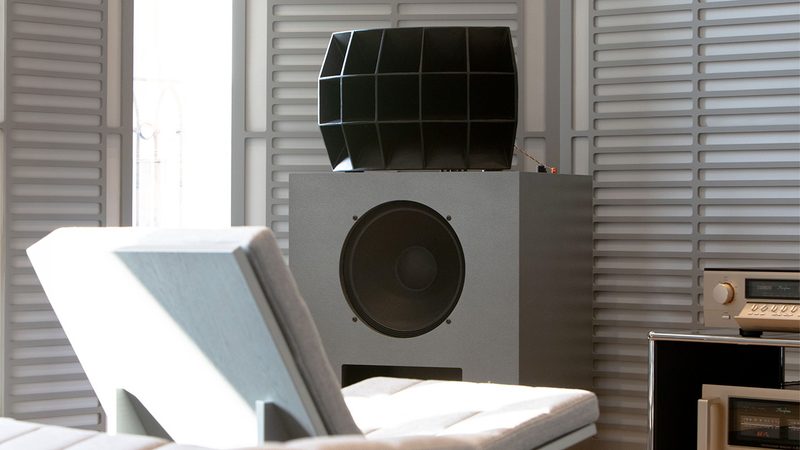
Klipsch kO-R2 red oak (pack of 2)


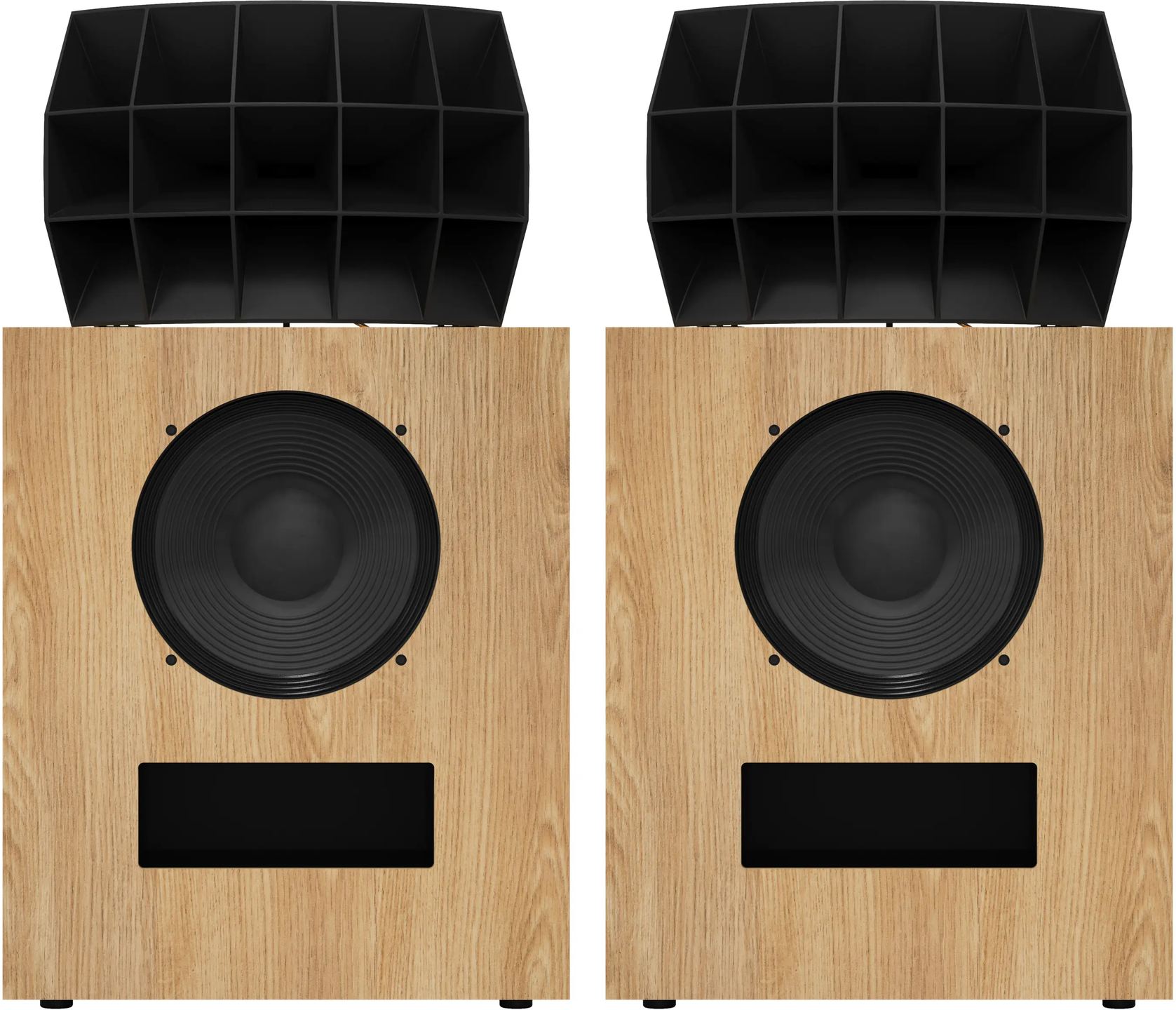
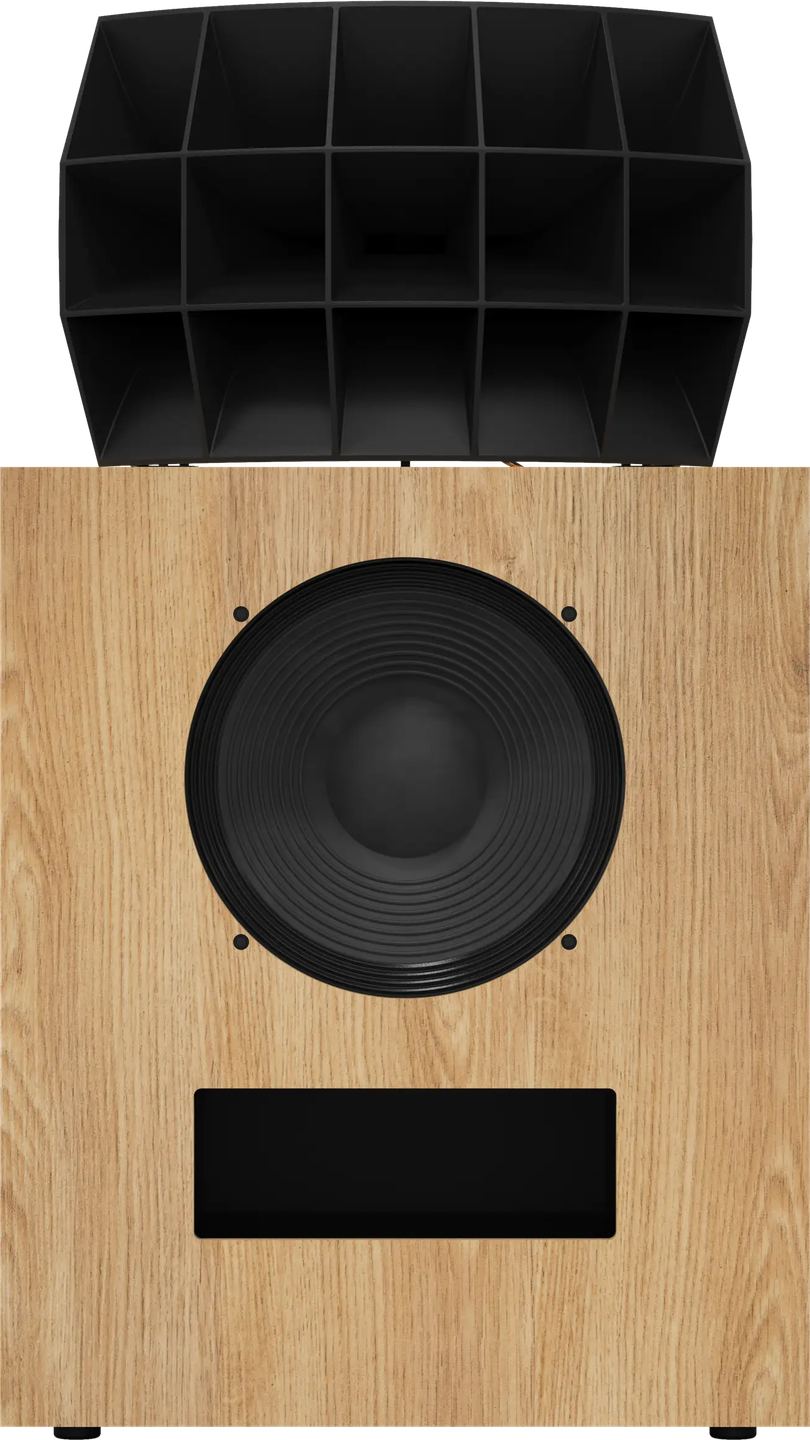
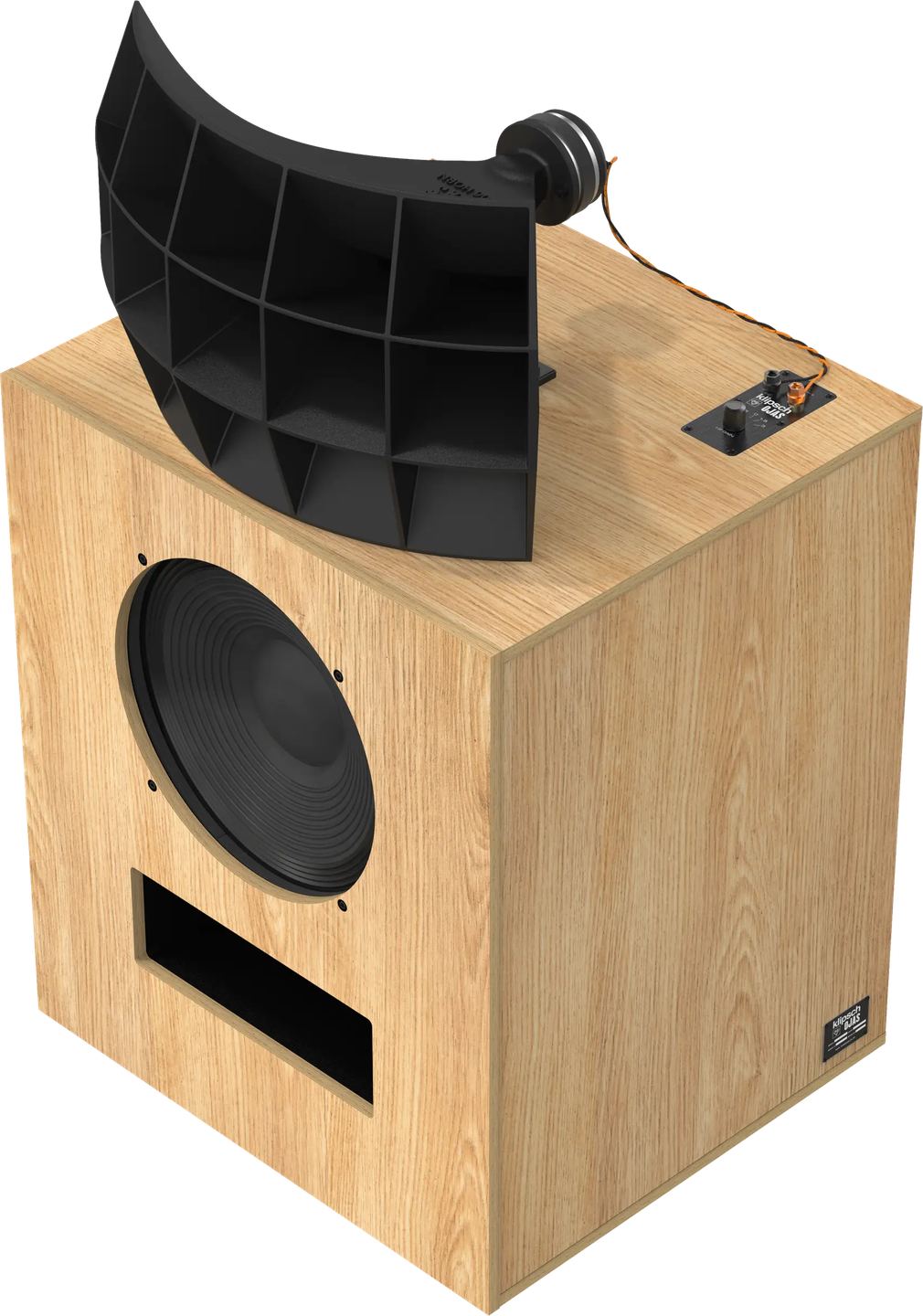
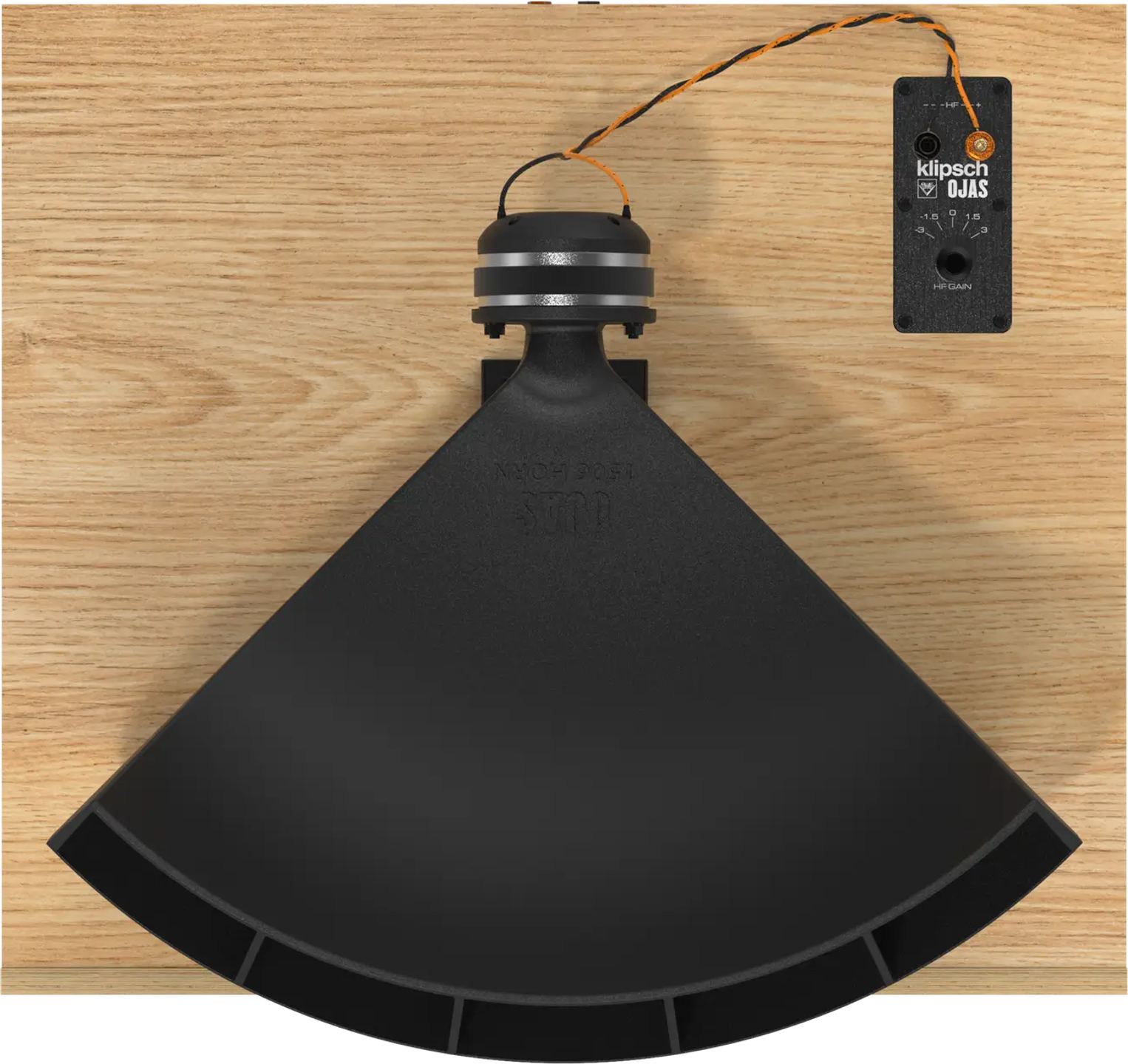
Klipsch kO-R2: the OJAS horn in large format
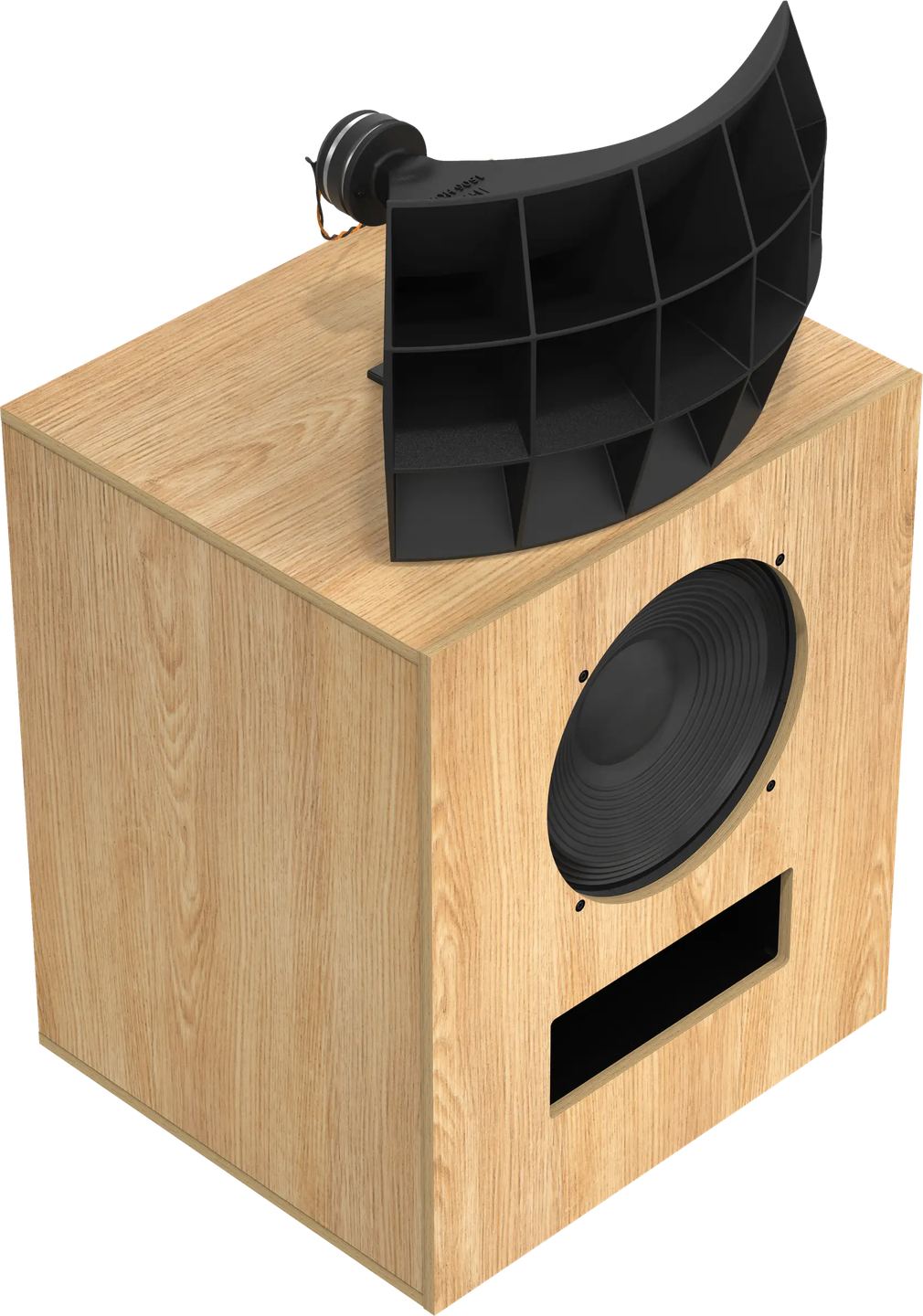
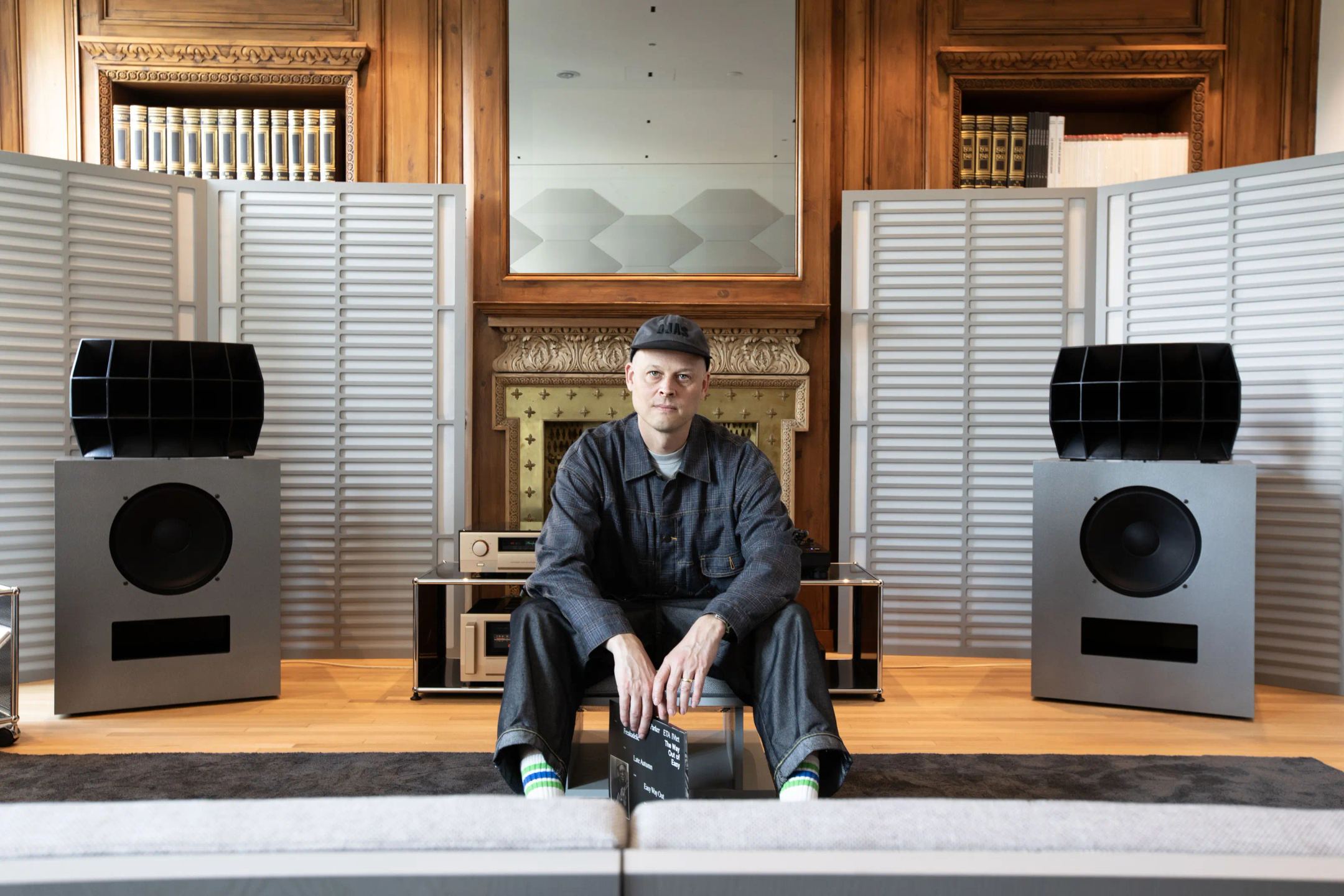
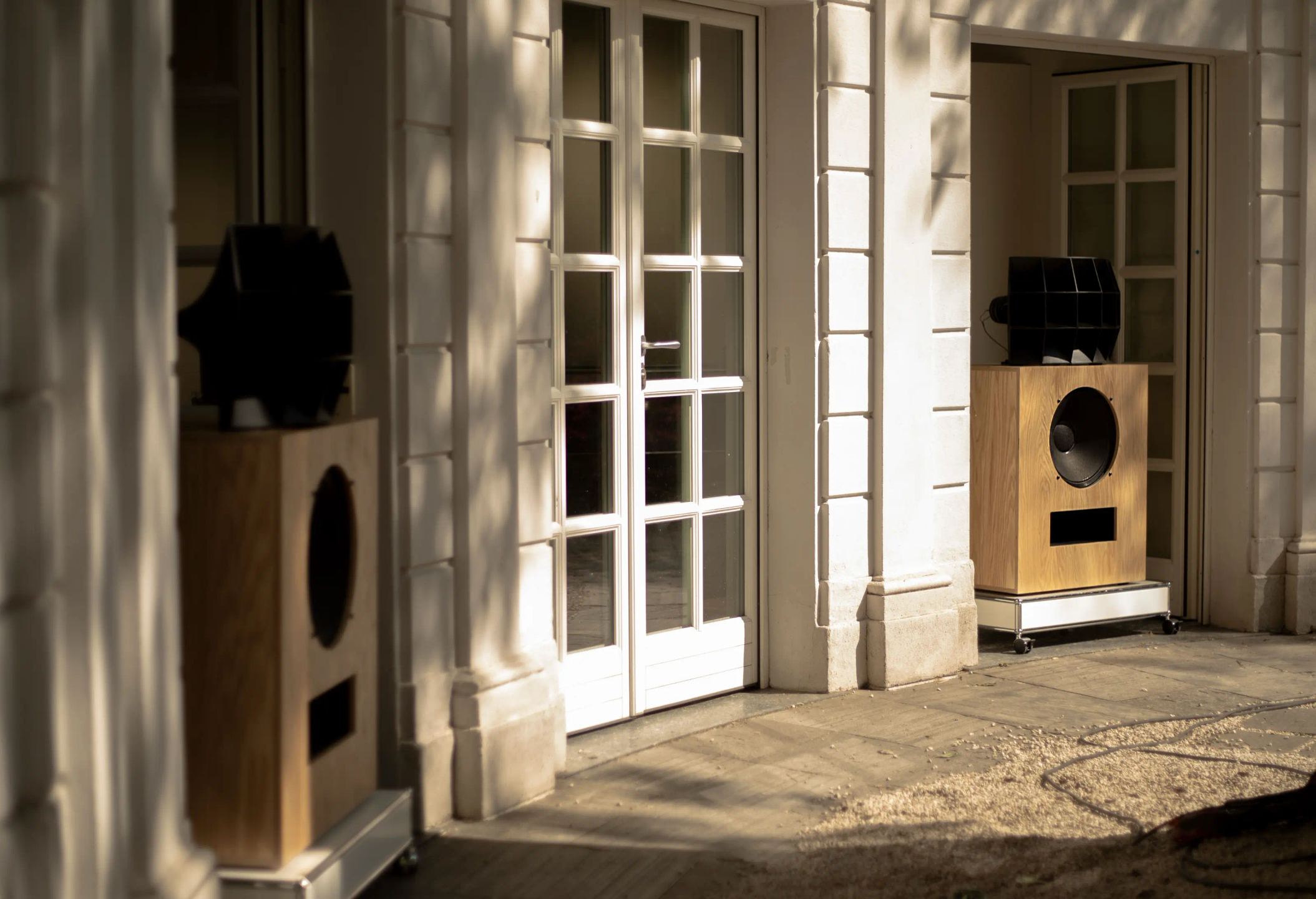
A cast-aluminum horn set atop a light birch cube: the silhouette stands apart from what you would expect a living-room speaker to look like. This two-way horn-loaded model extends the collaboration launched in 2024 between Klipsch and Devon Turnbull, founder of OJAS. It brings together eighty years of manufacturing know-how and a more sculptural approach to sound, in a series produced in deliberately limited quantities.
A horn drawing inspiration from Western Electric
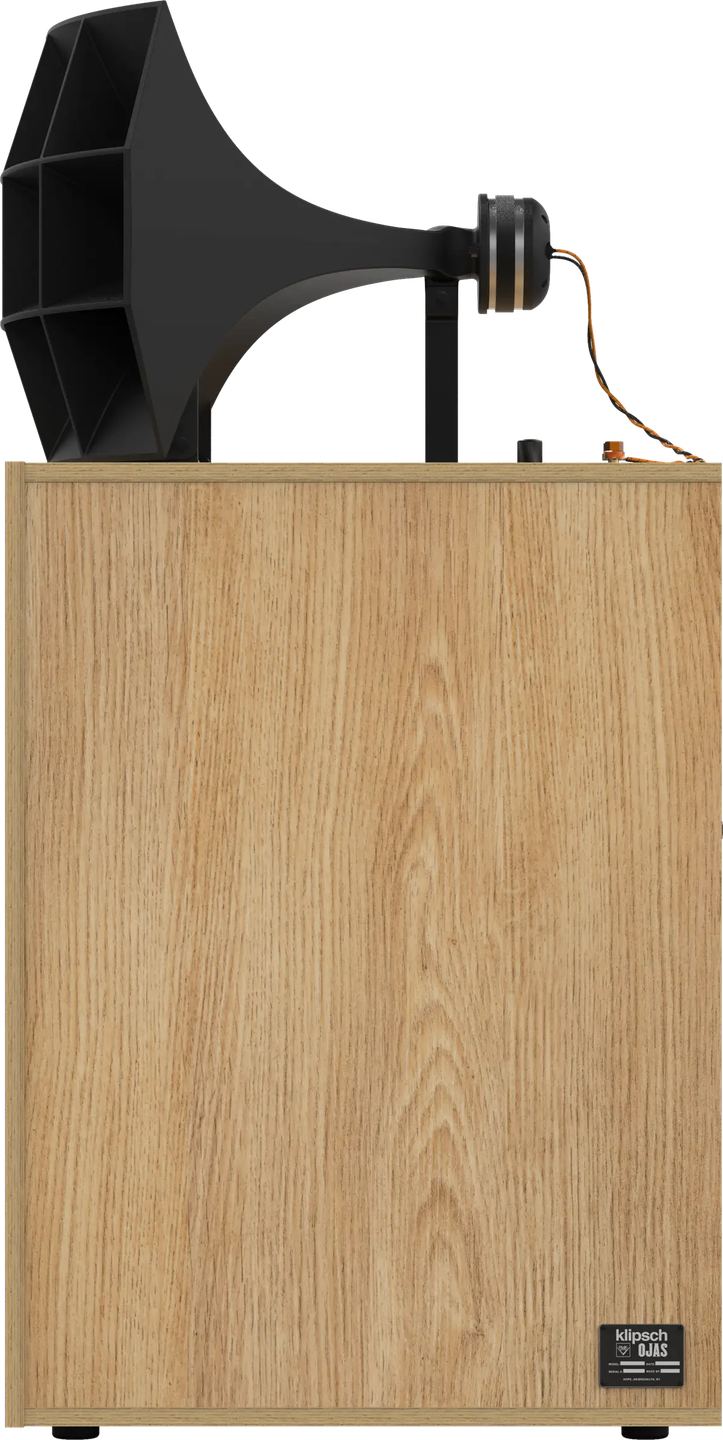
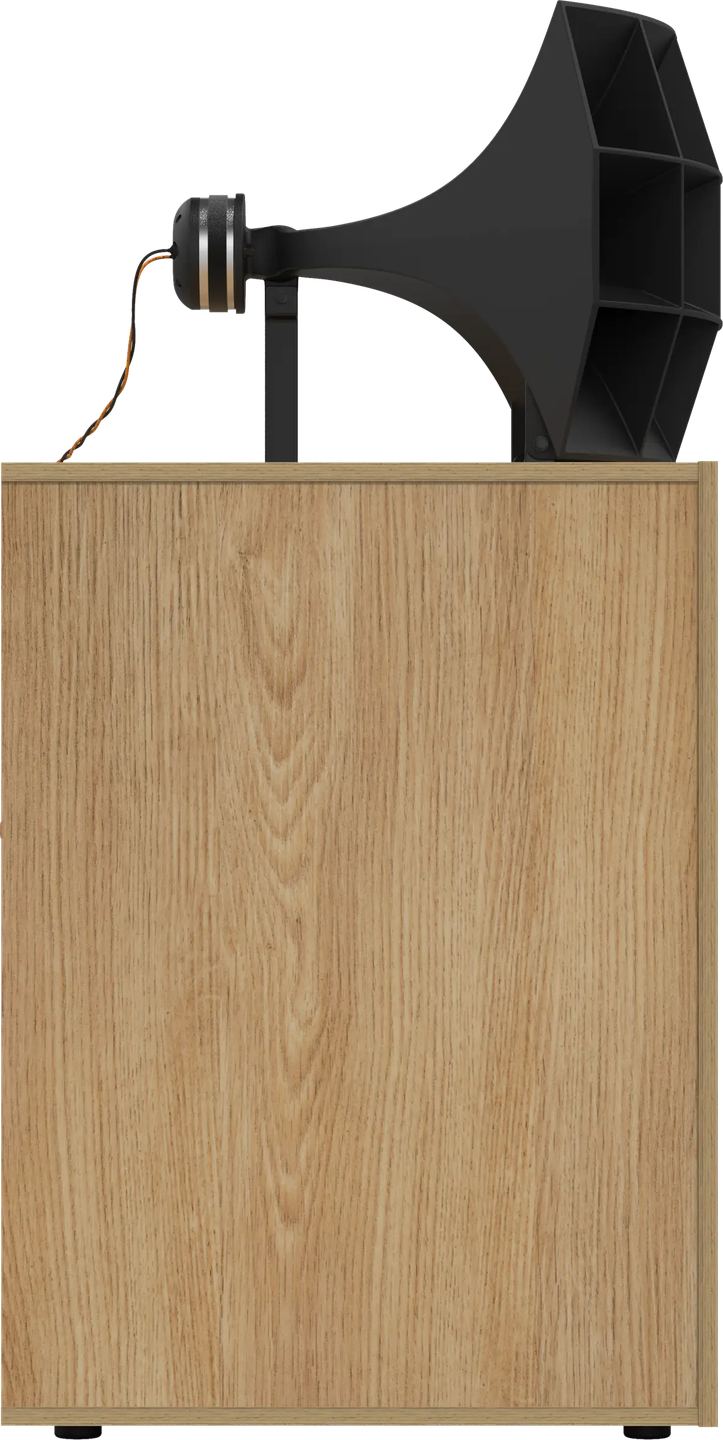
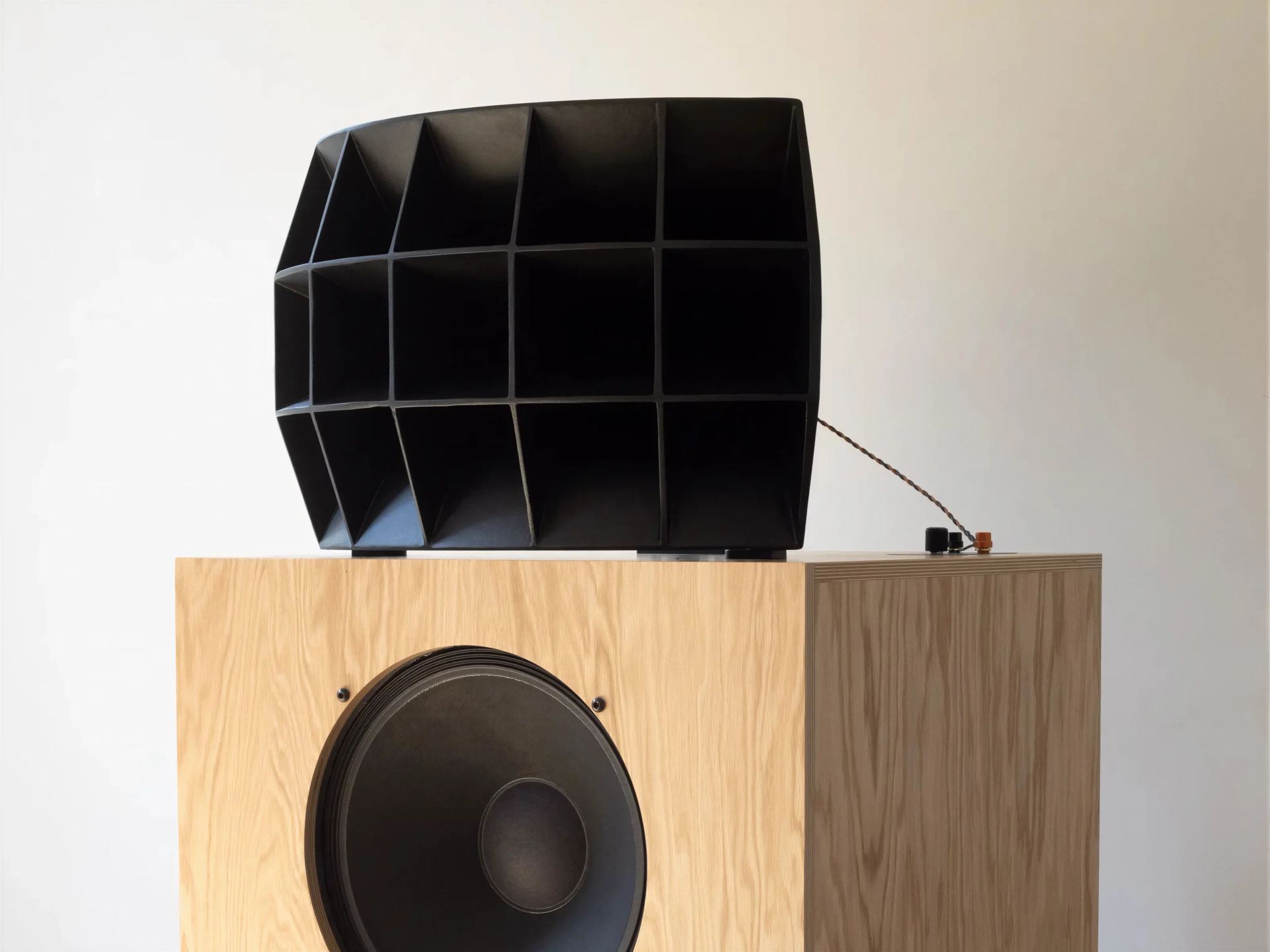
All eyes are first drawn to this black piece set high up. The OJAS 1506 horn is cast in aluminum using sand casting, treated by electrophoresis, then finished with a matte black powder coating. Its multi-sector geometry, a square trapezoidal-profile mouth divided into cells, picks up on ideas proven by Western Electric and Altec back when sound cinema had to cover large halls. The goal has not changed: control dispersion on both planes, 90 degrees horizontally and 70 vertically, to widen the listening area and maintain performance off axis. This horn is nothing like a decorative cover. It loads the K-706 compression driver and shapes the entire upper spectrum from 760 Hz, the crossover frequency between the two ways.
A 15-inch driver drawn from the Klipsch range
Beneath the horn, a 38 cm woofer occupies the front baffle. The K-33-E is a transducer that Klipsch has long manufactured, the same bass driver used in the Cornwall, with a fiber-composite cone mounted in a ported enclosure. Bass-reflex operation, where the port tuning adds to the internal volume, extends low-frequency reach without a separate subwoofer. The stated response goes down to 39 Hz at plus or minus 3 dB, with a first measured roll-off around 29 Hz. The 760 Hz crossover hands most of the midrange to the horn rather than the woofer, which explains the direct, lively presentation typical of this kind of configuration.
Baltic birch and spiral-cut veneer
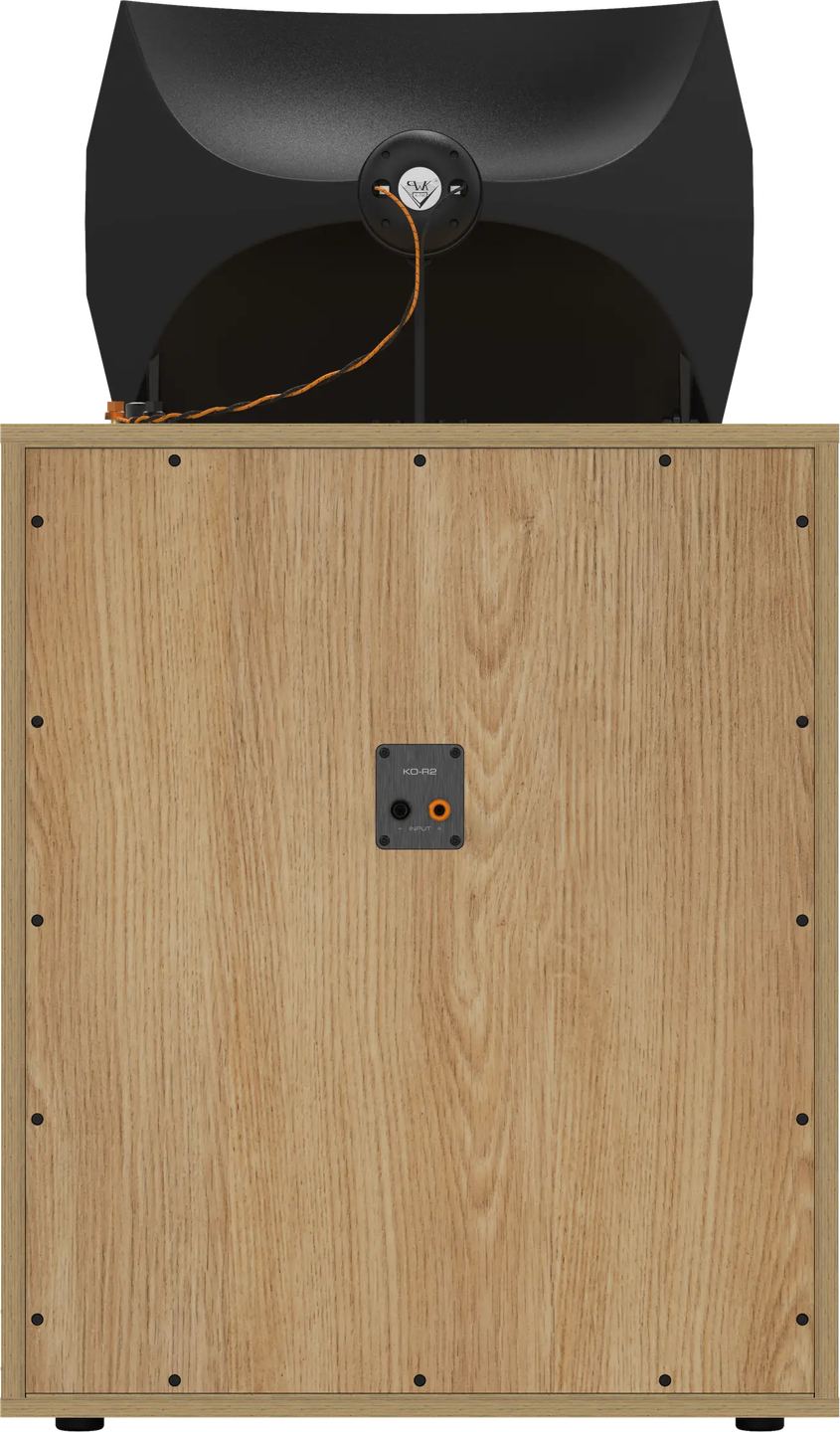
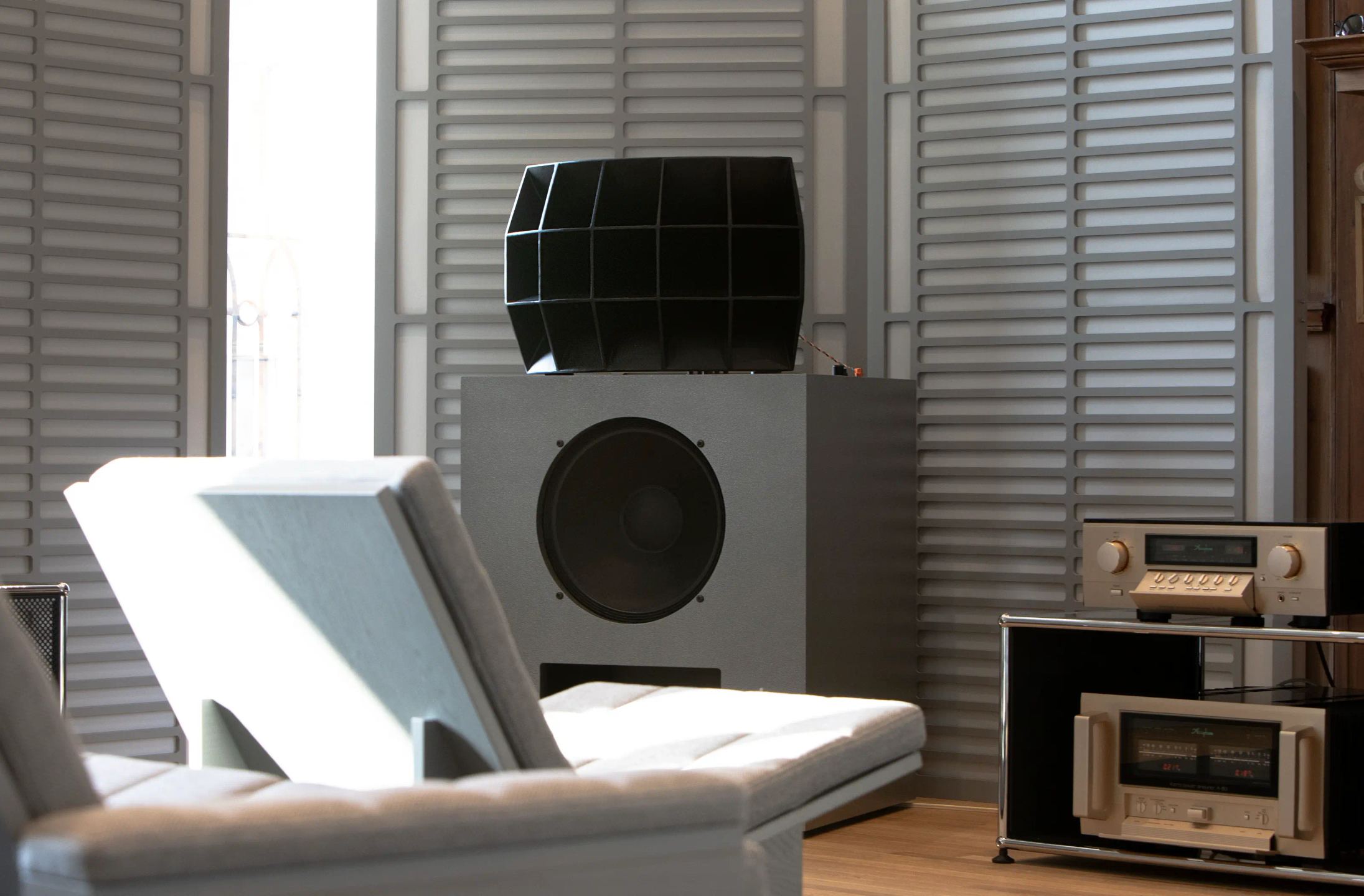
The enclosure is built from 13-ply grade A Baltic birch plywood, with butt joints that leave the edges sharp and clean. This version features a spiral-cut red oak veneer, whose grain forms concentric rings, paired with the matte black horn. The finish remains understated: anodized aluminum binding posts, anti-vibration rubber feet, and a laser-engraved identification plate unique to each pair. Nothing flashy, just careful execution where the material itself serves as decoration. The size, however, must be reckoned with: 1.15 m tall and nearly 55 kg per speaker, enough to call for a stable location and a floor that will not give way.
A lot of output from very few watts
With 97 dB for 2.83 V at one meter, the kO-R2 needs little power to play loud. This high sensitivity, common with horn-loaded designs, opens the door to low-power amplifiers, including tube setups of just a few watts often associated with this type of speaker. The nominal 8-ohm impedance drops to 4.2 ohms around 100 Hz, a load that remains within reach of most amplifiers. Power handling reaches 300 W and the calculated maximum level rises to 118 dB, enough to fill a large room without strain. A five-position treble attenuator adjusts the horn’s tonal balance to suit the room and personal taste, a useful adjustment since this kind of sensitivity makes even the slightest excess in the upper spectrum audible.
After the kO-R1, a larger format
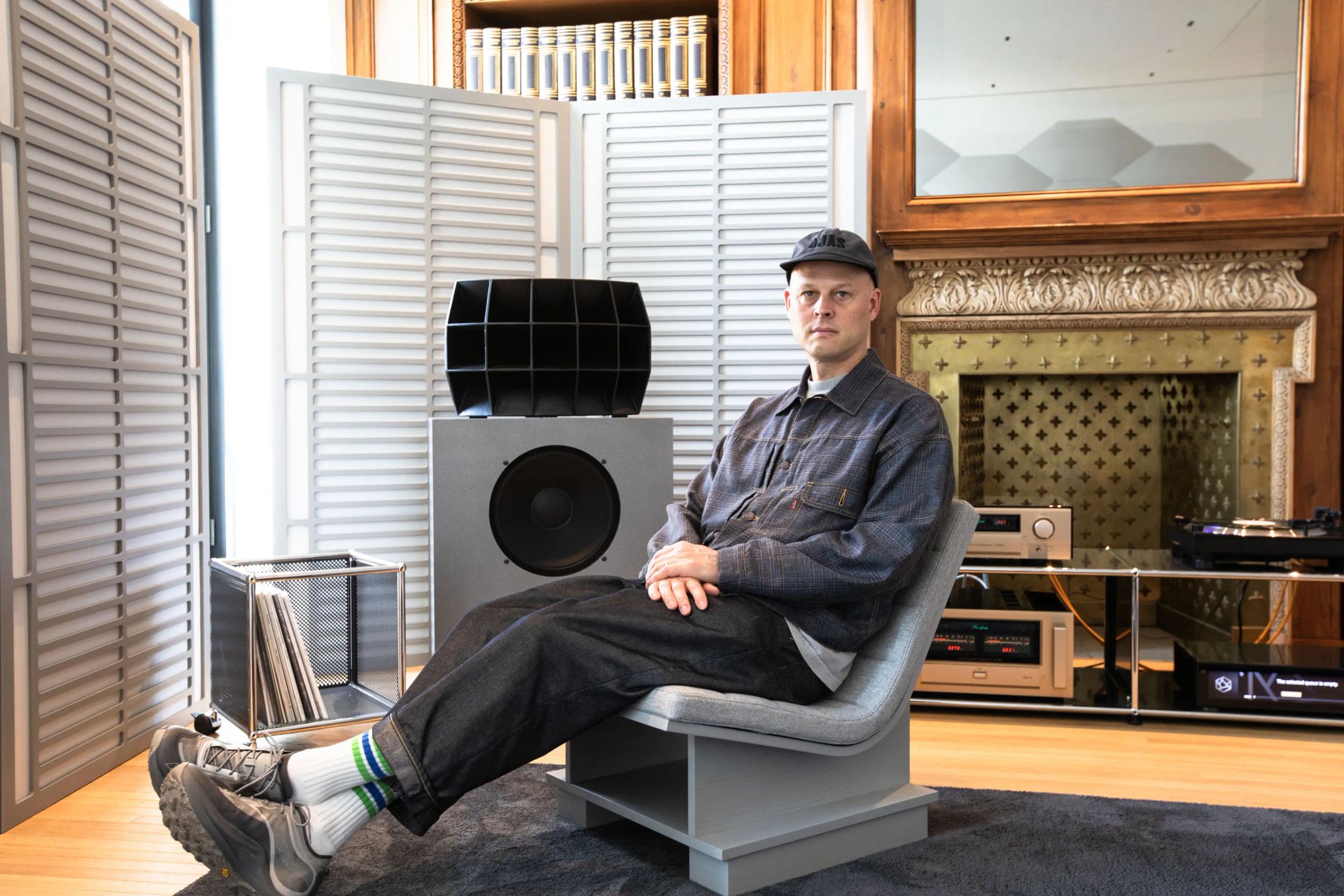
The first chapter, the 2024 kO-R1, started from a compact in-house model reinterpreted as a two-way design, with a multicellular horn, an adjustable mount, and a supplied pair of stands, the whole thing limited to just one hundred pairs. The kO-R2 takes the same design language and scales it up: a larger enclosure, a 38 cm woofer, and a dedicated horn set on a laser-cut steel mount that is fixed this time. Devon Turnbull, the artist and designer behind OJAS, approaches sound with a sculptor’s sensibility, known for his listening rooms installed in exhibition venues in New York, London, and San Francisco. His guiding principle favors high-sensitivity speakers and minimalist amplification, for a direct, physical sound stripped of anything superfluous. Production stops at six hundred pairs worldwide, hand-assembled in Hope, Arkansas, where Klipsch has been building its speakers since 1946.
Technical Specifications
General
- Type: 2-way multisector horn speaker
- Enclosure type: bass-reflex (ported system)
Acoustic Performance
- Frequency response: 39 Hz to 20 kHz (± 3 dB)
- Frequency response (f10): 29 Hz to 21 kHz (-10 dB)
- Power handling: 300 W (AES standard), from 40 Hz to 10 kHz
- Calculated maximum SPL: 118 dB, from 40 Hz to 10 kHz
- Sensitivity: 97 dB (2.83 V / 1 m)
- Crossover frequency: 760 Hz
Directivity
- Horizontal directivity: 90° (± 30°), from 500 Hz to 20 kHz
- Vertical directivity: 70° (± 20°), from 3 kHz to 20 kHz
Electrical Characteristics
- Nominal impedance: 8 ohms (minimum 4.2 ohms at 100 Hz)
- Connectivity: 5-way binding post terminal
Drivers
- 38 cm (15-inch) K-33-E woofer
- K-706 compression driver
Construction and Finishes
- Cabinet material: 13-ply Baltic birch plywood, grade A
- Finishes: spiral red oak veneer or hammertone, matte black horn
Dimensions and Weight
- Dimensions (W x H x D): 64.45 x 115.5 x 56.5 cm
- Net weight: 54.65 kg
- Shipping weight: 60.78 kg
Frequently Asked Questions
Can it be integrated into a home theater system?
Nothing prevents using it as the left and right front speakers, provided you have a home theater amplifier capable of driving a horn-loaded speaker. The high sensitivity makes it easier to match with surround channels, but tonal consistency with center and surround speakers will depend on the rest of the system.
What is the minimum amplification power required?
A few watts are enough to achieve a comfortable listening level in a normal-sized room, which makes small tube amplifiers suitable. A reserve of 15 to 50 W provides headroom for transients and high volumes, without ever becoming essential.
Can another finish be obtained besides red oak?
Yes. Aside from the spiral red oak veneer, the kO-R2 is available in a Hammertone finish, a silver-gray shade applied in powder coating. Both share the same matte black horn.
Is the horn adjustable?
No, it rests on a fixed cut steel frame, unlike the kO-R1 whose frame was adjustable. The only adjustment provided is via the five-step treble attenuator, which acts on the level of the high frequencies.
Can it be bi-wired?
The single terminal block per speaker does not allow bi-wiring or bi-amping. The internal passive crossover alone manages the distribution between the woofer and the compression driver.
How far back should you stand to listen to it?
A horn-loaded speaker of this size needs distance and reveals its coherence in an open room. Allow enough setback for the 90-degree dispersion to develop, and a slight toe-in toward the listening area to lock in the stereo image.
- Eco-contribution included in the sale price.
- Manufacturer reference: 1080319