

Panasonic TN-55W90C

Specifications and features


Panasonic W90C QD-Mini LED TV
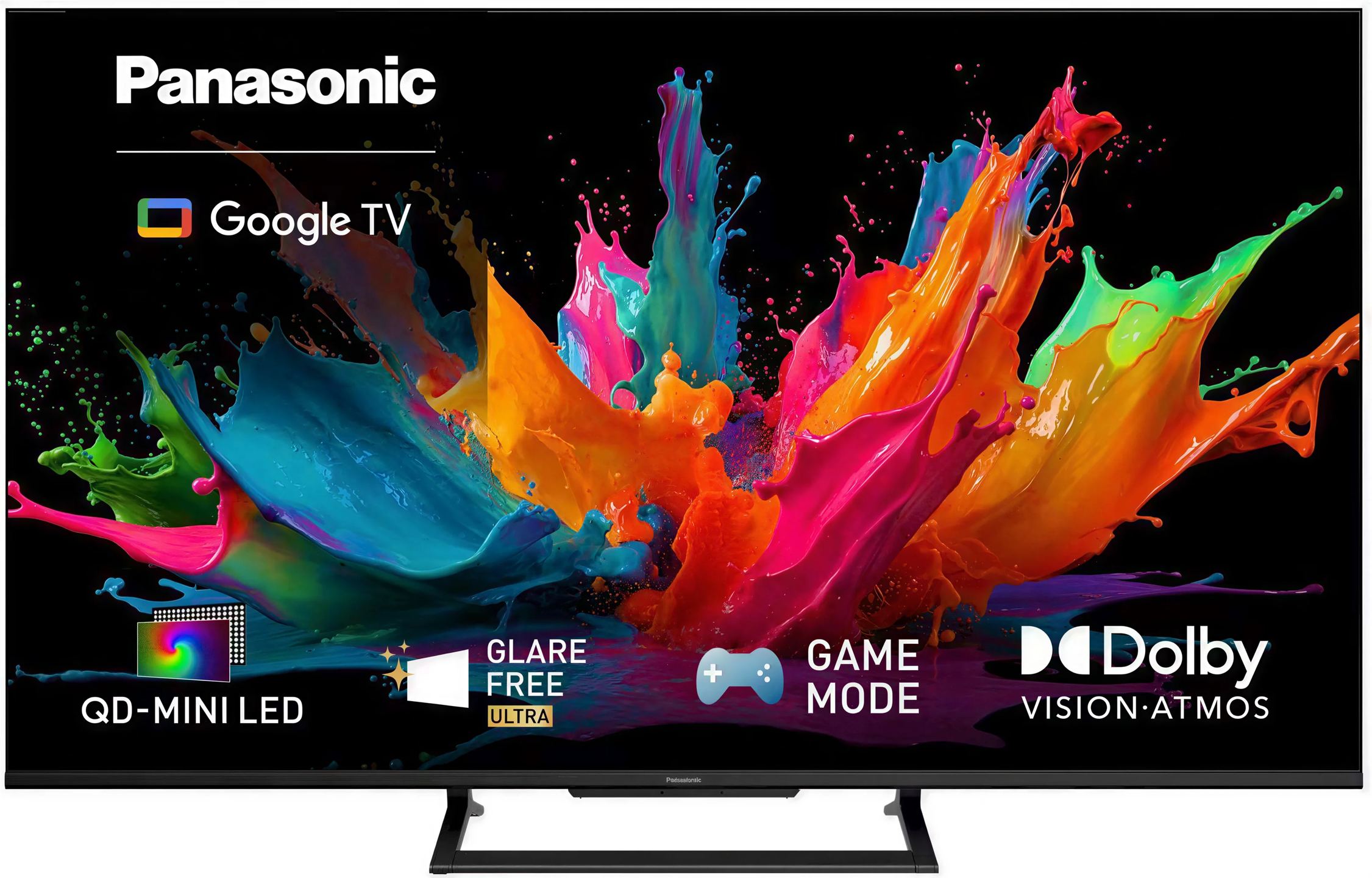
Mini LED moves down a tier at Panasonic: this 2026 series is the entry point to the brand’s QD-Mini LED family in continental Europe, in 55, 65 and 75 inches. It features a backlight made up of thousands of small LEDs controlled in zones, quantum dots for colour, an anti-reflective treatment for light-filled living rooms and Google TV for apps. The panel remains at 60 Hz, a choice that matters most for gaming.
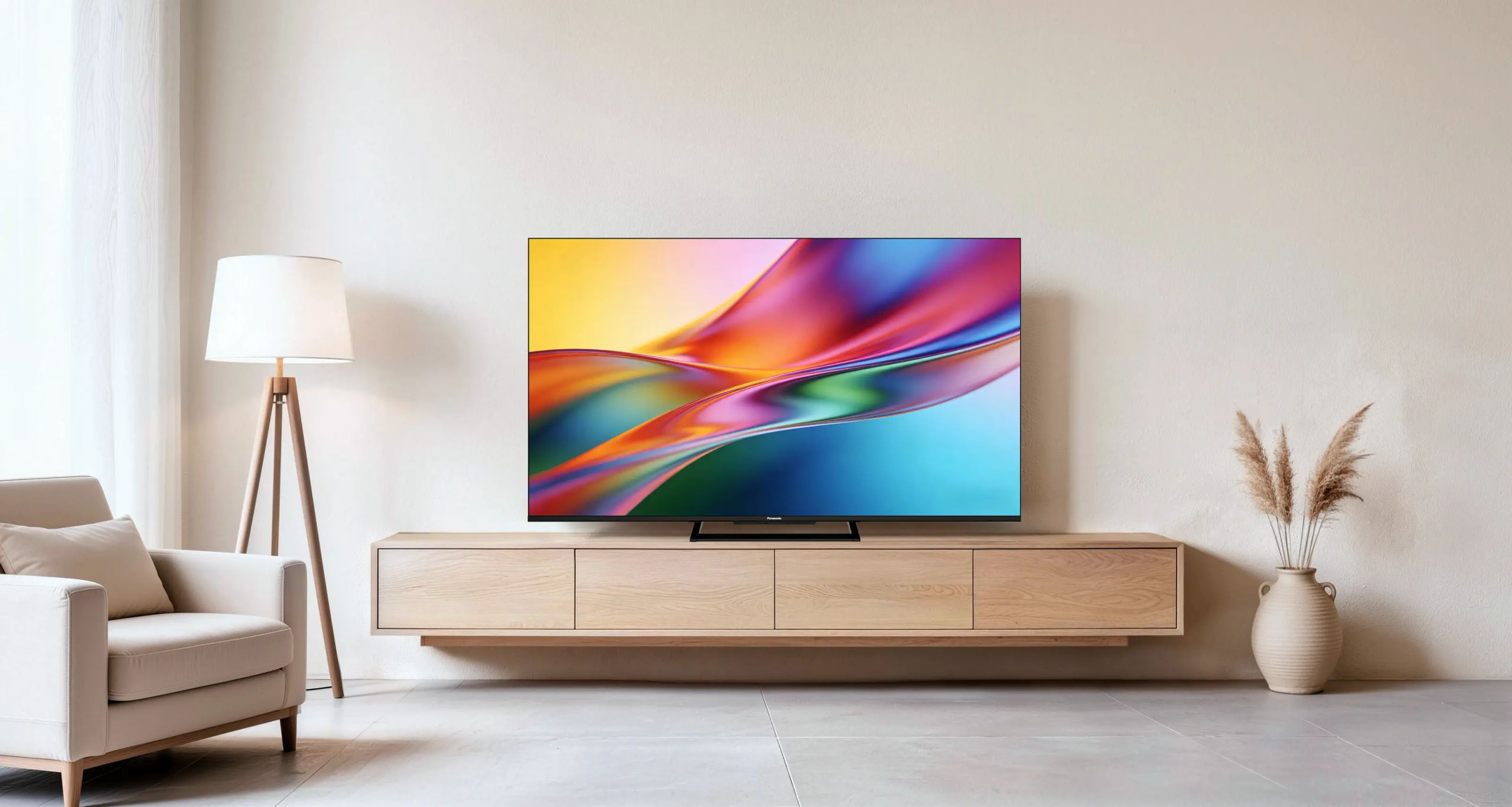
Thousands of miniature LEDs behind the panel
An LCD screen does not produce its own light: it needs lighting behind the panel. On the W90C, this is Direct LED backlighting, meaning it is spread across the entire rear surface, and it consists of much smaller LEDs than those in a conventional LED TV, hence the name Mini LED. These LEDs are grouped into zones that the local dimming system, called Local Dimming Supreme, lights up or dims independently depending on the image content. A night scene retains deep blacks while a streetlight or an explosion keeps its full brilliance, whereas uniform backlighting would tend to give everything a grey cast. There are still far fewer zones than pixels, and a very bright object against a black background can be surrounded by a slight halo: this is the trade-off inherent in all local dimming screens.
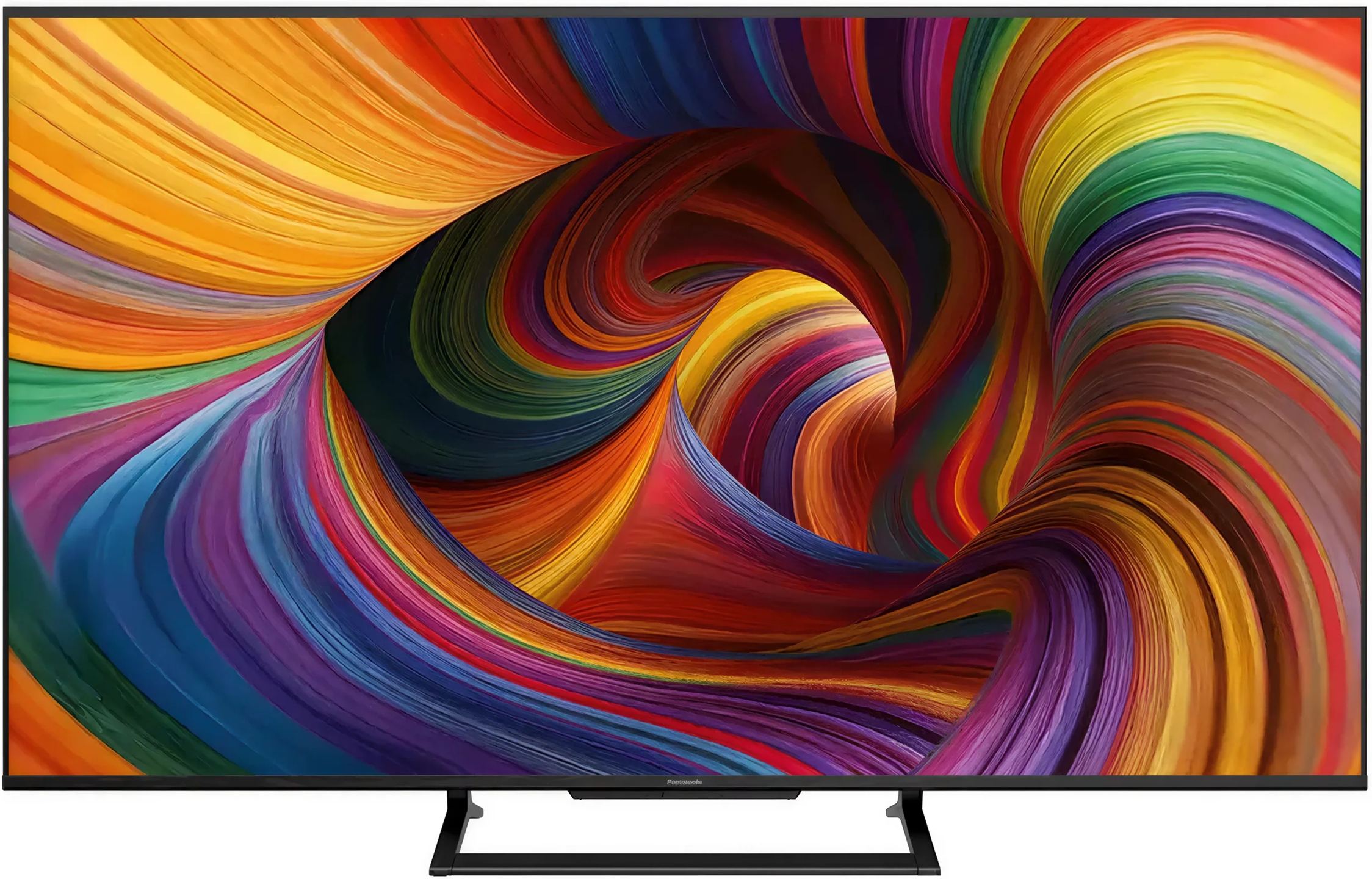
“QD” stands for quantum dots, a layer of nanocrystals that converts the light from the LEDs into purer reds and greens. The result is a wider colour gamut, which Panasonic calls Wide Colour Spectrum, with saturated shades that retain subtle gradations. The AI 4K Colour Engine processor analyses each scene to adjust colour and contrast, and upscales programmes broadcast at lower resolutions to 4K.
A screen that maintains its contrast in daylight
The Glare Free Ultra treatment reduces reflections from windows and lamps on the panel, the mirror effect that washes out the picture and sometimes makes it necessary to close the curtains during the day. An ambient light sensor complements this by adapting the screen brightness to the room’s lighting, brighter in the afternoon and softer in the evening. Seven picture modes cover everyday uses, from Cinema to Sport and Energy Saving, while a User mode stores personal settings.
Dolby Vision, HDR10+ and Filmmaker Mode for films
The W90C supports the three major HDR (high dynamic range) formats: Dolby Vision and HDR10+, found on streaming platforms and 4K Blu-rays, and HLG, used by television broadcasters. Dolby Vision and HDR10+ transmit scene-by-scene information telling the TV how to distribute its brightness; these formats make the most of the screen without increasing its peak brightness. The built-in media player also supports HDR files encoded in H.264 or H.265 from a USB drive or a home network server.
Filmmaker Mode disables processing that alters a film’s original look, such as motion smoothing, which gives feature films that “home video” appearance, and preserves the colours and frame rate intended during filming. For an evening film, this is the mode to choose.
Gaming: a 60 Hz panel backed by HSR mode
The panel refreshes the picture 60 times per second. HSR (High Speed Refresh) mode pushes the display up to 120 Hz with consoles and PCs that output it, a supplementary solution rather than a native 120 Hz panel. VRR synchronisation, which aligns the screen’s refresh rate with the console’s output to prevent screen tearing, works up to 60 Hz. The three HDMI 2.1 inputs also support ALLM: the TV automatically switches to its low-latency Game Mode as soon as a console starts a game. For casual gamers or titles running at 60 frames per second, the setup performs well; those targeting high-refresh-rate competitive gaming will find a 144 Hz panel in the W95C series.
Google TV and voice control without a remote
Google TV brings streaming apps together and offers recommendations based on what you watch. Google Assistant is built in, with a microphone in the TV, allowing you to start a programme or search for a film by voice without picking up the remote, which also has its own voice button. The W90C can also be controlled from a Google or Amazon Alexa speaker already in the home.
Built-in Chromecast receives videos and music sent from a smartphone, while screen mirroring displays the screen of a compatible device. Art Time mode turns the switched-off screen into a frame for artwork or personal photos. Connectivity is via dual-band AC Wi-Fi or an Ethernet cable, which is more stable for 4K streaming.
Built-in sound and connection to a soundbar
Two 15 W speakers deliver stereo sound, with Dolby Atmos decoding and a Surround Sound effect that broadens the soundstage. Seven sound modes adapt the audio to news, music or sport. For a truly immersive film experience, the HDMI eARC socket sends audio from apps and connected sources to a soundbar or an AV receiver, including multichannel formats, while HDMI CEC lets you control the whole setup using only the TV remote. An optical output remains available for an older system, along with a headphone output. Via Bluetooth, the W90C sends audio to wireless headphones or a speaker, and supports a keyboard and mouse for input.
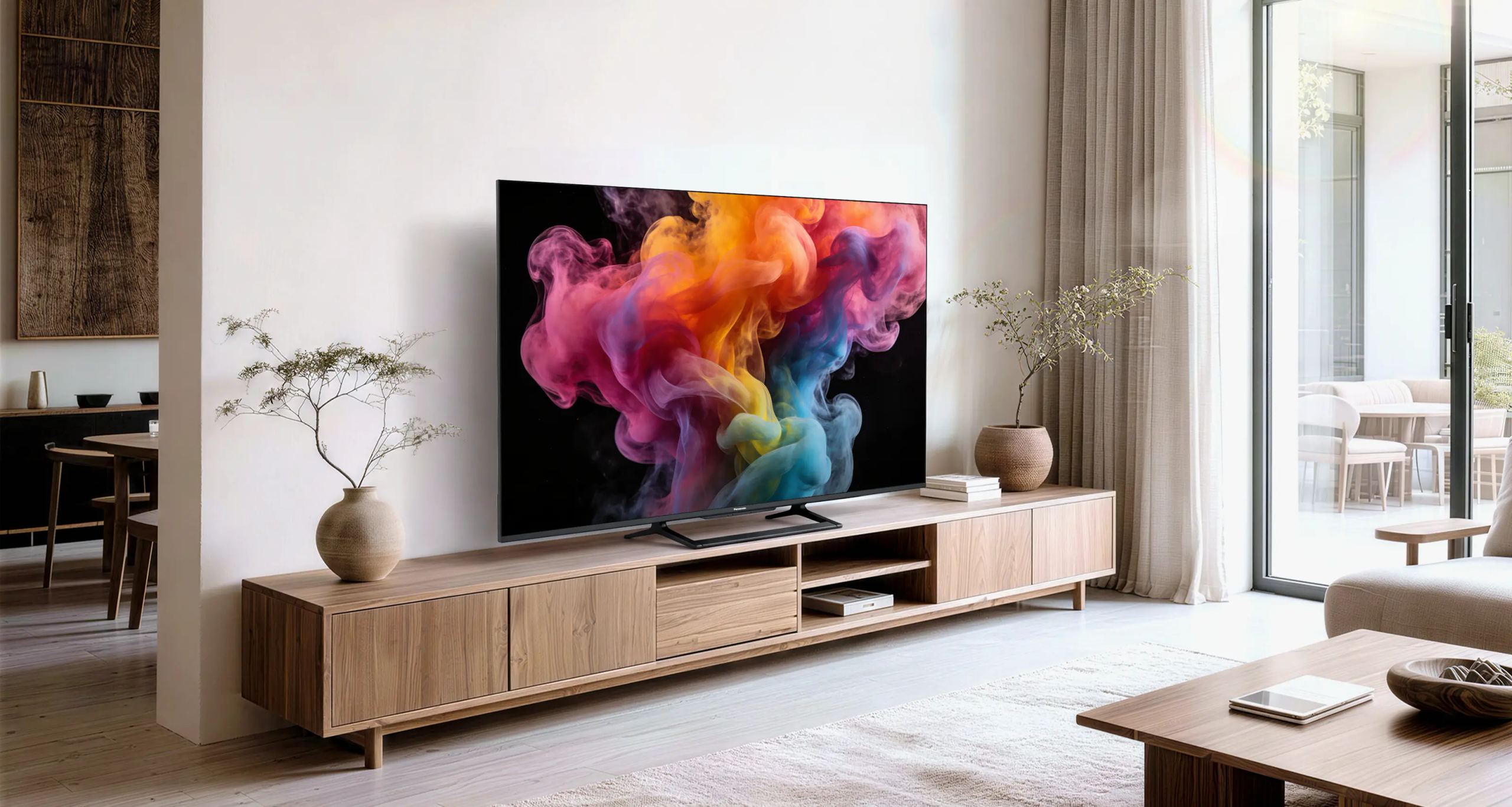
TV reception, recording and connectivity
The tuner receives digital terrestrial TV (DVB-T/T2), satellite (DVB-S2) and cable (DVB-C). HbbTV services provide access to catch-up TV and broadcasters’ interactive content, and the programme guide displays the schedule on screen. A hard drive or USB drive connected to the TV records programmes and allows you to pause live TV (Timeshift). The voice guide reads menus aloud, a valuable aid for people with visual impairments, and the interface is available in 48 languages.
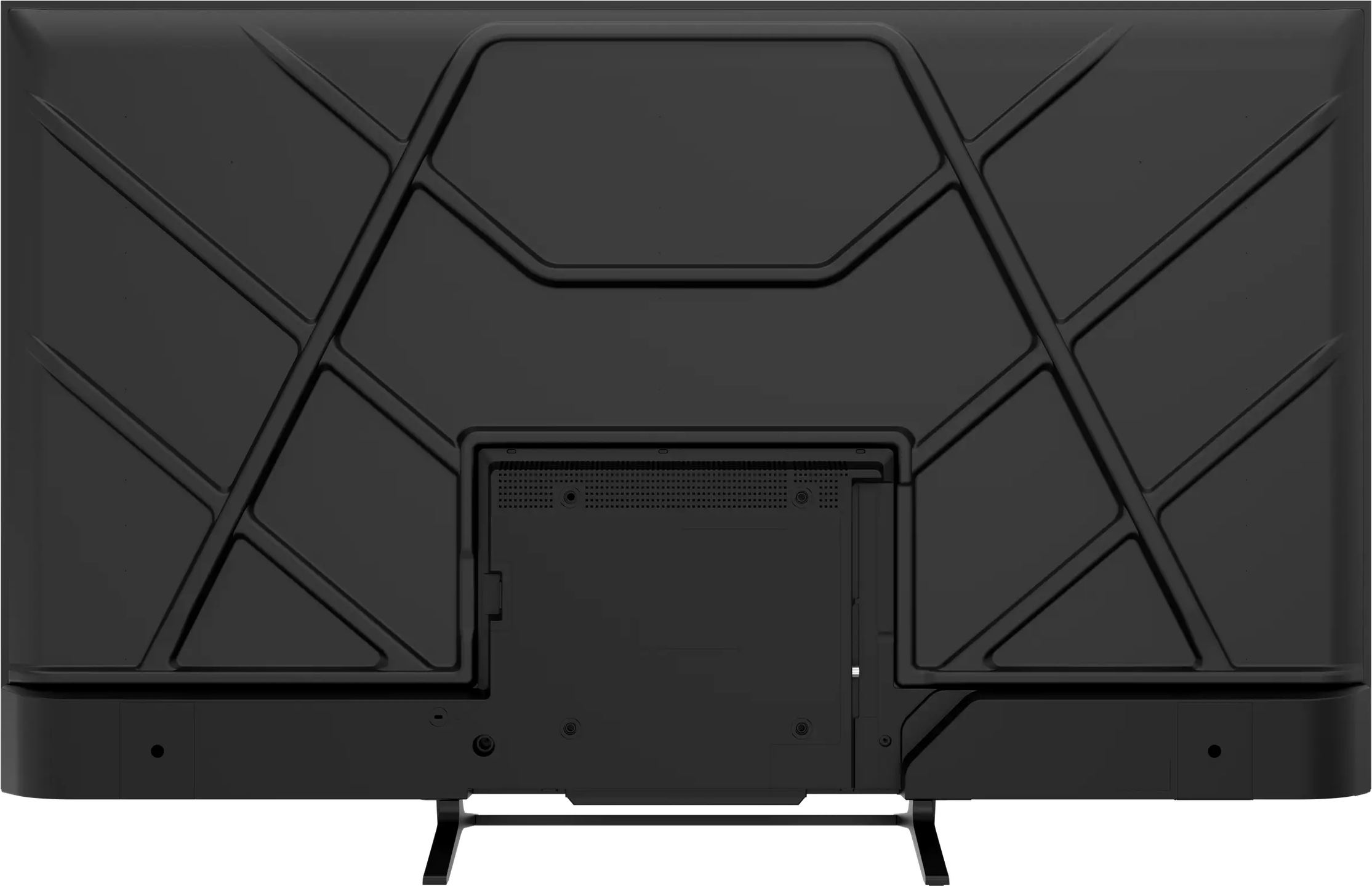
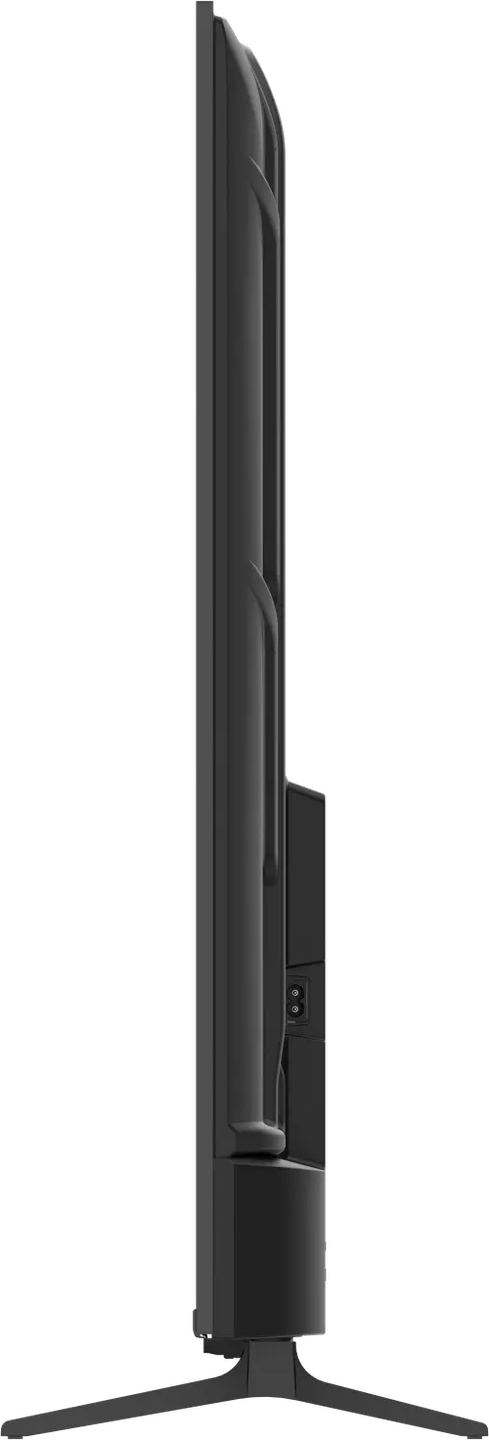
At the rear are three HDCP 2.3-compatible HDMI 2.1 inputs, a USB port, an Ethernet socket, a CI+ 1.4 slot for a subscription module, the optical output and the headphone output.
A central stand that fits narrow furniture
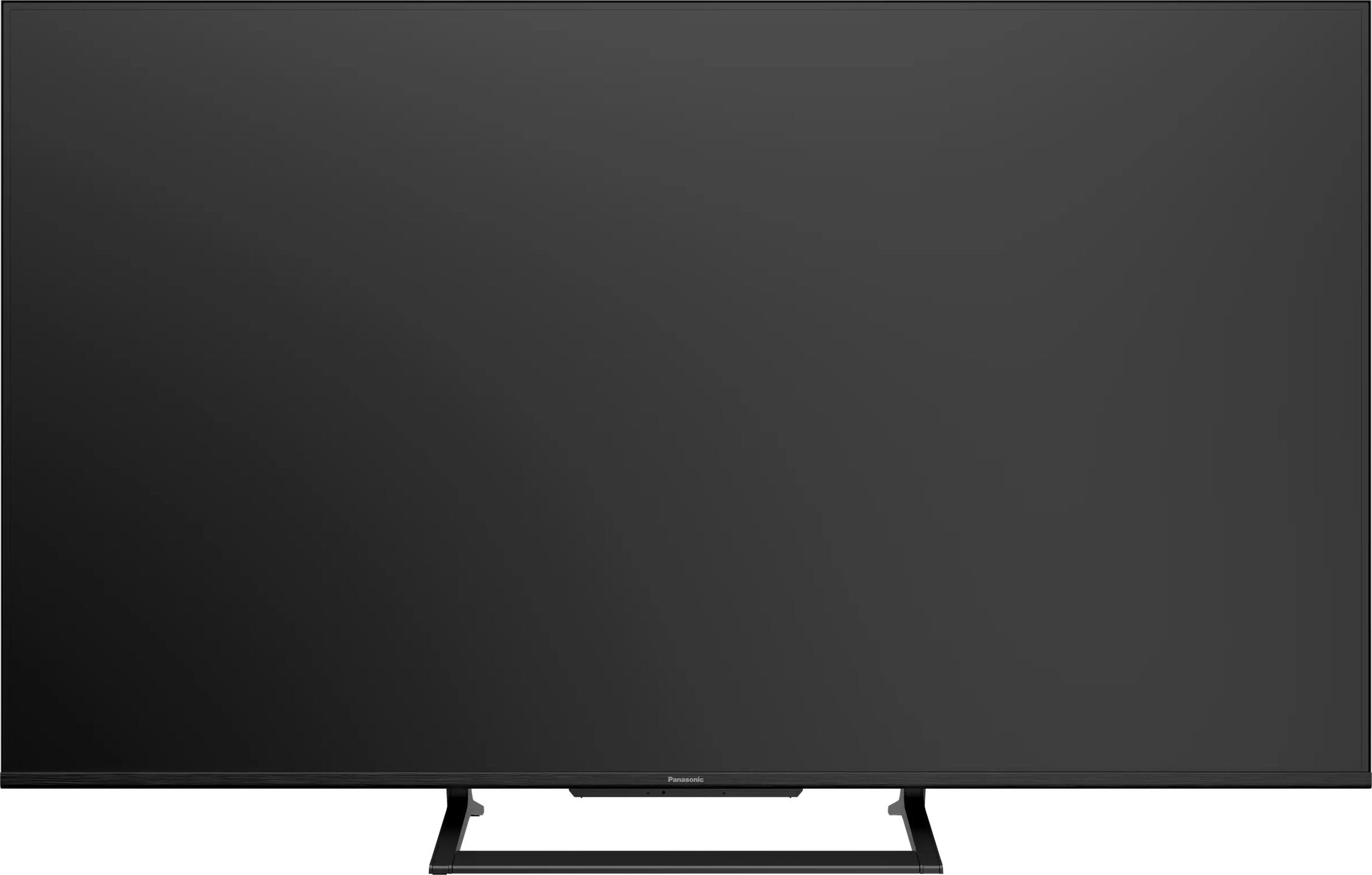
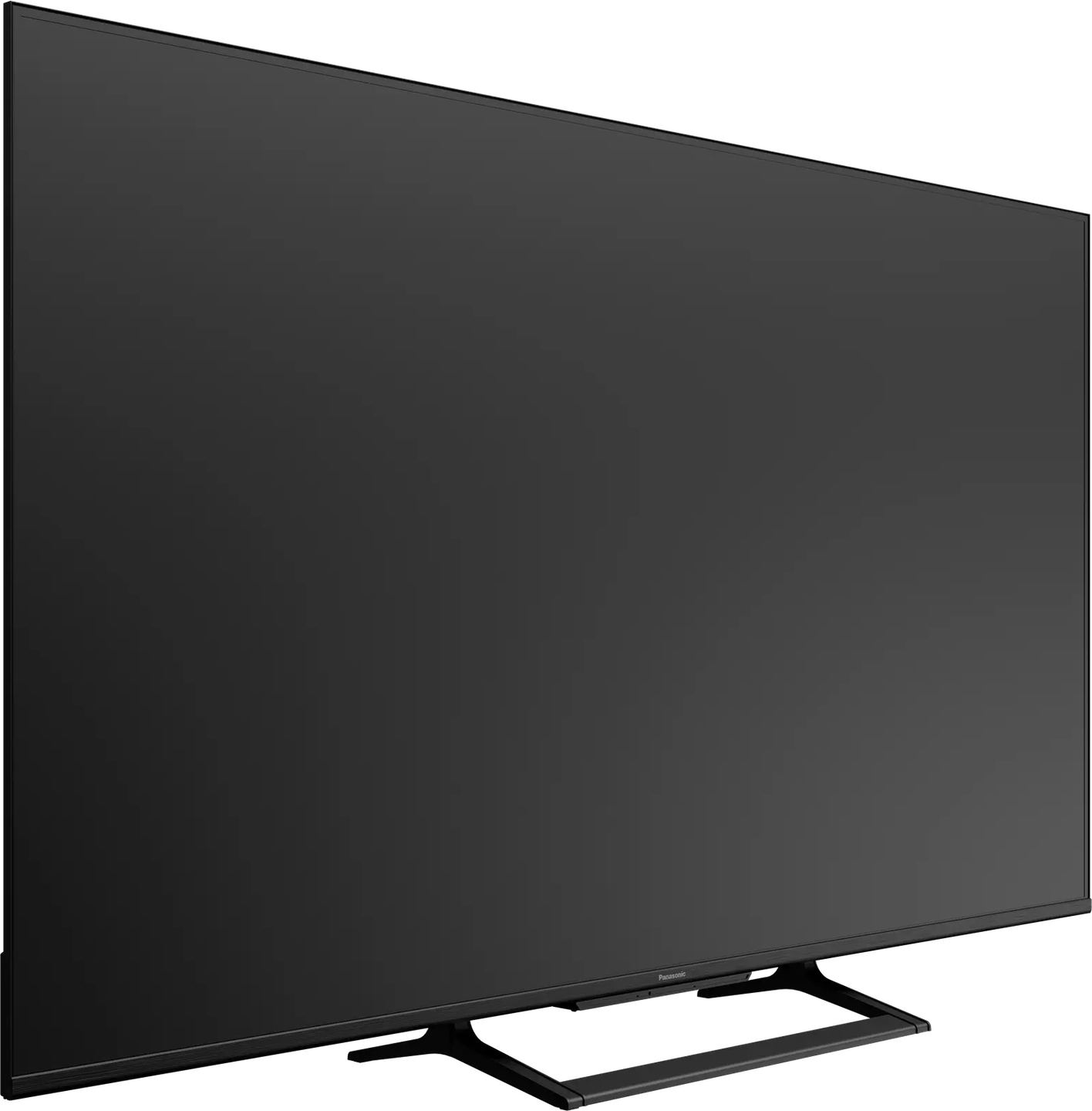
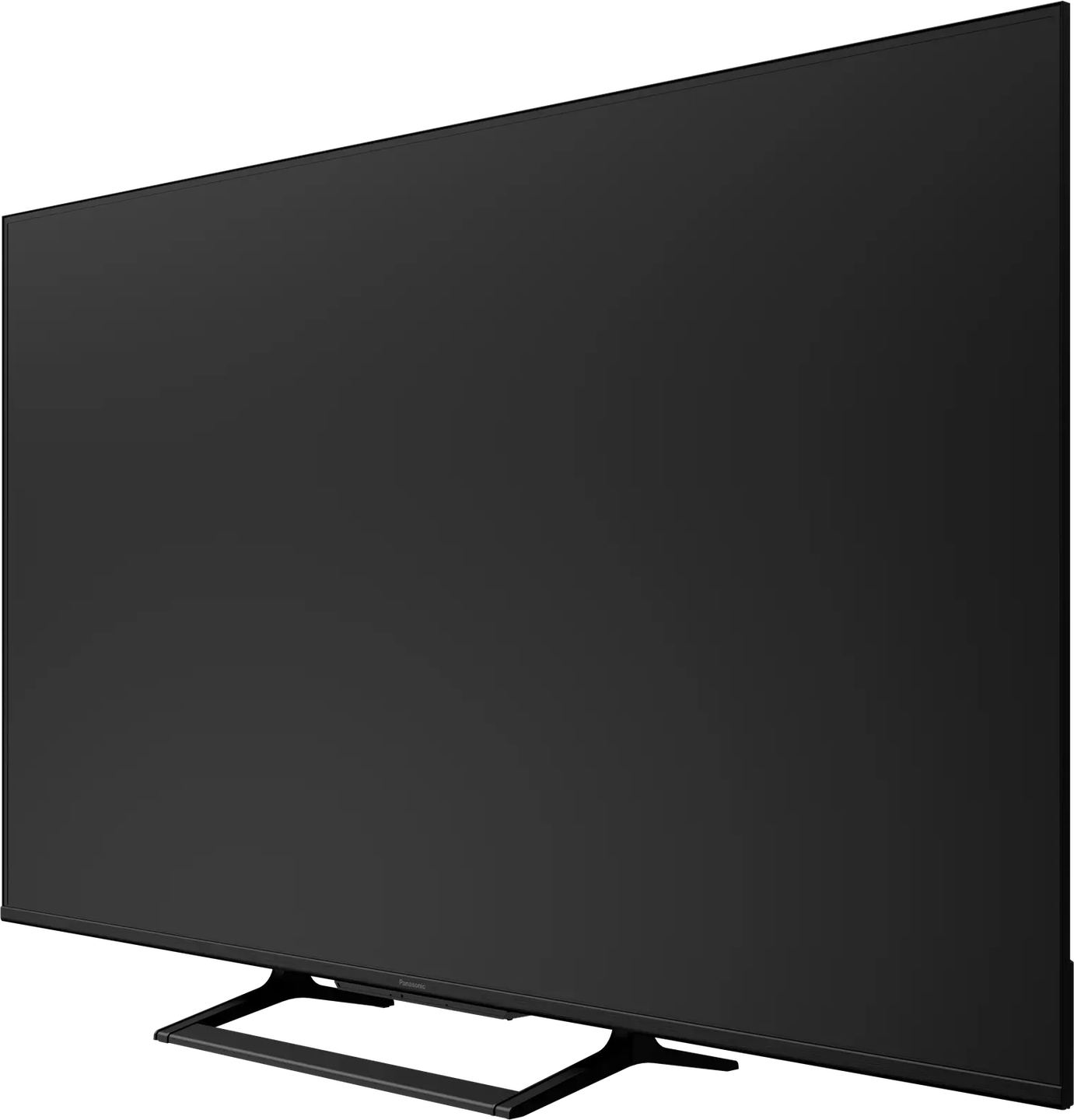
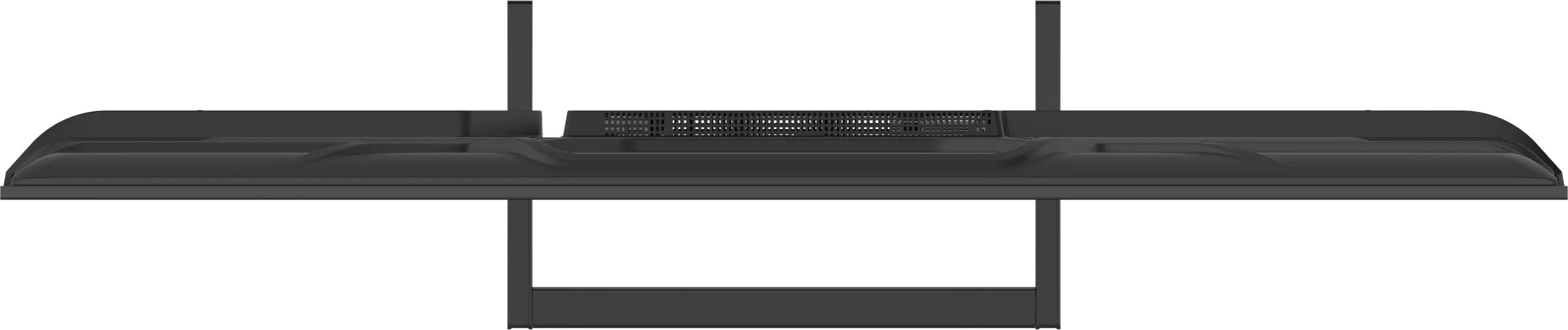
The TV rests on a central U-shaped stand in black metal, rather than two feet at the ends of the screen. A unit narrower than the panel is sufficient, making larger screen sizes easier to accommodate. The W90C can also be wall-mounted using its VESA mounting points. It comes with its voice remote and two AAA batteries.
Technical specifications
Screen and picture
- Screen: QD-Mini LED 4K Ultra HD TV, 139 cm diagonal
- Resolution: 3840 × 2160 pixels
- Backlighting: Direct-lit Mini LED, Local Dimming Supreme local dimming with individually controlled LED zones for deeper blacks
- Anti-glare treatment: Glare Free Ultra
- Refresh rate: 60 Hz, up to 120 Hz in HSR (High Speed Refresh) mode
- Colour space: Wide Colour Spectrum, extended colour gamut
- Processor: AI 4K Colour Engine
- AI picture optimisation: yes
- HDR formats: Dolby Vision, HDR10+, HLG
- Filmmaker Mode: yes
- Ambient light sensor: yes
- Picture modes: Energy Saving, User, Standard, Sport, Vivid, Cinema, Game
Sound
- Configuration: stereo
- Power: 30 W (2 × 15 W)
- Dolby Atmos: yes
- Surround sound: yes
- Sound modes: Standard, Vivid, News, Cinema, Music, Sport, User
Smart features
- System: Google TV
- Voice assistant: built-in Google Assistant with hands-free control, Works with Google Assistant and Works with Alexa compatibility
- Built-in Chromecast: yes
- Screen mirroring: yes
- Art Time mode: displays artwork or photos when the TV is not in use
- Home network: DLNA client
- Media player: yes, with HDR support for H.264 or H.265 files
- Menu languages: 48
Gaming
- Game mode: yes
- Variable refresh rate (VRR): up to 60 Hz + HSR
- Auto low latency mode (ALLM): yes
Connectivity and connections
- Wi-Fi: dual-band AC
- Bluetooth:
- Keyboard and mouse: HID / HOGP profiles
- Stereo audio output to headphones or a speaker: A2DP profile
- Bluetooth Audio Link: yes
- HDMI: 3 HDMI 2.1 inputs, HDCP 2.3, eARC for audio return to a soundbar or amplifier
- HDMI CEC: control of connected devices using the TV remote control
- USB ports: 1
- Ethernet port: 1
- CI+ 1.4 common interface (ECP): 1
- Optical digital audio output: 1
- Headphone output: 1
TV reception and recording
- Digital tuner: DVB-T/T2, DVB-S2, DVB-C
- Interactive services: HbbTV
- USB drive recording: yes, with live TV control (Timeshift), on a hard drive or USB flash drive of at least 160 GB
- Electronic programme guide (EPG): yes
- Voice guide: yes
Design, dimensions and weight
- Stand: central U-shaped, in black metal
- Dimensions without stand (W × H × D): 1226 × 716.8 × 70 mm
- Dimensions with stand (W × H × D): 1226 × 763.9 × 257.4 mm
- Stand footprint (W × D): 433 × 257 mm
- Weight without stand: 8.76 kg
- Weight with stand: 9.26 kg
- Wall mounting: VESA 200 × 200 mm
- Box dimensions (W × H × D): 1318 × 846 × 106 mm
- Packaged weight: 13.5 kg
Energy
- Energy rating: E in SDR, G in HDR
- Power consumption in use: 64 kWh / 1000 h in SDR, 82 kWh / 1000 h in HDR
- Standby power consumption: 0.5 W
- Power supply: 100 to 240 V, 50 / 60 Hz
- EPREL number: 2710588
Included accessories
- Voice remote control with 2 AAA batteries
Frequently asked questions
What distinguishes the W90C from the W95C series?
The W95C is the flagship of Panasonic’s 2026 LCD range. It features a native 144 Hz panel, compared with 60 Hz for the W90C, and a higher-end processor, the 4K Colour Engine Ultra. The W90C shares its QD-Mini LED technology, Glare Free Ultra treatment and Google TV.
Can you watch pay TV channels without a set-top box?
Yes, provided you insert the provider’s module and subscription card into the CI+ 1.4 slot. The TV then decodes encrypted channels received via terrestrial TV, satellite or cable directly, without an additional set-top box.
What are the requirements for recording a program?
A hard drive or USB flash drive with at least 160 GB is required. Channels received over the Internet (TV>IP) cannot be recorded. The W90C has only one tuner: recording is limited to the channel currently being received.
Will the sound from Bluetooth headphones be synchronized with the picture?
A delay between the picture and sound may occur with some Bluetooth headphones or speakers, and its extent depends on the connected device. For perfect synchronization, wired headphones or a soundbar connected via HDMI eARC remain the most reliable options.
Can you send a video from an iPhone?
The W90C does not support AirPlay. Google Cast-compatible apps, of which there are many on iPhone (YouTube, Netflix, Prime Video, Spotify…), send their content to the TV via built-in Chromecast.
What screen size should you choose based on viewing distance?
With 4K, you can sit quite close to the screen without seeing individual pixels. As a guide, a 55-inch screen is suitable for a viewing distance of approximately 1.70 to 2.50 m, a 65-inch screen for 2 to 3 m, and a 75-inch screen for 2.30 to 3.50 m. The closer you sit, the more the image fills your field of view.
- Eco-contribution included in the sale price.
- Spare parts available for 7 years
- Manufacturer reference: TN-55W90CEZS
- GTIN / EAN: 5025232999194


