

AudioQuest Lone Ranger: ZERO-Tech balanced speaker cable
October 26, 2025
Contents
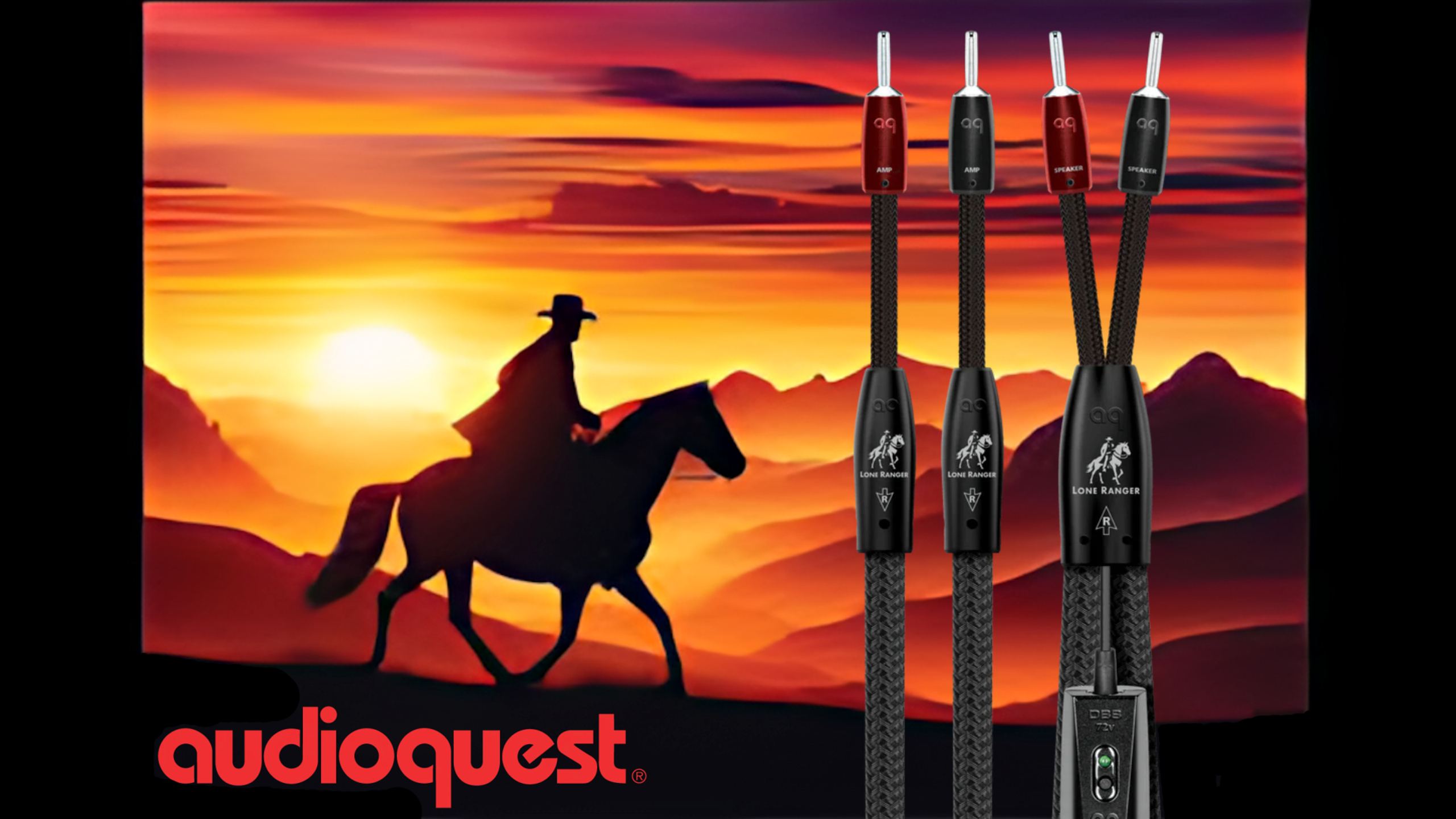
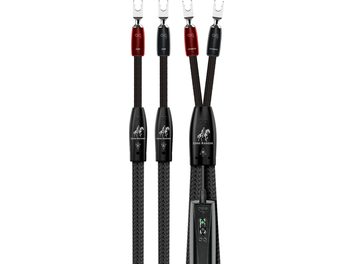
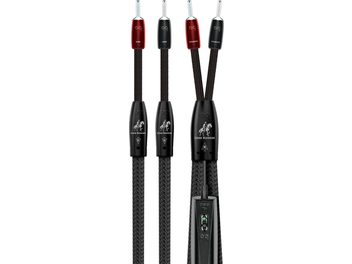
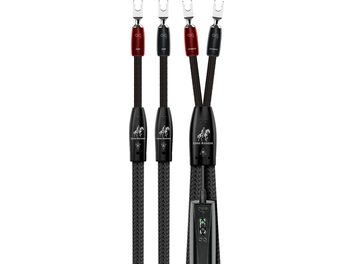
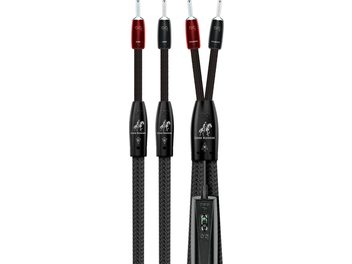
AudioQuest renews its vision of the speaker cable with the Lone Ranger, a ZERO-Tech model that favors sonic authenticity over technical showmanship. Launched in October 2025, this successor to the Robin Hood in the Folk Hero series marks a significant evolution toward a more balanced signature, where the midrange finally regains its rightful place.
ZERO-Tech technology in the service of emotion
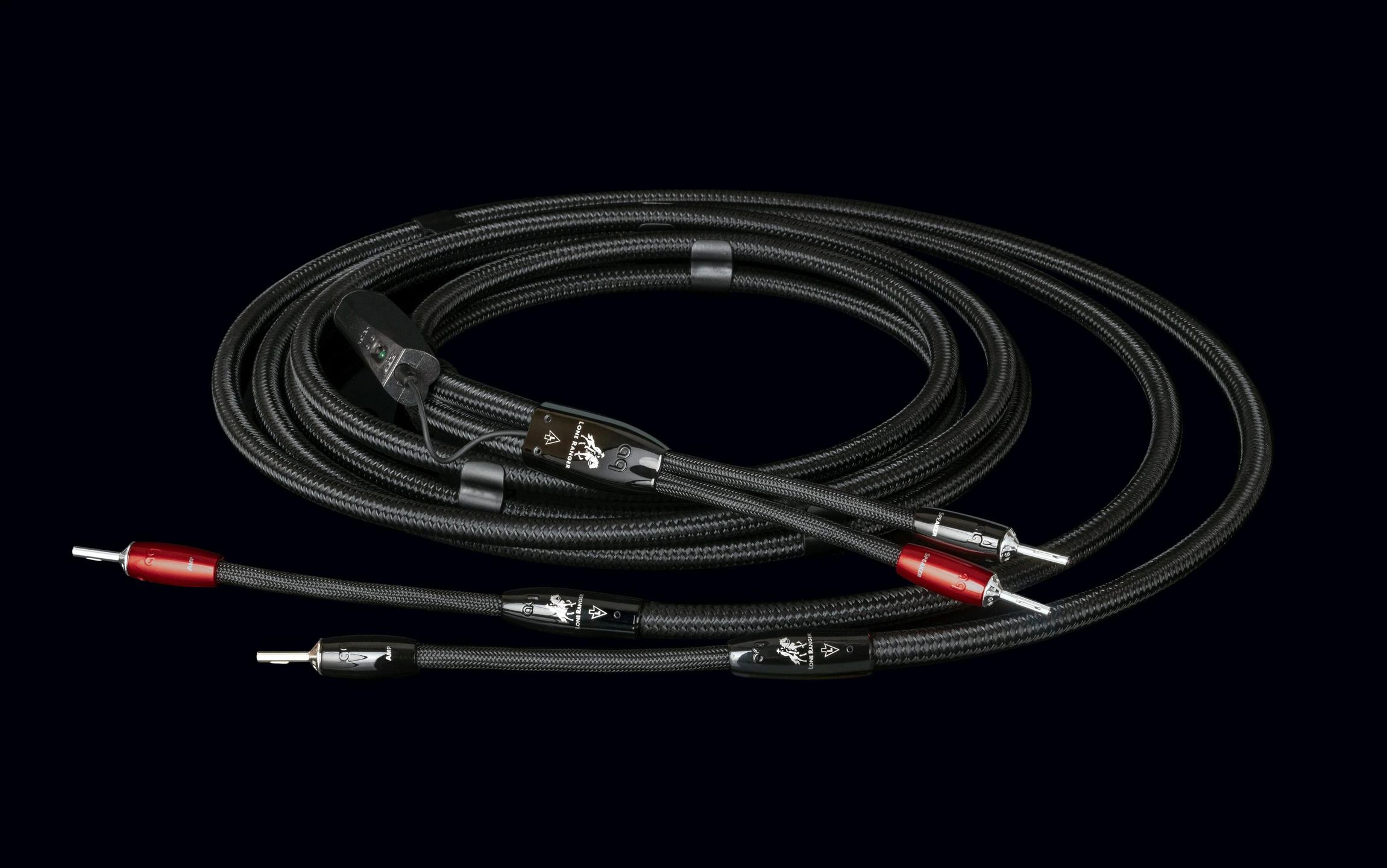
The Lone Ranger’s hallmark lies in its ability to eliminate the cable’s characteristic impedance, allowing the amplifier and speakers to interact directly. This ZERO-Tech technology, previously reserved for top-tier models, turns the cable into a simple transparent conduit rather than a disruptive element in the audio chain.
The system works by meticulously isolating the positive and negative conductors, creating an electrically neutral environment that preserves the integrity of the original signal. The amplifier can thus exert direct control over the speaker diaphragms, without the usual approximations introduced by cable impedance.
Perfect-Surface Copper+: purity redefined
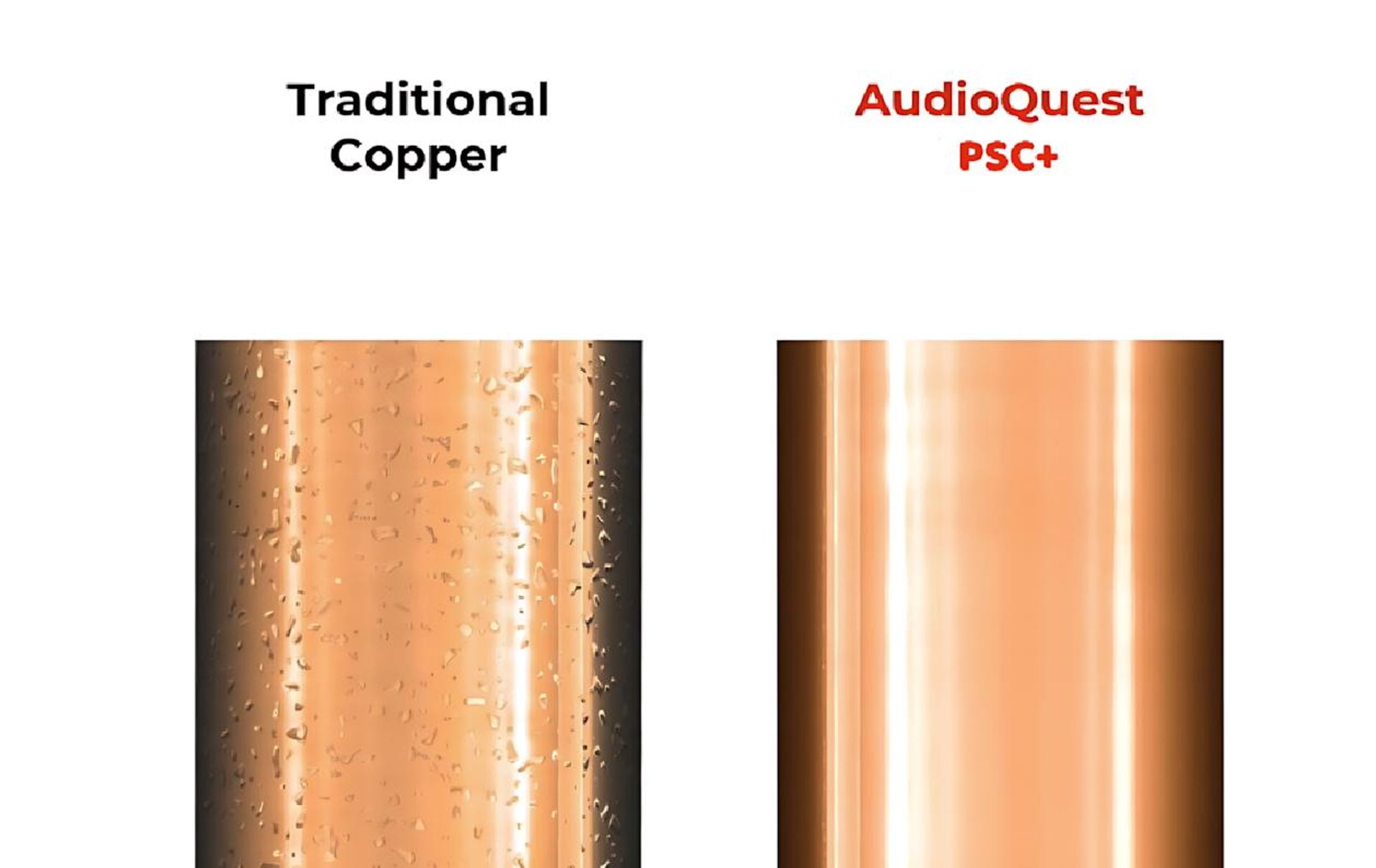
The Lone Ranger’s conductors use Perfect-Surface Copper+ (PSC+) technology, an exceptionally pure copper whose surface has been polished to a near-flawless texture. This proprietary drawing and annealing process creates a surface so smooth that it minimizes interactions between the metal’s grains.
This approach solves a fundamental problem: high frequencies travel primarily on the conductor’s surface, and the slightest roughness generates micro-distortions. With nearly one-third more PSC+ copper compared to previous models, the Lone Ranger offers reduced impedance and a more linear frequency response, regardless of the speakers’ impedance curve.
The 72V DBS system: active polarization of silence
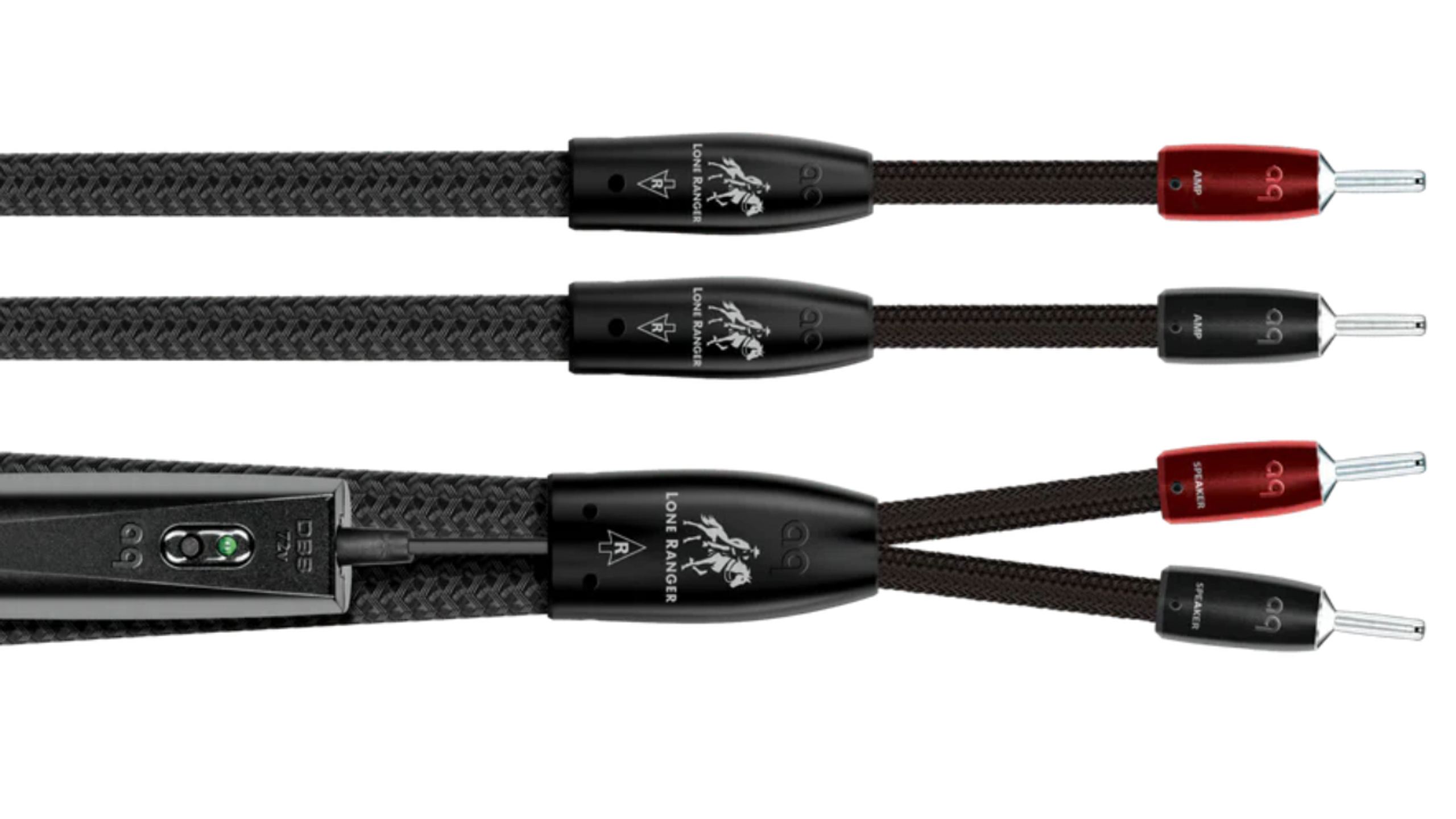
The 72-volt Dielectric-Bias System represents a revolutionary approach to dielectric treatment. By applying constant polarization to the cable’s insulation, this system organizes dielectric molecules to reduce their impact on the signal.
This patented technology maintains a stable electrostatic field that “puts to sleep” the insulating material’s disruptive properties. The result is a quieter background from which details emerge with striking clarity. The DBS system’s batteries offer around ten years of autonomy, ensuring stable performance over time.
Graphene-carbon network: a shield against interference
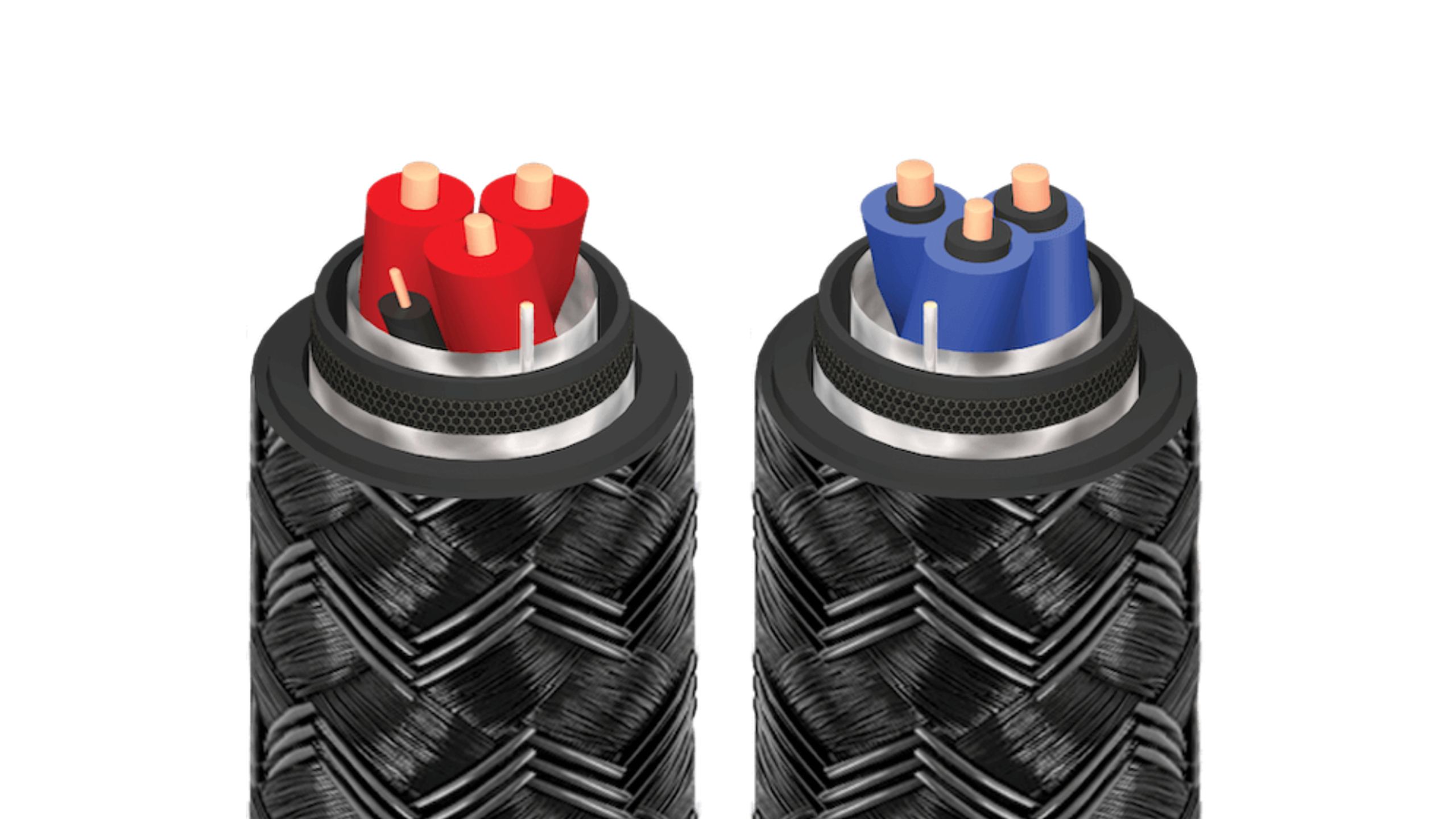
The Lone Ranger incorporates a noise-dissipation system based on a graphene and carbon network, materials with exceptional electrical properties. This multilayer shielding forms an effective barrier against the radio frequencies that are ubiquitous in our digital environment.
4% silver-plated drains complete this setup by actively shunting RF interference to ground. This preventive approach preserves audio signal purity even in electrically polluted environments with Wi‑Fi, mobile phones, and other sources of noise.
Cold-welded connectors: permanent contact
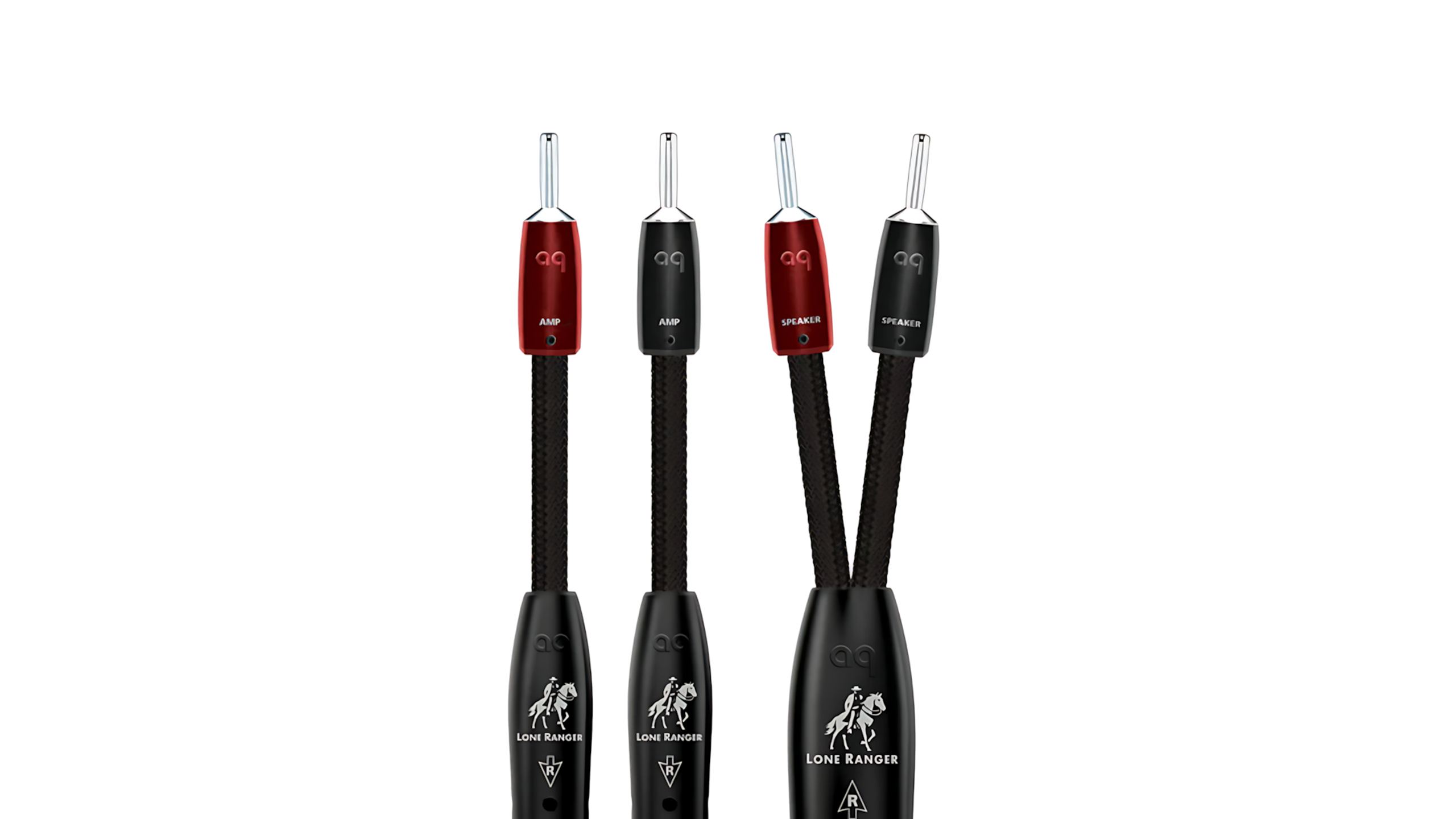
Unlike traditional soldered connections that introduce metallic discontinuities, the Lone Ranger uses cold-weld technology that literally fuses the conductor and connector. This method creates a permanent, airtight contact that cannot degrade over time.
The cold-weld process compresses the metals under calibrated pressure, forming a homogeneous molecular bond. This perfect continuity eliminates parasitic micro-resistances that impair transmission fidelity.
Rethought physical architecture
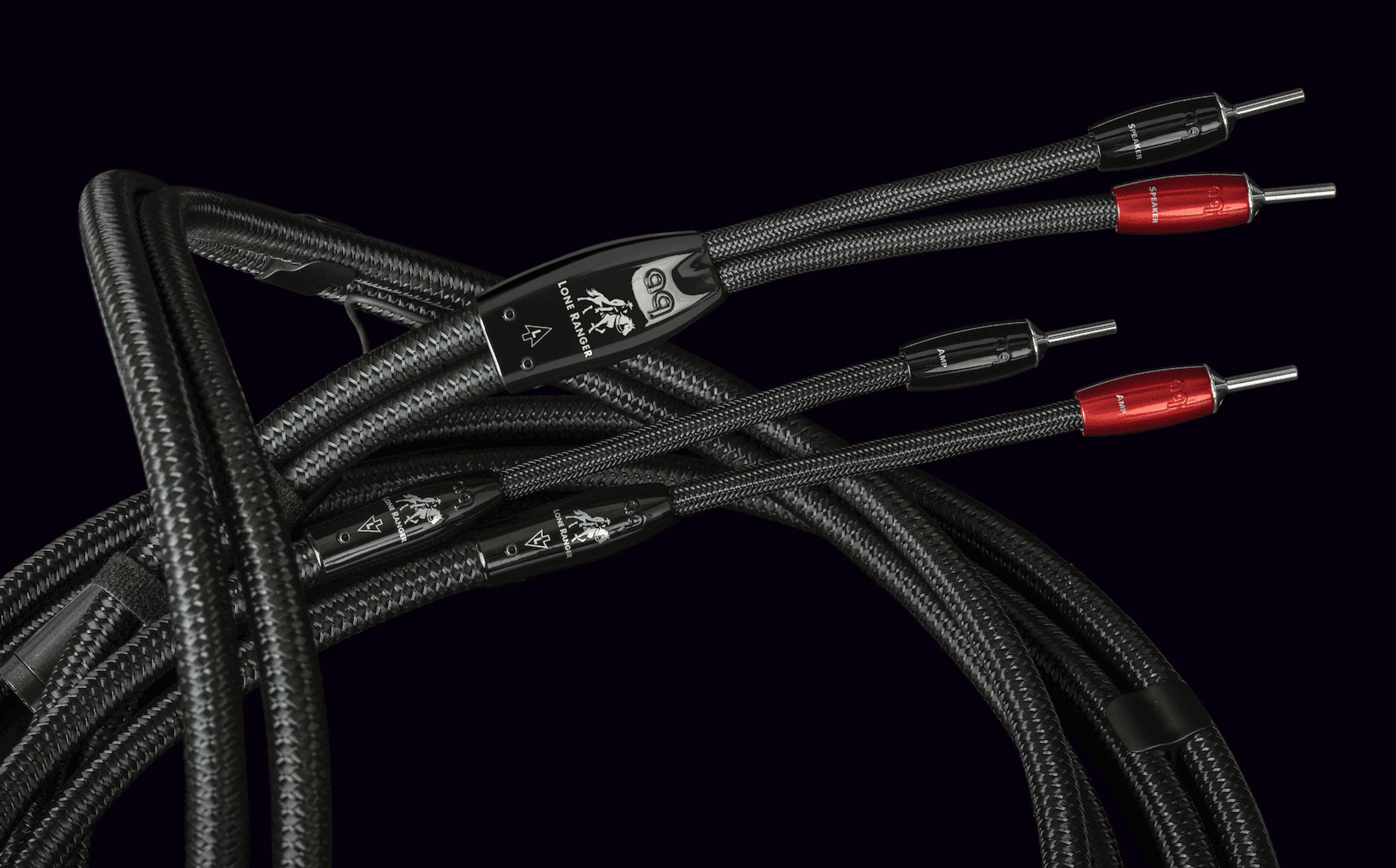
With its 11.6 mm diameter per polarity, the Lone Ranger is more compact than its cousin Brave Heart, making installation easier in tight spaces. This size reduction does not affect performance thanks to optimized materials and internal geometry.
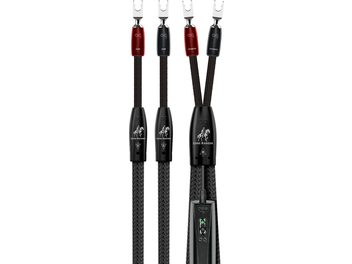
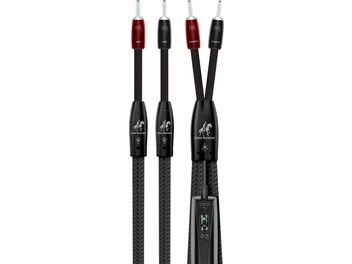
Separating the positive and negative conductors into distinct jackets simplifies wiring while reducing parasitic electromagnetic interactions. This architecture helps widen bandwidth and improve noise dissipation.
Balanced sonic signature
The Lone Ranger breaks with the trend of “V-shaped” signatures that favor the extremes of the spectrum to the detriment of the midrange. Its sonic presentation highlights the frequency zone where voices and most instruments live, restoring a natural musicality often overshadowed by spectacular effects.
This balanced approach results in less fatiguing, more emotional listening, where each register retains its coherence without dominating the others. Low-end weight remains powerful when the music demands it, but without the artificial emphasis that masks midrange nuance.
Permanent Molecular Optimization
The Permanent Molecular Optimization (PMO) process subjects the cable’s materials to extreme, controlled stress during manufacturing, permanently stabilizing their molecular structure. This “near-death experience” for materials frees them from internal tensions that usually evolve with time and use.
This permanent stabilization guarantees consistent performance right from first use, without the long break-in period traditionally required by high-end cables. PMO does not replace the benefits of prolonged musical playback, but it establishes an optimal stable foundation.
The AudioQuest Lone Ranger represents a well-rounded synthesis of the brand’s technologies, applied to a product intelligently positioned between accessibility and excellence. Its ability to reveal musical emotion rather than impress with technical fireworks makes it a wise choice for music lovers seeking authenticity above all.
Featured products

You may also like to read
 Enjoy exceptional trade-in conditions on Audioquest cablesHi-fi and home cinema news
 AudioQuest: Guide to Understanding the Three Families of Analog CablesComparisons and buying guides
 HDMI Ultra High Speed: the label you need for 4K 120Hz gamingTutorials and practical guides
 2025 Guide: How to Choose Your First Hi-Fi System?Comparisons and buying guides
 How to Choose the Right Speaker Cable: Practical Guide and RecommendationsComparisons and buying guides
 Paris Audio Video Show 2024: Our Review of an Exceptional ExhibitionHi-fi and home cinema news