Why Choose a Multi-Room Audio System?
October 03, 2022
Contents
What is multiroom audio?
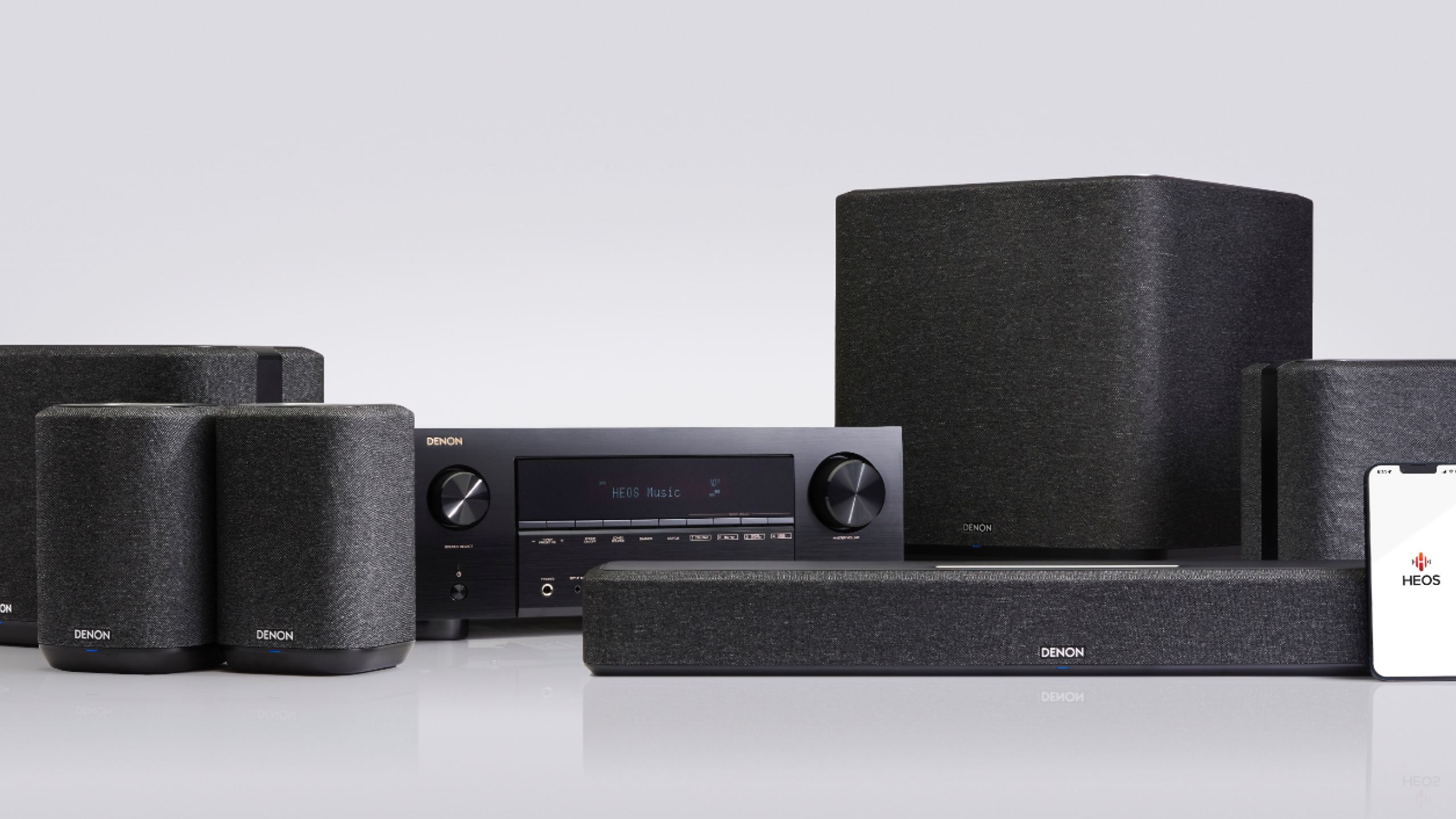
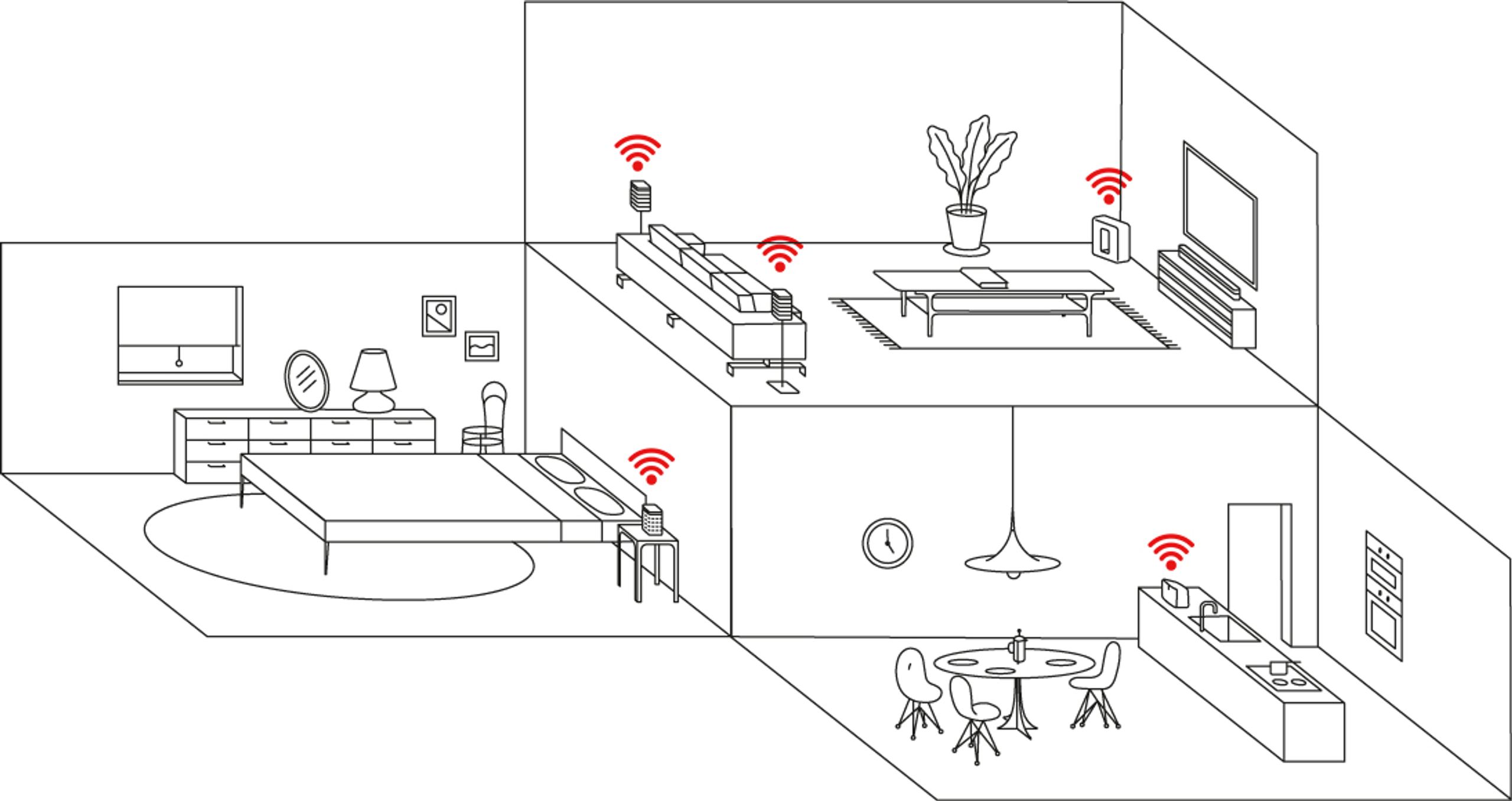
Multiroom audio is a wireless solution that revolutionizes home music listening. This system allows music to be played in all rooms simultaneously, managed via an app on a PC, smartphone, or tablet. Using the Wi-Fi network, it creates a coherent and flexible sound ecosystem, characterized by its ease of use and scalability.
The main advantages of a multiroom audio system include:
- A seamless audio experience throughout the house
- The ability to choose different music for each room
- Integration with smart home technologies
- Ease of use and customization
The multiroom audio market is constantly evolving, with many major brands offering their own ecosystems. Among the key players are:
- Sonos: Pioneer and market leader
- Yamaha: Renowned for its high-quality audio solutions
- Denon and Marantz: Sister brands offering premium products
- Cabasse: French manufacturer recognized for its acoustic expertise
- BluOS: Multiroom platform developed by NAD and BlueSound
- B&W (Bowers & Wilkins): Famous for its audiophile speakers
- Naim Audio: British specialist in high-end audio
Each of these brands offers its own ecosystem, with unique features and designs to meet the diverse needs of consumers.
What are the possibilities?
Multiroom audio offers a multitude of possibilities to personalize your home listening experience.
Streaming flexibility
Multiroom allows you to:
- Stream a single music source simultaneously in all rooms of the house, creating a uniform sound ambiance.
- Stream different music sources in each room, allowing each family member to listen to their preference.
Variety of music sources
Modern multiroom systems support a wide range of music sources:
- Web radios: Access thousands of stations from around the world
- Local music: Play audio files stored on your devices or home network, including from a NAS (Network Attached Storage)
- Streaming platforms: Seamless integration with popular services such as:
- Deezer
- Spotify
- Qobuz
- Tidal
- And many more
If you subscribe to these services, you can easily access your playlists, favorite albums, and personalized recommendations directly in the multiroom app.
Emerging technologies
The audio industry is experiencing significant advancements that influence multiroom systems:
- Immersive sound: 3D and spatial sound technologies enhance the listening experience.
- Personalized audio: Systems adapt to individual preferences and listening environments.
- Wireless audio: New standards like Bluetooth LE Audio and Auracast offer better performance and new features.
- Automatic acoustic compensation: Intelligent systems optimize sound based on the room and speaker configuration.

Which devices are compatible?
Multiroom compatibility extends to a wide range of audio devices, offering great flexibility to create a custom system tailored to your needs and interior.
Types of compatible devices
- “Connected speakers”: The core of any multiroom system
- Soundbars: To enhance your TV audio while integrating it into the multiroom system
- Home cinema amplifiers: For an immersive experience in your living room
- Hi-fi amplifiers: For demanding audiophiles
- Network players: To integrate your existing audio sources
- Mini systems: Compact and versatile solutions
Variety of speakers
For speakers specifically, you’ll find a wide variety of models suited to different uses:
- Various formats: From compact speakers for small spaces to large models for bigger rooms
- Adapted power: Choose the power based on the size of the room to be soundproofed
- Designs: Aesthetic options to harmoniously integrate with your interior decor
- Special features: Some models offer additional functions like water resistance for outdoor use or built-in voice assistants.
Important consideration
It’s crucial to note that most major brands use proprietary systems for their multiroom solutions. This means it’s generally not possible to mix devices from different brands within the same multiroom system. When planning your setup, it’s recommended to choose a brand that best meets your needs and stick with it to ensure optimal compatibility between all your devices.
Technological advancements
Recent technological advancements bring new possibilities to multiroom systems:
- High-resolution audio: More and more systems support high-resolution audio formats up to 24-bit/192 kHz.
- Voice assistant integration: Compatibility with Siri, Google Assistant, and Amazon Alexa for intuitive voice control.
- UWB (Ultra-Wideband) technology: Offers new prospects for high-quality wireless audio.
- Wi-Fi 7: The next generation of Wi-Fi promises higher speeds and reduced latency, benefiting multiroom systems.
Conclusion
Multiroom audio represents a significant advancement in how we enjoy music at home. With its ease of use, flexibility, and sound quality, this system has become a must-have for music lovers and tech enthusiasts. Whether you want to create a uniform sound ambiance throughout your home or personalize listening room by room, multiroom offers a solution tailored to every need.
When choosing a multiroom system, consider the following points:
- Compatibility with your existing devices and streaming services
- Sound quality and available features
- Ease of use and app interface
- Future expansion possibilities
- Your budget and long-term costs
By carefully selecting your ecosystem and planning your setup, you can enjoy an immersive and customized audio experience that will transform the way you listen to music at home.
Popular products




You may also like to read
 Sonos 27: ChatGPT, Claude and Gemini take control of your Sonos speakersHi-fi and home cinema news
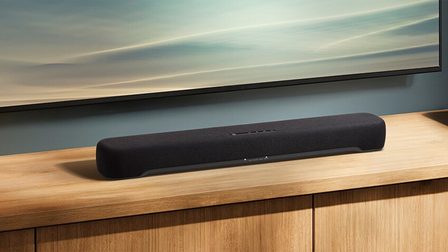 Yamaha B200A: the Dolby Atmos soundbar designed for small spacesHi-fi and home cinema news
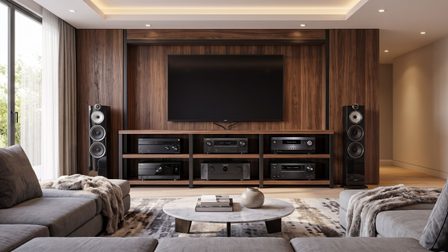 Yamaha, Onkyo, Marantz, Denon: which home theater amplifier under €2,000 in 2026?Comparisons and buying guides
 Bluesound PULSE SUB: the wireless subwoofer that completes the PULSE CINEMA rangeHi-fi and home cinema news
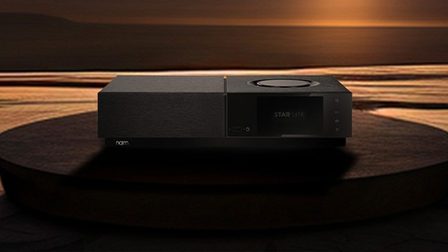 Naim Uniti Star Lite: the new connected amplifier replacing the Star without a CD playerHi-fi and home cinema news
 Sonos Beam Ultra: Beam ditches virtual Atmos and upgrades to 7.1.2Hi-fi and home cinema news