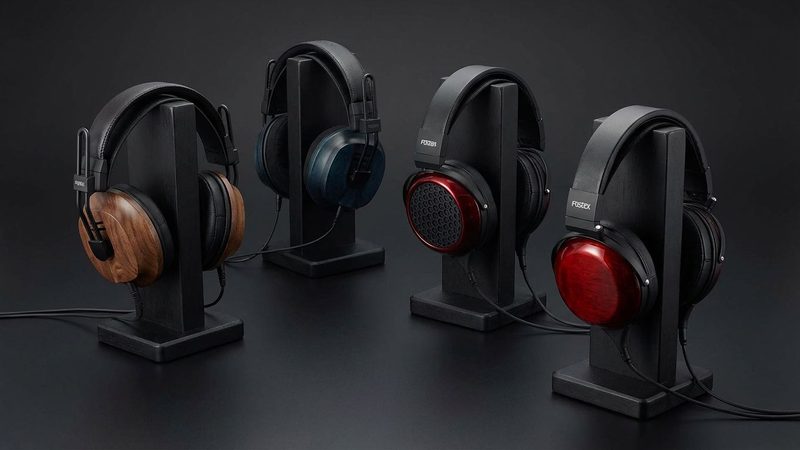

Fostex T60RP Mk2 Ai

Overview
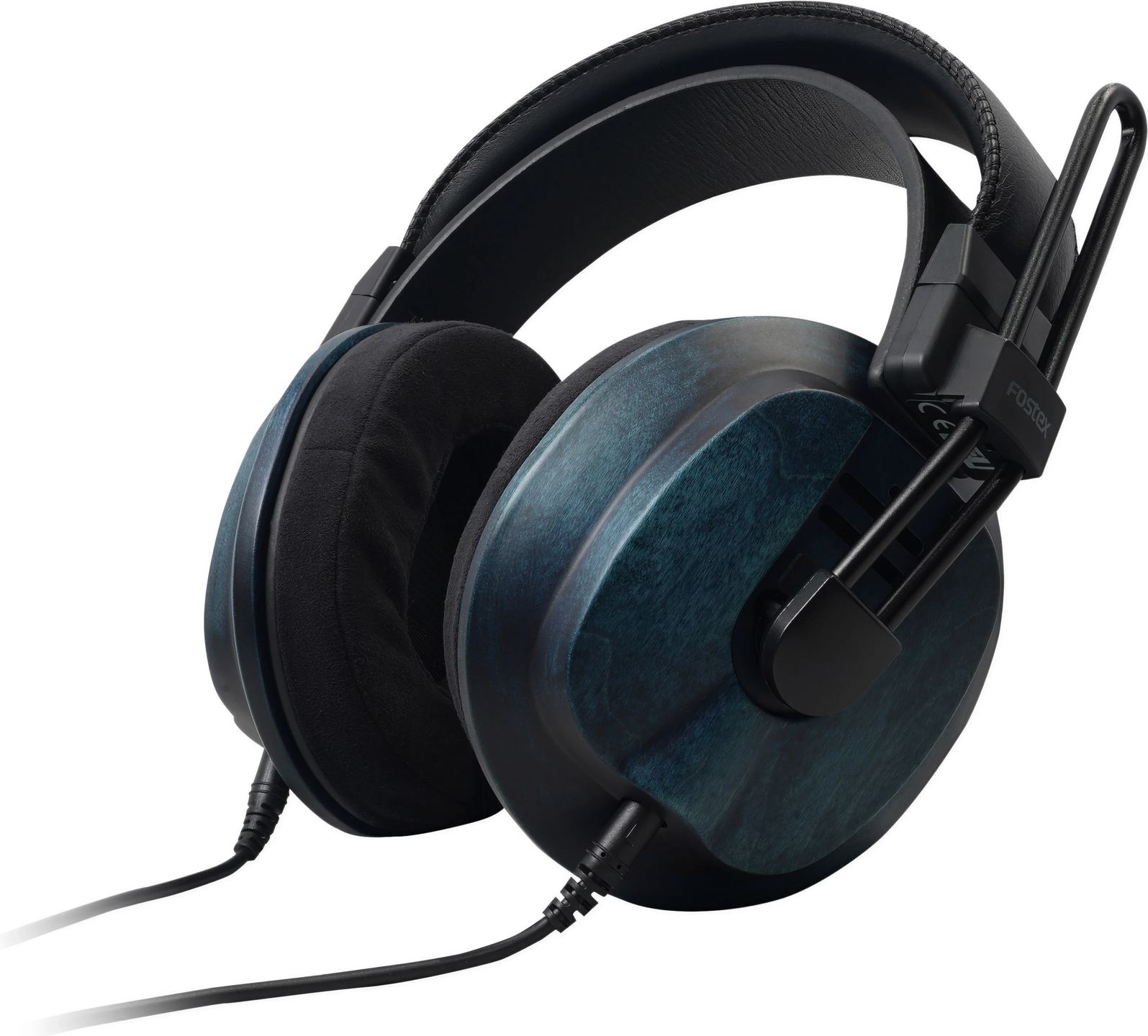
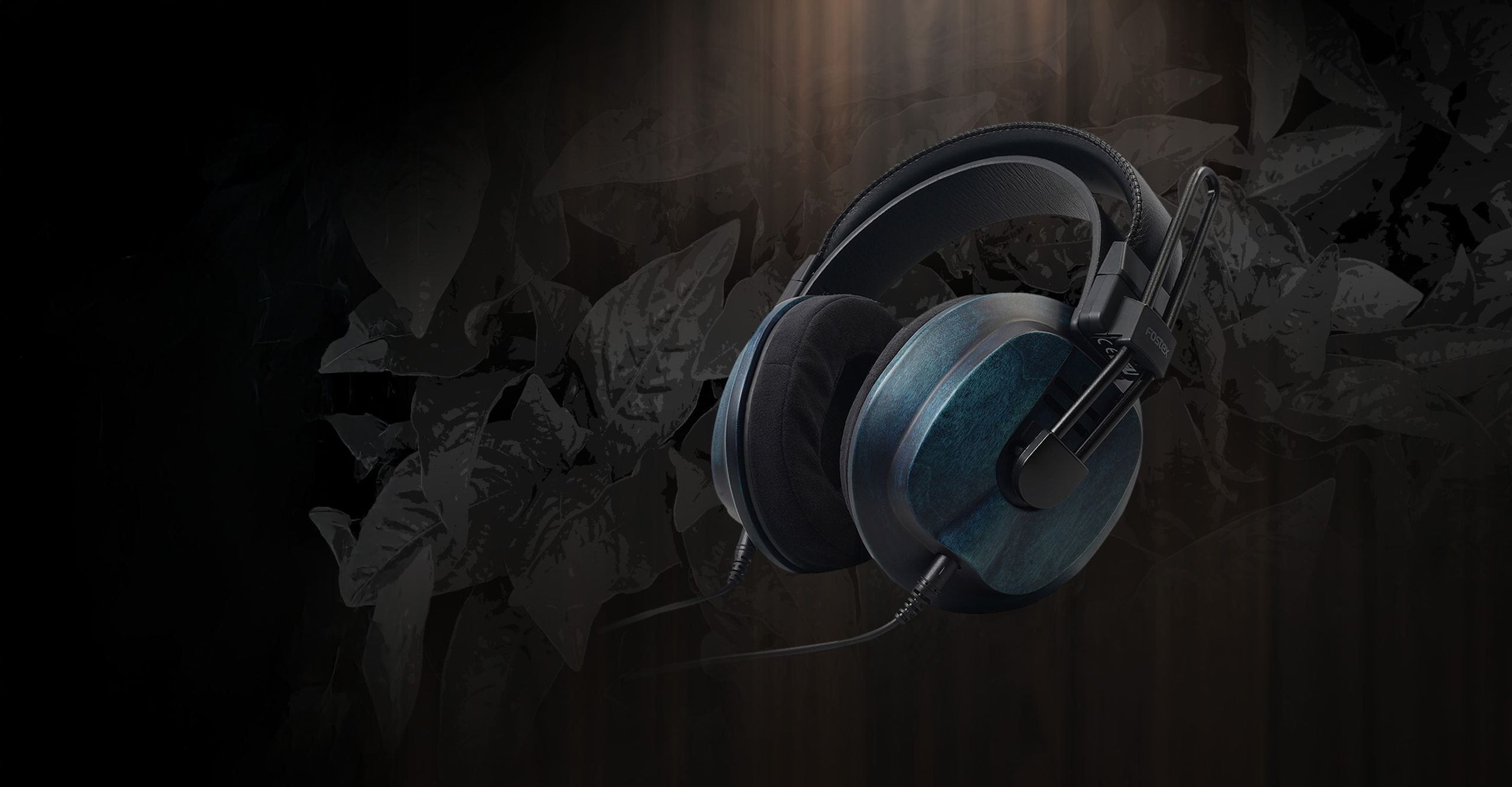
The T60RP Mk2 Ai extends the line of Fostex planar magnetic headphones by adding a rare artisanal dimension: each solid maple shell is dyed by craftsmen in Tokushima using the ancestral Awa-Ai technique, traditional Japanese indigo dyeing. The first model in the T60RP series to be fully assembled in Japan, this semi-open headphone combines the fourth-generation RP driver with premium materials.
A housing shaped by Hon-Ai dyeing
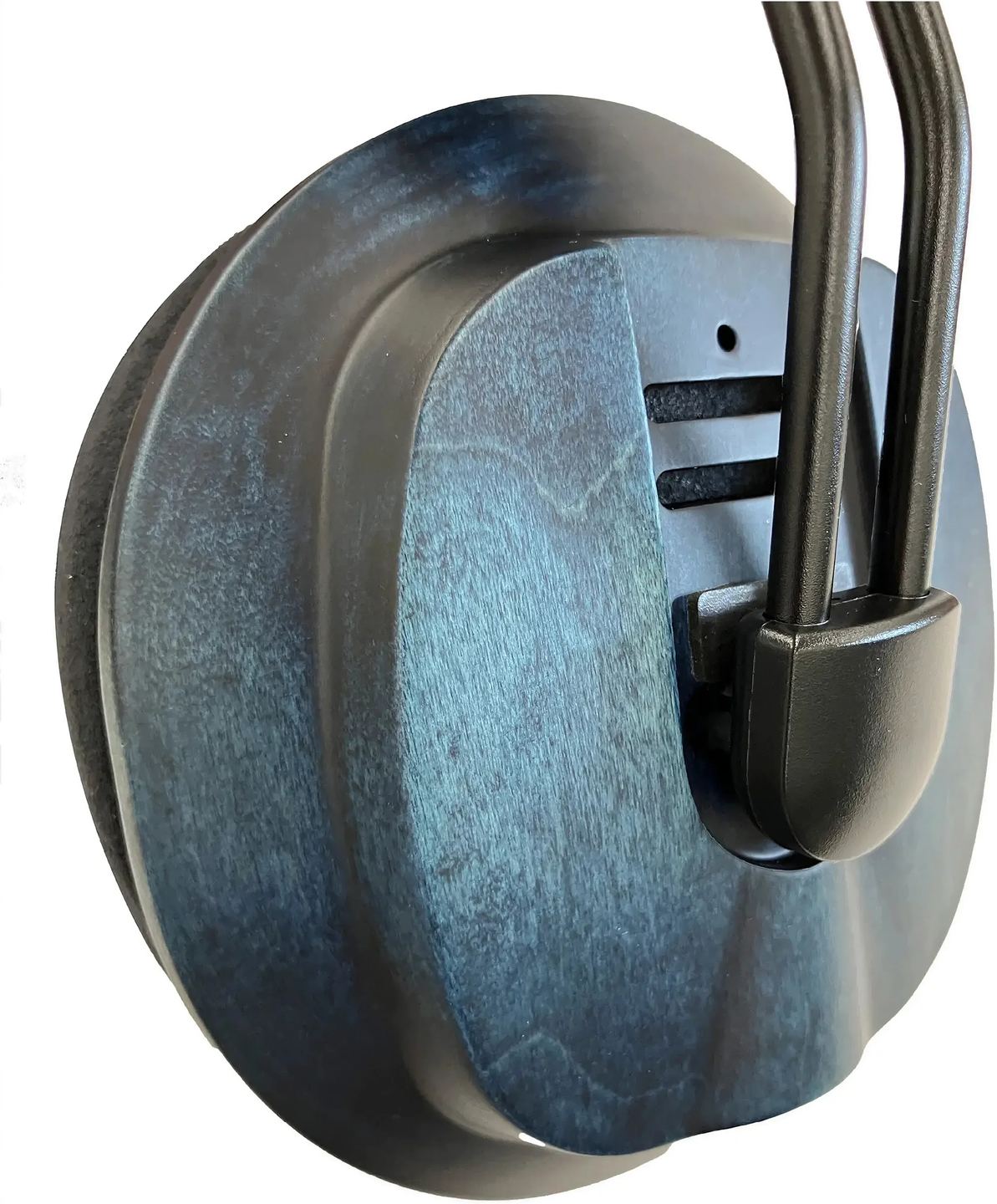
The hard maple that forms the cups of the T60RP Mk2 Ai does not come off a production line. Each piece goes through an artisanal dyeing process developed in collaboration with master dyers from Tokushima Prefecture, the historical cradle of indigo in Japan. The Hon-Ai technique, which uses exclusively plant-based pigments extracted from the Tade-ai plant, requires several days of manual work alternating between dyeing and drying.
The process required numerous adjustments to adapt it to wood: dye concentration, fermentation, substrate preparation. Variations in temperature and humidity influence how the pigments penetrate the fibers, so each cup displays unique nuances. The grain of the maple shows through a deep blue that evokes Edo-period ukiyo-e prints the same indigo used in Hokusai’s “Thirty-Six Views of Mount Fuji.”
Beyond aesthetics, the choice of hard maple meets precise acoustic criteria. Its high density and substantial mass limit unwanted resonances in the enclosure. Fostex indicates that this rigidity allows for tight, deep bass without excessive coloration, as well as extended, veil-free treble.
The fourth generation of the RP driver
Regular Phase (RP) technology has been at the core of Fostex’s sonic identity since 1974, when the original T50 introduced this planar magnetic approach. Unlike conventional moving-coil dynamic drivers, the RP design sets the entire thin, flat diaphragm in motion using a network of printed conductors sandwiched between magnets.
This fourth generation brings several structural improvements. The number of magnets surrounding the diaphragm has been increased, the pattern of the conductive traces has been redesigned to widen and even out the vibration area, and the magnetic circuit has been revised to optimize flux distribution. The goal: reduce unwanted diaphragm resonances and improve transient response.
The specifications reflect these developments. Sensitivity rises to 96 dB/mW versus 92 dB on the original T60RP, while impedance drops to 28 ohms instead of 50. These values make the headphone easier to drive from portable sources, although a dedicated amplifier will be needed to fully exploit its 3000 mW power handling. The stated frequency response extends from 10 Hz to 40 kHz, broadly covering the audible spectrum and beyond.
High-purity internal wiring and redesigned connectivity
For the internal wiring of the T60RP Mk2 Ai, Fostex has chosen a 7N-grade OFC copper conductor, with a purity of 99.99999%. This level of refinement, usually reserved for the brand’s high-end models, aims to minimize impurities that could degrade signal transmission.
The connectivity uses a dual-entry system with bipolar 3.5 mm jacks on each earcup. This configuration makes cable replacement easier and enables balanced operation via an optional 4.4 mm Pentaconn-terminated cable (reference ET-RP4.4BL2Y). The supplied cable also uses OFC conductors and terminates in a 3.5 mm plug with a 6.3 mm adapter included.
Ultrasuede earpads and long-lasting comfort
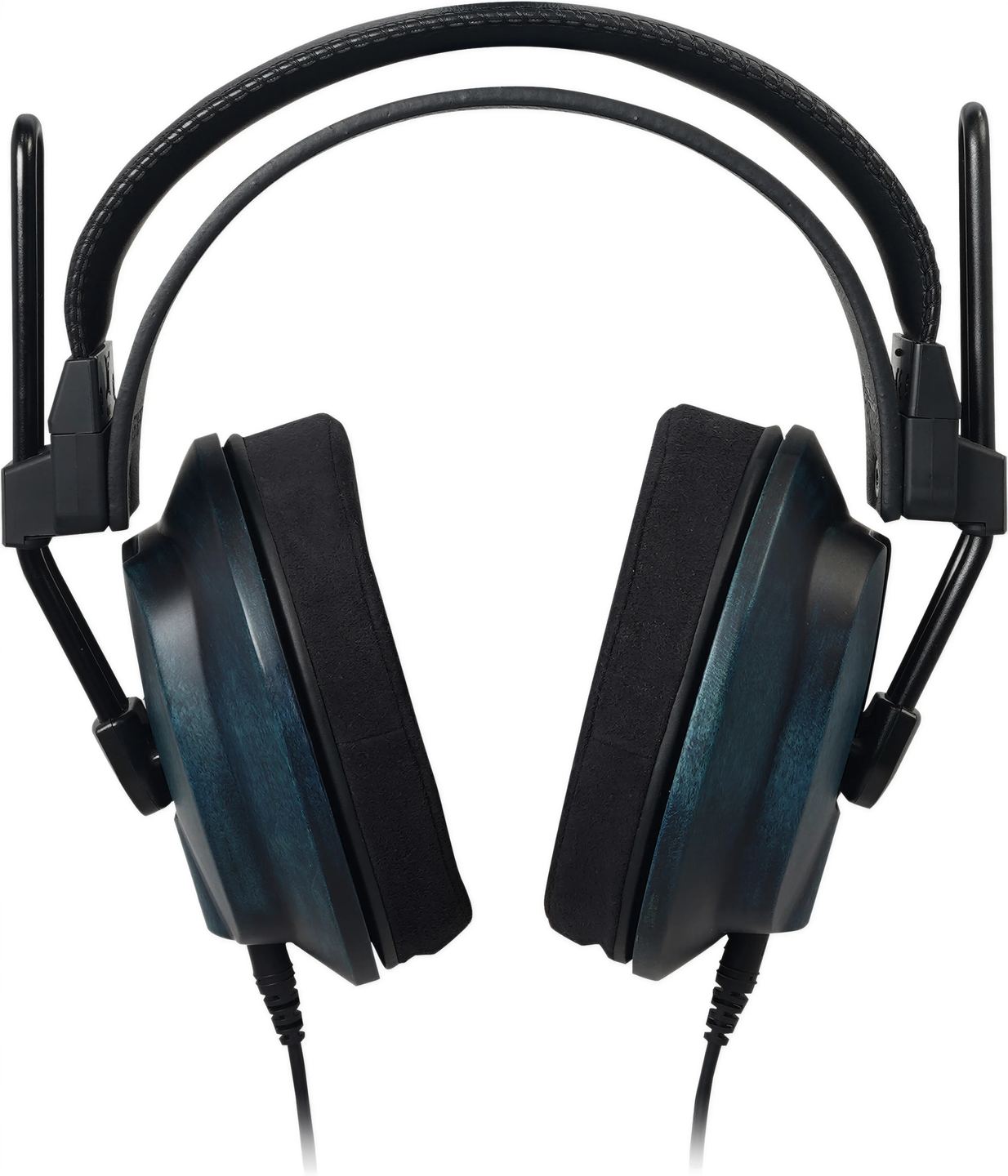
Whereas the standard T60RP Mk2 offers Ultrasuede earpads as an option, the Ai model includes them as standard. This non-woven material developed by Toray mimics the texture of suede while offering better breathability than synthetic leather. Against the skin, it feels soft and helps limit heat buildup during long listening sessions.
The circumaural earpads use memory foam that conforms to the shape of the ears. Fostex highlights their acoustic contribution: a smoothed frequency response, particularly in the bass range, with a character described as soft and refined.
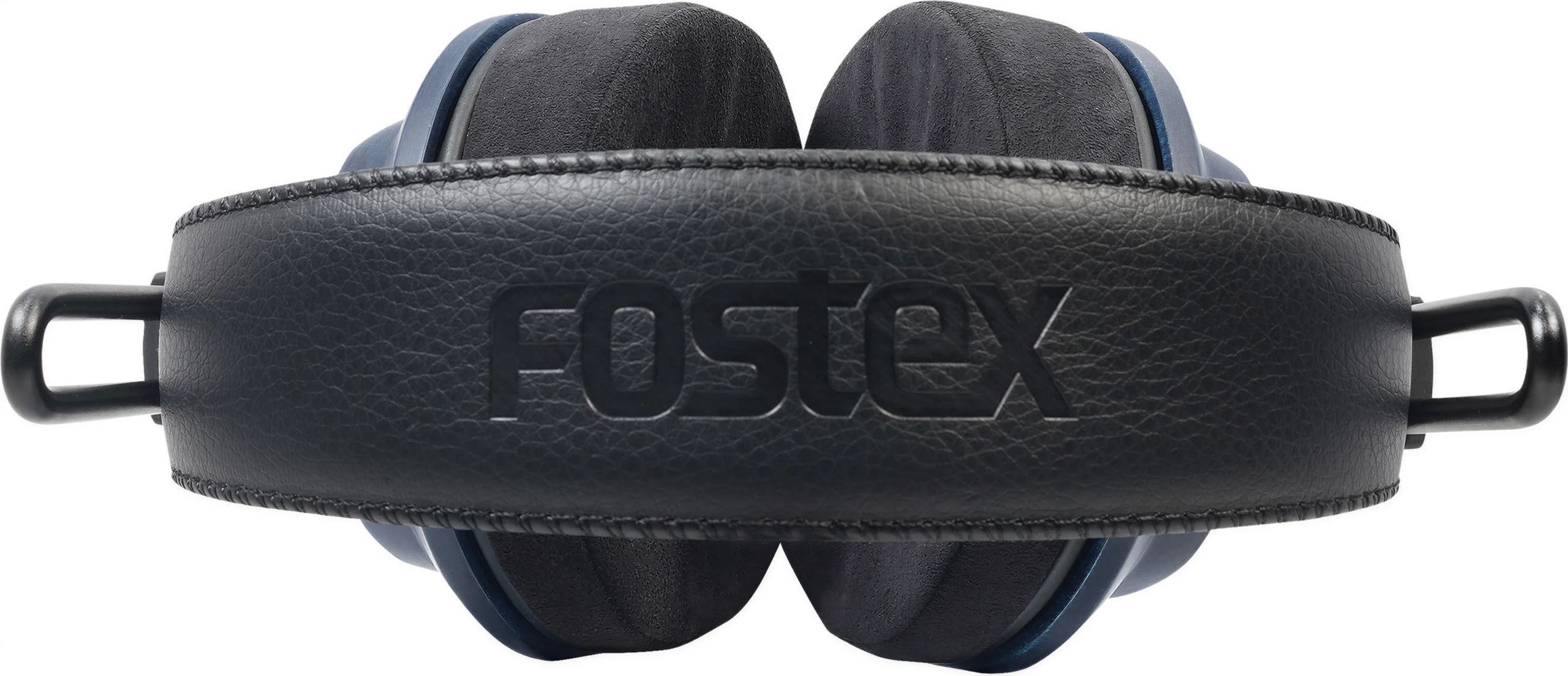
The headphone weighs about 398 grams without the cable. The genuine leather headband distributes the weight across the top of the head, while the metal arms allow fine adjustment of the height. The clamping force remains moderate, which favors comfort but results in limited sound isolation an inherent characteristic of the semi-open design.
Semi-open construction and soundstage
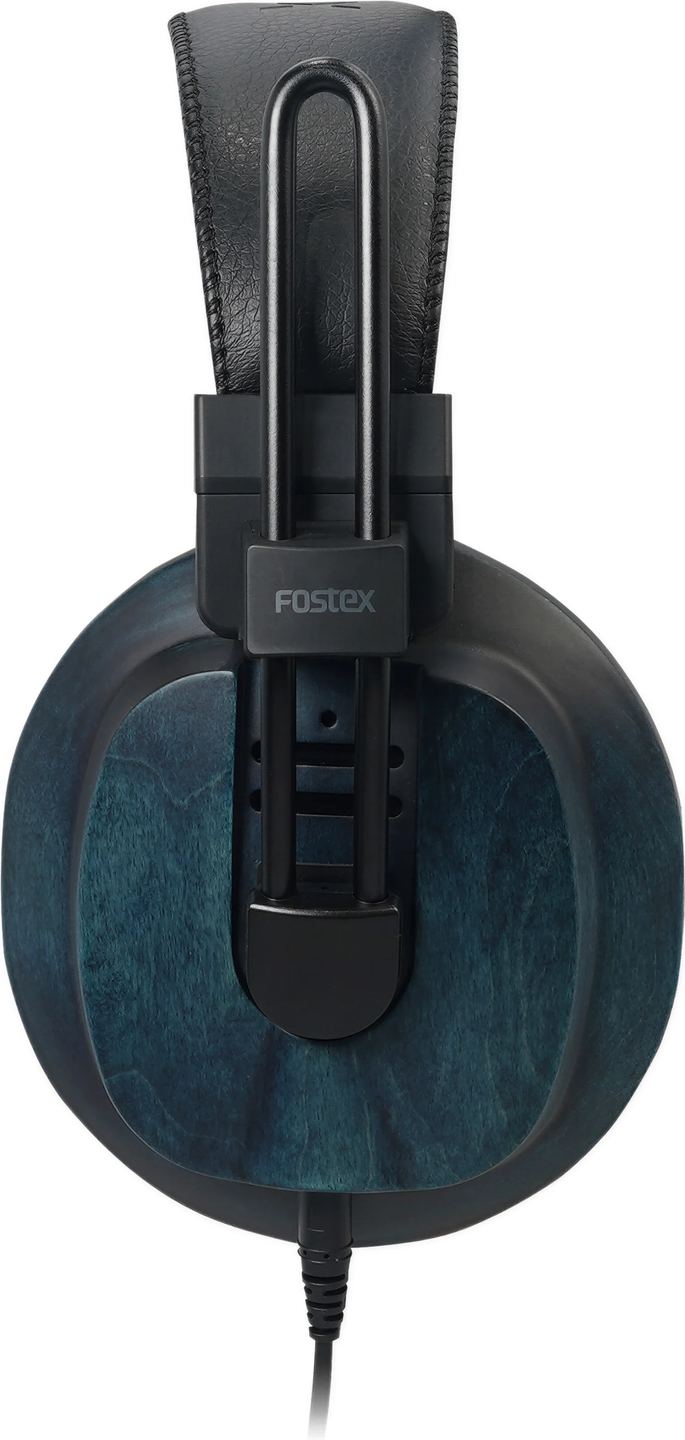
The semi-open design of the T60RP Mk2 Ai is evident in two ventilation slots located on the top of each cup. This partial opening affects both isolation and spatial rendering. External noise attenuation is modest, and some sound leaks out into the environment this model is not suitable for shared spaces where discretion is required.
In return, the soundstage is more open than with a closed-back headphone. Spatial reproduction and source separation benefit from this ventilation, offering instrument placement described as precise and a natural stereo image. The sonic signature leans toward warmth, with forward mids and ample bass, rather than strict analytical neutrality.
Japanese assembly and natural variations
Unlike other T60RP series models manufactured in China, the Mk2 Ai is assembled in a Fostex factory in Japan. This domestic production is in keeping with a product that showcases Japanese craftsmanship.
The very nature of the materials used implies variations from one unit to another. Solid wood displays differences in grain, shade, and occasionally small knots. The indigo dyeing process amplifies these variations: pigment penetration depends on the structure of each individual piece of wood. Fostex specifies that these differences do not affect sound quality, and the left and right cups of the same headset may exhibit slightly different textures.
Documentation
Technical specifications
Acoustic technology
- 4th-generation Regular Phase (RP) planar magnetic driver
- Full-surface driven planar diaphragm
- Increased number of magnets for optimal magnetic flux distribution
- Redesigned printed coil pattern
- Enlarged and more uniform vibrating surface
- Elimination of unwanted resonances
- Acoustic performance
- Increased sensitivity: 96 dB / mW
- Extended frequency response: 10–40000 Hz
- Excellent transient response
- Precise soundstage and accurate spatial reproduction
- Smooth, balanced response suitable for reference listening
- Full in-house driver production by Fostex
Construction and materials
- Solid hard maple housing
- Selected for its high density and stable acoustic characteristics
- Dyed with traditional Awa indigo (Hon-Ai)
- Natural plant-based indigo, historically used in prestigious Japanese dyeing
- The same pigment used in Hokusai’s Thirty-six Views of Mount Fuji
- Complex artisanal process
- Controlled fermentation of the dye
- Fine-tuned dye concentration
- Sensitive to climatic conditions
- Variable absorption depending on the wood grain
- Unique aesthetic result
- Deep, natural indigo color highlighting the maple grain
- Each housing is unique due to natural variations in the wood
- Hand finishing by artisans in Tokushima
- Assembly carried out in Japan
Cabling and connectivity
- Internal 7N high-purity oxygen-free copper (OFC) wiring
- 99.999999% purity
- Identical to Fostex high-end models
- Highly transparent signal path with minimal impurities
- Connectors: 2-pole 3.5 mm jack sockets on each earcup
- Allows easy recabling
- Included cable: dual 3.5 mm (2-pole) jack to 3.5 mm (3-pole) stereo jack, 2 m length
- Optional 4.4 mm balanced cable available (reference ET-RP4.4BL2Y)
Comfort and ergonomics
- Ultrasuede earpads supplied as standard
- Soft and comfortable
- Acoustically consistent
- Smooth, refined frequency response from bass to treble
- Long-lasting comfort for extended listening sessions
Detailed specifications
- Type: semi-open with Regular Phase (RP) planar magnetic driver
- Driver: 4th-generation Regular Phase planar magnetic
- Impedance: 28 Ω
- Maximum input power: 3000 mW
- Weight: approx. 398 g (without cable)
Included accessories
- Dual 3.5 mm (2-pole) jack to 3.5 mm (3-pole) stereo jack cable, 2 m length
- 3.5 mm to 6.3 mm jack adapter
- Carry pouch
- Safety documentation
Frequently asked questions
What is the main difference between the T60RP Mk2 and the T60RP Mk2 Ai?
The Mk2 Ai stands out with its indigo-dyed hard maple cups (versus black walnut for the standard Mk2), its 7N OFC copper internal wiring, its Ultrasuede earpads supplied as standard, and its assembly in Japan. Both models share the same fourth-generation RP driver.
Does this headphone require a dedicated amplifier?
With an impedance of 28 ohms and a sensitivity of 96 dB/mW, the T60RP Mk2 Ai can be used satisfactorily with a smartphone or a standard audio interface. However, a headphone amplifier will provide more dynamics and control, especially at higher volumes.
Are the earpads replaceable?
Yes, the Ultrasuede earpads can be replaced when they wear out. Fostex offers compatible replacement pads. Third-party pads with similar dimensions may also be suitable.
How much sound isolation does this headphone provide?
The semi-open design limits passive isolation. Ambient sound remains partially audible, and some of the music leaks out. This model is better suited to use in a quiet environment than on the move.
Is a balanced cable included?
No, the supplied cable is unbalanced with a 3.5 mm jack termination. The 4.4 mm Pentaconn balanced cable (ET-RP4.4BL2Y) is available separately.
Does the indigo dye affect the durability of the wood?
The Hon-Ai process uses natural pigments that penetrate the wood fibers without forming a surface layer. Fostex recommends regularly wiping the cups with a dry cloth to remove sweat or skin oils, which can alter the finish over the long term.
What accessories are supplied with the headphone?
The T60RP Mk2 Ai comes with a 2-meter cable with dual 3.5 mm connectors, a 6.3 mm jack adapter, a carrying pouch, and safety documentation.
- Eco-contribution included in the sale price.
- GTIN / EAN: 4995090310596