

Apple Spatial Audio Format (ASAF): (yet) another new immersive audio format
23 July 2025

Contents
Immersive audio is constantly evolving, driven by the pursuit of more realistic and enveloping experiences. At WWDC 2025, Apple introduced the Apple Spatial Audio Format (ASAF), a new format designed to enhance sound spatialization across its platforms. This initiative comes at a time when Dolby Atmos dominates the market, but competition is intensifying with solutions like Google’s Eclipsa Audio and Samsung.
A Format Developed for the Apple Ecosystem
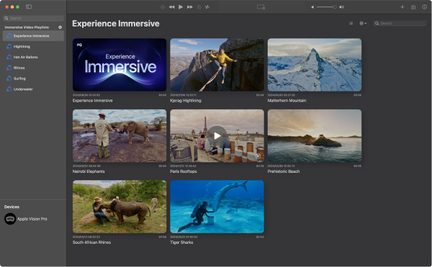
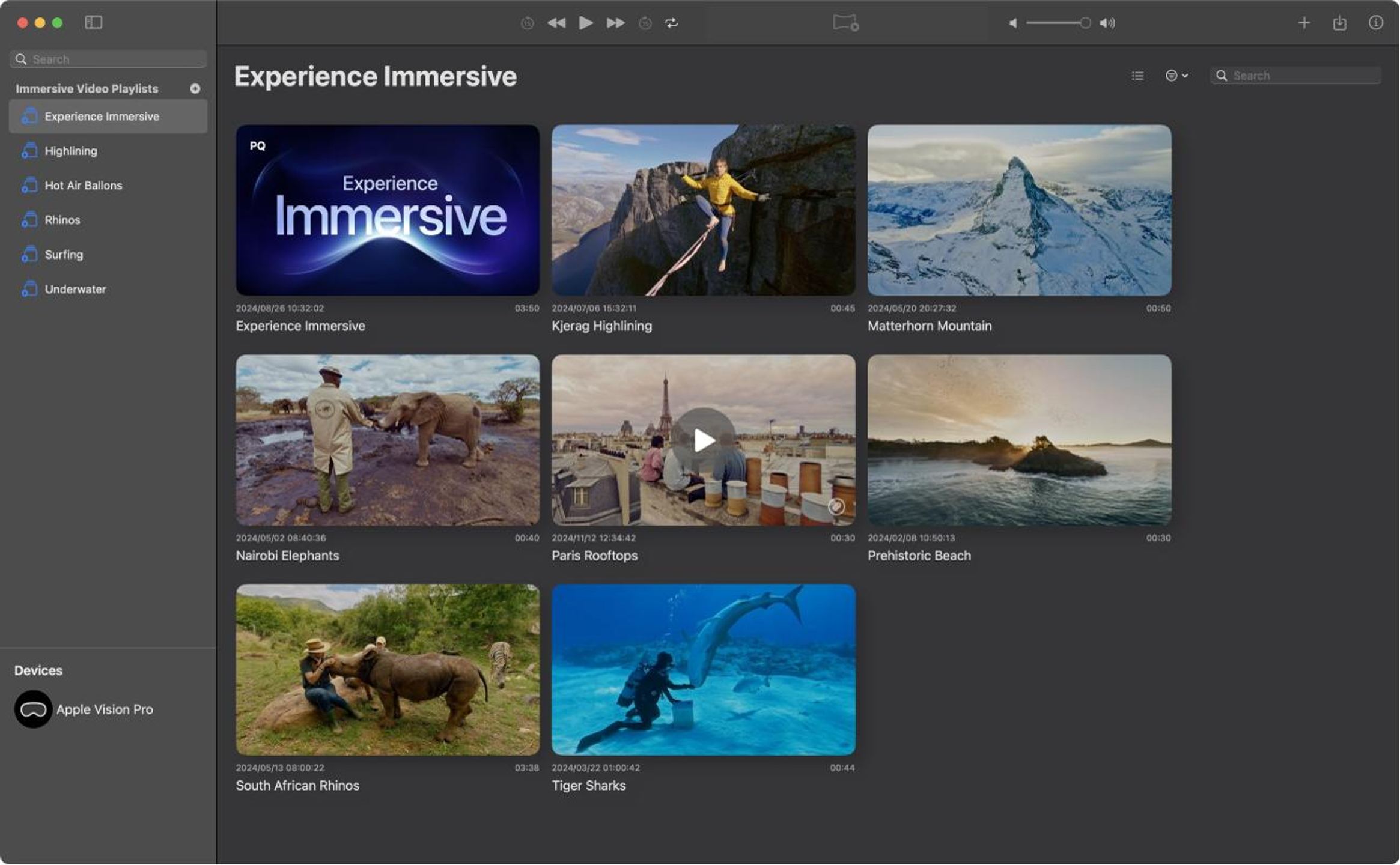
ASAF was not unveiled during the main keynote, but rather in a technical session aimed at developers. This approach reveals its primary target: creators of immersive content, particularly for visionOS, the operating system of the Vision Pro headset. The format also works with iOS, iPadOS, tvOS, and macOS, but is not available on watchOS.
ASAF’s architecture is built around two components:
- The ASAF format: positions sound elements in a three-dimensional space using advanced metadata and dynamic spatial rendering integrated into Apple platforms.
- The APAC codec (Apple Positional Audio Codec): encodes and streams ASAF content efficiently, maintaining high quality even at low bitrates (starting at 64 kbps).
Technical Features and Capabilities
ASAF stands out for its ability to adapt sound rendering in real time, based on the user’s head movements and the position of virtual objects in the environment. The format manages numerous sound diffusion points, high-resolution ambisonic scenes, and dynamically adjusts volume, echo, and reverb to create a natural sound space.
Unlike formats where spatialization is fixed during mixing, ASAF offers continuous adaptation: sound comes from all directions, at varying distances, and adjusts to the movements of the user or virtual objects.
Integration with Dolby Atmos
ASAF does not aim to replace Dolby Atmos, but to integrate and enhance it. It can embed Atmos content within the ASAF container, adding extra features such as dynamic adjustments linked to the virtual environment or user movements. This hybrid approach allows creators to choose the format best suited to their project while benefiting from Apple’s advancements in spatialization.
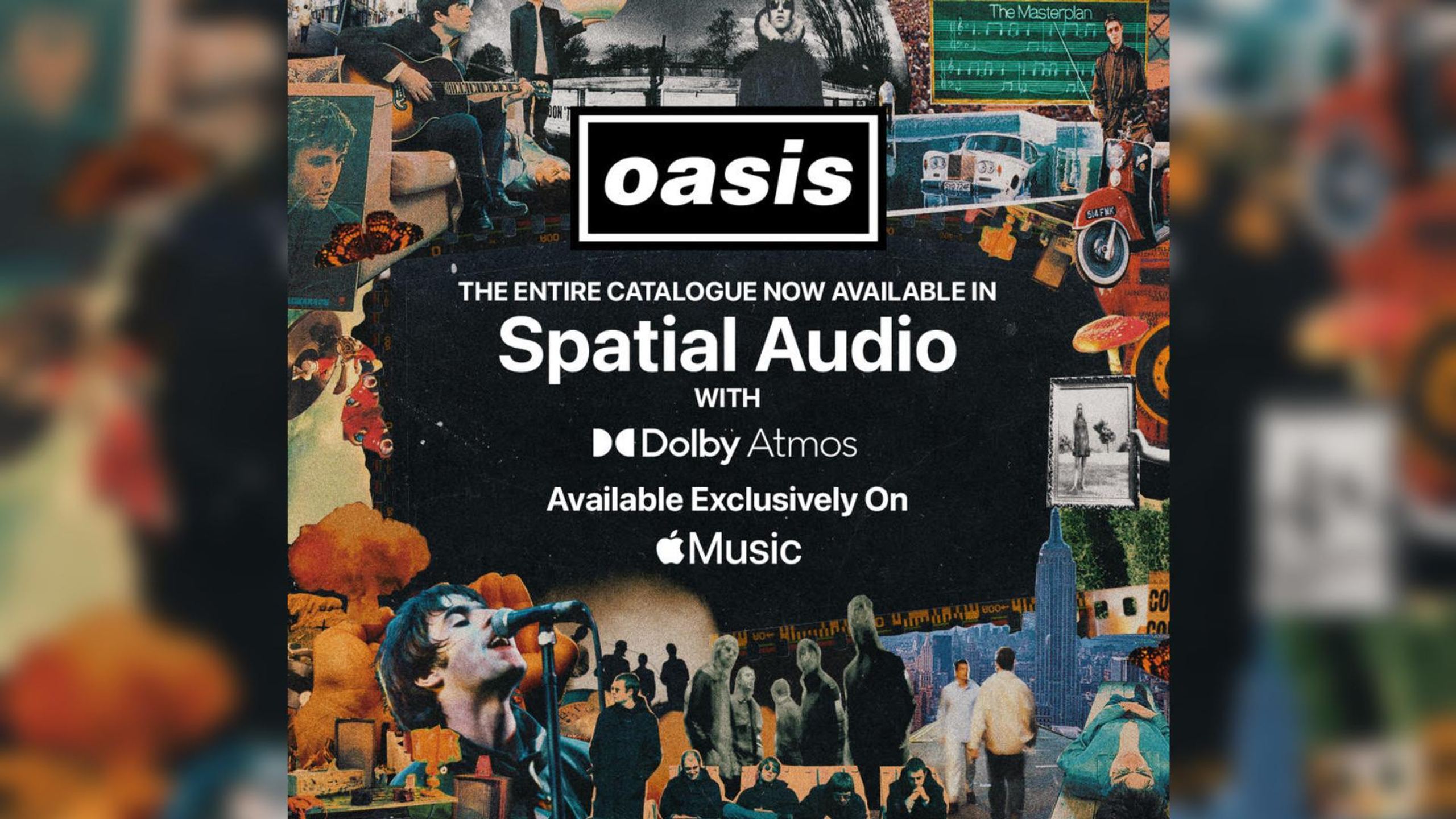
However, ASAF compatibility remains limited to the Apple ecosystem. Content produced in this format cannot be played on competing platforms, restricting its distribution to Apple devices.
Popular products

You may also like to read
 PCM, Bitstream or Auto, which audio setting should you choose on your TV?Tutorials and practical guides
 Can a projector really replace a TV for everyday use?Comparisons and buying guides
 What are the best OLED TVs in 2026?Comparisons and buying guides
 Samsung S95H or Panasonic W95C: which TV should you choose in 2026?Comparisons and buying guides
 Tandem OLED: what is it and which TVs use it?Concepts and technologies
 The best network audio players in 2026: buying guide and comparisonComparisons and buying guides


