Sensitivity, Impedance, Efficiency: The Complete Guide to Reading a Speaker Spec Sheet
September 02, 2025
Contents
Choosing a speaker isn’t just about listening to a model or checking its design. Spec sheets provide a wealth of data that are essential to understand in order to make the right choice for your setup, your amp, your room, and your use case. This guide details the main technical parameters to know, so you can read a speaker spec sheet with confidence and precision.
Sensitivity: sound output per watt
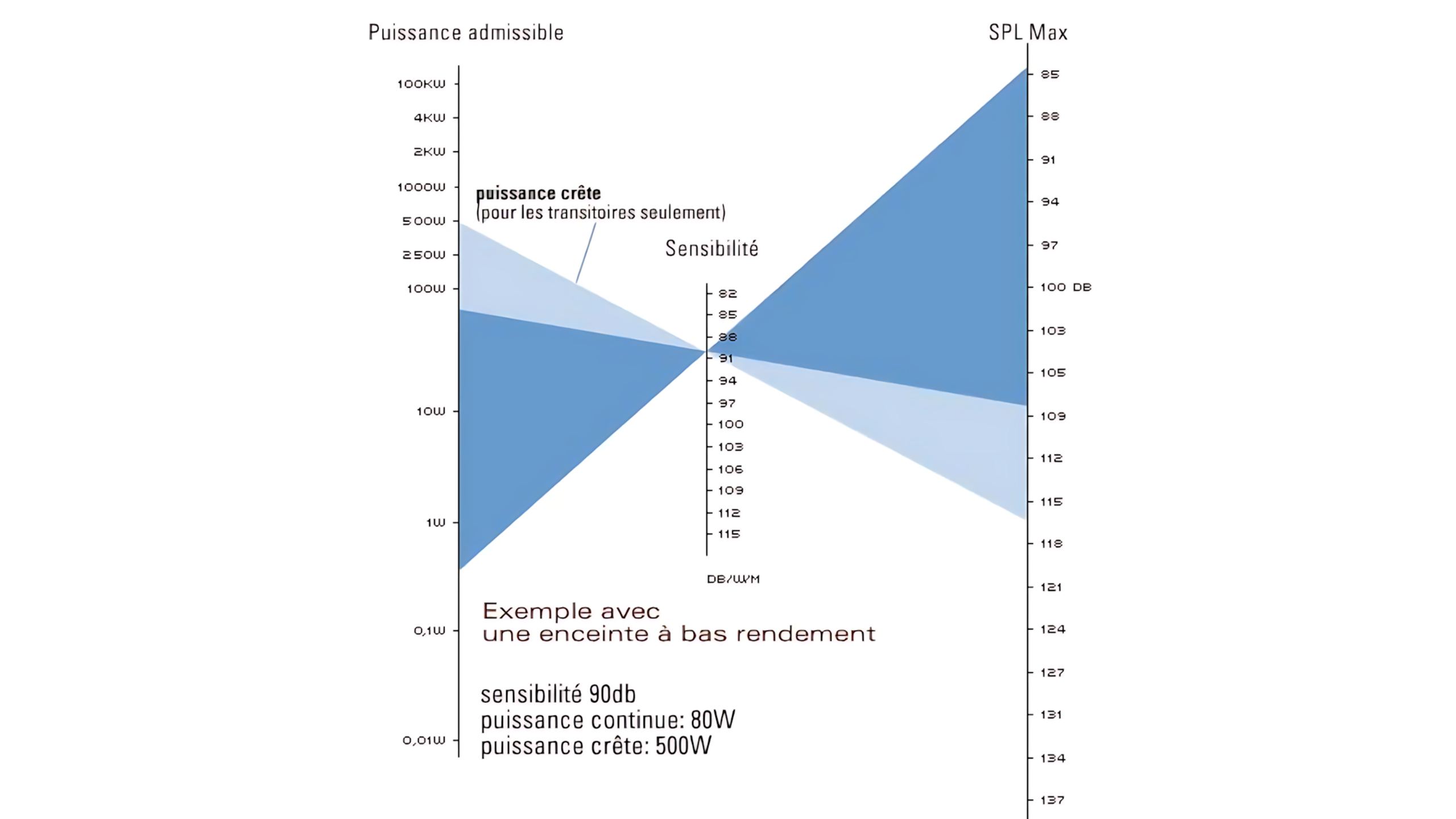
Sensitivity indicates the sound level (in decibels, dB) produced by the speaker when it receives 1 watt of power, measured at a distance of 1 meter.
- The higher the sensitivity (often between 85 and 95 dB), the less powerful an amplifier you need for a given volume.
- At equal power, a speaker with higher sensitivity will sound louder.
- In practice, doubling the power increases the sound level by 3 dB.
Impedance: electrical compatibility with the amp
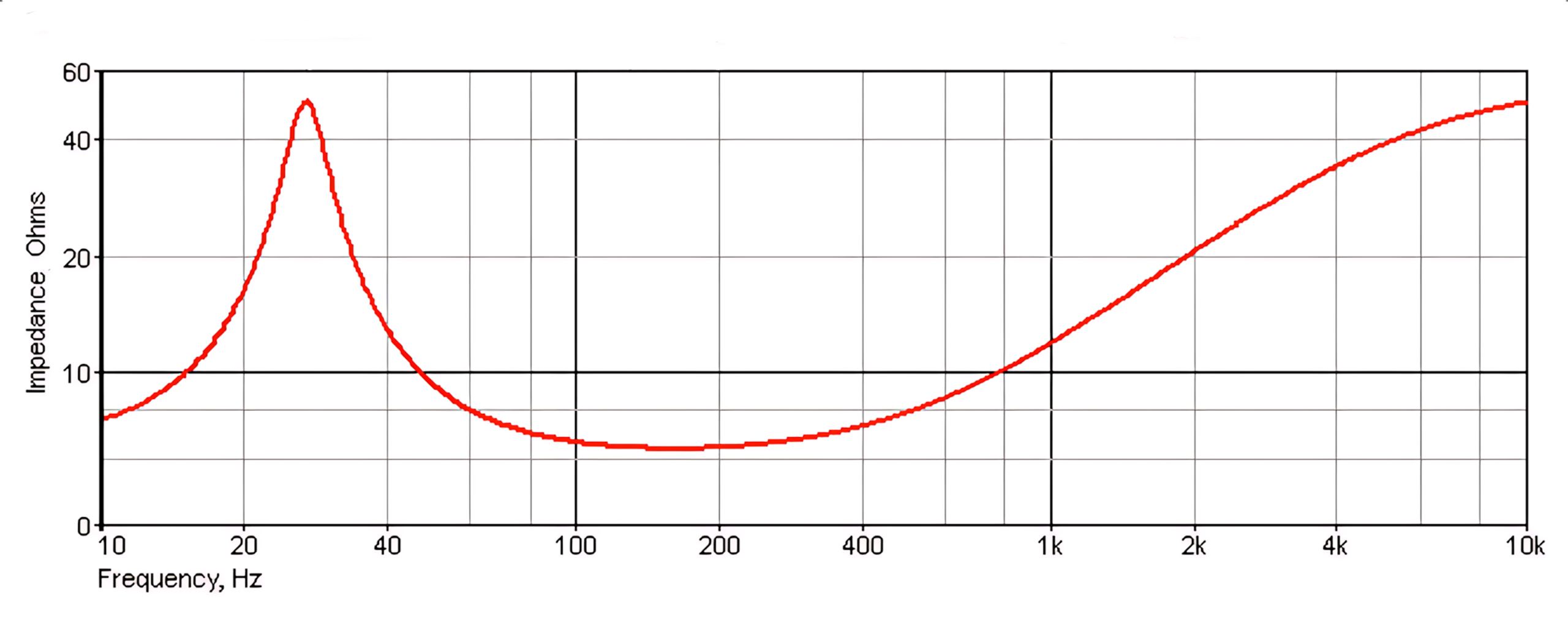
Impedance (expressed in ohms, Ω) corresponds to the electrical resistance to the audio current.
- Speakers often have a nominal impedance of 4 or 8 Ω.
- Low impedance (e.g., 4 Ω) demands more current from the amp, which must be able to handle it without overheating.
- Higher impedance (e.g., 8 Ω) is easier for the amp to drive but can limit maximum volume.
Caution: depending on the signal frequency, real impedance can vary (often between 2.6 and 8 Ω depending on speaker models). Your amp must be compatible to avoid overheating or distortion risks.
Efficiency: real-world conversion effectiveness
Efficiency closely tracks sensitivity. It expresses the speaker’s ability to convert electrical power into sound pressure.
- An efficiency above 90 dB is considered high, making it easier to listen at higher volumes with a modest amp.
- Low-efficiency speakers require a beefier amp to achieve the same loudness.
- This parameter influences dynamics, liveliness, and overall “punch” in listening.
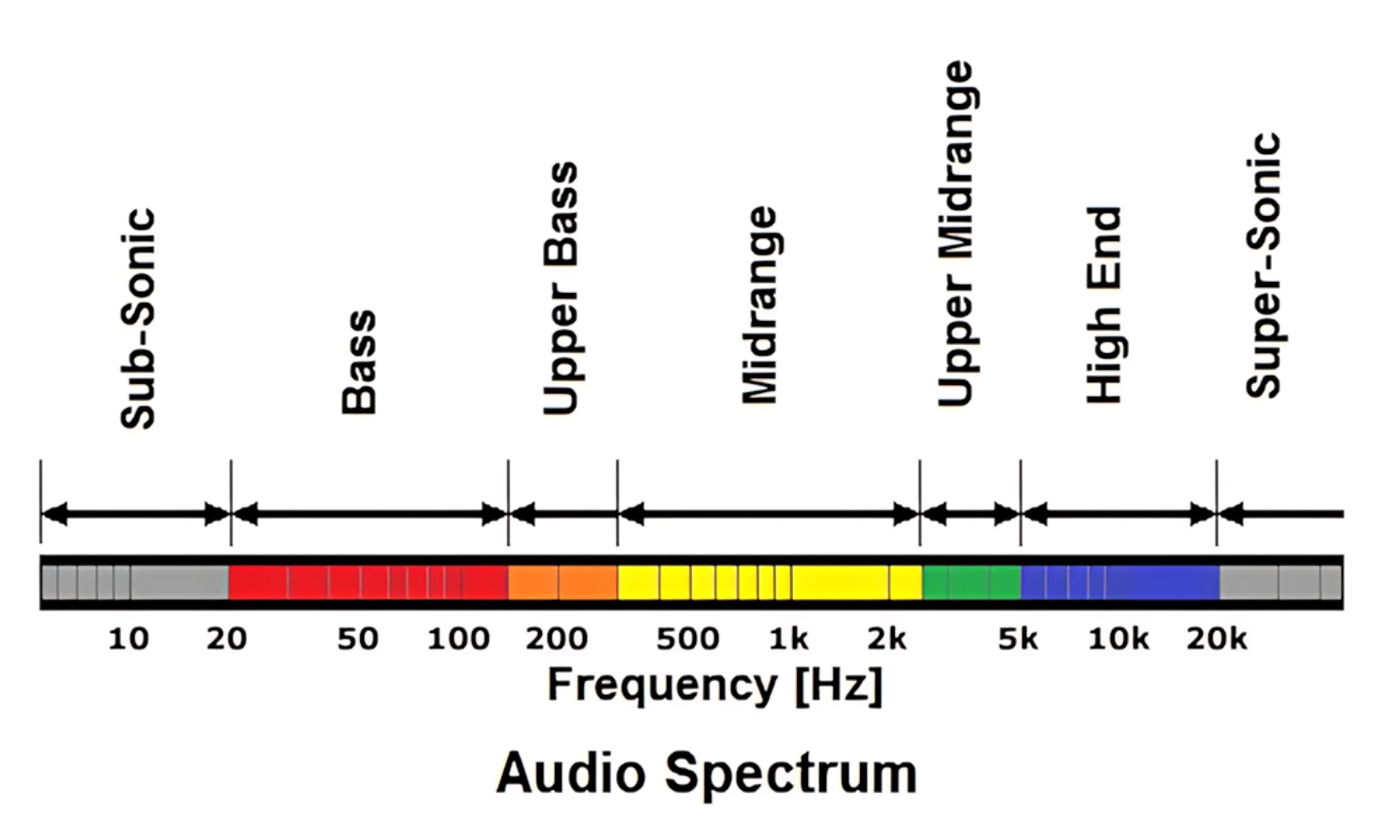
Frequency response: the covered sound range
Frequency response (in Hertz) indicates the range of frequencies the speaker can reproduce, often shown as a span, for example: 40 Hz – 20 kHz.
- The lower number corresponds to low frequencies (bass). The lower it goes, the deeper the bass reproduction.
- The higher number gives the extension of the high frequencies (treble).
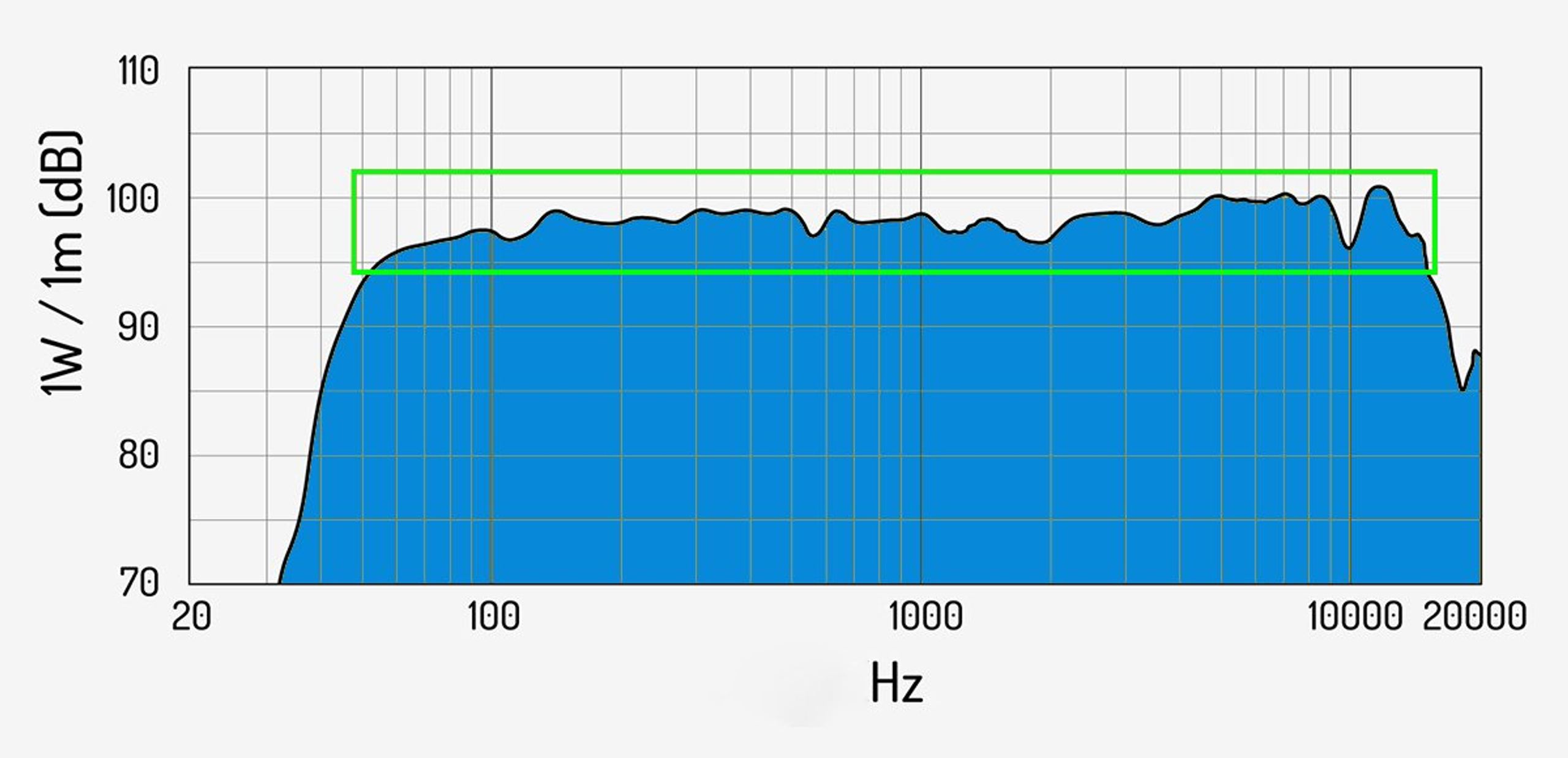
- It’s often accompanied by a tolerance in dB (e.g., ±3 dB), which indicates how even the sound is across the range.
- A wide, smooth response is a sign of rich, balanced sound.
Power handling: protect your speakers and your amp
Power handling indicates the maximum power (in watts) the speaker can tolerate without damage.
- Your amp should be able to deliver compatible power—neither too low (risk of clipping-induced distortion) nor too high (risk of overheating).
- This rating is generally given in RMS (continuous power) and peak (temporary maximum power).
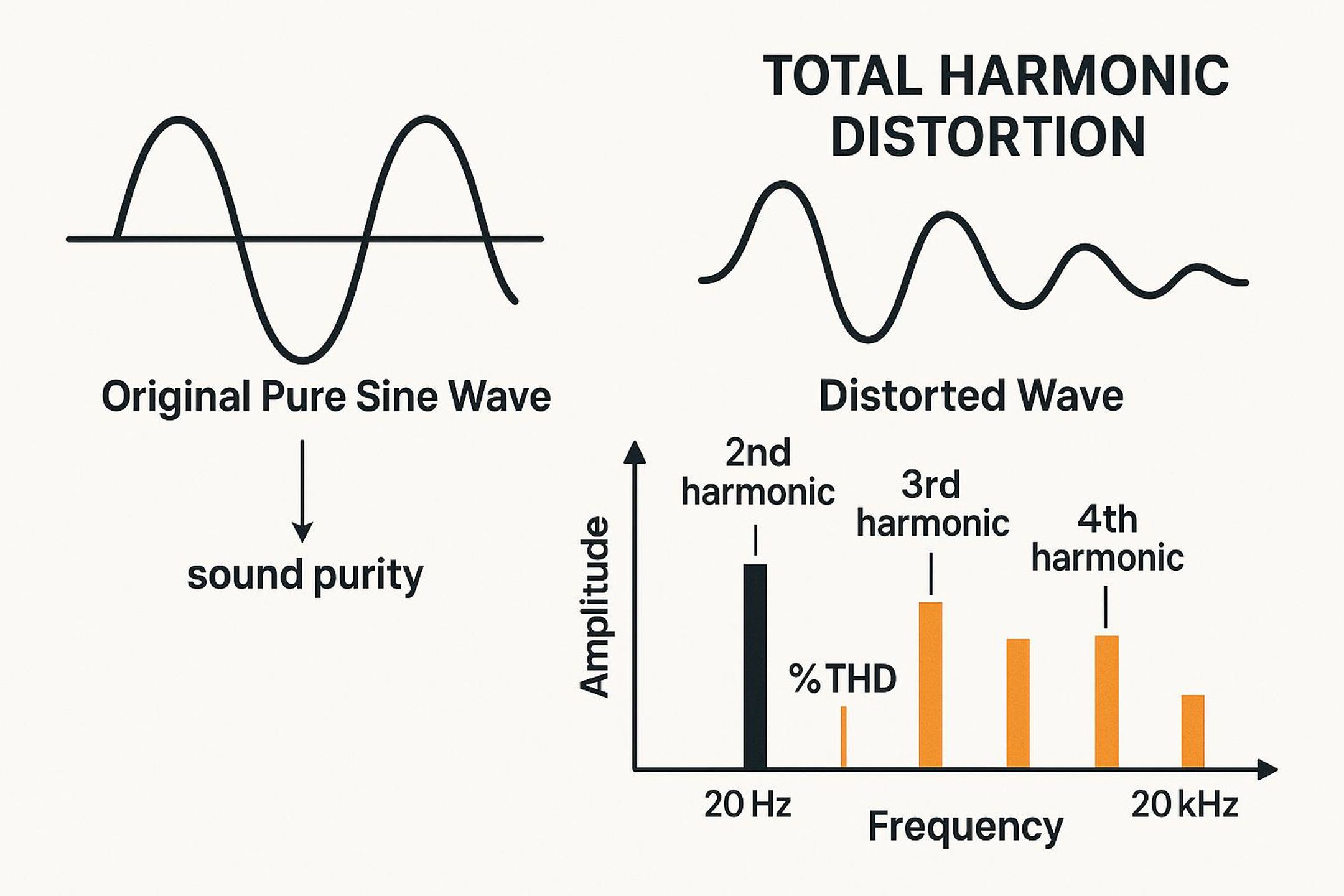
Total harmonic distortion (THD): sound purity
Total harmonic distortion (THD) represents how much the audio signal is altered, expressed as a percentage.
- Low THD (generally < 1%) ensures clear, faithful sound.
- High THD often means less clean sound, especially at higher volumes.
Conclusion: mastering spec sheet reading
Each parameter on the spec sheet plays a fundamental role in the final listening quality. Understanding this information allows you to:
- verify compatibility with your amp,
- anticipate how the speaker will behave in your room,
- choose a model that truly matches your expectations and constraints.
The ideal approach is to balance these criteria according to your setup and always complement the technical reading with an in-store listening session—the real measure of sonic performance. If needed, stores can also provide advice on installation, speaker placement, and acoustic treatment to help you get the most from your system.
Popular products

You may also like to read
 Breaking in your new speakers: complete run-in guideTutorials and practical guides
 Tangent Spectrum II: the successful evolution of Scandinavian Hi-Fi speakersHi-fi and home cinema news
 Devialet Phantom Ultimate 2025: more powerful, more detailed, and better-connected speakersHi-fi and home cinema news
 Floorstanding or bookshelf speakers: which model for a 20 m² living room?Comparisons and buying guides
 EISA Awards 2025-2026: Which Products Won?Hi-fi and home cinema news
 Monitor Audio Bronze 7G: even better speakers, still just as affordableHi-fi and home cinema news