Which turntable to start with without making a mistake
August 18, 2026
Contents
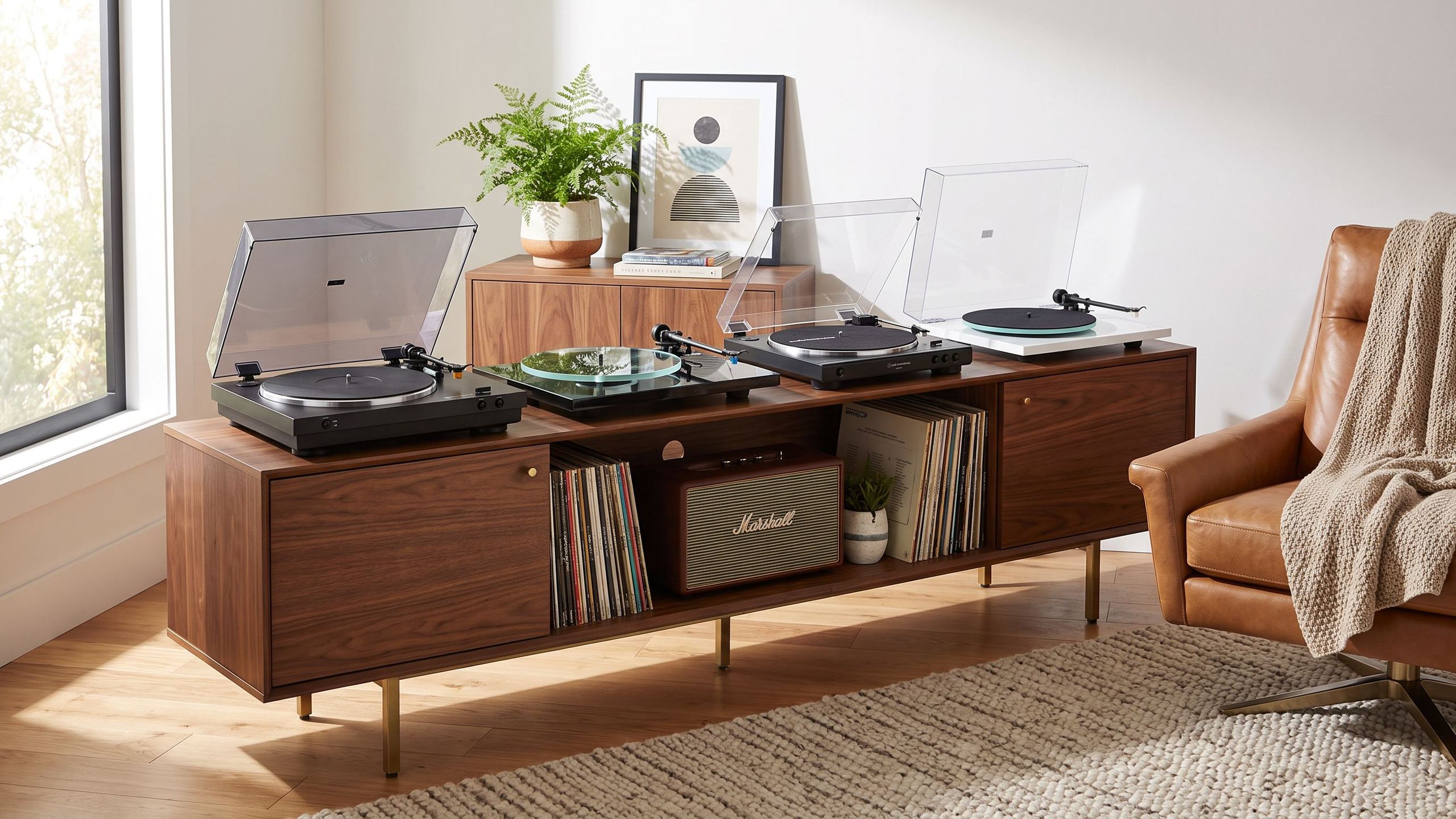
Faced with a range of turntables that all look alike, beginners rarely hesitate over the plinth colour. Instead, they get things wrong on points that are invisible at first glance: whether or not there is a preamp, whether the cartridge can be upgraded, and everyday ease of use. A turntable poorly matched to your system or your habits will eventually disappoint, even when it is a good one. Here are the decisions that truly matter when choosing your first vinyl turntable, and the models in our catalogue that address them.
→ Discover all vinyl turntables
Check the phono preamp first
It is the most common first-purchase mistake. The cartridge delivers a very weak signal, a thousand times lower than a standard line-level source, and one whose frequencies are unbalanced by the record-cutting process itself. A phono preamplifier corrects this balance according to the RIAA curve and boosts the signal to a usable level. Without it, connecting the turntable to a line input produces almost no sound.
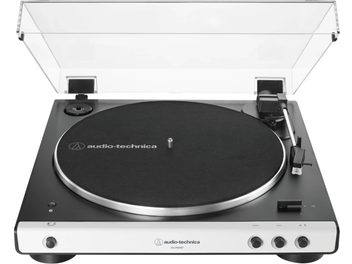
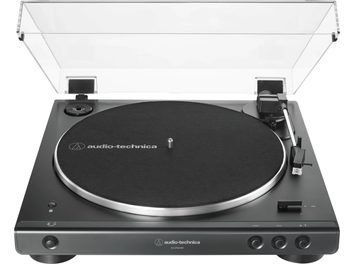
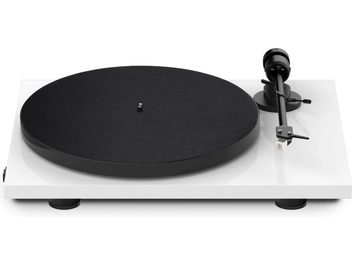
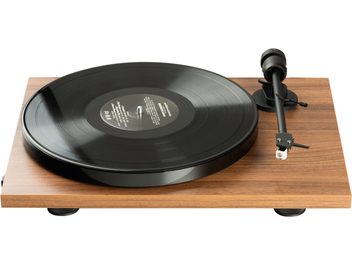
There are three configurations. Some turntables include this preamp and connect to any line input on an amplifier or active speakers: the Pro-Ject E1 Phono (€329), the Dual CS 329 (€399) and the Audio-Technica AT-LP60XBT (€179) all feature a switchable phono stage. Second case: your amplifier already has a dedicated phono input, identifiable by its label and ground terminal; again, there is nothing to add. Third case: neither the turntable nor the amplifier provides this function, in which case you need an external phono preamp, starting at around fifty euros.
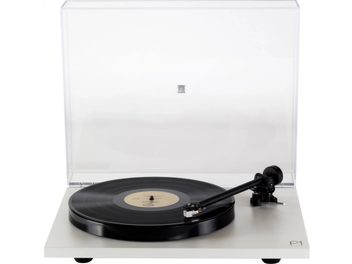
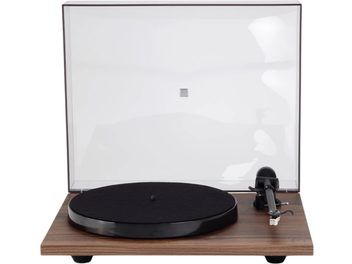
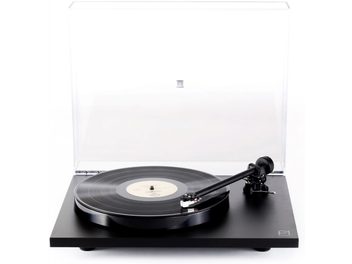
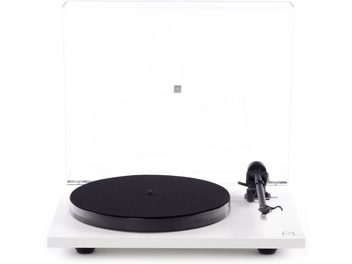
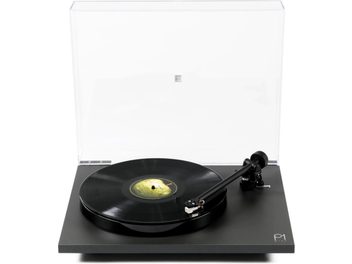
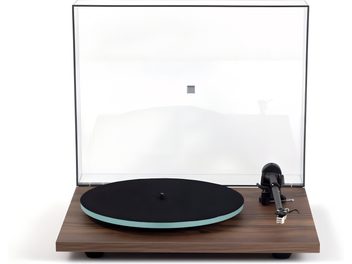
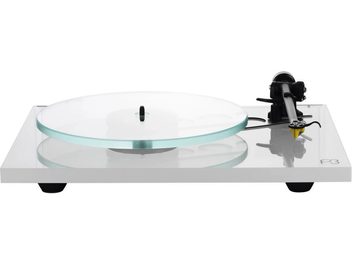
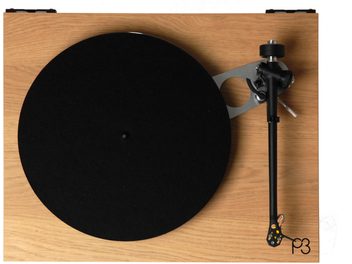
This point explains a Rega choice that can sometimes be confusing. The Planar 1 (€369) deliberately includes no preamp: the brand considers that this addition harms the sound. It therefore requires an amplifier with a phono input, or a separate preamp. If you do not have one, the Planar 1 Plus (€445) uses the same turntable with an integrated phono stage, ready to connect anywhere.
Automatic or manual, depending on your habits
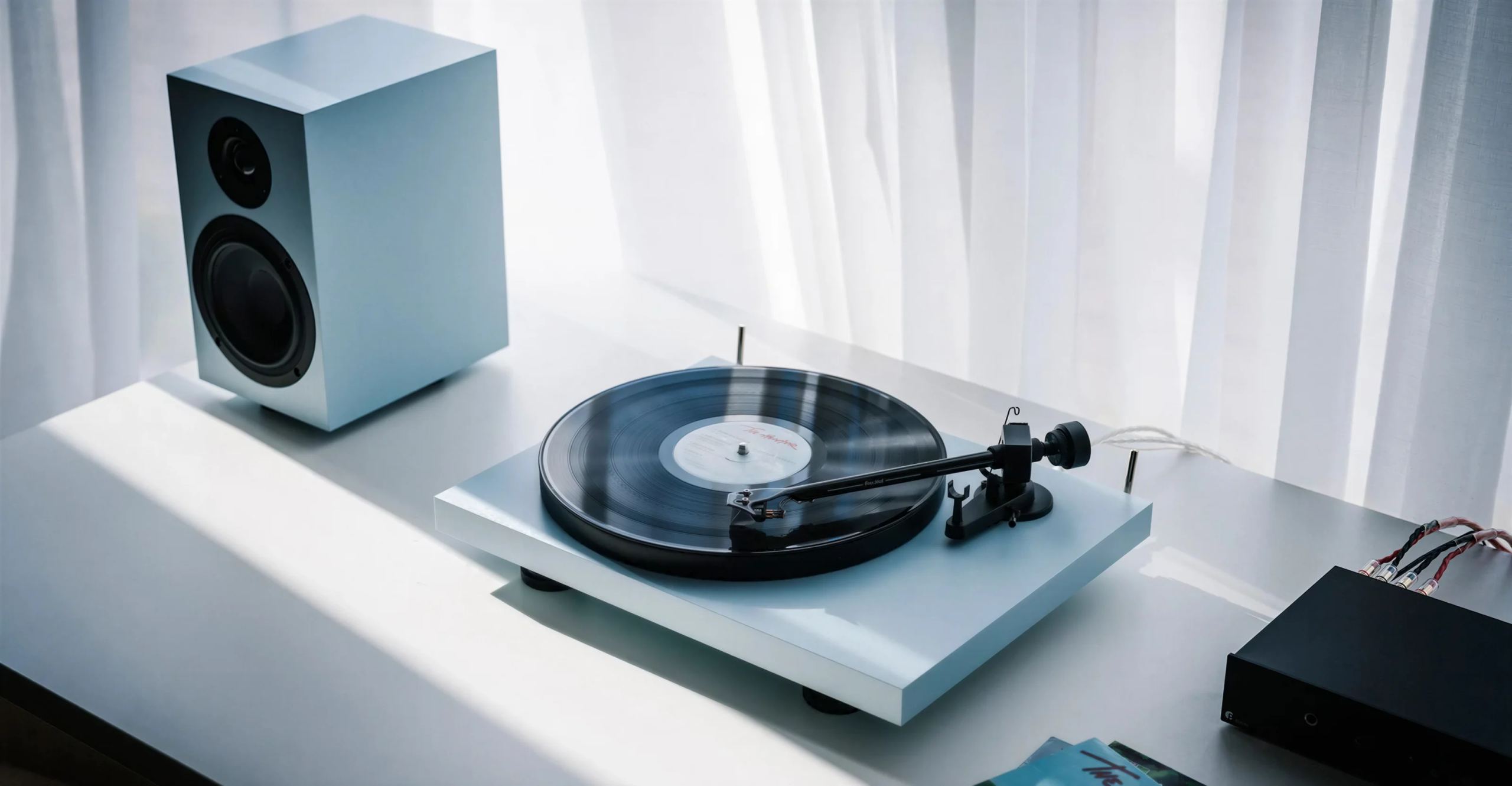
With a manual turntable, you place the stylus at the beginning of the record yourself and lift the tonearm at the end. This is how Rega and Pro-Ject E1 and T1 turntables operate. The gesture is part of the vinyl ritual, but it has a downside: if you leave the room while the record plays to the end, the stylus remains in the run-out groove and wears out for no reason.
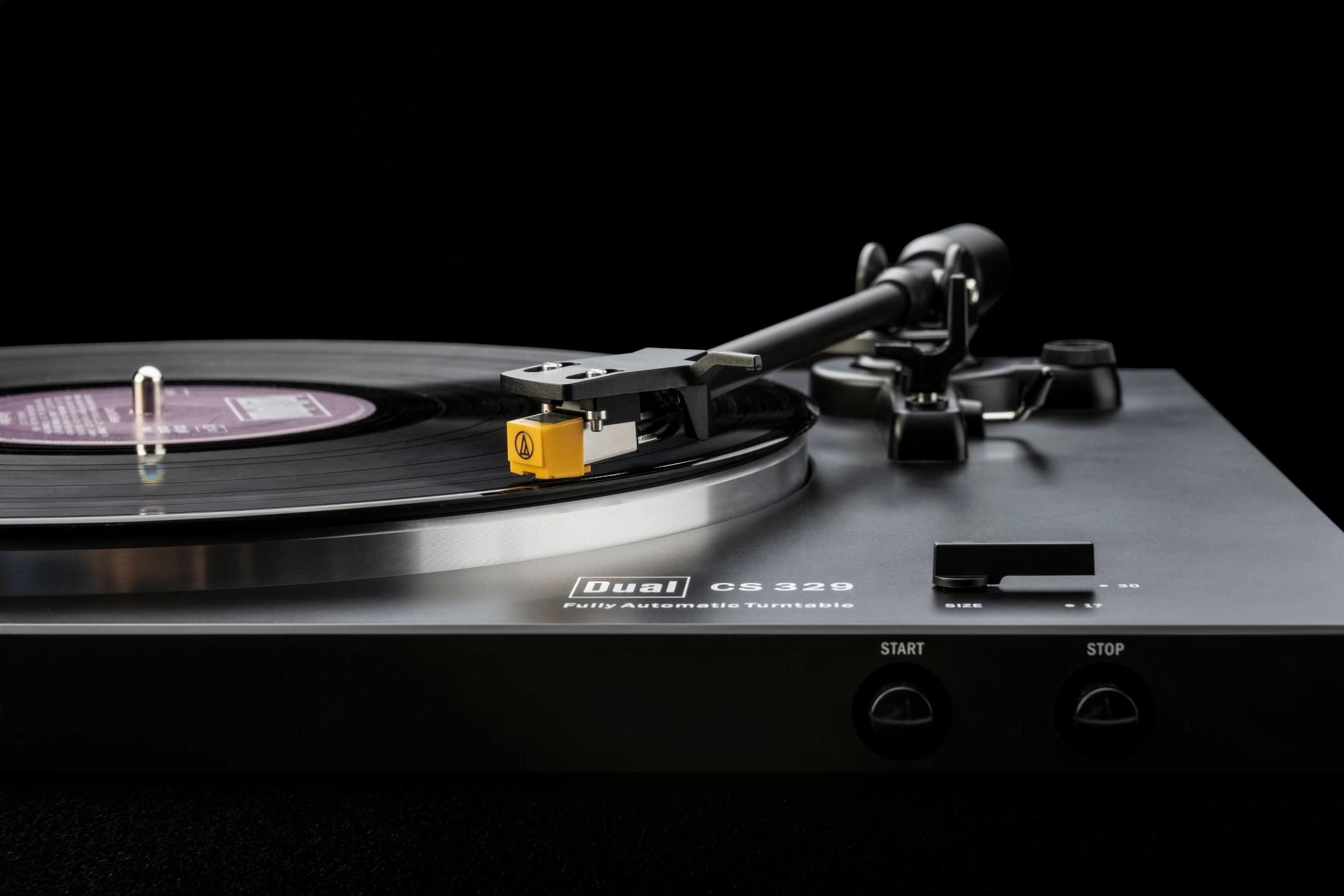
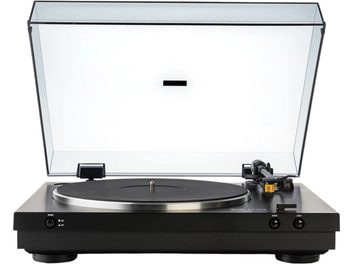
An automatic turntable avoids this pitfall. The Dual CS 329 handles the entire cycle: you place the record, press Start, the tonearm positions itself, plays the side, then lifts and returns to its resting position. The Audio-Technica AT-LP60XBT also lifts the tonearm on its own at the end of the record. This convenience is reassuring when children are around the turntable or when music is playing in the background while you do something else.
Neither approach is inherently better. If you enjoy handling the tonearm, a manual model will suit you. If you want to put on a record and forget about it, the Dual CS 329’s full automation settles the matter.
Belt drive or direct drive
On a turntable, belt drive connects the motor to the platter with an elastic belt that absorbs vibrations before they reach the record. Most home listening turntables work this way, from Rega to Pro-Ject and the Dual CS 329. Direct drive places the motor beneath the platter, with no intermediary: speed is reached almost instantly and maintained with great consistency, two qualities sought after for mixing and scratching.
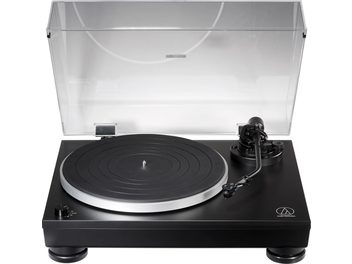
In our range, the Audio-Technica AT-LP5x (around €398) is one of the few direct-drive turntables at this price level, with the added benefit of a USB output for digitising records and 78 rpm playback. For a first turntable intended for listening, belt drive remains the default choice: simple, well isolated and inexpensive to maintain. With comparable build quality, the sonic differences between the two systems remain subtle.
The cartridge and room for improvement
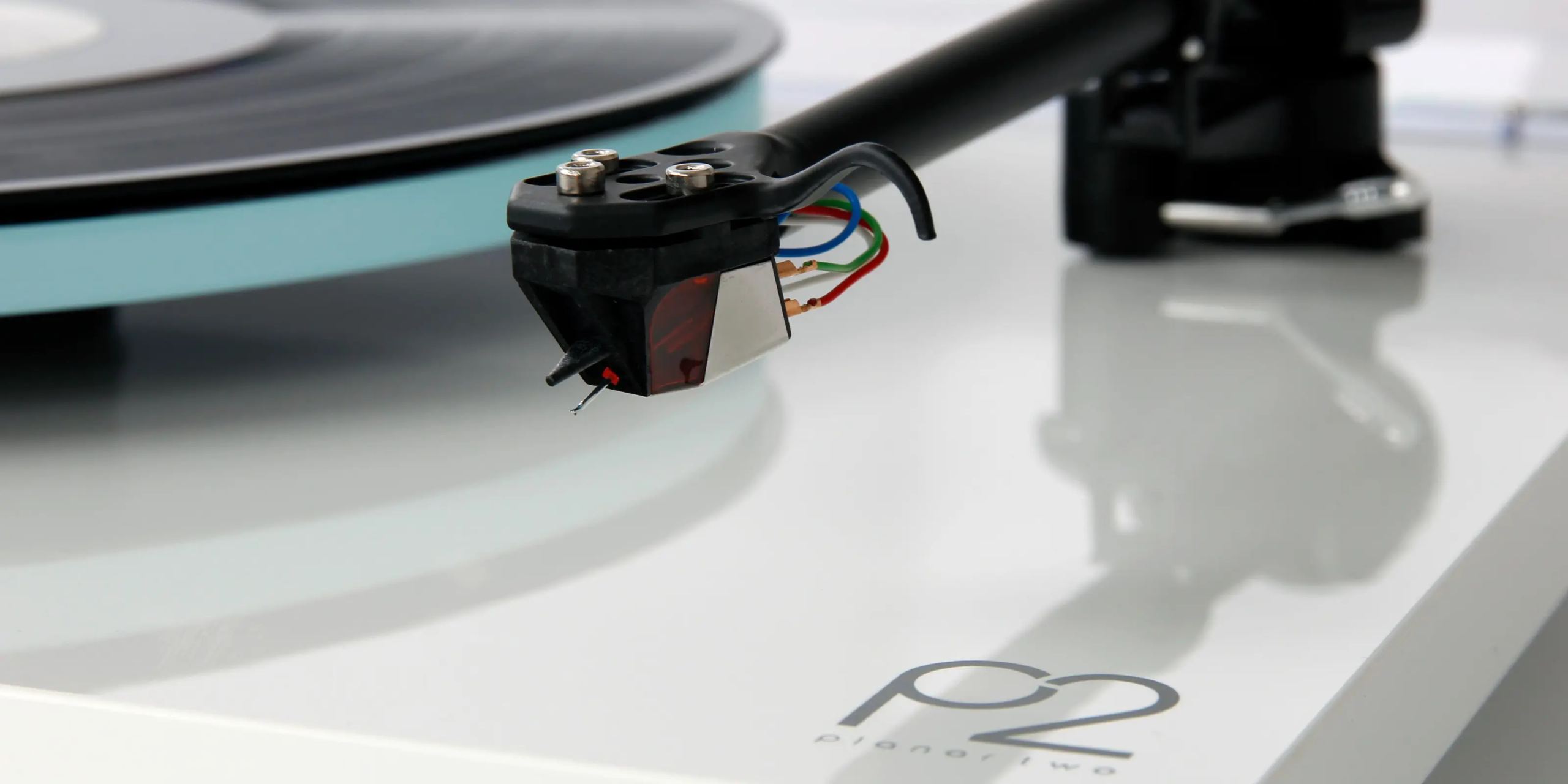
On a vinyl turntable, the cartridge converts the groove’s undulations into an electrical signal. Its diamond stylus physically touches the record, so it determines playback finesse. An elliptical-profile diamond follows the groove better than a conical profile and reproduces more detail. On good beginner turntables, the cartridge comes already fitted and factory-adjusted, avoiding any delicate handling.
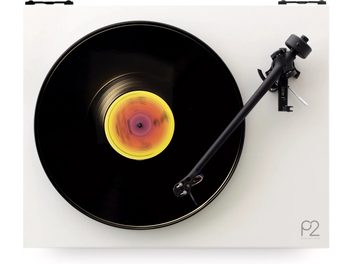
One question remains to be settled early: do you want to be able to upgrade the cartridge later? On the Rega Planar 1 and the Pro-Ject E1 Phono, it is not easily user-replaceable. If you already know that you will want to improve, two options are available. The Rega Planar 2 (€649) moves up to the RB220 tonearm, a glass platter and an adjustable counterweight, and allows cartridge replacement. The Audio-Technica AT-LP5x goes further in terms of simplicity: its VM95 cartridge body accepts six different styli, which can be clipped in within around twenty seconds without any adjustment. A stylus wears out after several hundred hours of playback, and being able to change it effortlessly extends the life of the turntable.
Match the turntable to the rest of your system
One final classic mistake: imbalance. Placing a €650 turntable in front of a mini hi-fi system, or connecting a €180 model to fine speakers, wastes money on one side and limits the result on the other. Aim for approximate consistency between the source, amplifier and speakers, without trying to apply the rule too rigidly.
Also consider the support. A turntable should sit on a stable, level surface, away from speaker vibrations. A piece of furniture that shakes or a sloping surface degrades playback far more than a cartridge change improves it.
The model that suits you
The right model depends above all on how you listen and what you already own. This table summarises the six turntables in our selection according to the profile each one suits.
| Your listening profile | Model | Price | What sets it apart |
|---|---|---|---|
| Rediscover records without adjustment | Audio-Technica AT-LP60XBT | €179 | Starts on its own, connects anywhere |
| Rediscover records without adjustment | Dual CS 329 | €399 | Automatic, more refined build quality, better playback |
| More refined yet simple listening | Pro-Ject E1 Phono | €329 | Factory-adjusted, switchable integrated preamp |
| Musicality, manual operation accepted | Rega Planar 1 | €369 (€445 in Plus version with preamp) | A reference at its price |
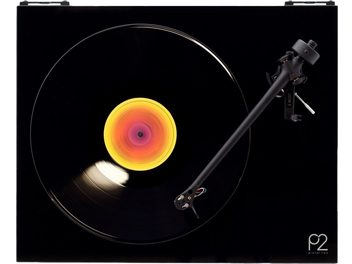
| Upgrade the cartridge later | Rega Planar 2 | €649 | RB220 tonearm, glass platter, replaceable cartridge |
| Upgrade the cartridge later | Audio-Technica AT-LP5x | around €398 | Direct drive, six clip-on VM95 styli, USB output |
Before ordering, the right instinct comes down to two questions: what do you already own (an amplifier with or without a phono input, active or passive speakers), and how do you listen (seated and attentive, or in the background)? The turntable follows from these answers, not the other way round. And if any doubt remains, our vinyl area in Compiègne lets you compare several models side by side before choosing.
Featured products




You may also like to read
 Turntable Speakers: The Complete Guide Before BuyingComparisons and buying guides
 Which Pro-Ject turntable to choose between E1, T1 EVO and T2?Comparisons and buying guides
 Rega Planar 6 RS: a turntable enhanced by components from the Planar 8Hi-fi and home cinema news
 Turntables 2026: which turntables for a budget of €400, €1,000, and €2,500?Comparisons and buying guides
 Review of the Audio-Technica AT-LP7X turntable: is it worth €799 compared with the competition?Product reviews
 Technics SL-1500CS: the turntable adopts Delta Sigma DriveHi-fi and home cinema news
 Why Choose a Rega Turntable: Benefits and Buying TipsComparisons and buying guides