

The different types of LED TV backlighting
15 April 2016
Contents
Let’s start at the beginning: TVs are actually LCD panels with liquid crystals that make up the pixels and colors of an image. However, a backlight is needed behind the panel to make the image bright and visible. In the past, this backlight was produced by neon tubes (CCFL), but today they have been replaced by brighter and more localized diodes (LEDs), allowing for much higher contrast.
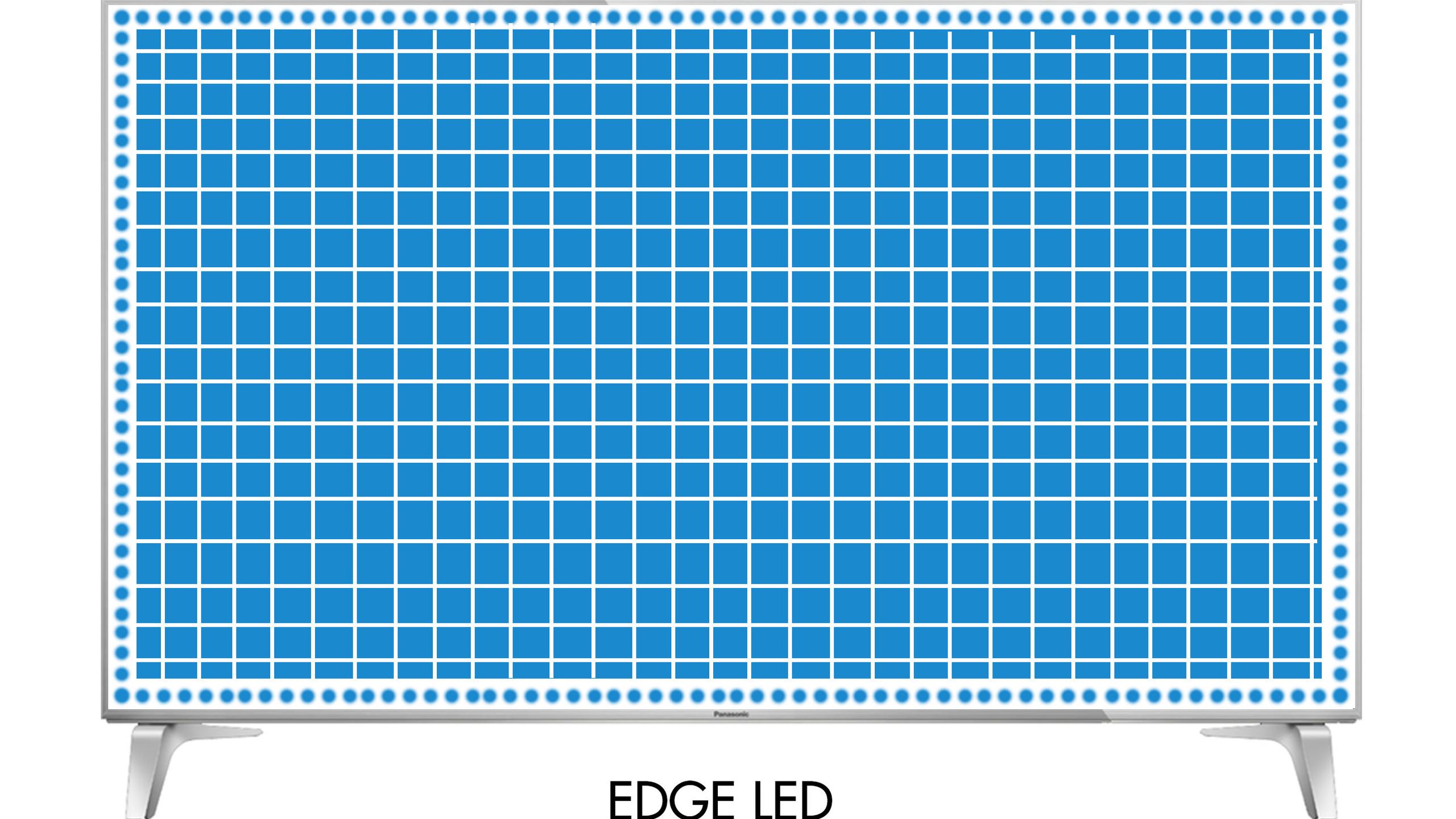
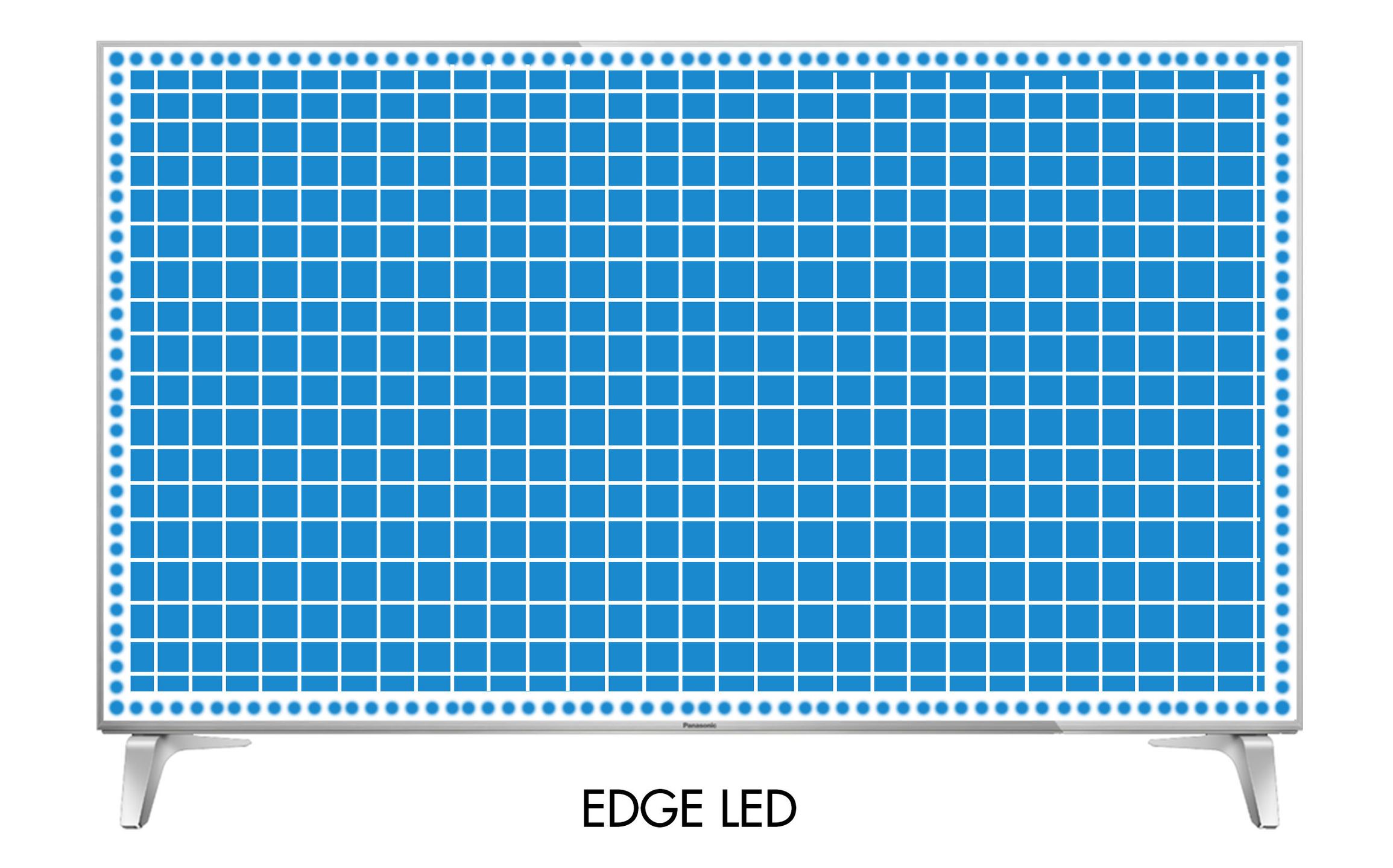
Edge LED
The diodes are distributed around the edge of the screen (its border) and directed inward. The light is spread across the entire surface via a photoconductive glass plate. This system makes it possible to have very thin screens, only a few centimeters thick.
Full LED
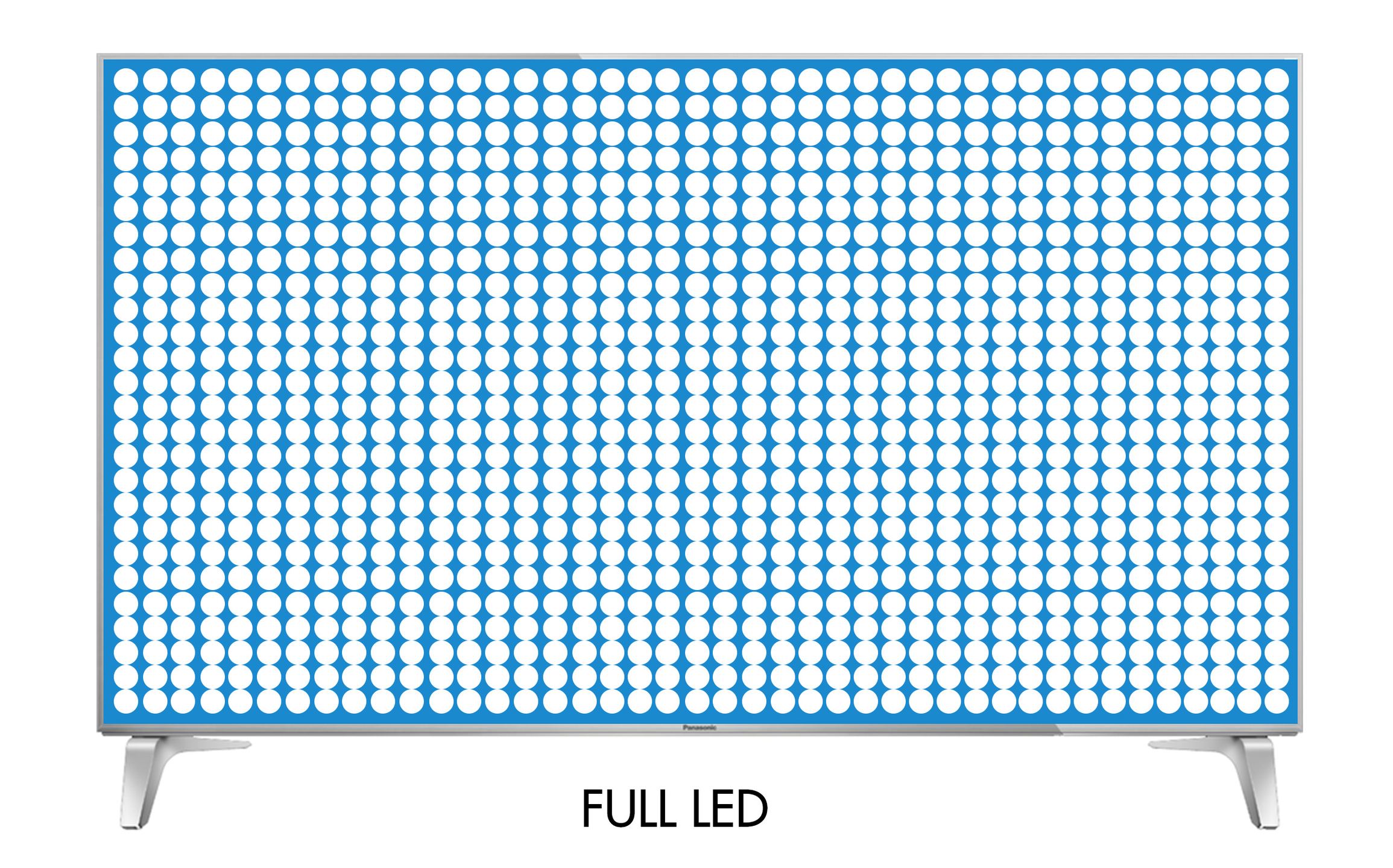
With this type of backlighting, about 1,000 diodes cover the entire rear surface of the screen. This provides additional brightness, deeper blacks, higher ANSI contrast, and above all, greater panel uniformity.
Local Dimming
The diodes are organized into different zones (from 100 to 512) that can be turned off or on depending on the intensity of the dark areas of the display. The resulting blacks are deeper and improve contrast. This system is mainly used on Full LED TVs and is called Full LED backlighting with Local Dimming. Each LED or LED zone can be controlled independently, for better contrast quality and even deeper blacks.

Micro Dimming
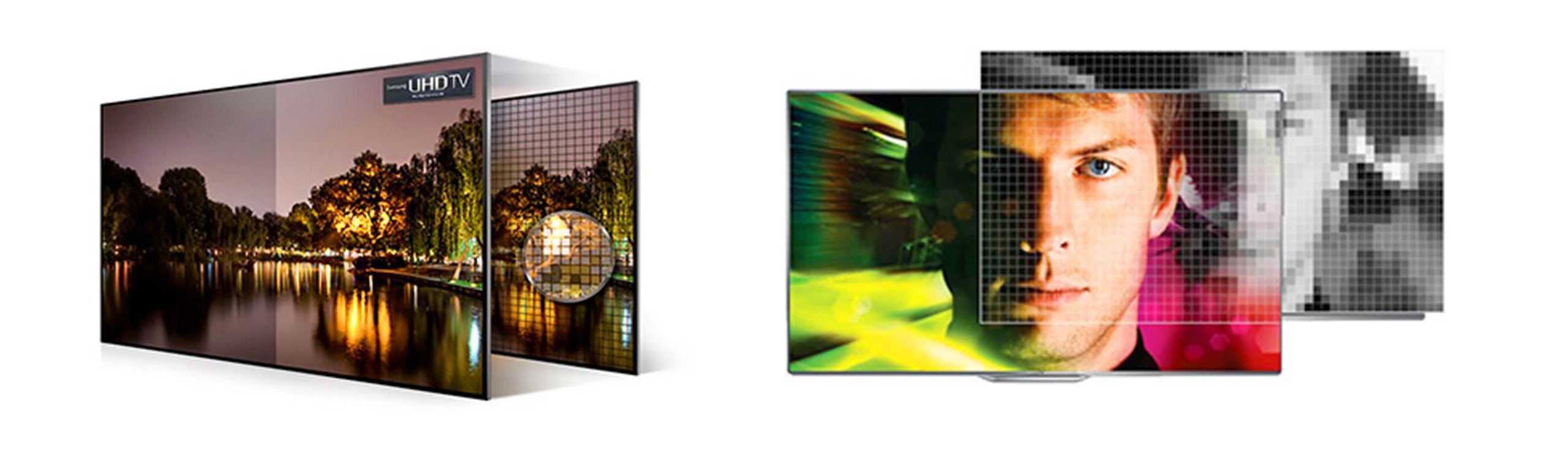
Micro dimming is associated with Edge LED backlighting. It analyzes the image obtained after the backlight is applied to different zones. If necessary, the processing adjusts these zones by varying the pixel aperture to let more or less light through, thus optimizing contrast. The bright and dark areas of images are better defined, allowing you to distinguish more details in a dark scene illuminated by a specific bright object. This system is currently used by Samsung and Philips.
Popular products

You may also like to read
 PCM, Bitstream or Auto, which audio setting should you choose on your TV?Tutorials and practical guides
 Can a projector really replace a TV for everyday use?Comparisons and buying guides
 What are the best OLED TVs in 2026?Comparisons and buying guides
 Samsung S95H or Panasonic W95C: which TV should you choose in 2026?Comparisons and buying guides
 Tandem OLED: what is it and which TVs use it?Concepts and technologies
 Smart TV 2026: Google TV, webOS, Tizen or Fire TV? Which interface should you choose?Comparisons and buying guides