Contents
For several years now, OLED TVs have won the hearts of movie enthusiasts and fans of stunning visuals. With their deep blacks, infinite contrasts, and ultra-wide viewing angles, they have revolutionized our home cinema experience. However, even OLED technology has its limits, particularly in terms of brightness. That’s why two new contenders are stepping into the ring this year, determined to push the boundaries of what’s possible. In the left corner, LG and Panasonic with their Micro Lens Array (MLA) technology. In the right corner, QD-OLED panels from Samsung and Sony. But Panasonic has a few tricks up its sleeve with its exclusive Hollywood-grade calibration. Which of these heavyweights will win the battle for ultimate image quality? Let’s analyze.
LG and Panasonic’s MLA Technology: Cutting-Edge Micro Lenses
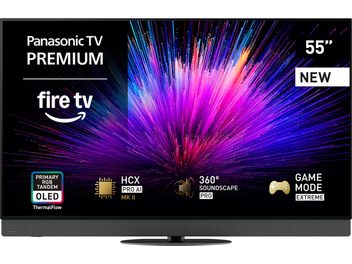
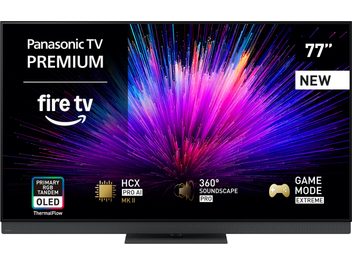
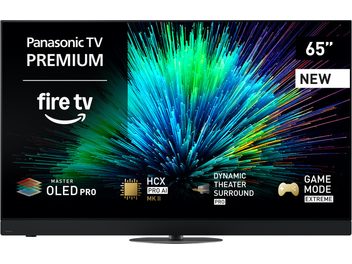
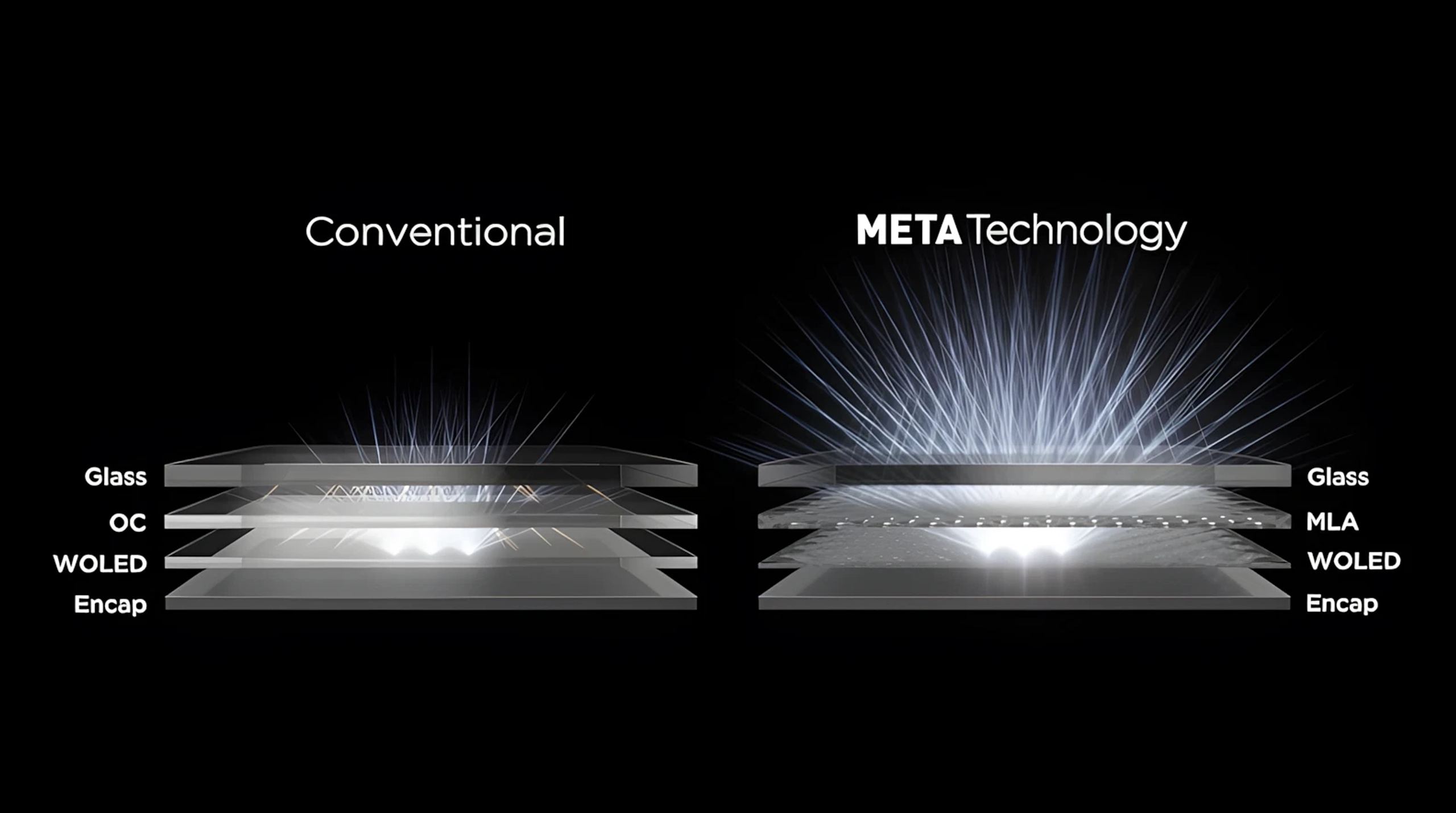
This year, LG and Panasonic are betting on an innovation called Micro Lens Array, or MLA. The concept? A matrix of micro-lenses, true masterpieces of nanometric craftsmanship, is placed on the OLED panel. Their role: to capture the emitted light that was previously lost inside the screen due to parasitic reflections and redirect it toward the viewer’s eyes. The result is spectacular. Where the best high-definition TVs peaked at 1,000 nits of brightness, MLA-equipped models like the LG G3 or Panasonic MZ2000 reach heights of 2,100 nits! Even better, the brightness boost doesn’t come at the expense of viewing angles, which are further widened. To top it off, the micro-lenses improve energy efficiency by reducing light waste. Laboratory measurements and feedback from early users are unanimous: MLA technology takes OLED to a whole new level.
Samsung and Sony’s QD-OLED Technology: The Fusion of Quantum Dots and OLED
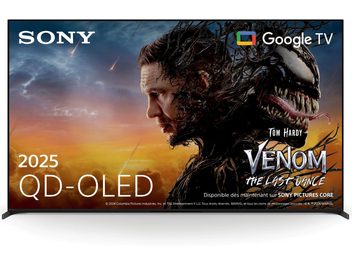
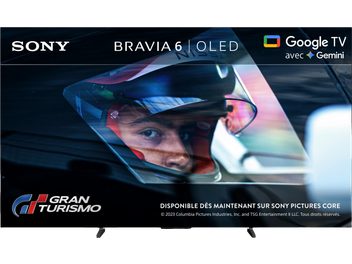
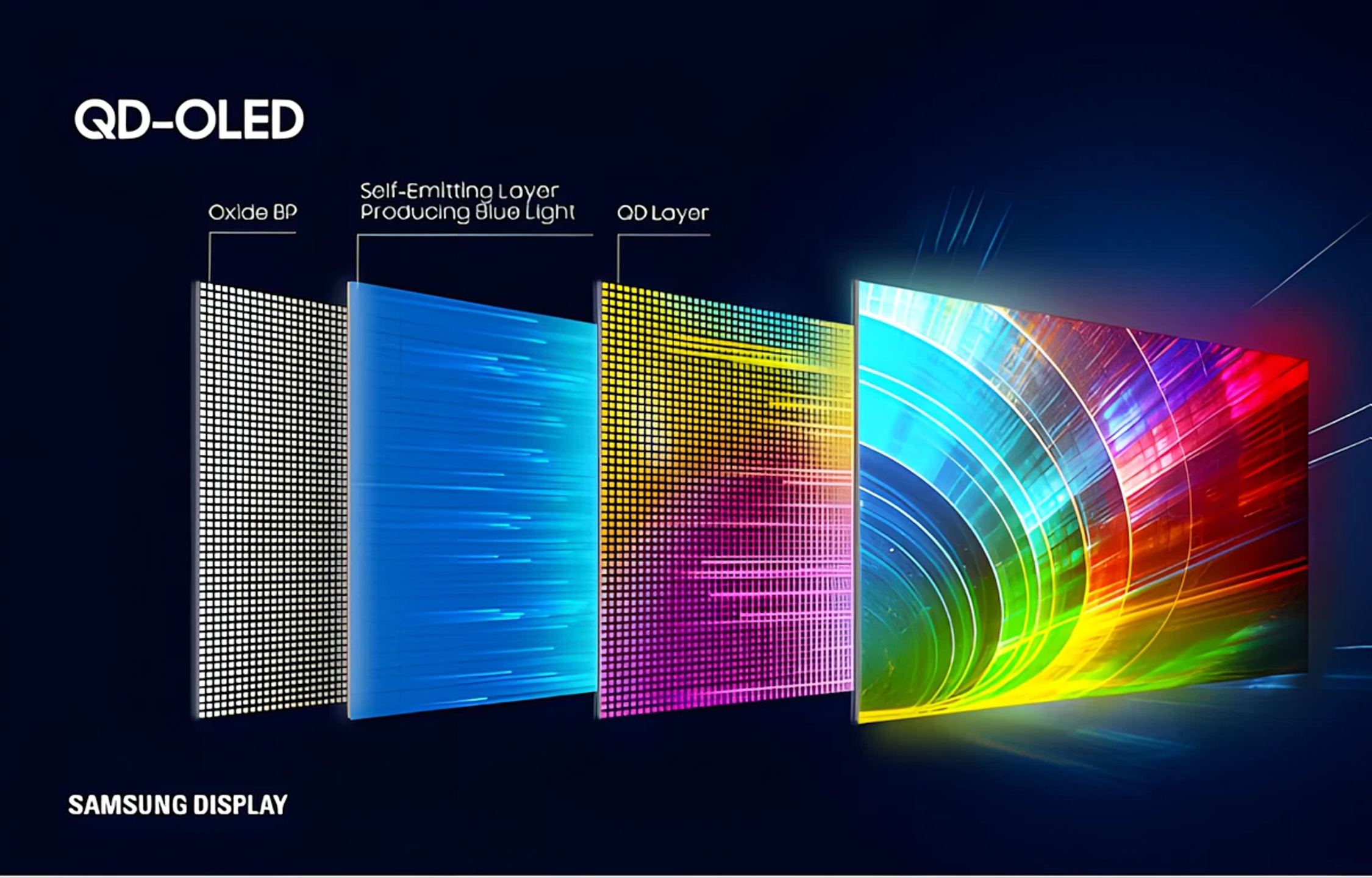
Samsung, on the other hand, is banking on QD-OLED technology, which combines the quantum dots of its QLED TVs with the organic light-emitting diodes of OLED. The trick is to generate pure blue light with the OLED panel and then convert it into red and green light using a layer of quantum dots. This technological feat delivers stunning color accuracy, with a 20% wider color gamut compared to traditional OLED panels. Primary colors achieve unprecedented saturation while maintaining the deep blacks that have made OLED famous. In terms of brightness, QD-OLED models like the Samsung S95C or Sony A95L reach 1,500 nits, rivaling the best LCD panels on the market. A remarkable achievement, given OLED’s reputation for being “weak” in this area. Once again, lab tests confirm the impressions of early testers: QD-OLED technology pushes the boundaries of image quality.
Panasonic’s Trump Card: Unique Hollywood-Grade Calibration
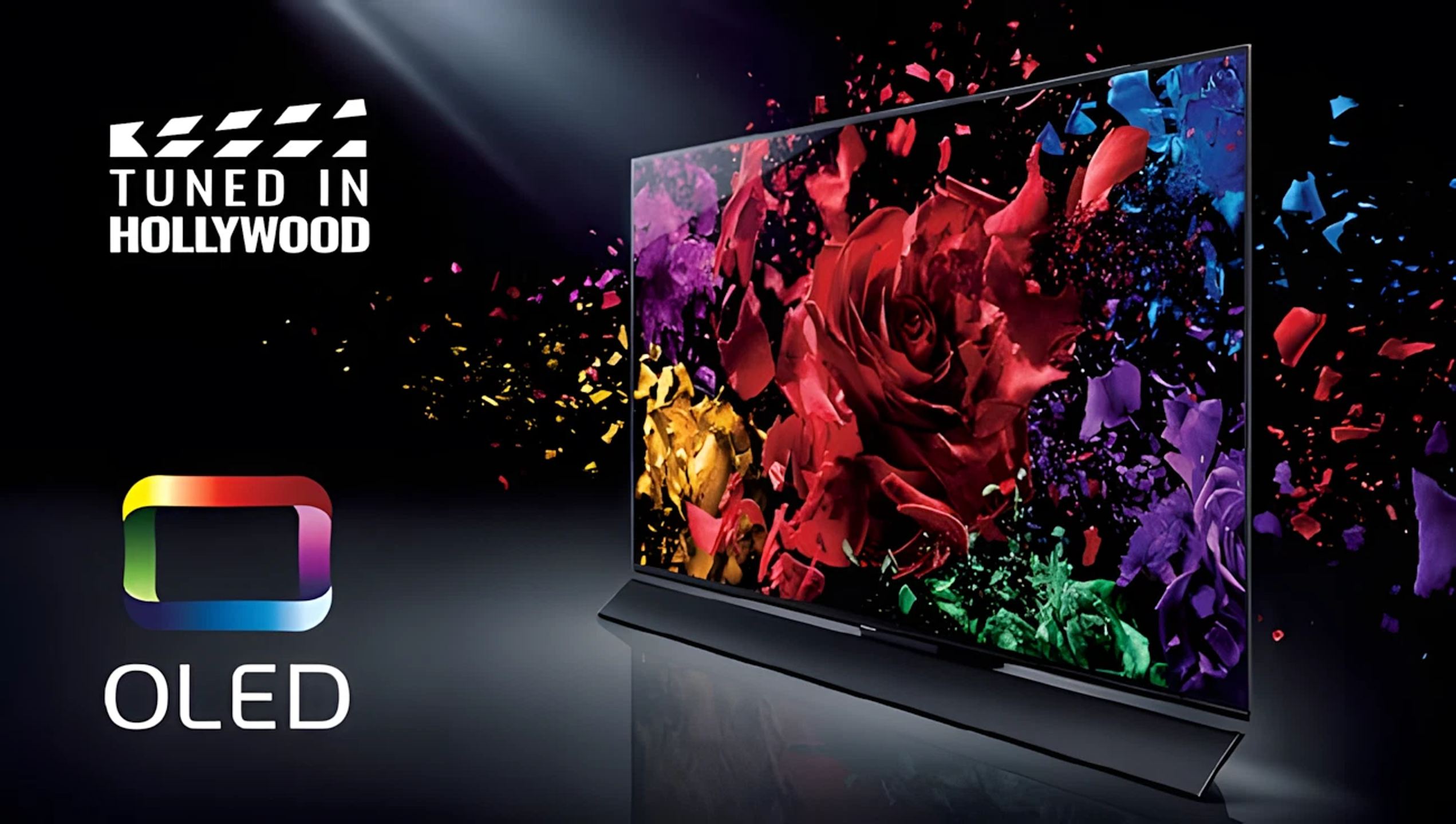
But Panasonic has a secret weapon to stand out: advanced calibration of its MLA panels, developed in partnership with renowned colorists from major Hollywood studios, such as Stefan Sonnenfeld. The goal is to deliver color and texture reproduction as close as possible to the vision of filmmakers and cinematographers. The True Cinema and Filmmaker modes allow for astonishingly faithful reproduction of the creators’ intended grading. Panasonic goes so far as to include a mode specifically calibrated to enhance Netflix content. And for the most meticulous cinephiles, the image can be fine-tuned with highly detailed expert settings. This unique approach, combining next-generation MLA panels with Hollywood-style calibration, allows Panasonic to stand out in the battle for image quality supremacy.
MLA, QD-OLED, Hollywood Calibration: The Clash of Titans
It’s hard to pick a winner on paper among these highly promising technologies. A slight edge seems to go to MLA technology in terms of pure brightness, with 2,100 nits compared to 1,500 nits for QD-OLED panels. However, QD-OLED panels strike back in color accuracy, with a significantly wider color gamut and unmatched saturation of primary colors. MLA technology retains an advantage in viewing angles, further widened compared to traditional OLED, as well as in energy efficiency. Panel lifespan also seems to favor MLA technology, although it’s too early to say for sure. Finally, prices are generally comparable for equivalent features, with both technologies currently limited to the high-end market. But Panasonic’s Hollywood-grade calibration could make all the difference for the most demanding cinephiles.
So, MLA, QD-OLED, or Hollywood Calibration: Which Technology Should You Choose?
Ultimately, the choice between LG and Panasonic’s MLA technology, Samsung’s QD-OLED technology, and Panasonic’s Hollywood-grade calibration will depend on your priorities. If brightness is your main criterion and you’re looking for the brightest possible image, especially for daytime TV viewing in a well-lit room, MLA technology will be your preference, with a slight edge for Panasonic thanks to its refined calibration. If, on the other hand, you’re a color enthusiast seeking the purest and most saturated colors, particularly for animated films or nature documentaries, QD-OLED technology will be your best ally. But if you’re a cinema lover wanting to recreate the sensations of a Hollywood post-production studio in your living room, Panasonic’s calibration will tip the scales. One thing is certain: all these technologies represent major advancements and push the limits of image quality even further. With blacks as deep as ever, viewing angles as wide as ever, and now peak brightness and color accuracy, OLED TVs have never been more desirable.