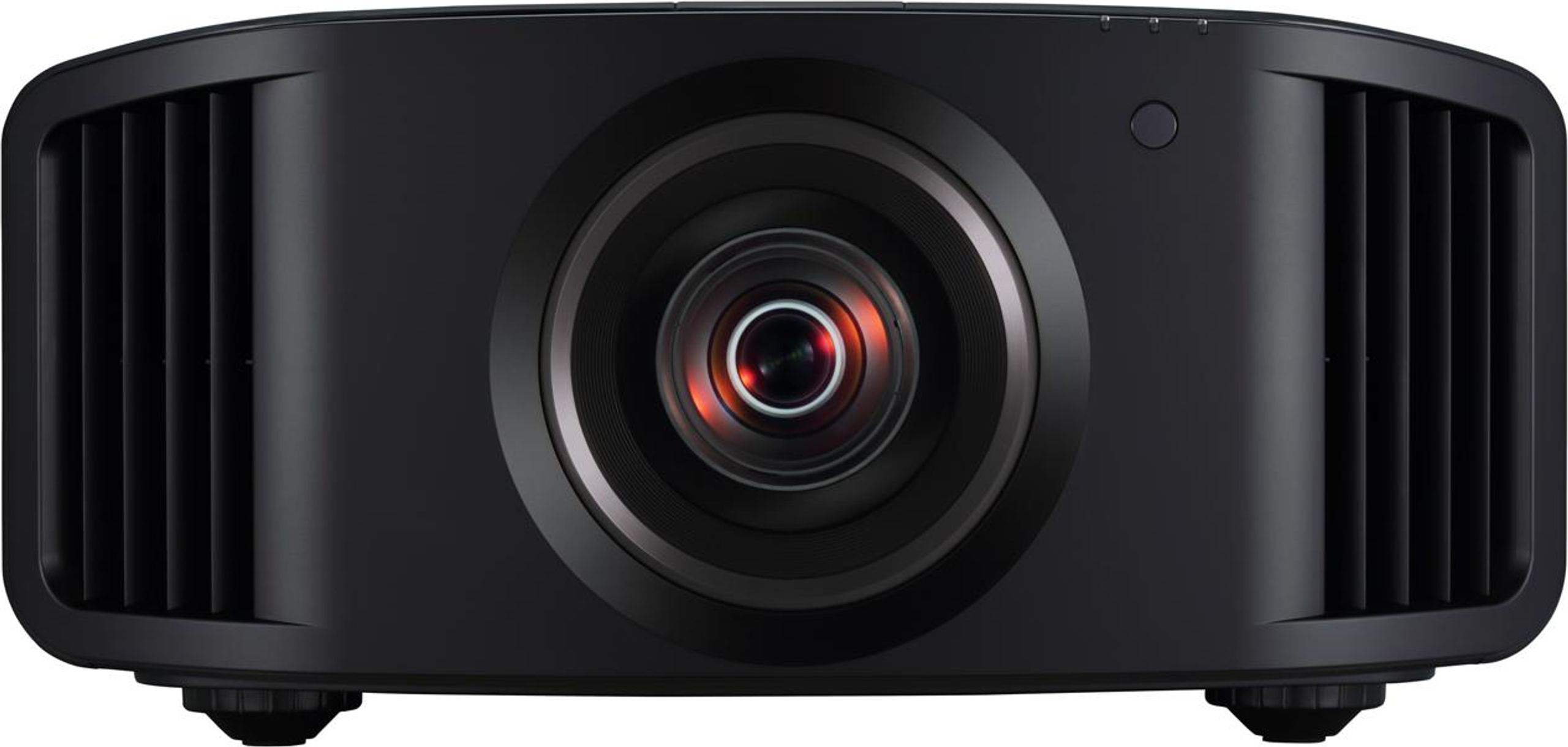
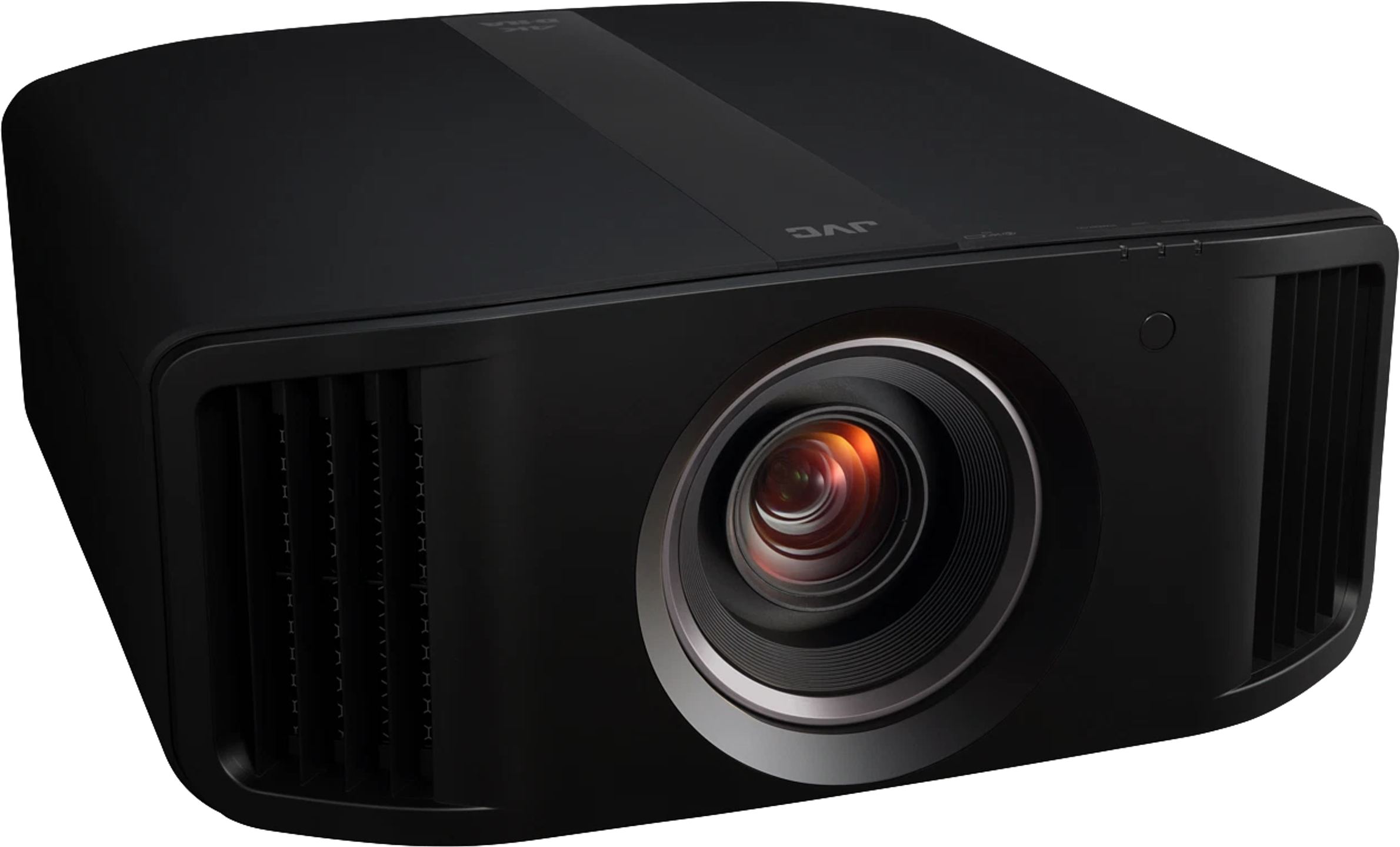
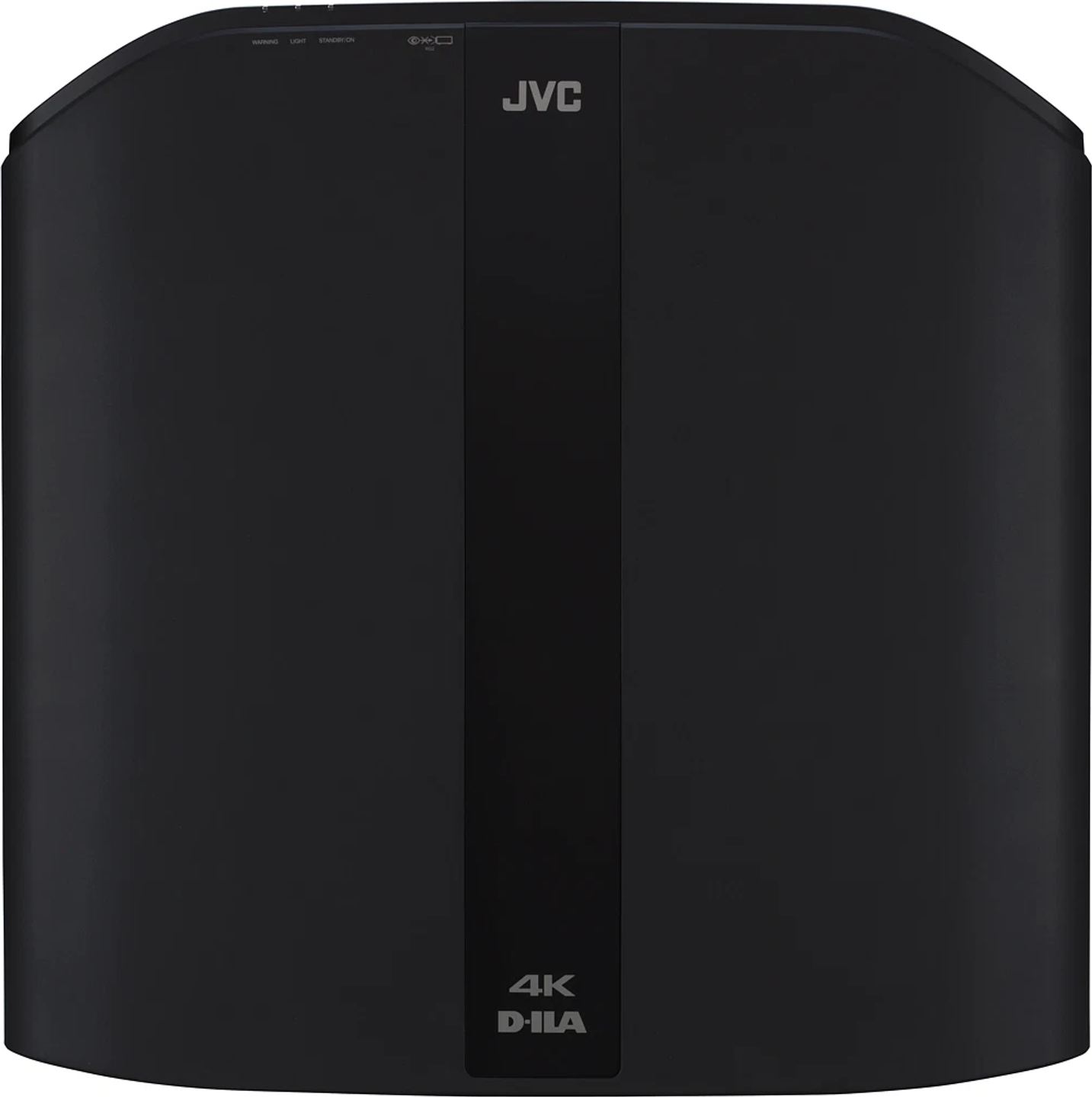
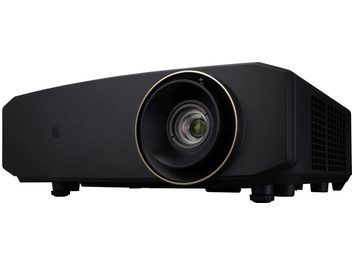
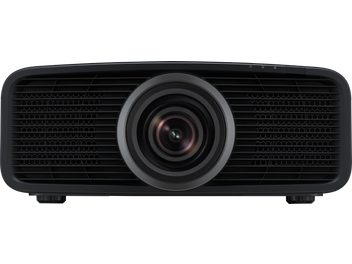
The JVC DLA-NP5 projector offers native 4K resolution, exceptional contrast levels, and stunning image quality at a more affordable price than the brand’s laser models. The JVC DLA-NP5 is JVC’s most affordable D-ILA projector, offering an excellent balance between performance and cost.
Highlights:
- Native 4K resolution
- Exceptional contrast levels (40,000:1, 400,000:1 with dynamic contrast function)
- Supports HDR10, HLG, and HDR10+
- JVC’s exclusive D-ILA optical system
- Compatible with 4K/120 Hz for PS5 and Xbox Series X gaming consoles
- Easy installation with motorized zoom, focus, and image shift adjustments
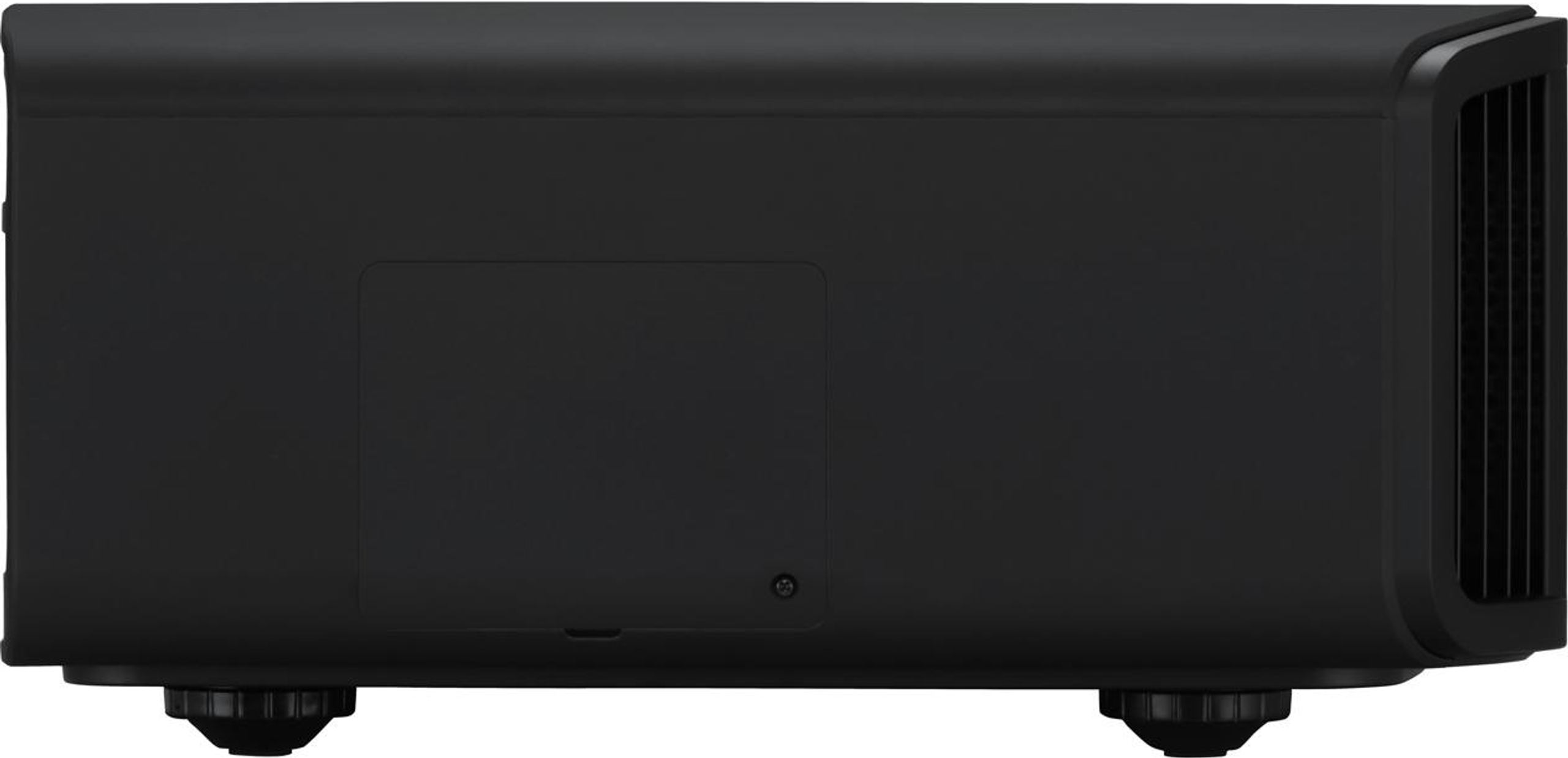
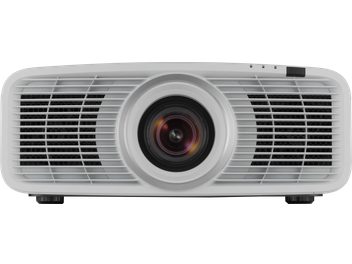
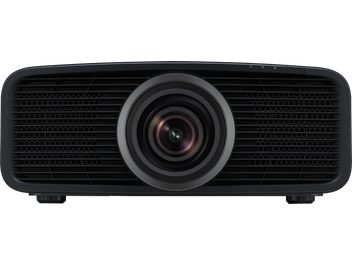
The DLA-NP5’s design is robust and imposing, yet remains elegant with its rounded corners, high-quality finish, and central lens. It is available in white or black. This projector is built around JVC’s D-ILA optical system, renowned for delivering unmatched black levels and remarkable contrast without using a dynamic iris.
In terms of connectivity, the NP5 features two HDMI 2.1 ports with 48 Gbps bandwidth, an RS-232C port, a LAN port, a 12V trigger port, and a 3D sync port. It is also equipped with Clear Motion Drive, Frame Adapt HDR, and Theater Optimizer technology for optimal image quality.
The image quality performance is impressive, with deep black levels, vibrant colors, and sharp 4K resolution. Motion handling is also excellent, with a natural and cinematic rendering of moving images.
The JVC DLA-NP5 is an excellent choice for those seeking a high-quality home cinema projector without the high cost of laser models. It offers exceptional image quality and an immersive cinematic experience at a more affordable price.
The JVC DLA-NP5B D-ILA home cinema projector features a 4K120p input to reproduce full 4K resolution images (4096 x 2160 pixels). The 4K120p input also makes the projector ideal for gaming when combined with the Low Latency mode. The projector is driven by three 0.69-inch native 4K D-ILA devices and a 17-element, 15-group, 65 mm diameter glass lens to project high-resolution images to all corners of the screen with brightness up to 1,900 lumens. Compatible with the latest HDR10+, HLG, and Frame Adapt HDR with theater optimizer, the projector is designed to deliver the industry’s best HDR performance.
Optimized 0.69” native 4K D-ILA matrix and new digital driver LSI
D-ILA projectors continue to improve, with the projection matrix at the heart of the device. The latest three models feature an exclusive 0.69” native 4K D-ILA matrix, first adopted in the DLA-Z1 model. This matrix has been optimized with process enhancements for better planarization and reflection efficiency, resulting in higher contrast and brightness levels. Additionally, a dedicated LSI driver has also been optimized for the simultaneous high-speed drive of the three native 4K D-ILA matrices (R/G/B) at 120 fps. To achieve such speed, the projectors adopt the latest HBM (High Bandwidth Memory) technology and a silicon interposer to process a large amount of data instantly. Furthermore, to ensure stable projection of high-quality images, the new LSI driver is equipped with an exclusive frame rate converter and various matrix correction functions. The result: precise and smooth projection of images in native 4K mode thanks to the synergy between the new matrix and the new LSI driver.
Frame Adapt HDR Function
The Frame Adapt HDR function allows for dynamic and high-resolution reproduction of any HDR10 content! The color calibration of HDR content varies, with some HDR content adjusted on the bright side and others on the dark side. Using JVC’s original algorithm, Frame Adapt HDR instantly analyzes the peak brightness of HDR10 content frame by frame and adjusts the projector in real-time to the optimal dynamic range. Moreover, the precision of gamma processing for gradation performance has been significantly improved, from 12 bits to 18 bits.
Ideal 4K120p Input for Low Latency Mode
Since these projectors are equipped with a 4K120p input, signal latency is minimal, making it effective when displaying high-frame-rate gaming content on large screens. Additionally, the Low Latency mode reduces the display delay of PC and gaming signals and enhances the response to users’ rapid operations.