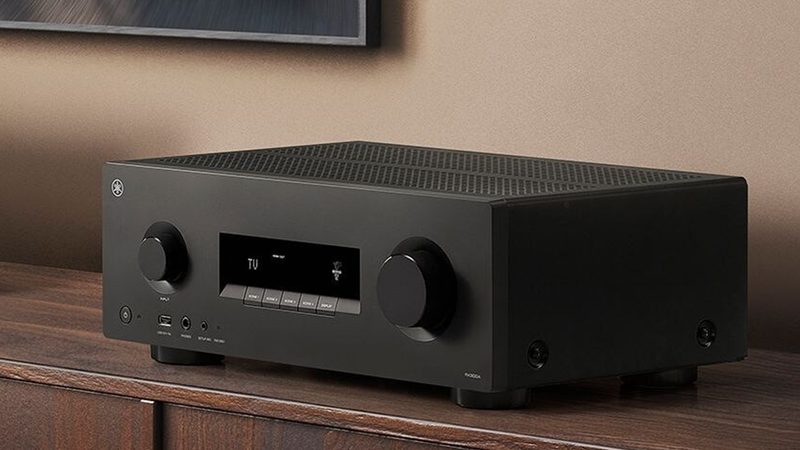
Yamaha RX500A
Buy as a bundle and save
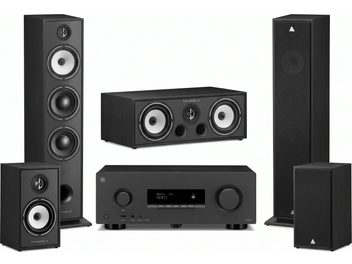
- Yamaha RX500A
- Triangle Pack Borea BR08 + BRC1 + BR02 black
Specifications and features


Yamaha RX500A, connected 7.2 home theater receiver
For years, Yamaha’s entry-level home theater range relied on aging chassis kept afloat by software updates. The RX500A opens a new entry point in the catalog: seven amplification channels, Dolby Atmos, 8K video and a complete network section, brought together in a redesigned enclosure that remains discreet once the session begins.
A new tier in the Yamaha range
Yamaha launched two models at the same time. The 5.2-channel RX300A renews the entry-level position occupied by the RX-V385 since 2018. The RX500A sits one step above it: two additional amplification channels and, above all, a network section that the RX300A does not have. Yamaha presents this 7.2 model as a new level in its hierarchy, between the most affordable receiver and the higher series.
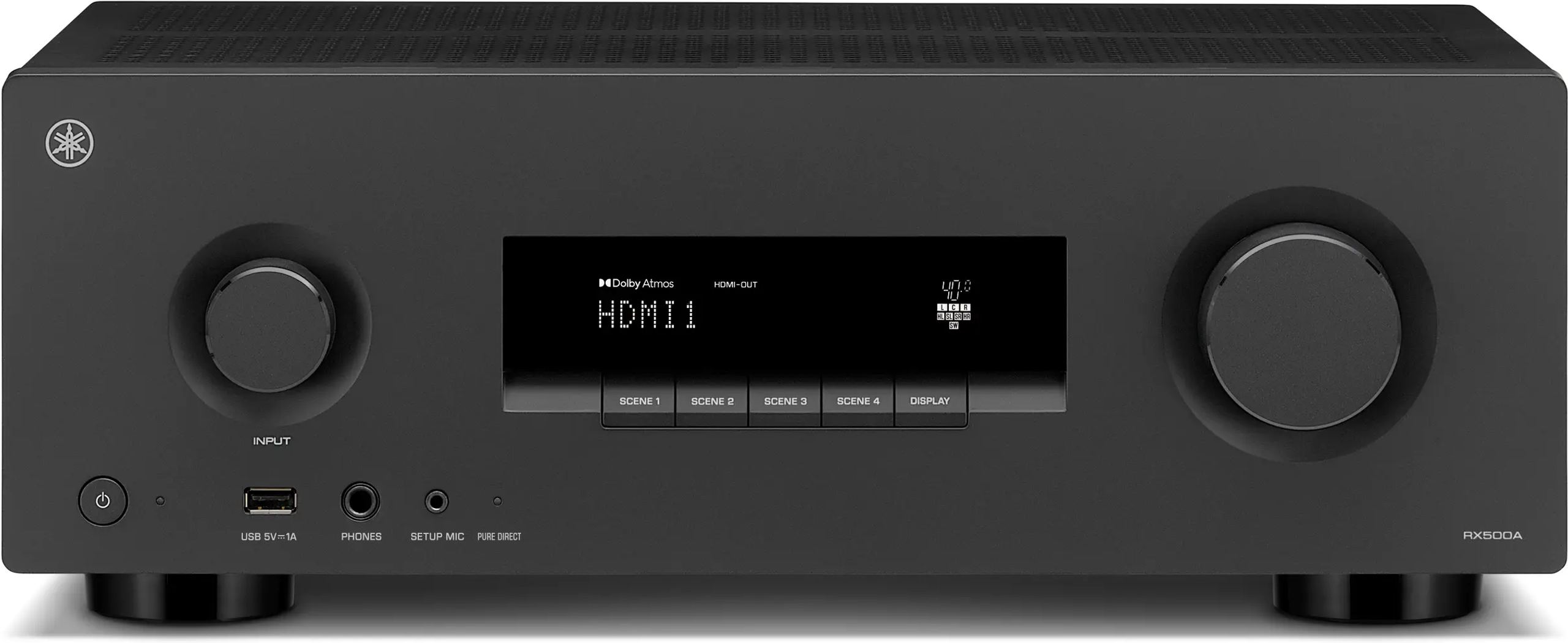
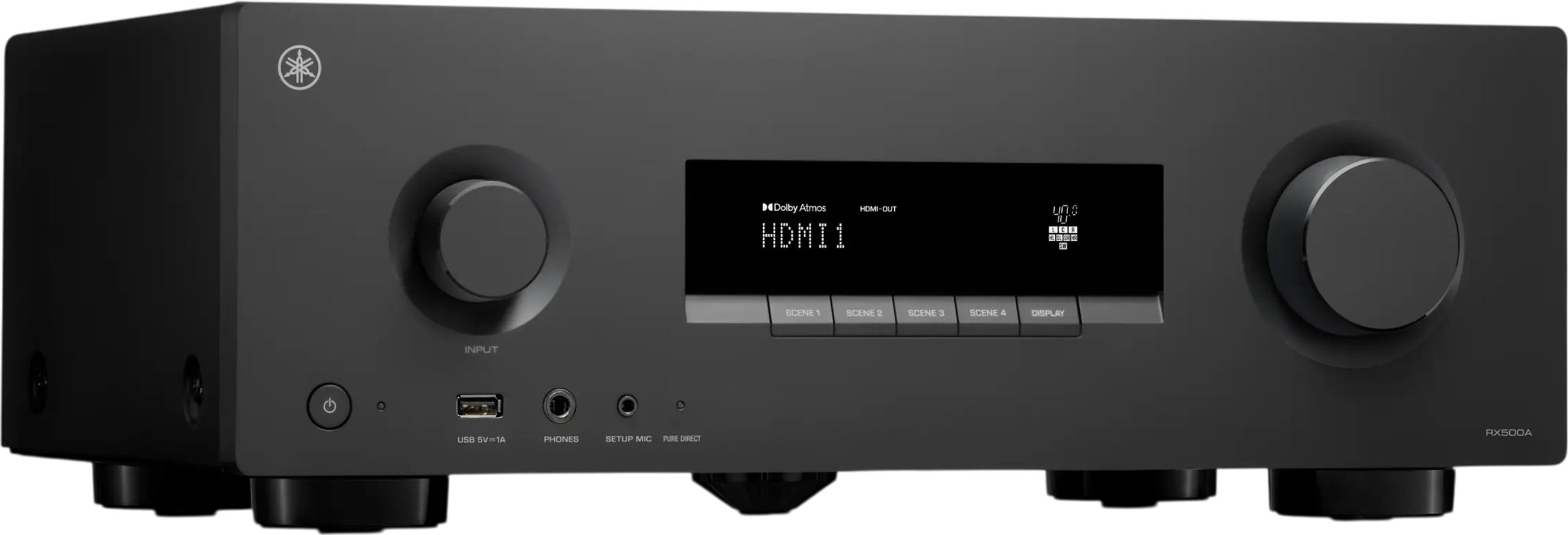
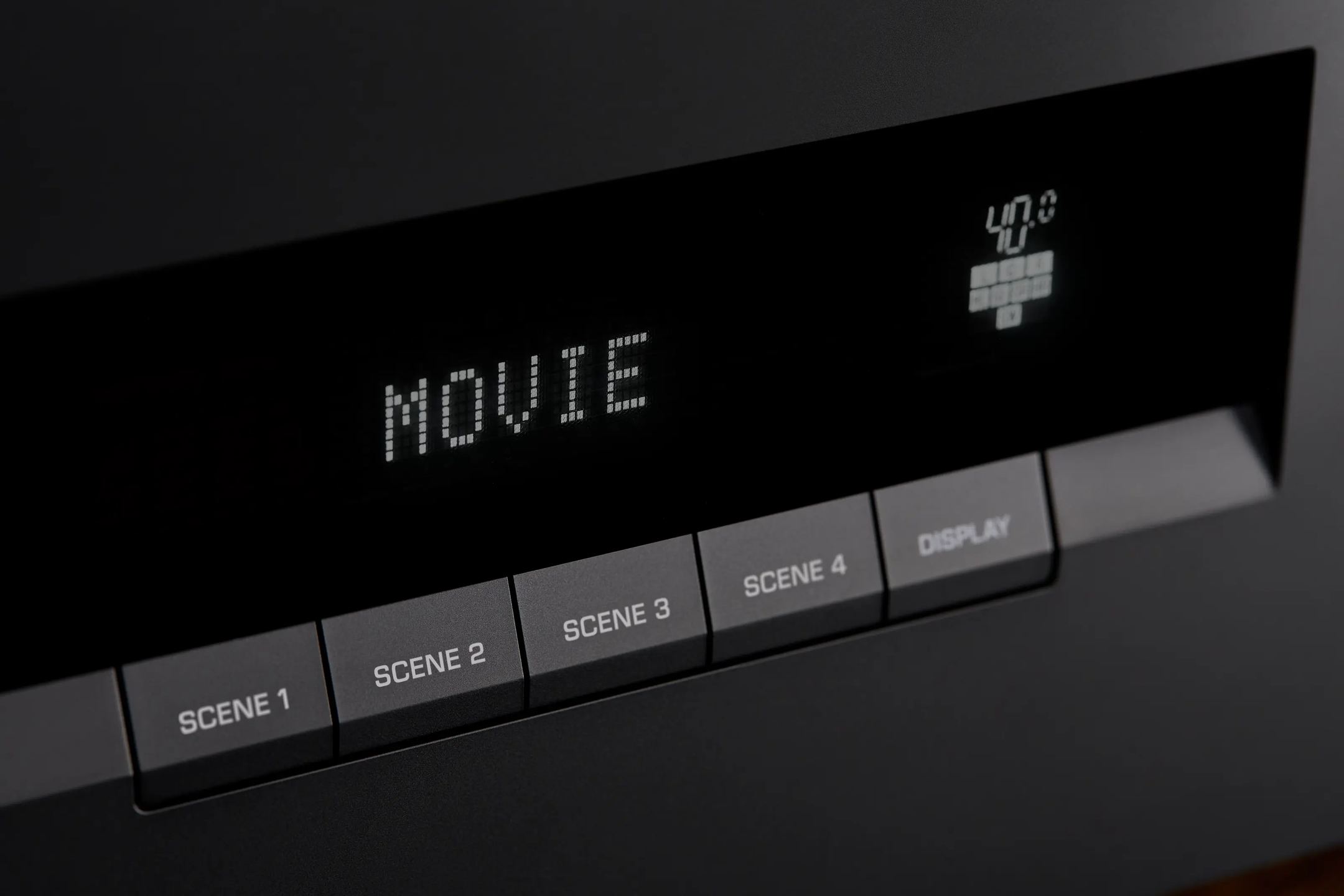
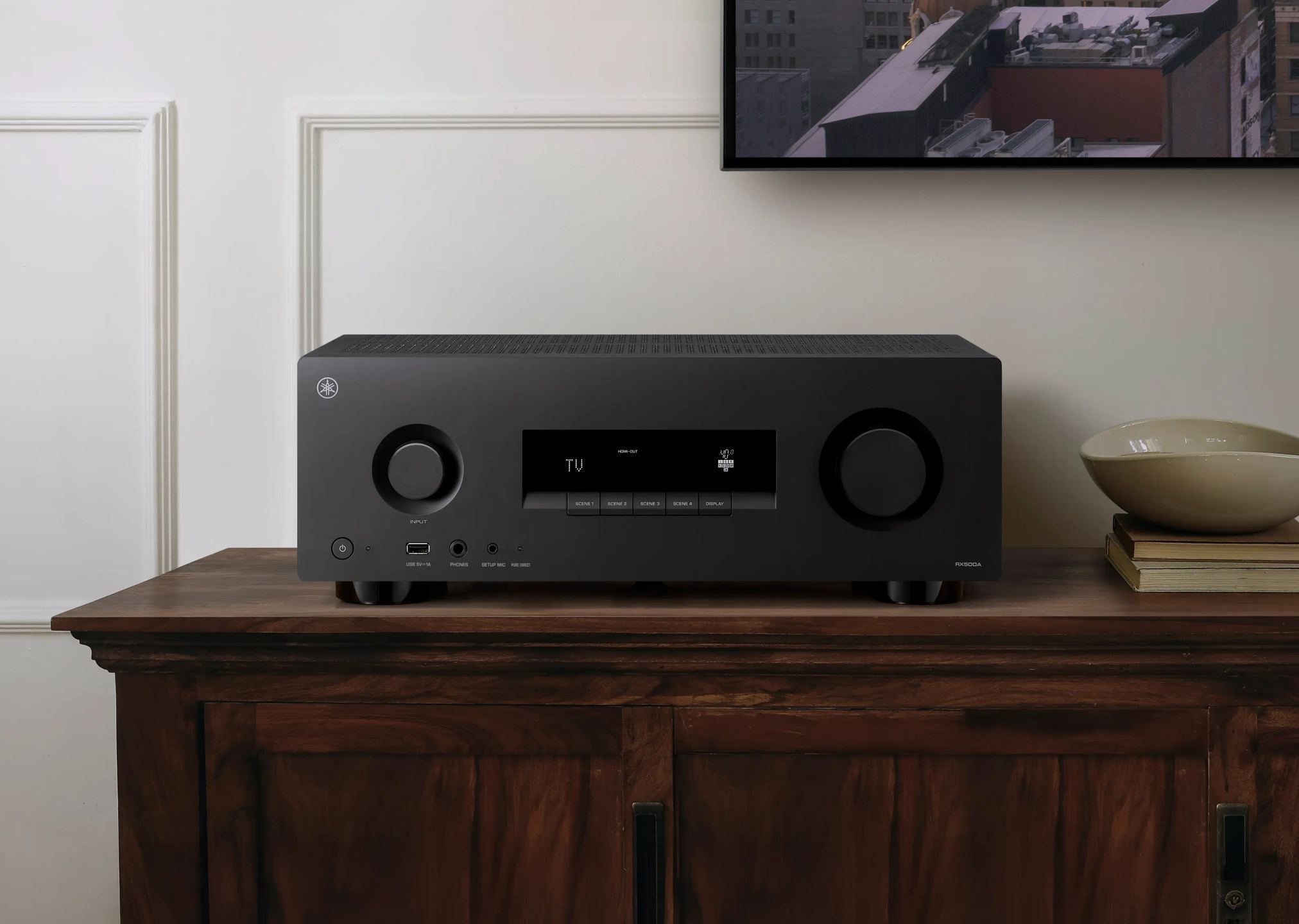
The design marks a break with previous generations. The front panel is flat, the display is smaller, the buttons are few, and the logo no longer features the brand name written out in full. A USB port and Scene buttons occupy the front panel. The enclosure measures 434 mm wide, 157 mm high and 319 mm deep, and weighs 8 kg, dimensions that allow it to fit easily into a standard hi-fi cabinet.
Seven channels, two subwoofers and Dolby Atmos
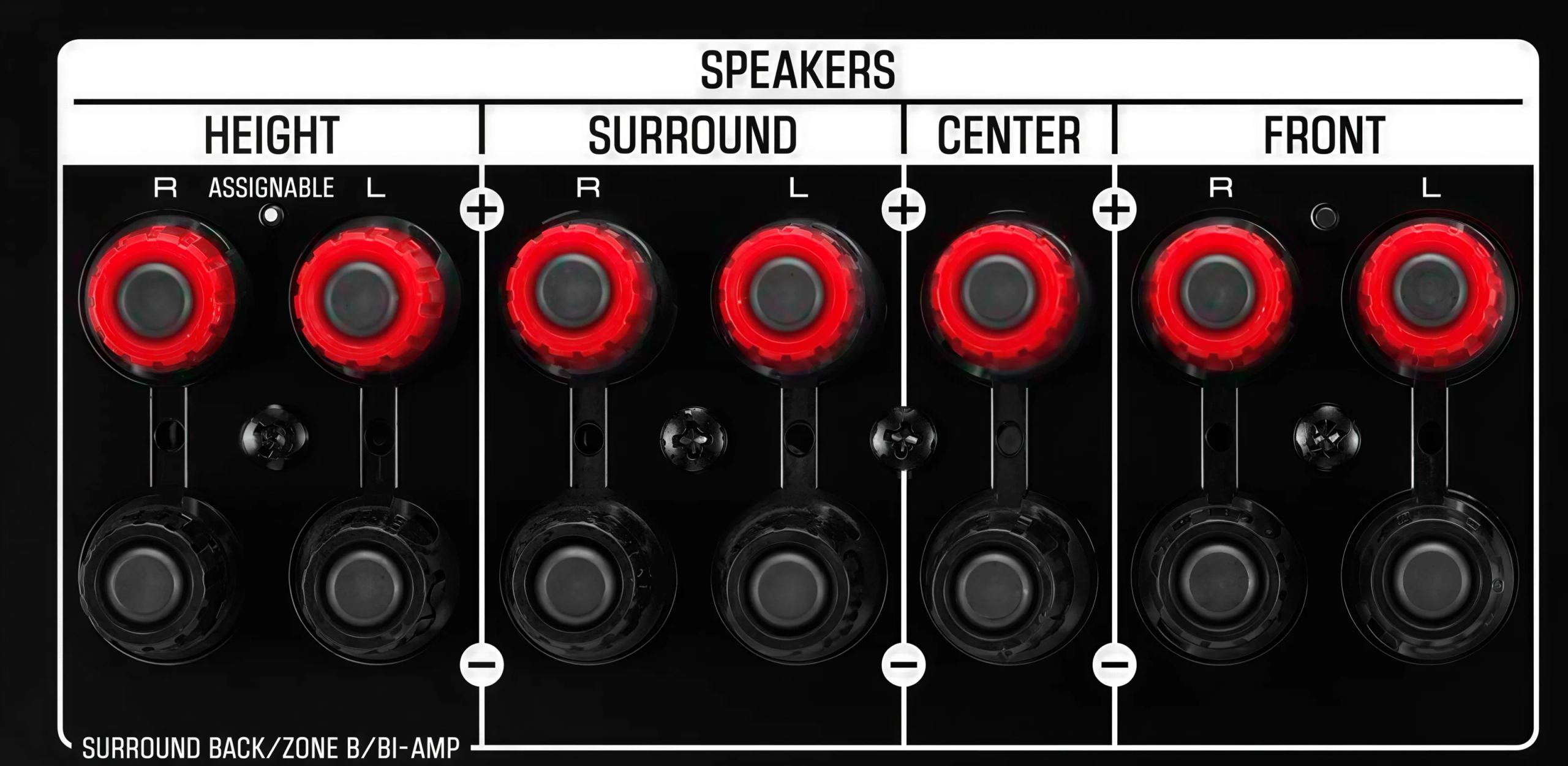
The RX500A amplifies seven speakers and features two outputs for subwoofers, hence the 7.2 designation. Its processor handles sound over 7.1 channels, which establishes a simple rule: Dolby Atmos height effects are limited to a maximum of two channels. An Atmos system with the RX500A is therefore configured as 5.1.2, with five ear-level speakers, two subwoofers and two ceiling speakers.
Three ways of gaining this vertical dimension are available. In-ceiling speakers, upward-firing modules placed on the front speakers that project sound toward the ceiling so it reflects back down, or virtual height processing that recreates the effect without additional speakers, in 7.2. Decoding covers Dolby Atmos, Dolby TrueHD and DTS:X, as well as the more common DTS-HD Master Audio and Dolby Digital formats. Dolby Surround and DTS Neural:X modes distribute a stereo or 5.1 soundtrack across all speakers, including height effects.
8K video and gaming features
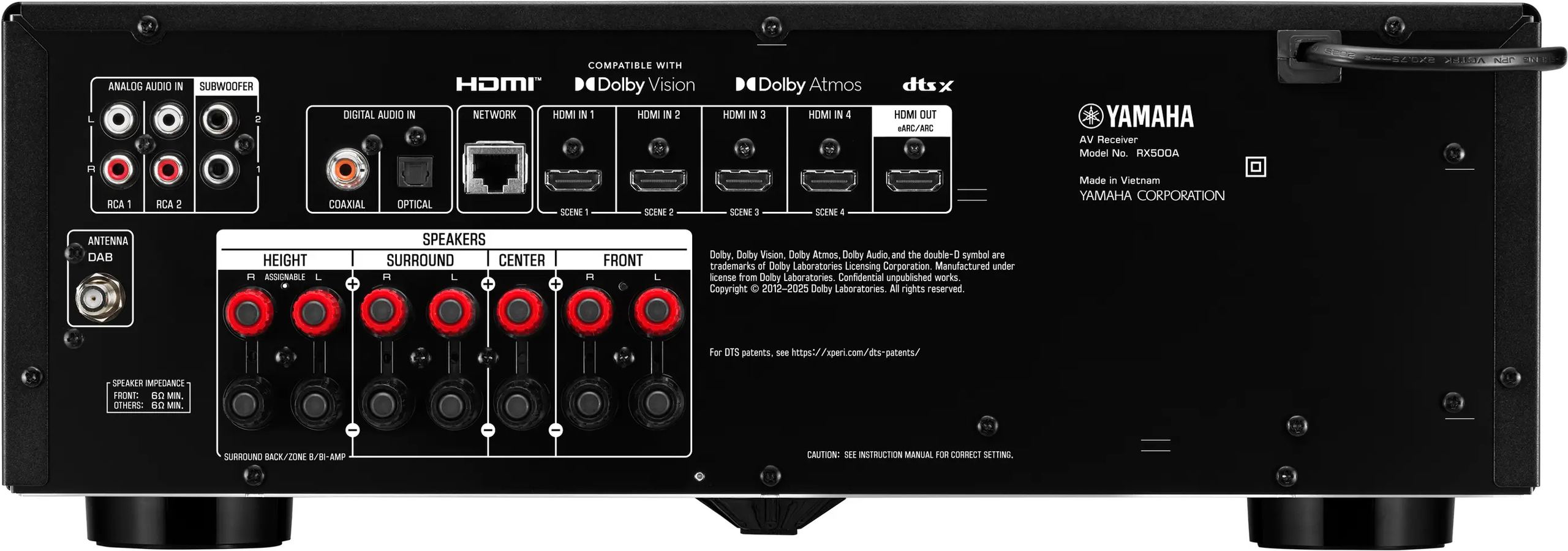
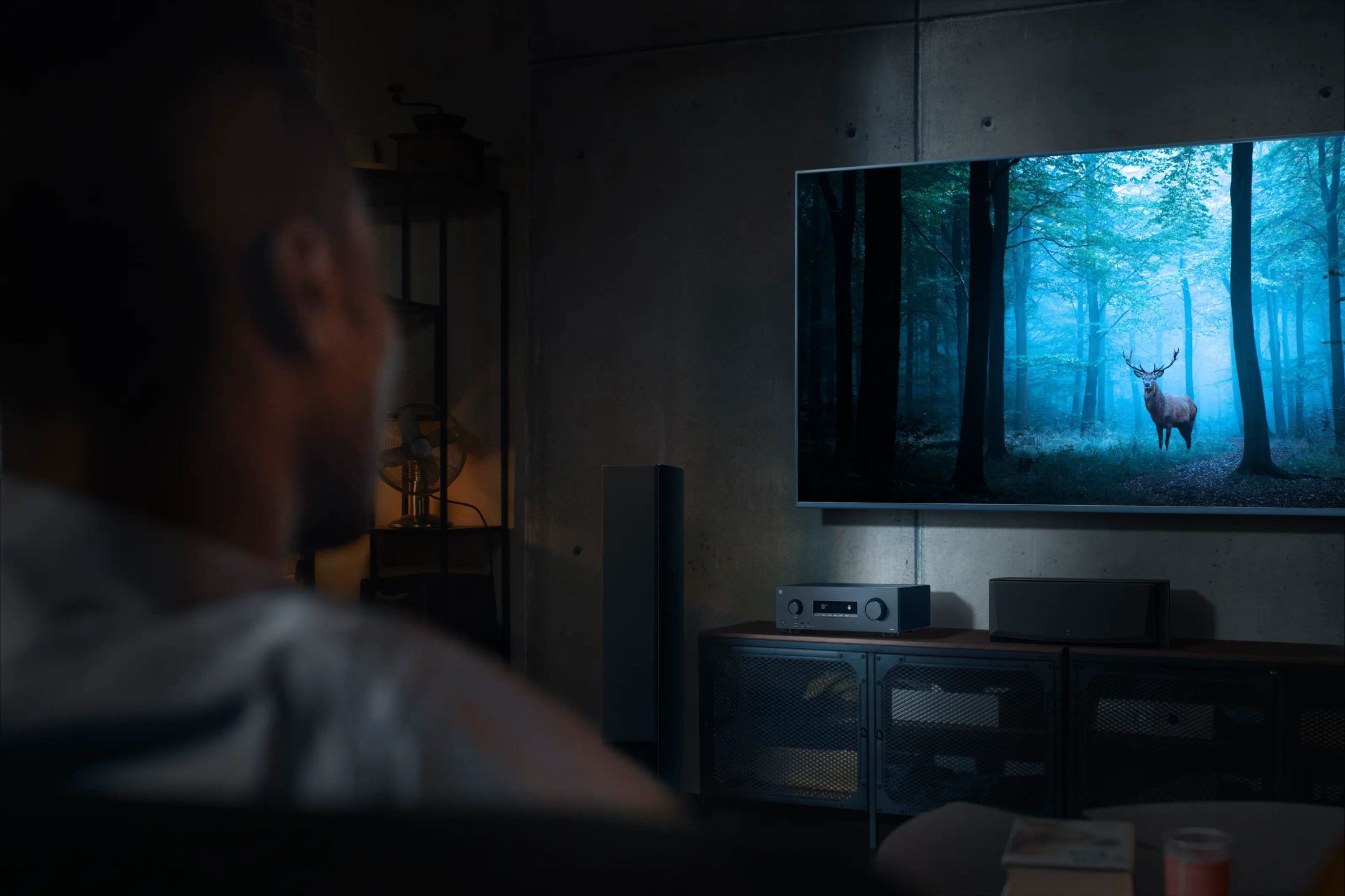
On the video side, the RX500A acts as a hub between sources and the television. Its four HDMI 2.1 inputs and single output pass through 4K at 120 frames per second and 8K at 60, with HDR10+, Dolby Vision and Hybrid Log-Gamma high dynamic range formats. The HDMI output supports eARC, which sends high-definition audio from television apps back to the receiver through a single cable.
Gamers get the expected HDMI 2.1 features. VRR adapts the display to a console’s variable frame rate and eliminates screen tearing, ALLM automatically switches the system to low-latency mode as soon as a game starts, and QMS prevents black screens when the refresh rate changes. Switching between connected devices is done from the front panel or the remote control.
Network streaming without MusicCast
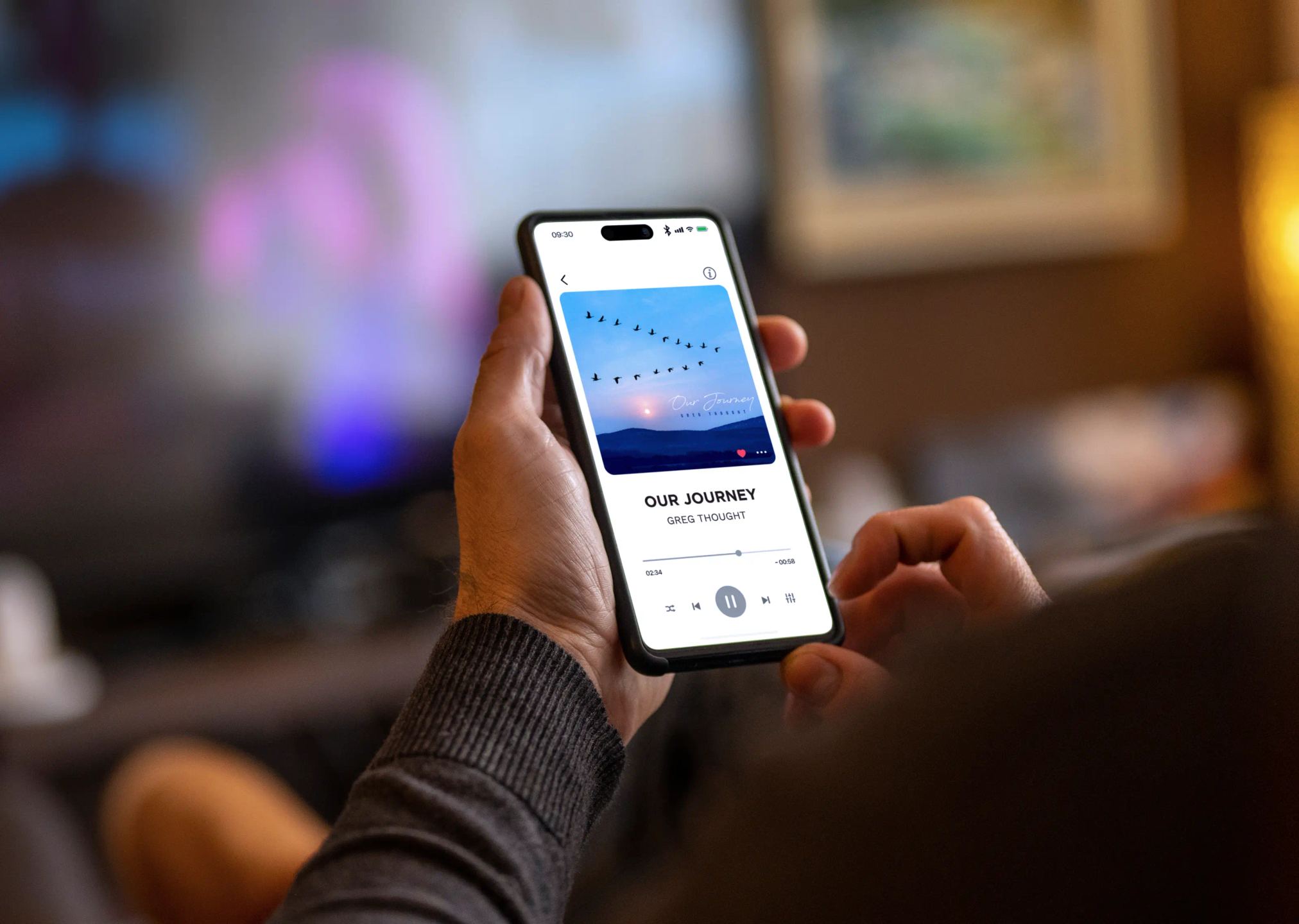
This is the key difference from the RX300A. The RX500A connects to the network via Wi-Fi or Ethernet cable and provides access to Spotify Connect, TIDAL Connect, Qobuz Connect, Google Cast and AirPlay 2, in addition to web radio and podcasts. It also plays music files stored on the home network, including lossless formats such as FLAC, ALAC and WAV. Bluetooth 5.3 supports multipoint mode: two devices remain paired simultaneously, and you can switch from one to the other without pairing again.
One limitation should be known before purchase: the RX500A does not support MusicCast, Yamaha’s in-house multiroom system, which is reserved for higher ranges. Owners of MusicCast speakers or amplifiers will therefore not be able to integrate the RX500A into a Yamaha multiroom group. The built-in tuner receives DAB and DAB+ digital radio as well as FM, without the AM band.
Calibrating the room and starting a session
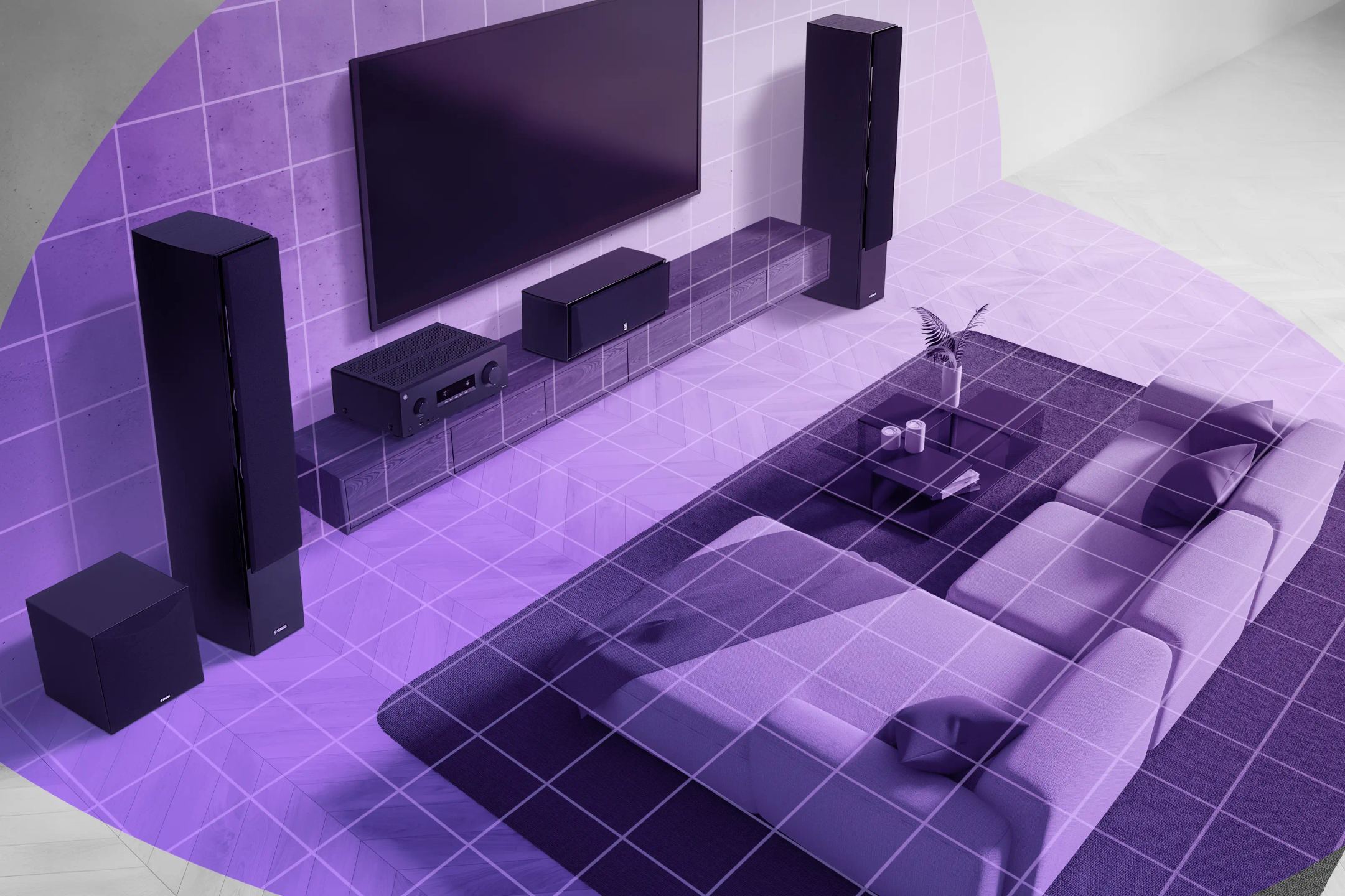
A microphone and its stand are supplied for automatic acoustic calibration. The RX500A measures the room and the characteristics of the connected speakers, then adjusts its settings to compensate for the room’s effects. An on-screen assistant, the Quick Guide, guides users through connecting the speakers, television and sources, then selecting inputs, shortening setup time for a first system.
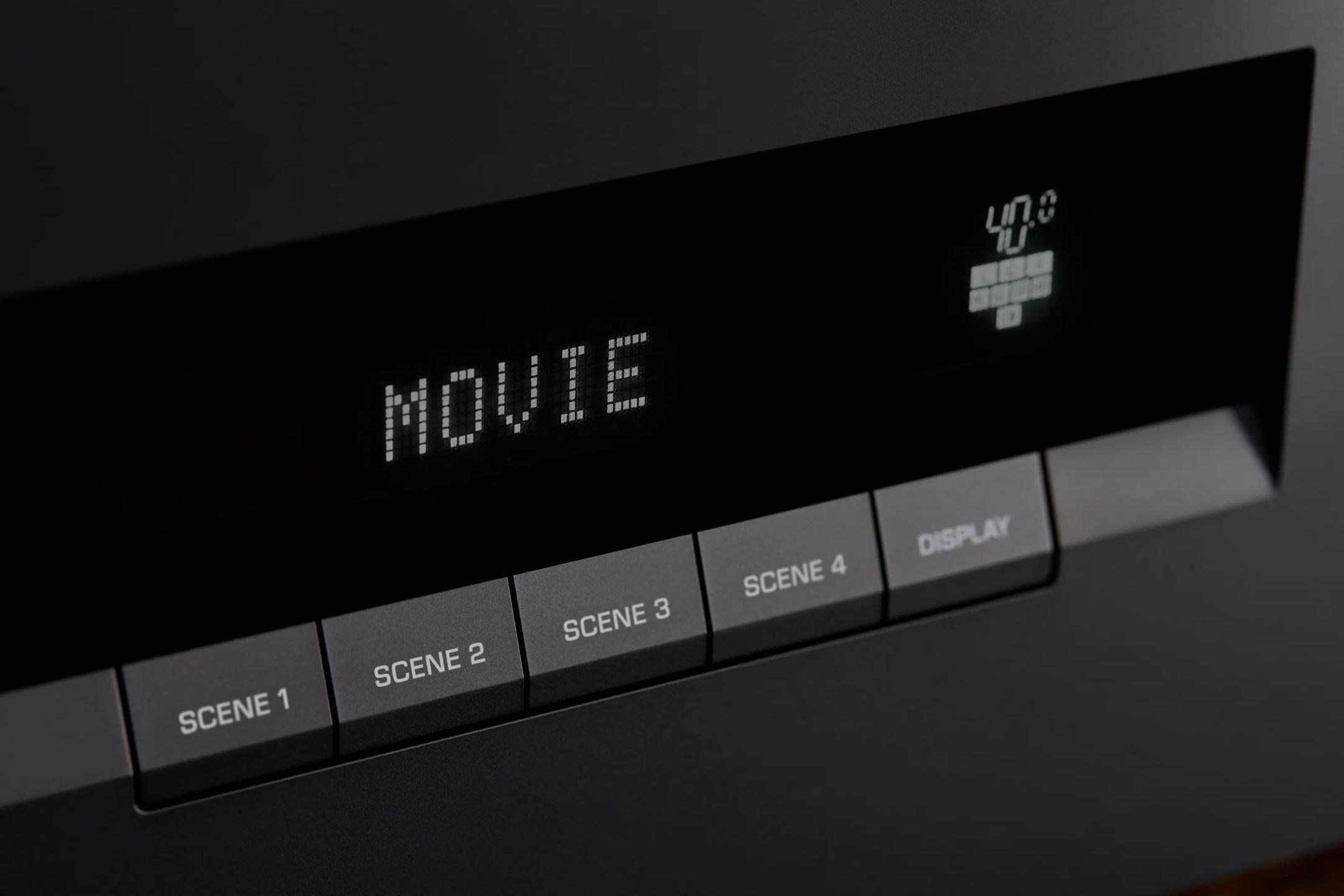
The Scene buttons store up to four complete settings, each linked to an input and its audio parameters, which can be recalled with a single press. Sound modes cover several uses: Pure Direct shortens the signal path for the most direct music listening, Movie enhances film soundtracks, All Channel Stereo plays music through all speakers, and Night compresses volume differences for late-night viewing without waking the household. A Zone B function lets you send the same source to a second pair of speakers in another room.
Real power and anti-vibration foot
Yamaha rates the receiver at 70 W per channel into 8 ohms, measured across the full 20 Hz - 20 kHz range, at 0.09% distortion and with two channels operating: this is the figure to remember, as it reflects realistic usage conditions. The 145 W value that also appears corresponds to a single driven channel, at 1 kHz, into 6 ohms and at 10% distortion, much more favorable conditions that cannot be compared with the first figure. These 70 W are sufficient to energize a living room with speakers of typical sensitivity. Bi-amplification of the front speakers remains possible for those who want to dedicate two channels to them.
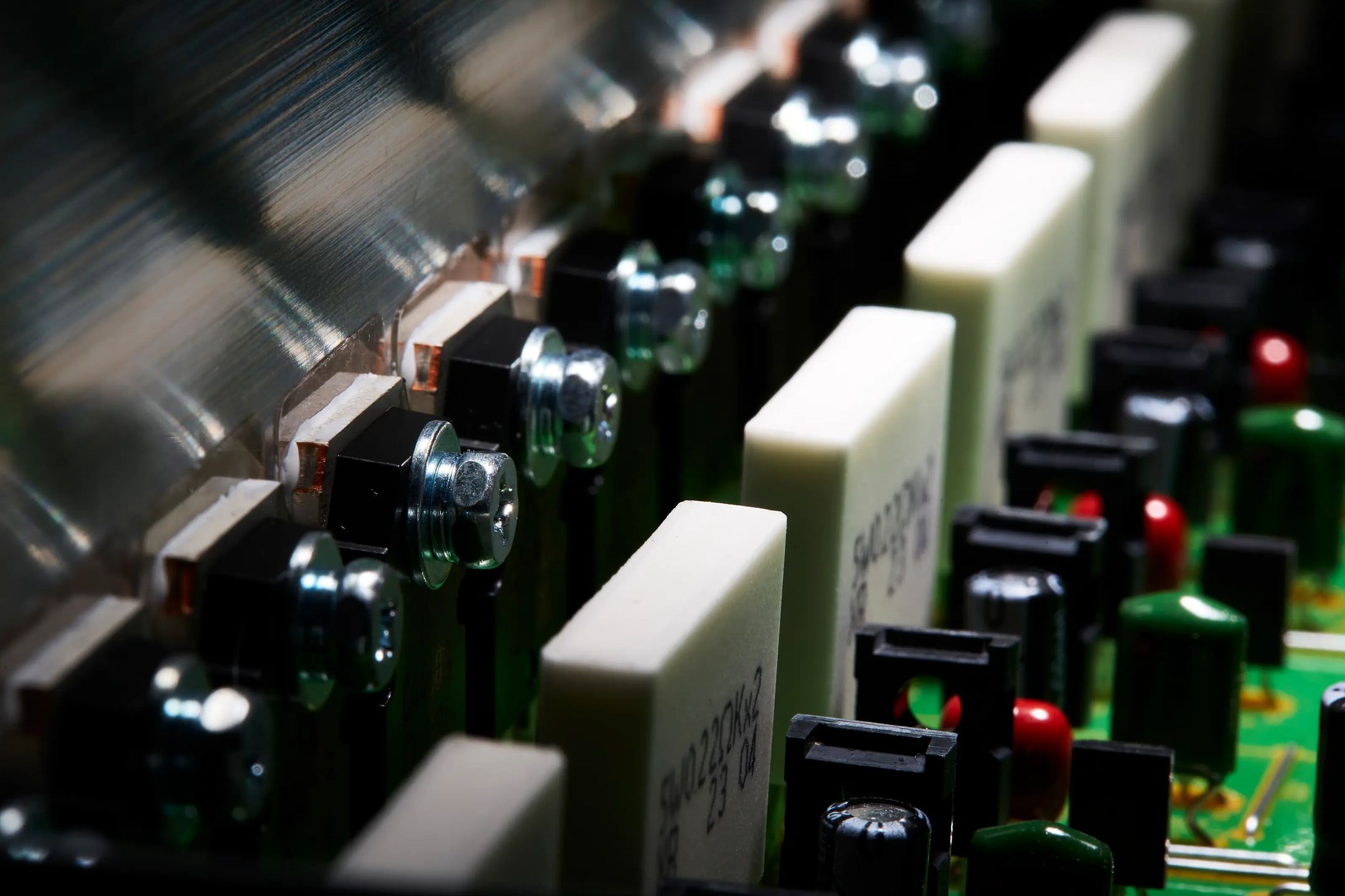
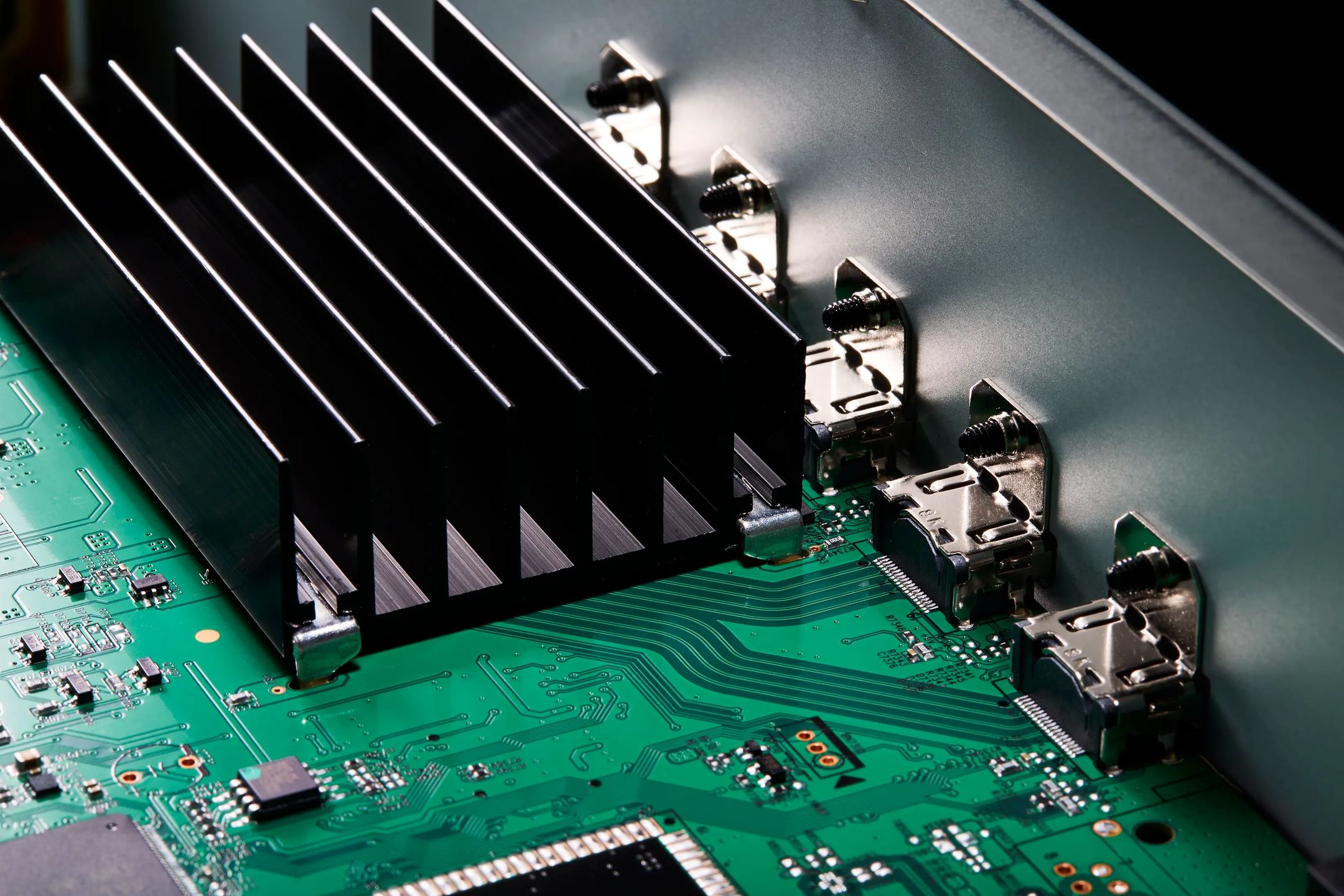
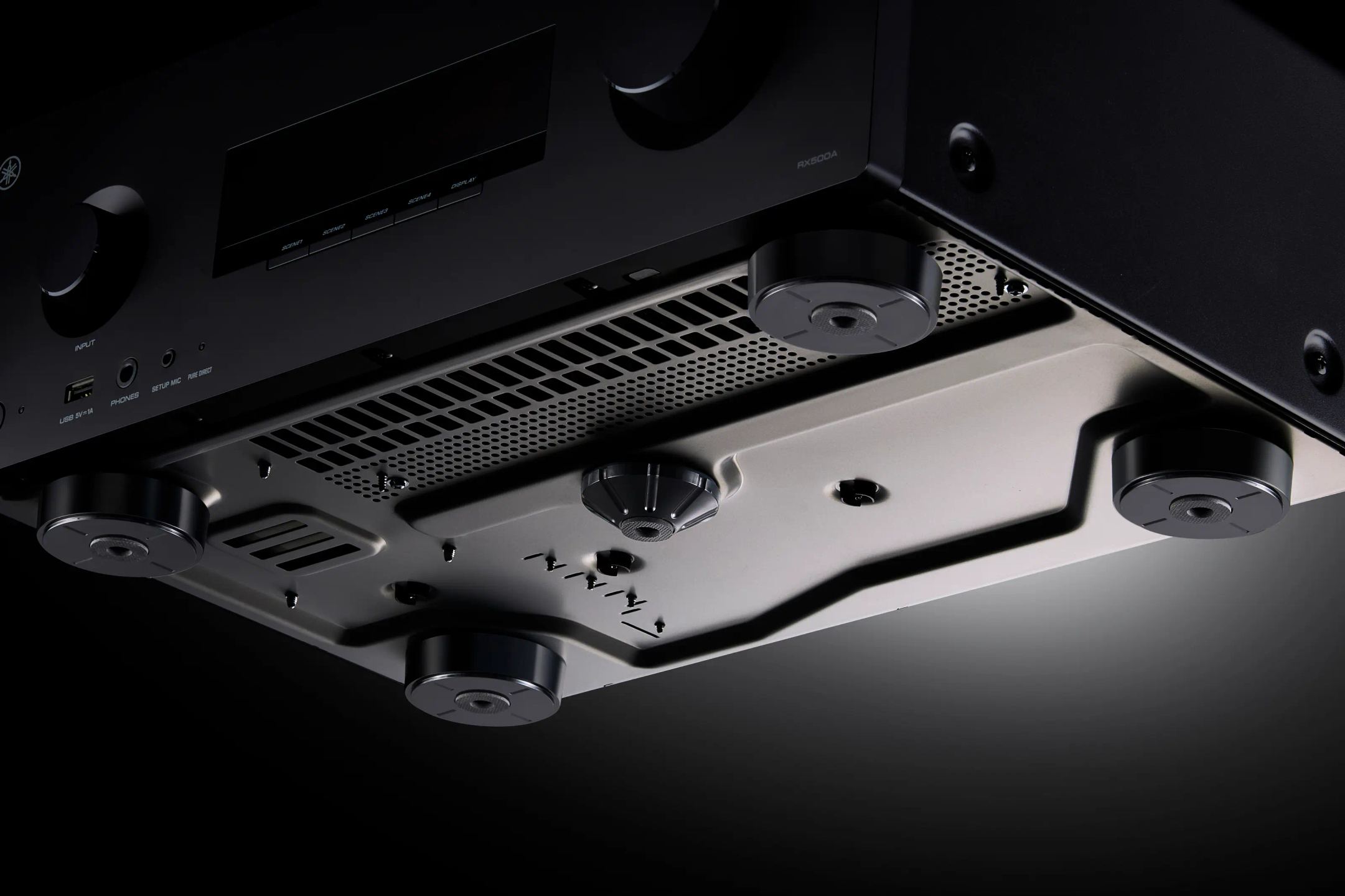
Under the enclosure, the RX500A features the central A.R.T. Wedge foot, taken from Yamaha’s higher-end Aventage series models. This fifth support point, combined with the four outer feet, disperses vibrations to stabilize the sound. This is the first time this system has reached the brand’s entry-level range. Reliability also depends on heat management: a large heatsink positioned above the HDMI circuits protects the HDMI and processing components during high-bandwidth signal switching. The unit consumes 260 W in operation and 0.3 W or less in standby, with automatic standby.
Technical specifications
Amplification
- Channels: 7.2
- Decoding: 7.1
- Amplification channels: 7
- Output power
- 70 W (8 ohms, 20 Hz - 20 kHz, 0.09% THD, 2 channels driven)
- 145 W (6 ohms, 1 kHz, 10% THD, 1 channel driven)
- Bi-amping compatible: yes
- Anti-Resonance Technology (A.R.T.) Wedge system: fifth central foot combined with the four outer feet to disperse vibrations and deliver stable, precise and focused sound
- Large heat sink positioned above the HDMI circuits for effective heat control and protection of sensitive DSP and HDMI components
Audio and decoding formats
- Surround sound decoding formats: Dolby Atmos, Dolby TrueHD, Dolby Digital Plus, Dolby Digital, DTS-HD Master Audio, DTS-HD High Resolution, DTS-Express, DTS, DTS-ES Matrix 6.1, DTS-ES Discrete 6.1, DTS 96 / 24, DTS:X
- Post-surround sound decoding formats: Dolby Surround, DTS Neural:X
- Network decoding formats: MP3, MPEG4-AAC, WMA, WAV, FLAC, Apple Lossless, AIFF
- USB decoding formats: MP3, MPEG4-AAC, WMA, WAV
- HDMI decoding formats: PCM (8 channels max)
- Sound modes: Pure Direct, Straight, Movie, All Channel Stereo, 2 Channel Stereo, Music, Night
- Zone B: yes
- Room calibration: Room Correction, with setup microphone measuring room acoustics and speaker characteristics
- Other audio features: Dialogue level, Subwoofer Trim, Extra Bass, lip sync
Dolby Atmos speaker configurations
- 5.2.2-channel system with in-ceiling speakers
- 5.2.2-channel system with upward-firing speakers
- 7.2 with virtual height effects
Video and HDMI
- HDMI: 4 inputs / 1 output
- HDMI features: HDMI 2.1, 8K 60 Hz / 4K 120 Hz, eARC, ARC, VRR / ALLM / QMS, HDCP 2.3, CEC, automatic lip sync, Deep Color, x.v.Color, HD audio playback
- High dynamic range (HDR) support: HDR (High Dynamic Range), HDR10+, Dolby Vision, Hybrid Log-Gamma
Connectivity
- Speaker output: 7 (screw terminals)
- Headphone output: 1
- Subwoofer outputs: 2
- Analogue RCA inputs: 2
- Optical input: 1
- Coaxial input: 1
- USB: 1 (audio file playback, firmware updates)
Network and streaming
- DAB+ and FM tuner
- Bluetooth: yes (version 5.3, multipoint, simultaneous connection of two devices with instant switching)
- Streaming: Spotify Connect, Qobuz Connect, TIDAL Connect, Google Cast, AirPlay 2, Net Radio, Podcasts
- Wi-Fi / Ethernet port: yes / yes
- App: Audio Connect
Customisation and operation
- Scene buttons: up to four custom presets, adaptable to a specific input with the desired audio settings, instantly recallable from the front panel or remote control
- Intuitive step-by-step setup guide (connecting speakers, TV and external devices, selecting inputs)
- On-screen menu for configuring audio settings
Power supply and consumption
- Power consumption: 260 W
- Standby power consumption: ≤ 0.3 W
- Automatic standby: yes
Dimensions and weight
- Dimensions (product): 434 W x 157 H x 319 D mm
- Dimensions (carton): 525 W x 230 H x 400 D mm
- Weight (product) / (total carton): 8.0 / 9.4 kg
Included accessories
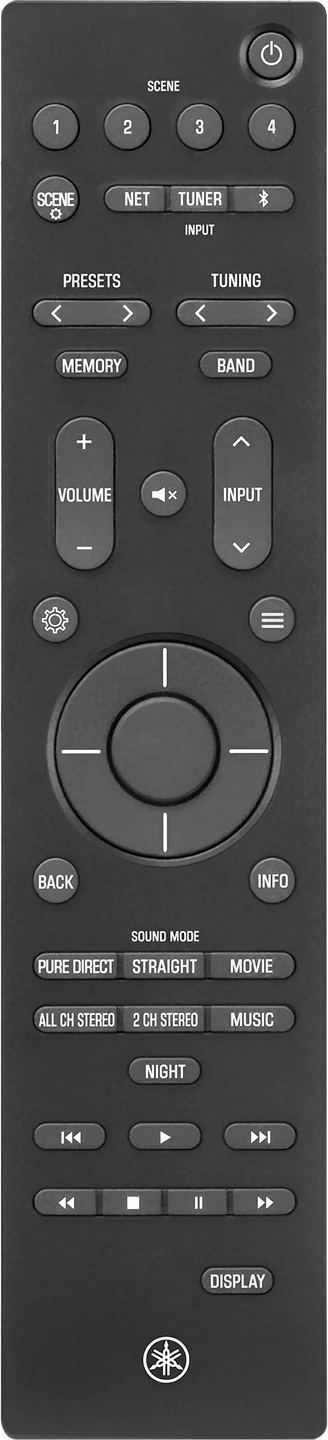
- Remote control
- Batteries
- FM antenna
- Setup microphone
- Microphone stand
- Quick start guide
- Safety instructions
Frequently asked questions
Can the RX500A handle a 7.1.2 Dolby Atmos configuration?
No. Its 7.1 processing and seven amplification channels require a choice. You can configure either 5.1.2, with five ear-level speakers and two height speakers, or 7.1, with rear surround speakers but no physical height effect. The RX500A cannot power both rear surround speakers and two ceiling speakers at the same time.
What is the practical difference compared with the RX300A?
The RX300A operates in 5.2 channels and is limited to a 3.1.2 Atmos configuration, equivalent to a soundbar with separate speakers. It is limited to Bluetooth for wireless music. The RX500A adds two amplification channels, 5.1.2 Atmos playback, and a full network section with Wi-Fi and streaming services.
Do I need a subscription to use streaming?
The RX500A supports Spotify Connect, TIDAL Connect and Qobuz Connect, but playback from these platforms requires an account with the relevant service. Internet radio and podcasts remain accessible without a subscription.
Which height speakers should you choose for Dolby Atmos?
Two approaches lead to the same result. In-ceiling speakers, more discreet but requiring installation work, or upward-firing modules placed on the front speakers, which send sound to the ceiling so it reflects back down toward the listener. Without height speakers, the RX500A also offers virtual processing that simulates this vertical dimension.
Does the tuner receive digital radio?
Yes. The RX500A receives DAB and DAB+ digital radio as well as FM. There is no AM reception.
Is the calibration microphone included?
Yes, the microphone and its stand are included with the amplifier, along with the remote control, batteries, FM antenna and quick start guide.
Can two subwoofers be connected?
Yes. The RX500A has two dedicated subwoofer outputs, allowing the use of two subwoofers to better distribute low frequencies throughout the room.
- Eco-contribution included in the sale price.
- Manufacturer reference: VJJ3500
- GTIN / EAN: 4957812724494