Michel
Meets my expectations
Comment from 21 October 2026 — Experience from 10 October 2026
Automatically translated — Show original (French)
Conforme à mes attentes

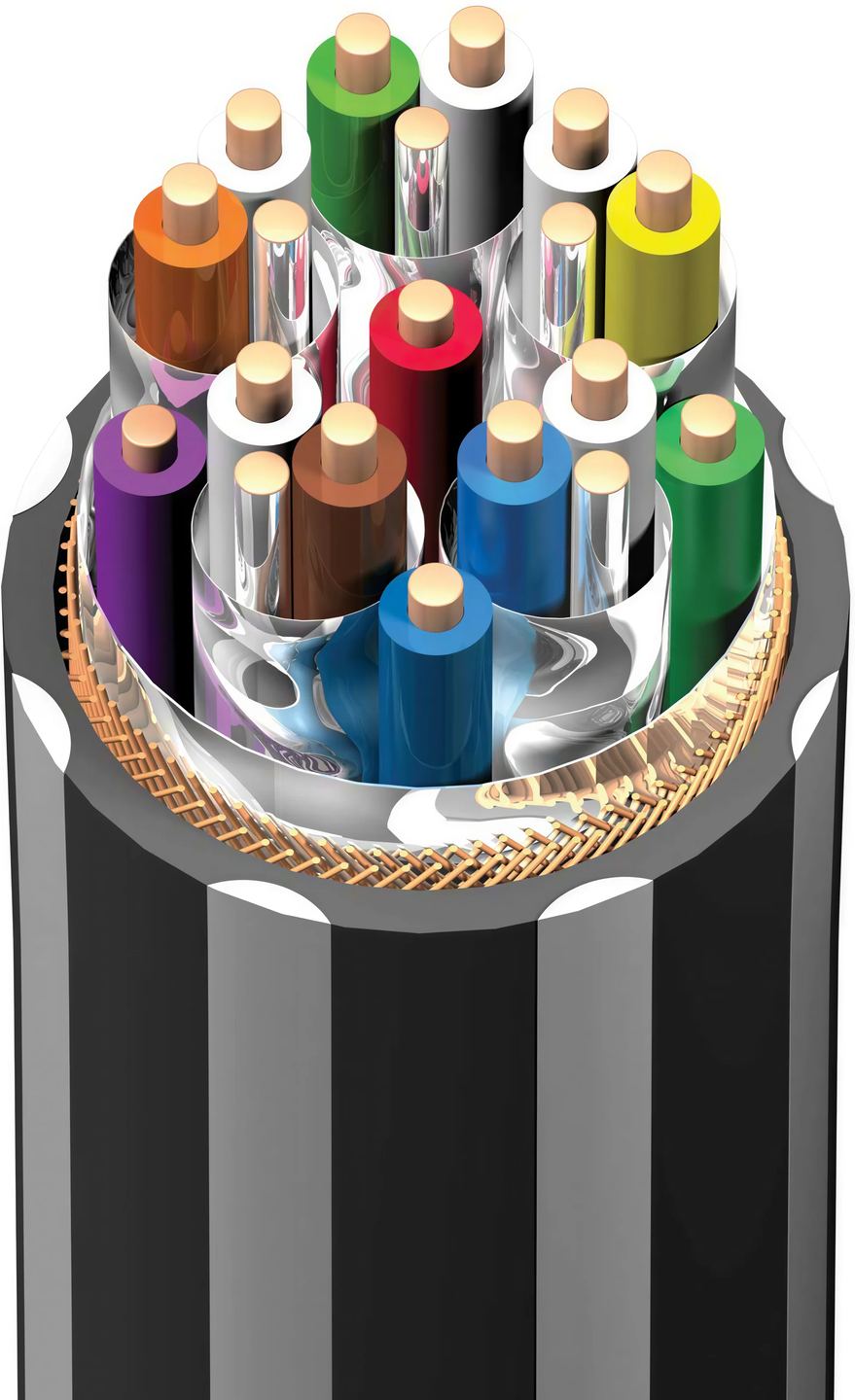
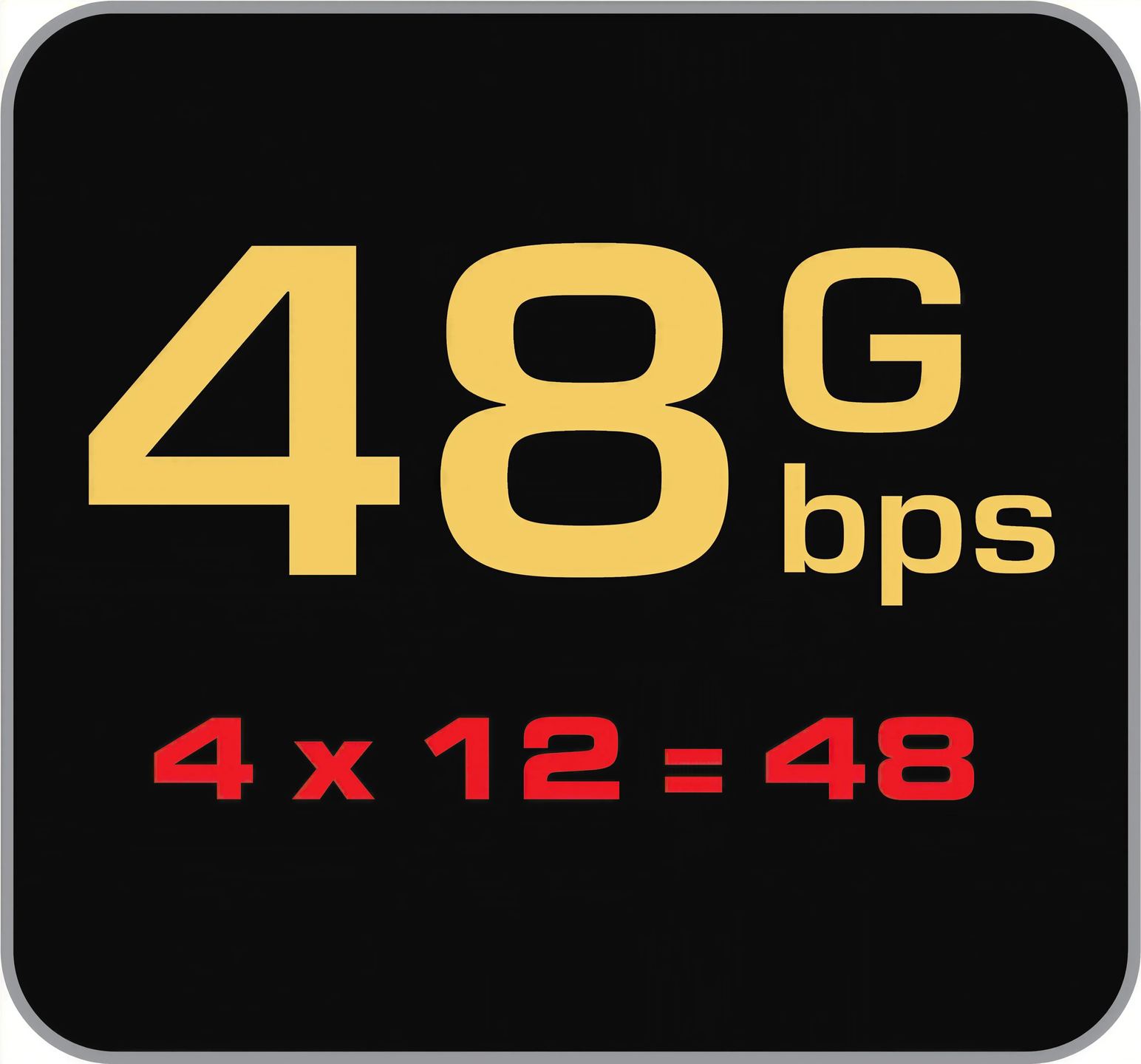




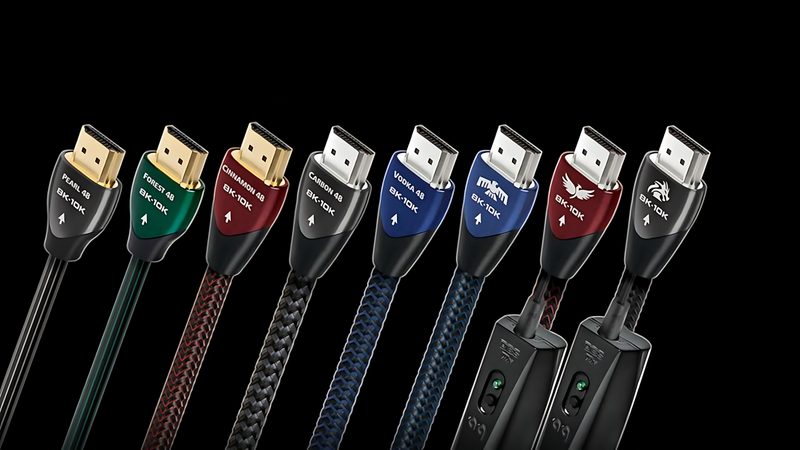
Playing in 4K at 120 frames per second on a recent console or sending a Dolby Atmos track from the TV to the amplifier requires an HDMI cable capable of reaching 48 Gbps, the maximum bandwidth of the HDMI 2.1 standard. The Pearl 48 is the entry-level model in AudioQuest’s 48 series. Its conductors are made of solid copper, and all nineteen wires in the cable receive treatment against radio-frequency interference, including those carrying sound.
The picture travels over four balanced pairs. Each carries 12 Gbps, for a total of 48 Gbps. This bandwidth supports 4K at 120 Hz, 8K at 60 Hz and professional resolutions up to 10K. It also transmits dynamic HDR (Dolby Vision, HDR10+), whose metadata adjusts brightness and contrast frame by frame rather than applying a single setting to the entire film. The Pearl 48 remains compatible with HDMI 2.0 devices: a 4K Blu-ray player or a set-top box running 4K at 60 Hz will work without difficulty, even if they use only part of the bandwidth.
A cable does not add any features: it passes through those that the source and display can handle. On many TVs, only one or two HDMI inputs support the full bandwidth of the 2.1 standard. It is therefore worth checking which port to connect the console or amplifier to.
Most HDMI cables use stranded conductors, made up of many very thin wires twisted together. In the Pearl 48, each conductor is a single solid wire. According to AudioQuest, electrical and magnetic interactions between the strands of a single conductor are a major source of distortion in a cable, and a solid wire eliminates them.
The metal is the brand’s Long-Grain Copper (LGC). This copper is treated so that its crystals are longer than those in ordinary copper, reducing the number of crystal boundaries the signal has to cross. The ground reference wires are made of tinned copper.
An HDMI signal is digital: as long as the cable supports the required bandwidth, the pixels reaching the screen are identical to those sent from the source. AudioQuest’s choice of materials targets something else: the electrical noise that accompanies the signal into the devices’ circuitry.
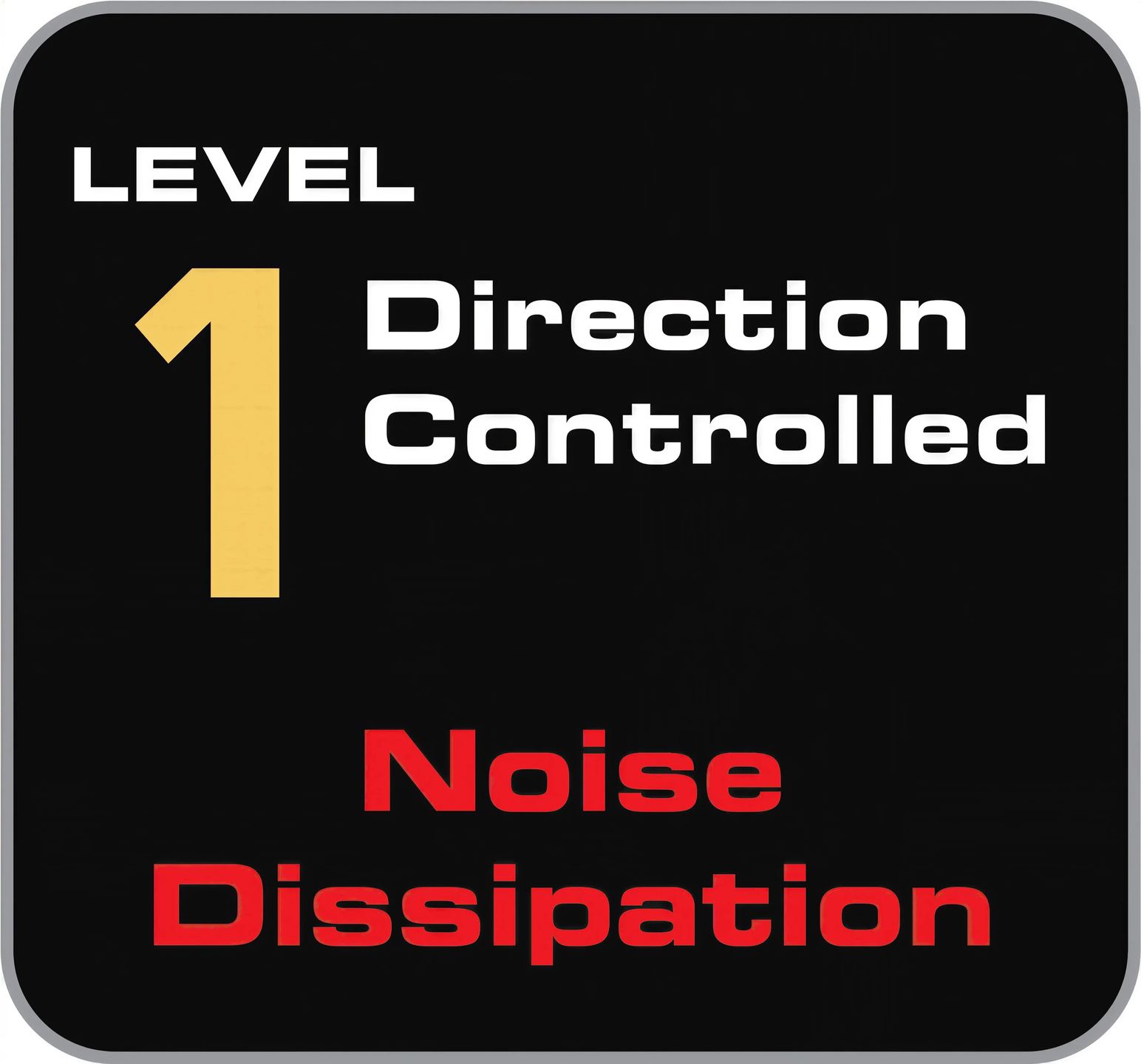
An HDMI connector has nineteen pins, and the cable has just as many conductors: audio-video pairs, an eARC pair, ground references, control lines and a power line. According to AudioQuest, 100% shielding is not enough to counter the waves emitted by Wi-Fi routers, phones and other wireless devices. The Pearl 48 therefore features level 1 of the brand’s Noise-Dissipation technology: each conductor is installed in a specific direction (Direction-Controlled) so that high-frequency noise is directed away from sensitive circuitry rather than back toward it.
This level 1 is the foundation of AudioQuest’s entire HDMI range. Models above the Pearl 48 add other dissipation techniques and silver-plated conductors.
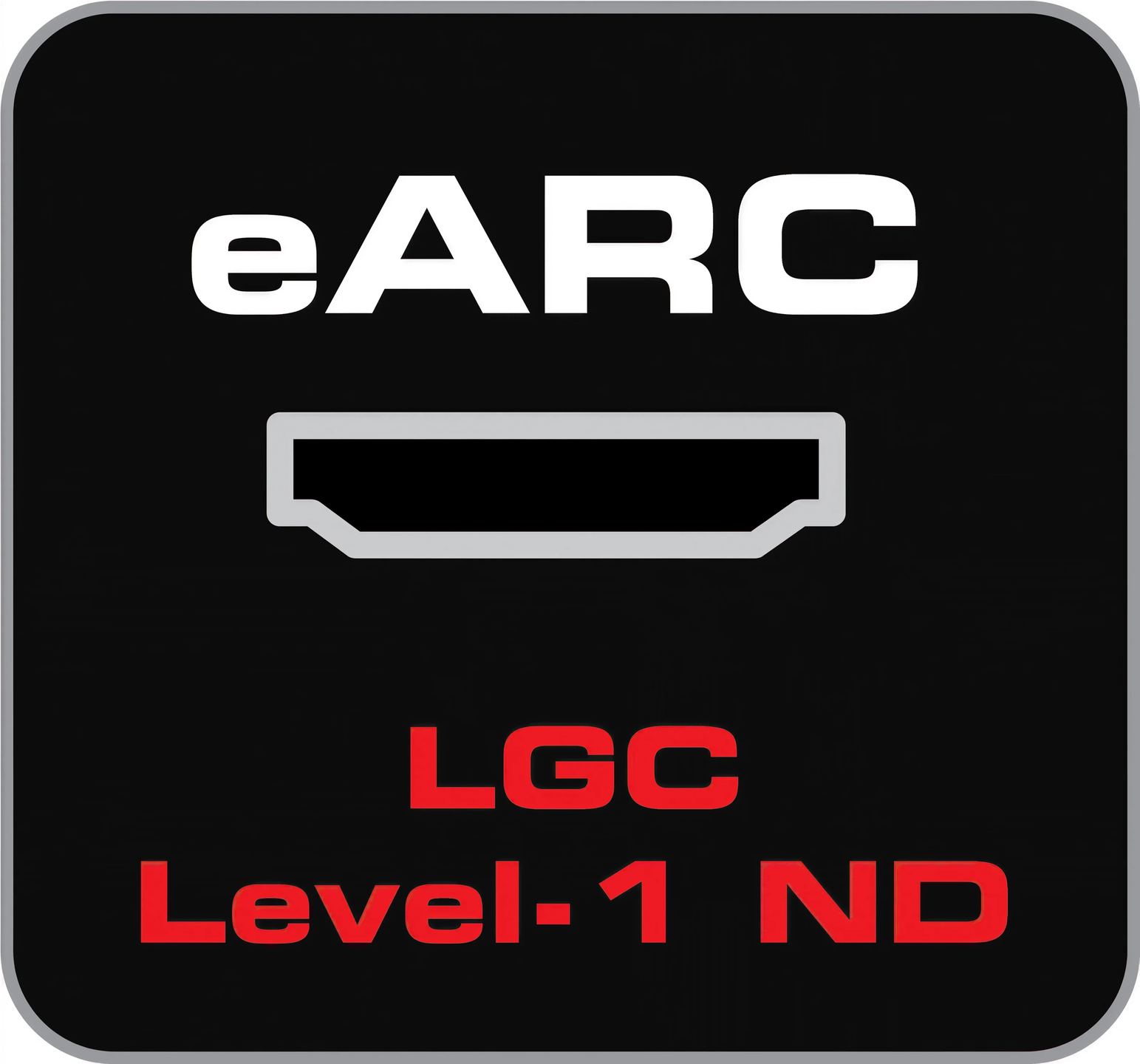
eARC (enhanced audio return channel) carries sound from the TV to a home theater receiver or a soundbar through the HDMI cable already connecting them. With much higher bandwidth than the older ARC, it transmits Dolby TrueHD, Dolby Atmos, DTS-HD Master Audio and DTS:X without compression, as well as multichannel PCM. It is the simplest solution when all sources are connected to the TV and the amplifier receives only the sound.
In the Pearl 48, the pair carrying eARC is built like the video pairs: the same solid LGC copper, the same conductor directionality. Both the TV and the amplifier must still support eARC, on the ports labeled as such. If either one only has ARC, sound remains limited to compressed formats.
The PlayStation 5 and Xbox Series X consoles, along with PC graphics cards equipped with an HDMI 2.1 output, use several features of the standard that depend on the cable’s bandwidth. VRR (variable refresh rate) synchronizes the TV’s display with the console’s actual output rate, eliminating screen tearing when the frame rate varies. ALLM automatically switches the TV to game mode when a game starts to reduce response time. QFT (Quick Frame Transport) sends each frame faster from the source to the screen to reduce display lag. The Pearl 48 transmits all three features, as well as 4K at 120 Hz.
Arrows on the plugs indicate the direction: they point from the device sending the image (console, player, AV receiver) towards the one displaying it. Connected the wrong way round, the cable still works, since the HDMI signal travels in both directions on certain lines, but the orientation chosen by AudioQuest to drain away noise is no longer respected.
The cable is rarely the cause. On most TVs, you need to enable a setting such as “extended HDMI signal,” “enhanced HDMI” or “Ultra HD signal format” for the input being used, depending on the brand. You also need to connect the console to an HDMI 2.1 port on the TV and enable 120 Hz in the console’s video settings. If an AV receiver is connected between the two, its inputs and outputs must also support 4K at 120 Hz.
If both cables support the required data rate, the pixels transmitted are the same. A visible difference mainly occurs when a cable cannot handle that data rate: intermittent black screens, sparkling white dots, audio dropouts. AudioQuest’s claims focus on connection stability at 48 Gbit/s and electrical noise transmitted to devices, not on a more colorful or more detailed picture.
The Forest 48 retains the solid long-grain copper conductors and Level 1 noise dissipation, with 0.5% silver plating on the conductors. This is the first step in a progression toward conductors with increasing silver content and higher levels of noise dissipation in the 48 series.
Yes, provided that both the graphics card and the display have an HDMI port. To enjoy 4K at 120 Hz or VRR, the graphics card’s output must be HDMI 2.1. The cable is not suitable for a display that only has DisplayPort inputs, and an adapter does not guarantee the highest data rates.
Yes. Most 4K projectors have HDMI 2.0 inputs, which the cable supports thanks to its backward compatibility. HDMI 2.1 models will benefit from 4K at 120 Hz if the source provides it. The features transmitted depend on the projector, not the cable.
Based on reviews from customers who purchased this product, summarised by AI
Michel
Meets my expectations
Comment from 21 October 2026 — Experience from 10 October 2026
Philippe
Quality product and perfect order processing
Comment from 25 May 2026 — Experience from 14 May 2026
Anthony
Nothing to say for the price
Comment from 6 February 2026 — Experience from 16 January 2026