United States
EN
Quote
Contact
Account
Basket

Hi-Fi Cables

High-fidelity cables are an essential link in any audio setup. RCA and XLR interconnects, speaker cables, digital cables (USB, coaxial, optical), power cables: each type serves a specific purpose in transmitting the signal between your devices. Choosing suitable cabling preserves the integrity of the audio signal and allows you to fully exploit your equipment’s performance, whether in a hi-fi or home theater system. Learn more

Must-haves

Best sellers

The different types of high-fidelity cables

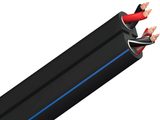
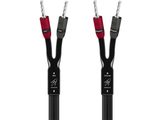
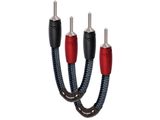
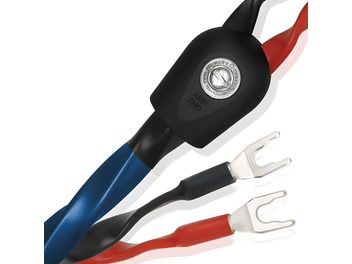
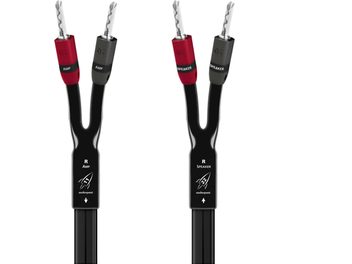
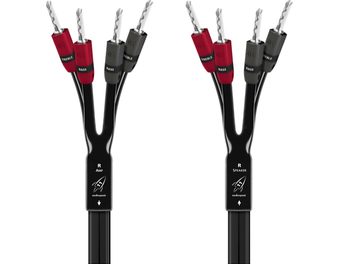
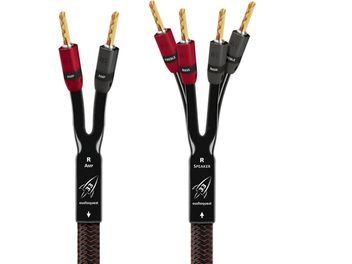
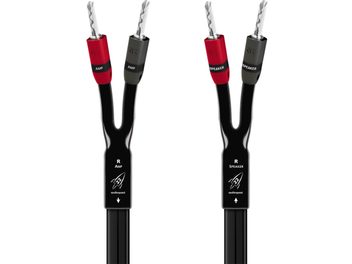
An audio system consists of several connections, each playing a specific role. Speaker cables (or loudspeaker cables) carry the amplified signal from the amplifier to the speakers. Their cross-section, generally between 1.5 and 4 mm², should be chosen according to the required cable length and your system’s power. Multi-stranded, high-purity copper conductors ensure balanced transmission across the entire audible spectrum.

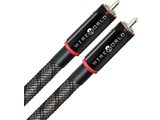
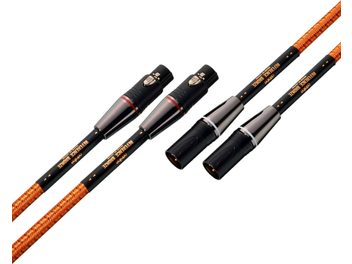
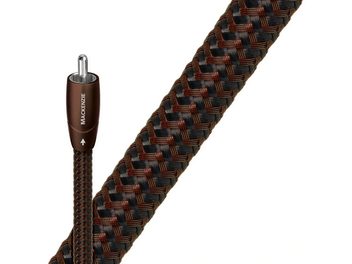
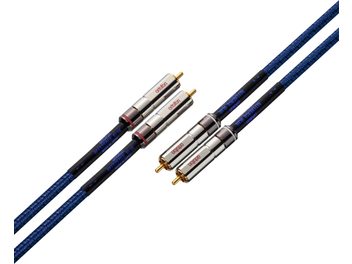
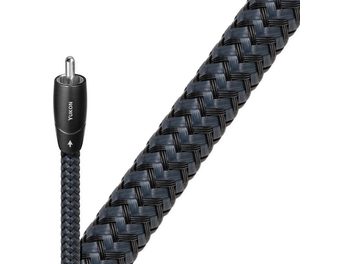
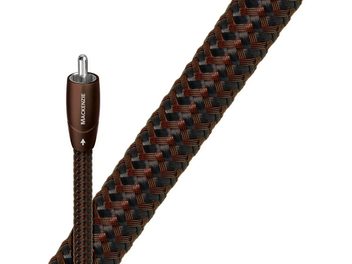
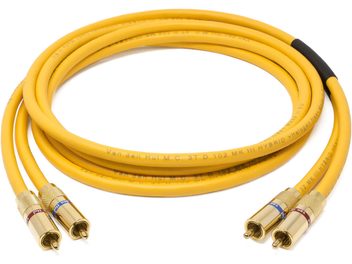
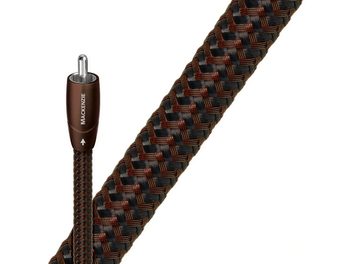
Interconnect cables link sources (CD player, turntable, DAC) to the amplifier or preamplifier. Available in unbalanced (RCA) or balanced (XLR) versions, they carry a low-level signal that requires effective protection against interference. Shielding and connector quality then become critical.

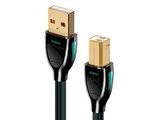
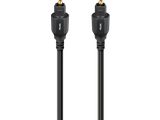
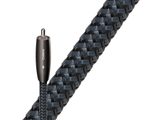
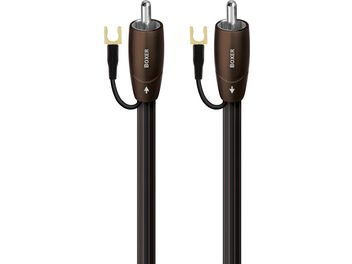
Digital cables handle audio data transfer between network players, streamers, and converters. USB for connecting a computer or network player to a DAC, coaxial or optical for linking a digital source to an amplifier: each standard suits specific uses. Coaxial connections, with their standardized 75-ohm impedance, are generally preferred for their superior bandwidth and direct signal transmission.

Finally, power cables supply the various components in the chain. Quality conductors and appropriate shielding help limit electromagnetic interference that can find its way into the audio signal.

Materials and design

The purity of the copper used directly influences a cable’s performance. OFC (Oxygen Free Copper) or very high-purity OCC (Ohno Continuous Cast) copper minimizes losses and preserves signal detail. Some high-end cables incorporate silver—an even better conductor—either as a pure conductor or as plating over copper.

Conductor insulation also plays an important role. Materials like expanded polyethylene or Teflon keep the cable’s electrical properties stable and reduce capacitive effects that can degrade the signal, particularly at high frequencies.

The conductors’ geometry—whether coaxial, twisted, or with separated strands—affects cable behavior. Some designs prioritize transmission speed, others tonal neutrality or bass control.

Choosing cables to suit your system

A cable should match the grade of your setup. For entry- or mid-range systems, well-made cables with sound materials and appropriate gauges will be sufficient to preserve signal quality. High-end systems, with greater resolution and sensitivity, will benefit from audiophile cables with optimized characteristics.

Length also influences the choice. For speaker cables under 5 meters, a cross-section of 2 to 2.5 mm² suits most setups. Beyond that, 4 mm² or more helps limit line losses and maintains the amplifier’s control over the drivers.

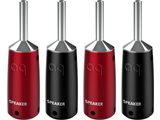
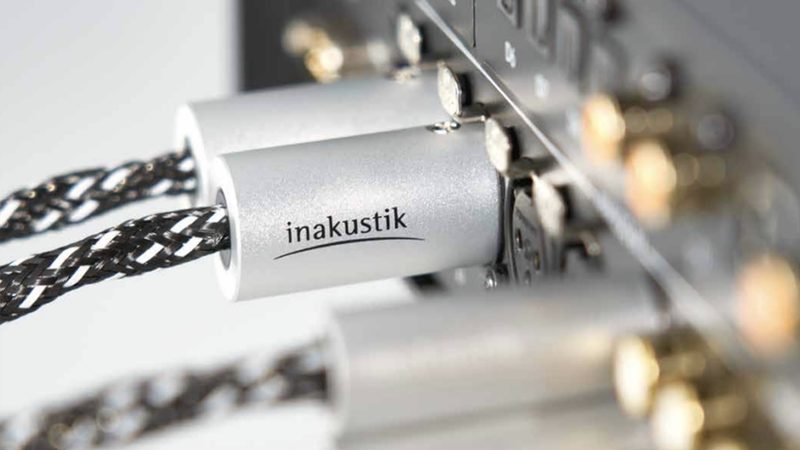
Connectors should not be overlooked. Quality banana plugs with gold- or rhodium-plated contacts ensure a stable, durable connection. For interconnects, RCA or XLR connectors with quality contacts and proper crimping preserve signal integrity.

The cable, an essential passive link

Although a cable does not change the intrinsic quality of your electronics, it can limit their performance if undersized or poorly matched. Conversely, cabling that’s coherent with your system’s level allows each component to perform at its best. The cable optimizes signal transmission from the amplifier to the speakers, from the source to the amplifier, or from the network to your electronics, minimizing losses and interference.

In a high-fidelity setup, every link matters. Cables, often wrongly considered a detail, are the arteries of your audio system. Choosing the right cables ensures the audio signal retains its richness and nuances throughout its path.

HomeCineSolutions
Loading