

High-Fidelity Headphone Amplifiers
A headphone preamp amplifies the audio signal before it reaches your hi-fi headphones. Unlike headphone outputs built into amplifiers, a dedicated headphone amp handles the impedance of demanding headphones, improves dynamics and preserves sonic transparency. With an integrated DAC or in a pure analog version, portable or desktop, it reveals every detail in your music. Learn more
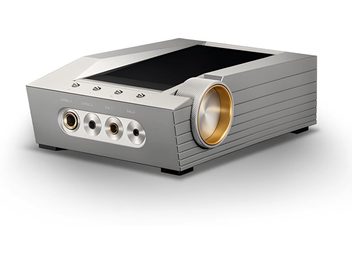

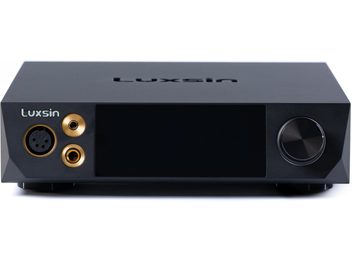
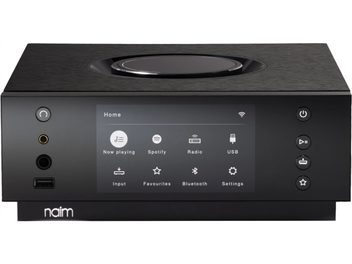
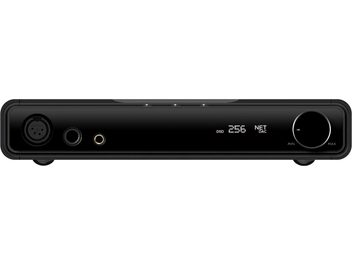

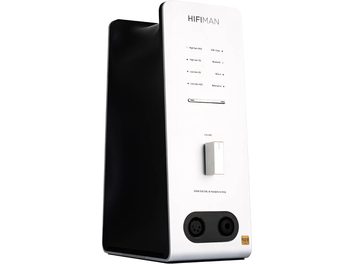
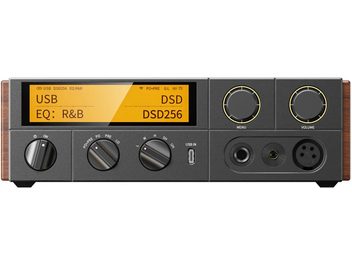
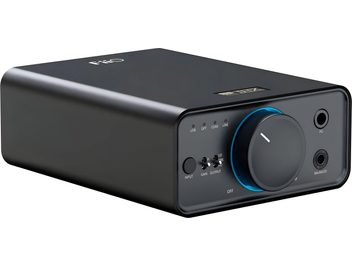
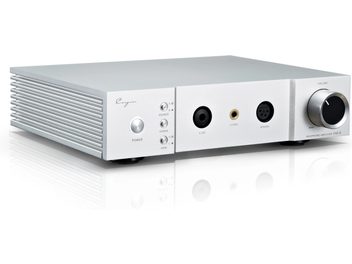
Why choose a dedicated headphone amplifier?
Headphone outputs built into amplifiers or CD players work, but they are often neglected in the design. Interference can degrade the signal when amplification is not isolated from the main circuit: CD transport noise, power supply disturbances or various interference can impair playback.
A separate headphone amp eliminates these drawbacks by processing the signal in isolation. Connected via analog RCA, optical, coaxial or USB, it delivers higher volume and greater current capacity. The higher voltage provides the power needed to drive low-sensitivity transducers effectively.
The question of impedance
Not all headphones have the same impedance. From 16 to 600 ohms, this electrical resistance determines the power required for proper operation. A 16-ohm headphone requires around 15 mW, while a 250-ohm model requires more than 100 mW.
The main advantage of a headphone amp is its ability to manage these impedance differences, especially for high-end models that require more power. The device then provides better dynamics and optimized timbre reproduction. Ideally, the amp’s output impedance should be 1/8 of the headphones’ impedance to avoid distortion and fluctuating frequency response.
Technologies and architectures
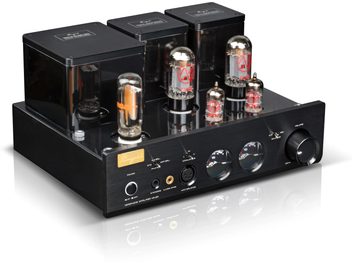
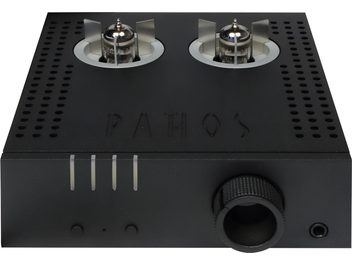
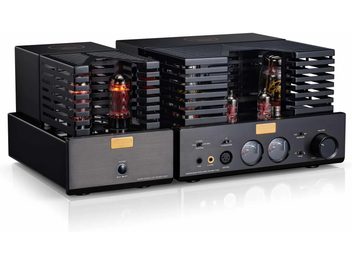
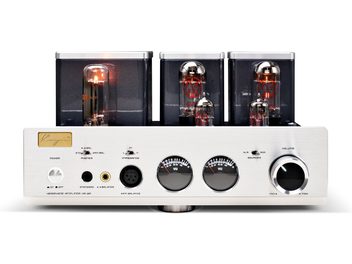
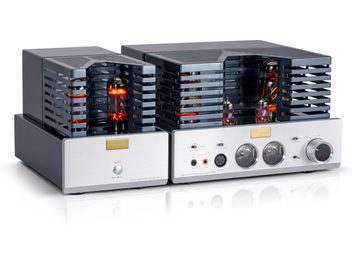
There are two main technology families. Tube amps appeal with their sonic warmth and harmonic coloration, delivering a warm, vintage sound. Transistor versions prioritize neutrality and precision, with extremely low background noise.
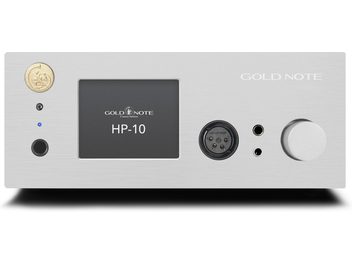
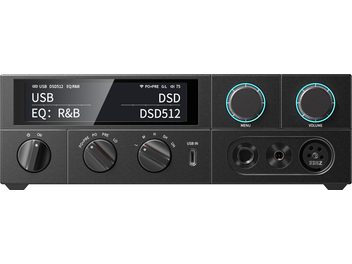
Many modern models incorporate a DAC (digital-to-analog converter), allowing digital audio sources to be processed directly. This feature is particularly useful for high-resolution audio formats: PCM up to 32-bit/768 kHz, native DSD512. These devices can therefore replace the sound card in a computer or smartphone.
Connectivity and versatility
Connectivity varies according to use. Analog inputs (RCA, XLR) sit alongside digital options (USB, optical, coaxial). Some models offer a pre-out output, allowing the headphone amp to be used as a preamplifier in a complete hi-fi system.
Portable or desktop
Headphone amps are now available in portable and desktop versions. Compact, USB-powered portable models often include a DAC and connect directly to smartphones, tablets or computers. With their compact form factor and integrated converters, they are suited to audiophile listening on the move.
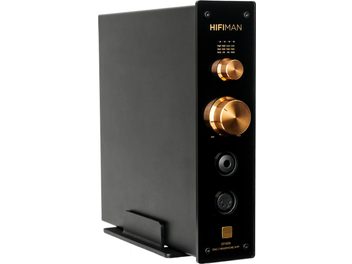
Desktop versions generally offer more powerful amplification and expanded connectivity. They integrate into a complete hi-fi system, between digital sources and headphones, sometimes with a preamplifier function for active speakers.
Integrated network players
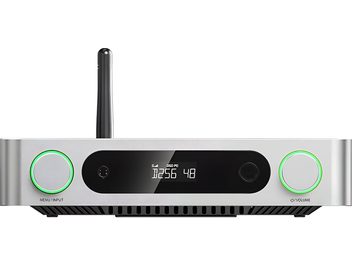
Some high-end headphone amps feature a complete network player. Controlled via a mobile app, they provide access to high-resolution streaming services (Qobuz, Tidal, Spotify, Apple Music, Amazon Music), network libraries (DLNA/UPnP) and web radios. Wireless streaming (AirPlay, Chromecast, Bluetooth aptX HD, LDAC) makes streaming from smartphones and tablets easier.
Choosing according to your headphones
Choosing a headphone amp depends primarily on the headphones being used. High-impedance or low-sensitivity headphones require more power to perform optimally. A good headphone preamp preserves sonic transparency while improving the signal-to-noise ratio and harmonic distortion.
For sensitive headphones, adjustable gain prevents excessive power. For demanding models reaching 600 to 1000 ohms, robust amplification is essential. Balanced outputs (XLR, 4.4 mm jack) provide greater channel separation and lower background noise than unbalanced outputs (3.5 mm, 6.35 mm jack).
A dedicated headphone amplifier is therefore the logical investment for fully exploiting the capabilities of hi-fi headphones. It expands the soundstage, reveals the subtleties of recordings and delivers a rich, immersive listening experience.




