

Home Theater Seating
Cinema seats transform your home theater setup into a true private screening room. Designed for optimal seating comfort during long sessions, these chairs replicate the ergonomics of professional theaters while integrating specific features: motorized reclining mechanisms, adjustable footrests, built-in cup holders, and modular row configurations. Learn more
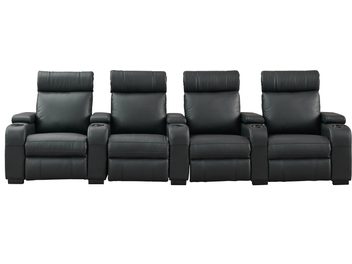
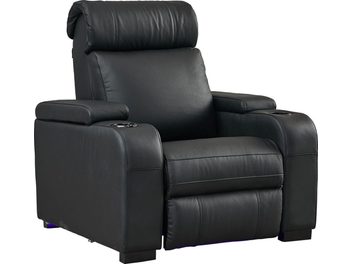
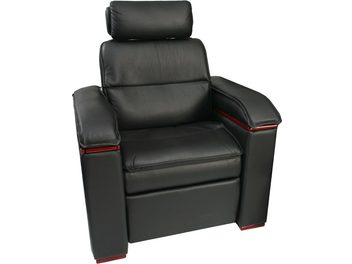
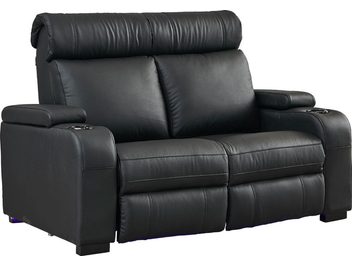
Types of seats and configurations
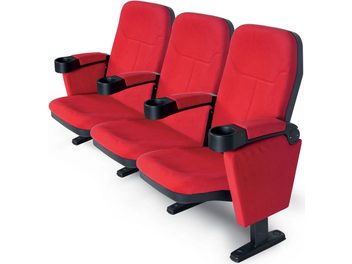
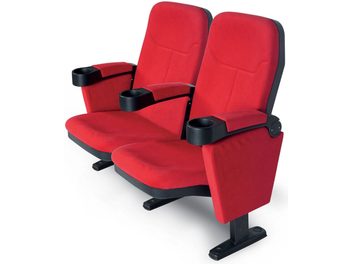
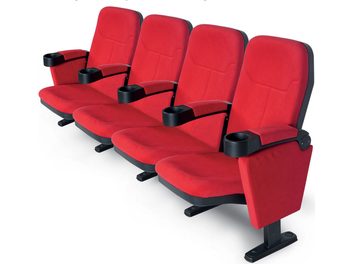
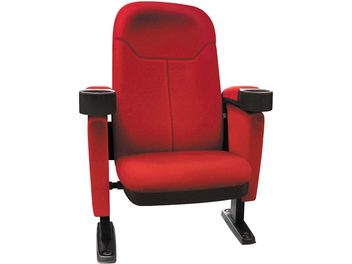
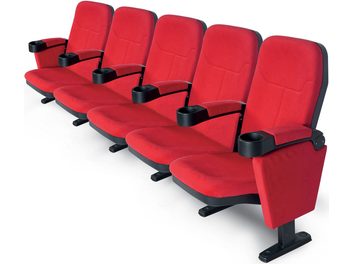
The market offers two main families of seats. Classic flip-up seat chairs, similar to those in multiplex cinemas, maximize available space and allow for multiple rows. Their quiet mechanism withstands intensive use but requires permanent floor mounting.
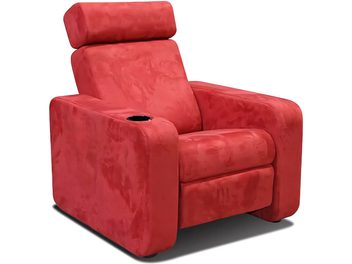
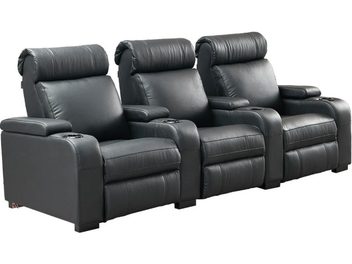
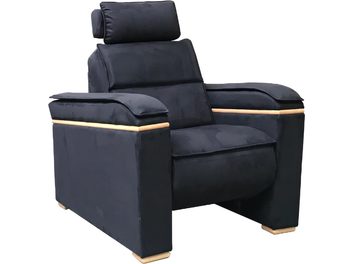
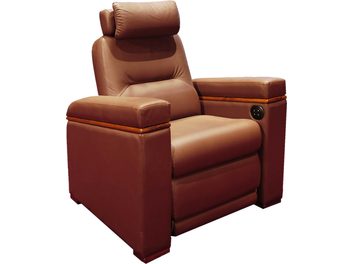
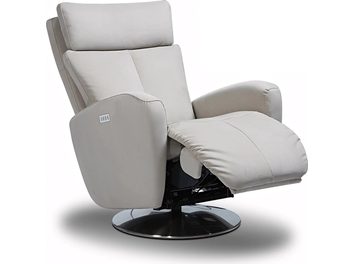
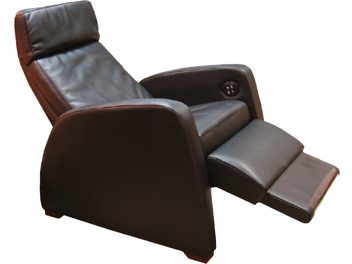
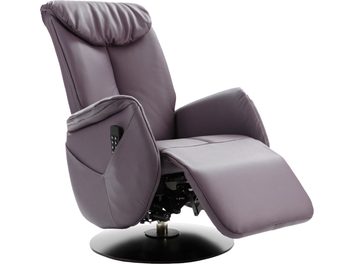
Motorized recliner chairs offer a higher level of comfort with electric backrest recline and footrest deployment. Bulkier, they require sufficient clearance in front and behind, but they guarantee a nearly lying viewing position with optimal support for the lumbar and cervical areas.
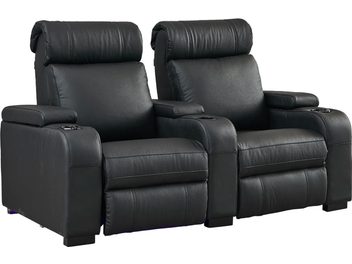
Modularity is a major asset: individual 1-seater configuration, 2-seater “love seat” combinations, or full rows of 3 seats and more. Modular elements can be assembled with or without intermediate armrests as needed.
Equipment and available options
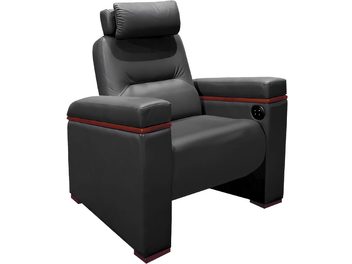
Current models include features not found on a standard living room sofa. Cup holders are housed in the armrests or in retractable positions. USB ports let you charge smartphones and tablets. Ambient LED lighting under the seat makes it easier to move around without disrupting the screening.
High-end versions feature refrigerated cup holders, hidden storage compartments for remotes and accessories, as well as height- and tilt-adjustable headrests. The latter is crucial: without an adjustable headrest, your neck is left unsupported throughout the film, causing significant cervical strain.
Upholstery and materials
Fabric remains the most affordable option, particularly in the classic “cinema red” to recreate the authentic theater ambiance. Faux leather offers an intermediate alternative with easier maintenance. Genuine leather, more resistant and durable, is the optimal long-term investment. Some manufacturers also offer technical coverings such as King-Flex or Alcantara depending on the model.
High-density foam, often Bultex-type, ensures lasting comfort without premature sagging, even with daily use.
Positioning and viewing distance
The placement of the seats directly determines the immersive experience. For cinema, a horizontal viewing angle of 30 to 40° provides optimal immersion. In practical terms, this means placing the seats at a distance of 1 to 1.5 times the screen diagonal for 4K, or 1.5 to 2.5 times for 1080p.
Between rows, allow 80 cm to 1 meter between backrests and footrests. For rooms with multiple rows, a 20 to 30 cm riser per row ensures optimal visibility for all viewers.
The vertical viewing angle also deserves attention: the center of the image should be at eye level or slightly below. Off-axis positions should not exceed 30 to 35° relative to the center of the screen.
Installation and layout
Beyond the seat itself, the room’s acoustics come into play. Some models use materials that absorb unwanted sounds, improving the overall sound quality of the setup.
Customization extends to finishes: stained and varnished solid wood armrests, embroidered seat numbering, and a choice of several dozen colors. This flexibility allows you to harmonize the seats with existing decor, whether you prefer a clean, understated style or a more distinctive themed ambiance.




