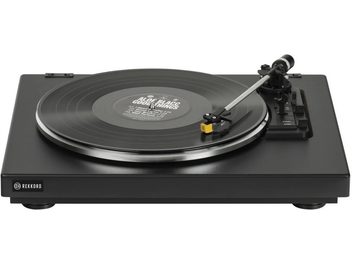
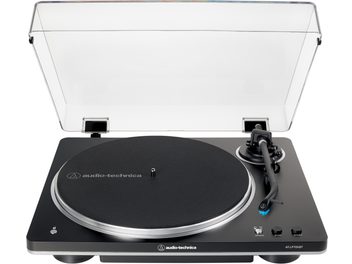
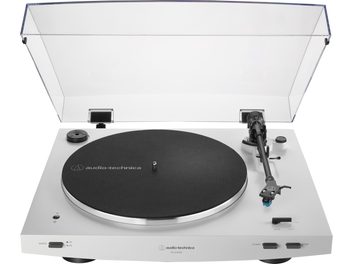
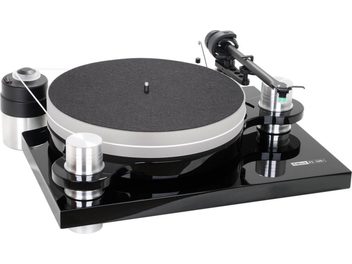
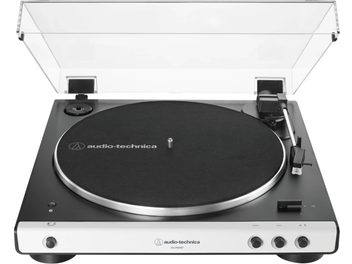
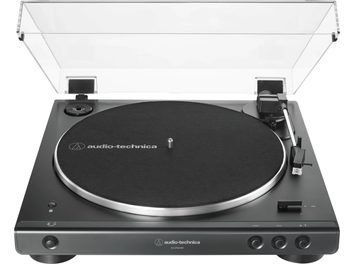
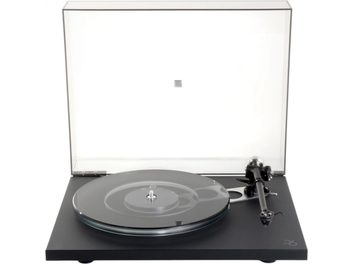
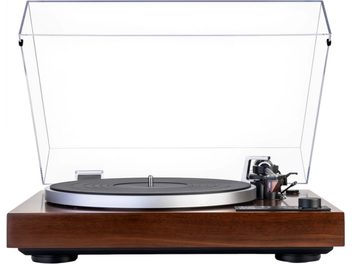
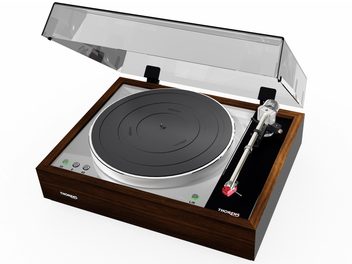
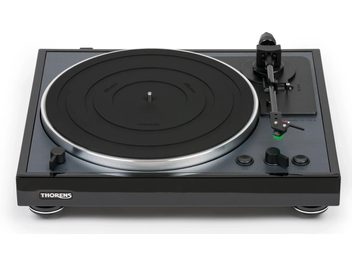
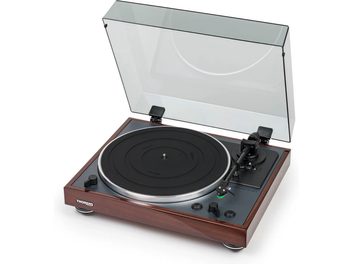
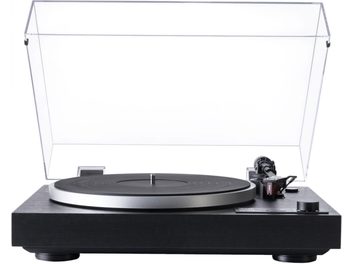
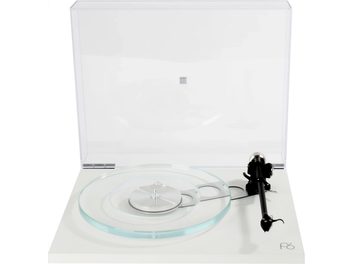
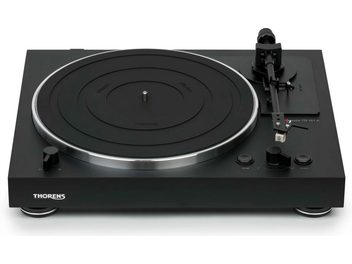
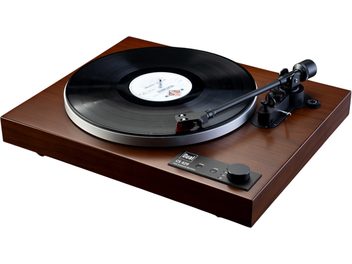
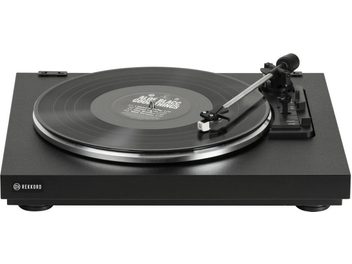
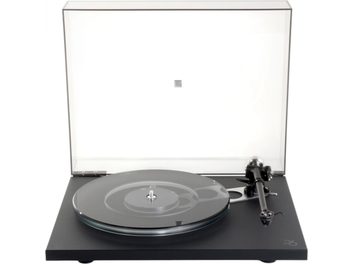
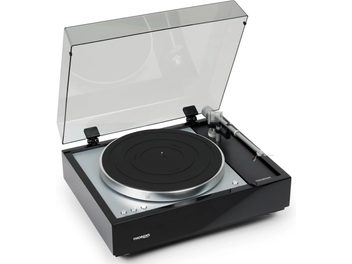
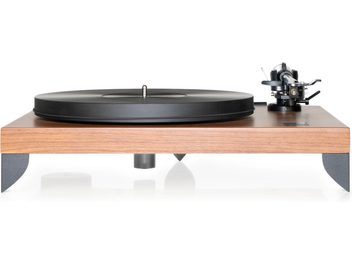
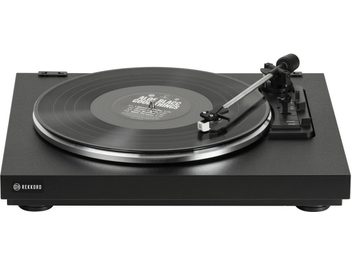
Automatic turntables
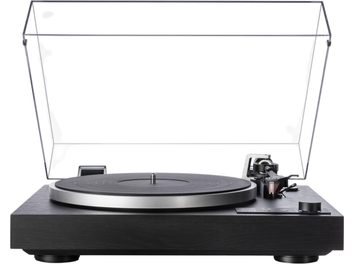
An automatic turntable manages the playback cycle on its own: when started, the tonearm lifts, moves over the lead-in groove and lowers, then at the end of the record it rises and returns to its rest, sometimes switching off the motor. A simple button is all it takes, with no need to handle the tonearm by hand. This convenience also protects the record and stylus: no more awkward cueing or tonearm left scraping the end of the vinyl if you step away or fall asleep. It is the most reassuring operation for getting started or for everyday use without ceremony. There are two levels. The fully automatic turntable handles cueing and lifting from start to finish; the semi-automatic turntable requires you to lower the tonearm by hand but lifts it on its own at the end of the record, a common compromise. The tonearm drive mechanism adds a few parts to the playback path, which explains why the most advanced audiophile models often remain manual, to eliminate any mechanical interference and lighten the tonearm. In practice, on a well-designed turntable, this difference remains slight and automation is genuinely useful on a daily basis. Like any turntable, it needs a phono stage to be listened to. This turntable requires a phono preamp, built-in or separate, to amplify the cartridge signal and apply RIAA equalization before feeding an amplifier connected to a pair of hi-fi speakers.