

Grado Opus 3

Overview
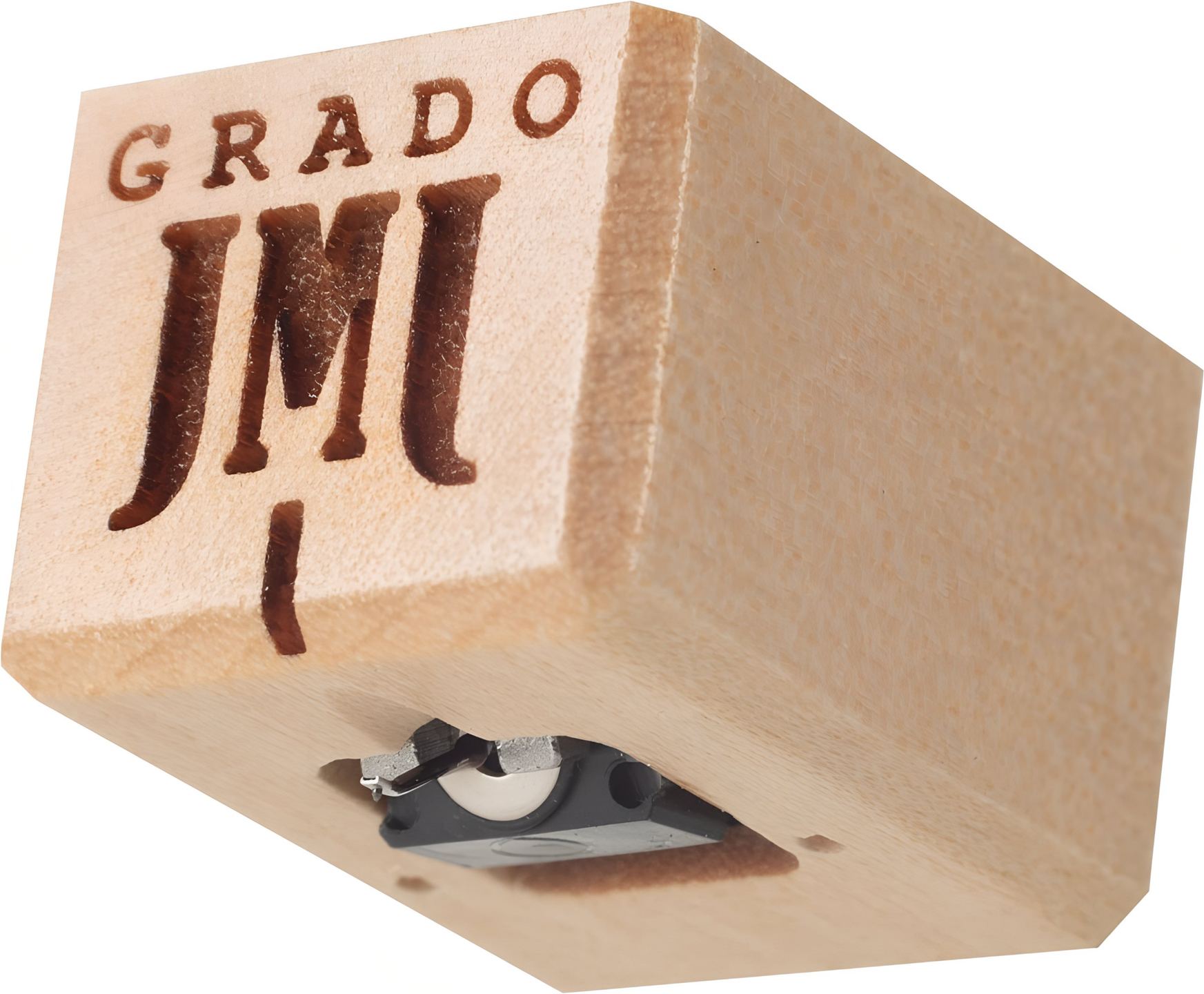
The Opus 3 cartridge marks a turning point in the Grado range by introducing for the first time a maple body in an accessible cartridge, while integrating the technical advances developed for high-end models. This moving iron cartridge embodies Grado’s desire to create a coherent bridge between its entry-level and mid-range lines, making accessible the sonic refinement characteristic of the brand’s wooden-bodied cartridges.
A maple body with remarkable acoustic properties
The Opus 3 inaugurates the use of maple in Grado cartridge design. This choice stems directly from the experience gained by the brand with this noble wood in its Heritage and Statement series headphones. Maple produces a sound that is both vibrant and lush, while maintaining exemplary coherence and clarity in reproduction.
The maple body undergoes a meticulous thermal aging process, a technique that modifies the molecular structure of the wood to optimize its damping capabilities. This controlled transformation allows the material to better control parasitic resonance frequencies, thus contributing to a more faithful and less colored reproduction of the musical signal. The body shape has been specifically redesigned for the Opus 3, creating optimal synergy between the wooden housing and the cartridge’s internal components.
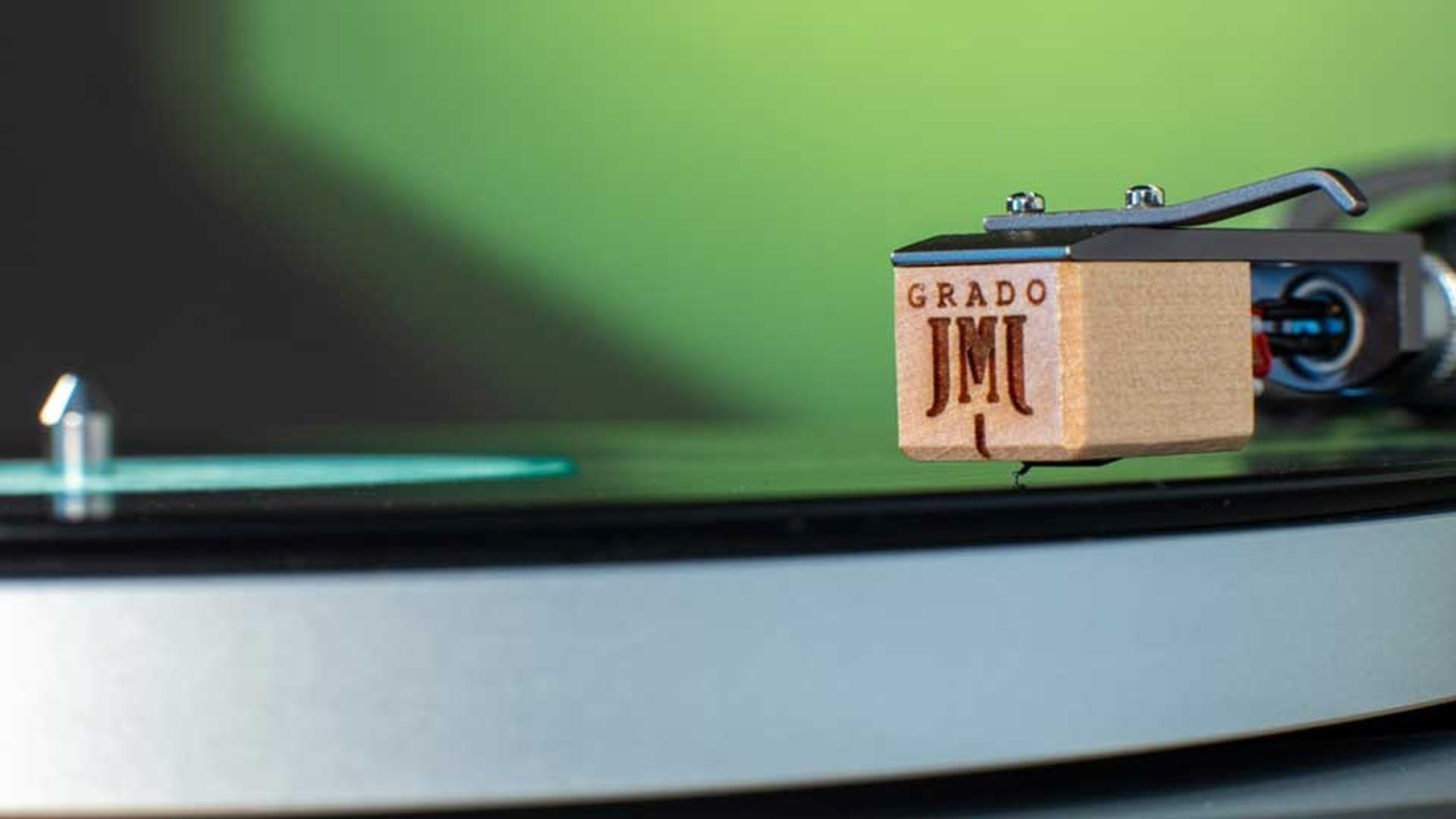
The solid mass of maple wood, combined with its natural damping properties, stabilizes the tracking mechanism during groove following. This physical stability translates into better channel separation and a more precise stereo image, two essential characteristics for convincing musical reproduction.
Cutting-edge technologies and assembly precision
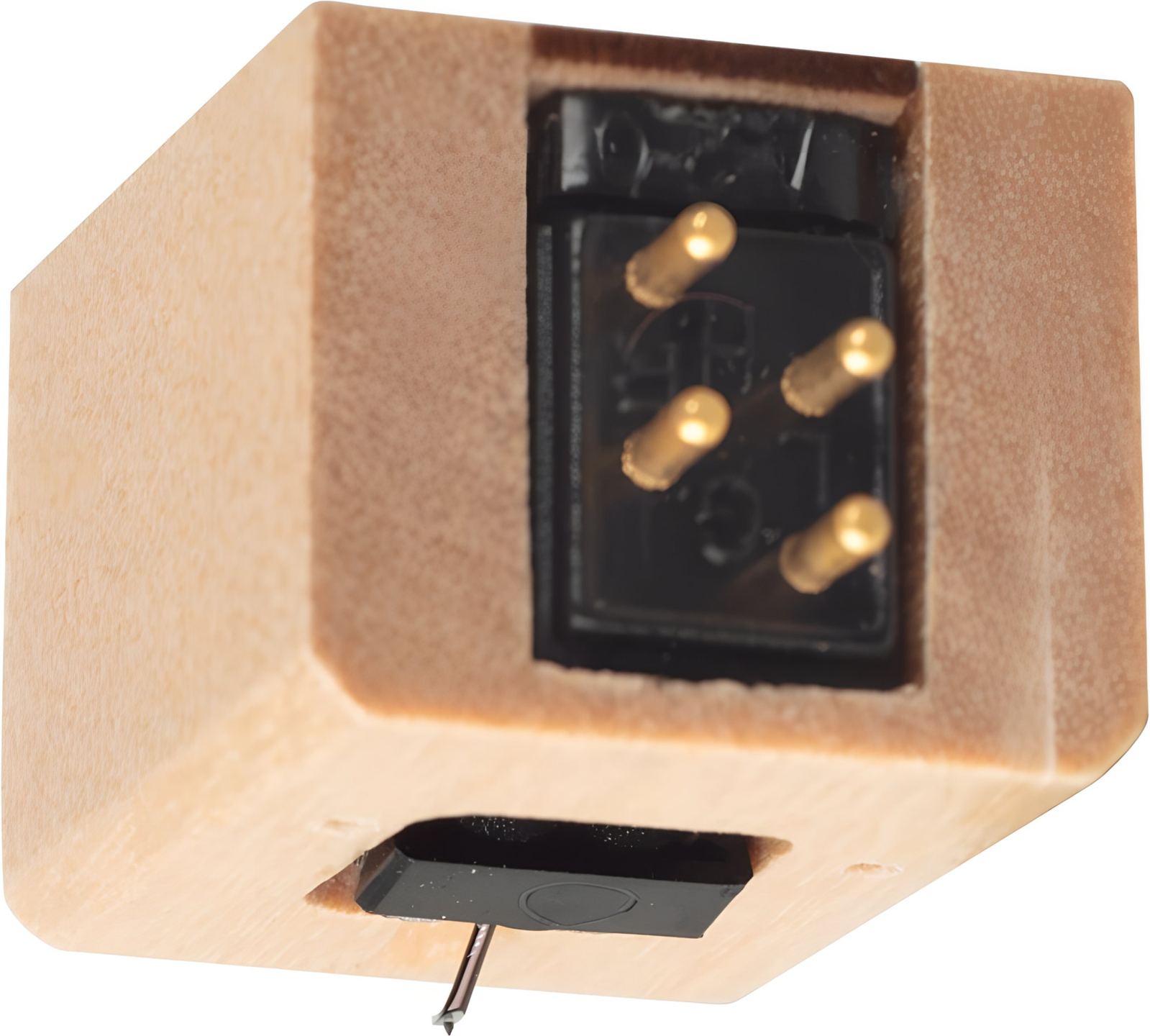
At the heart of the Opus 3 lies a sophisticated magnetic system based on the Moving Iron principle, a technology patented by Grado that combines the advantages of moving magnet and moving coil cartridges. This configuration uses a very low-mass iron piece attached to the cantilever, whose movements in the magnetic field generate the electrical signal with remarkable efficiency.
The two-step shielding process constitutes a significant technical advance. This innovative method not only ensures perfect synchronization between the four ultra-high purity copper coils, but also creates an interference-free signal path. The result: a drastic reduction in mechanical noise and distortion-free transmission of the musical signal across the entire frequency response, which extends from 10 Hz to 60 kHz.
The new winding techniques developed by Grado, combined with traditional methods perfected over decades, achieve exceptional uniformity in the construction of each cartridge. This assembly precision manifests in an average channel separation of 30 dB over the 10-30 kHz range, guaranteeing a spacious and well-defined soundstage.
Cantilever and diamond: tracking precision
The Opus 3 employs an aluminum cantilever topped with an elliptical diamond hand-cut with surgical precision. This combination offers an optimal compromise between rigidity, lightness, and tracking ability. The elliptical diamond, with its sophisticated profile, follows the groove walls more intimately than conical or spherical tips, extracting more information while reducing distortion and record wear.
The recommended tracking force, between 1.6 and 1.9 grams, testifies to the efficiency of the suspension system. This relatively low range for a cartridge of this performance level preserves records while ensuring optimal tracking, even in the most demanding passages. The compliance of 20 μm/mN makes the Opus 3 compatible with a wide range of tonearms, from light models to medium masses, thus offering great installation flexibility.
Technical specifications
Design
- Cartridge type: Moving Magnet (MM)
- Ultra high-purity copper coil
Electrical performance
- Frequency response: 10 - 60 kHz
- Channel separation: average 30 dB - 10 - 30 kHz
- Output:
- high: 4.0 mV at 5 cm/s (45 rpm)
- low: 1.0 mV at 5 cm/s (45 rpm)
Operating parameters
- Input load: 10 - 47 kΩ
- Recommended tracking force: 1.6 - 1.9 g
- Compliance: 20 μm/mN
Electrical characteristics
- Inductance:
- high output: 55 mH
- low output: 6 mH
- Resistance:
- high output: 660 Ω
- low output: 70 Ω
General information
- Weight: 8 g
Frequently Asked Questions
Is the Opus 3 sensitive to the "Grado hum" often mentioned?
Some turntables can indeed induce a slight hum when the arm approaches the motor, a phenomenon historically associated with unshielded Grado cartridges. The Opus 3 benefits from the new two-step shielding process that considerably reduces this problem. Nevertheless, careful placement of the turntable, away from transformers and other sources of electromagnetic fields, remains recommended for optimal performance.
Is the Opus 3 suitable for entry-level turntables?
Absolutely. Grado designed the Opus 3 to function optimally on a wide range of equipment, from entry-level turntables to the most sophisticated systems. Its compliance of 20 μm/mN and weight of 8 grams make it compatible with the majority of modern tonearms, while its robust construction tolerates the minor mechanical imperfections often present on affordable turntables.
What is the Opus 3's position in the Timbre range?
The Opus 3 constitutes the entry point of the Timbre series, followed by the Platinum 3 (€449), the Sonata 3 (€699), the Master 3 (€1199), and the Reference 3 (€1699). Each higher model brings progressive refinements: Australian Jarrah wood bodies, more sophisticated diamonds, more complex assembly techniques. The Opus 3 nevertheless shares with its bigger sisters the fundamental technologies and sonic philosophy characteristic of Grado.
- Eco-contribution included in the sale price.




