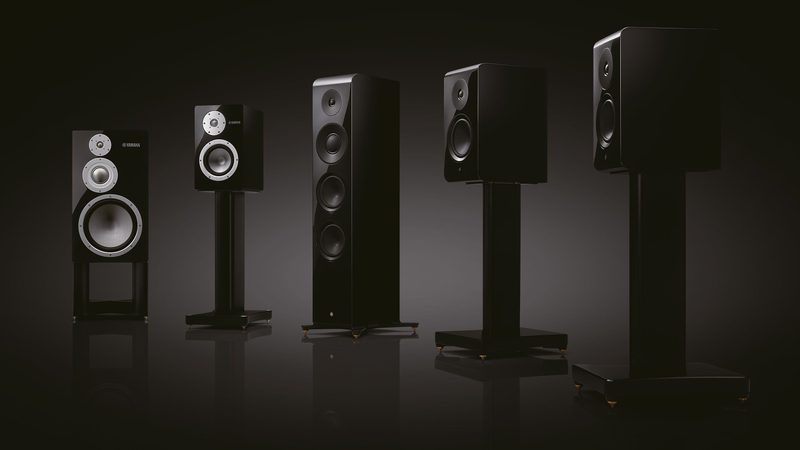
Yamaha NS-600A (pack of 2)
Overview
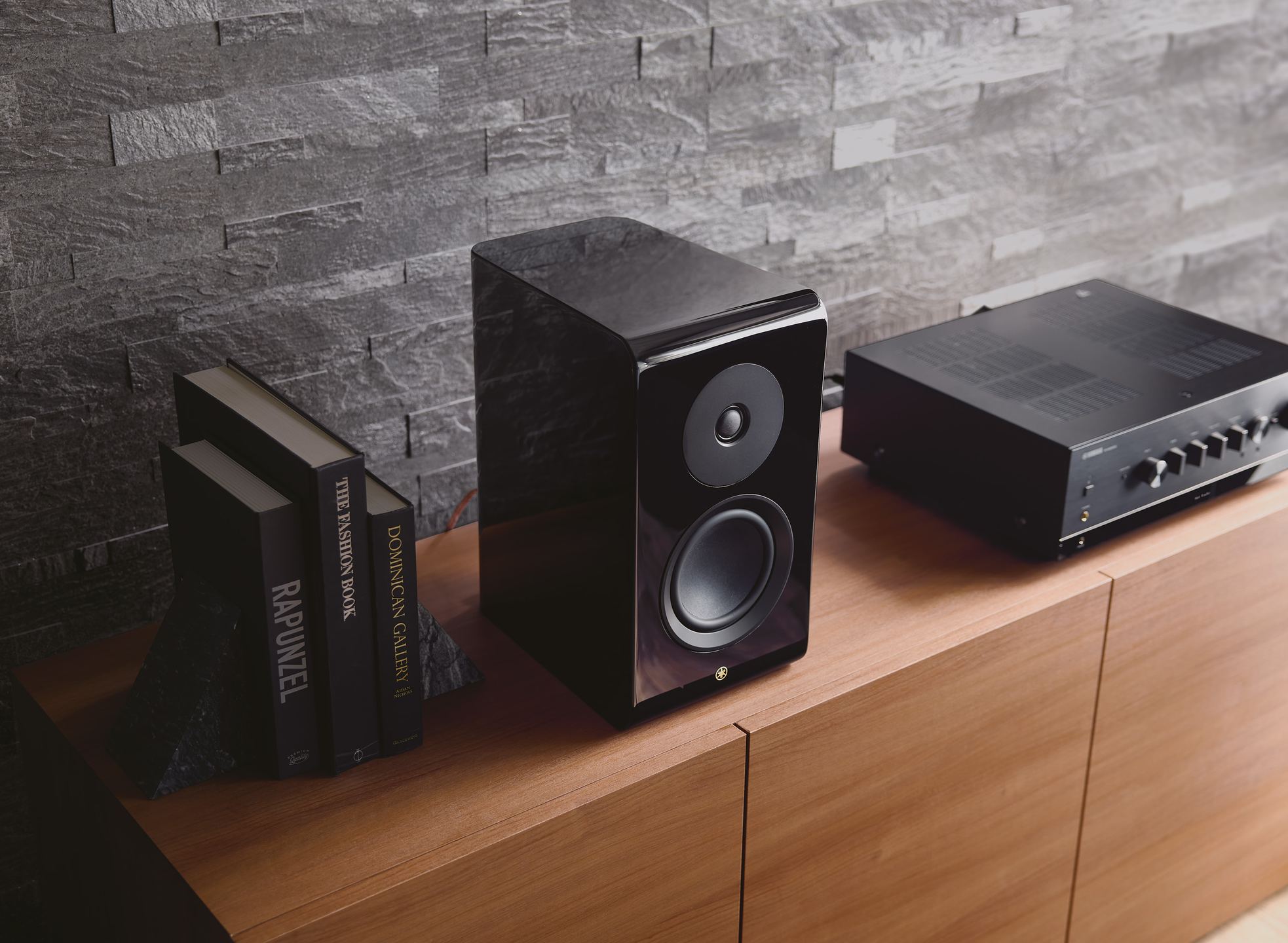
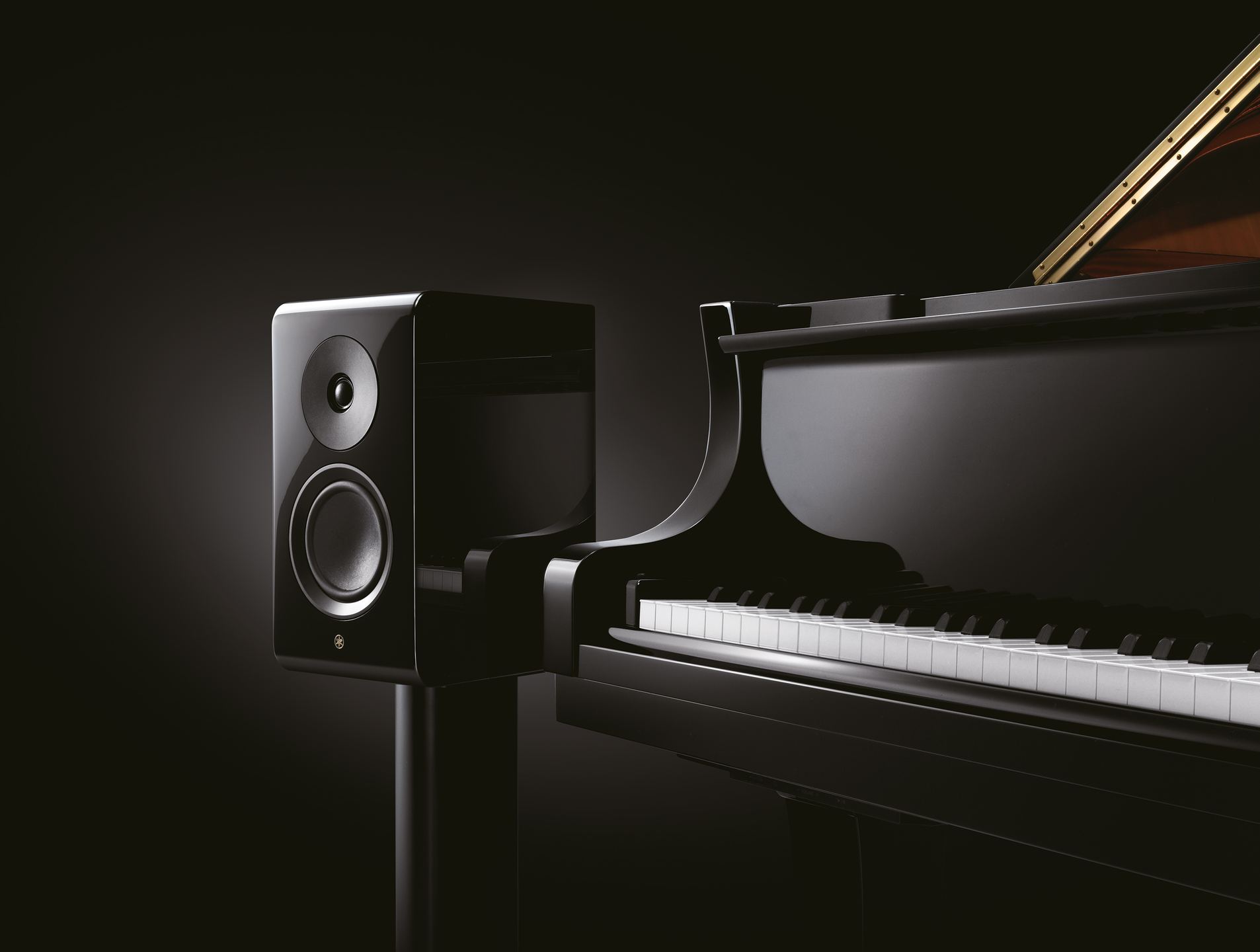
The Yamaha NS-600A represents a remarkable synthesis between the Japanese manufacturer’s century-old expertise in acoustic instrument design and the latest technological advances in sound reproduction. This two-way bookshelf speaker combines cabinetry worthy of the brand’s grand pianos with patented acoustic innovations, offering a unique proposition in the world of high fidelity.
An acoustic design where every element contributes to overall harmony
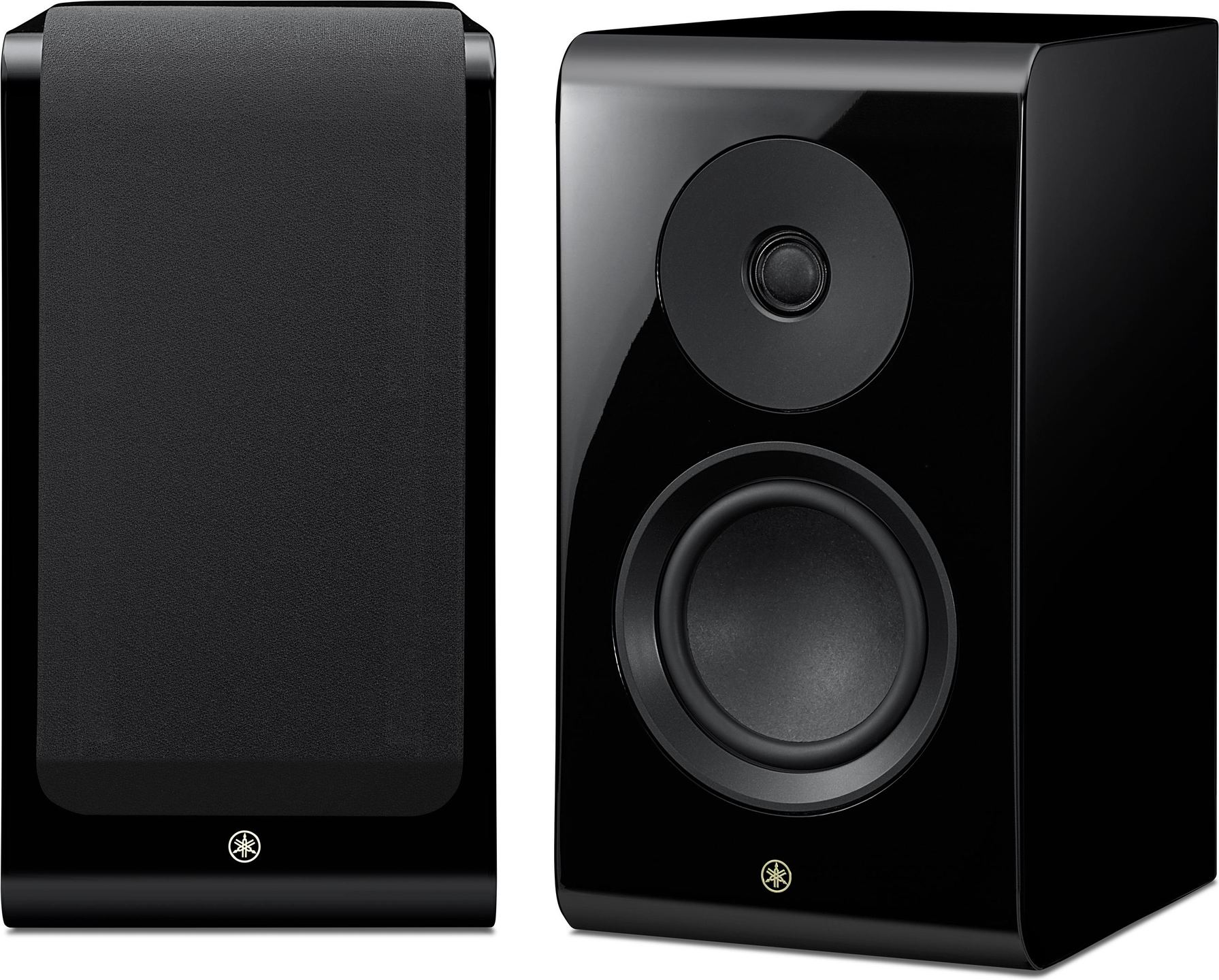
The NS-600A is based on a particular technical approach where each component has been designed to create tonal coherence across the entire audible spectrum. At the heart of this philosophy lies the Harmonious diaphragm, an exclusive Yamaha creation that equips both the 3 cm dome tweeter and the 13 cm woofer. This composite membrane combines two materials with complementary properties: Zylon and spruce.
Zylon, a synthetic polymer initially developed for military and aerospace applications, provides remarkable rigidity - even superior to steel while maintaining an extremely low mass. This combination delivers high sound velocity, essential for faithful reproduction of transients and micro-details. Spruce, a wood species carefully selected for Yamaha piano soundboards for over a century, complements this structure by bringing its natural resonance qualities and ability to produce rich harmonics. The fibers of this wood, visible on the membrane surface, are not there for aesthetics: they actively participate in the controlled dissipation of vibrational energy, thus contributing to particularly homogeneous sound coloration.
This uniformity of design between tweeter and woofer (a rare occurrence in the industry) achieves exemplary tonal continuity during the transition between the two transducers at the crossover frequency of 2.6 kHz. The result translates into remarkable coherence in timbre reproduction, particularly appreciable on voices and acoustic instruments.
Patented technologies serving sonic transparency
Yamaha has specifically developed several innovations for the NS-600A designed to preserve the integrity of the musical signal. The R.S. (Resonance Suppression) Chamber technology constitutes one of the most remarkable. Mounted at the rear of the tweeter, this resonance suppression chamber adopts a complex geometry composed of two interconnected tubes with specially designed shapes. This device operates on a principle of canceling parasitic waves generated behind the tweeter membrane. Unwanted resonances are channeled into these tubes where they cancel each other out through destructive interference, thus preserving the purity of the main sonic message.
The cabinet itself benefits from a similar approach with the Acoustic Absorber system. Rather than relying heavily on traditional absorbent materials, which tend to stifle the natural liveliness of music, Yamaha has opted for patented absorber tubes. These devices, strategically positioned in the enclosure, eliminate standing waves without attenuating the overall energy of the sound. This approach preserves all the dynamics and presence of the original recording.
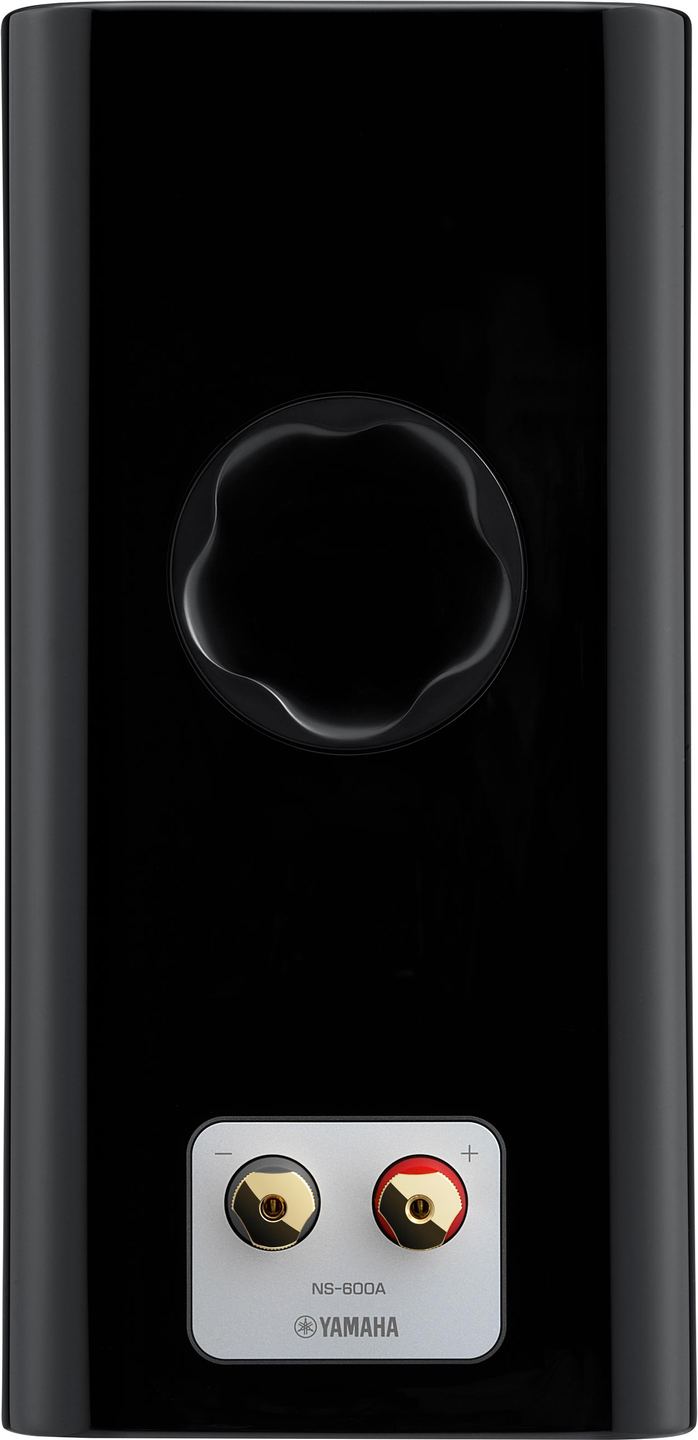
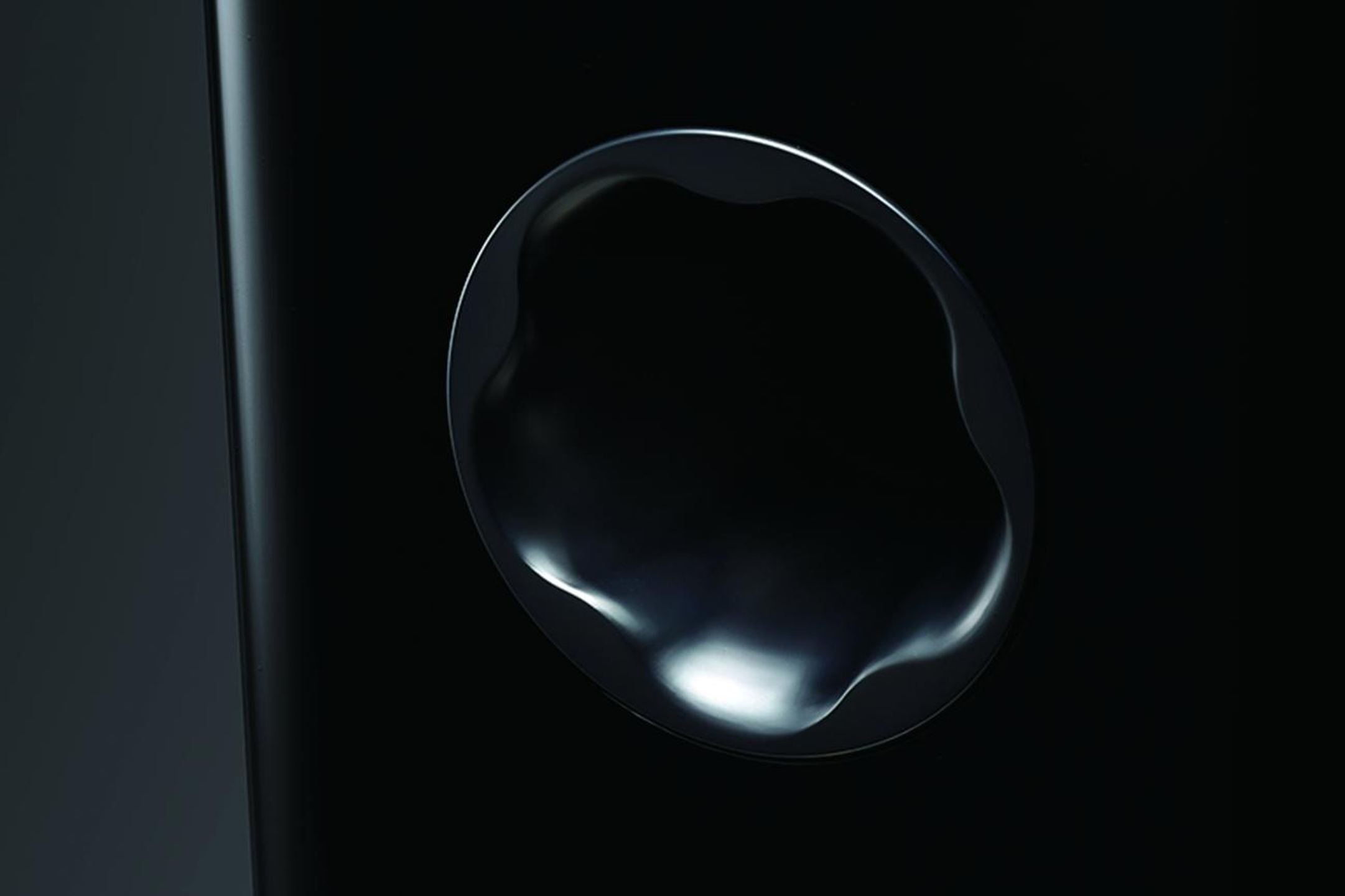
The rear bass-reflex port adopts Twisted Flare Port technology. This design introduces a progressive twist in the tuning duct, thus modifying how air propagates toward the exit. This particular geometry considerably reduces turbulence and parasitic noise that can occur during heavy bass demands, guaranteeing bass frequency reproduction that is both deep and articulate.
A construction where measurement guides every decision
The development of the NS-600A relies on measurement and analysis tools generally reserved for prestigious instrument making. Laser vibrometers, usually used to optimize the resonance chambers of acoustic instruments, have enabled precise mapping of the cabinet’s vibration zones. This analysis, coupled with the finite element method (FEM), has guided the optimal positioning of internal braces and crossbeams.
The crossover circuit perfectly illustrates this pursuit of uncompromising quality. Mundorf MCap SUPREME Classic capacitors, manufactured in Germany and recognized as the absolute reference in the audiophile domain, are paired with oversized coils. These components, whose unit cost often exceeds that of complete crossovers on competing speakers, guarantee precise frequency separation without signal alteration.
The solid brass binding posts, beyond their luxurious appearance, have been designed with an ergonomic shape that naturally fits the hand. Their substantial mass ensures a stable connection and optimal signal transmission, while facilitating manual tightening without tools.
A piano finish that transcends mere aesthetics
The NS-600A’s piano black lacquer finish is not just simple marketing varnish. It is the same lacquering process used for Yamaha grand pianos, requiring multiple successive coats, controlled drying phases, and meticulous polishing. This finish, beyond its striking visual appearance with deep reflections and silky touch, contributes to the overall rigidity of the cabinet and its acoustic behavior.
The cabinet’s rounded corners do not respond solely to aesthetic considerations. They help reduce sound wave diffraction phenomena on edges, thus improving stereo imaging precision and the speaker’s integration into the listening space.
At 9.9 kg per speaker, the NS-600A demonstrates robust construction where nothing has been left to chance. This substantial mass, resulting from wall thickness and the quality of materials used, contributes to system inertia and limits parasitic vibrations.
What the press says
Yamaha continues its offensive in the premium Hi‑Fi segment with the new NS‑600A bookshelf speakers. True to its approach combining acoustic rigor and musical heritage, the Japanese brand presents a compact model that draws on the aesthetic and technical codes of its higher-end series, with particular attention paid to tonal coherence and neutrality.[...] As always, the Japanese manufacturer highlights natural reproduction, rigorous tonal coherence, and a wide soundstage — qualities we were able to verify during our listening sessions.
Automatically translated — Show original (French)
Documentation
French
Technical specifications
Acoustic features
- Speaker type: 2-way bass-reflex port
- Woofer: 13 cm, cone type
- Tweeter: 3 cm, dome type
- Frequency response: 47 Hz – 65 kHz (-10 dB), 100 kHz (-30 dB)
Electrical features
- Rated input power: 40 W
- Maximum input power: 120 W
- Sensitivity: 85.5 dB
- Crossover frequency: 2.6 kHz
- Impedance: 6 ohms
- Minimum impedance: 3.6 ohms
Dimensions and weight
- Dimensions (W × H × D): 207 × 383 × 329 mm
- Weight: 9.9 kg
Included accessories
- Protective grille: 1
- Damping pads: 4
Frequently Asked Questions
What amplifier is best suited to power the NS-600A?
With a sensitivity of 85.5 dB and a nominal impedance of 6 ohms (dropping to 3.6 ohms minimum), these speakers require an amplifier capable of delivering substantial current. A power of 50 to 100 watts per channel at 8 ohms is recommended, with a preference for amplifiers stable at low impedance. Yamaha amplifiers from the R-N1000A and R-N2000A ranges constitute natural pairings, but any quality amplifier meeting these specifications will be suitable.
Are the SPS-800A stands essential?
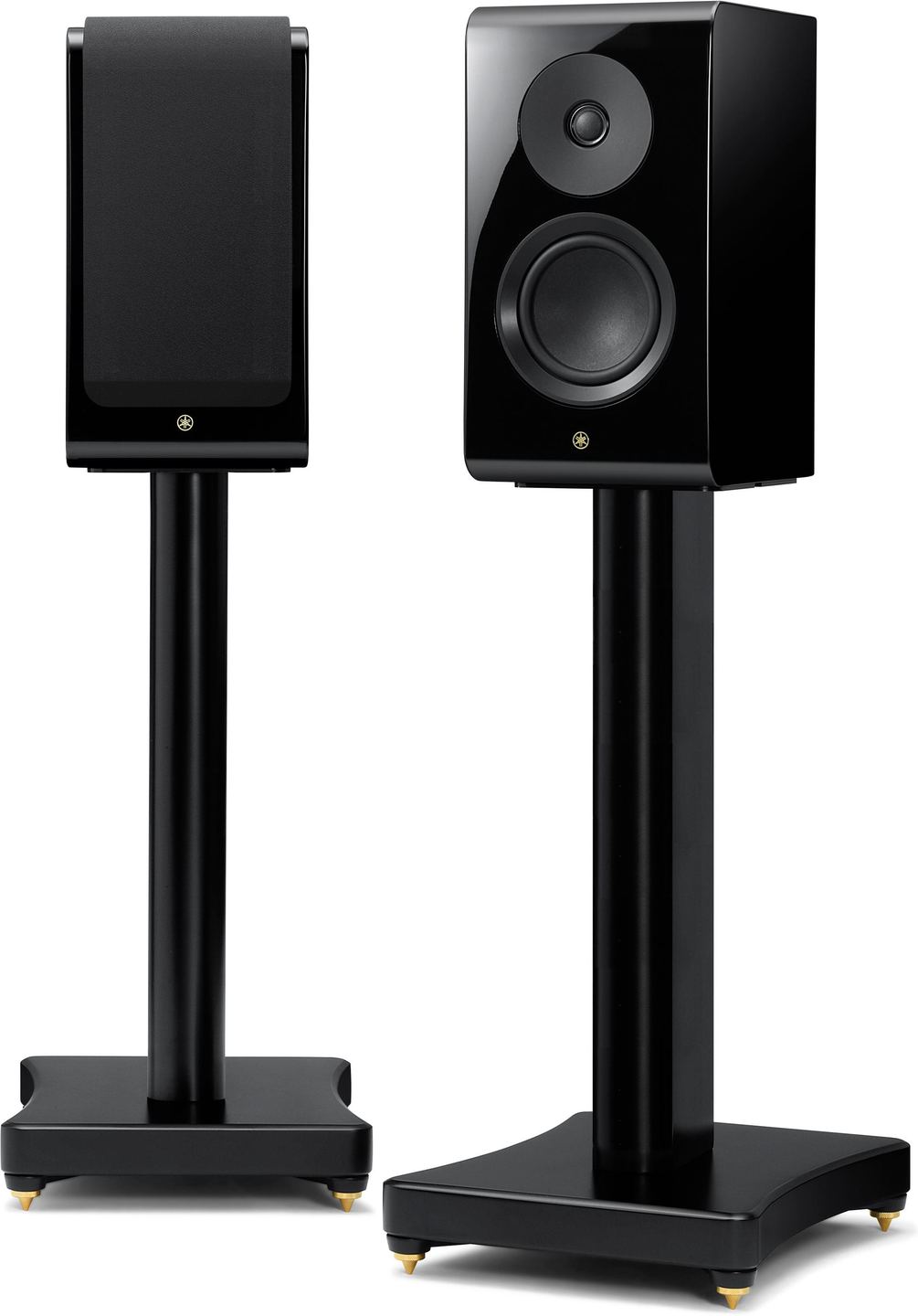
While not mandatory, the SPS-800A stands specially designed for the NS-600A significantly optimize performance. They position the tweeters at ear height, decouple the speakers from the floor thanks to their adjustable spikes, and offer perfect stability. Quality universal stands may be suitable, but the SPS-800A guarantee optimal visual and acoustic integration.
How does the NS-600A compare to other bookshelf speakers on the market?
The NS-600A stands out through its unified design with identical membranes for all drivers, something rare even on more expensive models. Its construction integrating technologies from instrument making gives it a particular sonic signature, favoring tonal coherence and harmonic richness rather than absolute neutrality.
Are these speakers suitable for all musical genres?
The NS-600A excel particularly with acoustic music, jazz, classical, and vocal recordings where their harmonic richness and tonal coherence work wonders. For electronic music or very energetic rock requiring very deep bass, adding a subwoofer can be considered to complement the range below 47 Hz.
- Eco-contribution of €0.75 included in the sale price.
- GTIN / EAN: 4957812689021