Questyle M18i
Specifications and features


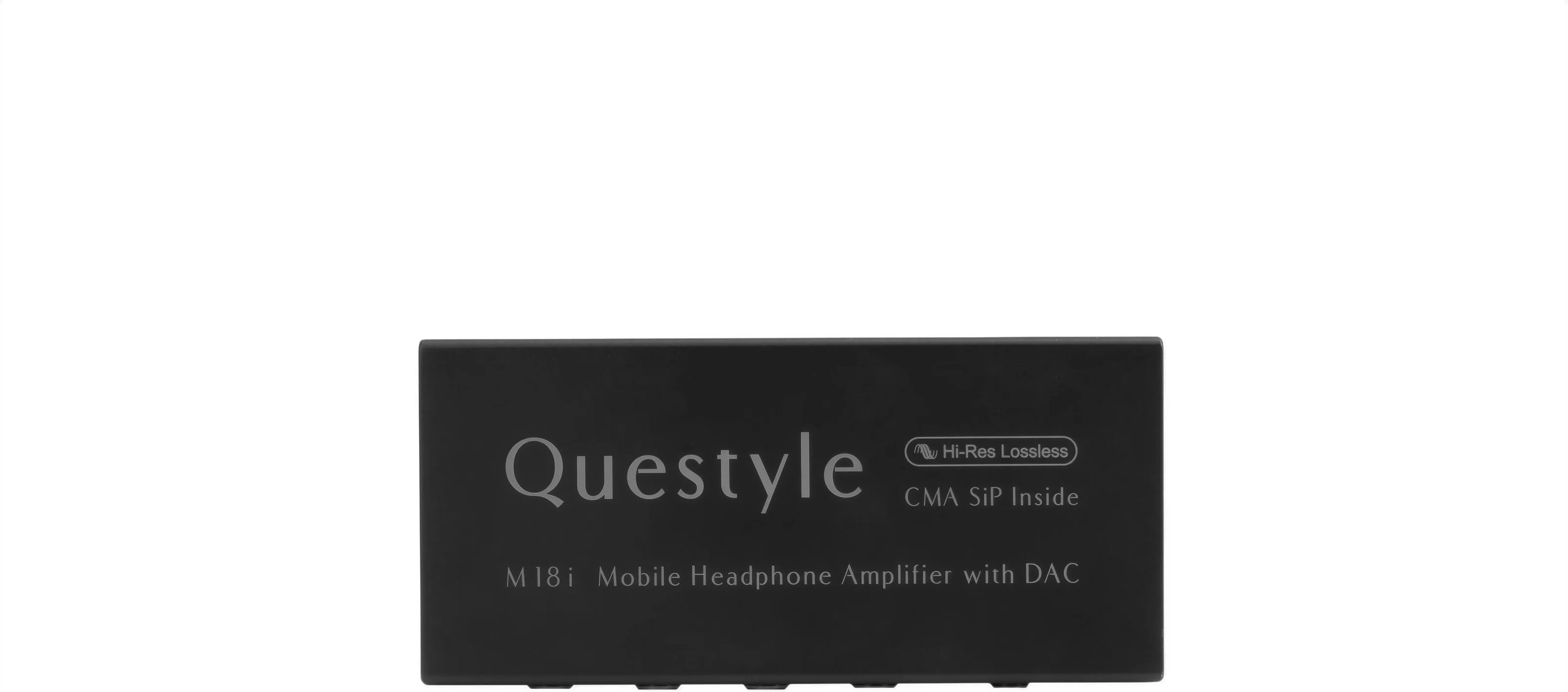
Questyle M18i: Portable DAC with Headphone Amplifier
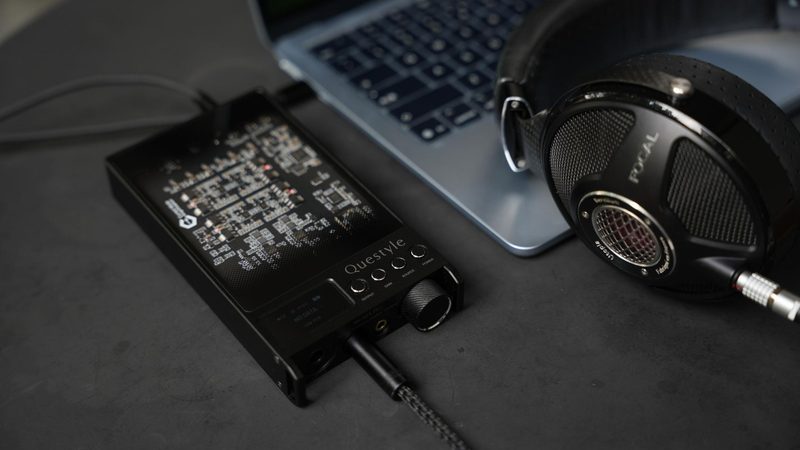
A 75 mm chassis, a built-in battery, Bluetooth 5.4, and all the audio expertise of a manufacturer renowned for its high-end desktop amplifiers: the M18i marks a new stage in Questyle’s portable range. This new model takes the current-mode amplification architecture developed for the brand’s stationary devices and adapts it to a mobile format, while adding new features to the M series.
A three-stage audio architecture
The M18i incorporates two ESS ES9219Q DAC chips configured in dual-mono, with each channel benefiting from its own converter to improve stereo separation. Questyle worked directly with ESS to develop the TTA (Three-Tier Architecture), which structures signal processing into three distinct stages: decoding, preamplification, and output amplification. This separation is designed to reduce interference between the various circuit sections.
Amplification is based on four SiP modules using CMA (Current Mode Amplification) technology, a patented approach that processes the signal as current rather than voltage. According to Questyle’s lab measurements, this design achieves a distortion rate of 0.0002% and a noise floor below –130 dB. In practice, this results in an exceptionally quiet background, even with sensitive in-ear monitors.
Dual wired and wireless connectivity
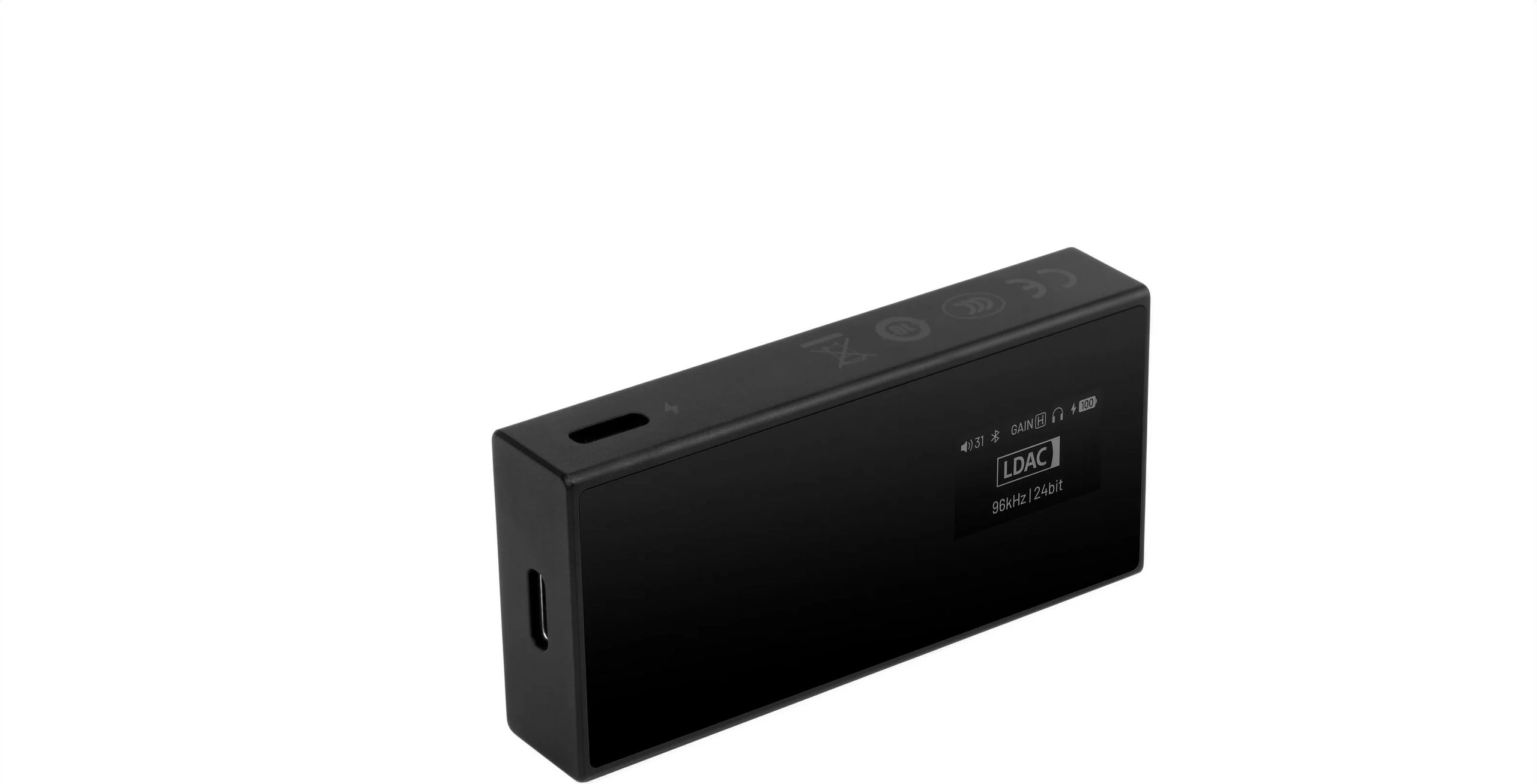
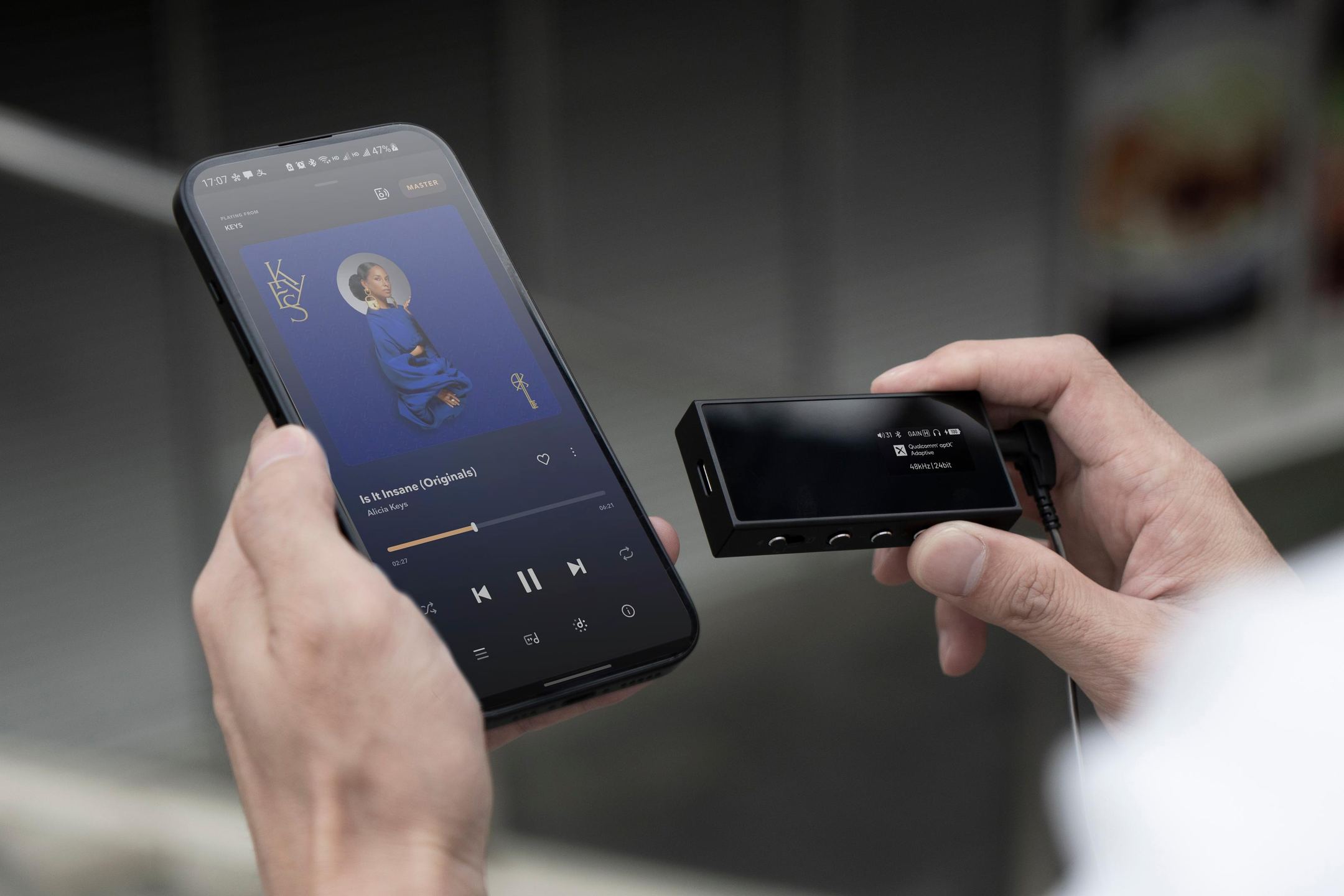
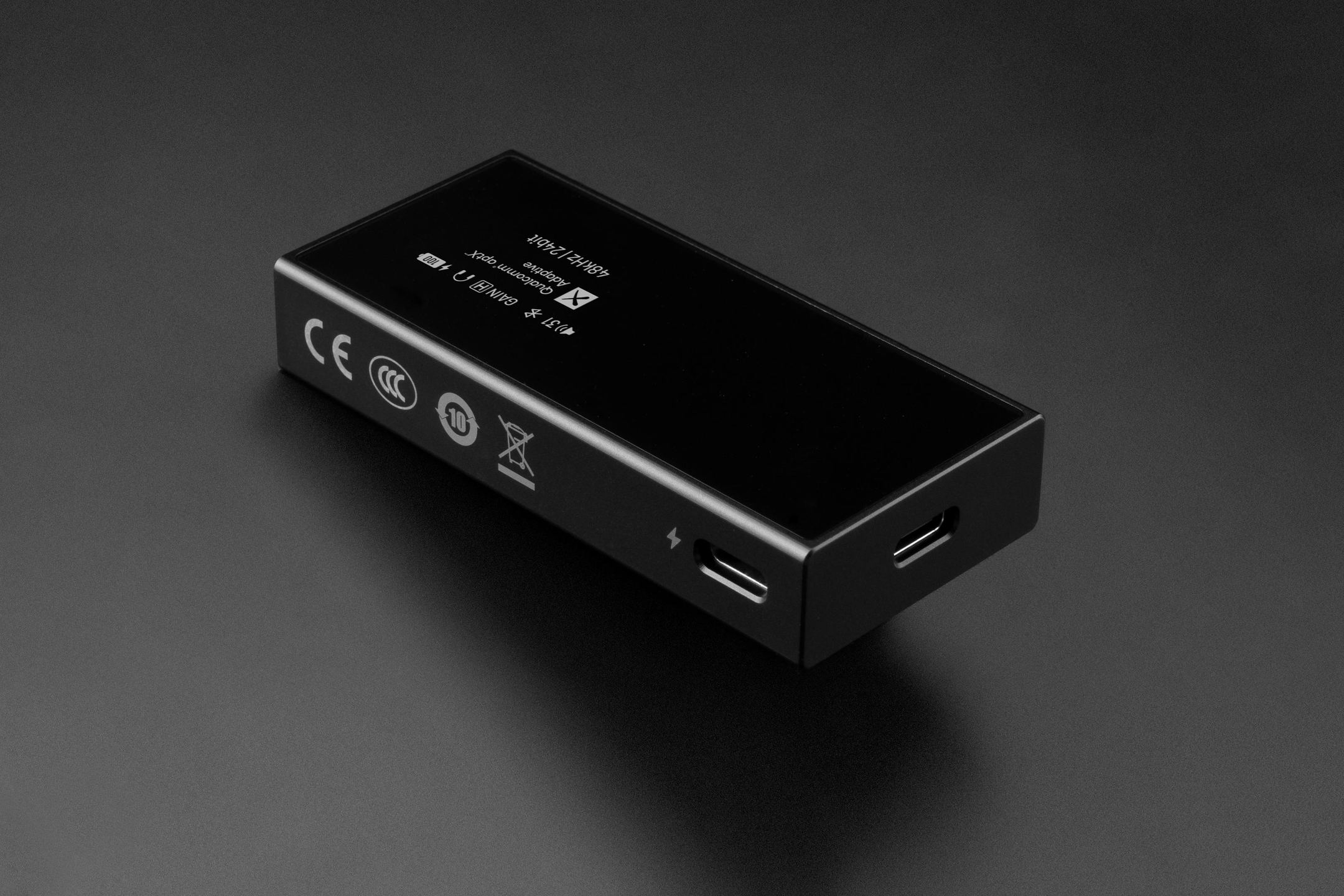
The M18i can operate either as a wired USB DAC or via Bluetooth 5.4, a first for the M series. The wireless section is based on the Qualcomm Snapdragon Sound platform and supports LDAC (24-bit/96 kHz), aptX Adaptive, aptX HD, LE Audio, AAC, and SBC codecs. In wired mode, the 16-core XMOS XU316 platform handles USB reception and ensures compatibility with PCM formats up to 384 kHz in 32-bit and native DSD up to DSD256.
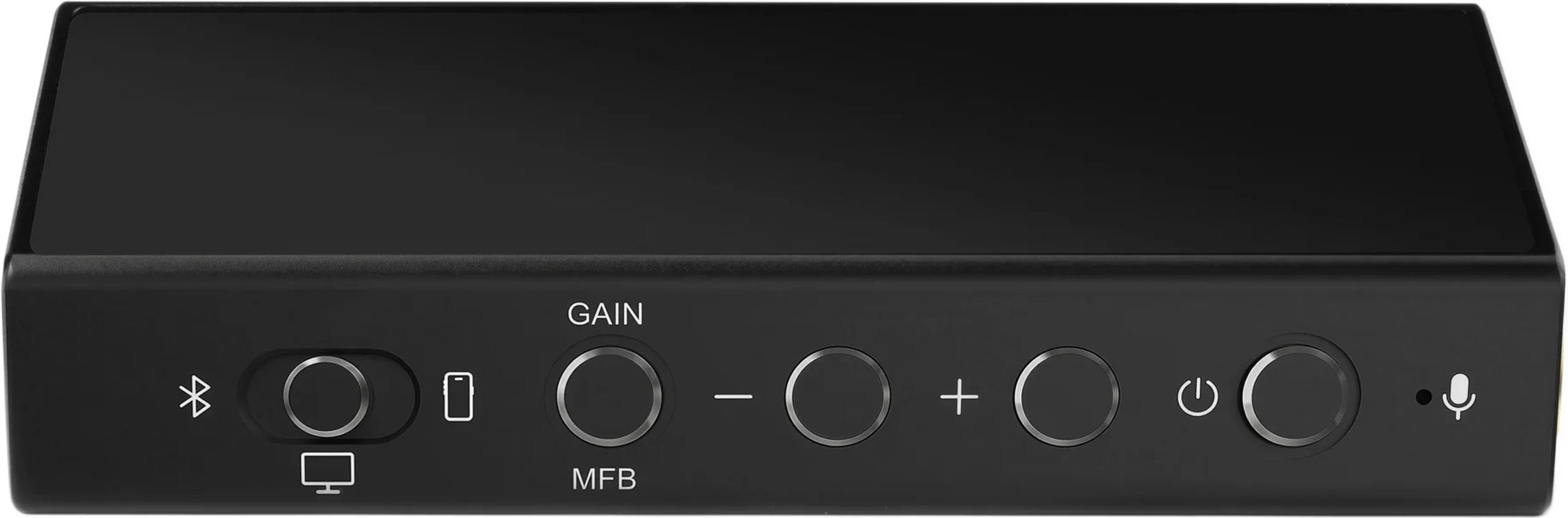
The device offers three operating modes, selectable via a physical switch. In Mobile mode, the internal battery powers the entire circuit without drawing from the battery of the connected smartphone. In PC mode, power is supplied via the USB port, allowing extended use at the desk while also charging the battery. Bluetooth mode frees the device completely from any wired connection for listening.
Two outputs for headphones and in-ears
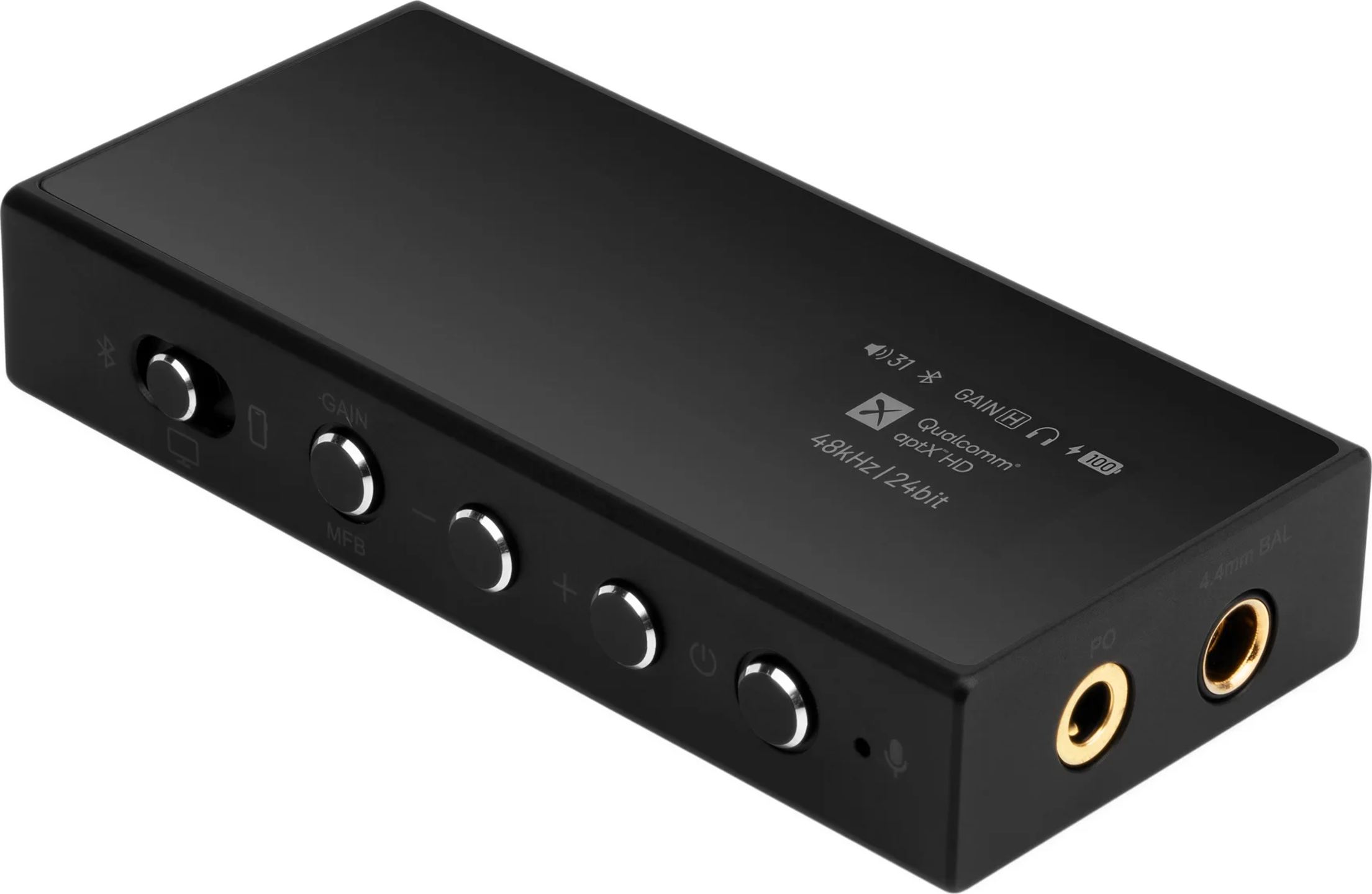
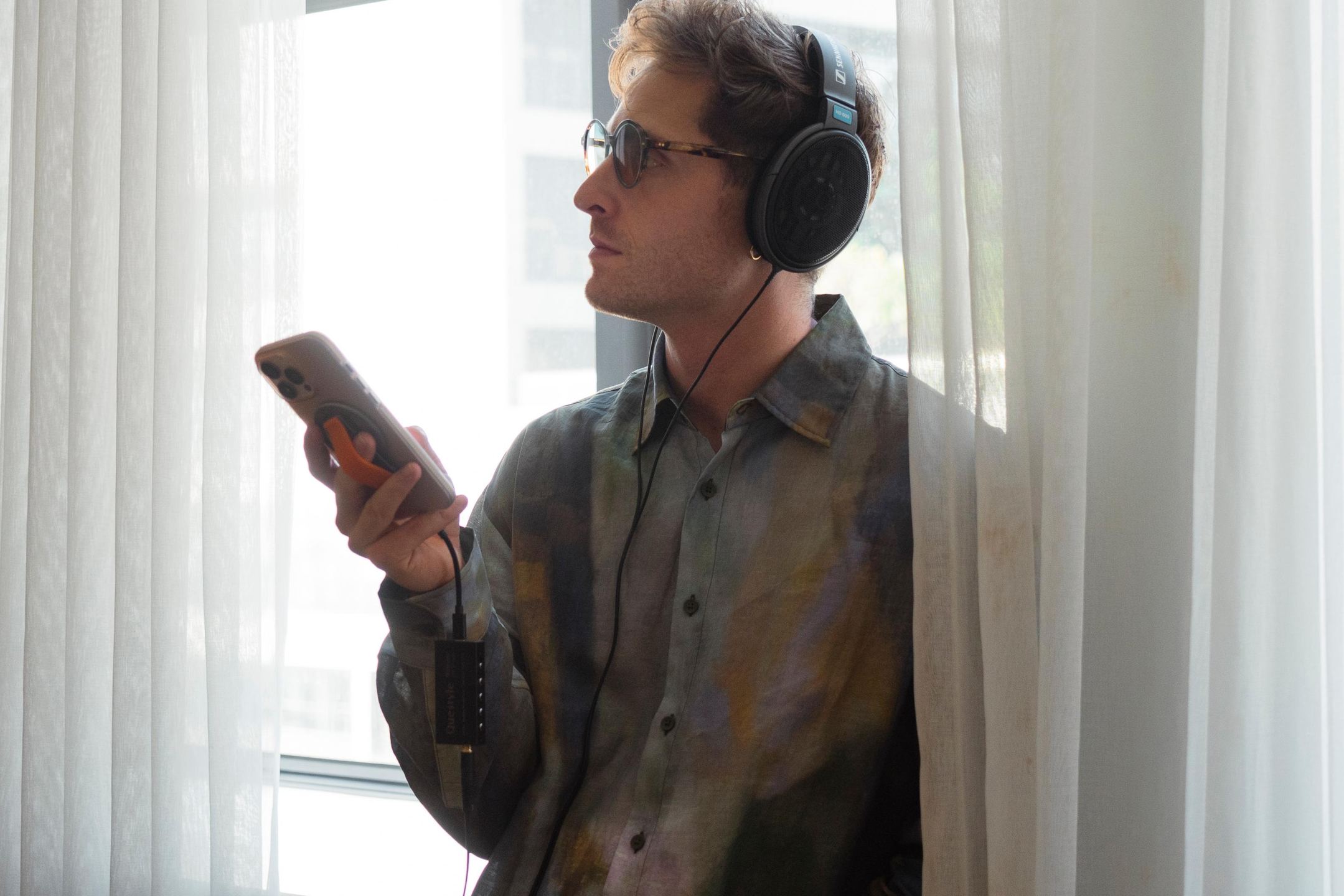
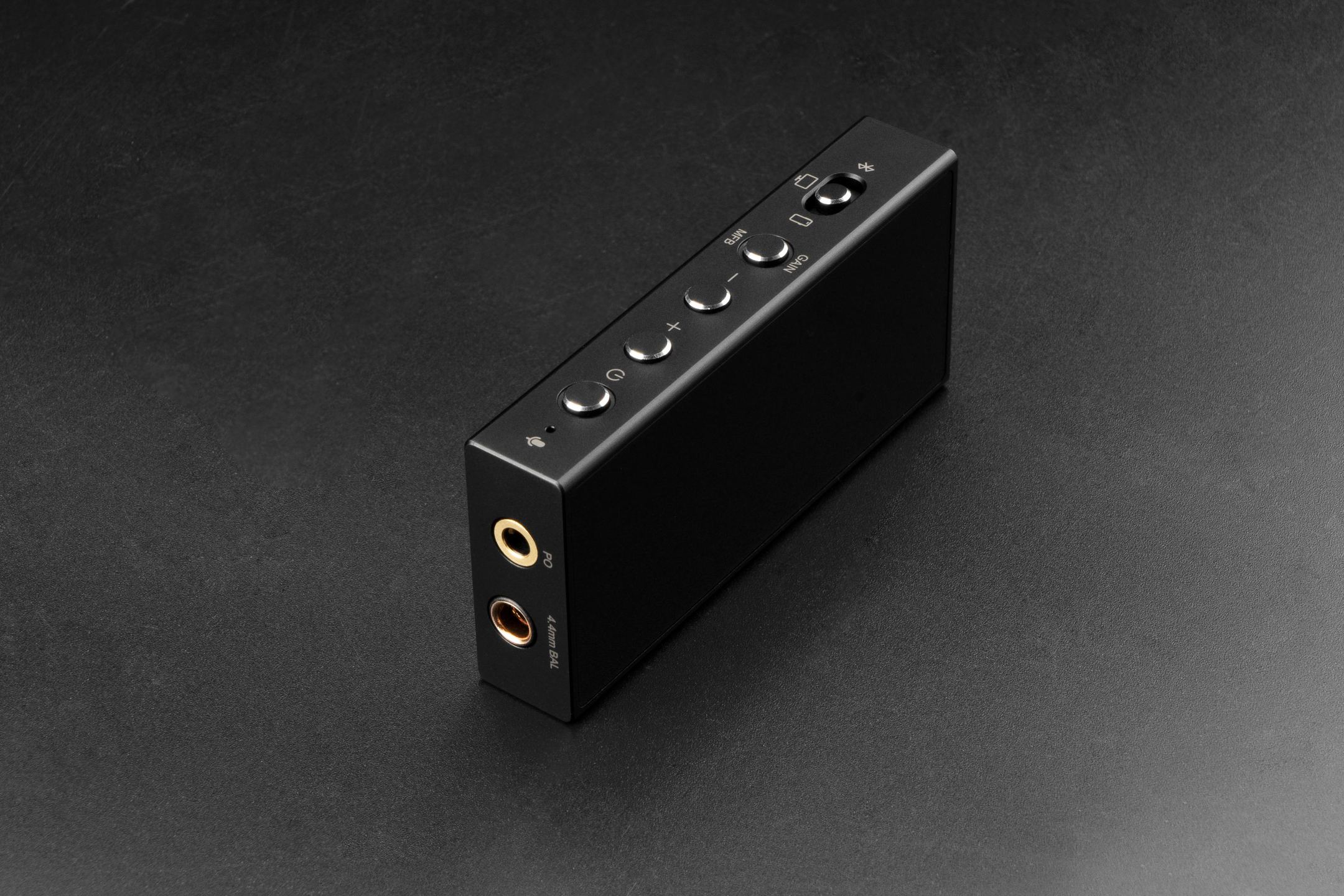
The 4.4 mm balanced output delivers 28 mW into 300 ohms with a peak current of 1.5 A, enough to drive most high-impedance desktop headphones. The 3.5 mm single-ended output remains available for standard earphones and headphones. A two-position manual gain control lets you adapt output level to the sensitivity of the transducers in use, while volume is adjusted in 60 steps via dedicated buttons.
This configuration, focused on the balanced output, reflects Questyle’s design choices: the device reaches its full potential through the 4.4 mm jack, with the 3.5 mm output serving more as a compatibility solution. The available power makes it suitable for planar headphones or high-impedance models such as the Sennheiser HD600 or HD800S, though battery life will then be reduced.
High-quality build and integrated OLED display
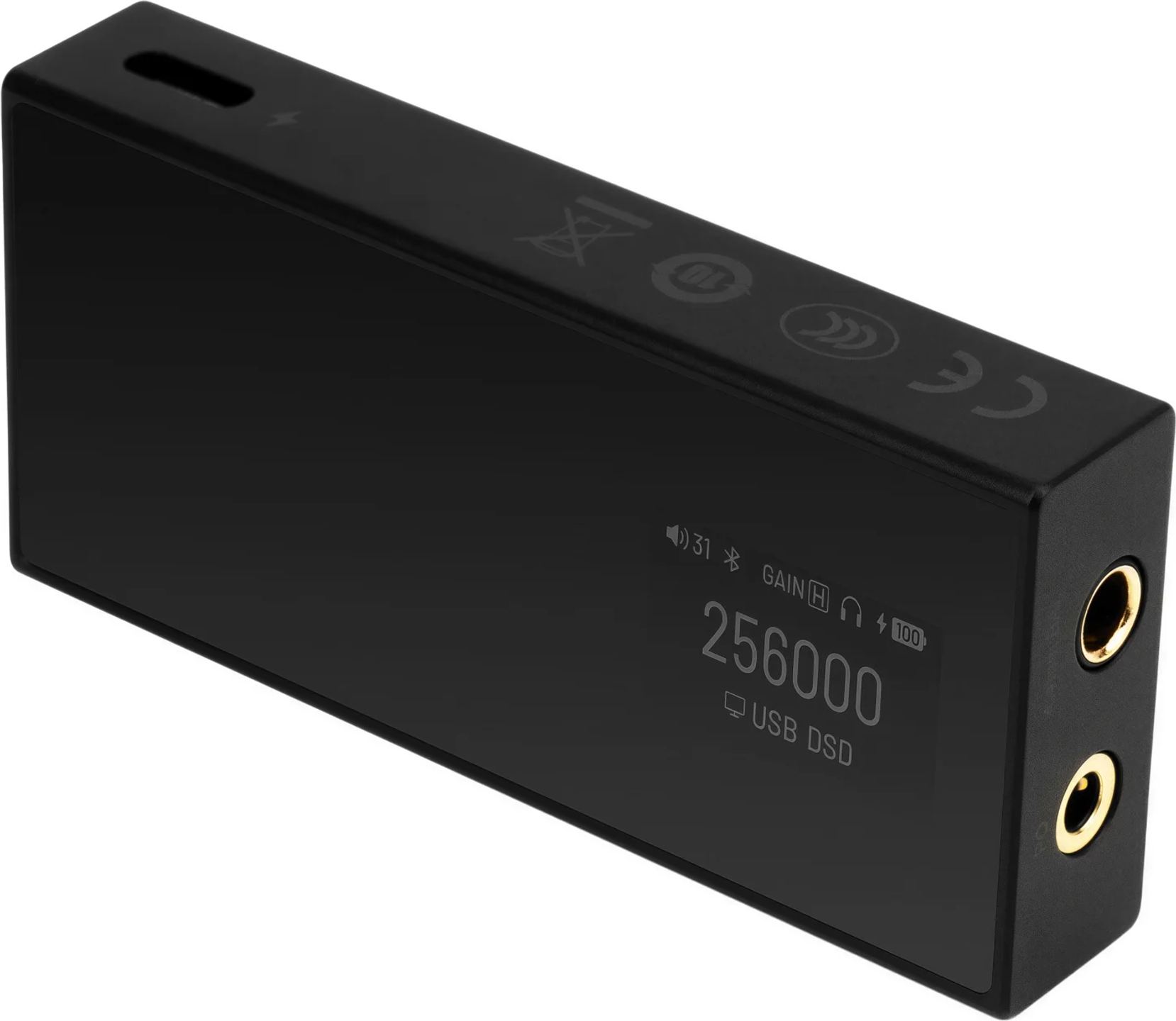
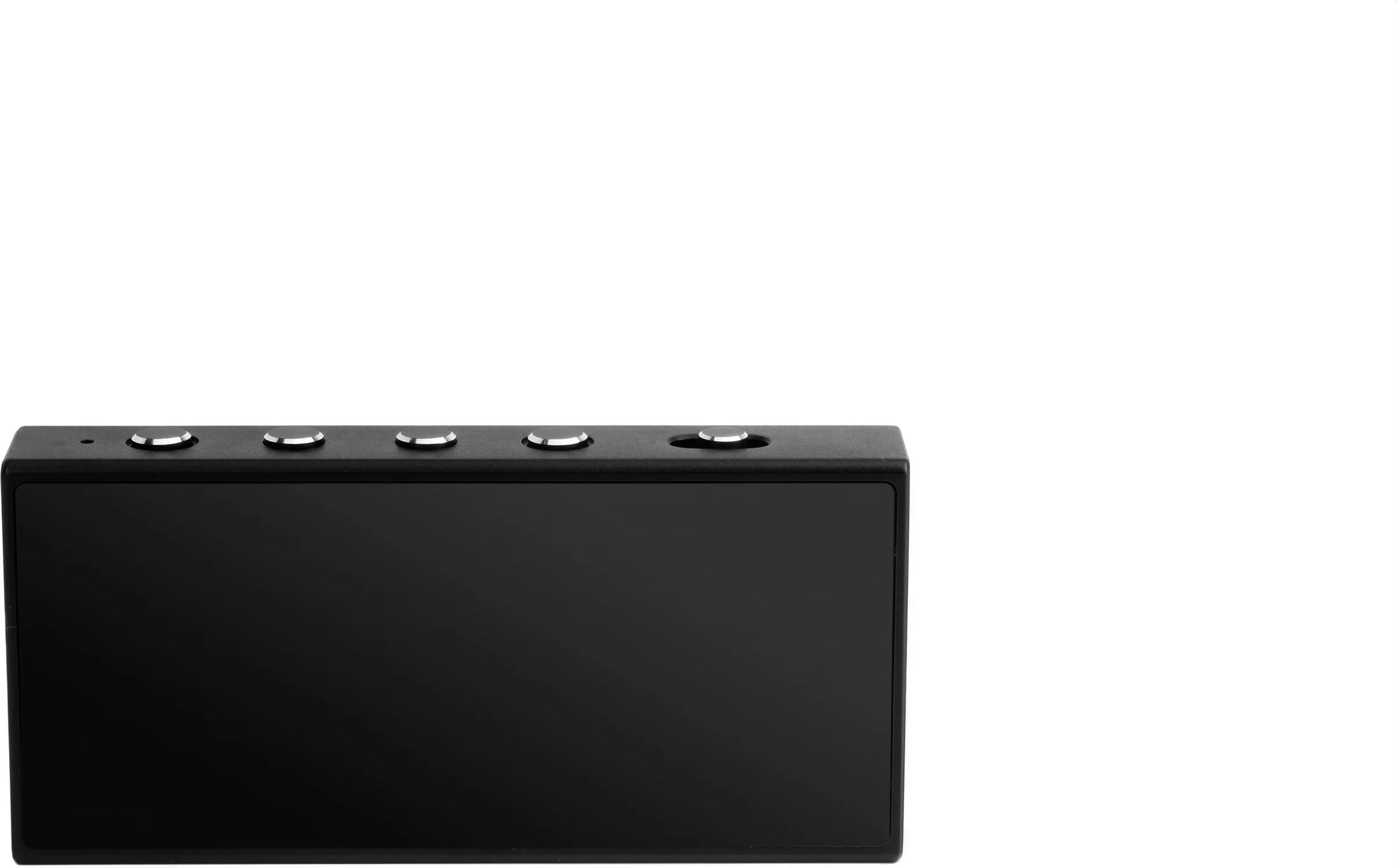
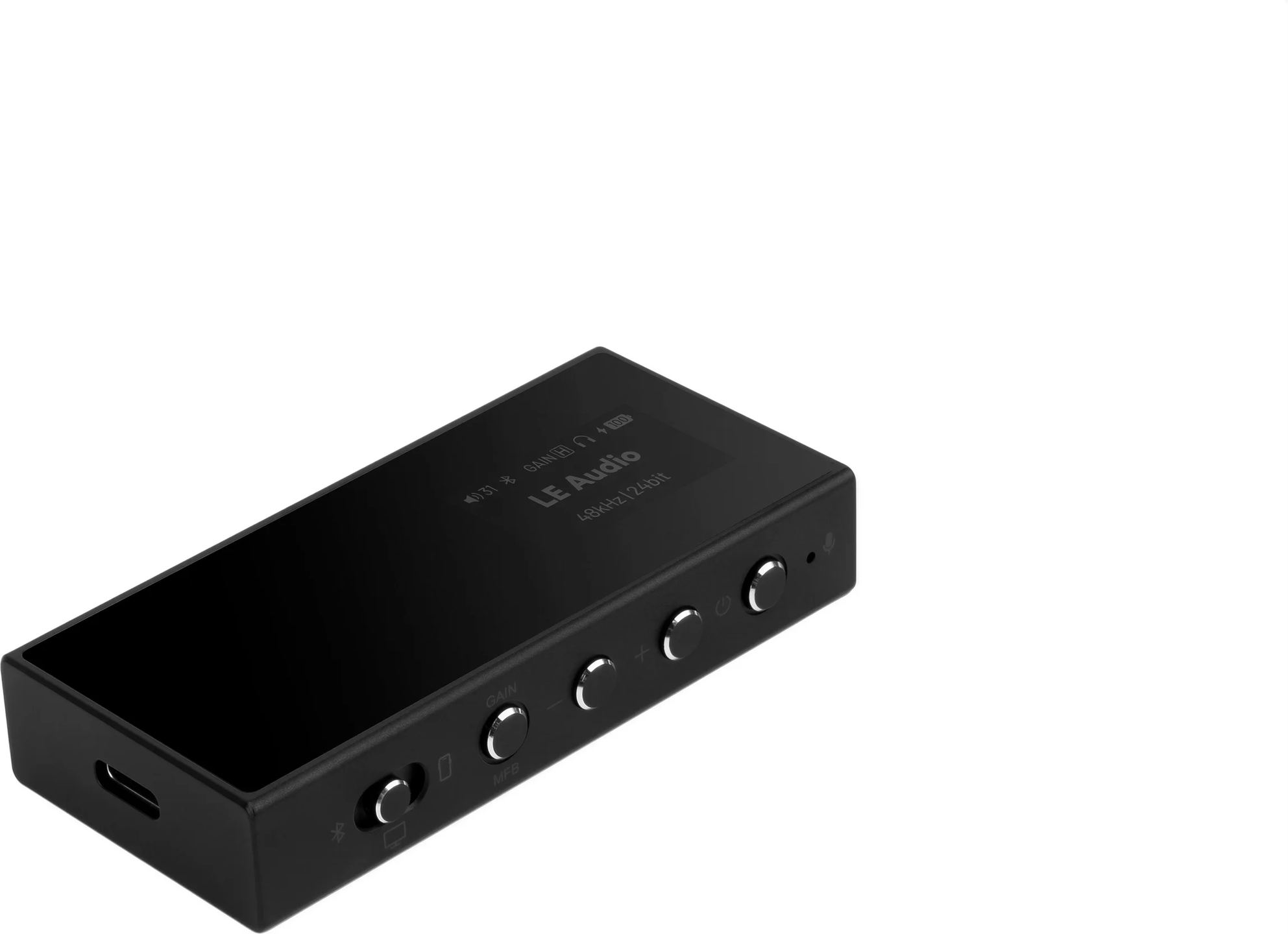
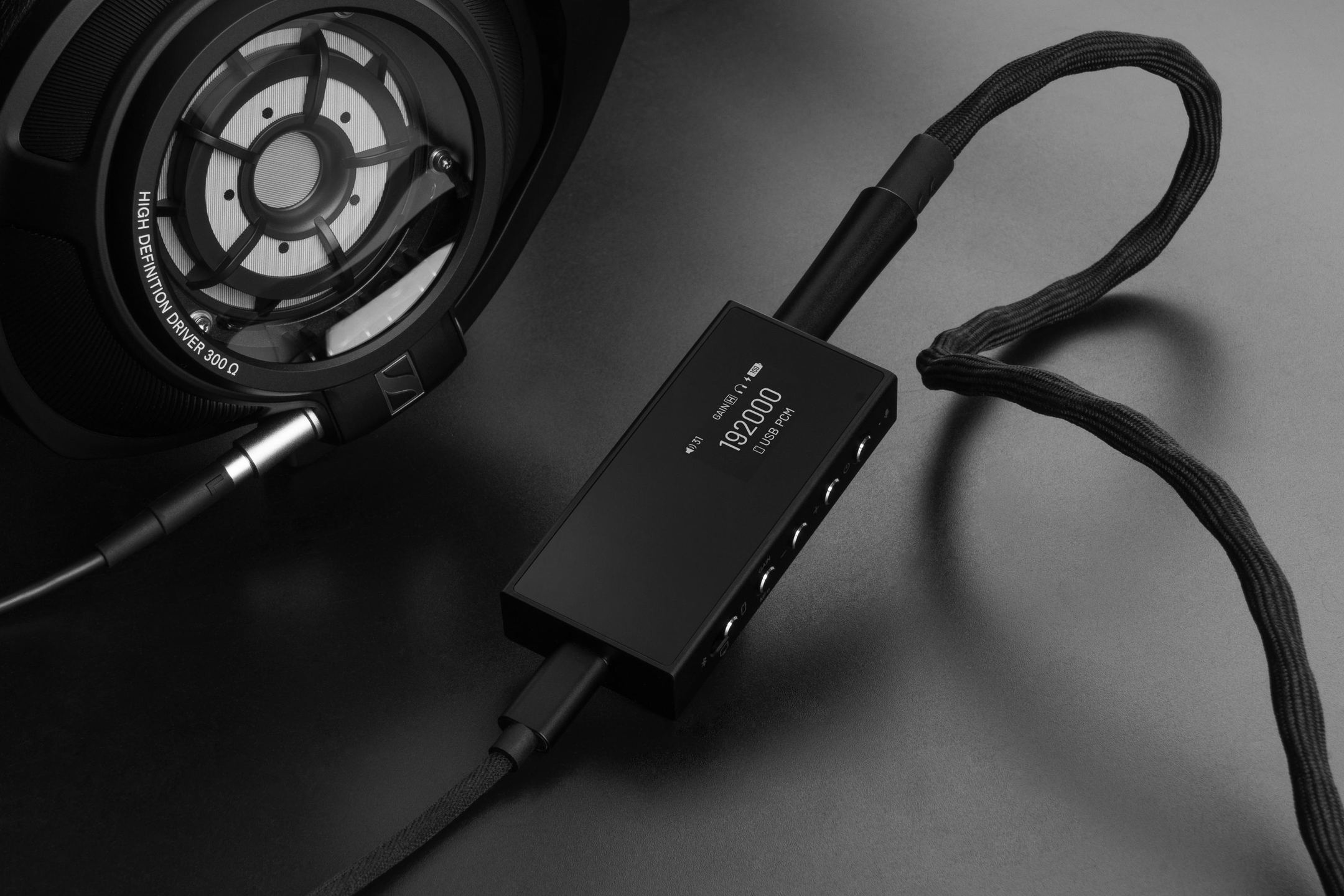
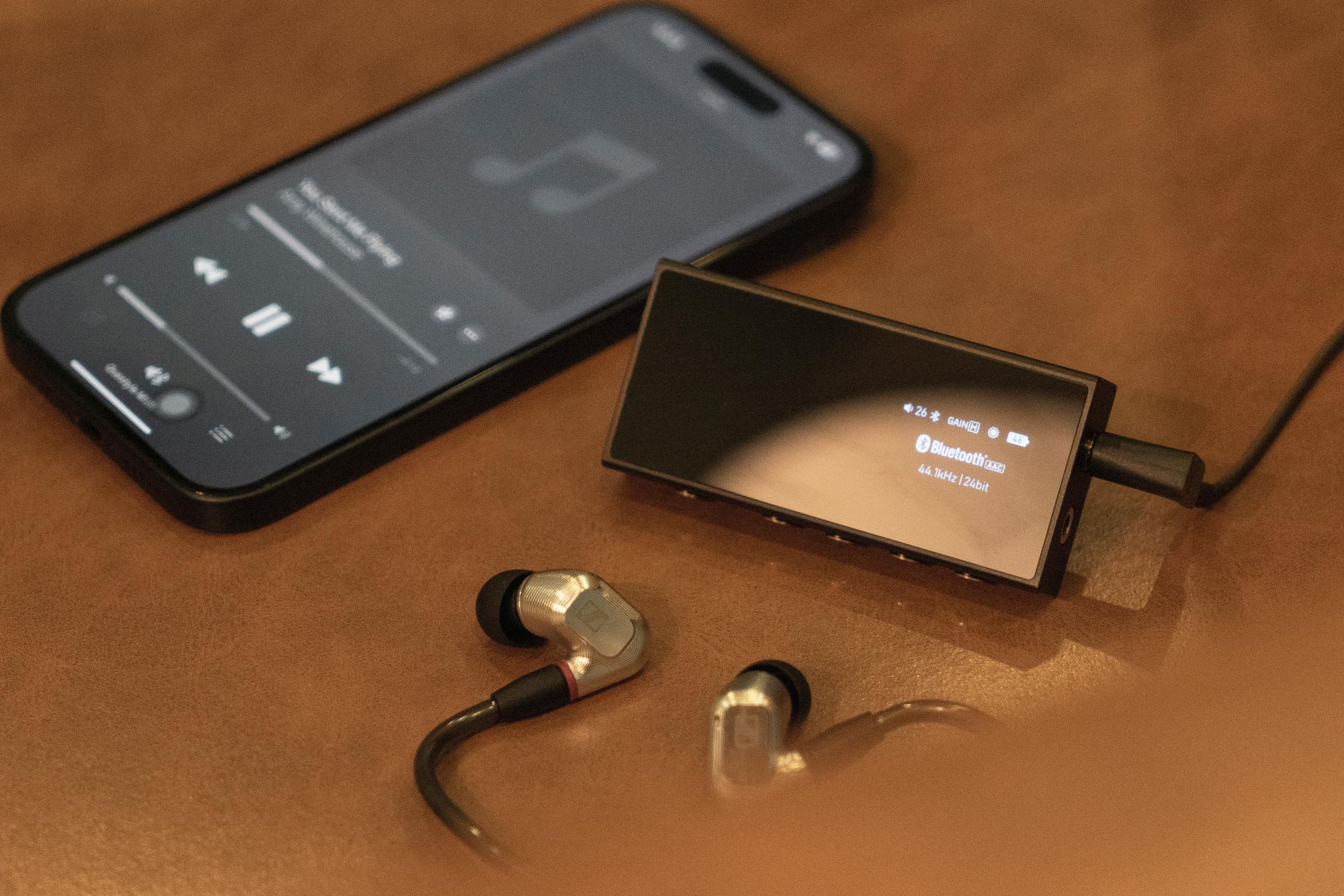
The black anodized, CNC-machined aluminum chassis adopts the clean lines characteristic of the Bauhaus-inspired design that Questyle applies to its products. The front panel, protected by tempered glass, houses an OLED display that shows volume, gain level, current audio format, sampling rate, and battery status. The metal buttons with chamfered edges provide precise tactile feedback, and the unit feels solid despite its compact dimensions (75 × 35 × 14.5 mm for around 50 g).
The display stays on at all times, with only two brightness levels available. Its modest size makes it perfectly readable indoors, but visibility decreases in bright sunlight. The absence of a mobile app means that all settings are adjusted directly on the device via the physical controls.

Telephony and intelligent power management
An Infineon microphone combined with Qualcomm ClearVoice Capture (cVc 8.0) technology enables phone calls with active ambient noise reduction. According to the manufacturer, the microphone’s range extends up to two meters, allowing hands-free use in a quiet environment.
The 500 mAh battery provides around two to three hours of use depending on operating mode, gain setting, and earphone impedance. This moderate capacity requires frequent recharging with intensive mobile use, but the TOREX power management system optimizes consumption and allows listening while charging via the dedicated USB-C port. The presence of two separate USB-C ports (data and power) simplifies this mixed use.
Broad compatibility with smartphones and computers
Apple MFi certification ensures smooth integration with iPhone, iPad, and Mac. For devices equipped with a Lightning port, the optional Questyle LTC02 adapter provides connectivity. On the Android side, the M18i works with devices running Android 5.0 and later, as well as HarmonyOS. On Windows 10/11 and macOS, no additional driver is required.
The M18i also connects to Nintendo Switch and PSP consoles to improve headphone sound during gaming sessions. The device can also serve as an audio source for active speakers or studio equipment via RCA or XLR adapters, turning a smartphone into a mobile monitoring source.
Documentation
Technical specifications
Audio conversion and amplification
- Digital-to-analog converter: dual ESS ES9219Q in dual mono configuration
- Amplification: 4 patented current-mode amplification (CMA) SiP modules
- Architecture: three-stage architecture (DAC → CMA preamplification → CMA amplification)
Audio performance
- Total harmonic distortion + noise (THD+N): 0.0002% @ 300 Ω
- Noise floor: < -130 dB
- Frequency response: ±0.1 dB (20 Hz – 20 kHz), ±2 dB (20 Hz – 80 kHz)
- Output power: 28 mW @ 300 Ω (4.4 mm balanced output)
- Peak current: 1.5 A
- Measurement tests:
- 1 kHz FFT, 48 kHz / 24-bit → noise floor < -130 dB
- Harmonic tests 192 kHz / 24-bit → distortion 0.0002%
Supported audio formats
- PCM: 44.1 – 384 kHz (16 / 24 / 32-bit)
- DSD: DSD64, DSD128, DSD256
Connectivity
- USB Type-C: 16-core XMOS XU316 controller, TOREX smart power supply
- Bluetooth 5.4: Qualcomm Snapdragon Sound
- Supported codecs: AAC, SBC, aptX, aptX HD, aptX Adaptive, LDAC 24-bit / 96 kHz, LE Audio
- Audio outputs:
- 3.5 mm single-ended output
- 4.4 mm balanced output
- Gain adjustment: compatible with headphones, desktop speakers, and car audio systems
Design and construction
- Housing: CNC-machined anodized aluminum, black finish
- Dimensions: 75 × 35 × 14.5 mm
- Screen: laminated HD OLED displaying volume, gain, audio format, sampling rate, mode, and battery level
- Controls:
- Volume wheel: 60 steps
- Mode / gain button
- Bluetooth multifunction button
Microphone and communication
- Built-in microphone: Infineon, 2 m range
- Voice processing: Qualcomm cVc 8.0
- Active noise reduction: for crystal-clear HD calls
Power management
- Battery: 500 mAh, rechargeable via USB Type-C
- Operating modes:
- Mobile / Bluetooth mode: USB for data only
- PC mode: USB for data + simultaneous charging, listening possible while charging
Compatibility
- Smartphones and tablets: iOS (MFi certified), Android 5.0+, HarmonyOS
- Computers: Windows 10 / 11, macOS
- Consoles: Nintendo Switch, PSP
- Tested apps: Apple Music, Spotify HiFi, Tidal HiFi, QQ Music
Apple MFi certification
- Guaranteed perfect compatibility with iPhone and iPad
- Optimized power consumption and hardware/software protection
- For Lightning → USB-C connection: LTC02 adapter recommended
Box contents
- M18i amplifier
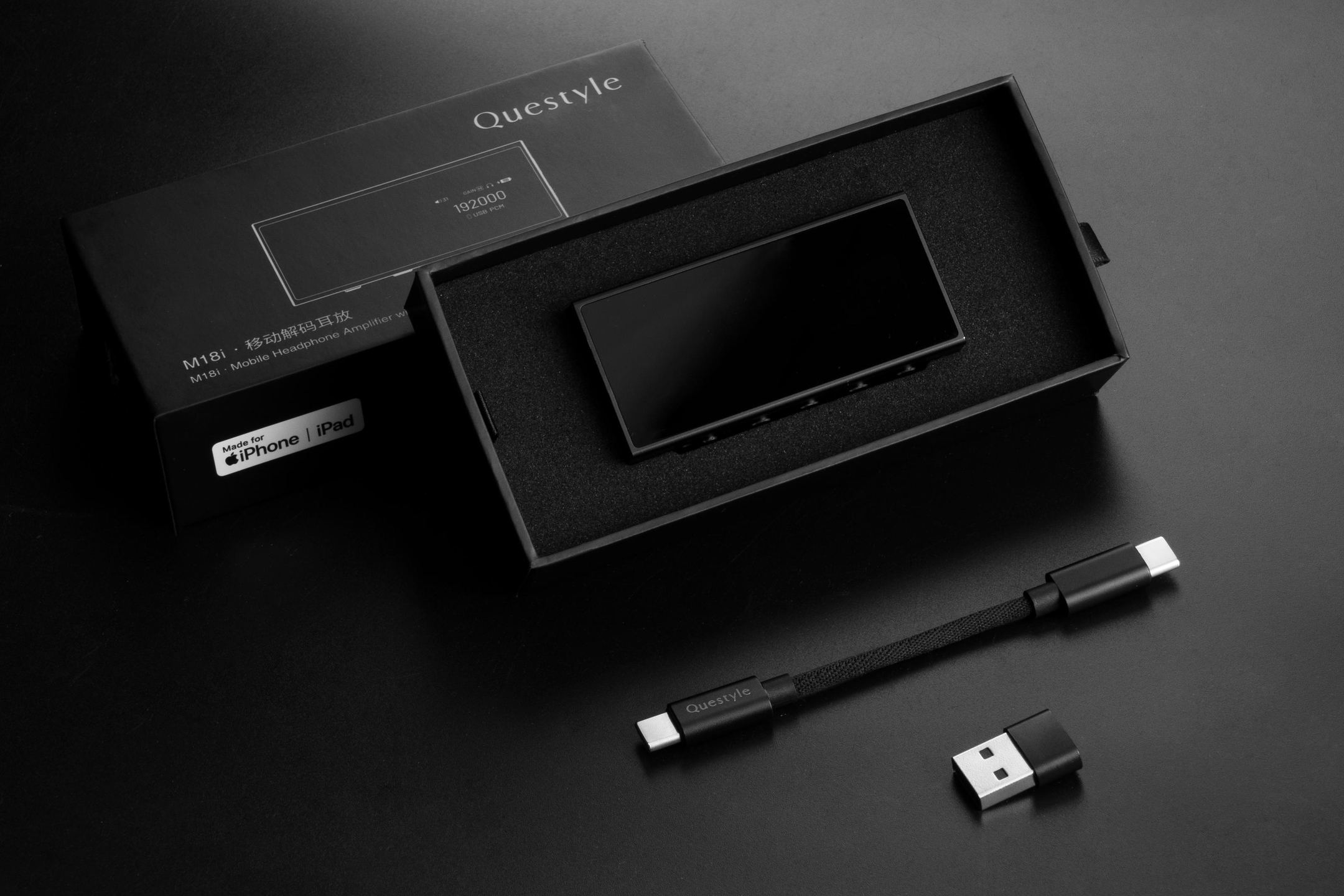
- USB Type-C → Type-C cable
- USB Type-C → Type-A cable
- Warranty card
- User manual
- Optional accessories: Lightning → Type-C adapter (LTC02), RCA / XLR cables
Frequently asked questions
Can the M18i drive demanding planar magnetic headphones?
Yes, the 4.4 mm balanced output provides enough power for models such as the HiFiMAN Ananda or the Sennheiser HD660S2. Very power-hungry headphones (HD800S, HiFiMAN Arya) will also work, but battery life will be reduced and high gain will place greater demands on the battery. For extended use with this type of headphone, PC mode with continuous USB power is recommended.
What is the difference in audio quality between USB and Bluetooth mode?
Over USB, the signal is transmitted without compression and reaches maximum resolutions (PCM 384 kHz, DSD256). With Bluetooth using the LDAC codec, quality remains high (24-bit/96 kHz) but is slightly behind wired mode. Other codecs (aptX, AAC) introduce more compression. For critical listening, USB mode remains preferable.
Do I need to install drivers on a computer?
No, the M18i works natively on Windows 10/11 (version 18.3 and later) and macOS without driver installation. On earlier versions of Windows, an XMOS driver may be required and can be downloaded from Questyle’s website.
Is gain adjustment available in Bluetooth mode?
No, the gain button becomes a multifunction button (MFB) in Bluetooth mode to control playback (play/pause, next track). The gain level is then fixed. This limitation means you must select the appropriate gain before switching to wireless mode if you want to optimize output level.
Is the protective case included?
No, the leather case is sold separately. The box includes the M18i, a fabric-sheathed USB-C to USB-C cable, a USB-C to USB-A adapter, the manual, and the warranty card. The lack of a case in the box is regrettable given the price positioning.
Does the M18i get hot during use?
Hardly at all. According to Questyle, CMA technology consumes about one-third of the energy of conventional amplifiers, which limits heat dissipation. Even after several hours of listening, the device remains at room temperature, which is beneficial for the longevity of the electronic components.
Can you select the Bluetooth codec from the device?
No, the M18i does not have a mobile app or configuration menu. The Bluetooth codec is negotiated automatically between the source device and the M18i. To force a specific codec (LDAC, aptX), you need to use the developer options on an Android smartphone or the Bluetooth settings of the source device.
What is the actual battery life over Bluetooth with in-ears?
You can expect around three hours with standard-sensitivity in-ears at low gain. Using high gain or more demanding headphones reduces this to about two hours, sometimes less. Battery life also varies with ambient temperature. For longer sessions, PC mode with USB power remains the best option.
- Eco-contribution included in the sale price.
- Manufacturer reference: QY-M18I
- GTIN / EAN: 6972007012628