Ortofon MC X50



Overview
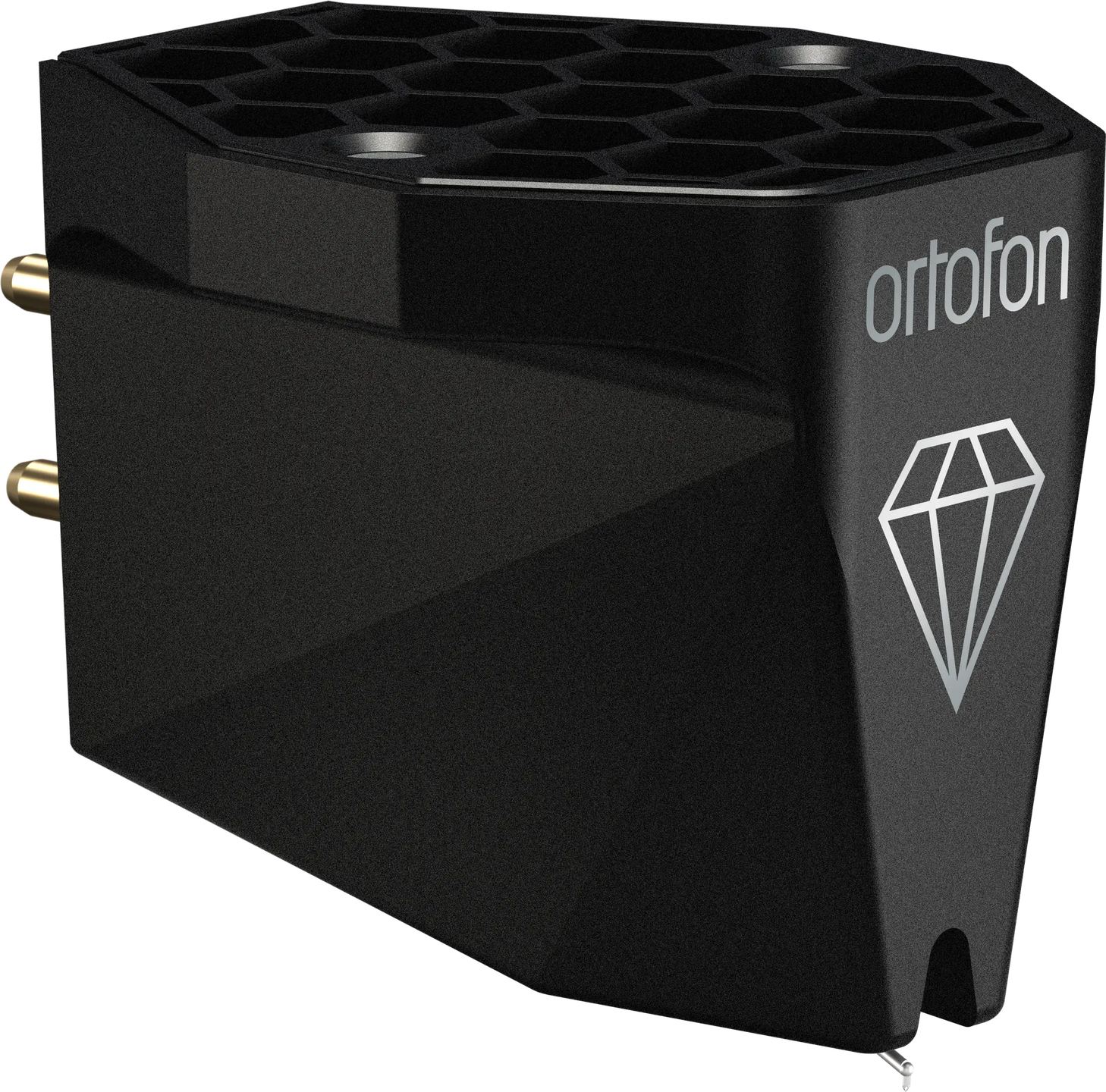
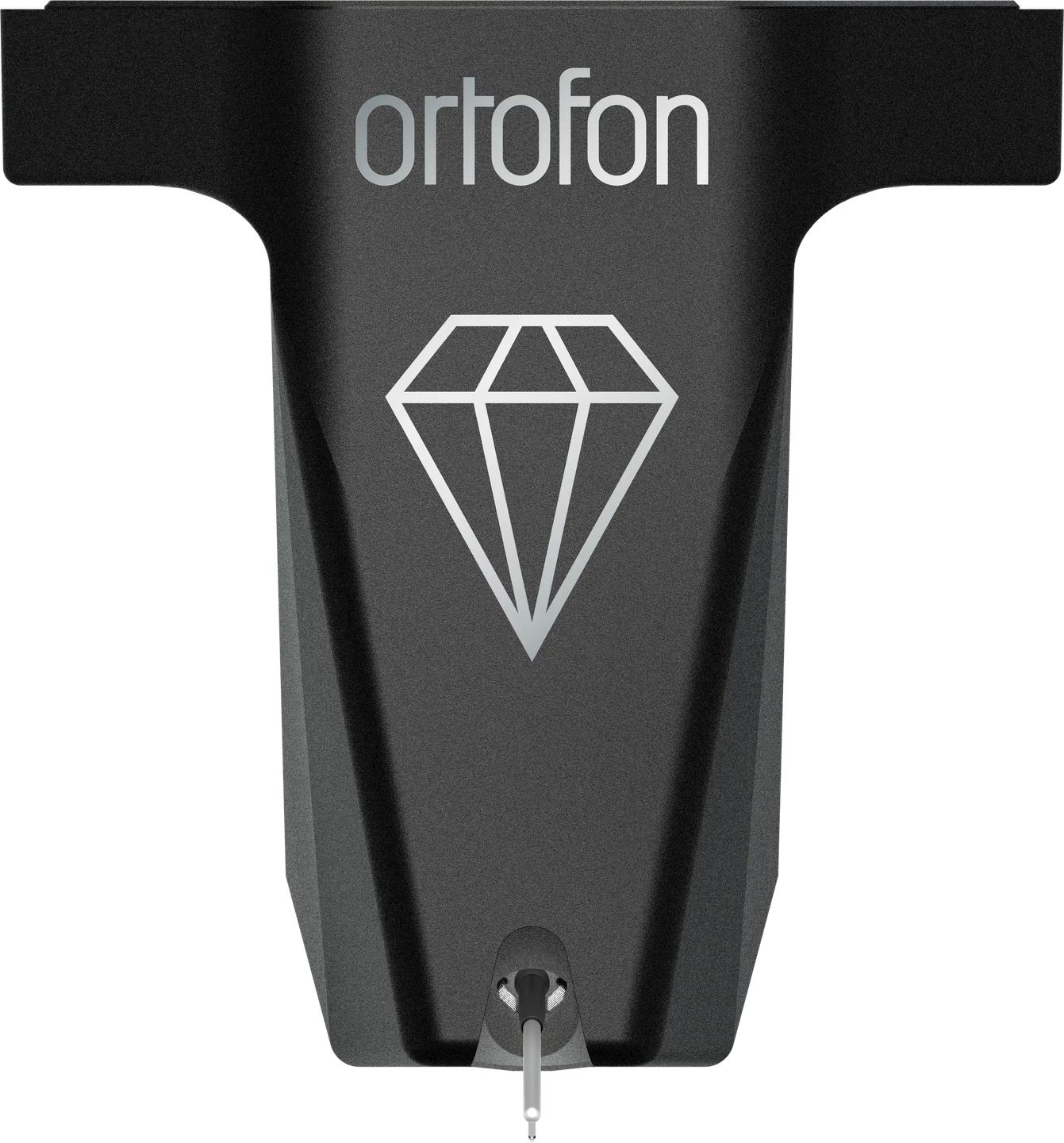
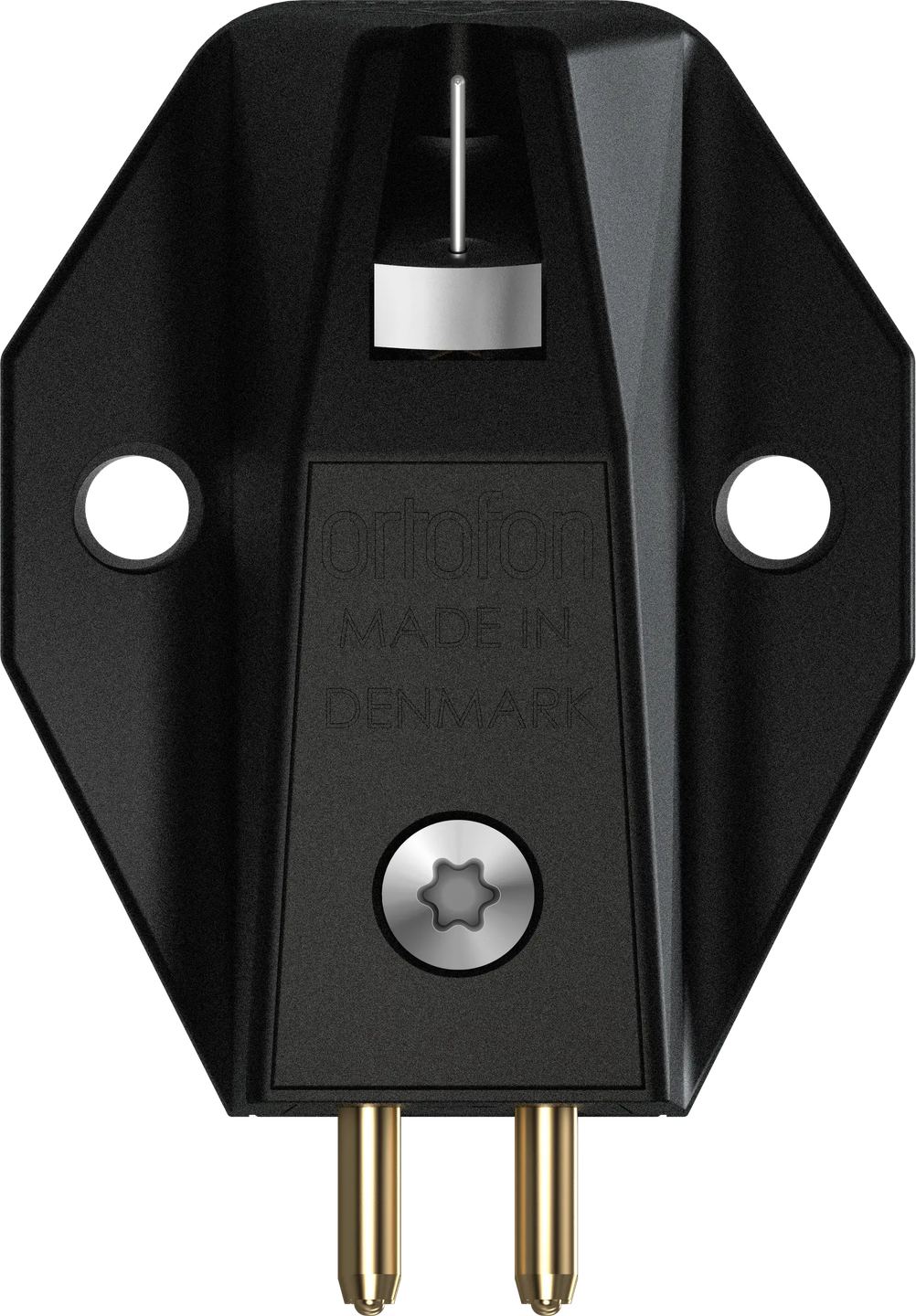
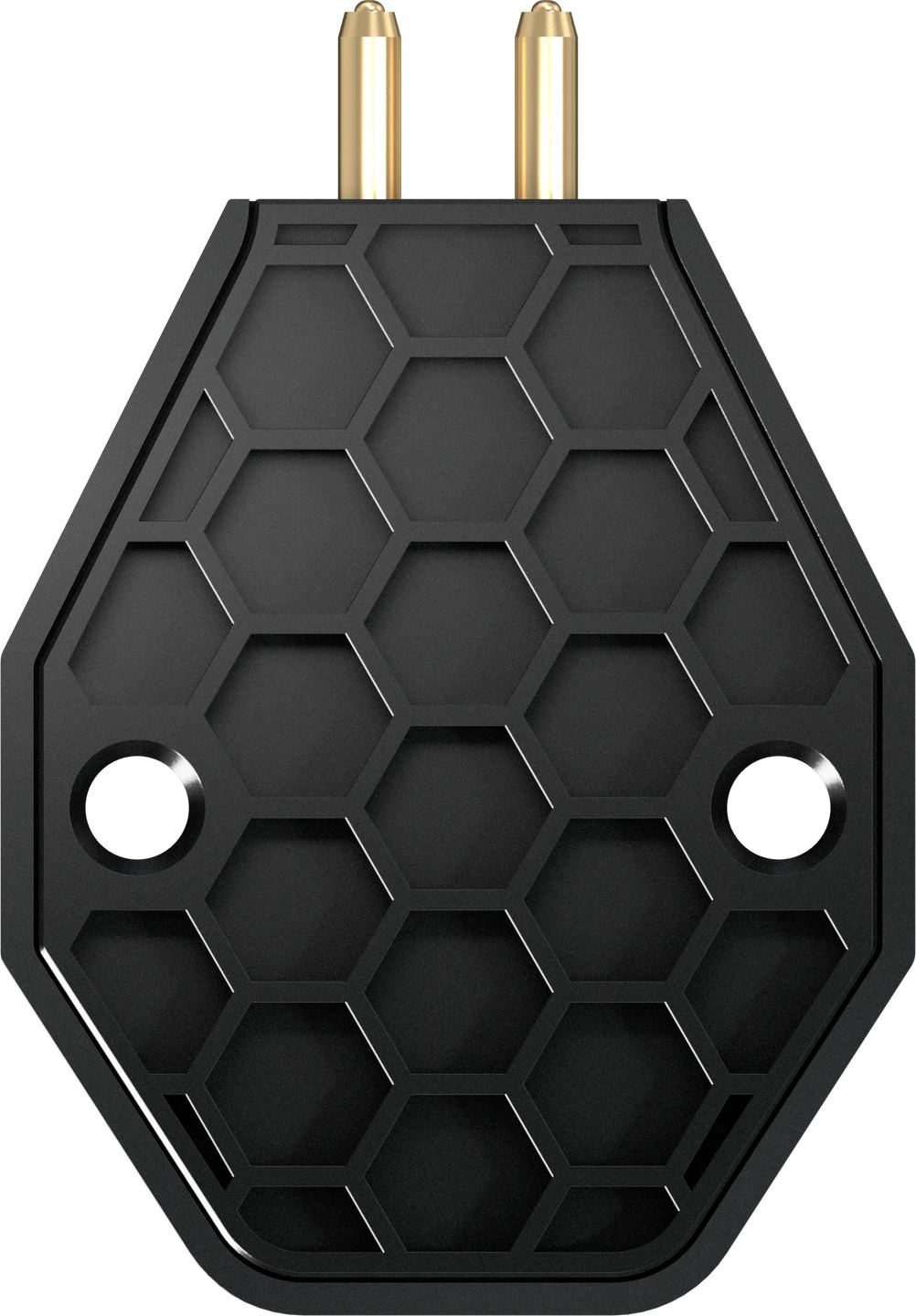
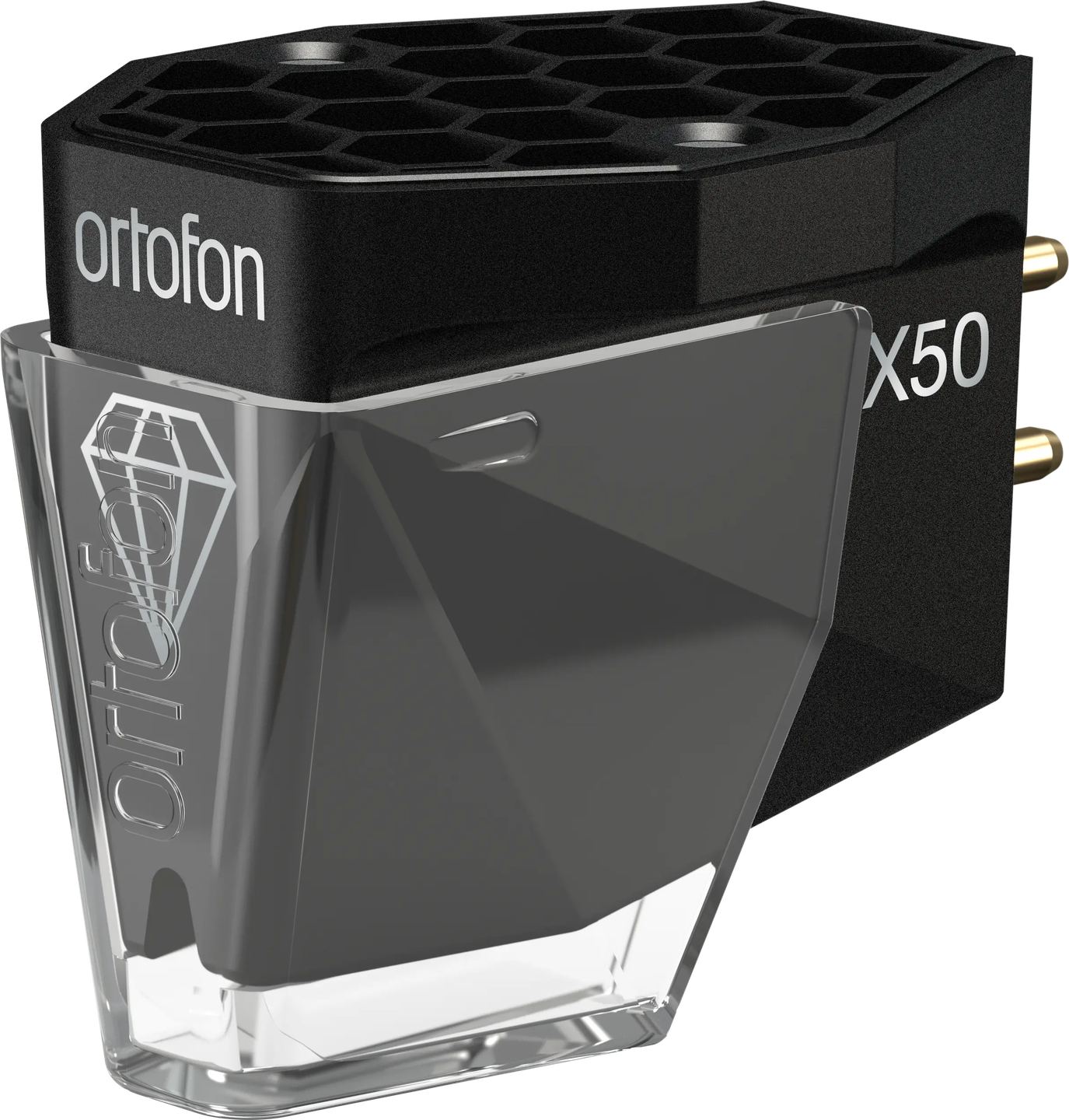
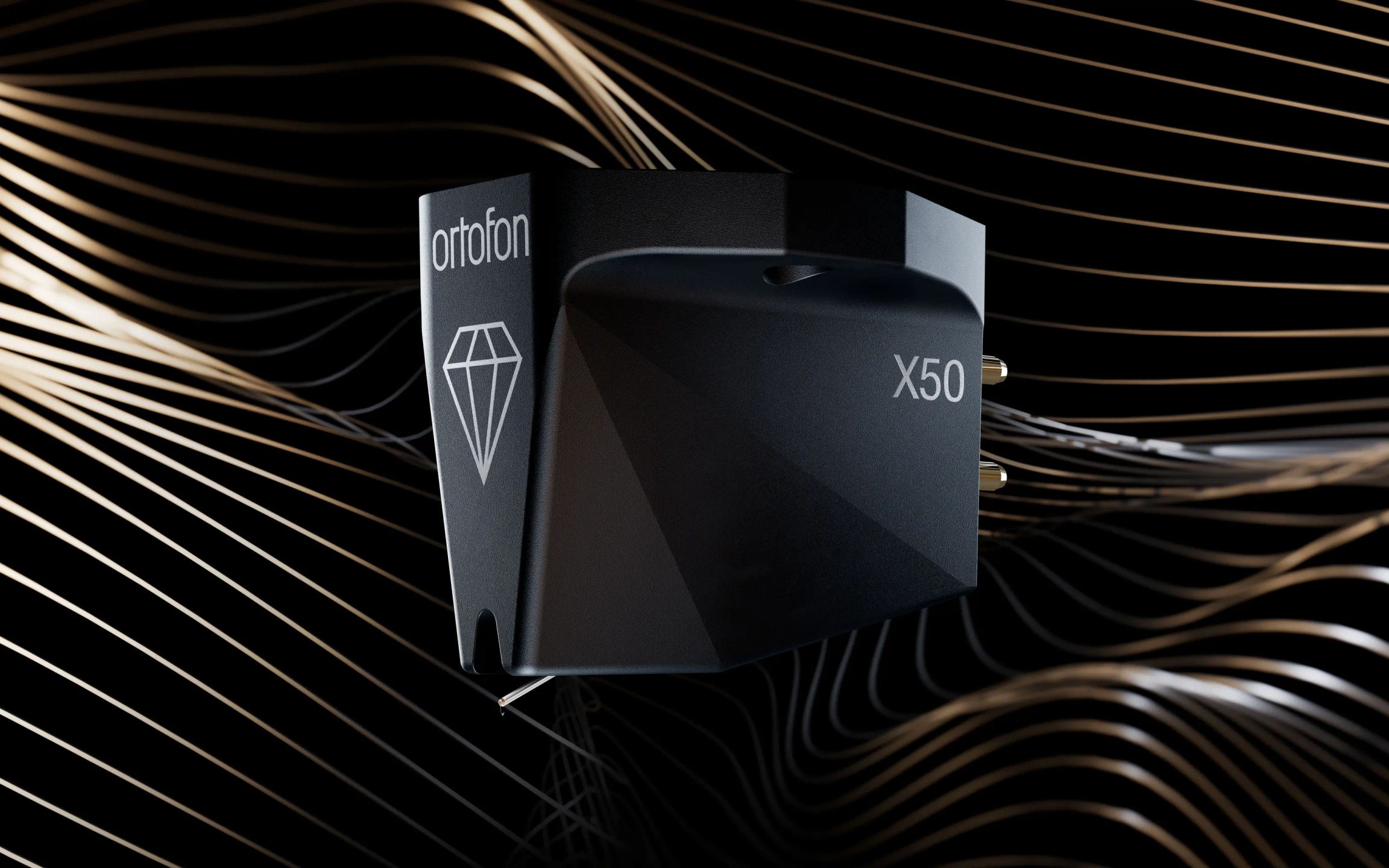
Five models now make up Ortofon’s MC X series. The MC X50, the latest addition, sits above the MC X40 and its Shibata stylus. The platform remains the same: honeycomb MIM chassis, quad silver coils, magnetic system with integrated pole piece. Two elements set it apart: the move to a Nude Micro Ridge profile and a suspension whose rubber compound was formulated for this model.
A Micro Ridge stylus on a boron cantilever
The Micro Ridge profile is defined by its dimensions: a front radius of 2.5 µm paired with a rear radius of 75 µm. Compared with the Shibata on the MC X40 (r/R 6/50 µm), the front radius is about 2.4 times finer, creating a very narrow contact edge. The larger rear radius lengthens the vertical contact area with the groove wall. The result is a tall, fine reading surface, geometrically close to the profile of the cutting stylus used to cut the record. This type of contact improves the reading of high-frequency modulations and reduces distortion in the inner grooves, where the record’s linear speed decreases and cartridges with a wider profile struggle more. Ortofon also highlights the longevity of the Micro Ridge: the vertically extended contact surface distributes wear over a larger area than profiles with a more limited footprint.
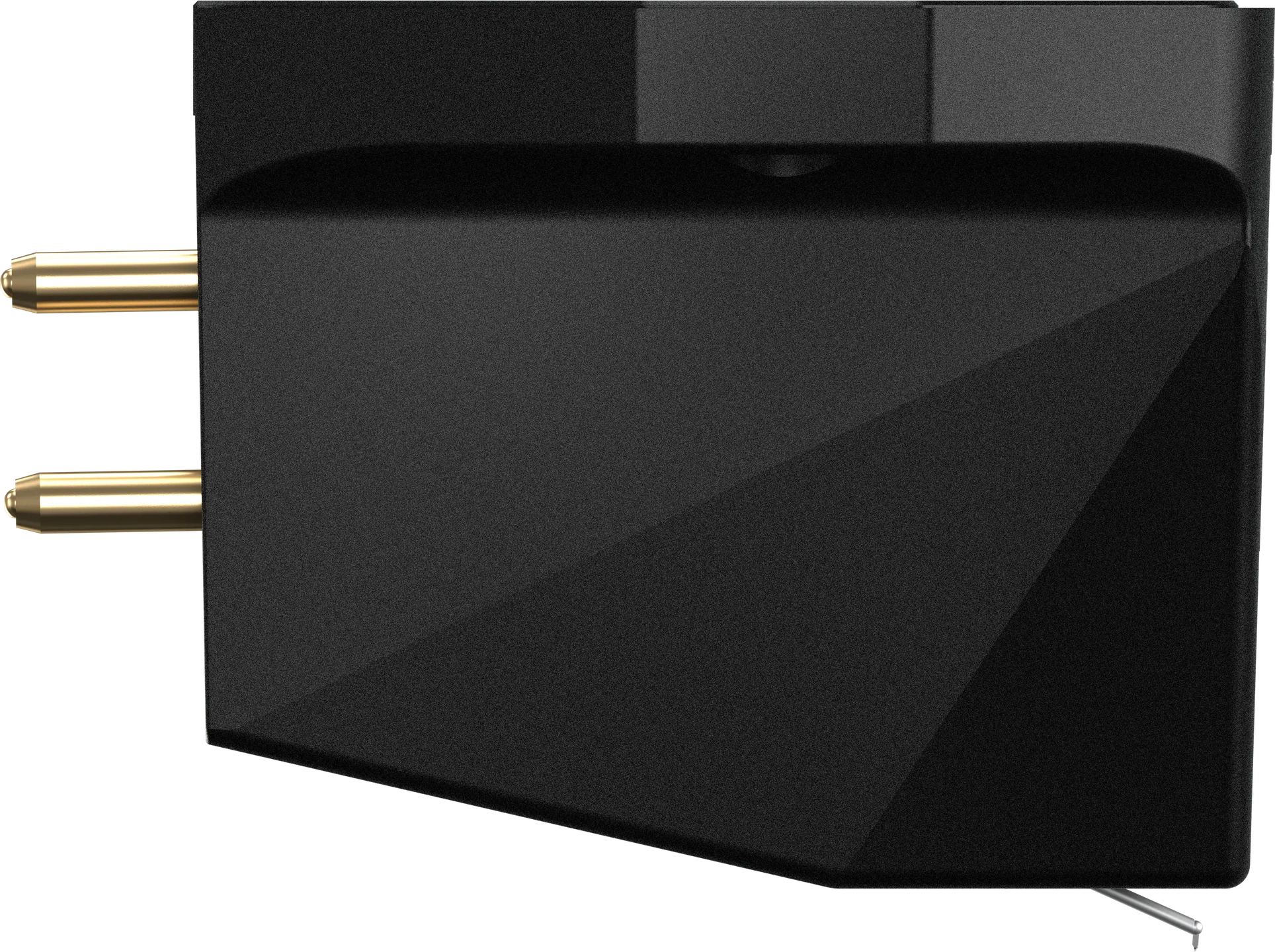
The cantilever is made of boron, as on the MC X40. The other three models in the series (X10, X20, X30) use aluminum. Boron combines high rigidity and low mass, two qualities that speed up the transmission of vibrations from the stylus to the generator. Transient response benefits directly, with note attacks and decays defined more clearly.
Four silver coils and 28 dB of separation
The entire MC X series shares the same type of generator with four coils (quad coils) wound with high-purity silver wire. The magnetic system is based on a one-piece pole piece integrated into a rear yoke, a design intended to maximize magnetic circuit efficiency and limit signal losses.
The MC X50 delivers 28 dB of channel separation at 1 kHz, 2 dB more than the MC X40. Channel balance, measured at 0.5 dB, is identical across all five models in the range: this consistency reflects uniform generator assembly from one model to another. The internal impedance of 6 Ω requires the use of an MC phono preamplifier. Ortofon recommends a load impedance greater than 50 Ω, which leaves comfortable headroom with most MC phono stages on the market.
Honeycomb MIM chassis and suspension with a new compound
The body of each MC X cartridge is built on a stainless steel skeleton manufactured by metal injection molding (MIM, Metal Injection Molding). After molding and sintering, the part has an internal honeycomb structure that combines rigidity and lightness. A PVD (Physical Vapor Deposition) surface treatment protects the whole assembly and ensures the durability of the finish.
For the MC X50, Ortofon developed a rubber compound with a new formulation. The Danish factory of the manufacturer produces its elastomers in-house, and each model in the MC X series receives damping calibrated to its own characteristics. The lateral dynamic compliance of the MC X50 is 14 µm/mN, slightly lower than the 15 µm/mN of the MC X40. This value reflects firmer cantilever control, a choice consistent with the fineness of the Micro Ridge profile: the stylus reads highly detailed modulations in the groove and benefits from well-controlled coil movement to get the best from them.
Tonearm matching and playback settings
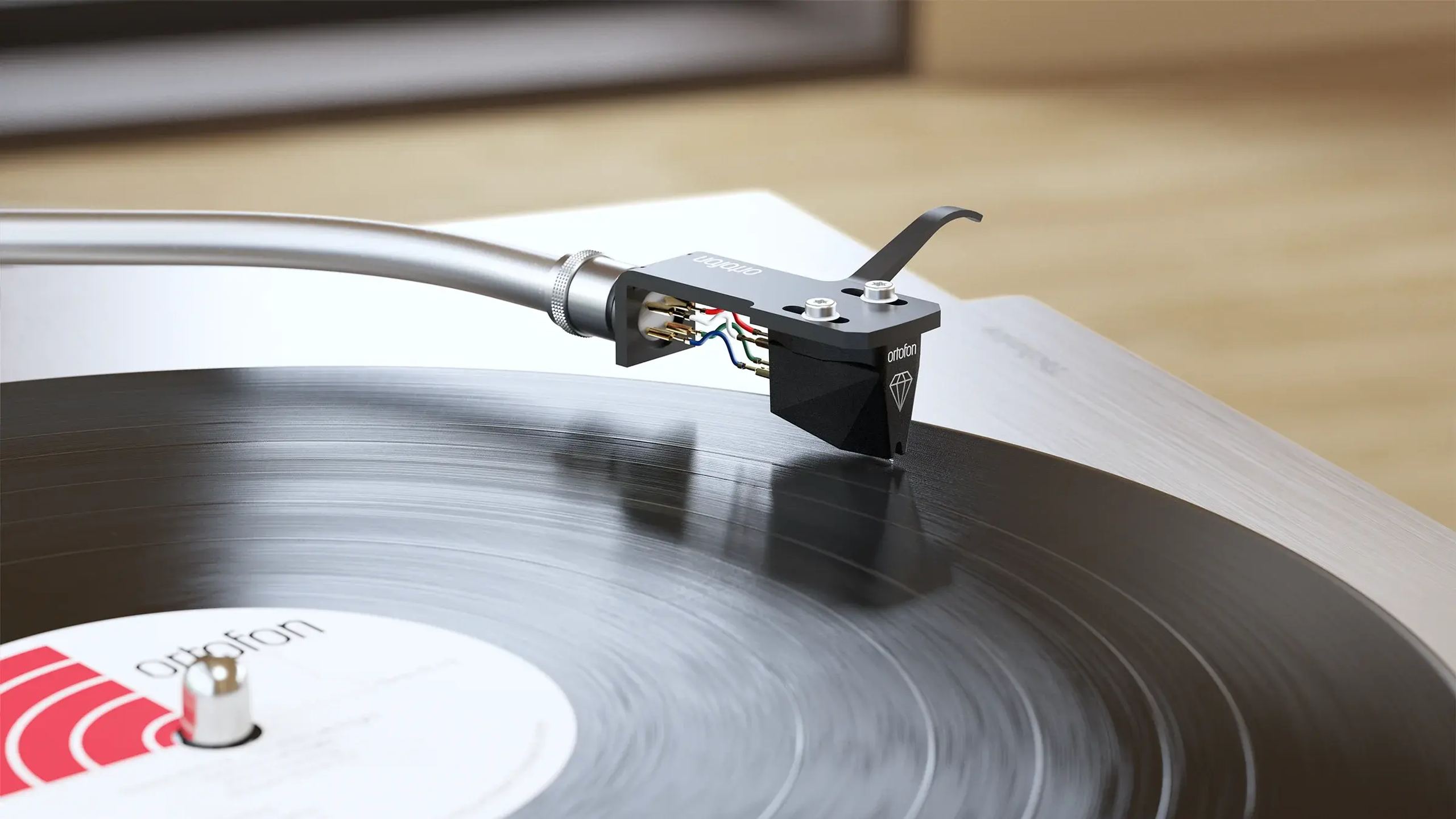
At 8.6 g on the scale and with a compliance of 14 µm/mN, the MC X50 is suitable for tonearms with low to medium effective mass. The resonance frequency of the arm-cartridge pairing should fall between 7 and 12 Hz, a condition met by the vast majority of modern tonearms.
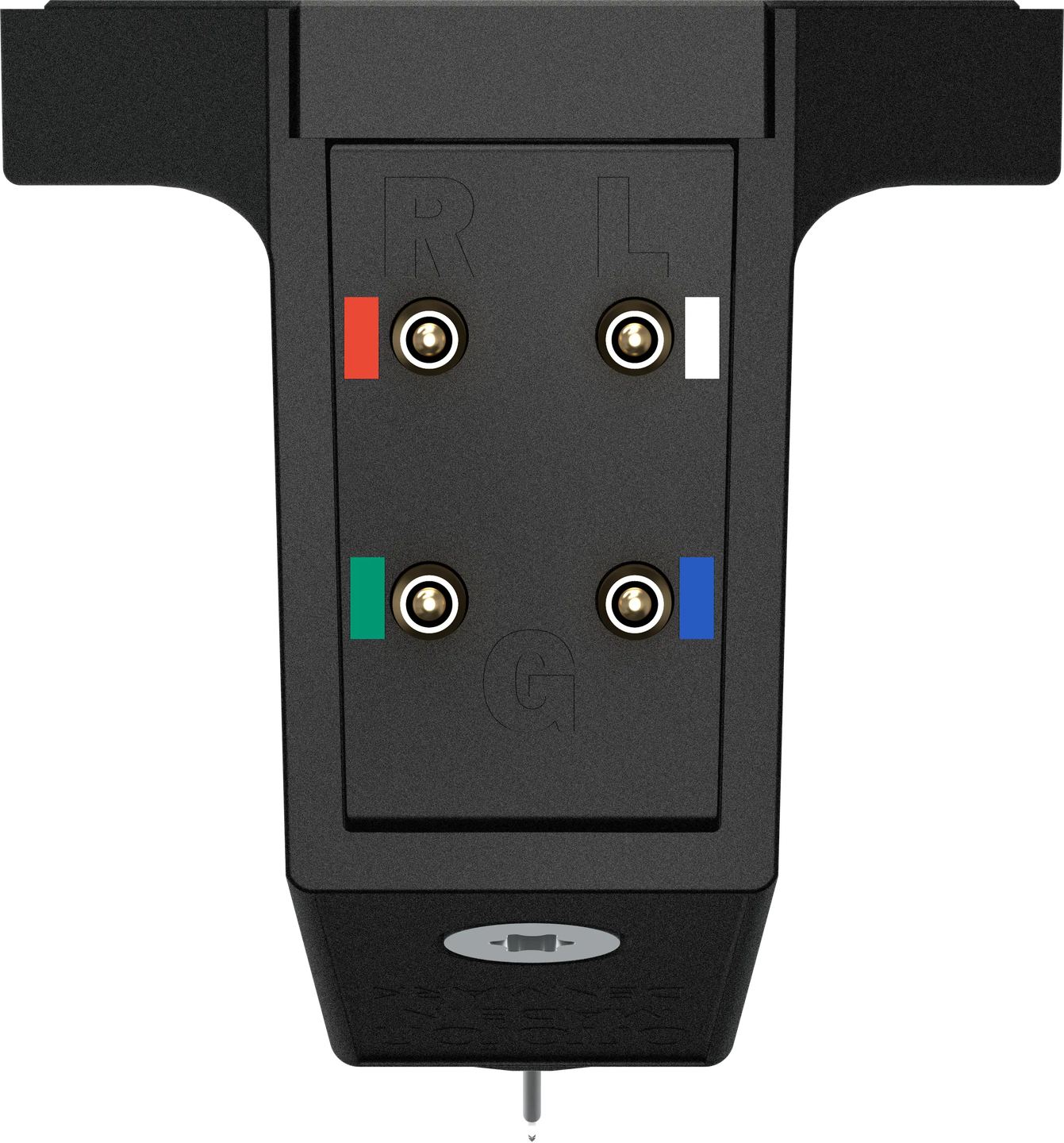
The 0.4 mV output voltage is in the upper range for an MC cartridge. This level makes matching easy with many MC phono preamplifiers without a step-up transformer, although that option remains possible with a transformer whose input impedance matches the cartridge’s 6 Ω. The frequency response is specified at +/- 1 dB between 20 Hz and 20 kHz, a tight tolerance.
Like any fine-contact profile, the Micro Ridge performs at its best when azimuth, VTA (vertical tracking angle), and tracking force are adjusted carefully. The recommended tracking force is 2.0 g. An approximate adjustment is unlikely to damage records, but it will reduce the advantages that the Micro Ridge profile brings compared with a Shibata or a Fine Line. An alignment protractor and a cartridge scale accurate to one hundredth of a gram should be planned for.
Documentation
Technical Specifications
Overview
- High-end MC (Moving Coil) phono cartridge, flagship of Ortofon’s MC X series
- Designed for the most demanding audiophiles
- Extremely precise playback, excellent tracking stability, and sound reproduction with remarkable transparency
Key points
- Nude Micro Ridge diamond
- Ultra-rigid and lightweight boron cantilever
- High-purity silver coils
- MIM stainless steel internal structure with a honeycomb design
- Suspension developed specifically for the MC X50
- Excellent channel separation and very low distortion
- Fast transient response and detailed reproduction
Type and design
- Type: MC phono cartridge
- Coil system: Quad coils
- Coil wire: high-purity silver
Diamond and cantilever
- Cantilever material: boron
- Diamond profile: Micro Ridge
- Diamond type: Nude
- Diamond radius: r / R 2.5 / 75 μm
Electrical performance
- Output voltage: 0.4 mV
- Channel balance at 1 kHz: 0.5 dB
- Channel separation at 1 kHz: 28 dB
- Frequency response: 20 Hz – 20 kHz (+/- 1 dB)
- Internal impedance (DC resistance): 6 Ω
- Recommended load impedance: > 50 Ω
Mechanical characteristics
- Lateral dynamic compliance: 14 µm / mN
- Recommended tracking force: 2.0 g
- Cartridge weight: 8.6 g
Frequently asked questions
Is the MC X50 compatible with the same tonearms as the MC X40?
Yes. The two cartridges share the same weight (8.6 g) and close compliance values (14 µm/mN for the X50, 15 µm/mN for the X40). The 1 µm/mN difference has a negligible effect on resonance frequency. A tonearm suited to the MC X40 will work with the MC X50 without counterweight modification beyond the standard 2.0 g tracking force.
Which load impedance setting should be favored?
Ortofon recommends an impedance above 50 Ω. In practice, values between 100 and 200 Ω deliver good results with most MC phono preamplifiers. A load that is too low (close to 50 Ω) can attenuate high frequencies, while a higher load leaves more room for the signal. The most reliable approach is to test several values and keep the one that best matches your system.
What is the practical difference between Micro Ridge and Shibata?
The Micro Ridge has a front radius of 2.5 µm (versus 6 µm for the Shibata) and a rear radius of 75 µm (versus 50 µm). Its contact edge is finer and its vertical surface is taller. The gain is measured in the inner grooves, where tracking distortion is most critical, and in the reproduction of high-frequency detail. The Shibata remains a high-performance profile, but the Micro Ridge takes playback one step further.
Does the MC X50 require more meticulous adjustment than the MC X40?
Yes. The 2.5 µm front radius of the Micro Ridge is more sensitive to azimuth and VTA than the Shibata. An alignment protractor suited to the tonearm (Baerwald, Löfgren, or Stevenson) and a digital cartridge scale accurate to one hundredth of a gram are tools to plan for. An approximate adjustment will not cause a mechanical problem, but it will limit the gains of this cartridge compared with the MC X40.
- Eco-contribution included in the sale price.
- GTIN / EAN: 5705796271324