A global reference, What Hifi? is one of the most comprehensive magazines covering Home Cinema and Hifi.
The "5 stars" award distinguishes the highest quality products, according to this British magazine.
Overview
The Marantz CD6007 is a CD player featuring a quiet disc mechanism, a digital-to-analog converter, and the brand’s proprietary HDAM-SA2 circuits. It plays high-resolution formats up to DSD 5.6 MHz and includes a headphones section with three adjustable gain levels.
Mechanical construction in the service of sonic purity
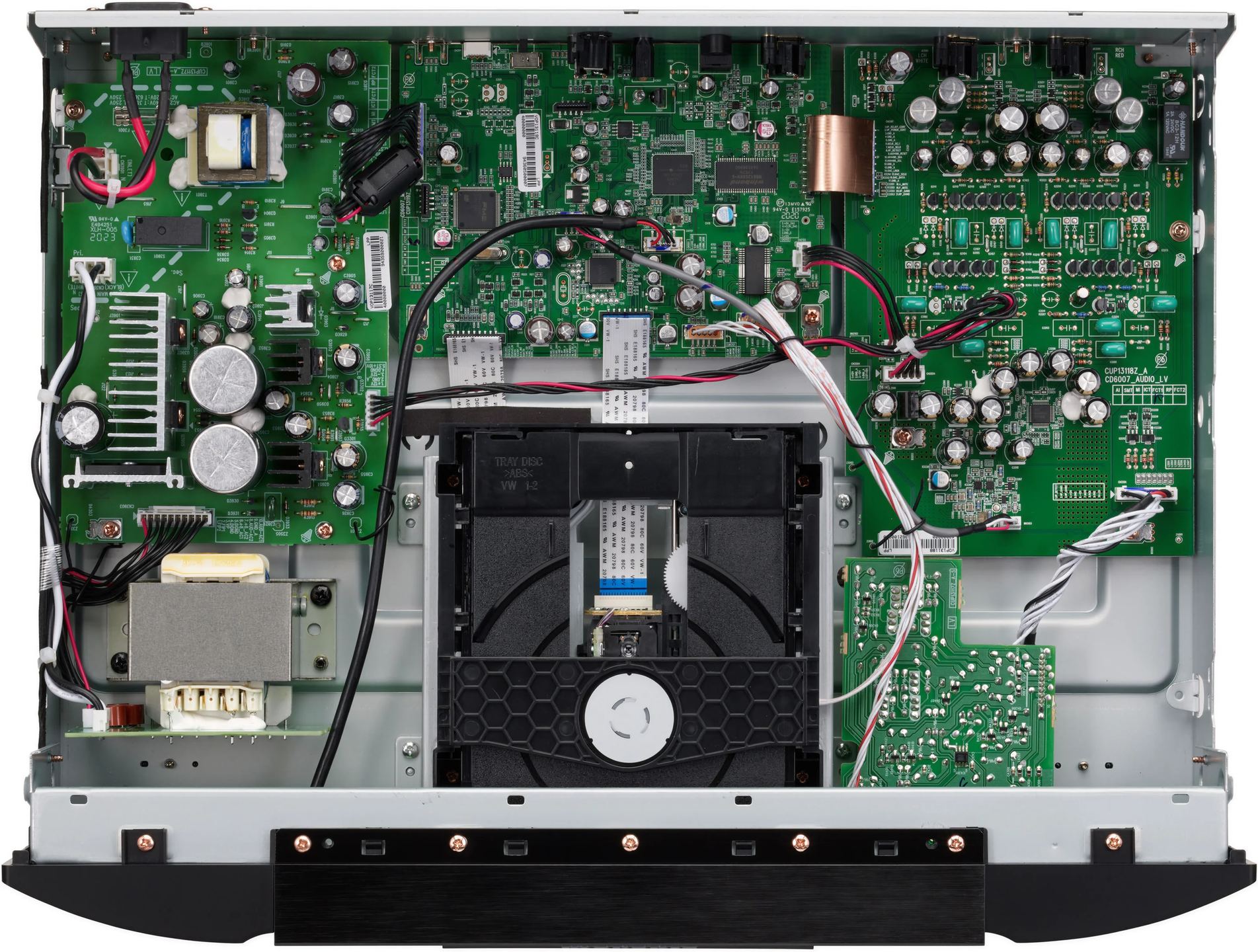
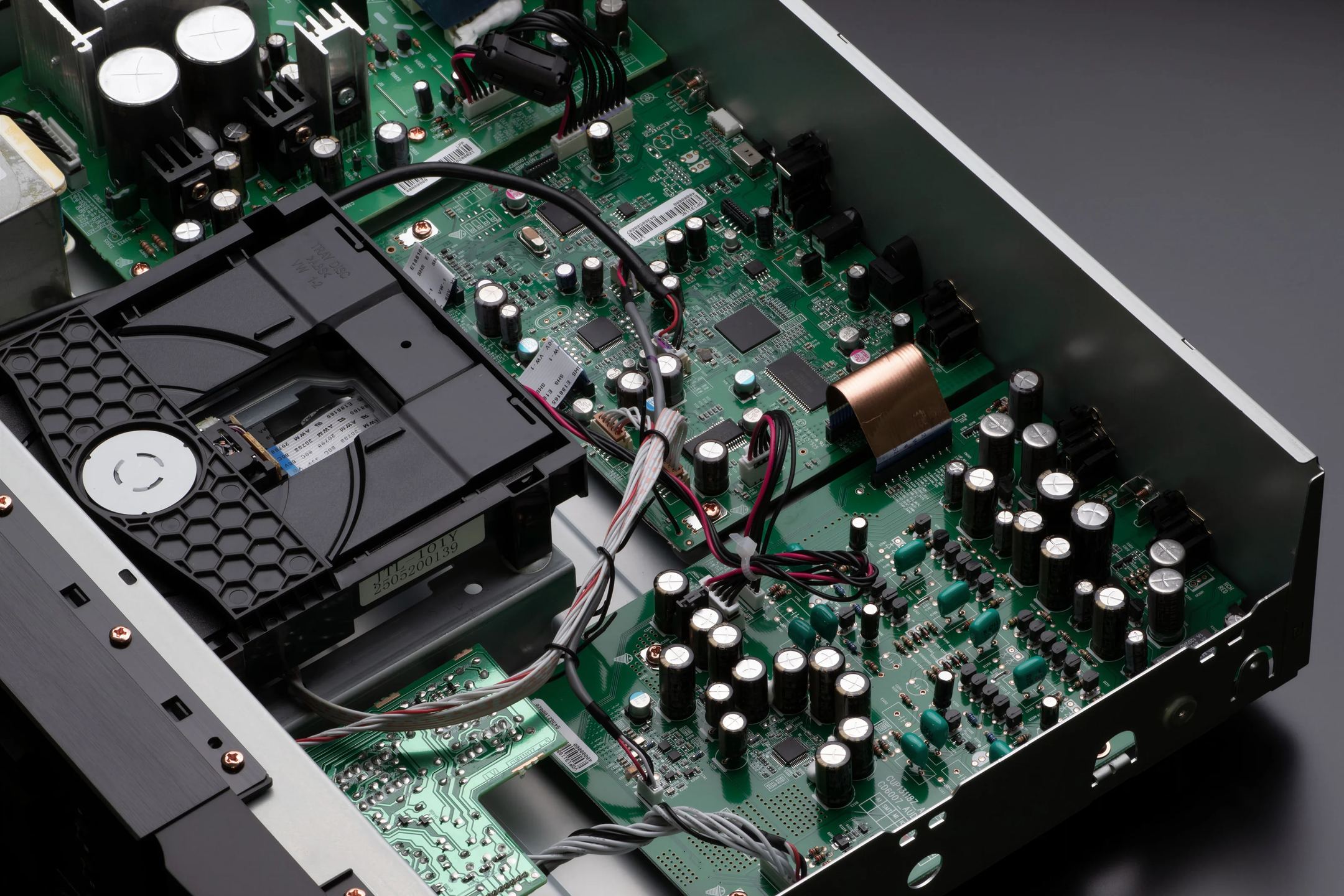
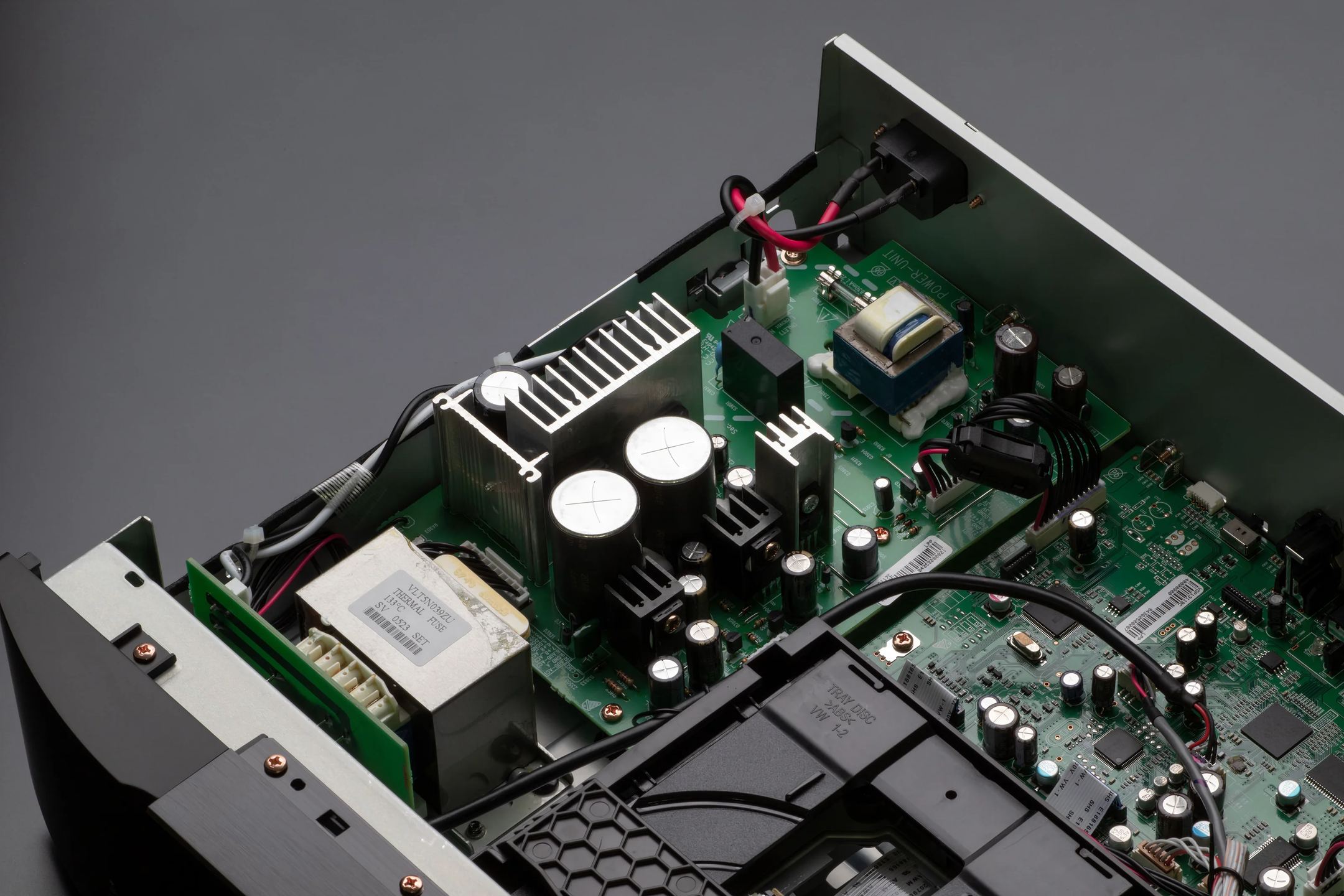
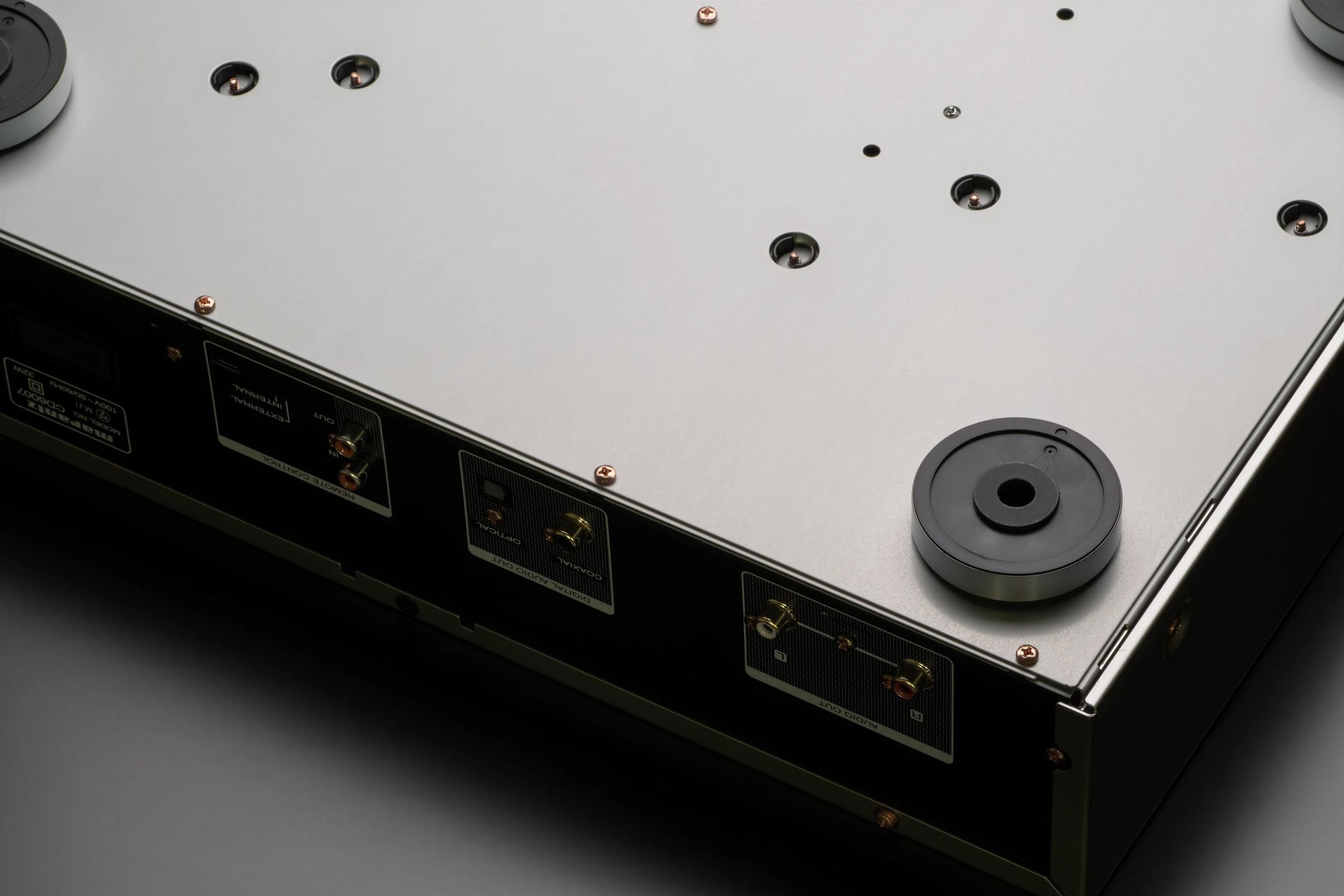
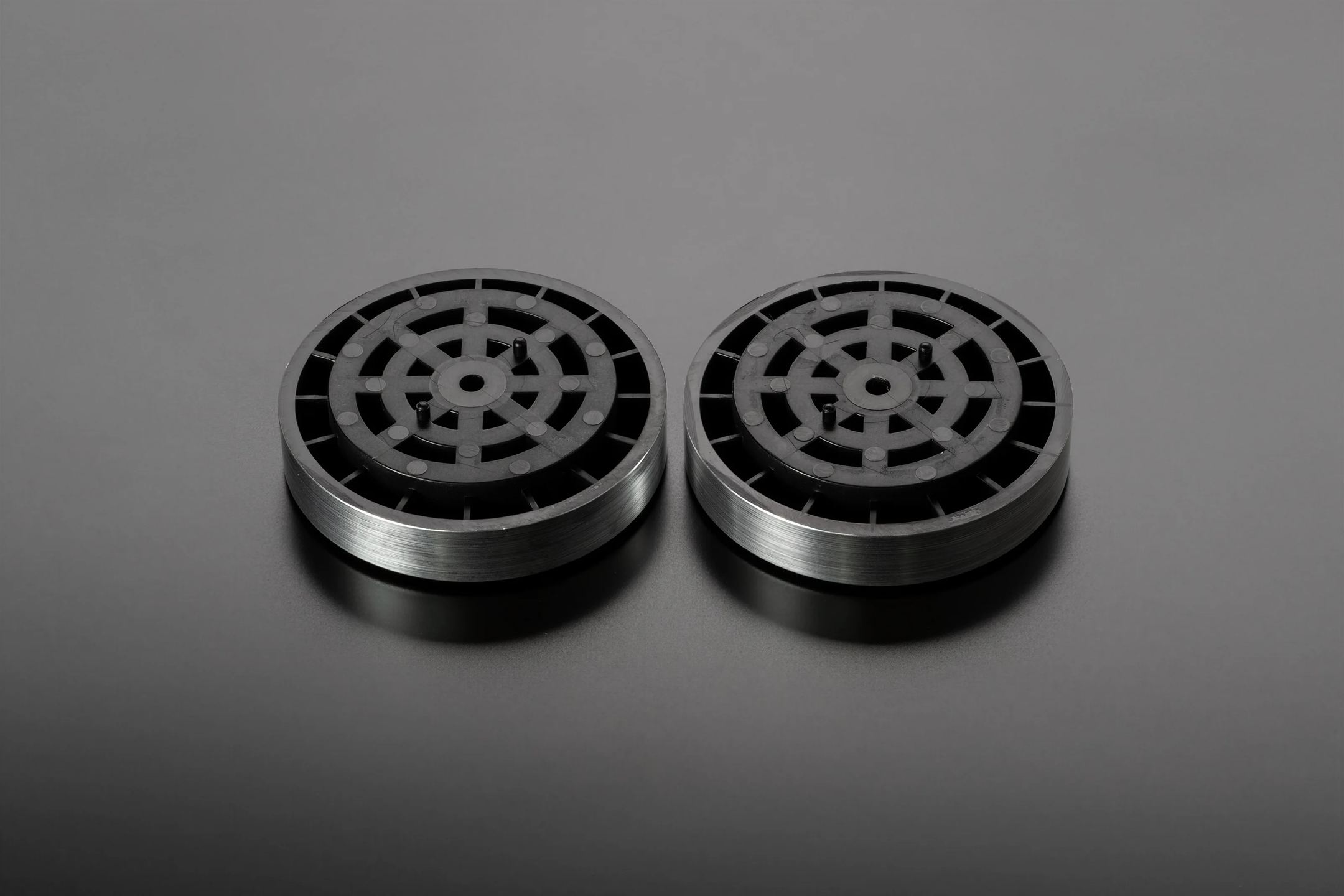
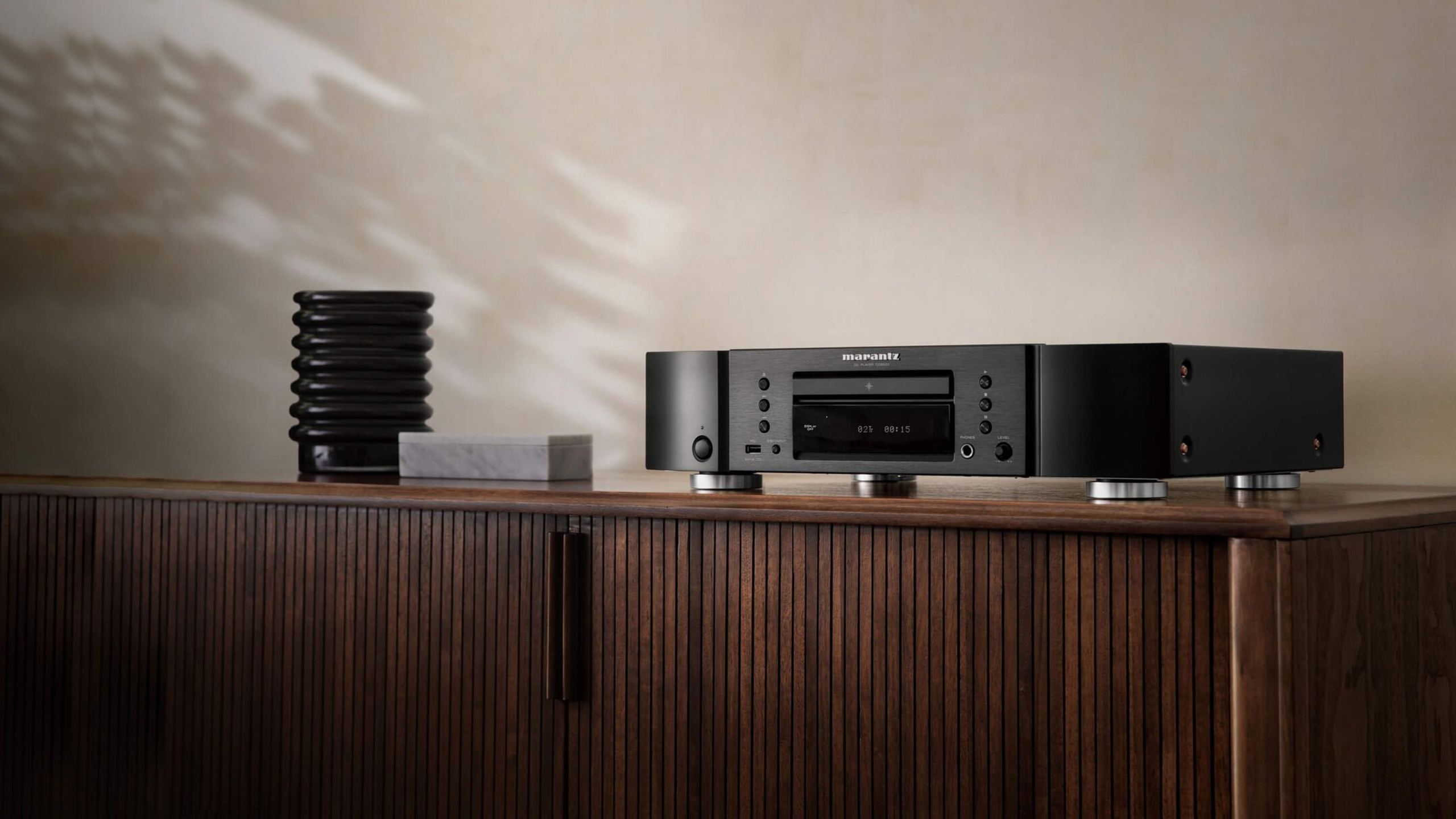
The CD6007 is built on a metal chassis with a double reinforcement plate, a design that far exceeds the usual standards for this price range. This double-layer structure creates an inert mass that effectively absorbs micro-vibrations likely to interfere with optical reading. The four large feet, designed with progressive damping, isolate the mechanism from external vibrations transmitted by the support surface.
At the heart of the unit, the JTL-101Y transport mechanism occupies a central position, symmetrically flanked by the electronic circuits. This balanced layout shortens signal paths and reduces electromagnetic interference between the different sections. The mechanism itself benefits from a soft-suspension mounting that mechanically decouples the optical block from the main chassis.
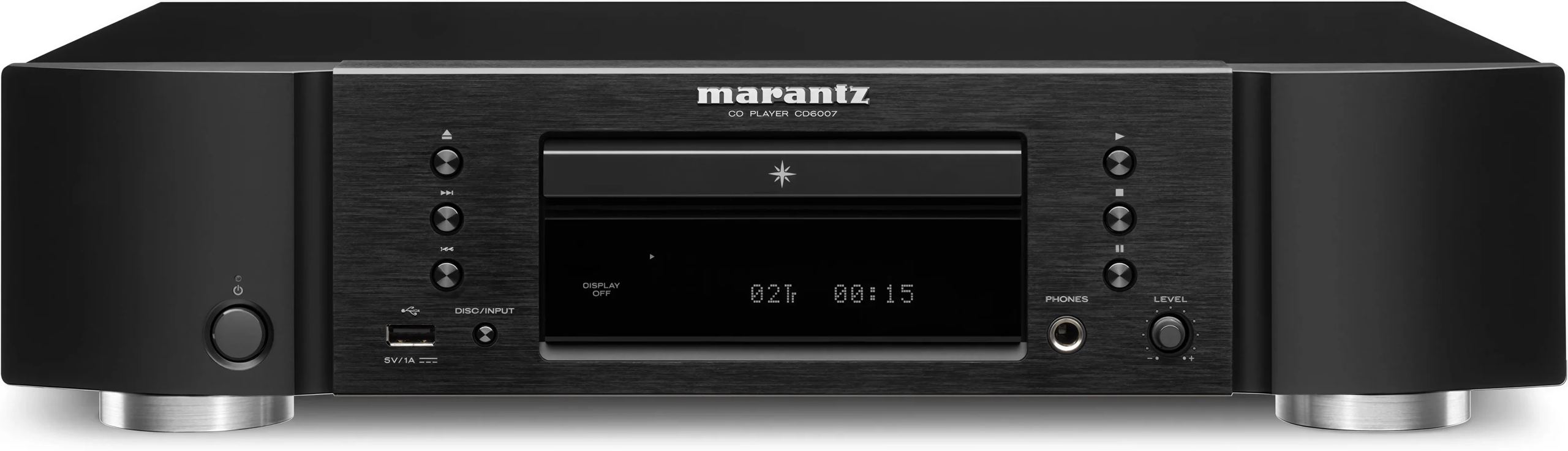
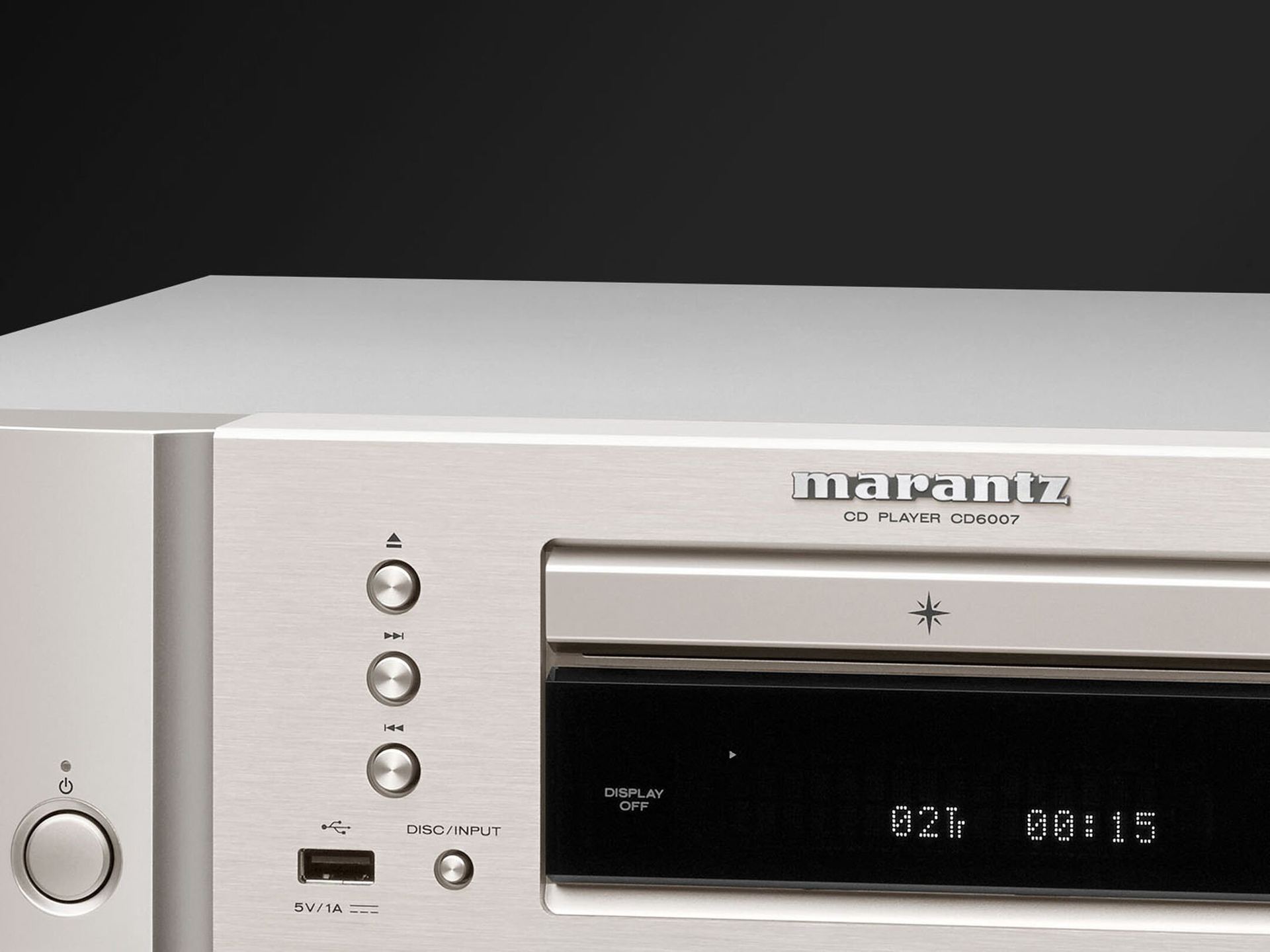
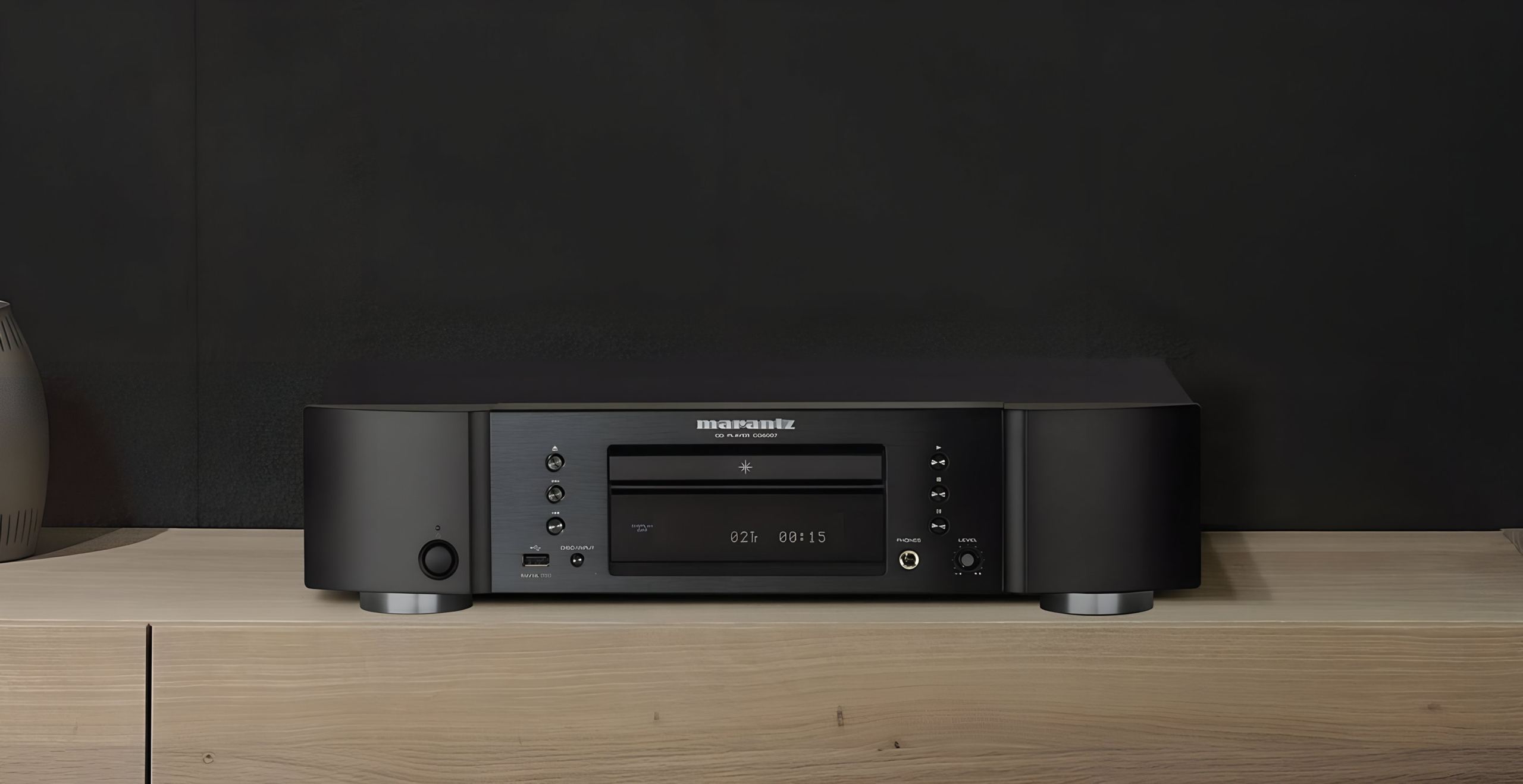
The brushed aluminum front panel, available in black or silver-gold, retains Marantz’s signature aesthetic with a central loading tray topped by an LCD display with white characters on a black background. Controls are symmetrically arranged on either side: on the left, navigation functions and source selection; on the right, playback controls and the headphone volume knob. This intuitive organization makes daily use easy without constantly resorting to the remote control.
Advanced electronic architecture and digital conversion
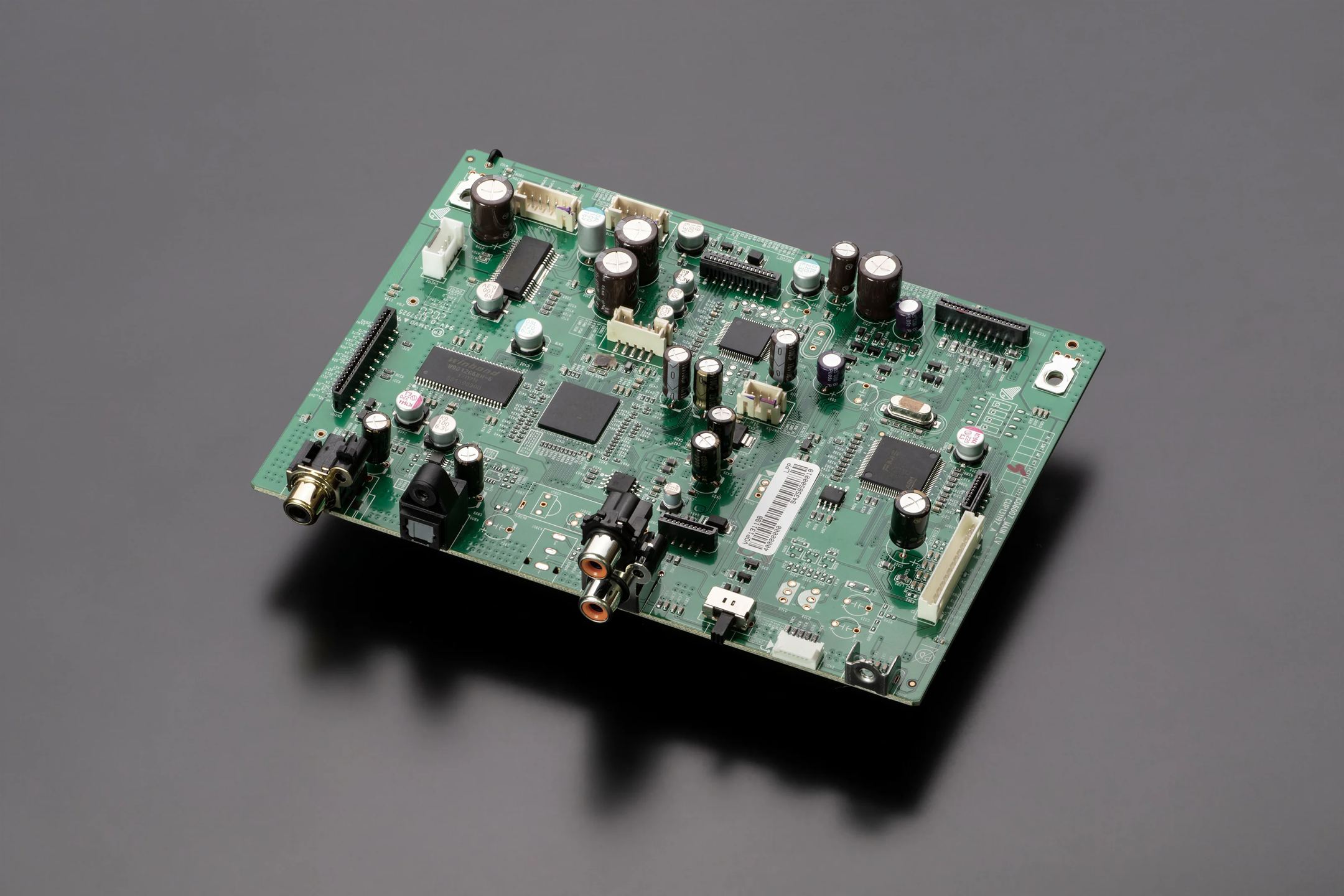
The digital conversion section marks the major evolution compared with the CD6006. The new Asahi Kasei AK4490 converter replaces the Cirrus Logic CS4398 chip used in the previous model, providing extended handling of PCM streams up to 24-bit/192 kHz and DSD up to 5.6 MHz. This latest-generation multi-bit Delta-Sigma DAC operates in tandem with a high-precision master clock that synchronizes all digital processing, drastically reducing jitter.
Note that from May 2021, following a fire at the AKM factory, Marantz replaced the AK4490 DAC with an ESS Technology ES9010K2M chip on units with serial numbers above 70001. The brand’s engineers painstakingly reworked the circuit to maintain a consistent sonic signature, though some users report a slightly more analytical presentation with the ESS chip.
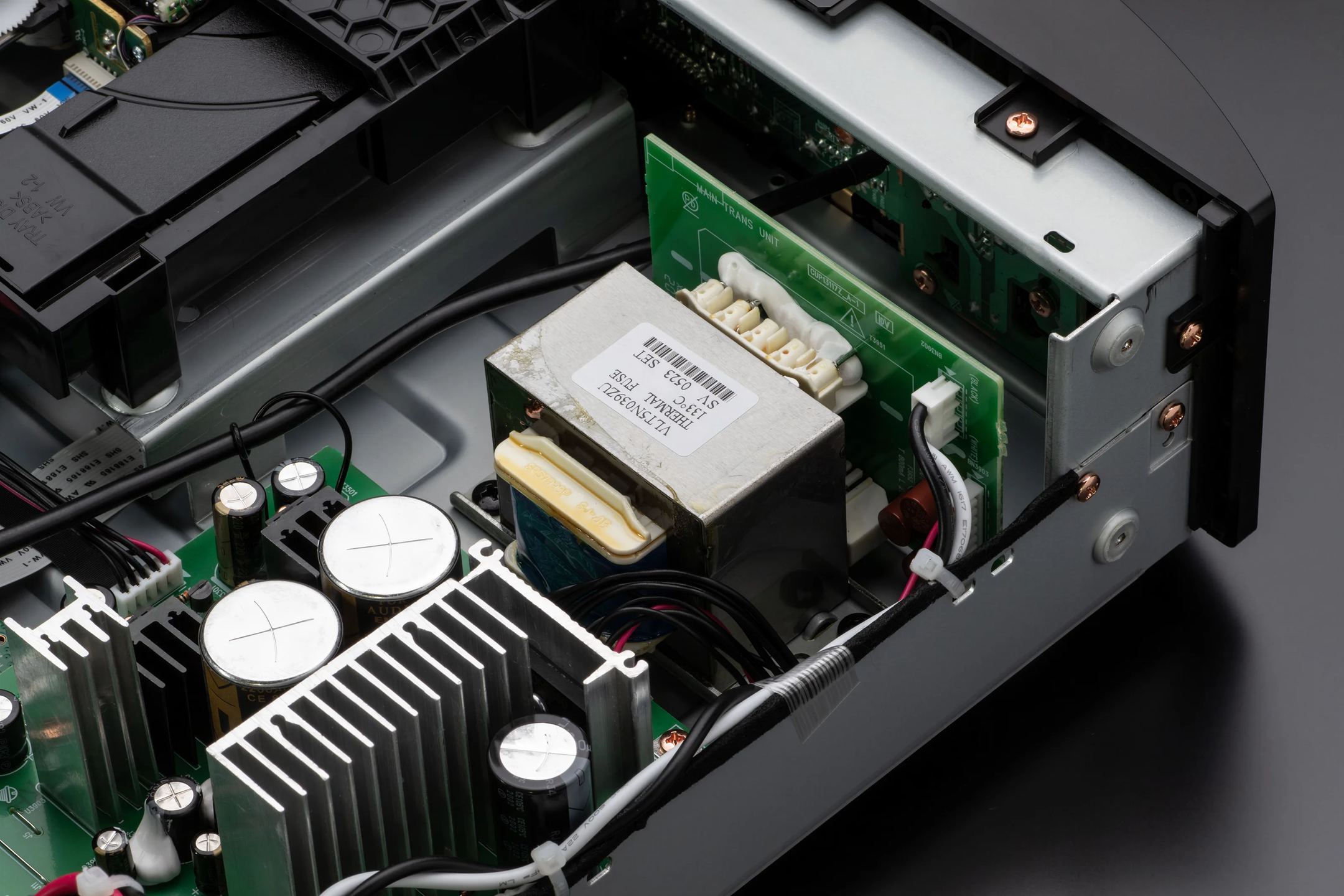
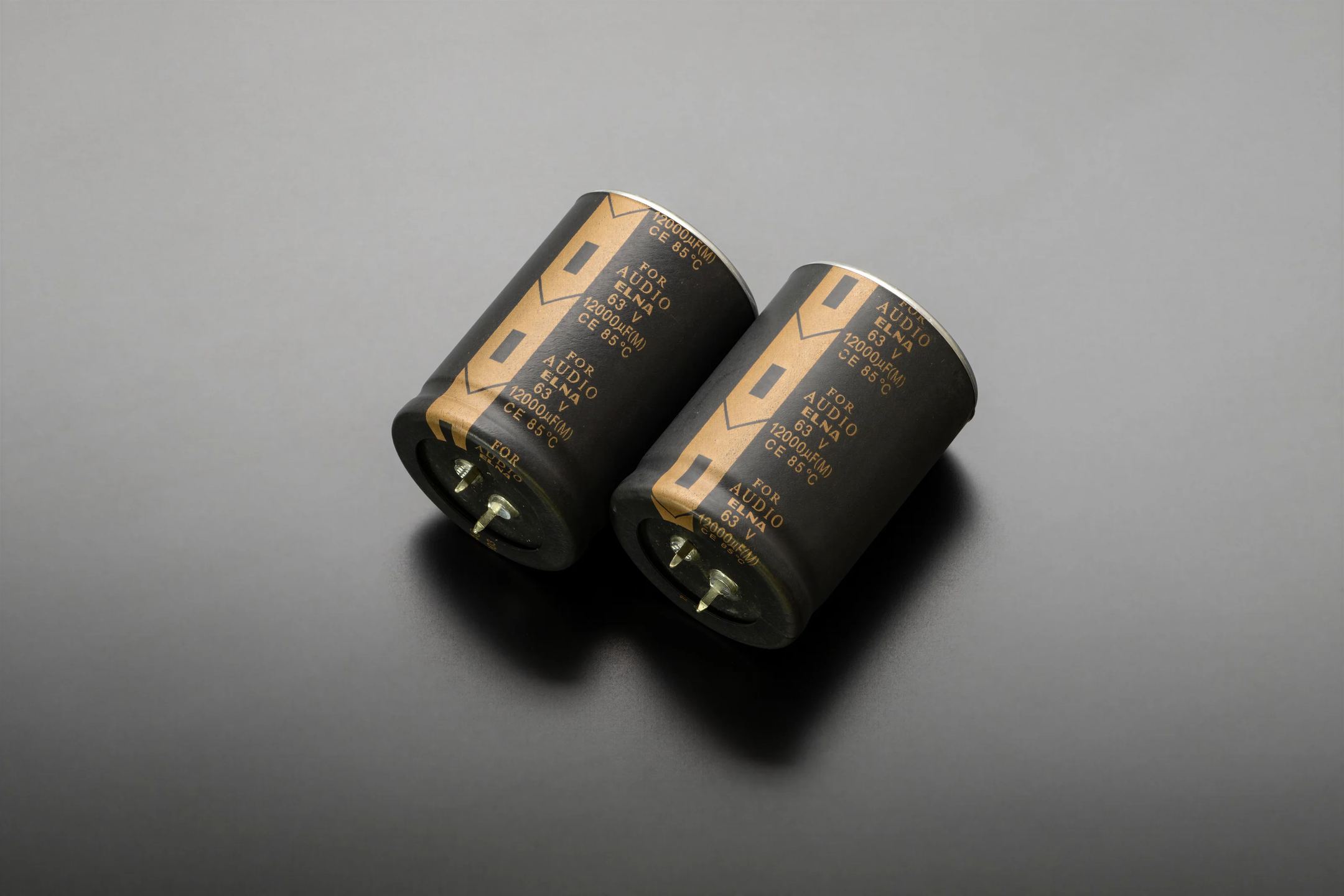
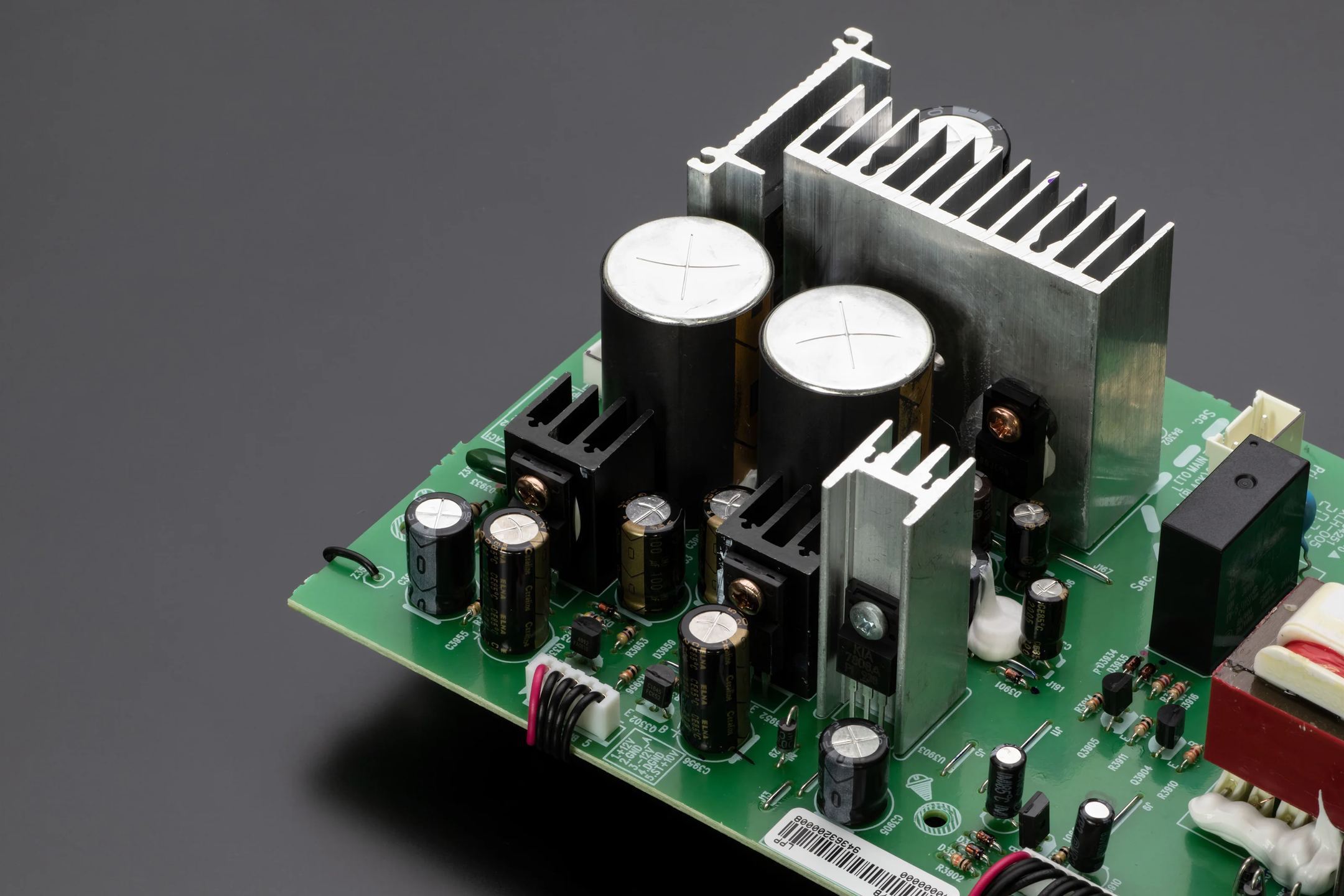
The power supply has been completely redesigned with capacitors 120% larger than those in the CD6006. This increased energy reserve ensures better supply stability during demanding dynamic passages. The EI toroidal transformer, combined with high-speed Schottky diodes, generates perfectly regulated voltages with remarkably low residual noise. The digital and analog circuits have their own independent power lines, eliminating any crosstalk between sections.
The symmetrical circuit topology, unusual at this price, ensures optimal common-mode noise rejection. Each channel has its own independent voltage regulator, improving stereo separation, which reaches 98 dB according to the manufacturer’s measurements.
HDAM modules: Marantz’s technological signature
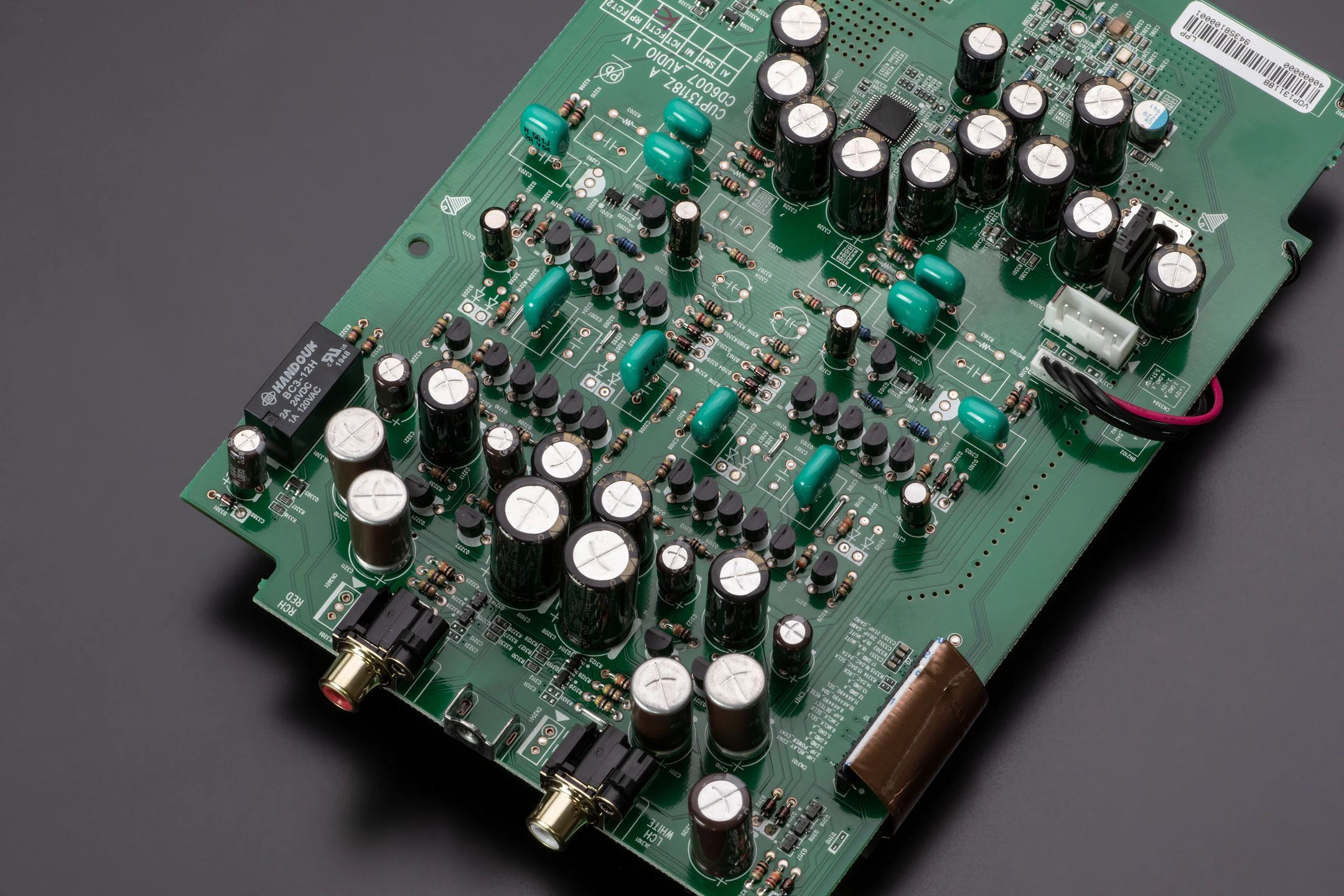
HDAM (Hyper Dynamic Amplifier Module) circuits have been Marantz’s technological DNA since 1992. Unlike conventional integrated operational amplifiers, these modules use individually selected discrete components assembled on tiny printed circuit boards enclosed in a metal case. This approach allows optimization of each parameter—slew rate, bandwidth, distortion—without the compromises inherent to generic integrated circuits.
The CD6007 incorporates three distinct types of HDAM modules, each optimized for a specific function. The low-pass filter stage uses a standard HDAM module that provides gradual attenuation of frequencies beyond the audio band while preserving signal phase. The output buffer stage employs an HDAM-SA2 module, a unity-gain (x1) version designed specifically to maintain signal integrity while lowering output impedance. This architecture can efficiently drive long interconnect cables without degradation.
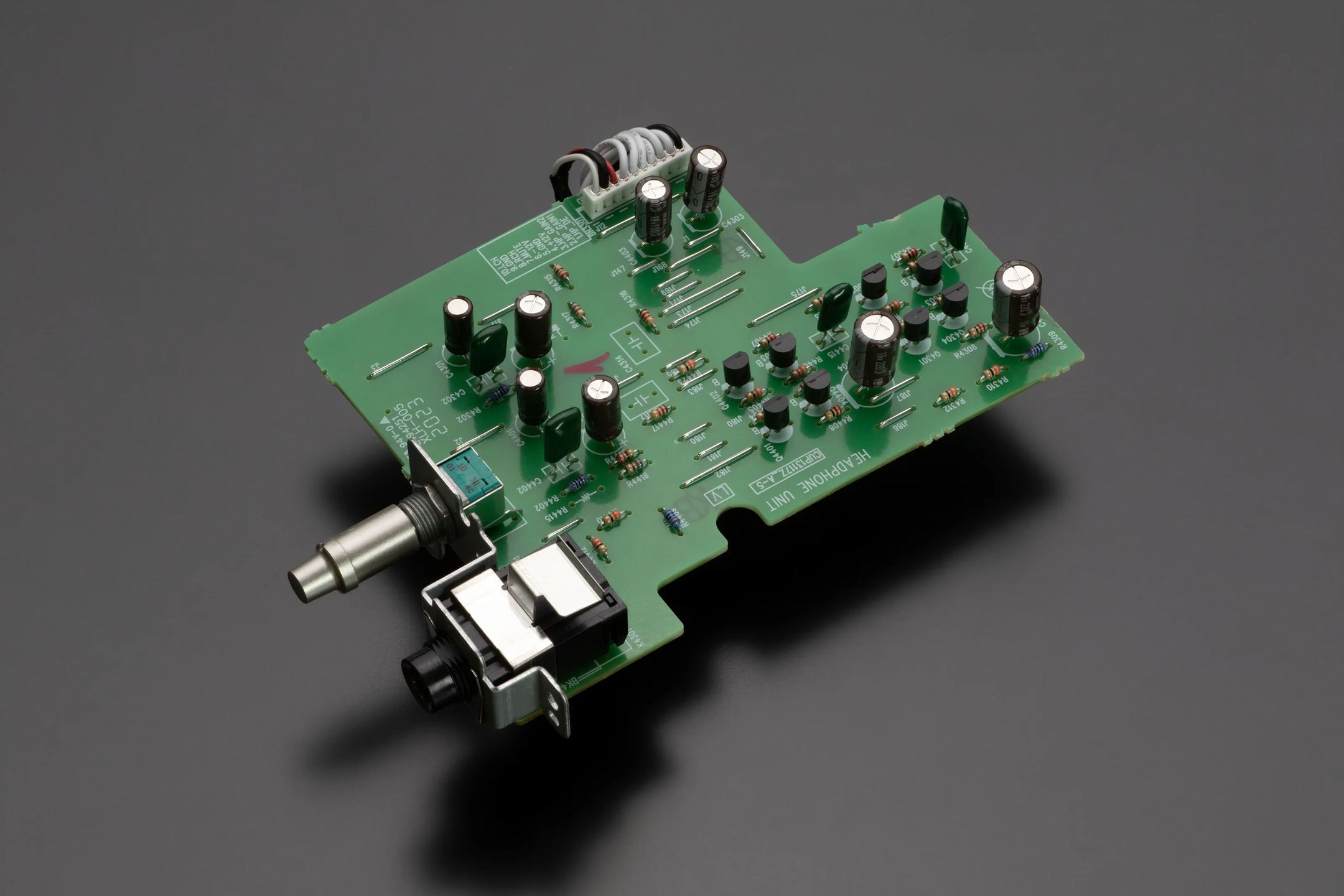
The headphone section uses a hybrid configuration combining an HDAM-SA2 module with a complementary operational amplifier. This combination delivers sufficient current to power high-impedance headphones while preserving the harmonic finesse characteristic of HDAM circuits. The three-position gain setting (low/medium/high) matches output sensitivity to the characteristics of the headphones used, from sensitive in-ear monitors to 600-ohm studio models.
Format versatility and user interface
The front USB-A port turns the CD6007 into a true digital audio hub. Beyond playing physical CDs, the unit natively decodes WAV, FLAC, ALAC, and AIFF files up to 192 kHz/24-bit, as well as DSD files (DSF and DFF) up to 5.6 MHz. Compressed formats MP3, WMA, and AAC are also supported with metadata display (ID3 tags, WMA Meta, AAC metadata).
Navigation through file trees is, however, limited by the basic LCD display, which can only show a few characters. This minimalist interface is fine for occasional use but shows its limits with extensive music libraries. Users who prioritize digital file playback would be better served by a dedicated network player for a smoother experience.
Two selectable digital filters subtly modify the converter’s response. Filter 1, with slow, gradual attenuation, favors a wide soundstage and natural harmonic decay. Filter 2, with a steeper cutoff, offers a more direct presentation with increased transient definition. The differences remain subtle and largely depend on the associated playback system, but this flexibility allows fine-tuning according to personal preferences.
Connectivity and system integration
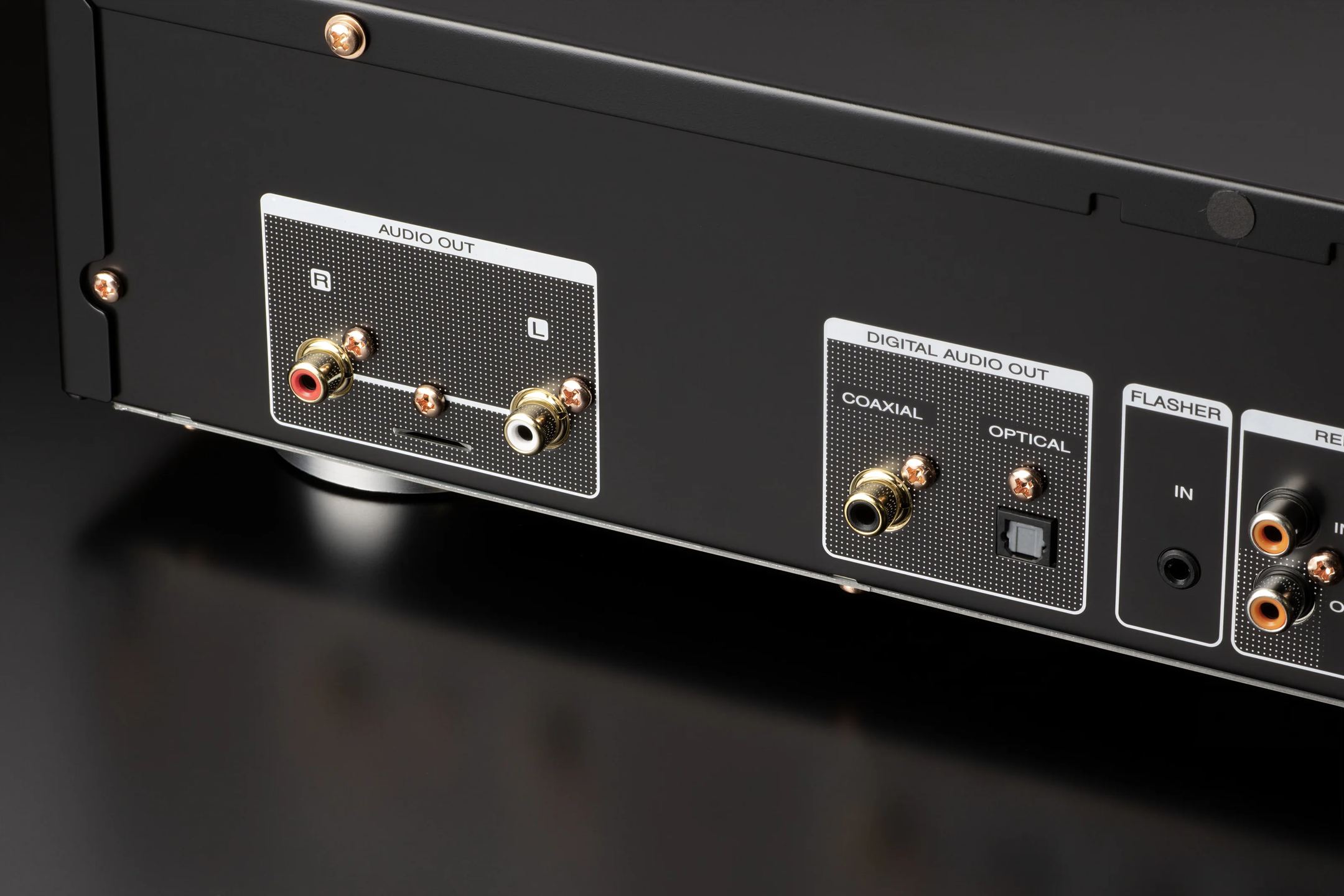
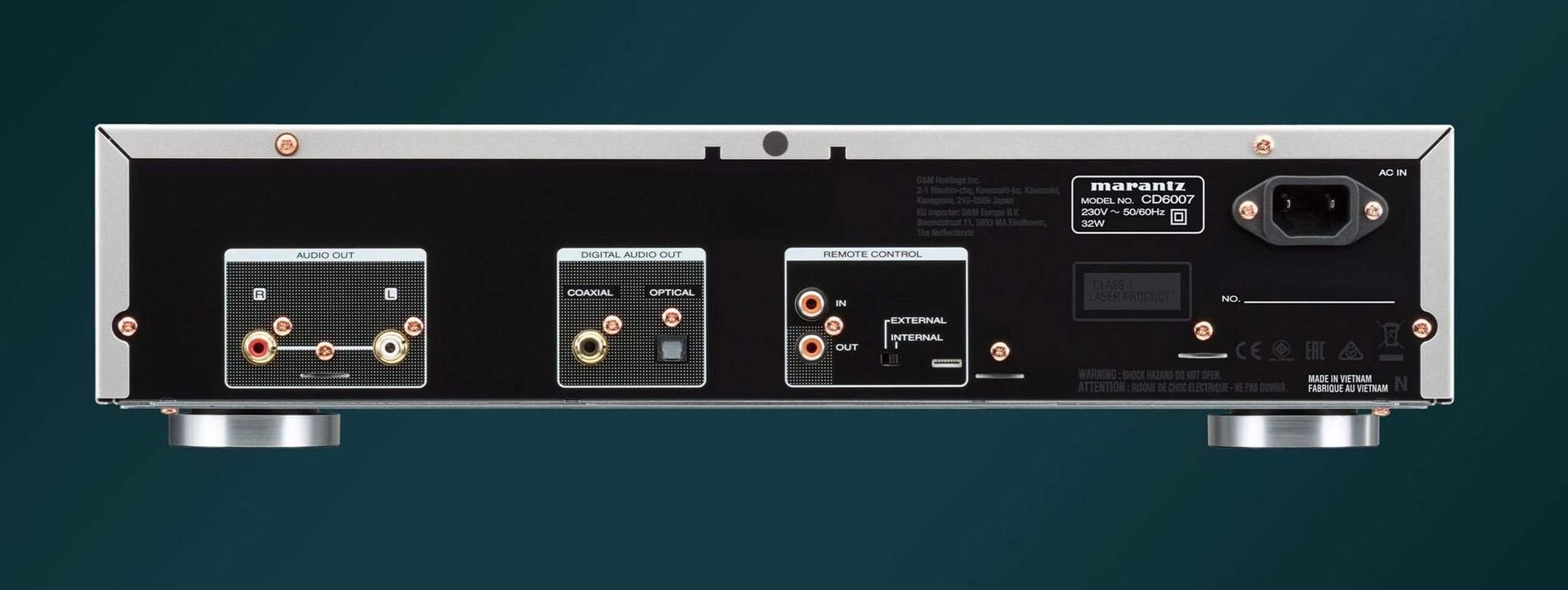
The rear connectivity is classic yet comprehensive. The gold-plated RCA analog outputs are generously spaced to accommodate interconnects with bulky connectors. The Toslink optical and coaxial S/PDIF digital outputs allow the use of an external DAC, turning the CD6007 into a pure digital transport.
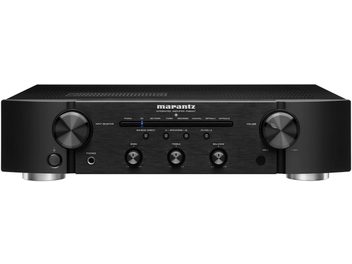
A rare function in this price range lets you completely disable the digital outputs when they are not in use. Powering down non-essential digital circuits reduces electronic background noise and brings a perceptible increase in clarity on highly transparent systems. The proprietary D-Bus remote bus synchronizes the CD6007 with other Marantz devices, notably the PM6007 amplifier, with which it forms a cohesive set both aesthetically and electronically.
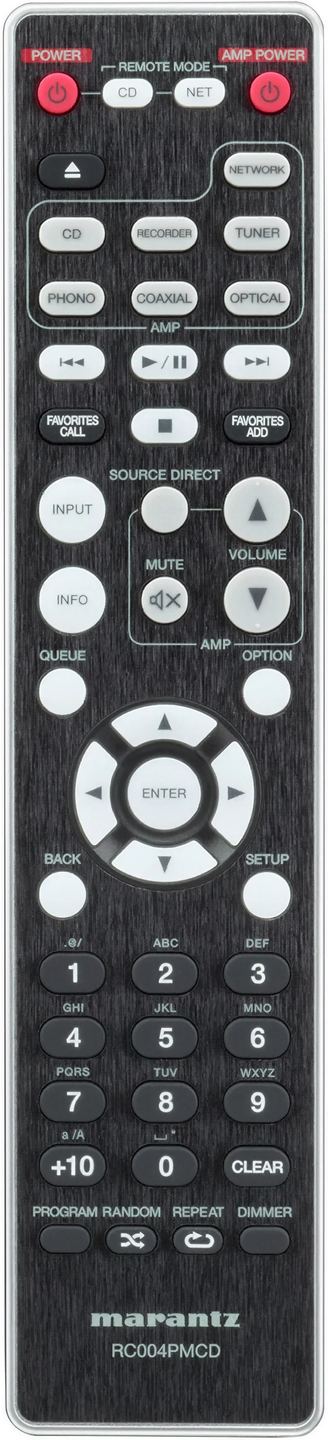
The RC004PMCD system remote controls all the player’s functions and also those of the PM6007 amplifier if present. Dedicated buttons for primary functions eliminate the need to navigate complex menus, promoting intuitive everyday use.
Measured performance and sonic signature
The technical specifications attest to rigorous engineering: linear frequency response from 2 Hz to 20 kHz, a 110 dB signal-to-noise ratio, and just 0.002% total harmonic distortion. These figures place the CD6007 alongside significantly more expensive players, confirming Marantz’s aggressive positioning in the entry-level audiophile segment.
In listening, the CD6007 delivers a presentation that’s slightly more open and defined than its predecessor. The soundstage gains width and depth, with more precise localization of instruments in space. Transients are rendered with greater crispness, particularly audible on percussion and the attacks of plucked strings. This increased precision comes with a slight rise in transparency in the treble; some listeners accustomed to the warmer signature of the CD6006 may perceive this evolution as a more analytical presentation.
The rhythmic foundation benefits from exemplary control, with perfectly articulated bass notes and maintained temporal coherence even in complex passages. This command of timing—a fundamental quality for musical engagement—sets the CD6007 apart from many competitors that prioritize resolution at the expense of groove.
Playback modes: repeat (track/program/A-B), random
Physical Characteristics
Dimensions (W × D × H): 440 × 340 × 105 mm
Weight: 6.5 kg
Packaging dimensions: 517 × 468 × 189 mm
Weight with packaging: 8.8 kg
Power Supply
Power consumption: 32 W
Standby consumption: 0.3 W
Automatic standby
Detachable power cord
Accessories
Metal front panel
Remote control RC004PMCD
Frequently Asked Questions
Can the CD6007 play Super Audio CDs (SACD)?
+
No, the CD6007 does not support SACD playback. It only reads the standard CD layer of hybrid SACD/CD discs. For SACD playback, consider higher-end models like the SA-10 or the SACD 30n, which include the necessary DSD decoding circuits and multichannel handling.
What’s the concrete difference between the AK4490 and ESS ES9010K2M DACs used in different series?
+
Both chips offer comparable technical performance in terms of resolution and signal-to-noise ratio. The AK4490 is known for a slightly more organic presentation with a fuller midrange, while the ESS ES9010K2M tends toward a more precise and detailed rendering. Marantz engineers adjusted the downstream analog circuits to minimize these differences, but some listeners perceive a subtle tonal variation.
Can the built-in headphone amplifier replace a dedicated amplifier?
+
The CD6007’s headphone amplifier, built around the HDAM-SA2 module, far surpasses the basic headphone outputs usually integrated into CD players. With its three gain levels, it drives headphones from 32 to 600 ohms adequately. For occasional use or with moderately sensitive headphones, it offers very satisfying performance. Owners of very demanding or planar-magnetic headphones will still benefit from a more powerful dedicated headphone amplifier.
How to get the most out of high-resolution file playback via USB?
+
Organize your files in a simple folder structure with short names to ease navigation on the limited display. Favor uncompressed or lossless formats (WAV, FLAC, AIFF) to fully benefit from the DAC’s capabilities. DSD files offer a particularly natural, analog-like presentation. Use quality USB drives with high transfer rates to avoid interruptions when playing large files.
Which interconnect cables are recommended to optimize performance?
+
The CD6007’s gold-plated RCA outputs accept all types of interconnect cables. Decent-quality cables with OFC copper conductors and effective shielding are sufficient to reveal the unit’s potential. The generous spacing of the sockets allows the use of bulky high-end connectors. Avoid excessively long cables (over 2 meters), which can introduce losses and pick up interference.
User reviews
Panagiotis
Very nice and crystal-clear sound. Very good build quality. Easy connection and operation.
Comment from July 10, 2026 — Experience from June 29, 2026
Automatically translated — Show original (Greek)
Πολύ ωραίος και κρυστάλλινος ήχος. Πολύ καλή κατασκευή. Εύκολη σύνδεση και χειρισμός.
Eric
This device works very well. The remote control buttons are small, I use a remote control from another device of the same brand.
Comment from April 16, 2026 — Experience from April 05, 2026
Automatically translated — Show original (French)
Cet appareil fonctionne très bien. Les boutons de la télécommande sont petits, j'utilise une télécommande d'un autre appareil de la marque.
Nicolas
Very good CD player, sound quality is there when paired with the Marantz Cinema 40
Comment from April 02, 2026 — Experience from March 22, 2026
Automatically translated — Show original (French)
Très bonne platine cd, qualité sonore au rendez-vous accouplé avec le Marantz Cinema 40
To better understand our visitors, measure marketing effectiveness and personalise ads, we and our partners use cookies and mobile advertising identifiers on your device. This data makes it possible to display personalised and non-personalised ads and measure their performance. Some cookies, which are technically necessary, are exempt from consent. You can accept those that require your consent, refuse them by clicking "Refuse", or customise your choices via the settings screen.
To find out how Google uses the data collected once you have given your consent, see Google’s Business Data Responsibility site.
You can change or withdraw your consent at any time via the "Consent and cookies" link. Your choices will apply on our site for 12 months.