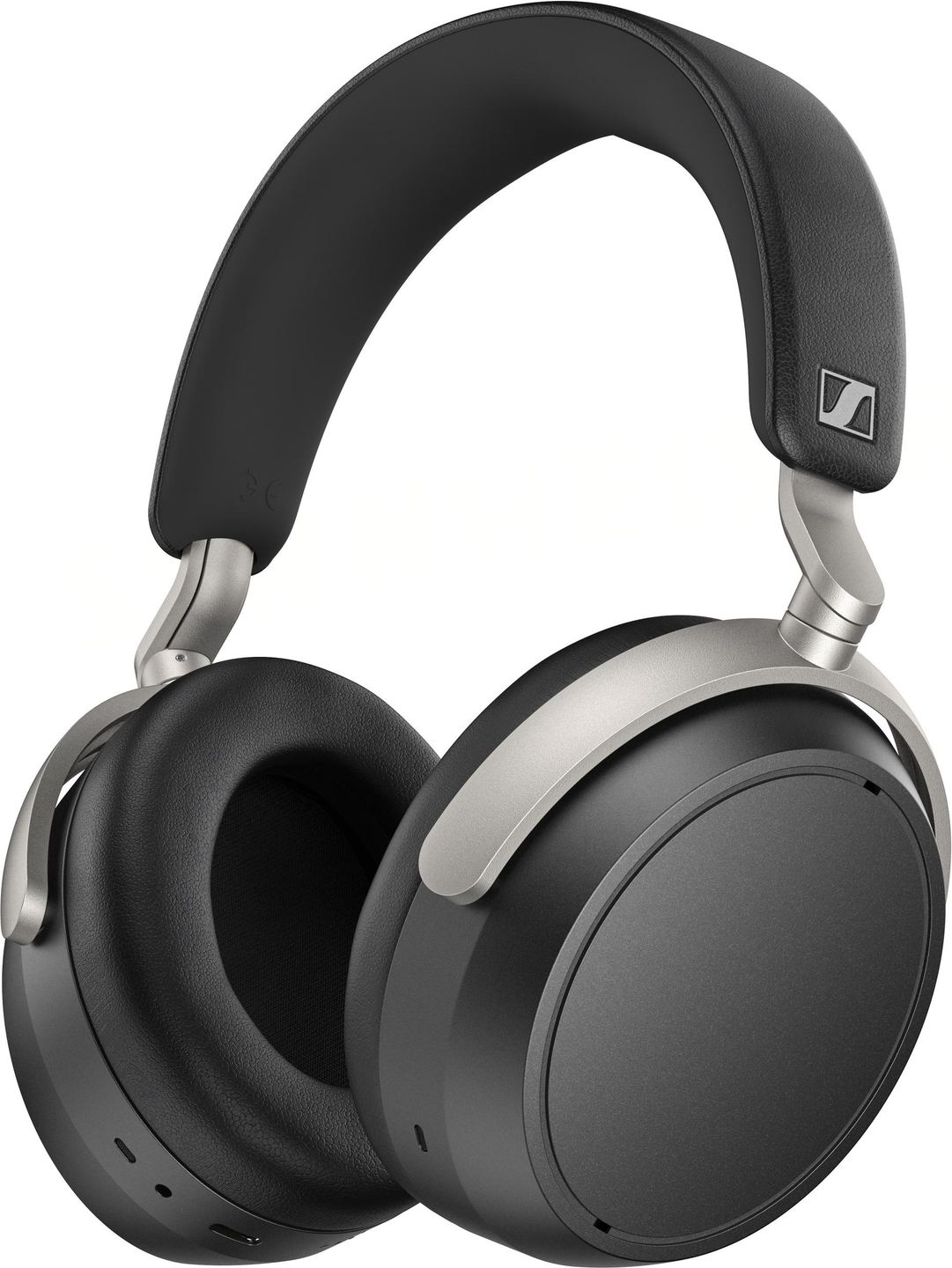
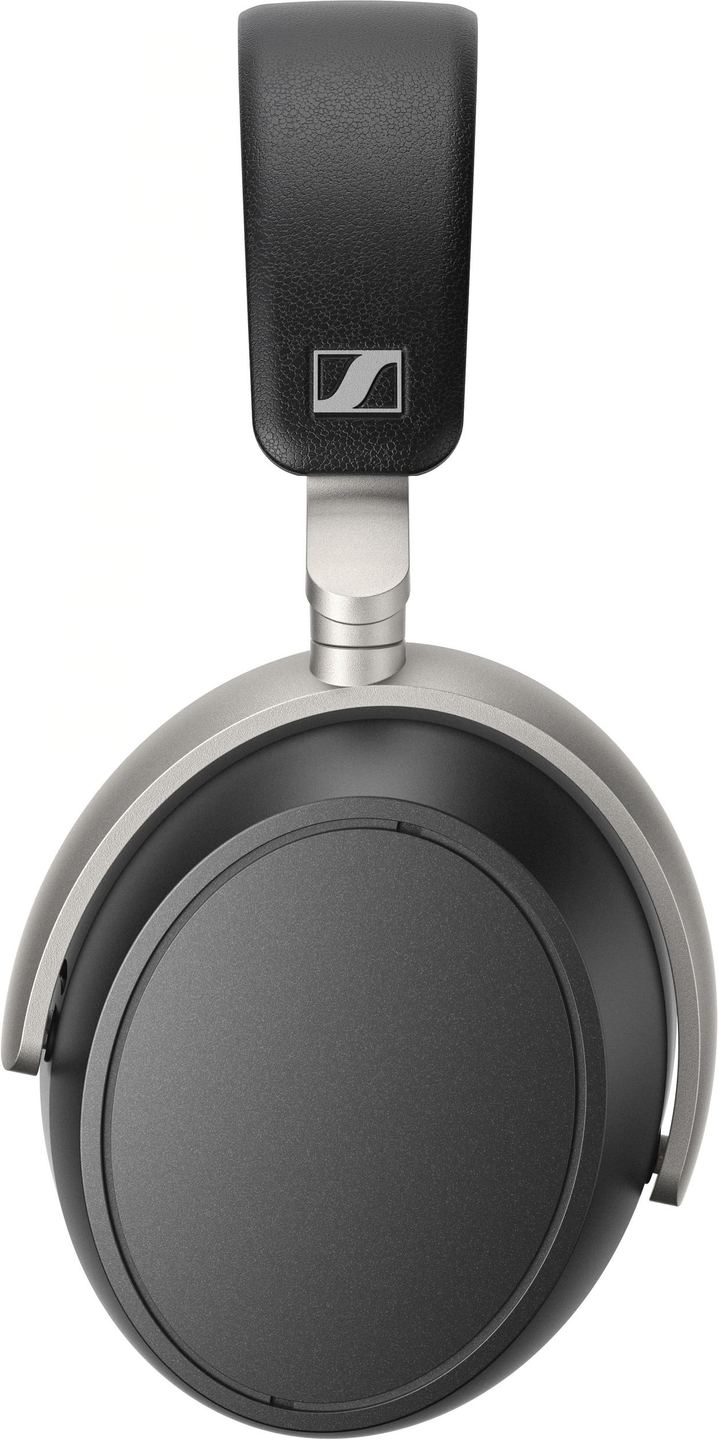
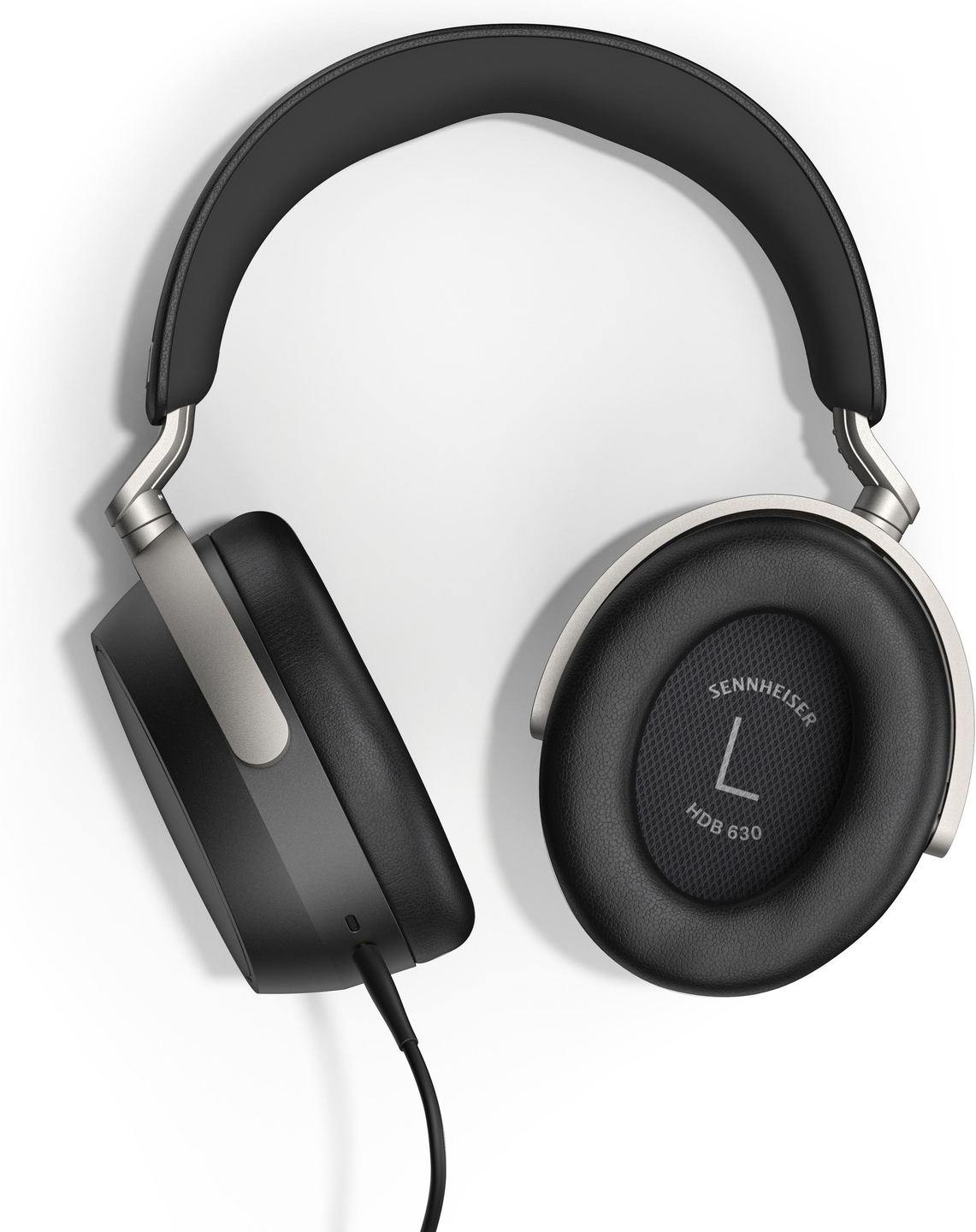
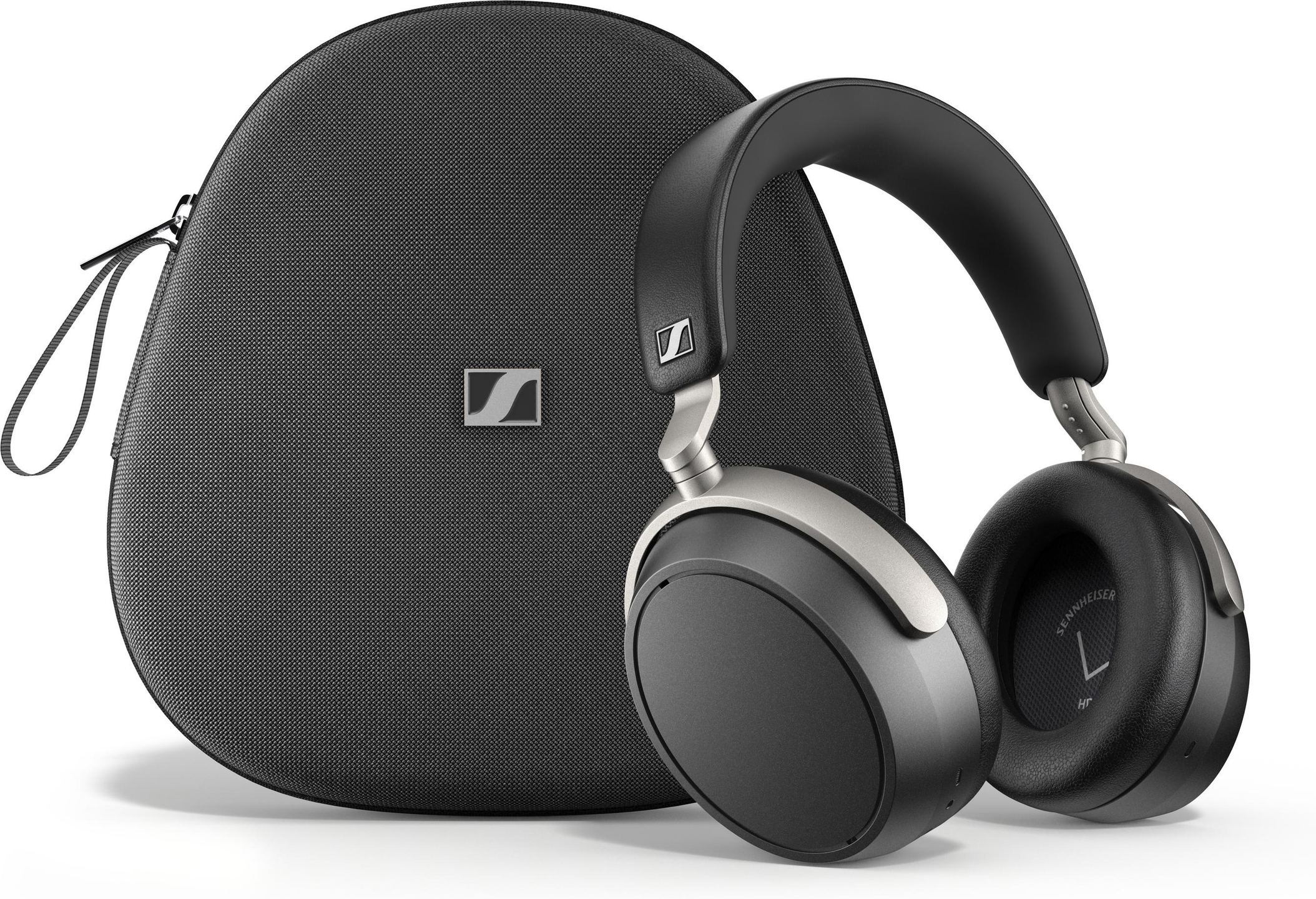
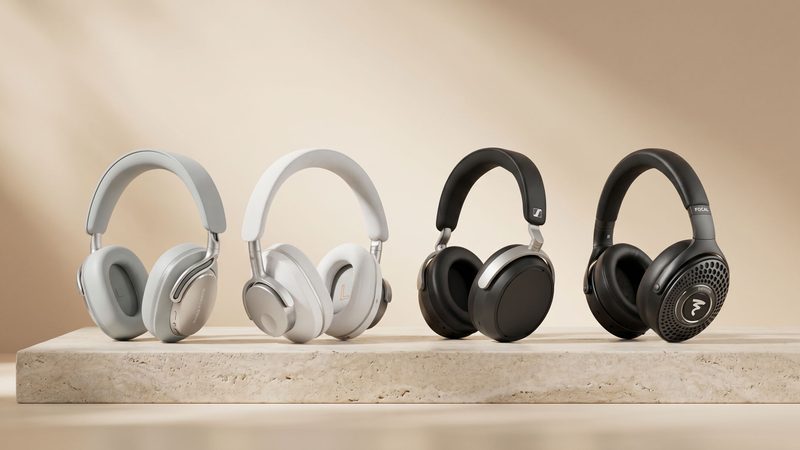
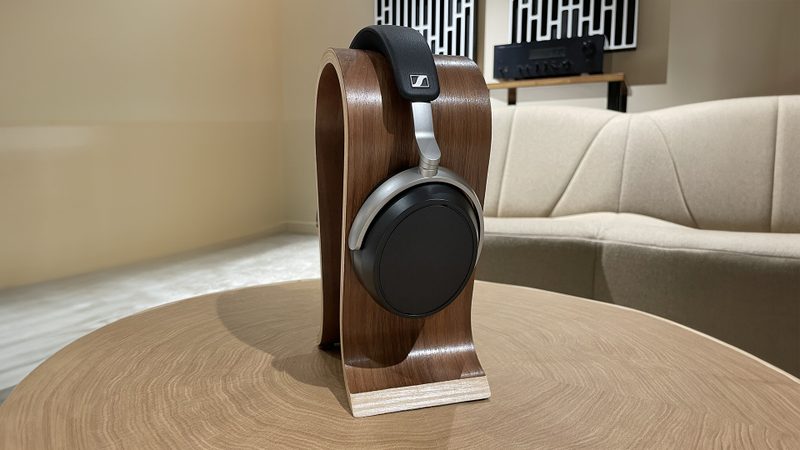
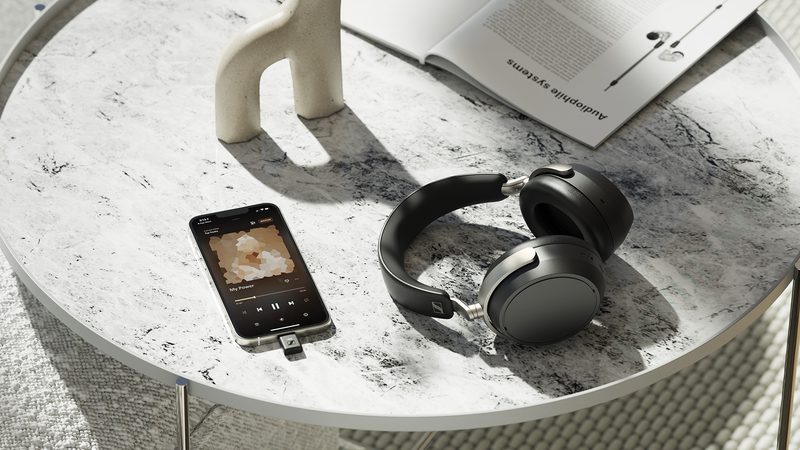
The HDB 630 is a closed-back, over-ear wireless headphone from Sennheiser, designed with a focus on sound quality. It borrows the ergonomics of the Momentum 4 and incorporates redesigned drivers, a USB-C dongle to bypass Bluetooth limitations, and a maximum battery life of 60 hours. Its sound signature aims to be neutral, inspired by the HD 600 models, and the headset includes active noise cancellation as well as customization options.
A headset designed for discerning listening on the go
Sennheiser positions the HDB 630 as its first truly audiophile wireless headphone, created for those who refuse to choose between mobility and sound fidelity. Whereas the Momentum 4 favored mainstream on-the-go use, the HDB 630 targets the sound enthusiast who wants the rigor of a home listening setup while traveling.
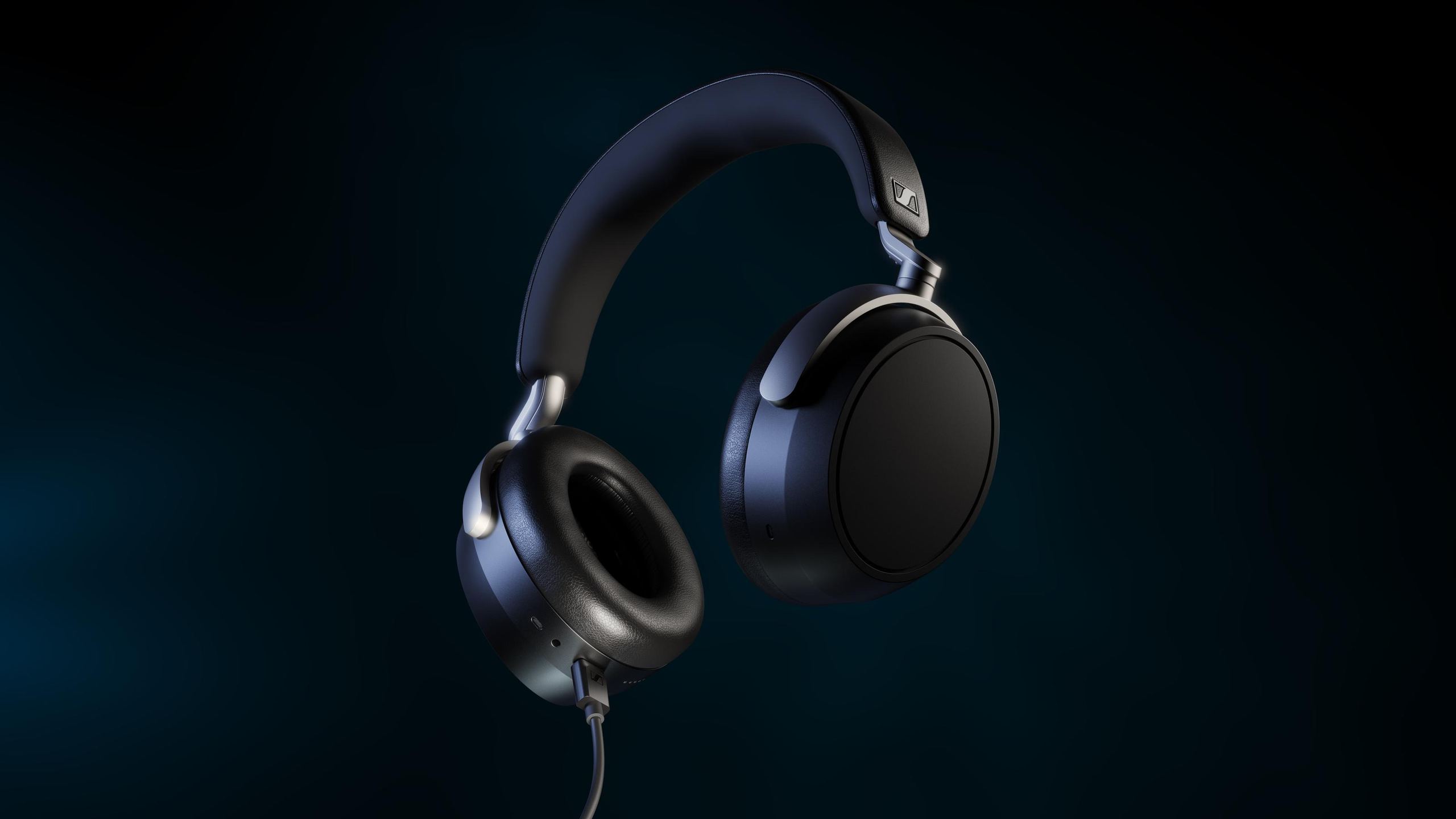
The headset retains the outer design of the Momentum 4 but integrates a completely reworked acoustic system. This approach maintains proven ergonomics while developing a specific acoustic architecture. The result weighs in at 311 grams—20 grams more than its predecessor—a difference explained by the new drivers and their dedicated acoustic treatments.
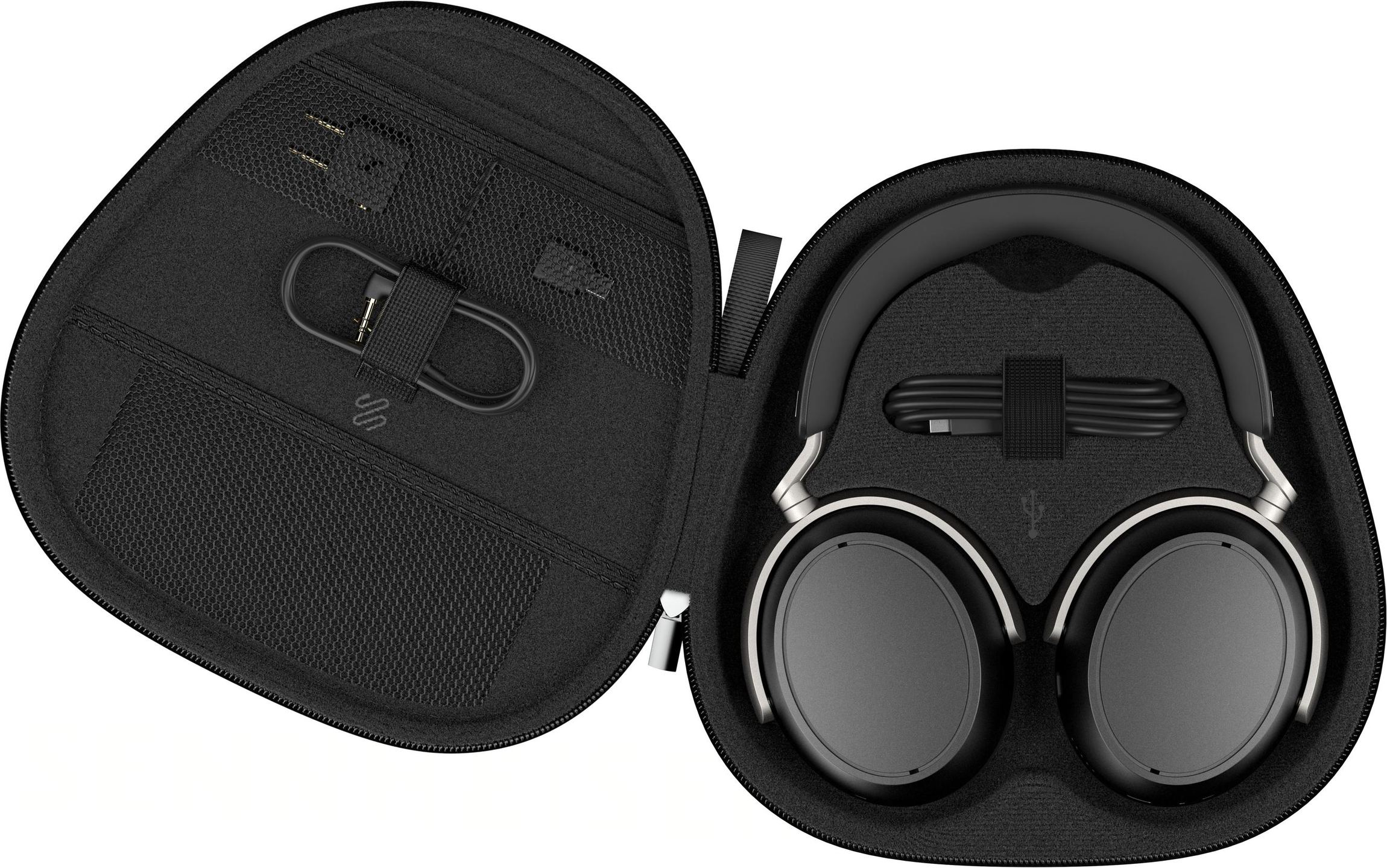
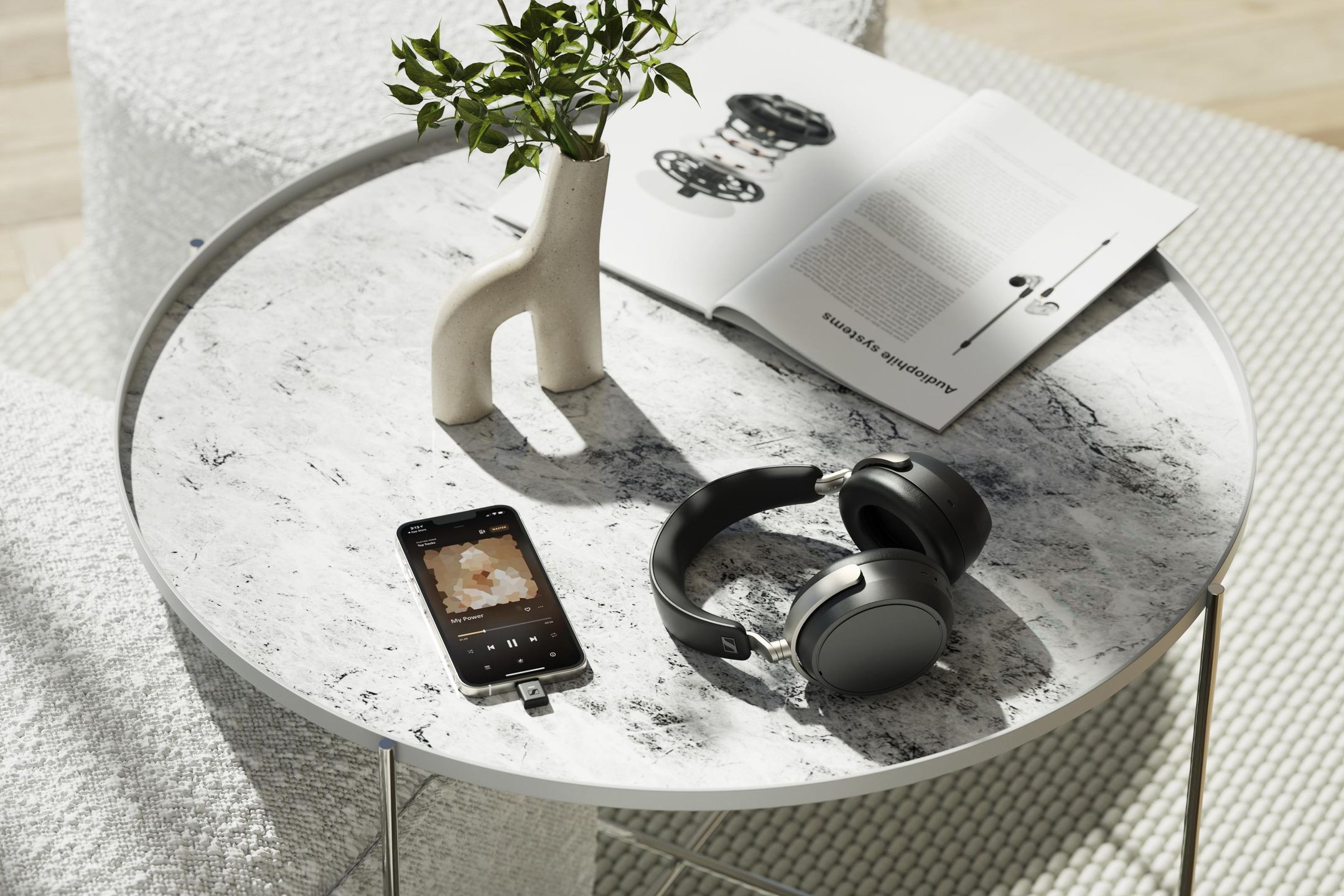
The headset ships with a particularly robust hard carrying case, a USB-C cable for charging and wired connection, a 3.5 mm analog audio cable, and an airplane adapter. But the key accessory is the BTD 700 USB-C dongle, included as standard, which turns any smartphone or computer into a high-resolution wireless source.
Construction and ergonomics inherited from the Momentum 4
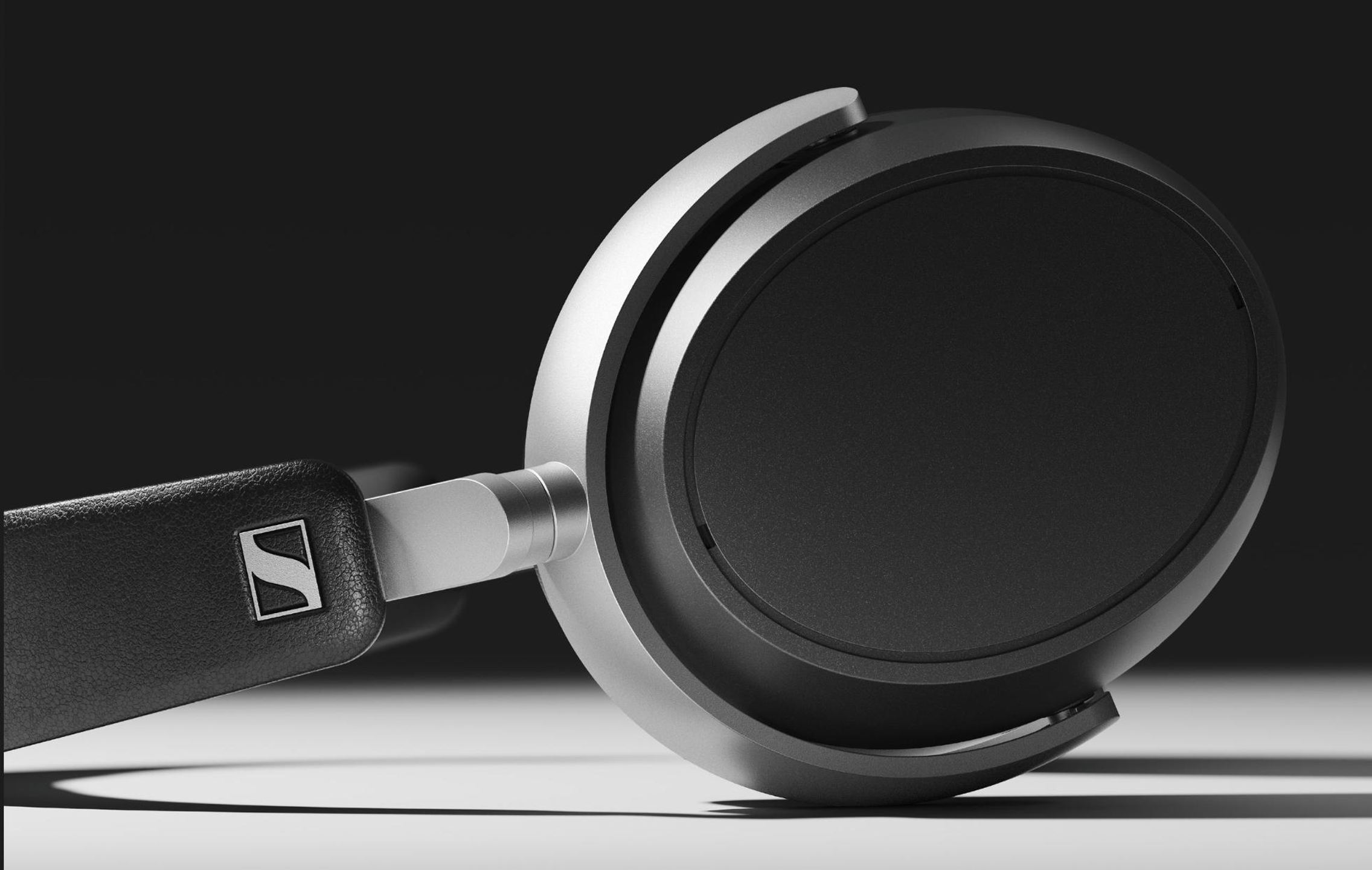
The HDB 630 keeps the closed-back, over-ear design of the Momentum 4, featuring a non-foldable form with earcups that swivel flat. The chassis combines premium plastic and metal elements, notably on the arms, which sport a silver finish contrasting with the black cups. This two-tone approach visually distinguishes the HDB 630 from its predecessor while remaining understated.
The headband uses Japanese IDEATEX protein leather, a material renowned for its softness and long-term durability. The circumaural earpads use the same material and promise to resist fingerprints better than those on the Momentum 4. Clamp force is present—a Sennheiser hallmark that prioritizes stability and passive isolation—but the pads soften the pressure.
Touch controls are placed on the right cup, while the wired connections (USB-C and 3.5 mm jack) sit on the left. This classic split makes handling straightforward without a learning curve. The lightweight design aims to preserve comfort even during long listening sessions.
High-precision drivers made in Ireland
The HDB 630’s 42 mm dynamic drivers are manufactured at Sennheiser’s Tullamore, Ireland facility, a site dedicated since 1991 to the brand’s audiophile headphones. This factory, which has assembled the HD 600 series for over two decades, combines automated diaphragm manufacturing with manual assembly of the most delicate components.
Since 2022, Sennheiser has brought driver manufacturing and final headphone assembly under the same roof in Tullamore—a rarity in the industry that enables better left/right driver matching. This proximity between production stages ensures increased consistency between the two earcups, a crucial parameter for stereo precision.
The driver itself benefits from acoustic treatments designed for transparency rather than showiness. The diaphragm, vents, and rear volume are calibrated to minimize turbulence and unwanted resonances. The 480-ohm impedance in active mode reflects this neutrality-focused approach, even though the headset remains easy to drive wirelessly.
A high-resolution digital audio engine controls the entire transduction system. It works both wired and wireless, supporting native streams up to 24-bit/96 kHz over USB-C or via analog cable, while maintaining quality over Bluetooth thanks to aptX codecs.
Sound signature inspired by the legendary HD 600 series
Launched in 1997, the HD 600 series has become a global benchmark for its neutral, analytical approach to sound, praised by both sound engineers and music lovers. Sennheiser claims the HDB 630 extends this sonic philosophy, targeting a neutral sound with detailed mids and a spacious stage.
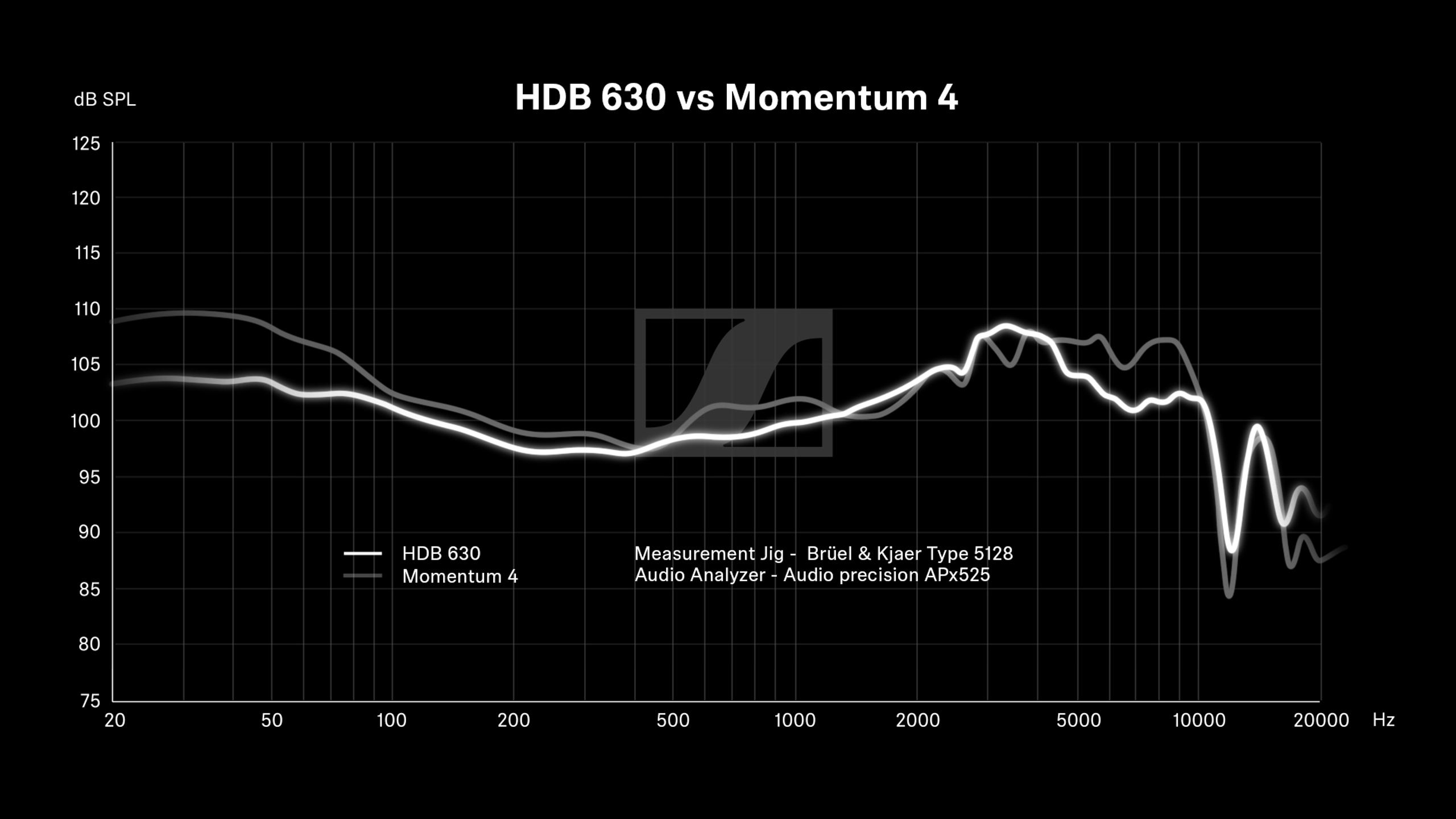
In practical terms, this means a headset that doesn’t try to flatter with boosted bass or biting treble. The stated goal remains fidelity to the recording, with clear rendering of vocals and acoustic instruments. Sennheiser emphasizes a balanced baseline tuning, less bass-emphasized than the Momentum 4. The brand describes the listening experience as naturally agile, with silky mids, present vocals, and lively dynamics.
The frequency response ranges from 6 Hz to 22 kHz over Bluetooth and analog, and extends up to 40 kHz via USB-C. Total harmonic distortion remains below 0.2% at 100 dB—figures that put the HDB 630 in monitoring territory. The 105 dB sensitivity ensures comfortable volume without excessive amplification, though the headset gains in nuance with a quality source.
Connectivity and codecs: the BTD 700 dongle as a trump card
The HDB 630 uses Bluetooth 5.2 Class 1 and supports SBC, AAC, aptX, aptX HD, and aptX Adaptive. It can be paired with the BTD 700 USB-C dongle, which activates aptX Adaptive on class-compliant devices, bypassing limitations of built-in Bluetooth chips. This dongle increases compatibility with high-resolution wireless streaming, from about 16% of smartphones to roughly 80% of models equipped with a USB-C port, for both Android devices and iPhone.
AptX Adaptive automatically adjusts the bitrate between 279 and 420 kbps depending on conditions, with a minimum latency of 80 milliseconds in low-latency mode. The headset does not support codecs like LDAC or aptX Lossless. It also offers a USB-C wired connection for digital transmission up to 24-bit/96 kHz and an analog mode via 3.5 mm jack.
The theoretical Bluetooth range is 30 meters with Class 1, and the headset supports multipoint, allowing simultaneous connection to two devices.
Advanced sound customization via the app
The Smart Control Plus app includes a parametric equalizer that goes far beyond genre-based presets. Unlike a standard graphic EQ with fixed bands, this system lets you precisely choose the frequency to adjust, the gain to apply, and the bandwidth (Q factor) affected. It’s a tool typically reserved for studio software, seldom offered in a consumer app.
An A/B mode makes it easy to compare two settings so you can gauge the real impact of each change. Adjustments are applied to the headset’s internal processor, meaning they remain active regardless of the playback app used. A future update will even allow sharing settings via QR code with other HDB 630 users, paving the way for exchanging sound profiles within enthusiast communities.
Crossfeed, inspired by the HE 1 headphone, subtly blends the left and right channels to create a more natural presentation, closer to that of two speakers. This function corrects the sometimes artificial effect of hard-panned mixes where certain instruments seem glued to the left or right ear. The result is closer to in-room listening, less fatiguing over long sessions, and particularly suited to classical and jazz recordings.
Adaptive hybrid active noise cancellation automatically adjusts to the environment, reducing ambient sound without completely smothering it. Transparency mode lets outside noise through so you can remain aware of your surroundings without removing the headset. The app also allows codec preference selection and automatic wear detection settings.
Battery life and everyday practicality
With a stated 60 hours of battery life over Bluetooth with active noise cancellation on, the HDB 630 matches the Momentum 4. This endurance places Sennheiser among the category leaders, ahead of most competitors that top out between 30 and 40 hours.
Fast charging via USB-C provides 7 hours of listening from just 10 minutes plugged in. A full charge takes about 2 hours. The 700 mAh lithium-ion battery delivers 2.7 Wh, a sizing consistent with the claimed autonomy. The headset operates between 0 and 40 °C and is ideally charged between 10 and 40 °C.
The four MEMS microphones, arranged in pairs on each side, use beamforming to isolate the voice during calls. The bandwidth ranges from 50 Hz to 10 kHz, more than covering the human voice. Wear detection automatically pauses music when you remove the headset and resumes playback as soon as you put it back on.
What the press says
The Sennheiser HDB630 headphones deliver impressive precision in audio reproduction. They faithfully adhere to their balanced sound profile, with minimal peaks and dips, ensuring clear and accurate rendering of instruments and vocals. Slightly boosted bass adds impact and depth to percussion without overpowering the mids.
Automatically translated — Show original (French)
Le casque Sennheiser HDB630 offre une précision de reproduction audio impressionnante. Il respecte scrupuleusement son profil sonore équilibré, avec des pics et des creux minimaux, garantissant une reproduction claire et fidèle des instruments et des voix. Des basses légèrement renforcées ajoutent de l'impact et de la profondeur aux percussions sans écraser les médiums.
The Sennheiser HDB 630 offers remarkable high‑resolution wireless sound on the go, a rich and well-thought-out feature set, as well as very generous battery life. Add to that effective and adjustable active noise cancellation, and this is a real success for Sennheiser – despite a few minor flaws, such as touch controls that could be improved.
Automatically translated — Show original (French)
Le Sennheiser HDB 630 propose un son sans fil haute résolution remarquable en déplacement, une liste de fonctionnalités riche et soignée, ainsi qu’une autonomie très généreuse. À cela s’ajoute une réduction active du bruit efficace et réglable, et l’on tient là un véritable succès pour Sennheiser – malgré quelques légers défauts, comme des commandes tactiles perfectibles.
What is the main difference between the HDB 630 and the Momentum 4?
+
The HDB 630 uses the Momentum 4 chassis but features completely different drivers, made in Tullamore and tuned for a neutral signature inspired by the HD 600 series. The Momentum 4 favors a warmer sound with enhanced bass. The HDB 630 also includes an advanced parametric EQ, the Crossfeed function, and comes standard with the BTD 700 dongle. Battery life remains identical at 60 hours, and the weight increases slightly by 20 grams. The HDB 630 is clearly aimed at enthusiasts rather than generalist on-the-go users.
Can the HDB 630 be used wired without battery power?
+
The headset operates only in active mode, meaning it always requires power to produce sound. USB-C or 3.5 mm jack connections therefore depend on the battery. This design enables digital processing and EQ even in wired mode but prevents passive use when the battery is empty. It’s advisable to start long listening sessions with sufficient charge.
Does noise reduction degrade audio quality?
+
Sennheiser claims to have calibrated active noise cancellation to preserve fidelity as much as possible. Unlike some headphones where ANC introduces coloration or compression, the HDB 630 aims to maintain a neutral signature even with the function enabled. The driver’s specific acoustic treatments contribute to this balance. In practice, noise reduction is less aggressive than on models from Sony or Bose, favoring attenuation of continuous noise over total isolation. Users can adjust intensity in the app according to preference.
Are the earpads replaceable?
+
Yes, the HDB 630’s earpads are designed to be replaceable. Sennheiser offers this modularity across its audiophile range to extend product lifespan. Spare parts are available via the Sennheiser website or authorized retailers. The headband can also be replaced if necessary. This approach follows the brand’s tradition since the HD 600 launched in 1997, consistently enabling maintenance and repair of its headphones over the long term.
What is the purpose of the included airplane adapter?
+
The dual-plug airplane adapter lets you connect the headset to in-flight entertainment systems that still often use two 3.5 mm jacks instead of a single one. Some newer aircraft have moved to a single jack, but many airlines retain the old standard. The adapter converts the two mono outputs into a single stereo input for the headset. Simply connect it to the included 3.5 mm audio cable to enjoy movies and music onboard. Active noise cancellation remains functional on battery power even in wired mode.
User reviews
Emmanuel
Excellent Bluetooth headset, with great sound as well. Just as good for hi-fi as for movie listening, never tiring with a very neutral sound and perfect mids. The advantage is that it can be used both in Bluetooth and with a very understated cable; it doesn’t look like much but is still one of the best.
Comment from February 09, 2026 — Experience from January 29, 2026
Automatically translated — Show original (French)
Excellent casque Bluetooth, avec un rendu aussi. Bon en hi-fi qu’en écoute cinéma, jamais fatiguant avec un rendu très neutre et un médium parfait. L’avantage est que l’on peut l’utiliser aussi bien en Bluetooth qu’avec un Cable très sobre, il ne paye pas de mine mais pourtant un des meilleurs.
Rafael
Amazing headphone! Sounds great out of the box but you also have the EQ for adjustment. Love it!
Homecine Solutions was perfect since the start.
Comment from December 29, 2025 — Experience from December 18, 2025
To better understand our visitors, measure marketing effectiveness and personalise ads, we and our partners use cookies and mobile advertising identifiers on your device. This data makes it possible to display personalised and non-personalised ads and measure their performance. Some cookies, which are technically necessary, are exempt from consent. You can accept those that require your consent, refuse them by clicking "Refuse", or customise your choices via the settings screen.
To find out how Google uses the data collected once you have given your consent, see Google’s Business Data Responsibility site.
You can change or withdraw your consent at any time via the "Consent and cookies" link. Your choices will apply on our site for 12 months.