Cyril
Very pleasant for varying the sounds
Comment from 21 April 2026 — Experience from 16 February 2026
Automatically translated — Show original (French)
Très agréable pour varier les sons
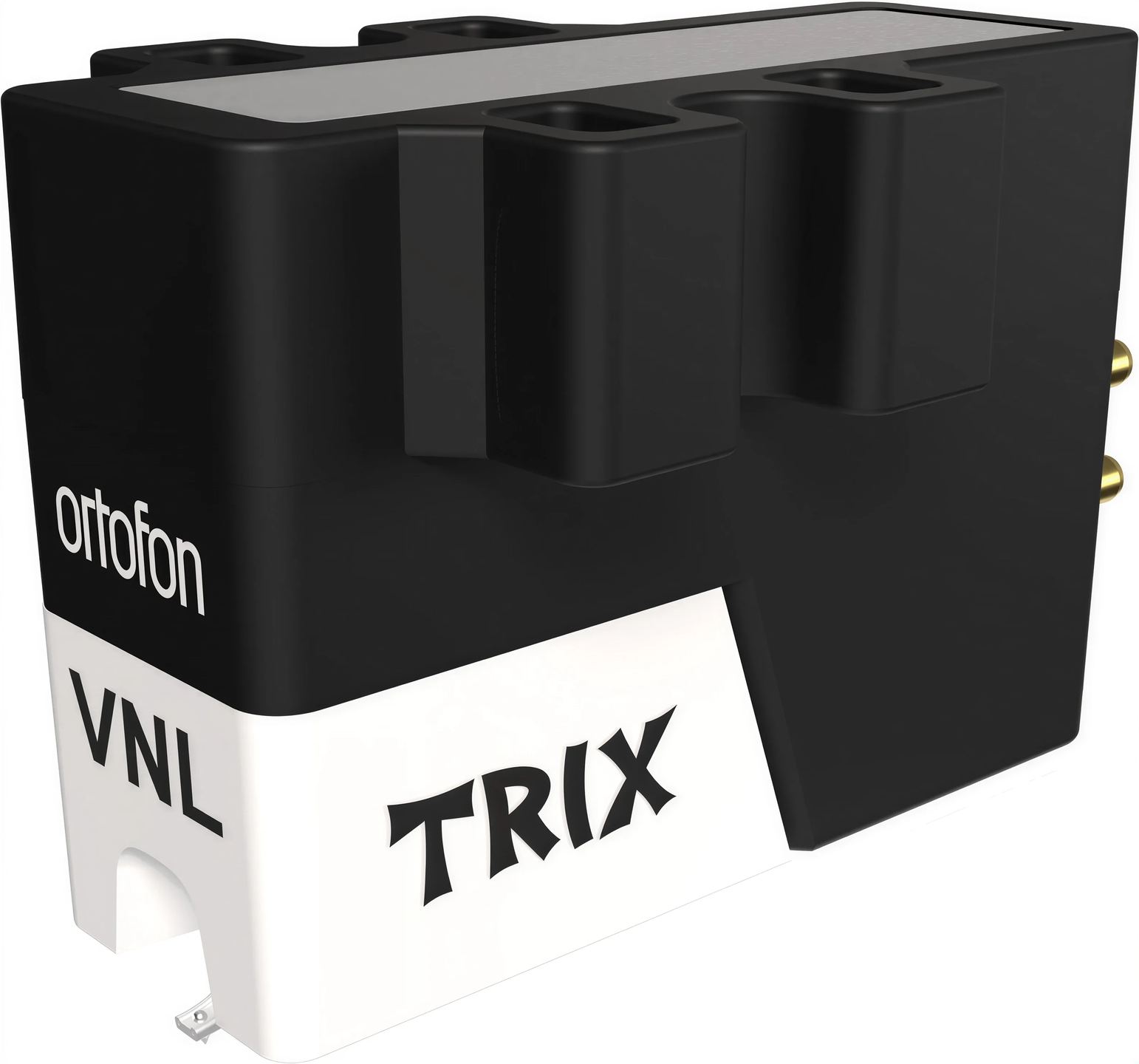
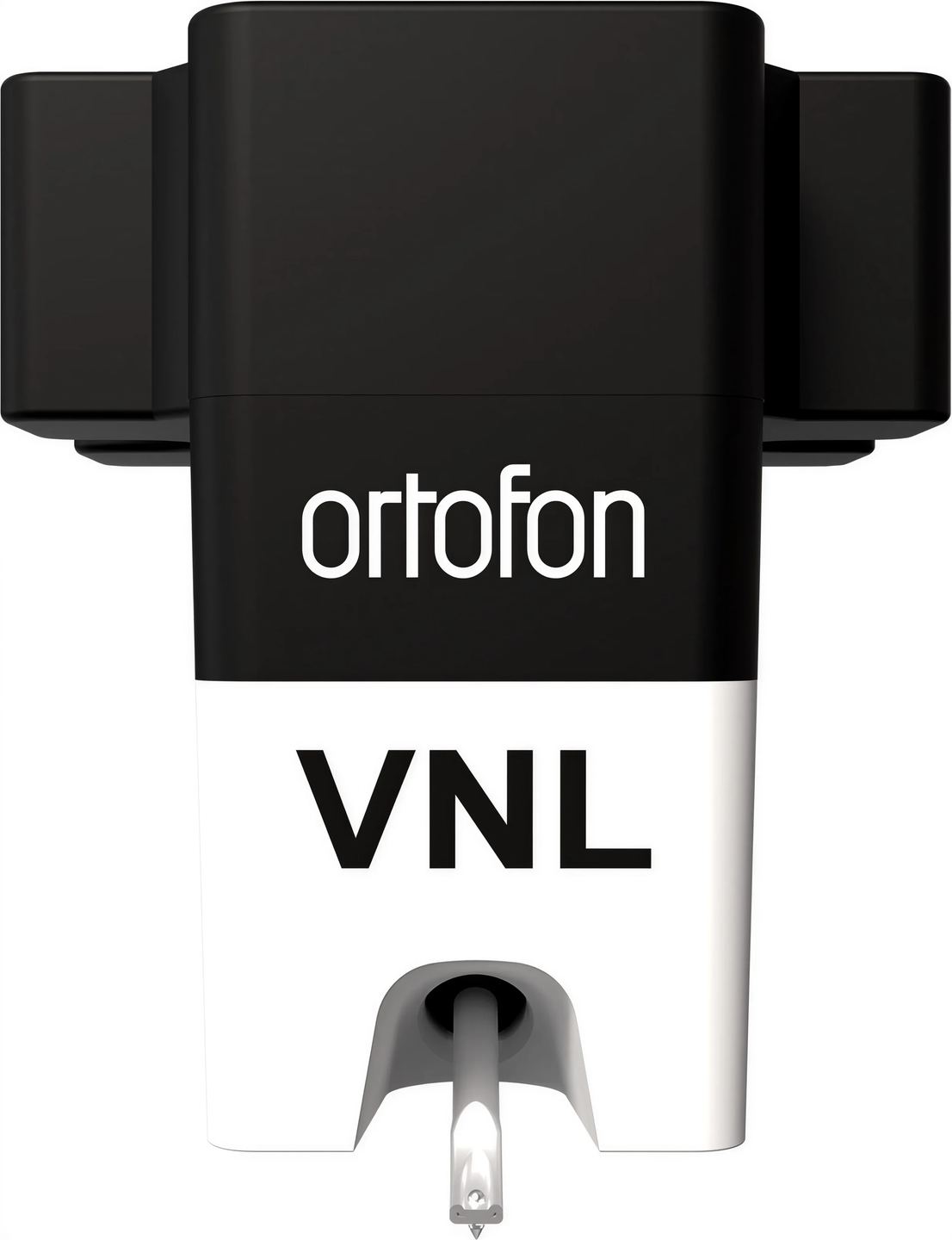

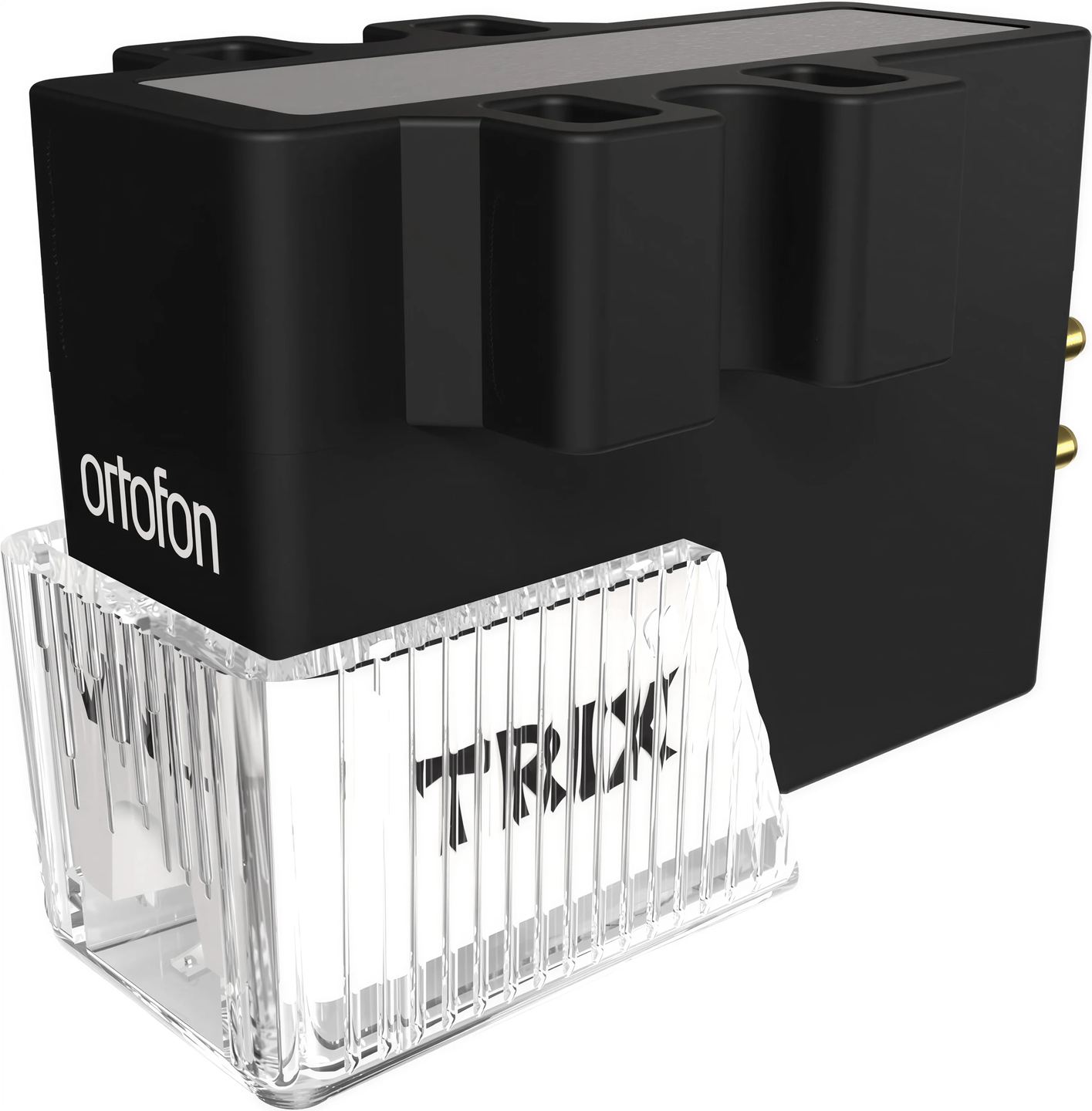
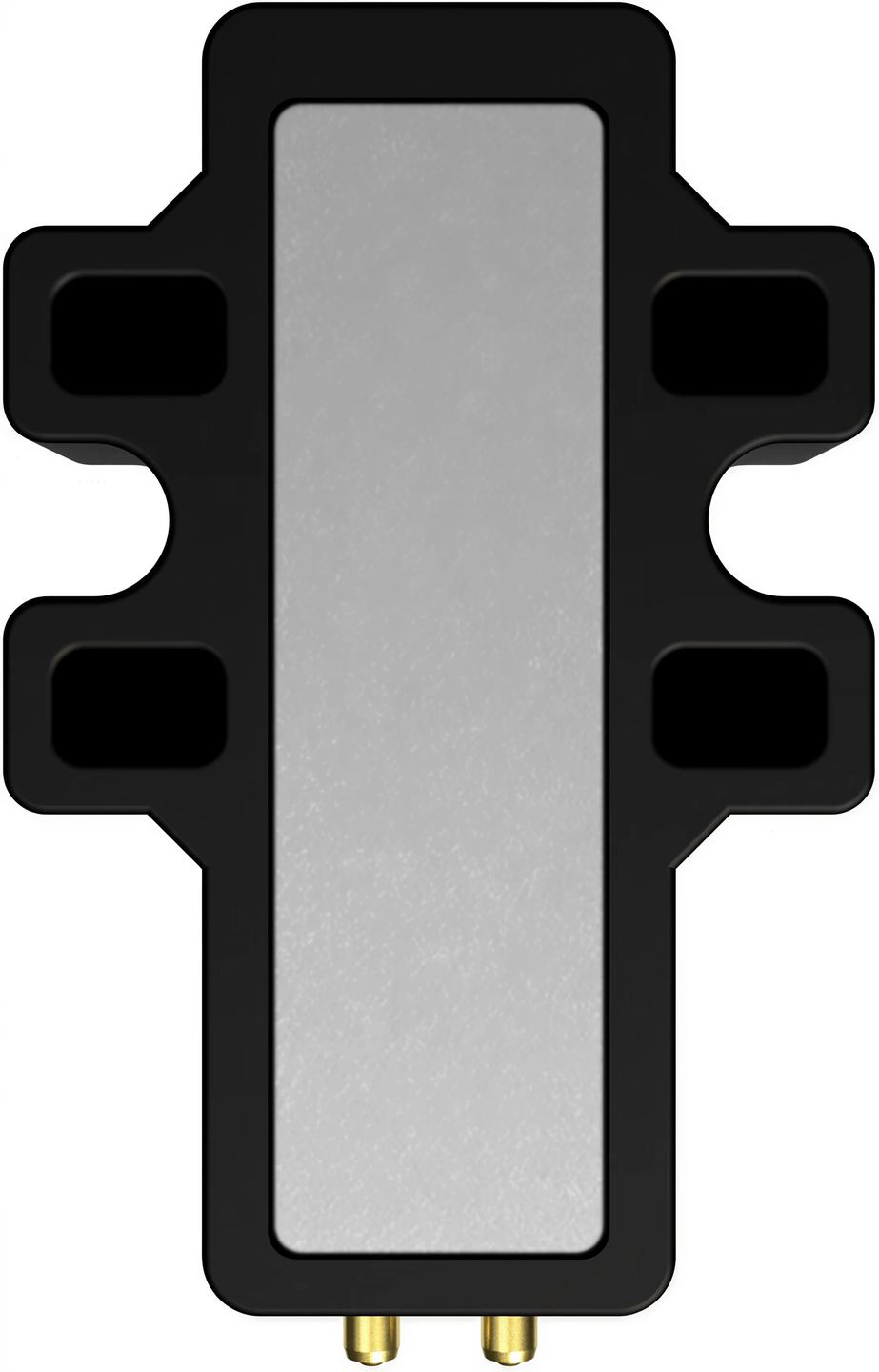
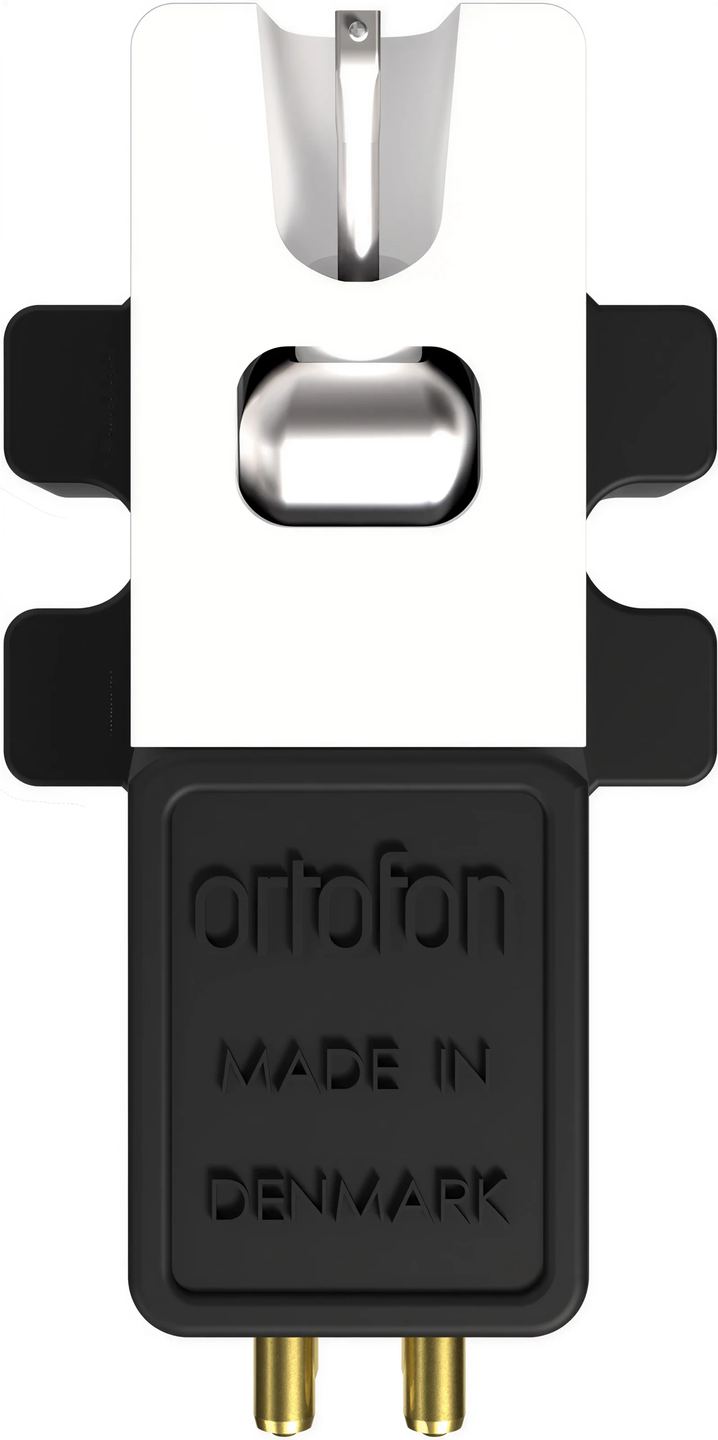
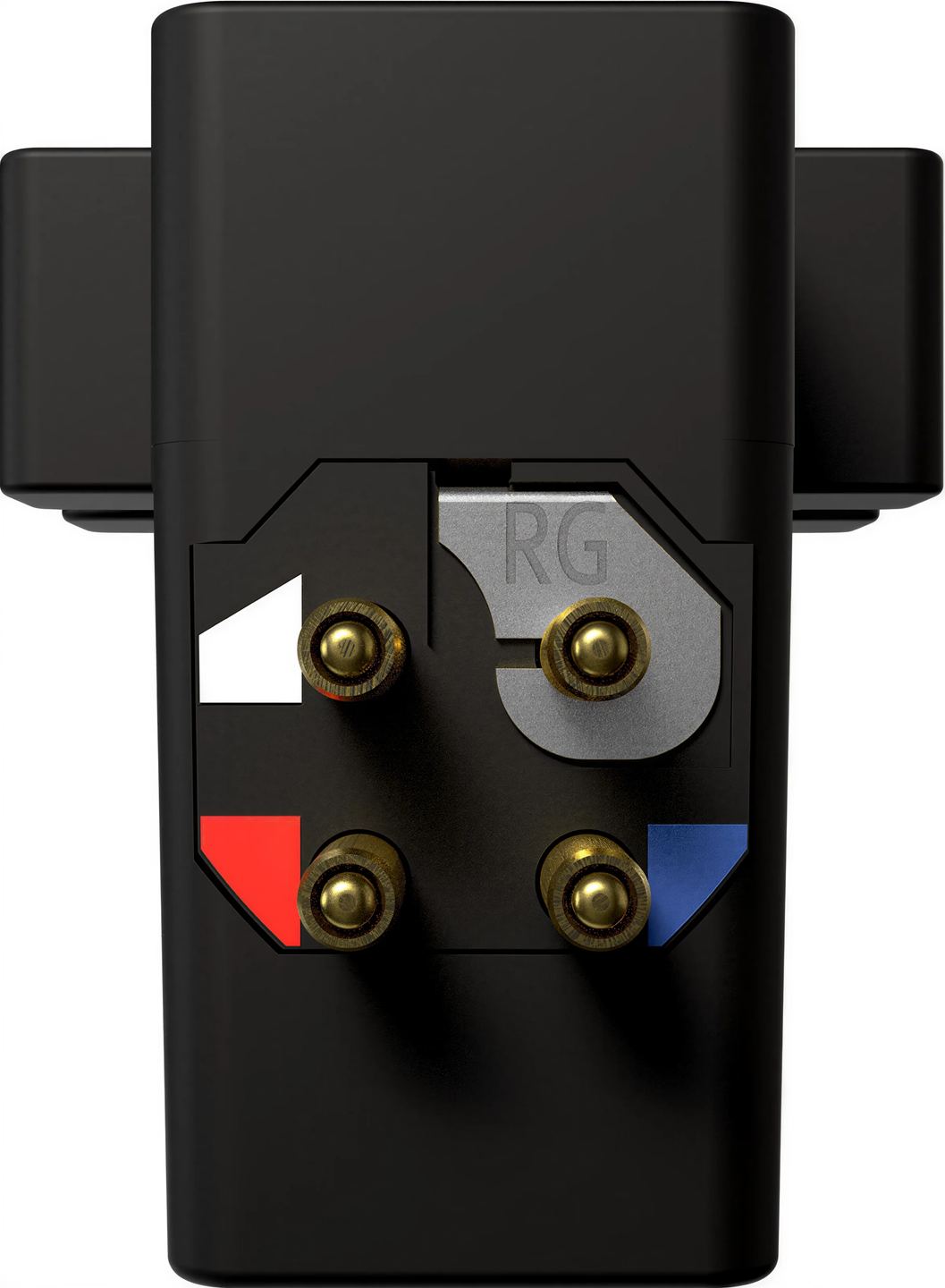


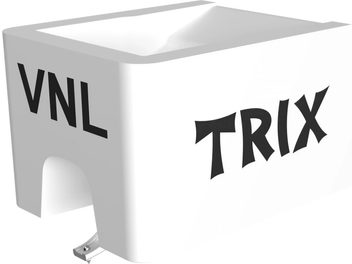
Presented at the same time as the VNL DANCE, the VNL TRIX expands Ortofon’s DJ cartridge lineup. It delivers a 10 mV output—the highest in the VNL series—while retaining the ruggedness required for intensive use such as scratching or battle-style performances. Its spherical diamond mounted on an aluminum cantilever and its dedicated suspension ensure solid stability, even under demanding use. The fluorescent white stylus makes cueing easier in low-light environments.
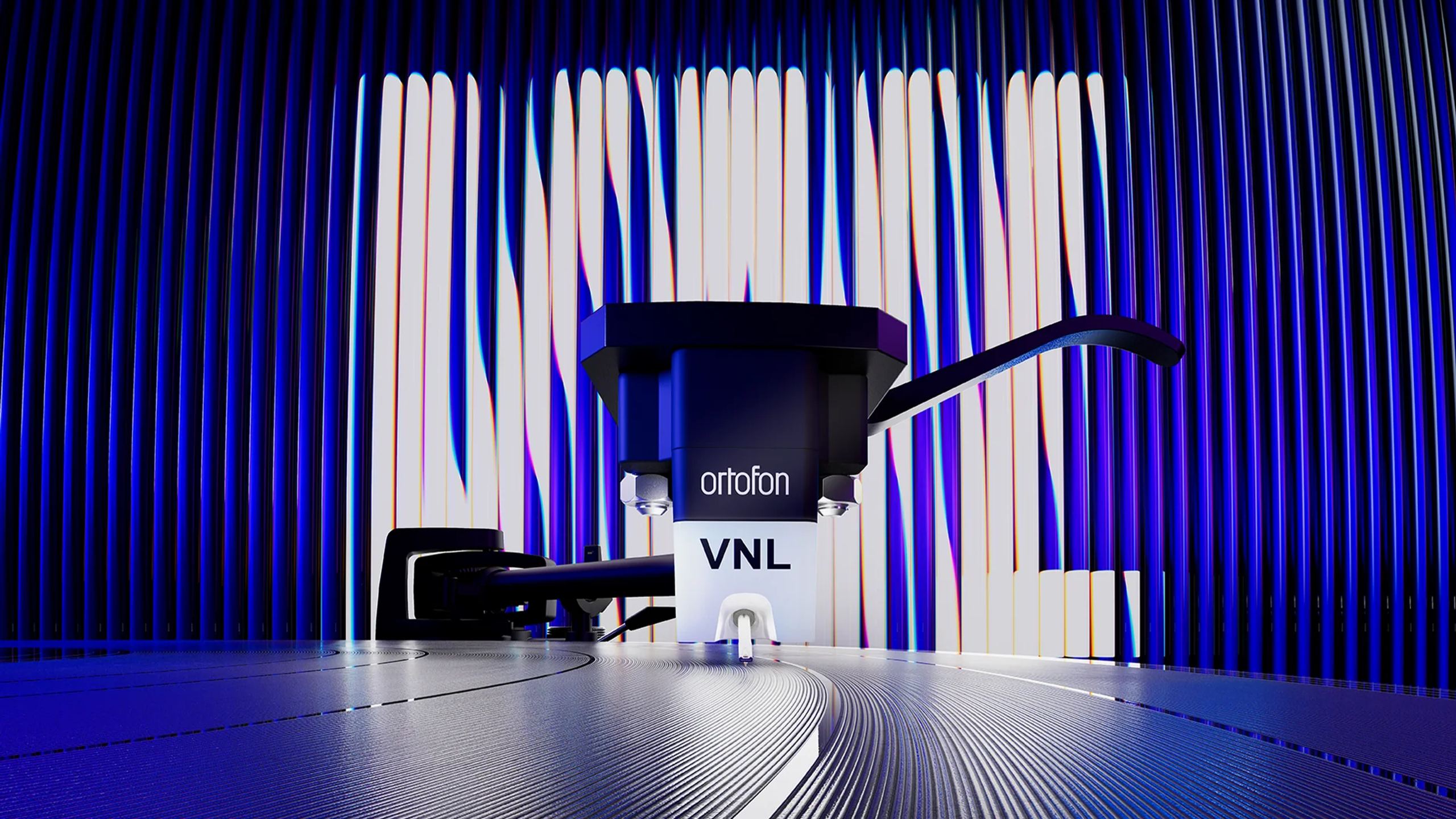
The VNL series was designed to fill the gap left by the discontinuation of the Shure M44-7 in 2018. The original VNL already offered a modular approach with three interchangeable styli (VNL I, II, III) featuring different suspension stiffness to suit various mixing styles. With the VNL TRIX and VNL DANCE, Ortofon pushes this range into more specialized territory.
VNL TRIX differs from VNL DANCE with its spherical diamond (versus elliptical for the DANCE) and its fluorescent white stylus (versus yellow for the DANCE). The TRIX’s spherical diamond prioritizes ruggedness and groove stability, ideal for aggressive scratching techniques where the diamond experiences multidirectional stress. The DANCE, with its elliptical diamond, extracts more detail from the groove and is better suited to melodic mixing and listening.
Notably, all VNL styli are interchangeable. A VNL TRIX can take a VNL I, II, III, or DANCE stylus, allowing DJs to adapt their setup to the context. This modularity offers a rare flexibility in the DJ cartridge world.
The VNL TRIX is built around manufacturing choices that prioritize rigidity and the absence of parasitic resonances. The cartridge body, made of high-density polymer, is assembled by ultrasonic welding—a process that fuses components without adhesives or mechanical elements likely to vibrate. This technique ensures a monoblock structure with exceptional rigidity.
Stylus assembly is handled by robots, guaranteeing precision and uniformity unattainable by hand. The rigid aluminum cantilever transmits the diamond’s vibrations to the moving-coil generator without loss or coloration. The suspension, developed specifically by Ortofon to withstand the stresses of scratching, keeps the diamond centered in the groove even during fast back-and-forth movements.
The cartridge weighs 7 grams in total, a mass suited to medium- to high-mass tonearms. This weight contributes to tracking stability and resistance to external vibrations, an asset for club performances or portable turntables.
The 18 μm-radius spherical diamond features a rounded profile that contacts a larger groove surface than a conical or elliptical diamond. This geometry offers two major advantages for scratching: more evenly distributed record wear and better hold during rapid reversals of playback direction.
The stylus’s white fluorescence under UV light transforms visual cueing. In low-light or UV-lit conditions (common in clubs), the tip becomes instantly visible, making cueing and beatmatching easier during fast techniques like scratching or back-cueing. This detail, which may seem anecdotal, makes a real difference under stress or visual fatigue during long sessions.
The diamond’s 18 μm radius is larger than that of elliptical or microlinear diamonds, reducing pressure at any given point in the groove and extending record life. For DJs who handle their records intensively, this point is far from trivial.
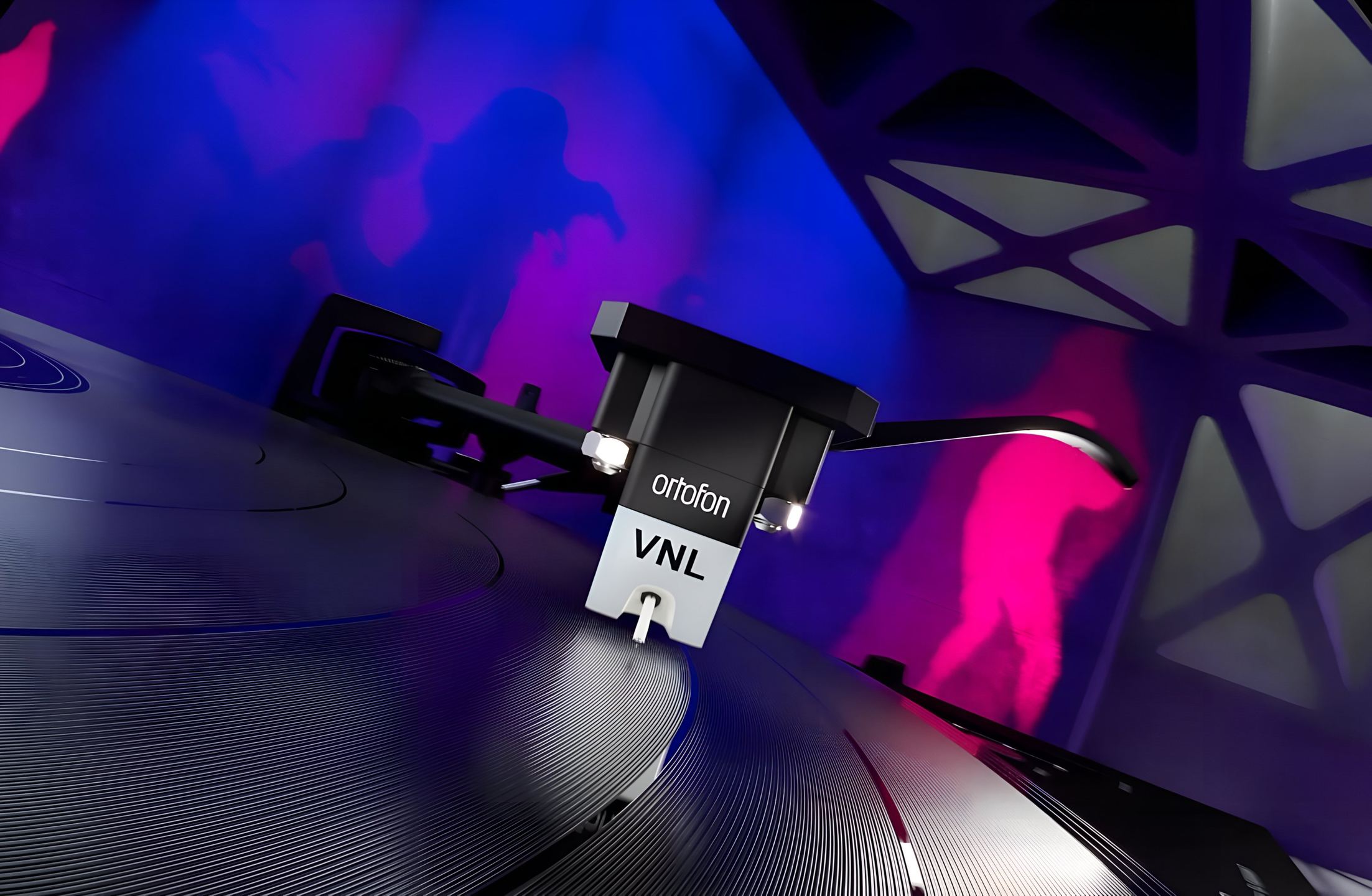
The 10 mV output is a departure from the standard VNL (6 mV). This 67% increase in output delivers an immediate gain in volume and signal-to-noise ratio, particularly valuable in noisy environments (clubs, festivals, radio).
A stronger signal means less gain is needed at the phono preamp or mixer, which reduces background noise and potential distortion. In live conditions, where ambient sound levels can mask mix details, this extra headroom offers greater clarity and punch.
The system of four coils mounted on split pole pins (two positive, two negative) generates this high output while maintaining respectable channel separation (22 dB at 1 kHz). This technical configuration achieves high output without compromising stereo imaging—a delicate balance few DJ cartridges manage.
The 100 μm tracking ability measures the maximum amplitude of lateral oscillations the diamond can follow without leaving the groove. At 100 μm, the VNL TRIX resists skipping even during aggressive techniques like baby scratches, crab, or flare.
This stability relies on several factors: the recommended 4-gram tracking force, higher than hi-fi averages (1.5–2 g) but standard in DJ contexts; the 12 μm/mN lateral dynamic compliance, allowing the cantilever to flex enough to absorb shocks without losing contact; and Ortofon’s exclusive suspension, calibrated to keep the diamond in the groove regardless of stress.
The frequency response (20 Hz–20 kHz, tolerance +3 dB) covers the full audible spectrum without favoring any particular region. This relative neutrality suits scratching, where transients and percussion must be reproduced faithfully to enable precise rhythmic control.
The recommended load resistance of 47 kΩ is compatible with most DJ mixer phono inputs and DVS interfaces. No special setup is required; the VNL TRIX integrates directly into standard configurations.
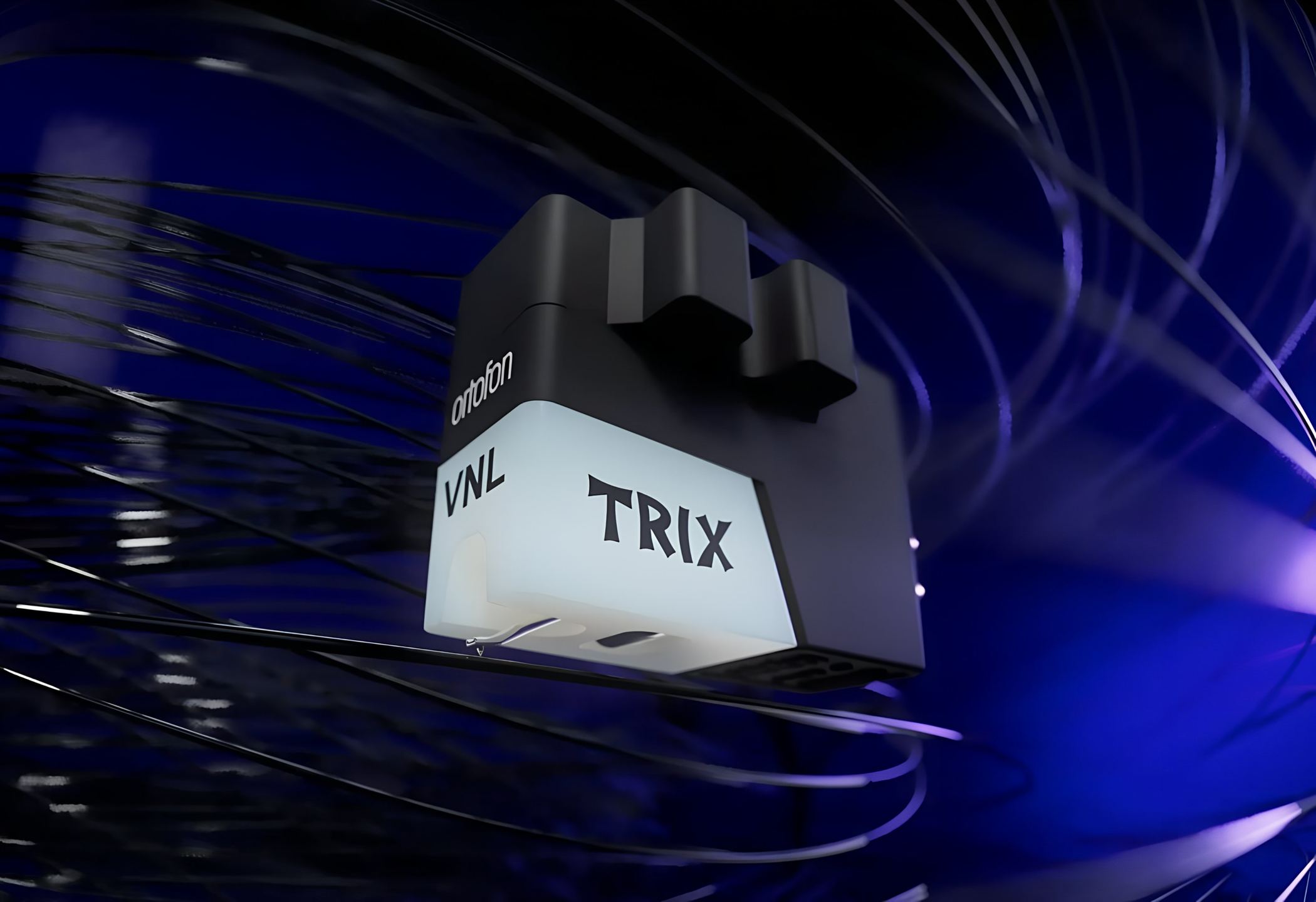
Yes, all styli in the VNL lineup (I, II, III, TRIX, DANCE) are compatible with each other. You can mount a DANCE stylus on a TRIX cartridge body, or vice versa, as well as use the classic VNL styli. This interchangeability lets you tailor the cartridge to the context: intensive scratching, melodic mixing, home listening.
The 10 mV output delivers a signal 67% stronger than the standard VNL (6 mV), reducing the gain needed at the phono preamp or mixer. In noisy environments (club, festival), this higher signal improves the signal-to-noise ratio and offers more clarity. The sound remains clean and punchy even at high volume—an asset for live performance.
Ortofon recommends setting anti-skating to zero for scratching and back-cueing, as this helps keep the diamond centered in the groove during fast back-and-forth movements. For traditional mixing or listening, an anti-skating setting matching the tracking force (around 4) remains preferable to balance stylus wear and optimize stereo separation.
While designed for scratching and battle performance, the VNL TRIX can absolutely be used for traditional mixing. Its spherical diamond and high output work very well for beatmatching and transitions. However, if you’re seeking a more detailed and melodic rendition, the VNL DANCE with its elliptical diamond will extract more nuances from the groove.
The VNL TRIX fits any turntable equipped with a standard tonearm accepting 1/2” mount cartridges. Its 7-gram mass suits medium- to high-mass arms. On very light or low-mass arms, an additional counterweight may be necessary. Also check that your turntable allows setting tracking force up to 4–5 grams.
The VNL TRIX excels on portable turntables thanks to its 100 μm tracking ability and stability. Its precise tracking resists vibrations and the isolation shortcomings common in transport conditions. The 4-gram tracking force and Ortofon’s specific suspension keep the diamond in the groove even on unstable surfaces, making it a smart choice for DJs on the move.
Cyril
Very pleasant for varying the sounds
Comment from 21 April 2026 — Experience from 16 February 2026