Integra 8125DSP


Specifications and features

Overview
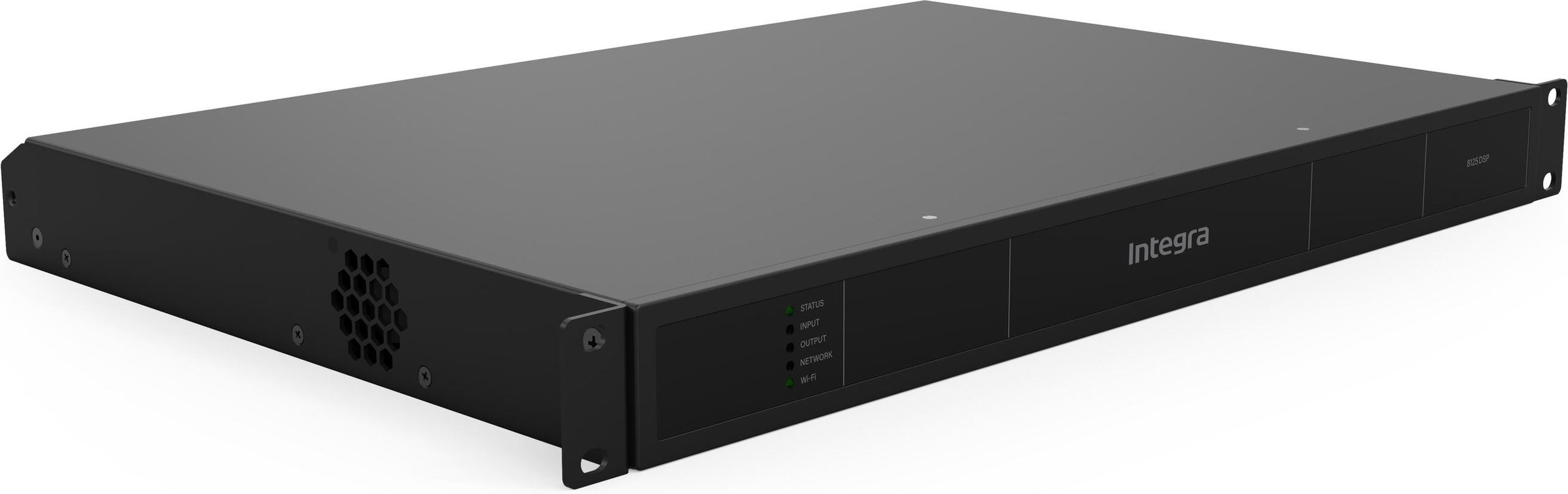
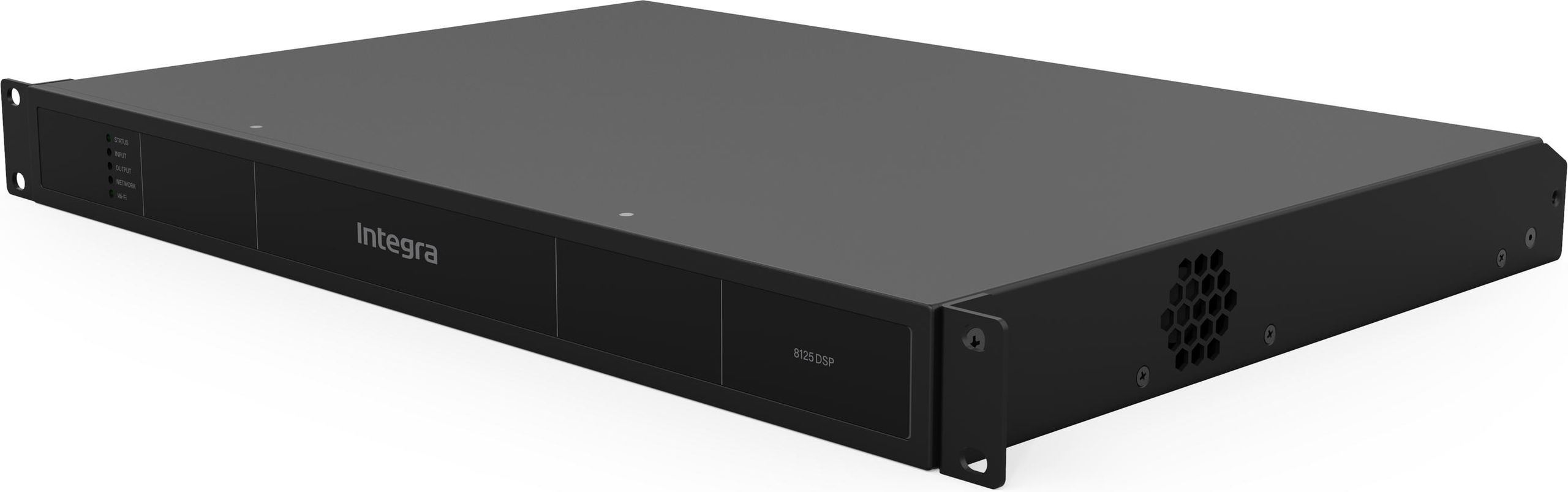
Eight channels in a 1U enclosure, with the ability to switch between low impedance and 70/100 V line per zone. Launched in September 2025 as part of Integra’s new Pro Amplifier series (alongside the 4125DSP, 4500DSP, and 8500DSP), the 8125DSP targets integrators who need to provide sound for multi-zone commercial spaces: restaurants, gyms, hotels, retail stores, or large residences. Its promise: to cover these spaces with a single rack, without stacking modules or sacrificing fine-tuning capability.
8-Channel Amplification with Lo-Z / Hi-Z Switching
The 8125DSP delivers 8 x 125 W at 4 or 8 ohms in low impedance, or 4 x 250 W at 70/100 V in line mode. This hybrid distribution covers two types of installation rarely combined in a single piece of equipment. Zones with few speakers at short distances (a lounge corner, a booth, a meeting room) operate in Lo-Z. Distributed sound systems that multiply speakers over long cable runs switch to Hi-Z. Mixing both modes within the same rack eliminates a classic headache: on a mixed-use site, there’s no longer any need to plan for two separate amplifiers.
The power stage uses Class D, a logical choice for this type of application. High efficiency, controlled heat dissipation, slim form factor: Class D has dominated professional integration amplifiers for several years.
Onboard DSP and Klipsch Presets
The integrated digital processing handles equalization, filters, limiters, and compression on each channel. This software layer eliminates the need for an external processor in installations that don’t require one. Settings are adjusted channel by channel, making it possible to tailor the response to different speakers within the same rack.
Integra has developed dedicated presets for Klipsch CI speakers (the brand’s custom integration models), with equalization curves, limiters, and compressors already calibrated. For an integrator deploying Klipsch speakers across a project, this represents several hours of setup time saved per installation.
Network Configuration and Smart Home Compatibility
Commissioning is handled through an onboard web interface, accessible via 2.4 GHz Wi-Fi or Ethernet. Everything is configured from a browser: inputs, zones, outputs, backup parameters, updates. This approach also covers remote maintenance, useful on sites where the amplifier lives in a technical room for years at a time.
On the smart home side, the 8125DSP works with the leading ecosystems on the market: Q-SYS, Control4, Crestron, RTI, AMX, Symetrix, URC, Elan, and Savant. Official drivers are published for each. An optional ZC1 wall controller offers a simplified interface for the end user: four-digit PIN lock, real-time synchronization, available in black or white finish.
1U Format and Rack Integration
At 44.5 mm tall, 440 mm wide, 320 mm deep, and weighing 3.8 kg, the 8125DSP occupies a single standard rack unit. The mounting kit is included, with no additional parts to order. This density — eight channels in such a slim form factor — factors significantly into calculating how many amplifiers need to be stacked in a bay.
On this model, there is no bridged mode (BTL). This option is available on the 4500DSP and 8500DSP in the same series, but it was not included here. Installations requiring more power per channel will need to look at the higher-tier models.
Connectivity and Audio Inputs
Four asymmetrical RCA inputs with automatic signal detection cover standard analog sources: players, pre-amplified outputs, matrices, or mixers. A coaxial digital input with a 24-bit / 48 kHz converter supports common digital audio streams used in commercial distribution. A digital coaxial output allows daisy-chaining between multiple amplifiers. Speaker outputs use Phoenix connectors, the standard format on integration amplifiers: screw-terminal connection, reliable over time, and removable without disconnecting the wiring.
Typical Use Cases
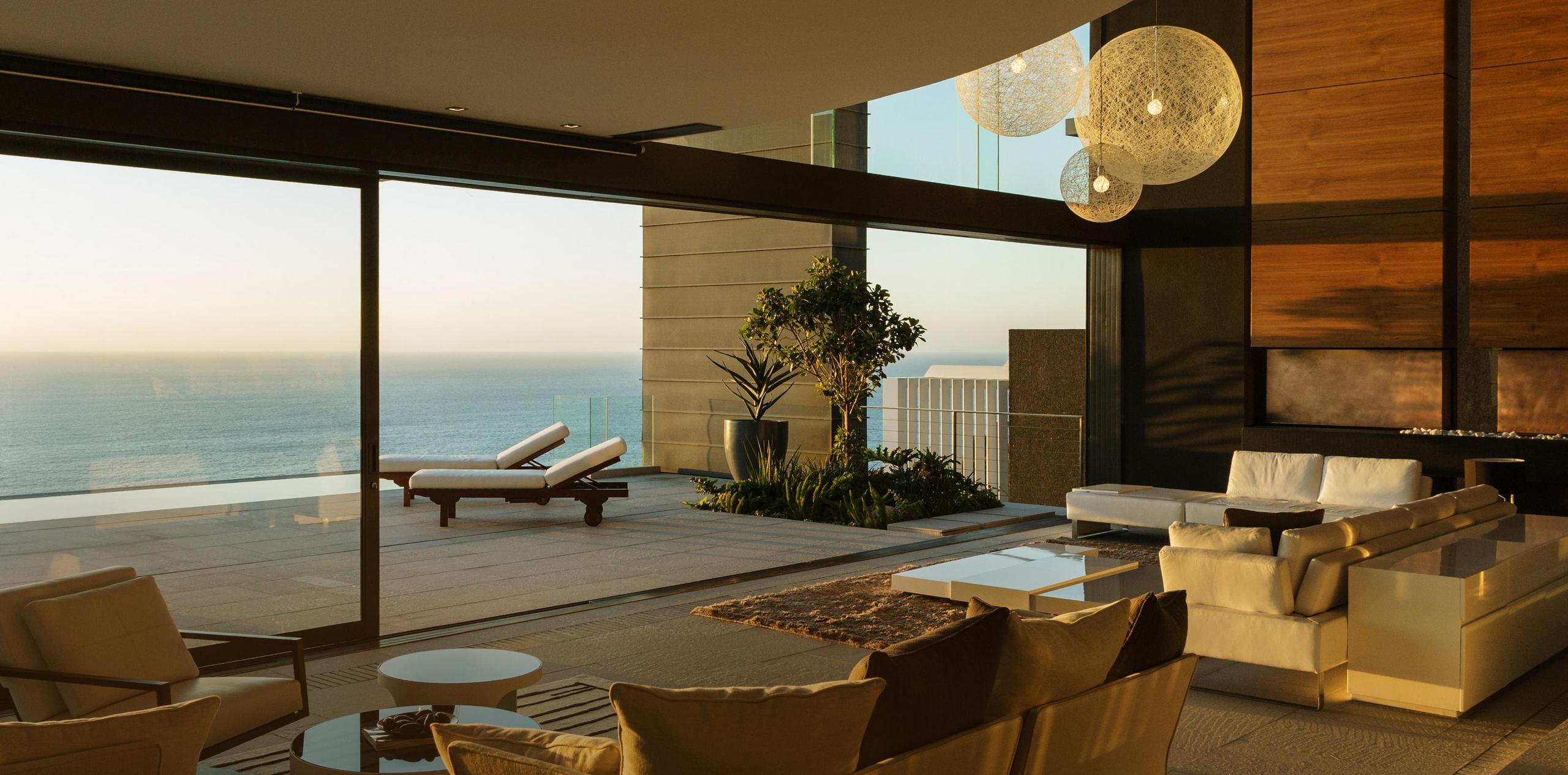
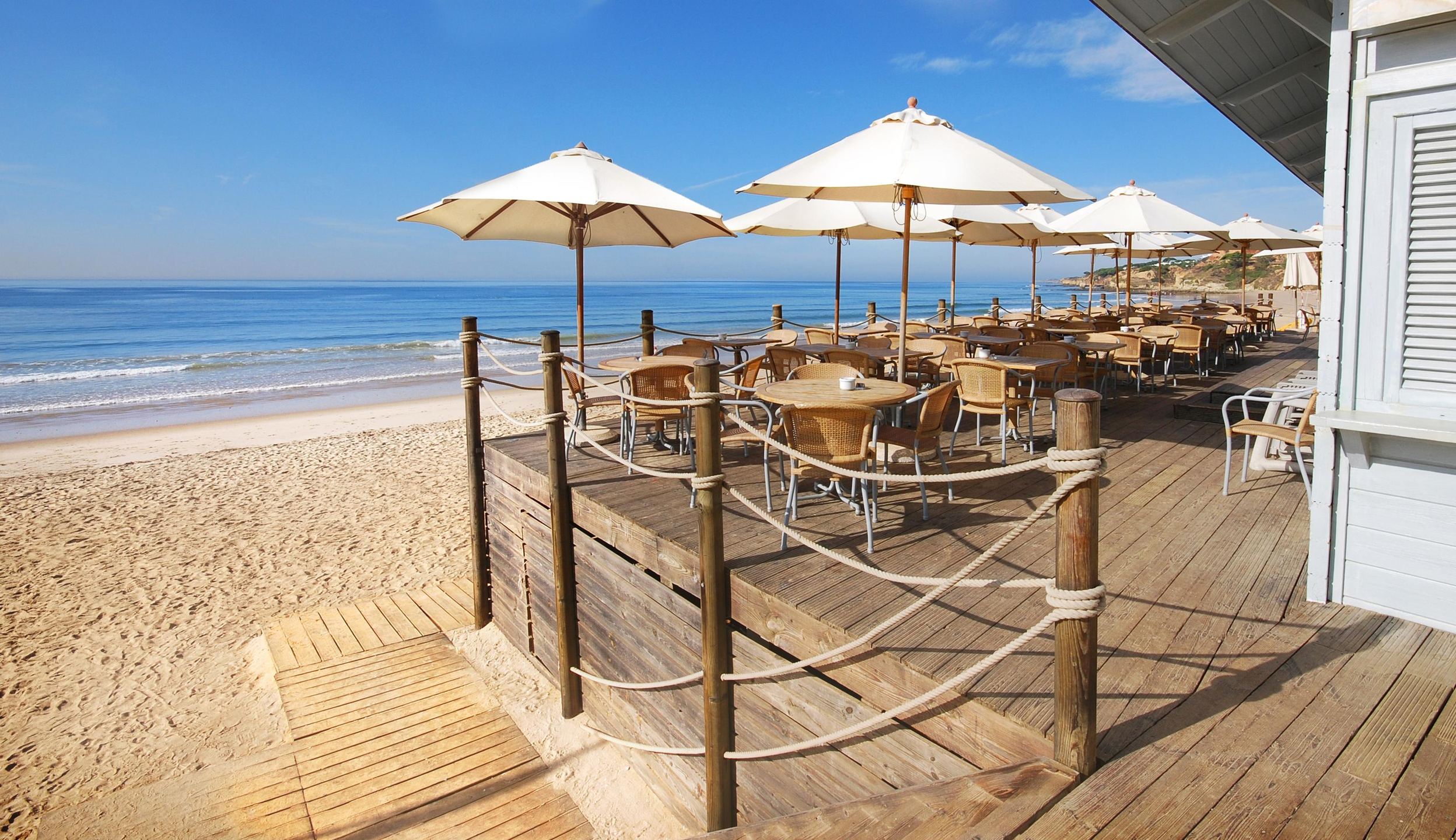
The examples highlighted by Integra speak for themselves: a beachside restaurant, a high-end boutique with high ceilings, an indoor-outdoor hotel lounge. Hi-Z mode covers the distributed sound system of a restaurant across multiple zones (terrace, dining room, bar, restrooms) with independent volume per zone. Lo-Z mode handles closer listening environments: meeting rooms, lounges, fitting rooms.
The eight independent channels support up to eight mono zones, four stereo zones, or mixed configurations depending on the project. The DSP manages level switching, feedback filters near microphones, and cable length compensation.
Documentation
Technical Specifications
Power and Amplification
- 8 x 125 W at 4 Ω
- 8 x 125 W at 8 Ω
- 4 x 250 W at 70 V
- 4 x 250 W at 100 V
- Hybrid Lo-Z / Hi-Z distribution for mixed installations
Connectivity
- Inputs
- 4 x unbalanced RCA (Auto Sensing)
- 1 x coaxial digital input with 24-bit / 48 kHz DAC
- Outputs
- Coaxial digital output
- Speaker outputs on Phoenix connectors
Network and Control
- LAN (Ethernet) network connection
- Built-in 2.4 GHz Wi-Fi
- Configuration interface via intuitive web GUI
- Compatible with integration software tools
- Simplified user interface via zone controller (optional)
Processing and Features
- Built-in DSP for audio optimization
- Dedicated presets for Klipsch speakers
- Simplified remote configuration and maintenance
- Optimized for multi-zone installations (restaurants, gyms, commercial spaces)
Installation
- 1U rack format
- Rack mounting kit included
- Dedicated software tools for integrators
Dimensions and Weight
- Dimensions (H x W x D): 44.5 x 440 x 320 mm
- Weight: 3.8 kg
Highlights
- Flexible 8-channel Lo-Z / Hi-Z amplification
- Built-in DSP with optimized presets
- Full network control and simplified configuration
- Compact 1U format suited for professional racks
- Ideal solution for multi-zone commercial installations
Frequently asked questions
Can the 8125DSP be bridged to increase power per channel?
No. BTL (Bridge-Tied Load) mode is not available on this model. To take advantage of bridging, you will need to look at the 4500DSP or 8500DSP in the same series, which offer it under certain impedance conditions.
Is it mandatory to use Klipsch speakers?
No. The Klipsch presets simply make setup easier with those speakers, but the amplifier works with any speaker compatible with its output specifications (4 or 8 ohms in low impedance, 70 or 100 V in line mode). The DSP allows custom presets to be created for other brands.
What sources can be connected digitally?
The coaxial input accepts S/PDIF signals up to 24-bit / 48 kHz, which covers the majority of commercial sources: network players, matrix processors, digital mixers equipped with a coaxial output. High-resolution sources (96 or 192 kHz) are not supported on this input.
How many distinct zones can be created?
Up to eight independent mono zones in low impedance, four stereo zones, or mixed configurations (for example, two stereo zones plus four mono zones). In 70/100 V mode, four 250 W channels are available, each capable of powering a distributed zone with multiple speakers in parallel.
- Eco-contribution included in the sale price.
- Manufacturer reference: 8125DSPBWUM
- GTIN / EAN: 4573211156089