Matrix Audio MS-1c black


Specifications and features


Matrix Audio MS-1c: network player and integrated DAC
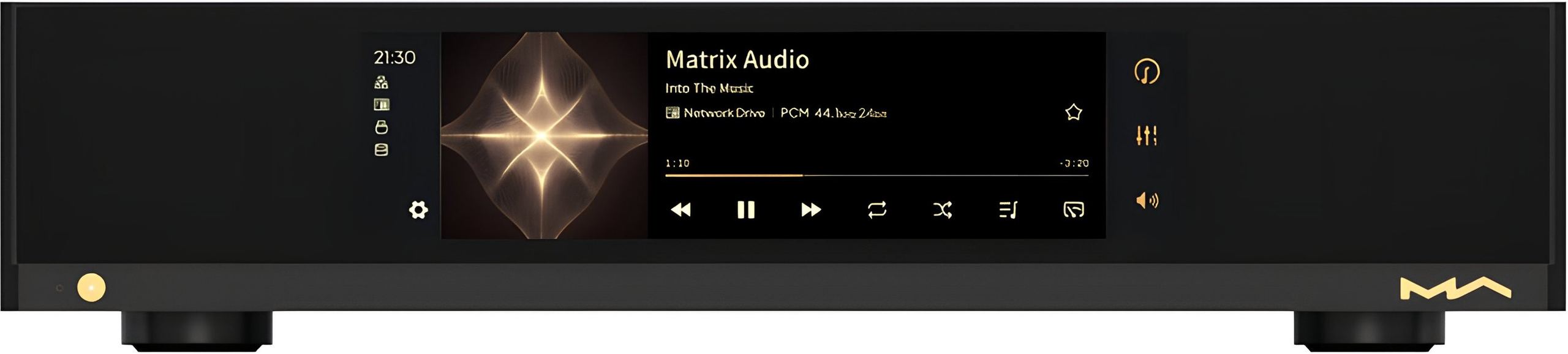
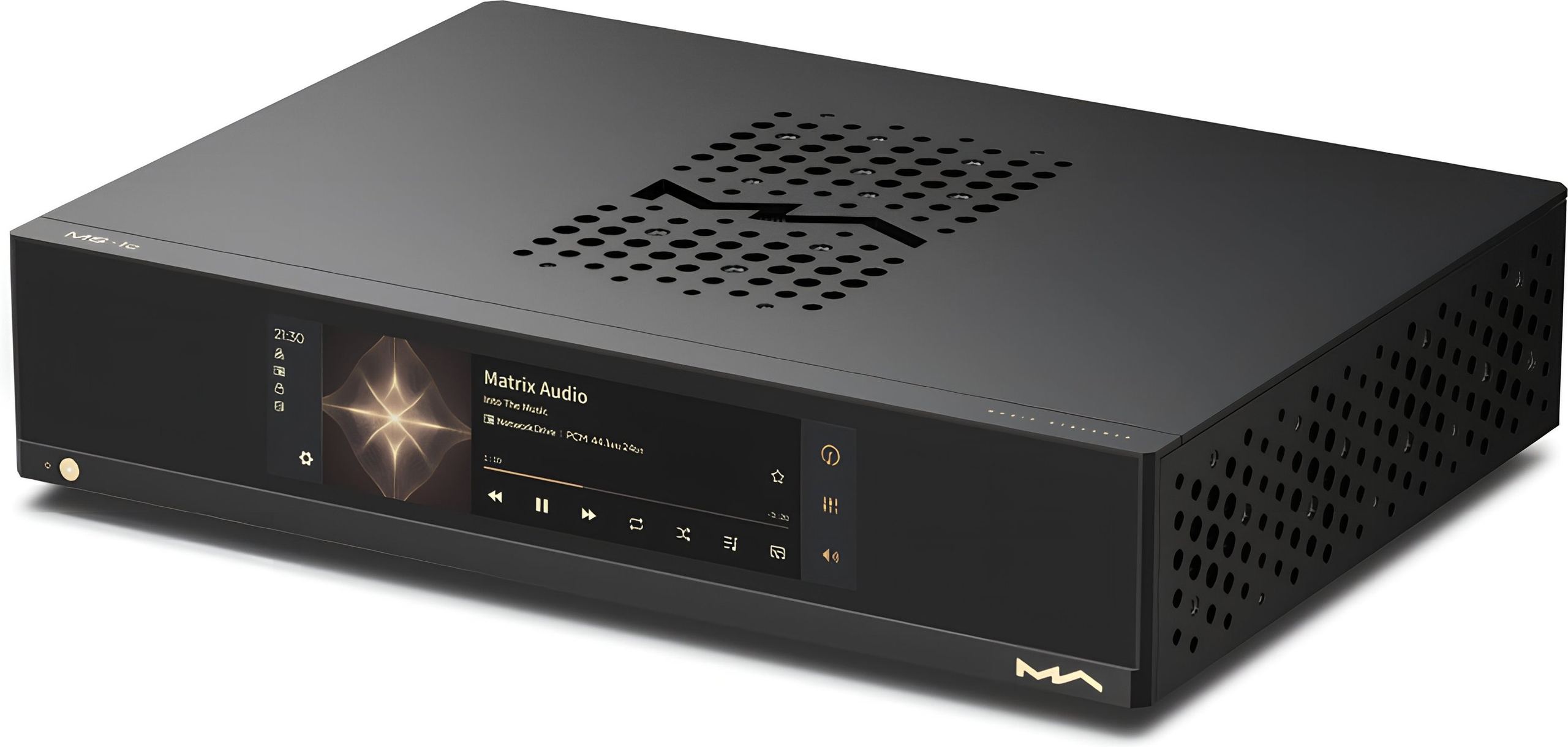
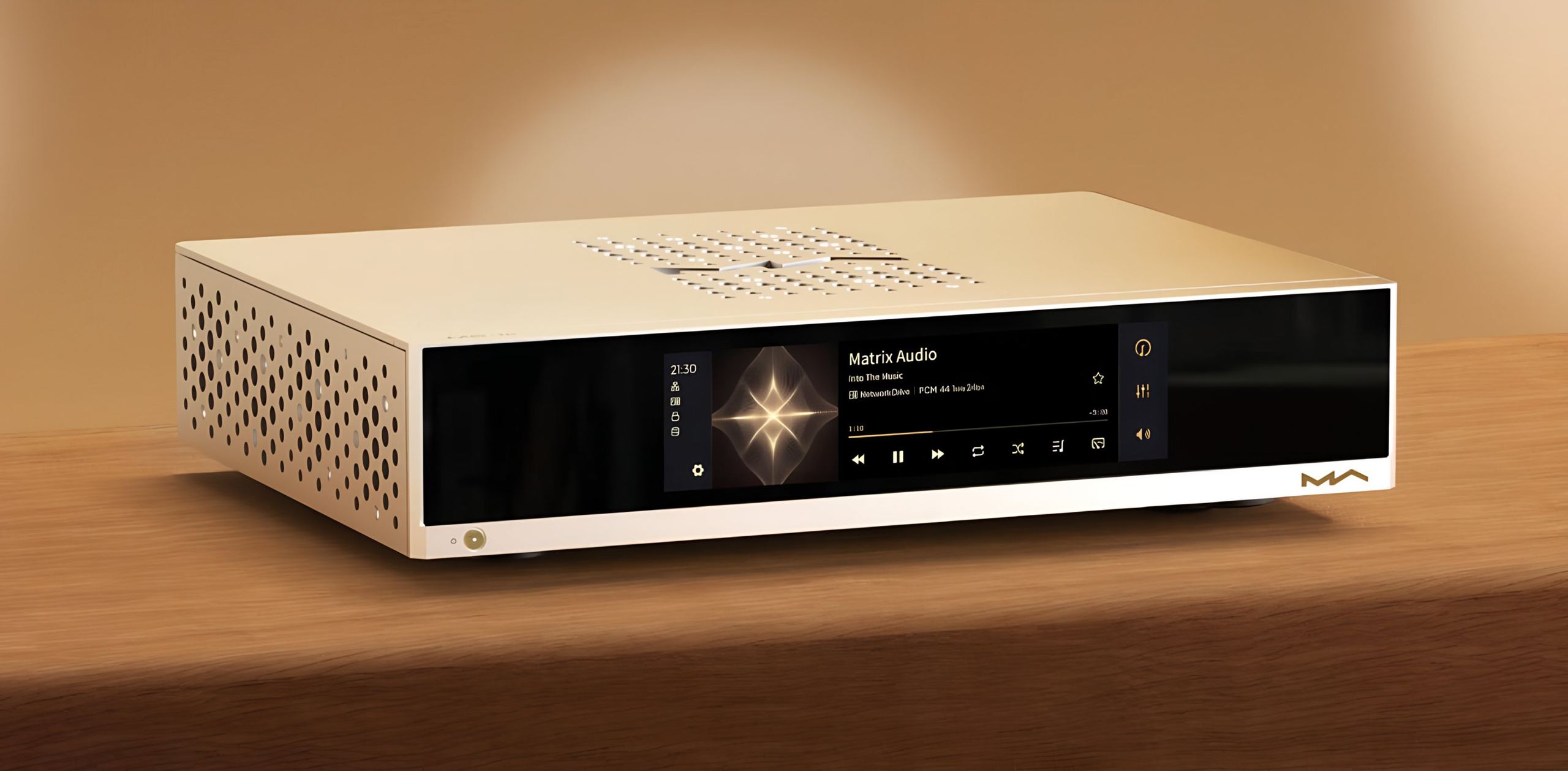
With the MS-1c, Matrix Audio brings its M series to a more accessible format, without giving up the hardware platform of its flagship model, the MS-1. The “c” stands for “classic”: a sound philosophy that favors musicality and warmth over analytical austerity. The enclosure adopts the series’ visual design codes, the 8.8-inch touchscreen, and the MA Player operating system, all housed in a CNC-machined aluminum chassis available in black or silver.
An AKM DAC with two sound personalities
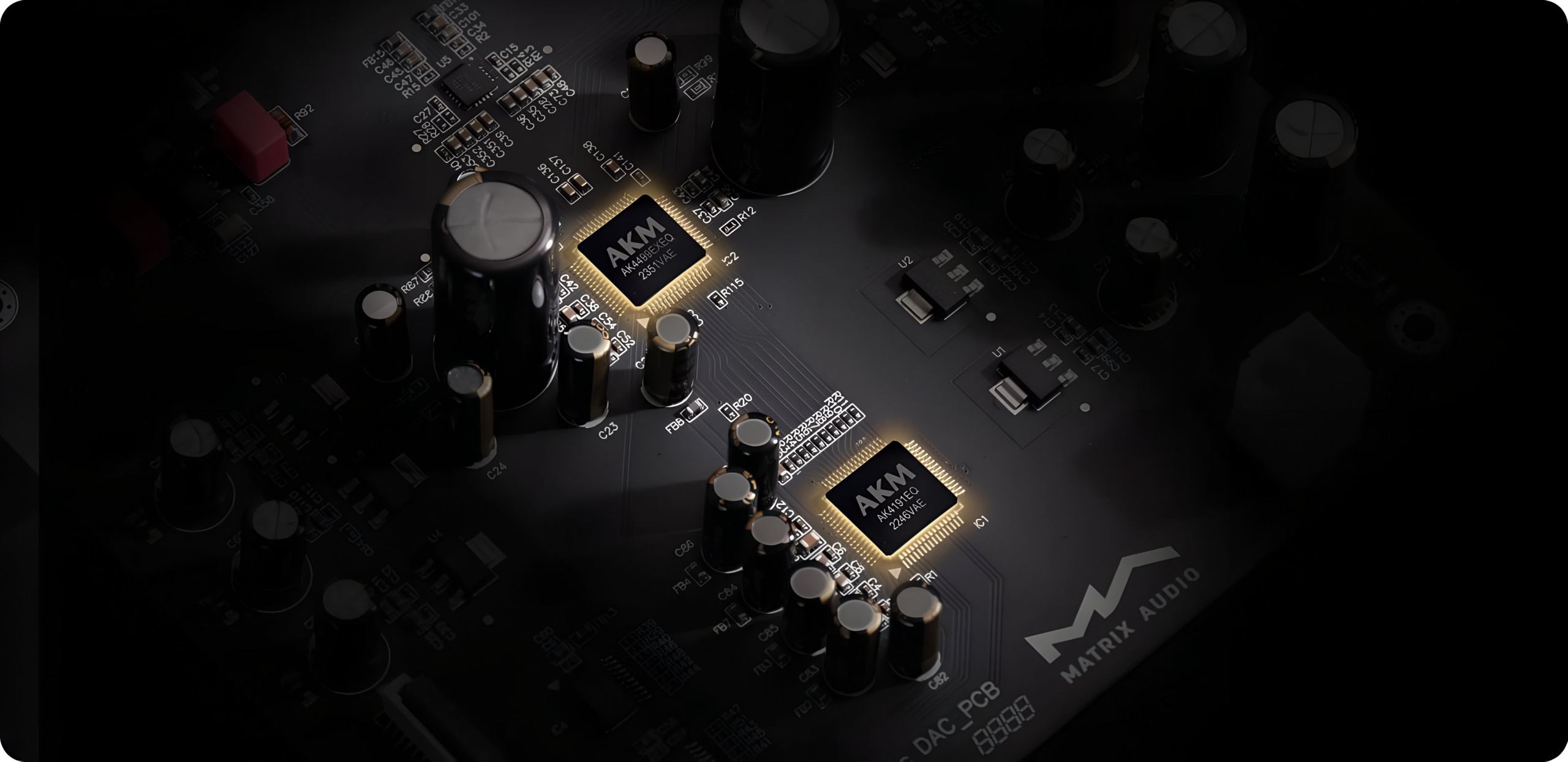
The MS-1c incorporates the AKM AK4191 conversion chip paired with the AK4499EX, the Japanese manufacturer’s high-end VELVETSOUND solution. This combination supports PCM up to 32-bit / 768 kHz and DSD up to 24.58 MHz (DSD512), with a stated dynamic range of 125 dB.
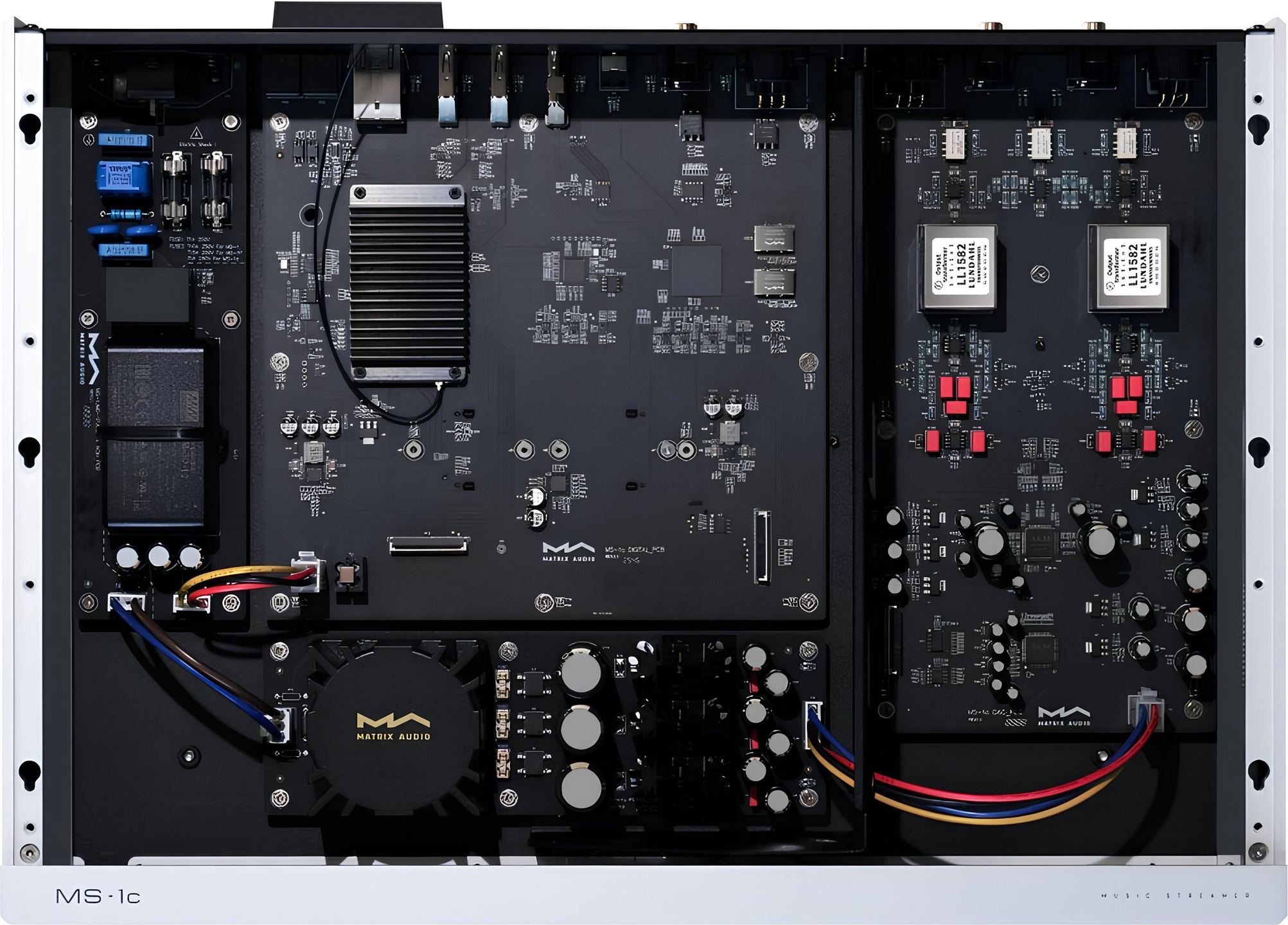
Where the MS-1c stands out is in its switchable analog output stage. The user can choose between two modes: an operational amplifier stage (Op-Amp), fast and highly resolving, or a Swedish LUNDAHL transformer stage, which colors the signal with warmth and fullness that are typically analog. Switching from one to the other can be done on the fly, from the interface or the remote control. This is a rare design choice on a network player in this price range, and it provides access to two distinct sound characters in a single device: precision and transparency on one side, harmonic density and smoothness on the other.
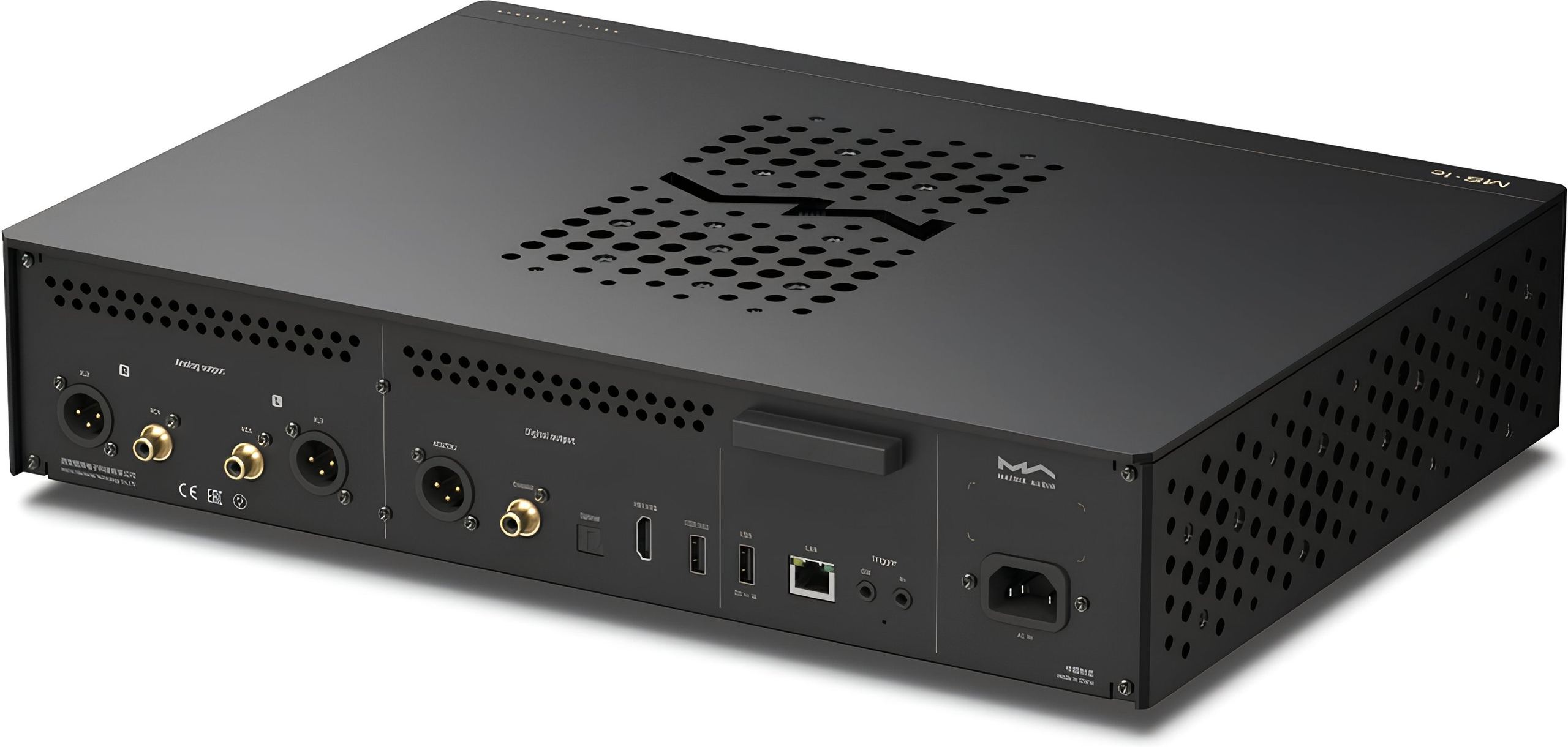
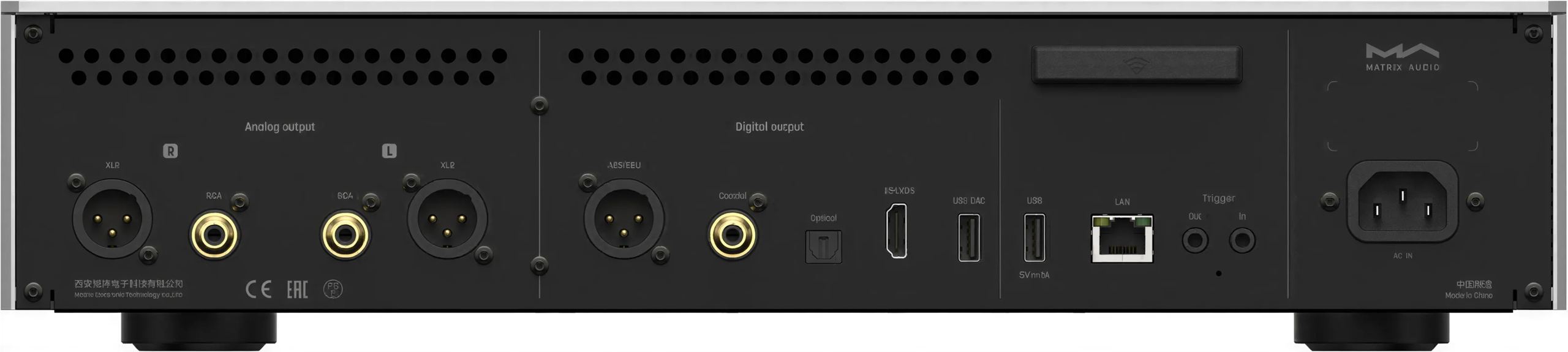
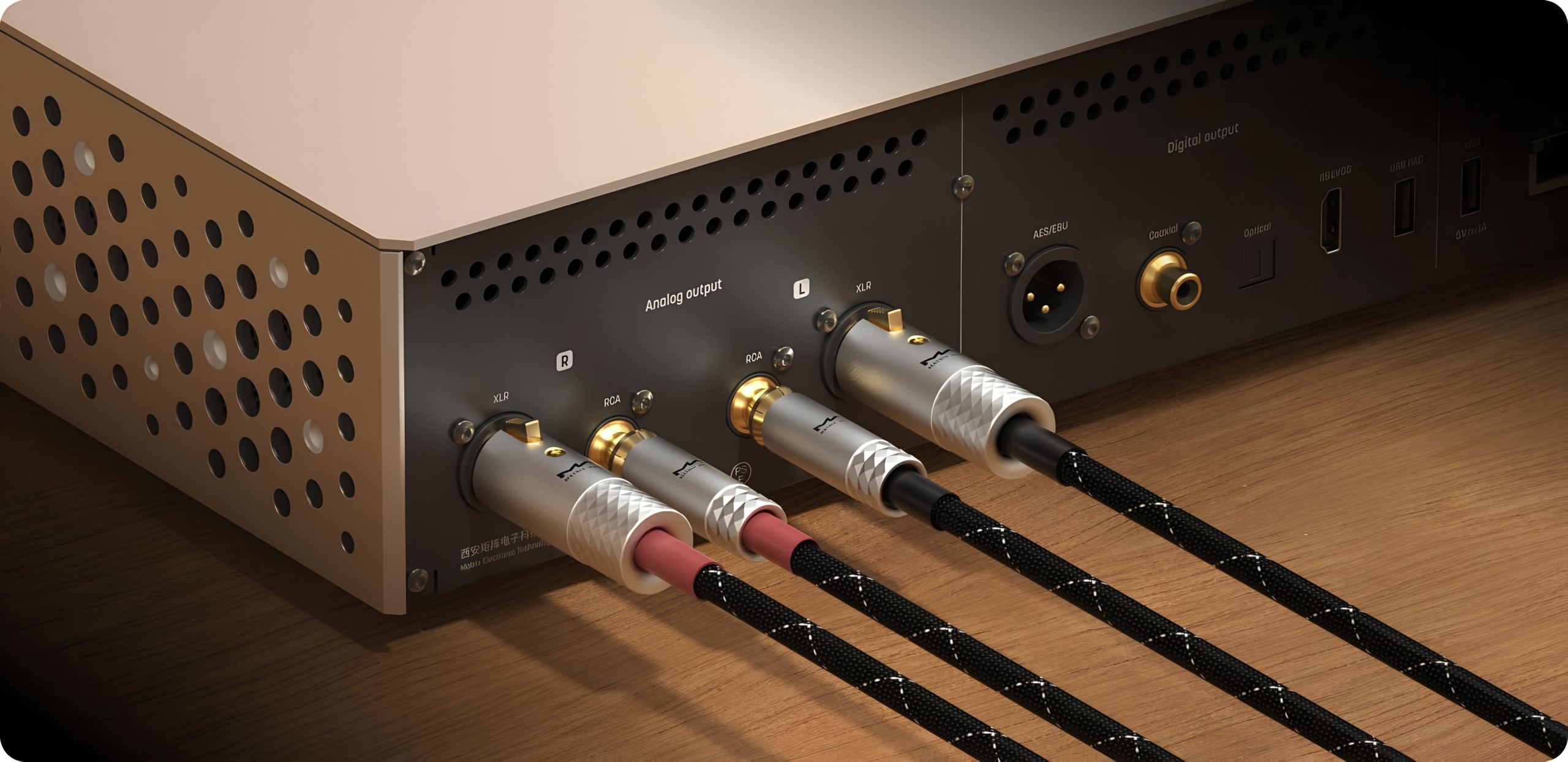
The analog outputs are offered in XLR (balanced, up to 4.5 Vrms) and RCA (unbalanced, up to 2.25 Vrms), each with two selectable output levels to match the input sensitivity of an amplifier or active speakers. A 100-step digital volume control makes it possible to do without a preamplifier and connect the MS-1c directly to a power amplifier.
A pure source, not an external DAC
The MS-1c is a complete audio source: it has no digital or analog inputs whatsoever. It cannot be used as a converter for a CD player or a computer. This design choice is intentional. Matrix Audio considers that source quality depends as much on software processing and clocking as on the DAC chip itself. The entire signal path, from network reception to conversion, is fully controlled internally.
On the other hand, the MS-1c works very well as a digital transport. Its digital outputs (AES/EBU, coaxial, optical, IIS-LVDS, USB) can feed an external converter with a high-resolution signal, up to PCM 768 kHz and DSD 24.58 MHz via IIS-LVDS and USB.
Clocking and power supply: the foundation of conversion
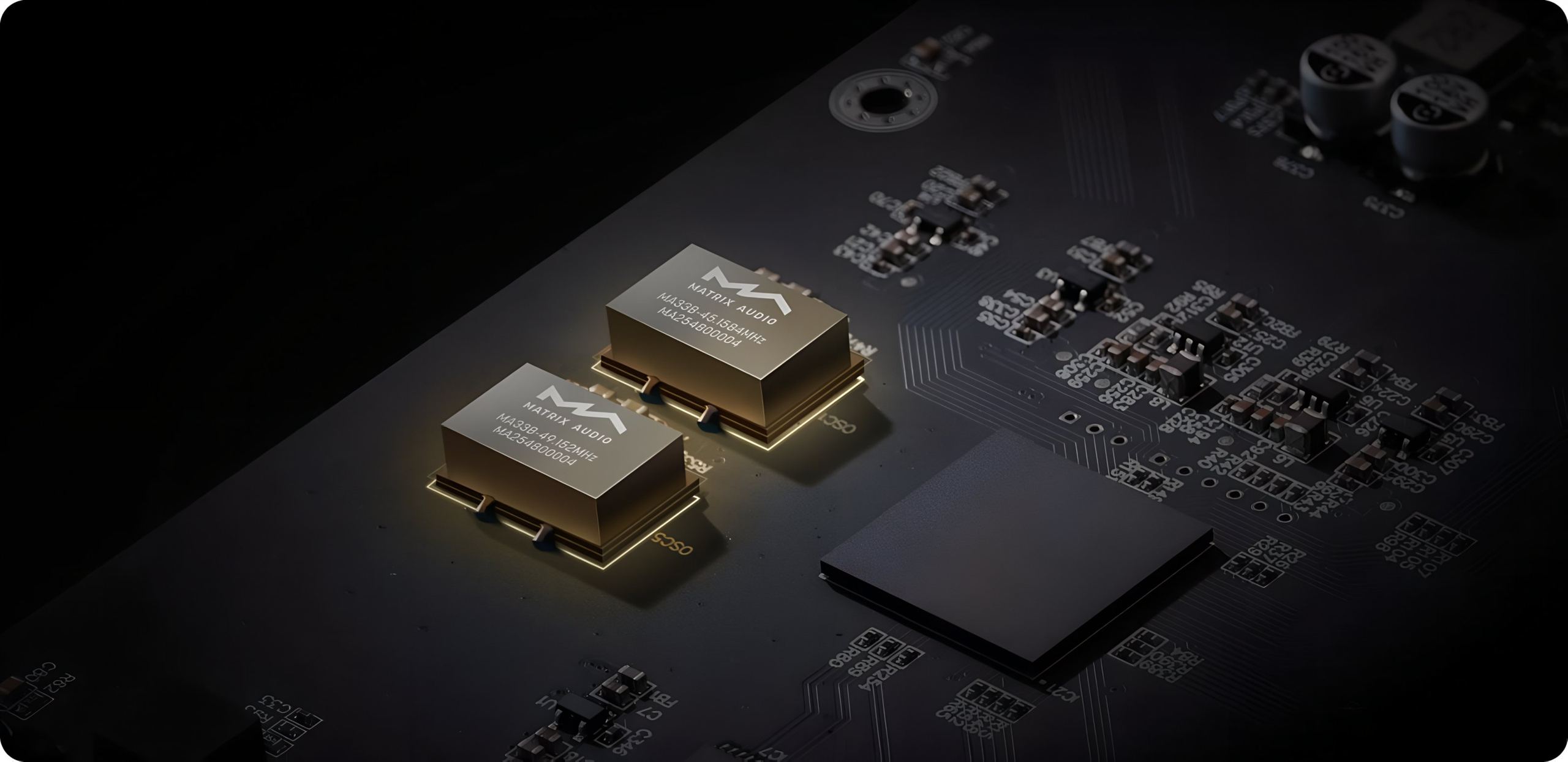
Two dedicated femtosecond clocks separately handle the 44.1 kHz and 48 kHz sampling families. This dual-clock design reduces jitter during conversion, a parameter that directly affects playback precision and the separation of sonic layers.
The power supply separates the digital and analog circuits onto independent supplies. The analog stage benefits from a dedicated linear power supply with several low-noise LDO regulators. The different functional blocks are distributed across separate printed circuit boards to limit mutual interference. The internal SSD even has its own ultra-low-noise power supply, cleaner than what a computer would provide.
Streaming and local sources under MA Player
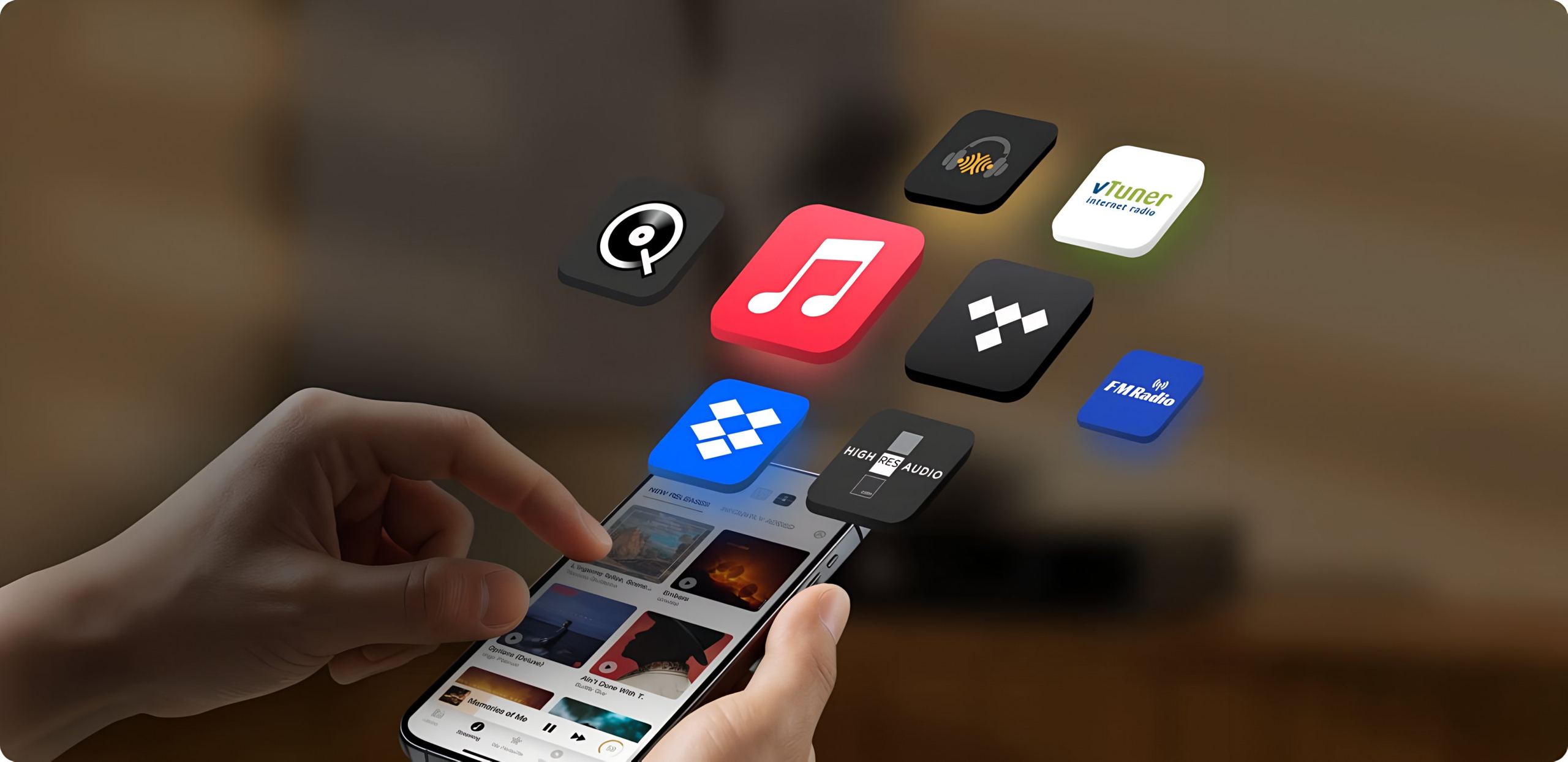
The MS-1c runs on MA Player, the operating system developed by Matrix Audio on an optimized Linux base for audio playback. It provides native access to high-resolution streaming services: Apple Music (Matrix Audio claims the first Linux-based network playback system to integrate Apple Music), TIDAL, Qobuz, Spotify, HIGHRESAUDIO, and Internet radio via vTuner and Radio Paradise.
On the network protocol side, compatibility is broad: Roon Ready, Audirvāna, TIDAL Connect, Qobuz Connect, Spotify Connect, AirPlay 2, UPnP/DLNA, and NAA. The MA Remote app (iOS, iPadOS, Android, and Mac with Apple Silicon chip) lets you control playback, browse libraries, and adjust settings without leaving your listening chair. The 8.8-inch front touchscreen displays playback information and provides access to settings.
Internal storage and CD ripping
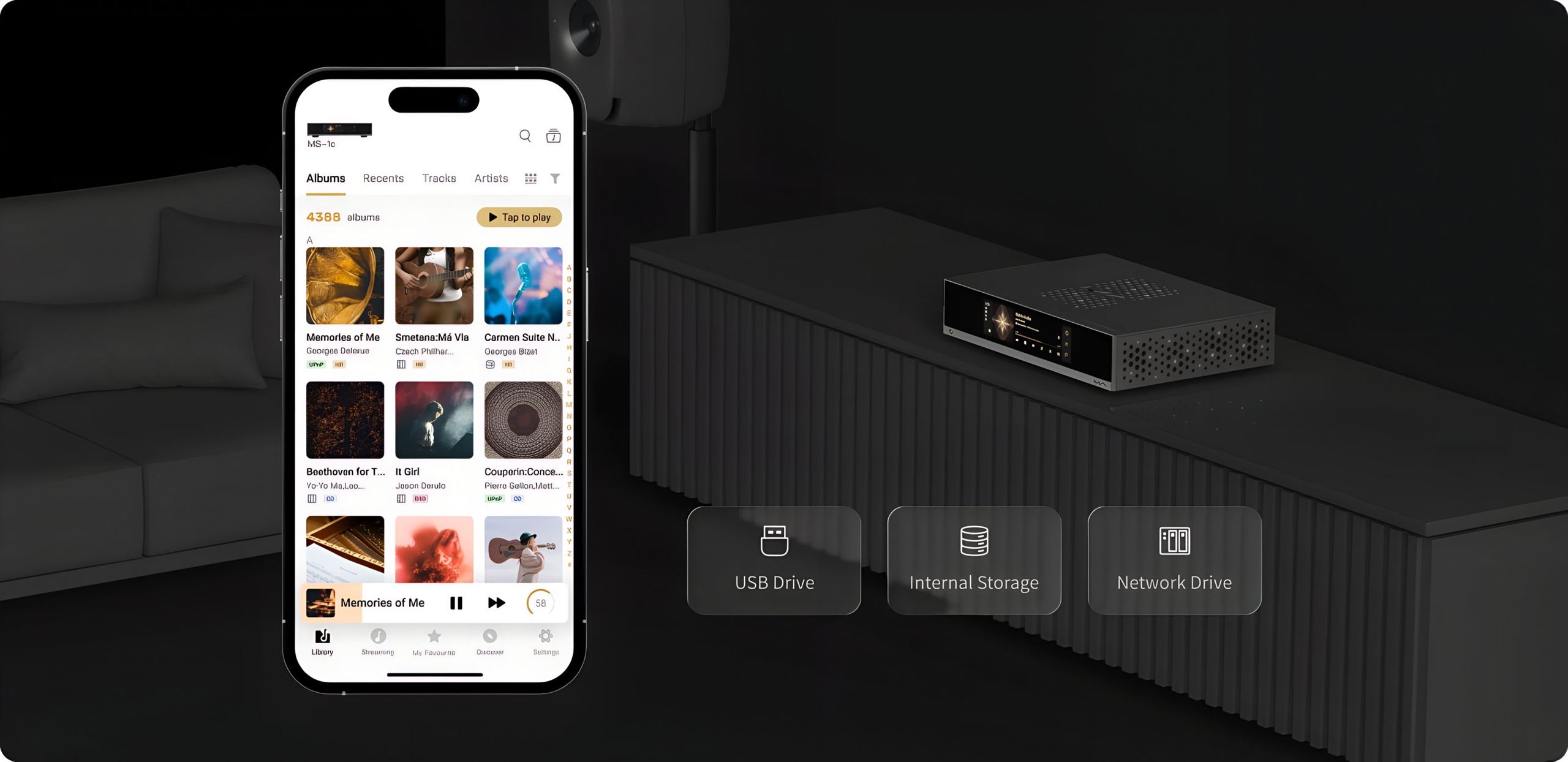
An NVMe M.2 slot accessible under the chassis accepts SSDs in 2230, 2242, and 2280 formats, with a maximum capacity of 8 TB. The SSD is not included. Once installed and formatted via the MS-1c interface (in NTFS), music files can be transferred to it over the local network (SMB sharing from a PC or Mac), from a USB flash drive, or from a NAS. The MS-1c can also serve as a NAS to stream its library to other network players.
The rear USB 3.0 port accepts external storage devices (USB flash drives, portable hard drives in FAT, NTFS, or exFAT) and USB CD drives. With a connected CD drive, the MS-1c can play discs and rip them to digital files on the internal SSD, with automatic retrieval of album metadata via the Internet.
Network: Gigabit Ethernet and Wi-Fi 6
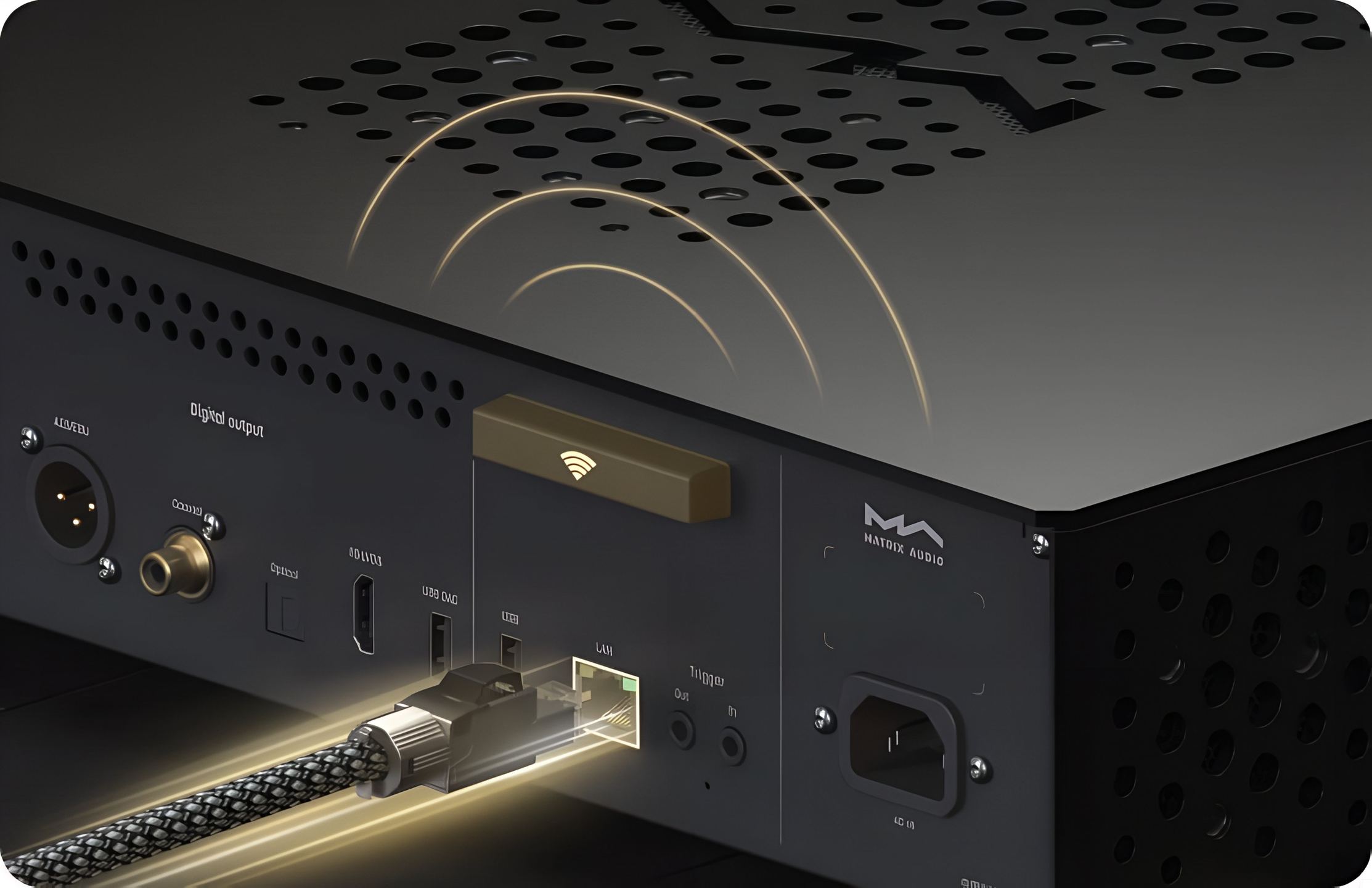
The wired Ethernet Gigabit connection (10/100/1000 Mbps) remains the most stable for playing high-resolution files. Dual-band Wi-Fi 6 (2.4 GHz and 5 GHz) offers a practical alternative when cabling is not possible. The MS-1c does not offer an optical fiber SFP port, a feature reserved for the MS-1.
Integration scenarios in a hi-fi system
The MS-1c is source-only (outputs only, no inputs). Three typical configurations are possible. It can be connected directly to active speakers via its XLR or RCA outputs, using the built-in volume control. It can also be paired with a power amplifier, again in a direct connection thanks to the volume adjustment. Or it can be used as a digital transport to feed an external converter of your choice via the digital outputs.
This source-only operation avoids the compromises associated with adding input circuits, but it is important to keep in mind: the MS-1c will not replace a standalone DAC if you want to connect other sources to it.
Design and finish
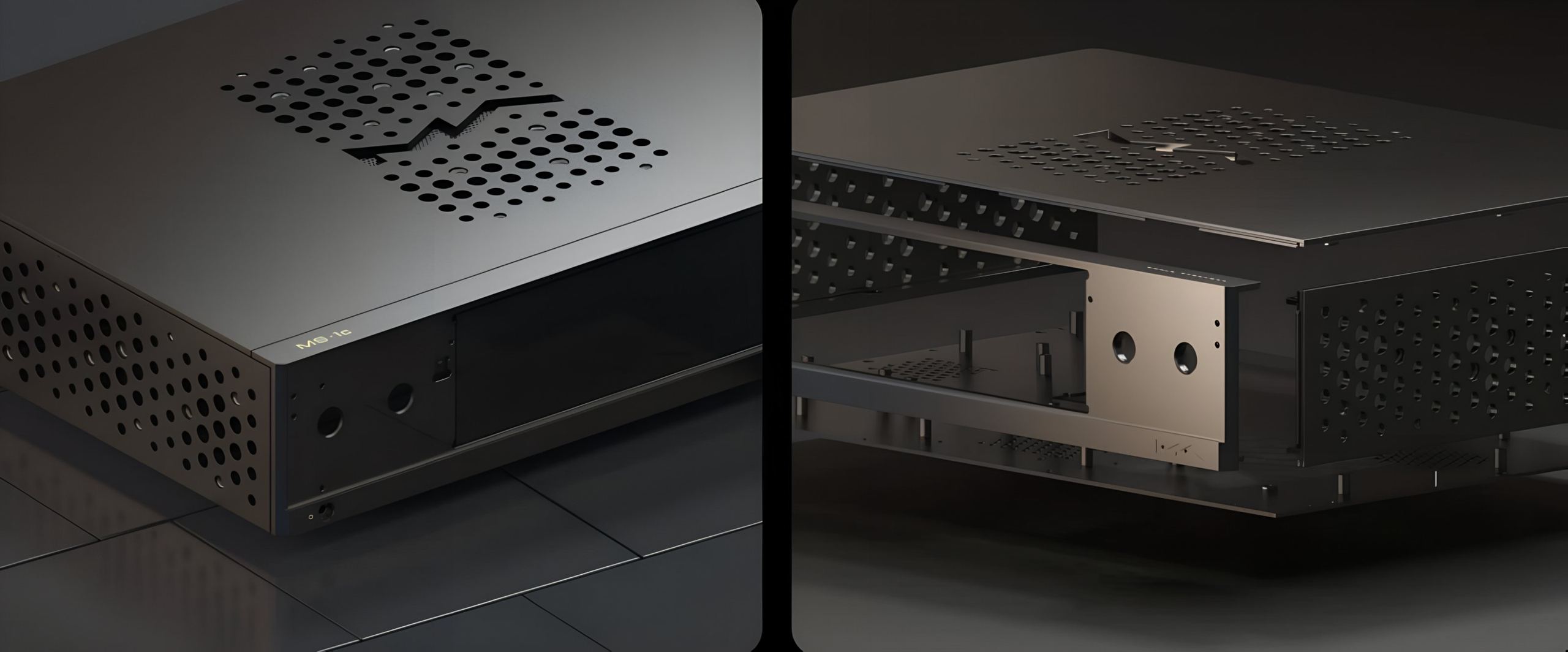
The CNC-machined aluminum chassis follows the M series visual language, with the characteristic side perforations. The dimensions (430 × 315 × 96 mm for 6.5 kg) are those of a full-width hi-fi component, compatible with standard racks and furniture. The MA-DAMPER STD feet, developed with Audio Bastion, incorporate a silicone damping structure to isolate the device from vibrations from the support surface.
The MS-1c uses the same SoC (system on chip) as the MS-1, ensuring smooth responsiveness in navigation and playback, and opening the door to possible software developments.
What sets it apart from the MS-1
Compared with the series flagship, the MS-1c makes different choices rather than simply cutting costs. The DAC uses a single configuration (one AK4191 + AK4499EX pair), whereas the MS-1 uses two pairs in dual-mono configuration, with a dedicated chip set for each channel. The MS-1c does not include the 10 MHz external clock input, the optical fiber SFP port, or the analog inputs (line and phono) found on the MS-1. In return, the MS-1c offers the switchable Op-Amp / Lundahl output stage, a feature the MS-1 does not include, giving it its own distinctive sonic versatility.
Documentation
Technical Specifications
Key Features
- Audiophile streamer with integrated high-performance DAC
- Proprietary Matrix Audio high-resolution digital architecture
- Dual femtosecond clocks for jitter reduction
- AKM AK4191 + AK4499EX DAC (VELVETSOUND)
- Compatible with Roon, TIDAL Connect, Qobuz Connect, AirPlay 2, Spotify Connect
- Supports PCM up to 32-bit / 768 kHz and DSD up to 24.58 MHz
- Ability to use an external DAC (USB / IIS / AES / Coaxial)
- Internal NVMe SSD storage with NAS function
- Wi-Fi 6 and Gigabit Ethernet
Sound Quality
- Sound signature: warm, fluid, and detailed
- LUNDAHL audio transformers for an analog rendering
- Very low noise floor
- High dynamics and natural reproduction of micro-details
- Design focused on long listening sessions without listening fatigue
DAC and Conversion
- DAC: AKM AK4191 + AK4499EX
- Dynamic range up to 125 dB
- High signal-to-noise ratio (SNR up to > 126 dB in XLR)
- High-precision digital volume control (100 levels)
Digital Inputs and Outputs
- OPTICAL / COAXIAL / AES/EBU
- PCM up to 192 kHz
- DSD via DoP
- IIS-LVDS
- PCM up to 768 kHz
- DSD up to 24.58 MHz
- USB DAC
- PCM up to 32-bit / 768 kHz
- DSD up to 24.58 MHz
Analog Outputs
- XLR (balanced)
- Level: up to 4.5 Vrms adjustable
- SNR > 126 dB
- THD+N < 0.02%
- RCA (unbalanced)
- Level: up to 2.25 Vrms adjustable
- SNR > 123 dB
- THD+N < 0.02%
Network Connectivity
- Gigabit Ethernet (10 / 100 / 1000 Mbps)
- Dual-band Wi-Fi (2.4 GHz / 5 GHz)
- Stable high-resolution streaming support
Compatible Services and Protocols
- Roon Ready
- TIDAL Connect / Qobuz Connect
- Spotify Connect
- AirPlay 2
- UPnP / DLNA
- Integrated streaming services: Apple Music, Qobuz, TIDAL, etc.
- Internet radio: vTuner, Radio Paradise, etc.
Storage and Expansion
- NVMe SSD slot (M.2 2280 / 2242 / 2230)
- Integrated NAS function
- USB 3.0 (external storage compatible with FAT / NTFS / exFAT)
- CD ripping via external USB drive
Control and Interface
- MA Remote mobile app (iOS / Android)
- MA Player OS interface (optimized Linux Hi-Fi)
- Intuitive multi-platform control
Power Supply
- Voltage: AC 100–120 V or 220–240 V (fixed version)
- Maximum power consumption: < 50 W
- Standby: < 5 W
- Separate analog / digital power supply architecture
Dimensions and Weight
- Dimensions: 430 × 315 × 96 mm
- Weight: 6.5 kg
Included Accessories
- Power cable
- Infrared remote control
- Printed documentation
Applications
- Audiophile Hi-Fi systems
- High-end digital sources
- External DAC integration or all-in-one system
- Multiroom audio network installations
- High-resolution listening at home or in the studio
Frequently asked questions
Can the MS-1c be used as a converter for a CD player or a computer?
No. The MS-1c has no digital or analog inputs. It is a standalone source that generates its own signal from the network, internal storage, or a USB device. To connect a conventional CD player, a separate DAC will be required.
Is a preamplifier needed between the MS-1c and a power amplifier?
Not necessarily. The 100-step digital volume control and the two selectable output levels allow direct connection to a power amplifier or active speakers, adapting the gain to the amplifier’s input sensitivity.
Is the SSD included with the MS-1c?
No, the NVMe M.2 SSD must be purchased separately. Formats 2230, 2242, and 2280 are compatible, with a maximum capacity of 8 TB. Matrix Audio recommends formatting the SSD via the device interface after installation.
Can you switch between Op-Amp mode and Lundahl mode while listening?
Yes. Changing the analog output mode is done on the fly, without interrupting playback. This makes it possible to compare the two sound signatures on the same track and choose the one that best suits the musical program or the mood of the moment.
Does the MS-1c support Apple Music?
Yes. Apple Music is integrated natively into MA Player, the MS-1c operating system. Matrix Audio states that MA Player is the first Linux-based network playback system to offer this integration.
What are the practical differences between Op-Amp mode and Transformer mode?
Op-Amp mode prioritizes speed, definition, and signal transparency, with crisp transients and a precise stereo image. Transformer mode (Lundahl) brings more body, warmth, and fullness, with slightly softened transients and a richer harmonic texture. Both modes use the same DAC conversion chain; only the analog output stage changes.
Is the MS-1c compatible with Roon?
Yes, it is Roon Ready certified. It appears as a playback endpoint in the Roon app and supports high-resolution playback via the RAAT protocol.
Can CDs be ripped with the MS-1c?
Yes, by connecting an external USB CD drive to the rear USB 3.0 port. The MS-1c reads CDs and allows them to be ripped to digital files stored on the internal SSD. Metadata (title, artist, cover art) is retrieved automatically via the Internet.
- Eco-contribution included in the sale price.
- Manufacturer reference: MS1C-B2AUL