

3M Onken
This product is no longer available for sale!
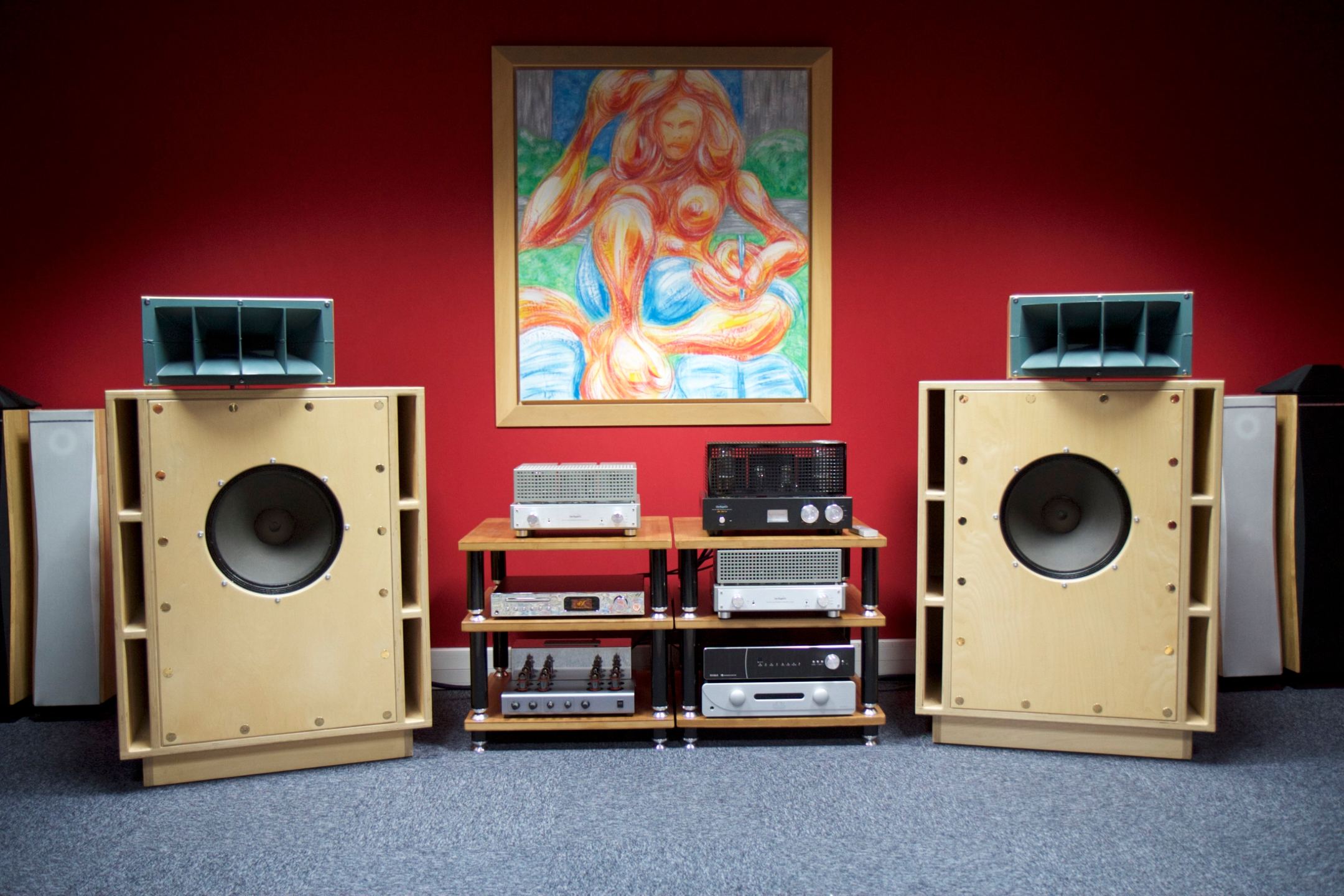
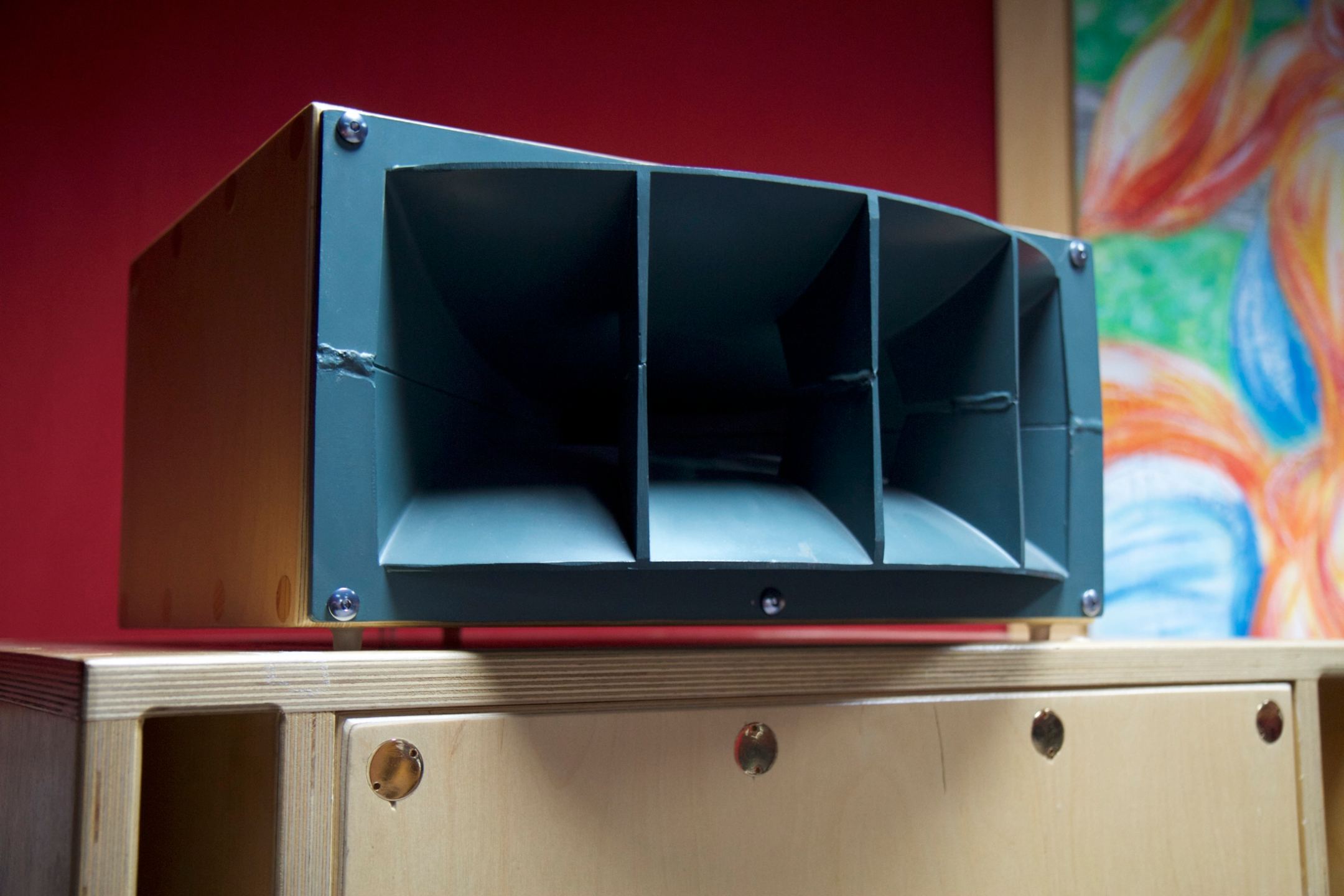
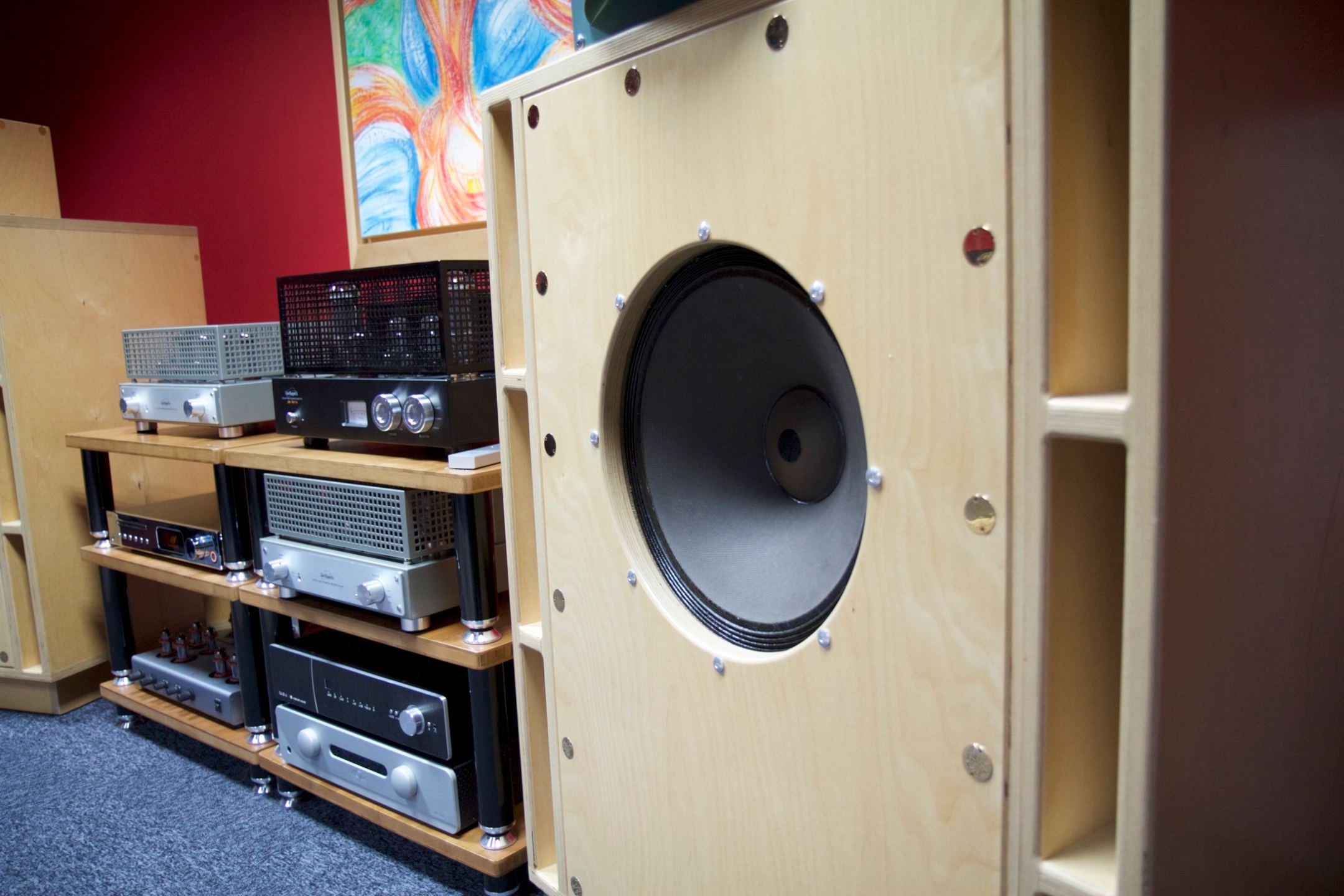
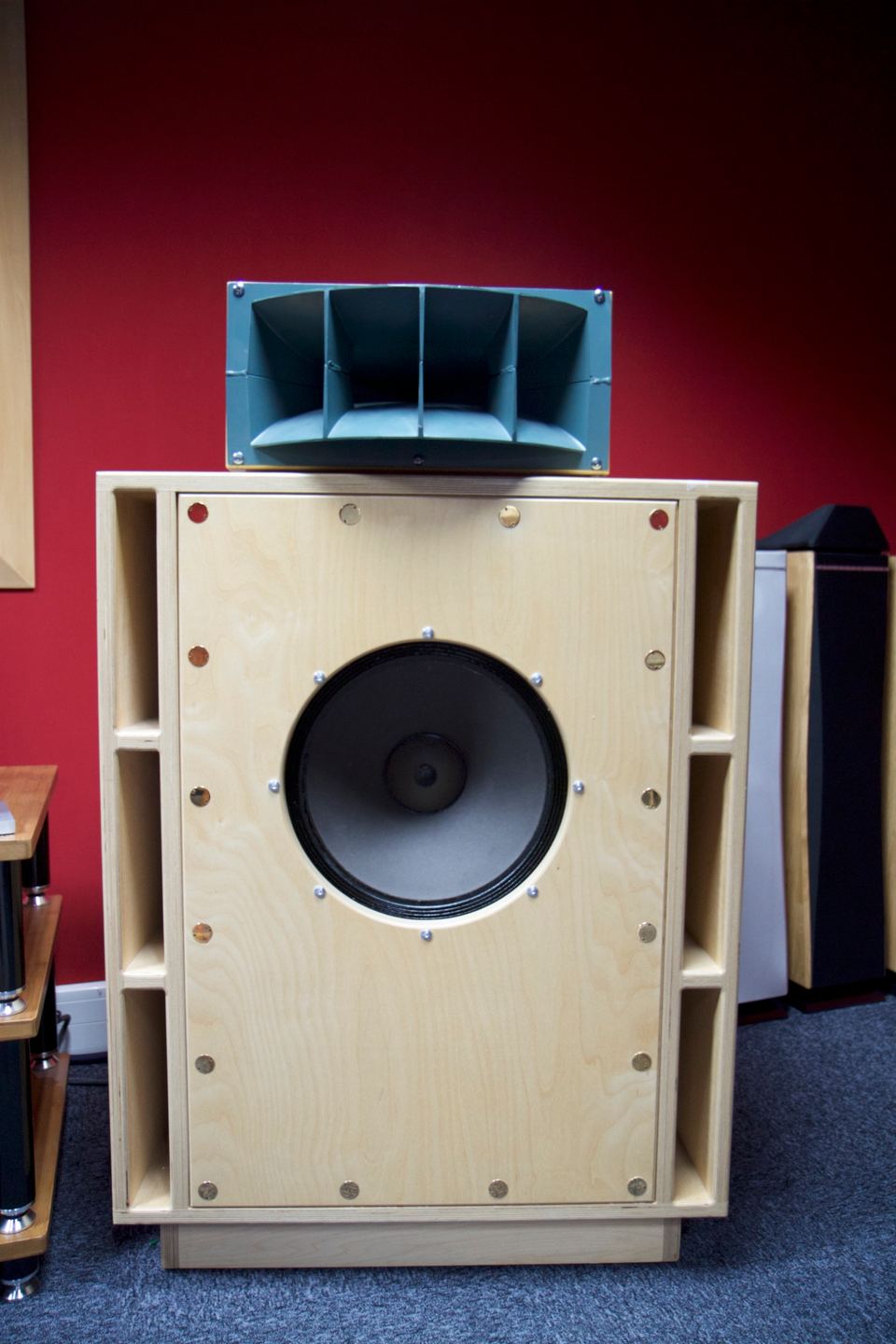
Other tower speakers
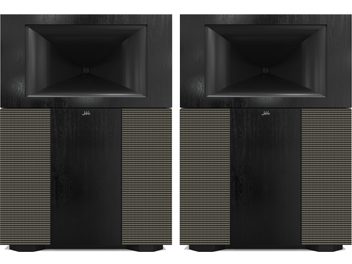
Musical Qualities
This speaker was detailed in Revue du Son (No. 275). While the quality of the bass also depends on the quality of the midrange and treble, the bass sound of Onken speakers is characterized by great lightness, firmness and exceptional dynamics. Audiophiles who don’t like large diameter bass speakers should above all consider that the most important thing in a speaker is not the mass of the diaphragm (very light in the case of the 416-8A), but rather the ratio of transmitted energy to diaphragm mass, which in this case is very high and plays a major role in efficiency.
The magnet used on the 416-8A is a central magnet, not a ring magnet, which minimizes magnetic leakage (a ferrous metal piece does not “stick” to the magnetic circuit, despite the significant total magnetic intensity and very generous flux in the air gap: 15,000 Gauss (1.5 Tesla). In most cases, not only is the diaphragm heavier, the magnet less powerful and the air gap wider, but the ring magnet introduces inevitable magnetic leakage, easy to demonstrate; this leakage can reach 30% which further worsens the energy/mass ratio.
Even without causing too much coloration, such speakers show that a significant mass moved by low energy makes perfect control of the diaphragm impossible. By touching the stylus of the turntable at medium level, you can hear the bass speaker “beating” and “dragging”. If acceleration is easy, the opposite is less so, because it is impossible to want to instantly stop a 100 to 130 gr. diaphragm with such a weak force. This comes down to the relationship between the power of an engine and the mass of a car. On this point, the 416-8A speaker, which is nothing new, combines the advantages of an ultra-powerful motor with a light and rigid cone.
In the Onken speaker, it works wonders: very sharp attacks, perfect clarity at low or high levels. Thus this speaker can simultaneously reproduce several very different bass sounds: a very soft and blurred bass background (room, reverberation, distance effect) on which other bass sounds can stand out at the same time - double bass with “torn” strings, cello with all the richness of the resonances of the body, dry and percussive bass of drums, the jerky and intense breath of a tractor’s exhaust…
Speaker Placement
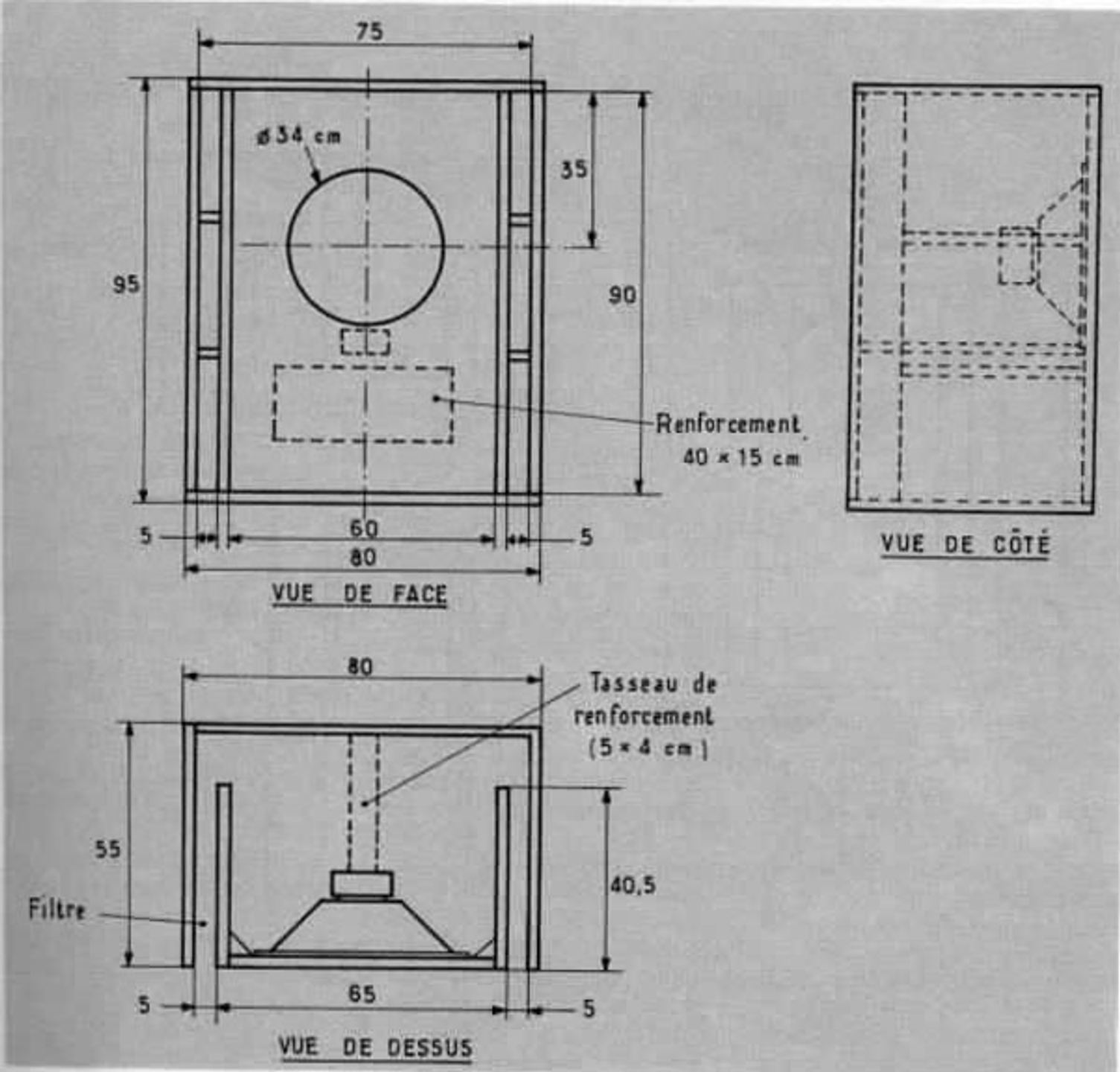
Separated from the rear wall by at least 1 meter. Separated from the side walls by at least 1 meter. Placed directly on the floor or on a stone base. Very demanding audiophiles can have granite slabs made, polished on 5 sides (edges + top), dimensions 65 x 90 x 8 cm. In this case, insert hard felt, 5 mm thick, between the slab and the speaker.
The minimum distance between the internal walls of the speakers is 1.80 m.
Crossover Frequency
The most recommended is 600 Hz, 12 dB per octave cutoff. An active filter is advantageous if of quality, but it is possible to use a passive filter composed of a 3 mH coil, made of thick wire (3 to 3.5 mm in diameter as on Onken filters) and an impregnated paper capacitor, of quality, non-polarized, value 24 µF (or even 2 12 µF capacitors connected in parallel). Do not use coils wound on sheets or on ferrite mandrel. Use thick wire, 3 mm diameter, to connect the filter elements.
Manufacturing
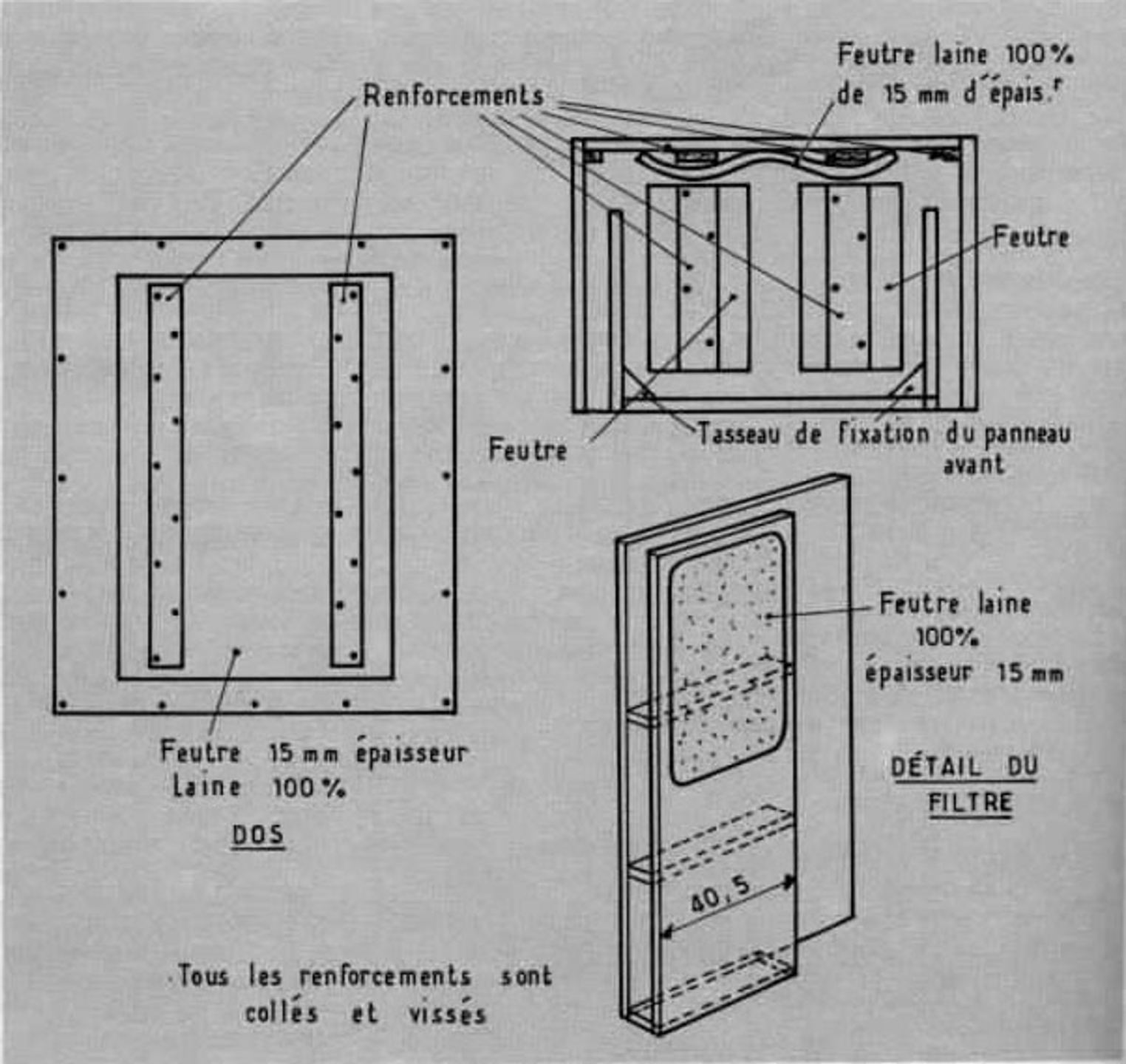
Once the wood is selected and found, it is always recommended to have it cut and glued by a well-equipped carpenter. The final gluing of the six panels must be done with precise and heavy presses. All the battens and anti-vibration reinforcements are screwed and glued, another point to respect. Note that the front panel is removable and fixed by 16 screws (+ head) of about 42 mm length. In most cases, tightening these screws cannot be done by hand (use of T-keys, braces).
The parts to be assembled first are the two side panels with filters. With the side parts assembled, these are assembled and glued all at once with the top, bottom and back. Before this assembly, note that battens are screwed and glued which allows the back to be screwed and glued. The glue used is hot glue, used by carpenters. Glue based on synthetic rubber is not recommended here.
Note the presence of numerous reinforcements on most of the panels, which are all screwed and glued. The six panels are also screwed and glued, taking care to mask the marks left by the screws on the exterior panels. For this, you can use either a special glue (very thick), or a mixture of plaster and glue, which will be smoothed out after complete drying.
Preliminary Recommendations
This speaker is recommended for demanding Audiophiles unsatisfied with the quality of the bass sounds of their system. Although many factors will play on the final quality of the bass, the important points to respect are: Listening room of acceptable dimensions, i.e. more than 4 x 6 m.
Very rigid and well damped floor (double carpet). With these two conditions met, other points will play on the quality of the bass: amplifier, turntable, tonearm, cartridge, turntable cover, to name the most sensitive.
Technical specifications
- Two Altec 416-8A speakers
- Six 180 x 90 cm x 25 mm boards
- Pure wool felt
- Two 600 Hz 12 dB low-pass filters
- Eco-contribution included in the sale price.




