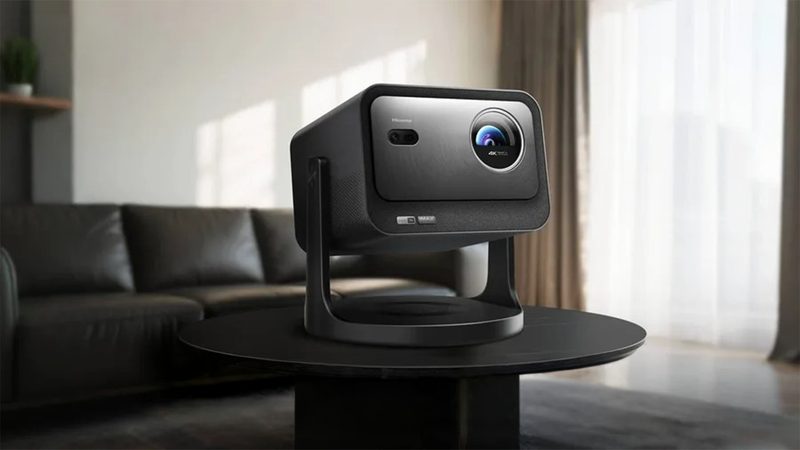
Hisense C3


Specifications and features


Overview
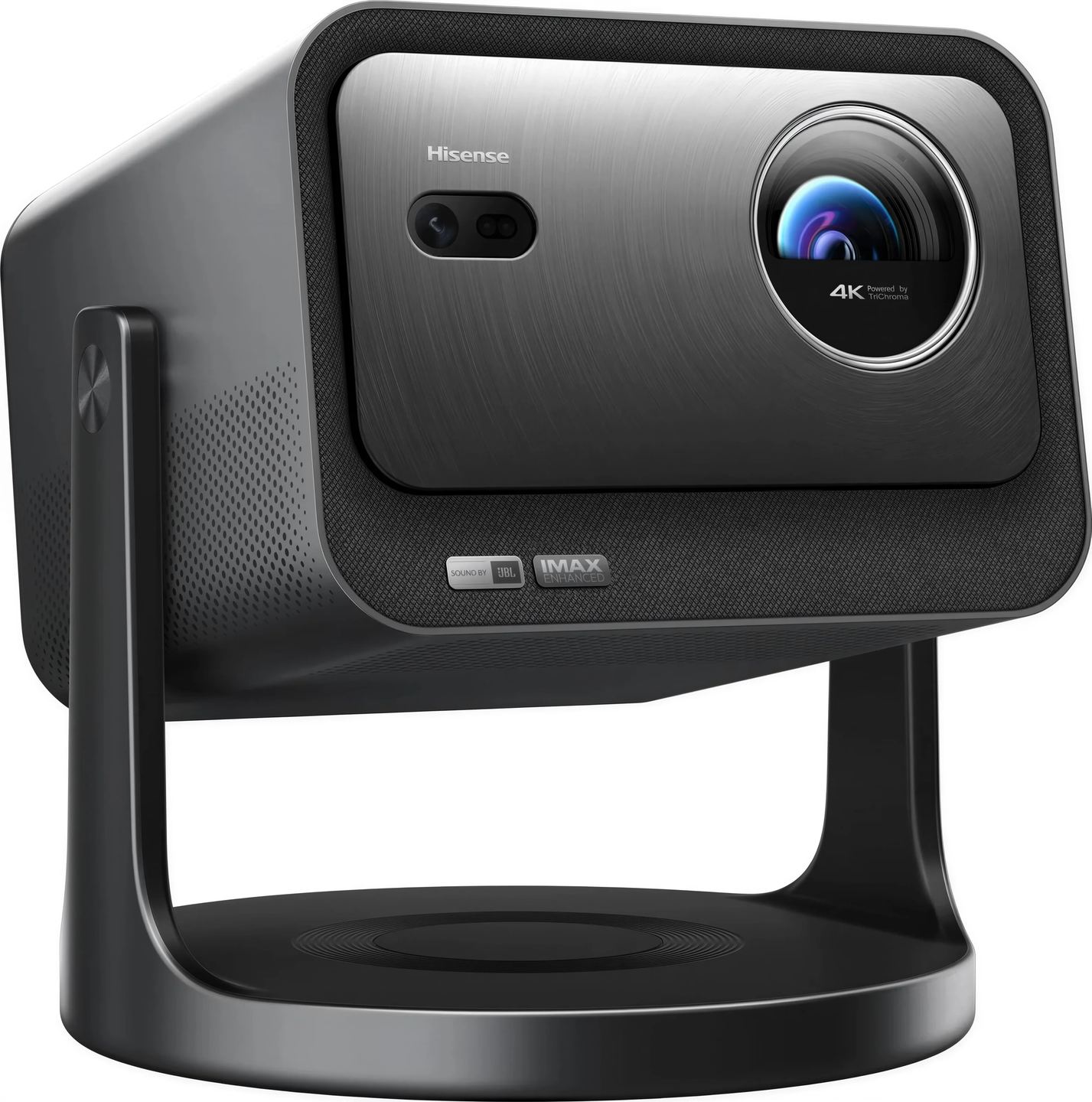
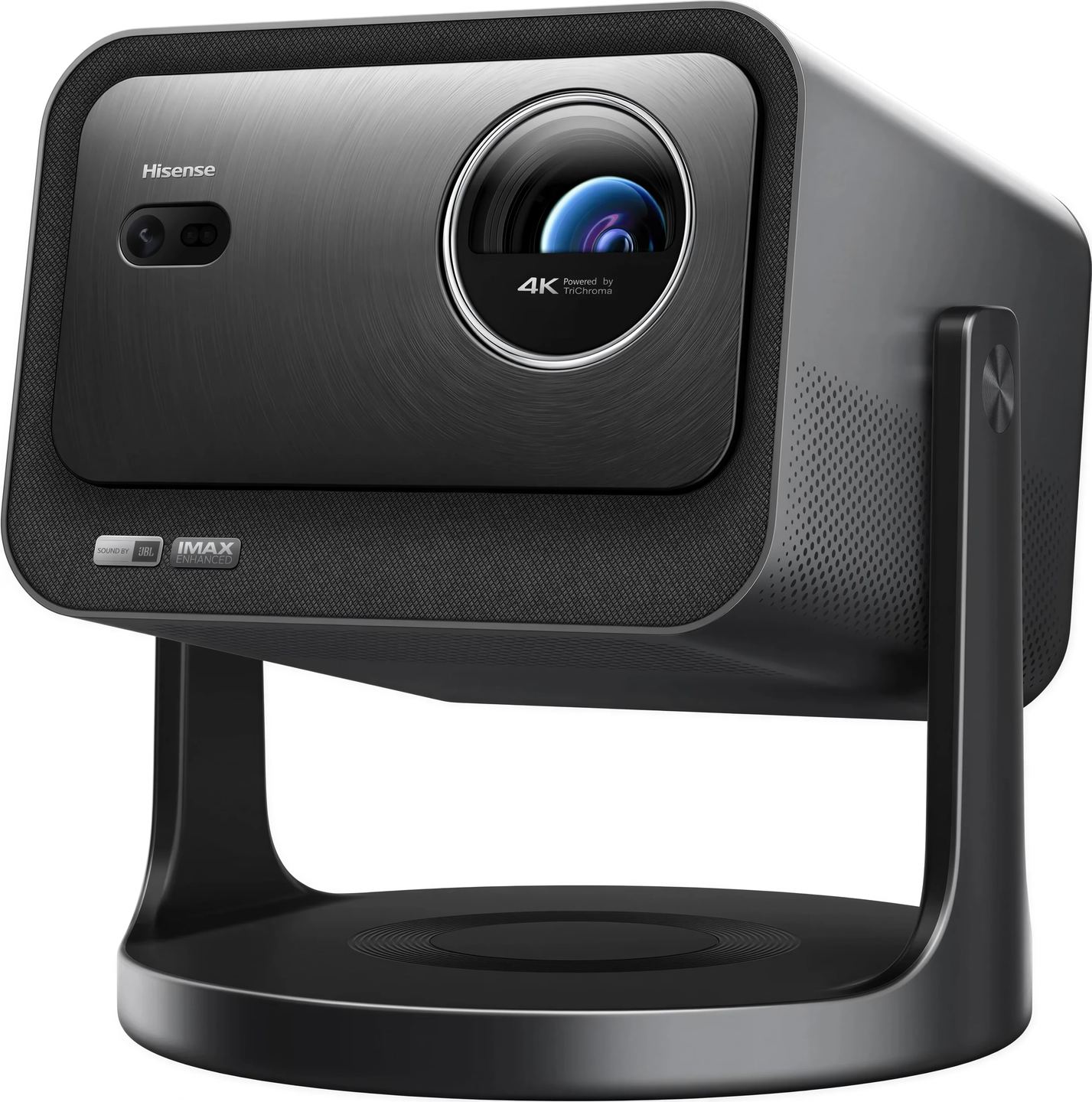
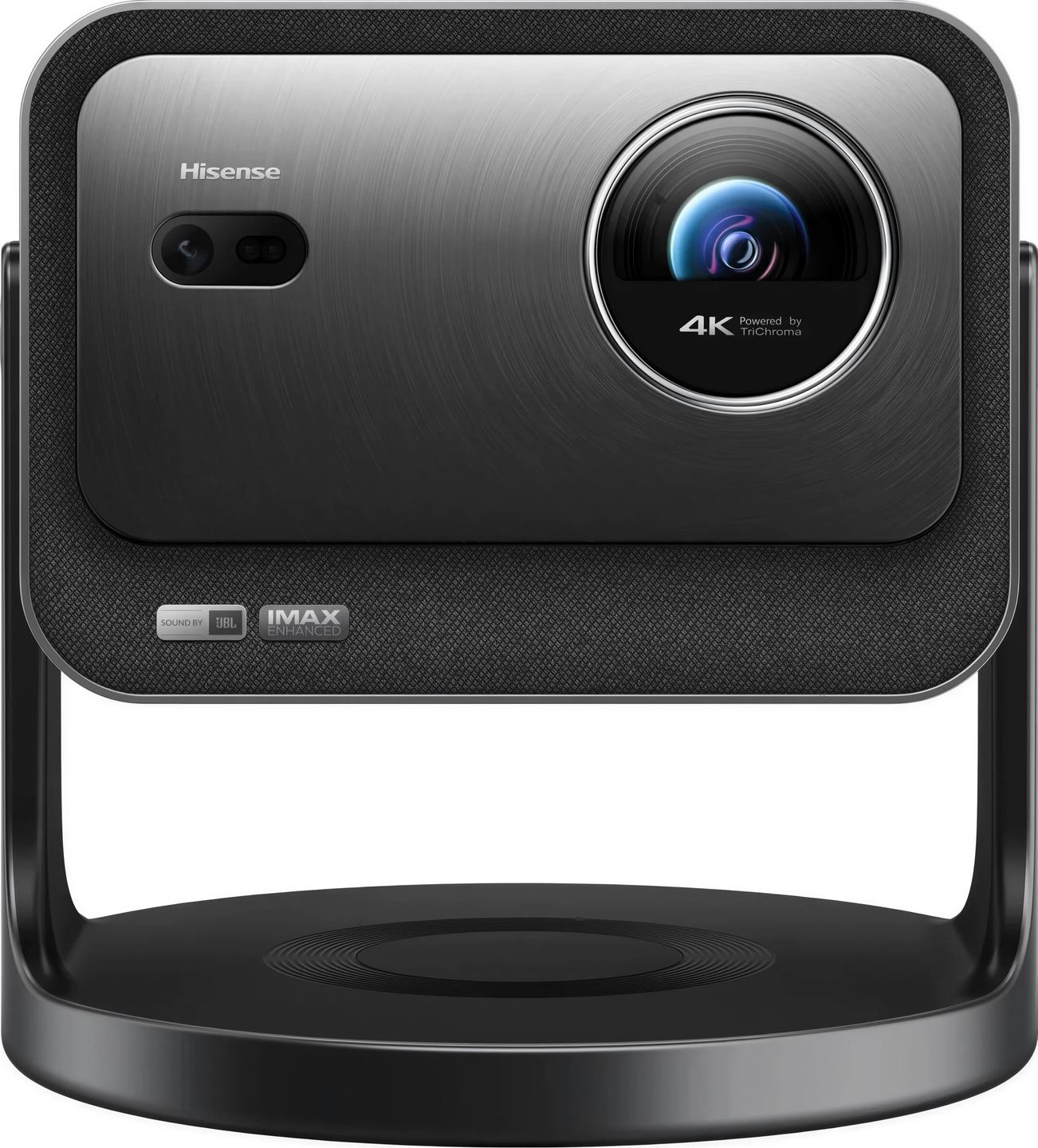
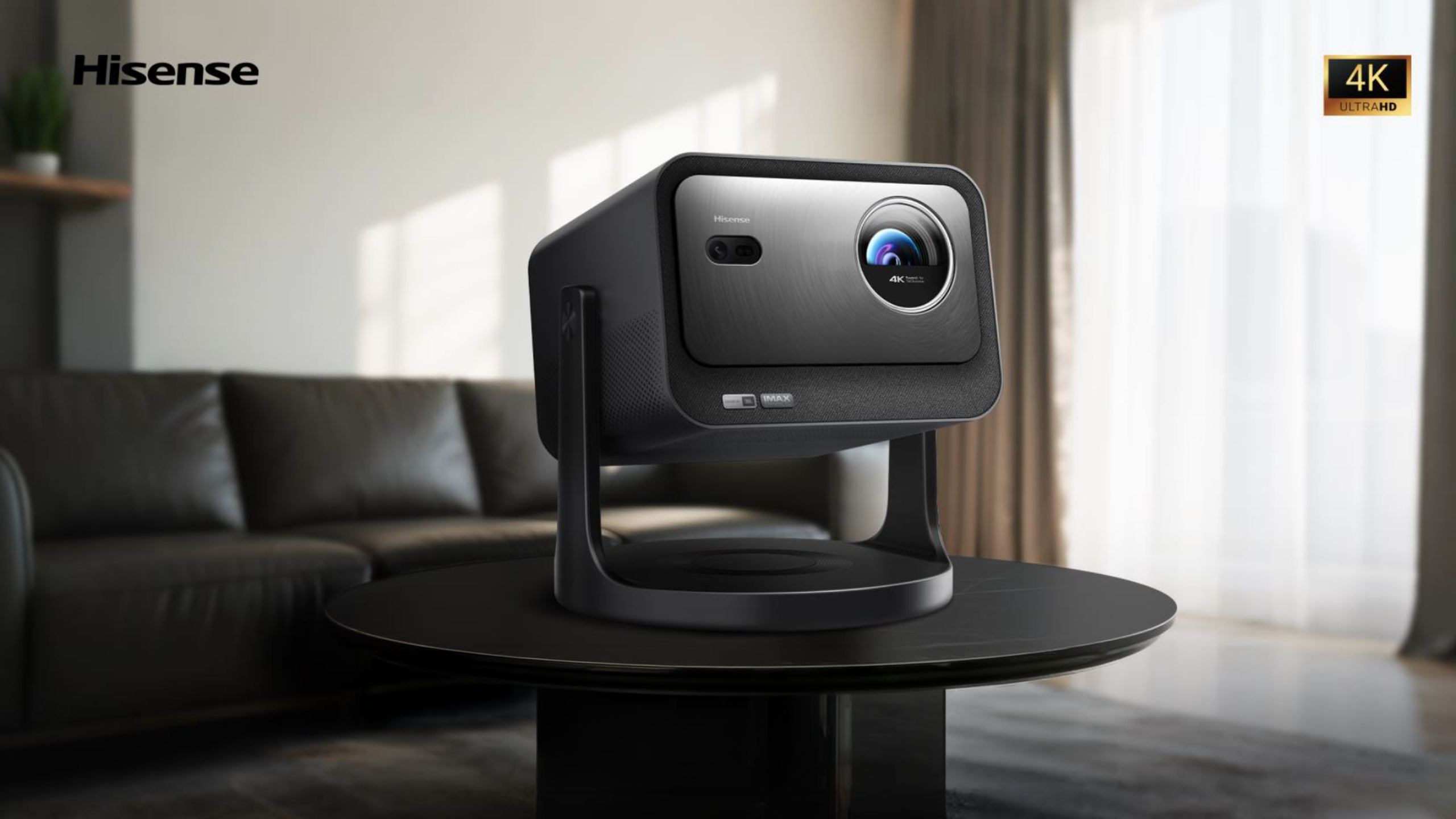
After the success of the C2, Hisense returns with a refined version of its compact projector. The C3 retains the philosophy of its predecessor (cube-shaped format, integrated adjustable stand, triple laser) while addressing several of its weaknesses. Brightness increases from 2000 to 2500 lumens, the zoom becomes optical instead of digital, and IMAX Enhanced certification makes its appearance. The VIDAA operating system moves to version U9.
Triple laser and extended color gamut coverage
The C3’s light source is based on three separate lasers: one red, one green, one blue. This configuration directly produces the primary colors without going through a filter or color wheel, which reduces brightness loss and improves saturation. The claimed coverage reaches 110% of the BT.2020 standard, with 10-bit depth (that is, 1.07 billion theoretical shades).
In practice, this technology mainly benefits HDR content: gradients in dark areas remain readable, and highlights do not blow out too quickly. The C3 supports Dolby Vision, HDR10+, HDR10, and HLG formats, covering almost all current sources. IMAX Enhanced compatibility, absent from the C2, allows you to enjoy specific masterings on platforms that offer them. Filmmaker Mode is also present to reproduce films according to the directors’ intentions, without unnecessary image processing.
4K via pixel shift: what it means
The C3 uses a DLP chip with XPR technology to display a 4K UHD image (3840 × 2160 pixels). In concrete terms, the pixel-shifting system multiplies the perceived resolution by displaying several successive positions at a very high frequency.
The result comes close to true 4K at a normal viewing distance, even if a trained eye may notice a slight difference in sharpness compared with projectors using a native 4K chip (much more expensive). For streaming or television, the difference remains marginal. The built-in upscaling enhances HD sources to 4K with processing that analyzes edges and textures. MEMC motion compensation smooths sports content and panning shots.
Optical zoom and simplified setup
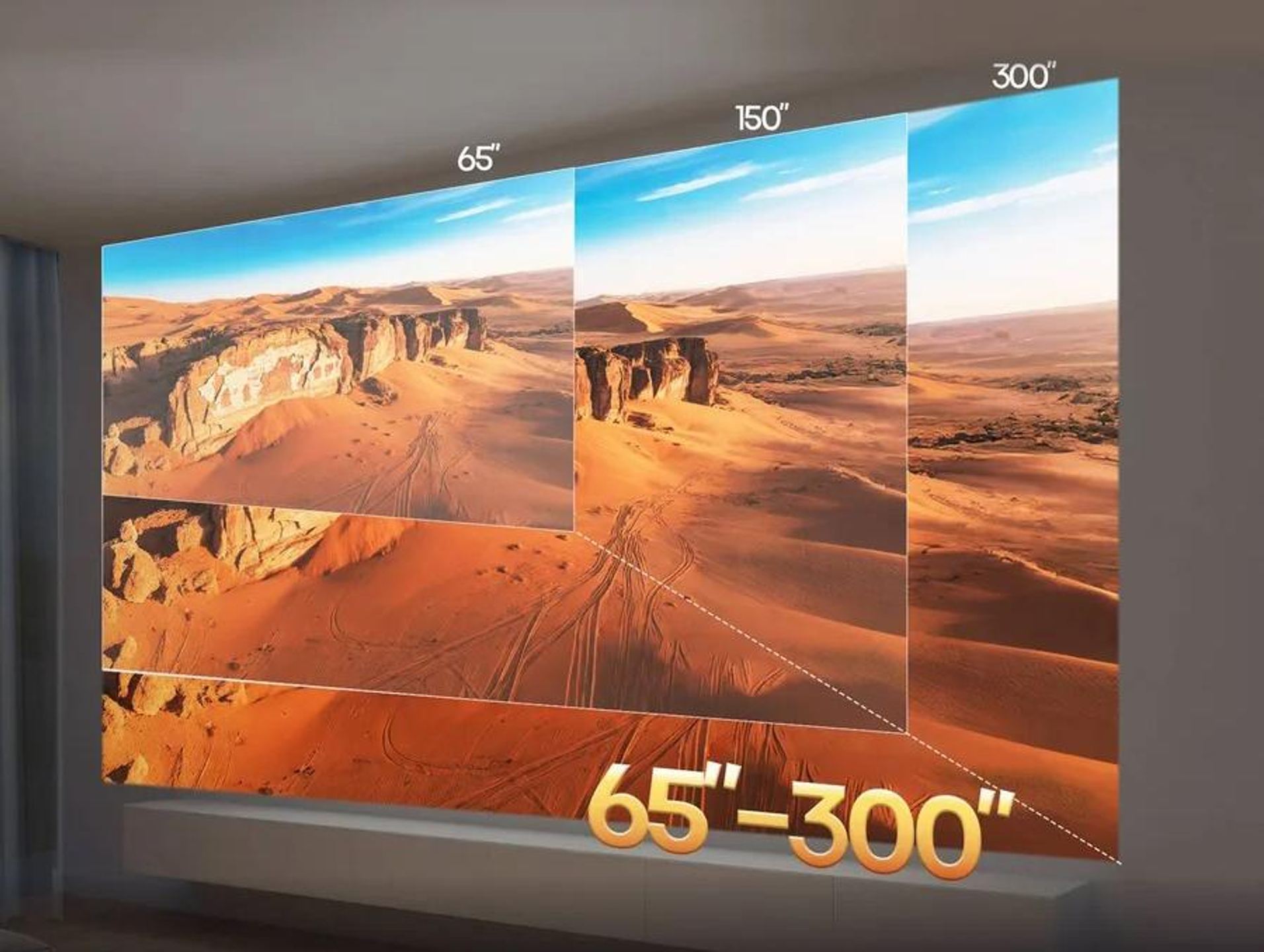
One of the most tangible improvements over the C2 concerns zoom. The C3 features an optical zoom (ratio 1.0 to 1.3:1) instead of the digital zoom of its predecessor. The difference is significant: a digital zoom crops the image and degrades definition, whereas an optical zoom preserves the full resolution regardless of the chosen projection size.
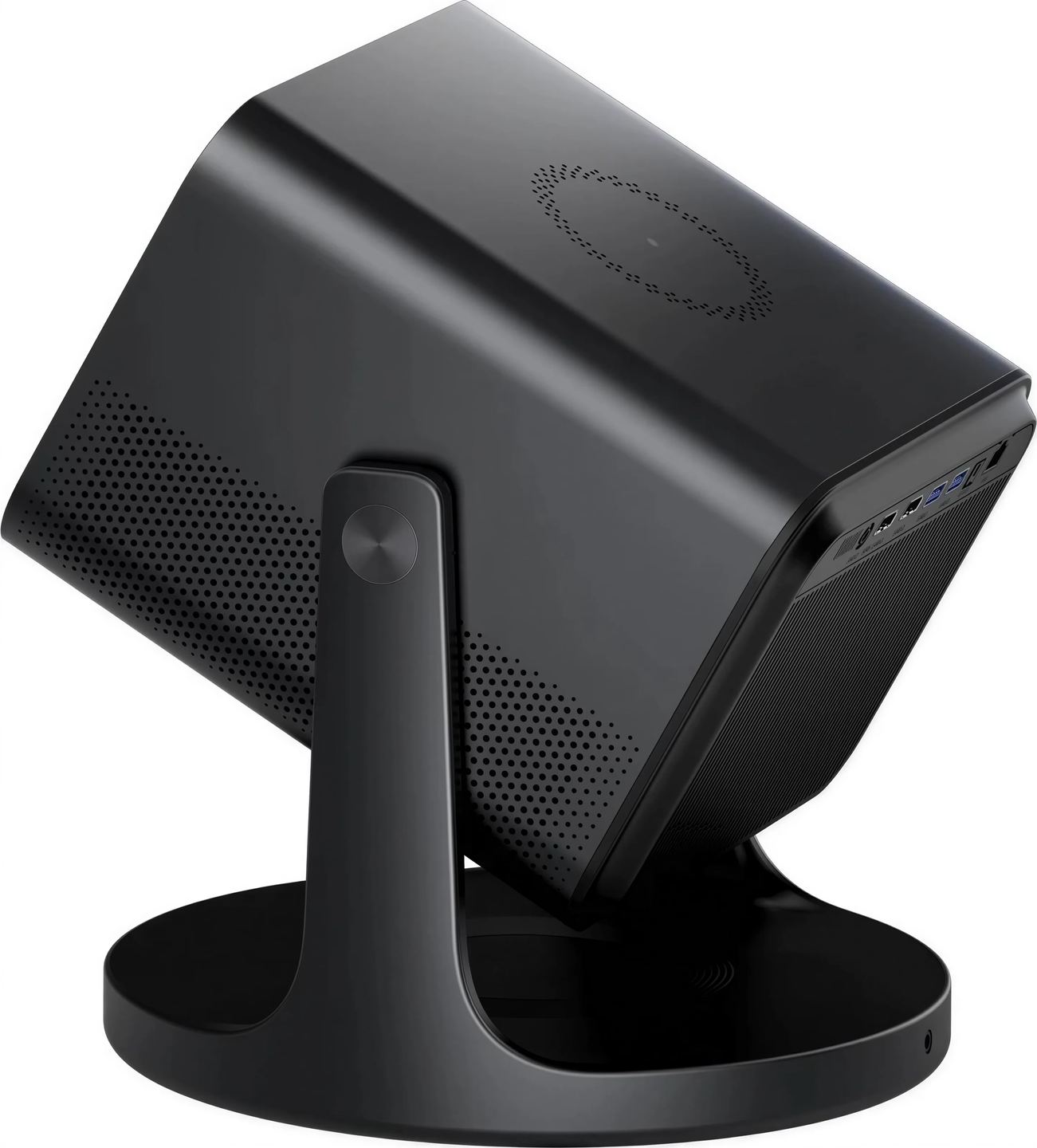
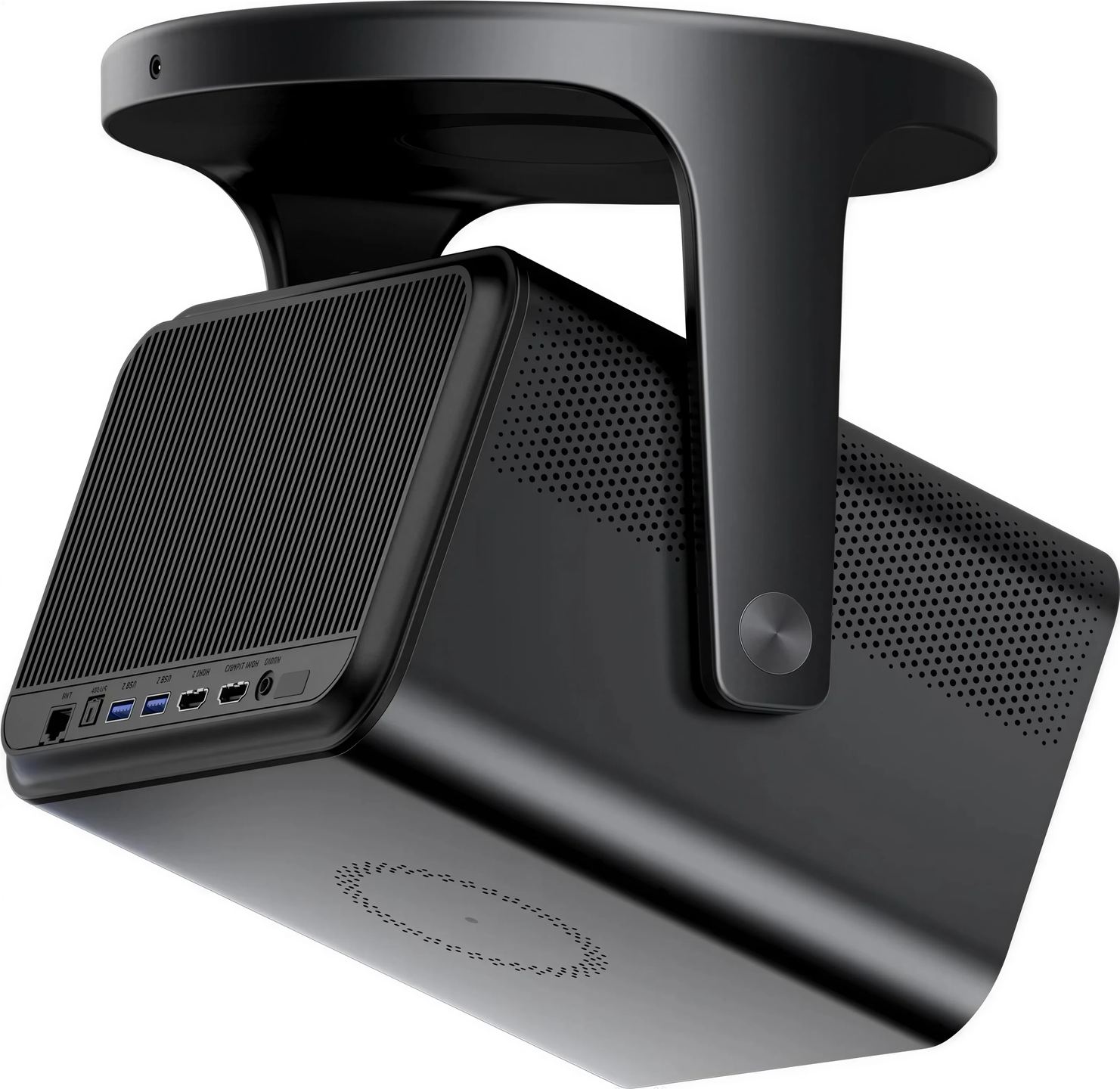
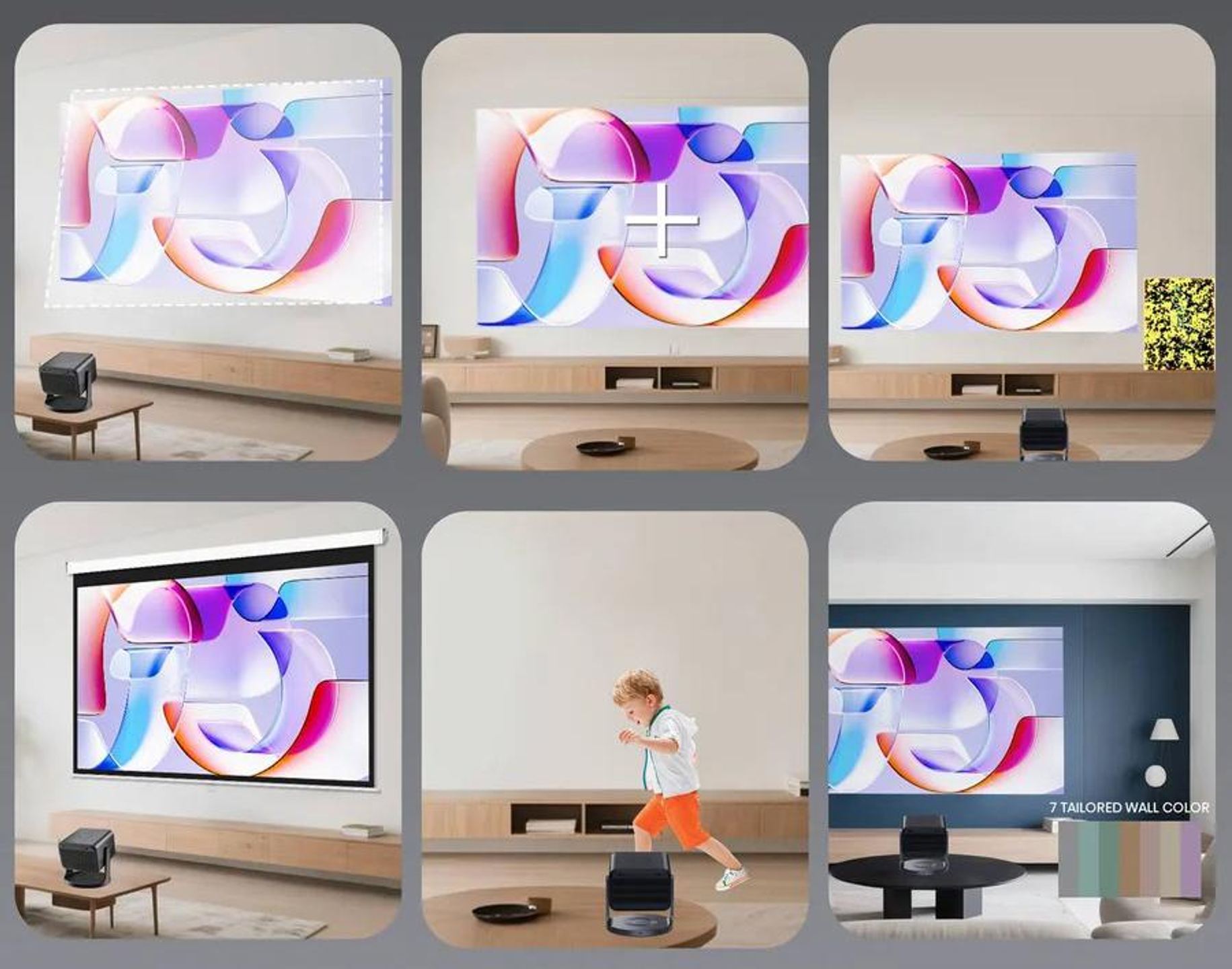
The C3 projects images from 65 to 300 inches diagonally. The integrated gimbal stand allows 360° horizontal rotation and vertical tilt up to 135°, including toward the ceiling. Autofocus, 9-point keystone correction, and obstacle detection work automatically each time it is moved. Automatic eye protection dims the brightness if someone passes in front of the lens.
For video games: reduced latency and high refresh rate mode
The C3 also targets gamers with its mode that reaches 240 frames per second at 2K resolution. In 4K, the maximum refresh rate remains 60 Hz, while an intermediate mode offers 2K at 120 Hz. The claimed input lag drops below 20 milliseconds in game mode, a respectable figure for casual gaming or titles that are less demanding in responsiveness.
The two HDMI 2.1 ports accept high-bandwidth signals, including one with eARC for audio return to an external system. 3D compatibility is retained (DLP-Link glasses required, not included).
Integrated JBL audio and controlled noise level
The built-in audio system includes an integrated soundbar with two 10-watt speakers, by JBL. The power is sufficient for occasional listening in a medium-sized room, but a dedicated audio system remains preferable for serious home theater use. Surround effect and Dolby Audio are supported, with an advanced parametric equalizer and five sound modes (Standard, Cinema, Music, Voice, Night).
The operating noise level is rated at 28 dB, which places the C3 among the relatively quiet models in its category.
VIDAA U9 and streaming apps
The C3 runs on VIDAA U9, the latest version of Hisense’s in-house operating system. The interface gives access to the main streaming apps (Netflix, Disney+, Prime Video, YouTube) without an external device. A web browser is integrated. Alexa and VIDAA Voice voice assistants are available via the included voice remote, and AirPlay compatibility allows content to be streamed from an Apple device. Screen sharing works from a PC, tablet, or mobile device via DLNA.
Wi-Fi 6E ensures a high-performance wireless connection for 4K streaming, although an Ethernet cable remains preferable for the most demanding content. Bluetooth 5.3 allows you to connect wireless speakers or headphones. Control4 compatibility makes integration into a home automation system easier.
What the press says
The Hisense C3 is satisfactory for a home theater. It has decent contrast, and blacks look deep enough to avoid a washed-out image in dark scenes. However, its contrast ratio drops significantly in brighter scenes, leading to an image that lacks depth and looks flat. [...] The projector's great brightness provides a punchy image in a dark room, and colors are very rich and vibrant, but it has poor color accuracy out of the box that leads to an overly warm image and gives whites a yellow tint. [...] Sadly, the rainbow effect is very noticeable on this projector, which will bother people who are sensitive to it, and there's no feature to reduce it.
Documentation
French
Technical specifications
Image and projection
- Technology: Triple Laser DLP
- Resolution: 4K Ultra HD (3840 x 2160)
- Image size: 165 cm to 762 cm (65” to 300”)
- Throw ratio: 1.0 – 1.3:1
- Refresh rate
- 4K at 60 Hz
- 2K at 240 Hz / 120 Hz
- Optical zoom
Video processing
- Brightness: 2500 lumens
- Native contrast: 2000:1
- HDR compatibility: Dolby Vision, HDR10+, HDR10, HLG
- IMAX Enhanced
- Filmmaker Mode
- MEMC (motion compensation)
- Ultra HD upscaling
- Color reproduction
- 110% BT.2020
- Depth: 10-bit
- 1.07 billion colors
- 3D compatibility
- Picture modes: Cinema, Sport, Game
Advanced features
- Automatic geometric correction (9 points)
- Obstacle avoidance
- Automatic eye protection
Connectivity
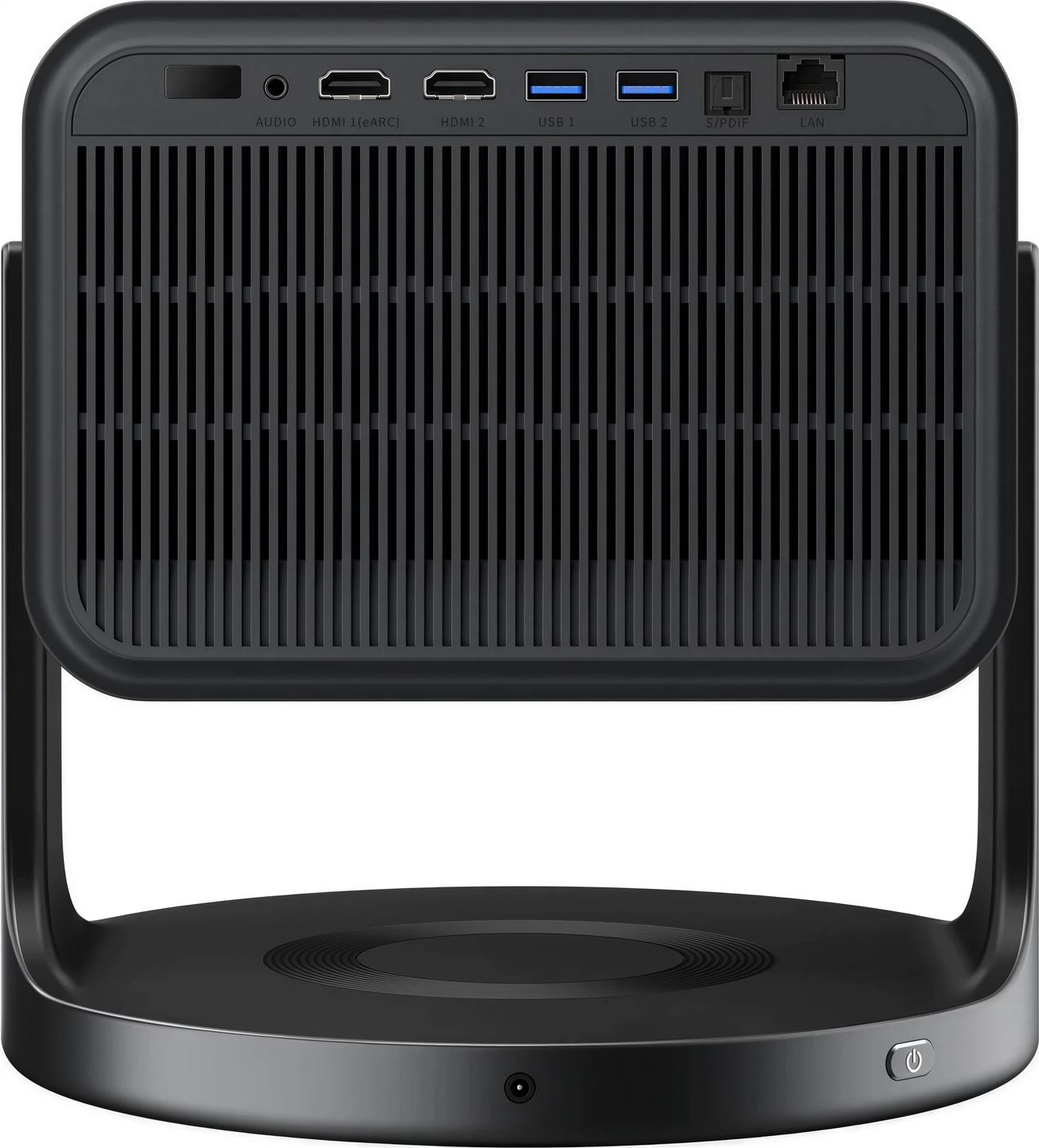
- HDMI: 2 x HDMI 2.1 (including 1 eARC)
- USB: 2 x USB 3.0
- Optical audio output (S / PDIF)
- 3.5 mm jack audio input
- Wired network: Ethernet (RJ45)
Smart TV and wireless connectivity
- Operating system: VIDAA U9
- Wi-Fi: Wi-Fi 6E
- Bluetooth: 5.3
- Voice assistants: Alexa, VIDAA Voice
- AirPlay
- DLNA / Screen sharing (PC, tablet, mobile)
- Built-in applications
- Control4 compatible
Audio
- System: integrated JBL soundbar
- Power: 2 x 10 W
- Supported formats: Dolby Audio, AC-4
- Audio modes: Standard, Cinema, Music, Voice, Night
- Surround effect
- Noise level: 28 dB
Compatible formats
- Video: MPEG1, MPEG2, MPEG4, AVC, HEVC, VP8, VP9, WMV, etc.
- Audio: MP3, WAV, AAC, FLAC, OPUS, etc.
- Image: JPEG, PNG, BMP, GIF
Power consumption and durability
- Operating power consumption: 180 W
- Standby power consumption: ≤ 0.5 W
- Laser lifespan: 25000 hours
Dimensions and weight
- Dimensions: 24.6 x 24.6 x 25.2 cm
- Weight: 6.2 kg
Included accessories
- Voice remote control
- Batteries: 2 x AAA
Frequently Asked Questions
Does the C3 display true native 4K resolution?
The C3 uses pixel shift (XPR technology) to produce a 4K UHD image (3840 × 2160 pixels). This technique is common in its price range and delivers results that are visually close to native 4K at a normal viewing distance.
Can the C3 be used in broad daylight in a bright living room?
With 2500 lumens, the C3 remains visible in a room with moderate ambient light, but blacks lose depth and colors lose intensity. For difficult lighting conditions, dimming the room or using an ambient light rejecting (ALR) screen noticeably improves the result.
Which 3D glasses are compatible with the C3?
The C3 uses DLP-Link technology for 3D. It therefore requires active DLP-Link-compatible glasses, sold separately. Passive glasses (cinema type) or 3D glasses designed for televisions do not work.
What is the main difference between the C3 and the C2?
The C3 offers 2500 lumens versus 2000 for the C2, features an optical zoom (absent on the C2, which uses digital zoom), improved contrast (2000:1 versus 1700:1), and IMAX Enhanced certification. The C3 runs VIDAA U9 (versus U7 for the C2) and includes Bluetooth 5.3.
- Eco-contribution included in the sale price.
- Manufacturer reference: 20017736
- GTIN / EAN: 6942351427010