Network Streamer or CD Player: Is Physical Playback Still Worth It?
August 26, 2025
Contents
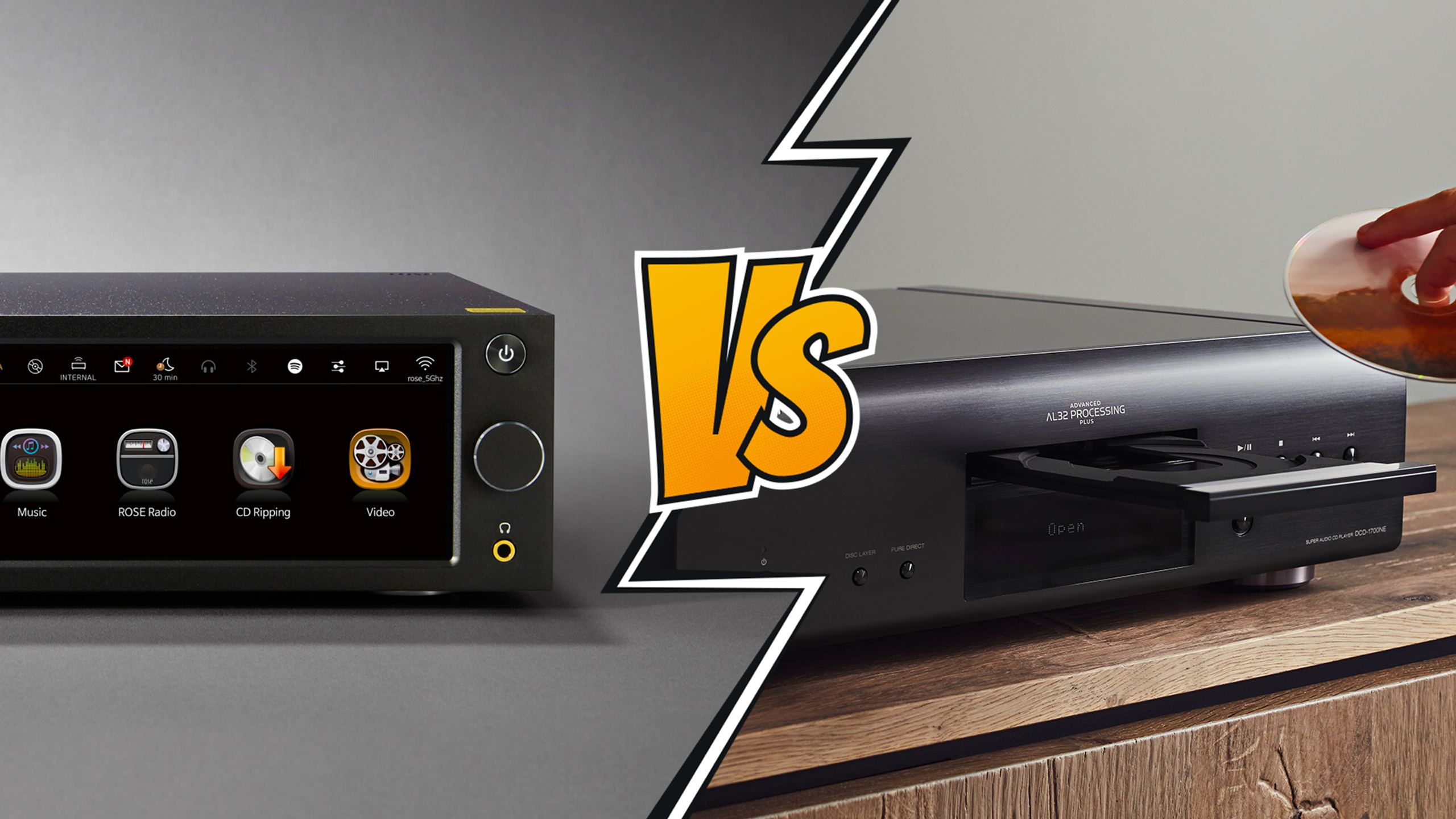
The world of high fidelity is at a turning point. On one side, network streamers promise instant access to millions of tracks in studio quality. On the other, the CD player endures, backed by four decades of existence and a global collection of discs numbering in the billions. This confrontation goes beyond a simple technological debate to touch the very foundations of our relationship with music: physical ownership versus dematerialized access, listening ritual versus immediacy, hardware investment versus perpetual subscription.
The CD player: precision mechanics in service of the perfect bit
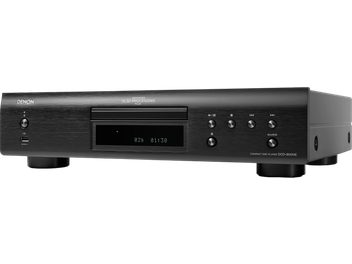
The CD player is fundamentally an electromechanical machine. Its architecture rests on three pillars: a laser reading mechanism, a real-time error correction system, and a digital-to-analog converter (DAC). The mechanism, a critical yet often underestimated element, must maintain perfectly stable disc rotation while compensating for vibrations. High-end models like the Denon DCD-1700NE use mechanisms mounted on metal rails with sophisticated decoupling, minimizing mechanical jitter.
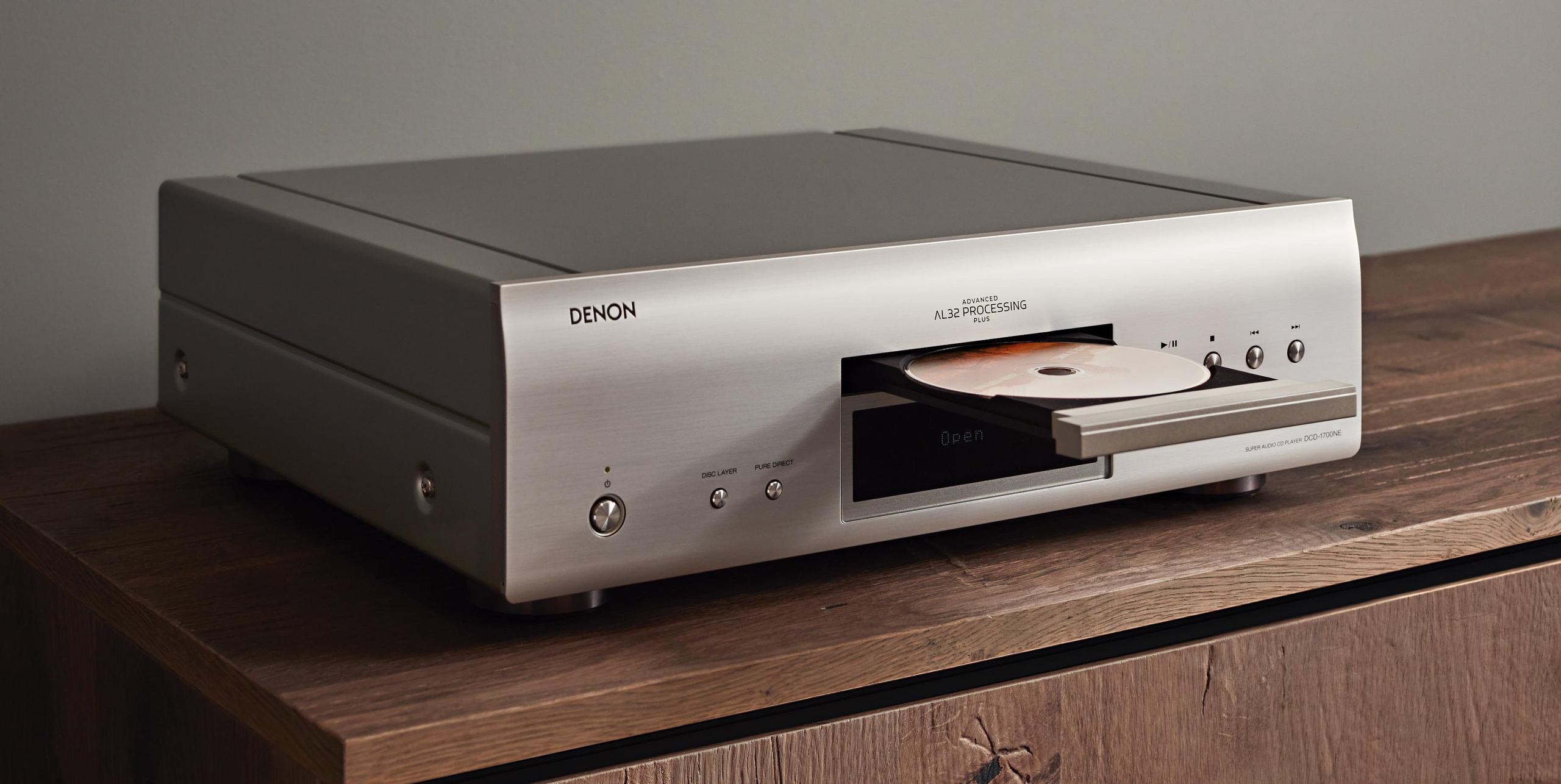
The error correction system works in real time to reconstruct data potentially altered by micro-scratches or dust. This correction, based on Reed-Solomon codes, theoretically enables “bit-perfect” playback even on slightly damaged discs. Modern players integrate processors like Denon’s Advanced AL32 Processing, capable of upsampling the CD’s 16-bit/44.1 kHz signal to 32-bit/192 kHz, adding interpolated information to smooth the waveform.
The network streamer: audiophile computing
The network streamer represents a radically different approach. It is essentially a specialized computer, optimized for audio processing. Its architecture includes a processor (often ARM), RAM, an operating system (generally Linux-based), network interfaces (Ethernet and Wi-Fi), and of course, a DAC for integrated models.
What distinguishes the streamer is how it handles data flow. Unlike the CD, which reads in real time, the streamer uses a buffer to temporarily store data before processing. This approach theoretically eliminates transport-related jitter, as the data are resynchronized by the DAC’s internal clock. Sophisticated models like the Innuos Statement employ OCXO (Oven Controlled Crystal Oscillator) clocks with femtosecond-level precision.
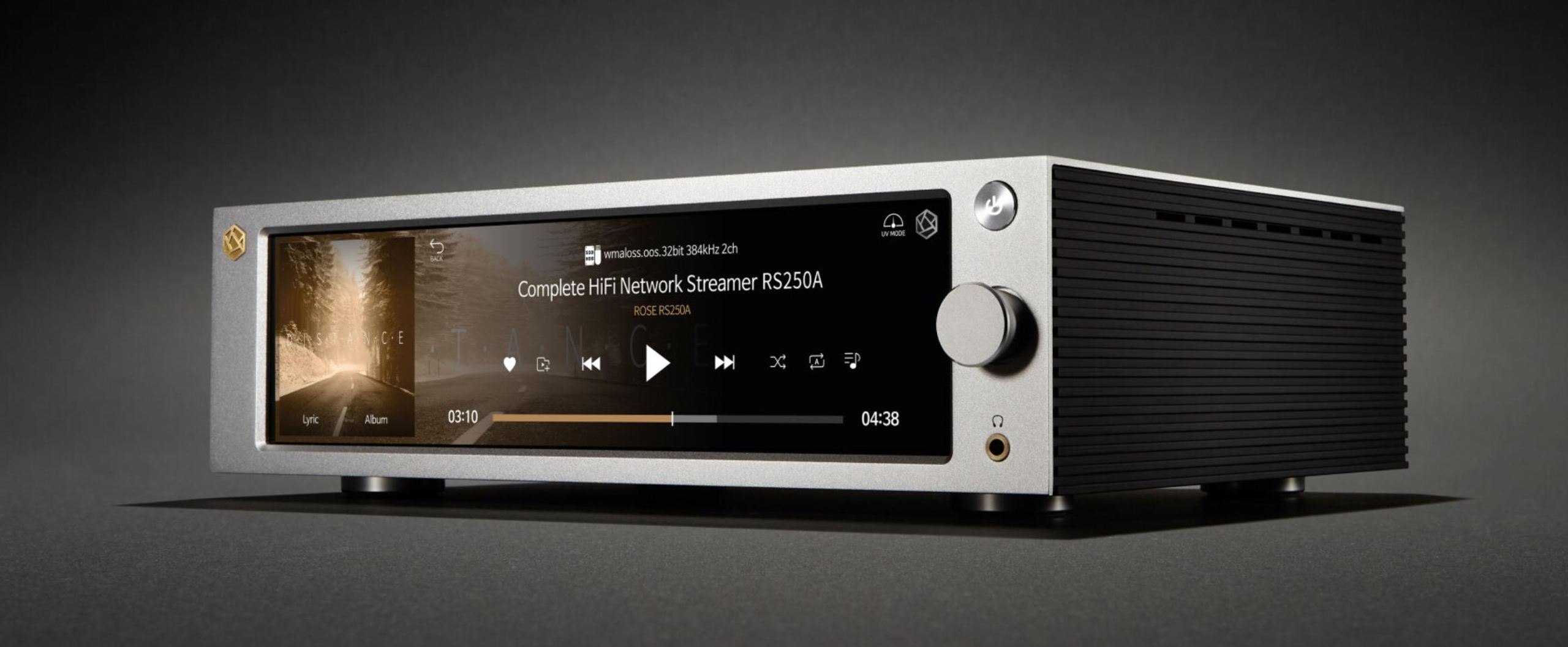
Power supply becomes crucial in streamers. Separate linear power supplies isolate digital circuits from analog circuits, drastically reducing electrical noise. Some manufacturers even use batteries or supercapacitors for perfectly stable power.
Formats and resolutions: beyond the numbers
CD offers a resolution of 16-bit at 44.1 kHz, which theoretically captures frequencies up to 22 kHz (Nyquist-Shannon theorem) with a dynamic range of 96 dB. This specification, established by Sony and Philips in 1980, remains more than sufficient to cover the entire human audible spectrum (20 Hz–20 kHz) with a comfortable margin.
High-resolution streaming offers formats up to 32-bit/768 kHz in PCM, or DSD512 in delta-sigma modulation. These impressive specifications raise legitimate questions. Recording microphones rarely capture beyond 50 kHz, and most masters are produced at 24-bit/96 kHz. Ultra–high-resolution formats therefore often contain interpolated data rather than genuinely additional information.
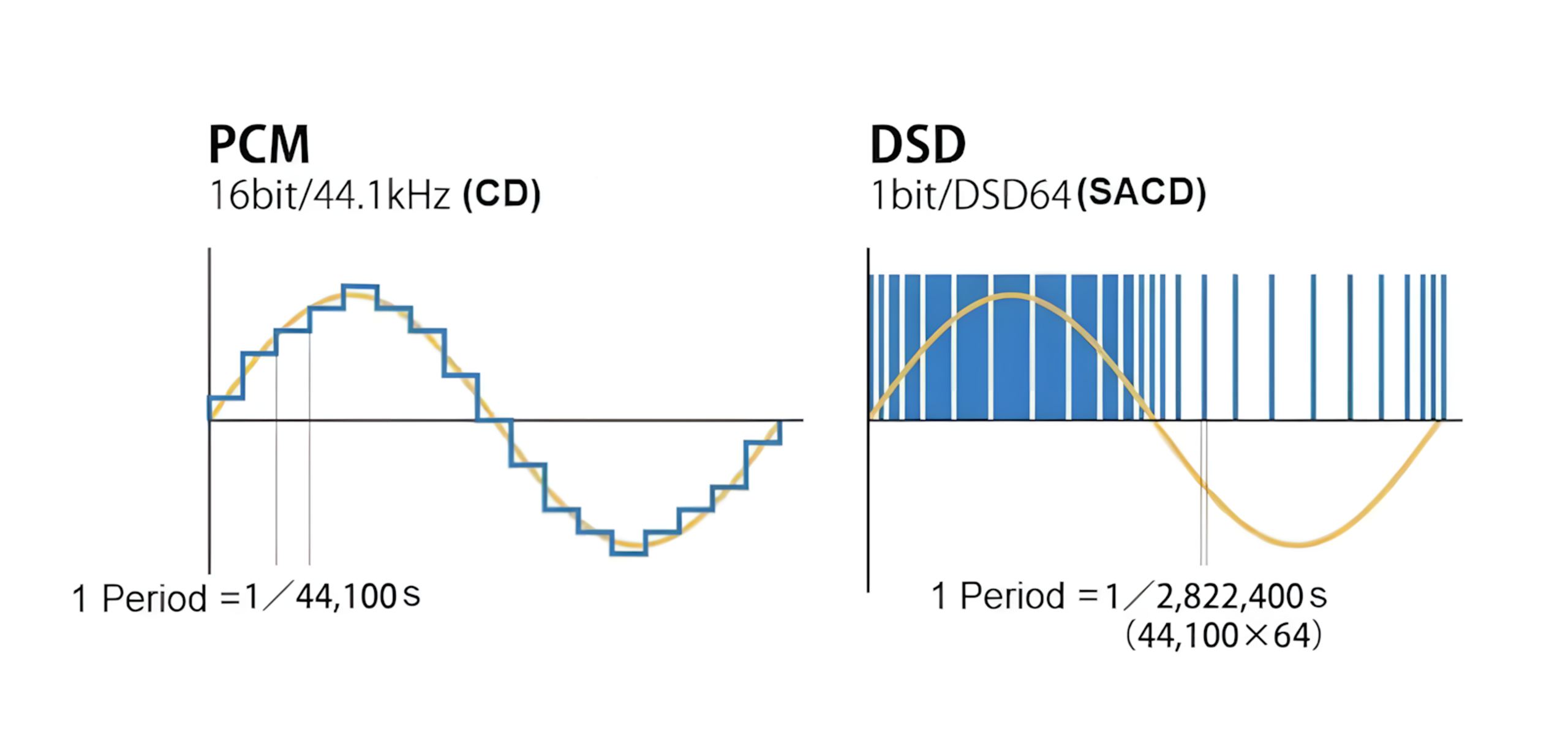
More intriguingly, several double-blind studies, notably by the Audio Engineering Society, show that even experienced sound engineers struggle to reliably distinguish a 16/44.1 file from a 24/192 file on reference equipment. The perceptible difference tends to lie more in mastering quality than in resolution itself.
The source paradox: when the master makes the difference
An often overlooked aspect concerns the provenance of masters. Streaming services obtain their files directly from labels, which generally supply the most recent masters, often remastered with aggressive dynamic compression to optimize listening on consumer systems. These “loudness war” masters can paradoxically sound worse than CDs from the 1980s–1990s, when dynamics were better preserved.
Some emblematic albums illustrate this phenomenon. Dire Straits’ “Brothers in Arms,” the first album recorded entirely digitally for CD, retains a dynamic range of 14 dB (DR14) on original pressings, versus only 8 dB (DR8) on remastered streaming versions. This compression significantly reduces the sense of space and sonic depth, regardless of resolution.
Transport and jitter influence
Jitter, temporal variation in the sampling of the digital signal, is the main enemy of digital reproduction. In a CD player, jitter can stem from multiple sources: mechanical vibrations, clock instability, electromagnetic interference. Measurements show typical values of 200 to 500 picoseconds on average players, dropping below 50 ps on high-end models.
Streamers, in theory, should have the advantage thanks to their asynchronous architecture. Data arrive in packets via the network, are stored in a buffer, then resynchronized by the DAC’s clock. Yet new types of disturbances appear: electrical noise from the Ethernet network, variable latency (network jitter), RF pollution from Wi‑Fi. Manufacturers respond with sometimes extreme solutions: audiophile switches with reclocking, shielded Ethernet cables, galvanic isolators.
The CD player: the ceremony of the physical medium
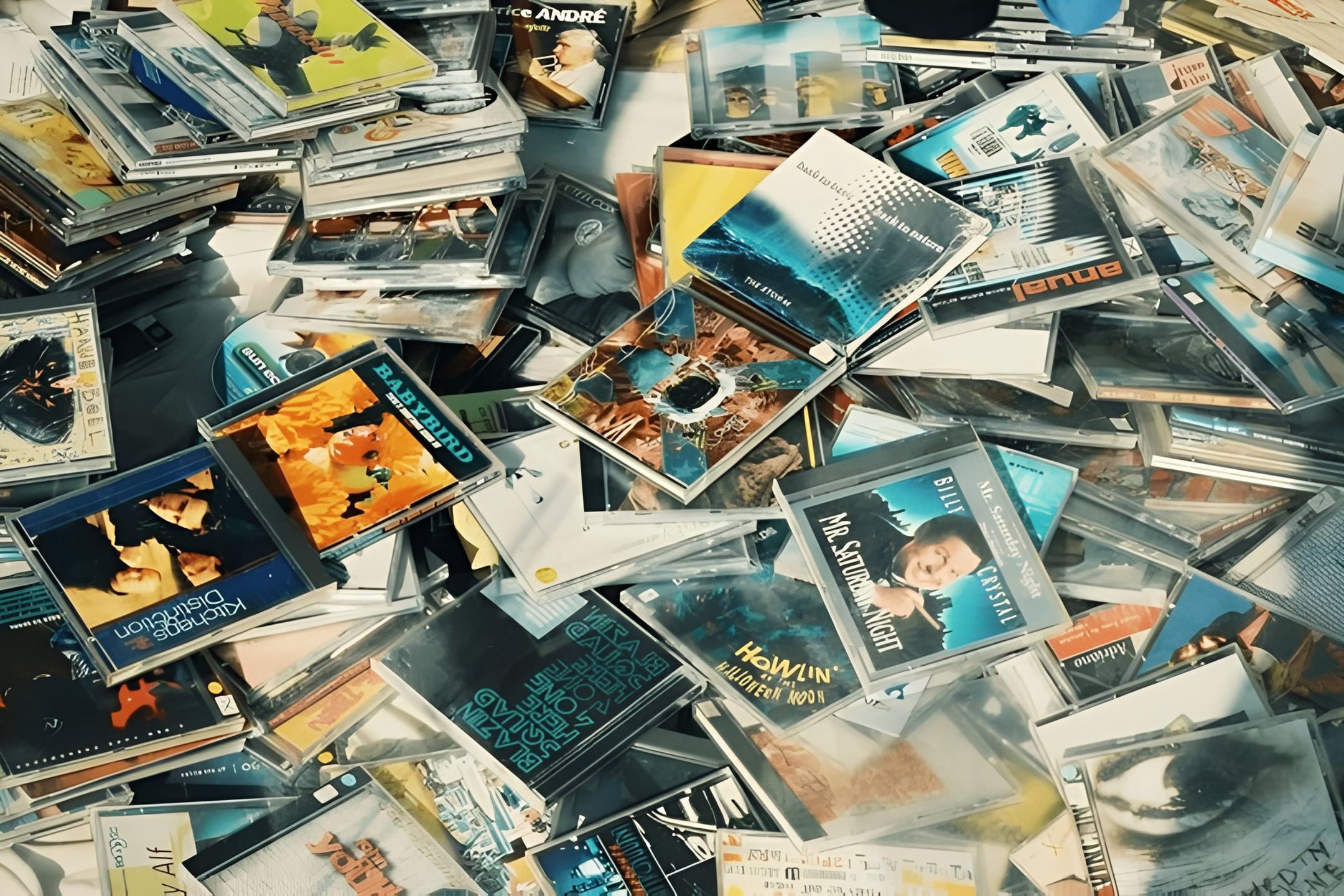
Using a CD player imposes a ritual that divides music lovers. Choosing an album requires a physical act: browsing your collection, removing the disc from its case, handling it carefully, inserting it into the tray. This process, which some find tedious, represents for others a psychological transition toward attentive listening.
The booklet, often neglected in the digital age, is a central element of the CD experience. Liner notes, lyrics, credits, photographs create a context that enriches the musical work. The absence of this element in streaming is sometimes offset by interfaces rich in metadata, but the tactile experience remains irreplaceable.
Navigation remains basic: sequential play, track skipping, manual programming. This simplicity, seen as a limitation, can also encourage listening to full albums, respecting the original artistic vision. Behavioral studies show that CD users listen to an average of 70% of an album, versus only 35% for streaming users.
The streamer: the musical universe in your pocket
The streamer radically transforms the listening experience. Instant access to catalogs of 100 million tracks (Spotify, Apple Music) or 90 million in CD and high resolution (Qobuz, Tidal) redefines the very notion of a music collection. Recommendation algorithms, based on machine learning, analyze listening habits to suggest new discoveries with growing relevance.
Control interfaces, generally via mobile apps, offer sophisticated features: dynamic playlist creation, personalized radio, multiroom synchronization, smart home integration. The Roon app, considered the benchmark, enriches the experience with artist biographies, links between musicians, a complete discography, turning listening into cultural exploration.
Paradoxically, this abundance can generate a form of choice paralysis. The FOMO syndrome (Fear Of Missing Out) pushes some users to constantly hop around, reducing listening to superficial musical zapping. Platform data reveal that a track is listened to for an average of only 90 seconds before a change.
Initial investment: David versus Goliath
A decent entry-level CD player like the NAD C538 costs around 400 euros. For a comparable streaming budget, the WiiM Pro Plus at 220 euros already offers a complete solution with a quality integrated DAC. This lower entry price clearly favors streaming for tight budgets.
Moving upmarket, the gap widens. A reference CD player like the Marantz SA-KI Ruby reaches 4000 euros, while an equivalent streamer like the Lumin T3 goes for around 5000 euros. But this raw comparison overlooks a fundamental aspect: the CD player requires continuous purchase of discs (15–20 euros per new album), while the streamer provides access to a near-unlimited catalog for 15–20 euros per month.
Recurring costs: perpetual music rental
A streaming subscription represents an annual cost of 120 euros (Spotify) to 180 euros (Qobuz Studio). Over 10 years, that’s 1200 to 1800 euros, equivalent to 80 to 120 new CDs. But this arithmetic comparison overlooks usage value: a streaming subscriber listens to an average of 50 new albums per month, impossible to match economically with CDs.
Network infrastructure is a hidden cost of audiophile streaming. A stable fiber connection (30–50 euros/month), a high-performance router (200–500 euros), possibly a NAS for local storage (500–2000 euros with drives), a dedicated audio switch (300–1500 euros): the bill can quickly climb for a serious setup.
Heritage value: asset versus service
The CD is a tangible asset, resellable, transferable. A well-maintained collection retains 30–50% of its purchase value, with some rare pressings appreciating considerably. Limited editions, Japanese SHM-CD pressings, Mobile Fidelity audiophile remasters constitute genuine investments.
Streaming, by contrast, constitutes no patrimony. Ending a subscription means total loss of access. More worryingly, catalogs fluctuate: albums disappear due to rights disputes, artists withdraw their work (Neil Young vs Spotify), services shut down (Groove Music, Google Play Music). This precariousness concerns collectors attached to the durability of their libraries.
Hybrid solutions: synthesis or compromise?
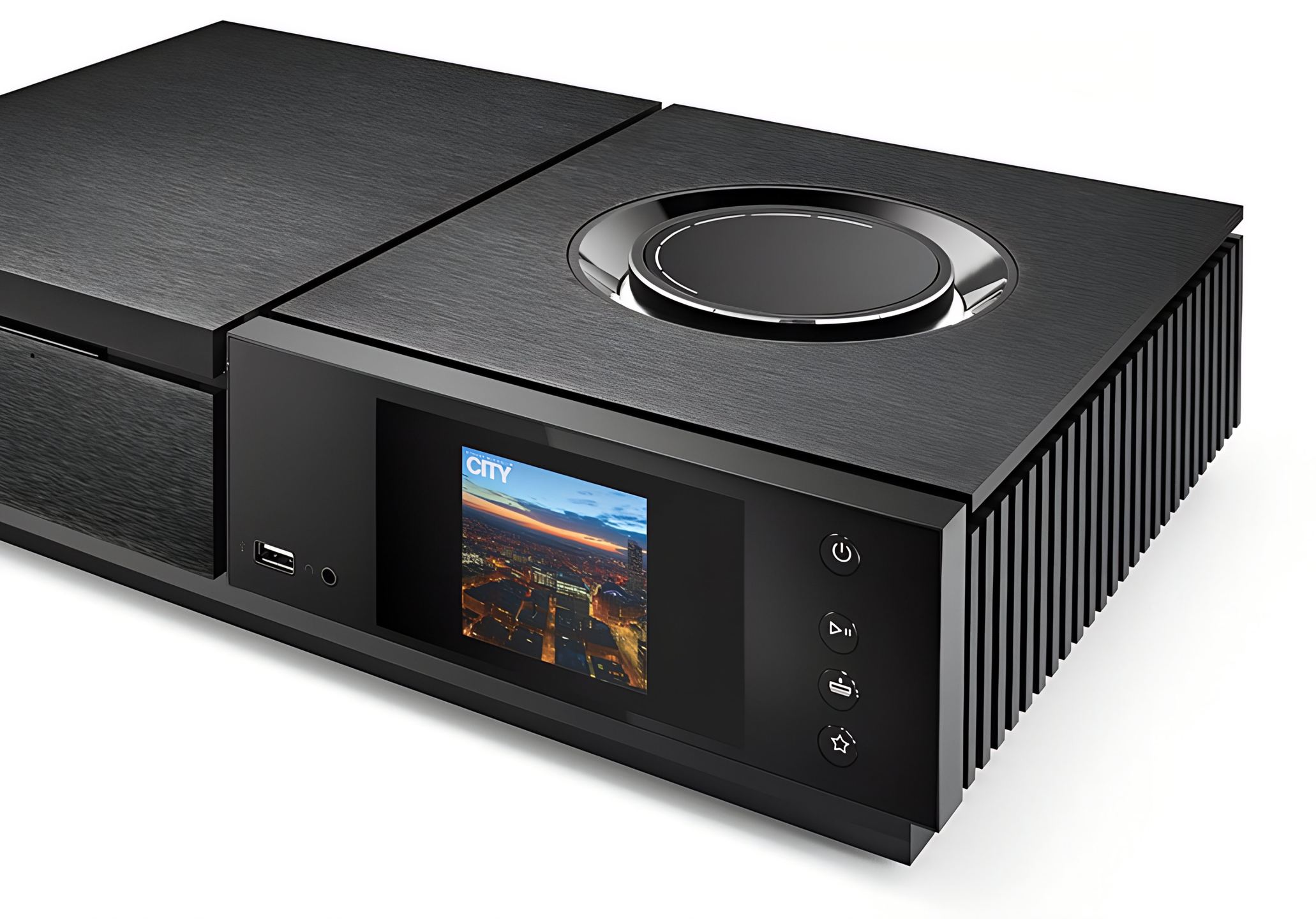
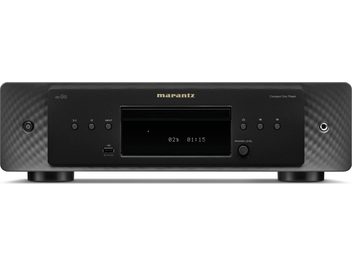
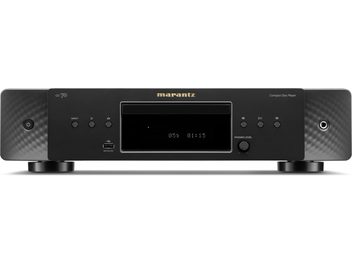
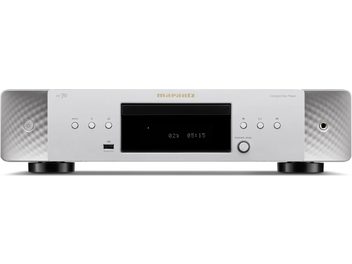
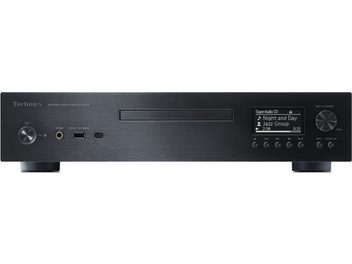
Devices like the Marantz CD 50n or the Technics SL-G700M2 combine CD playback and streaming in a single chassis. This approach offers several advantages: a single DAC optimized for both sources, a unified interface, fewer devices. The price (1500–3000 euros) remains lower than buying two equivalent separate components.
These hybrid solutions excel at managing mixed libraries. The Cocktail Audio X45 Pro even allows ripping CDs to a 4 TB internal hard drive, automatically creating a network-accessible digital library. Metadata are retrieved automatically via online databases, unifying the physical and dematerialized experience.
→ Discover all-in-one Hi-Fi sound
Modular configurations: scalability and optimization
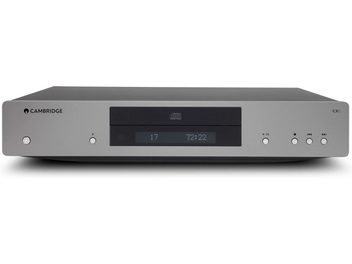
An alternative approach is to use a CD transport (mechanism without DAC) paired with an external DAC that also feeds a streamer. This setup allows each element to be optimized independently and to evolve progressively. A quality transport like the Cambridge Audio CXC (500 euros) will remain relevant for decades, while the streamer can be updated as services evolve.
Dedicated audio servers like the Innuos Zenith or Aurender N200 represent the pinnacle of this approach. They combine high-capacity local storage, online service streaming, and optimized digital output to an external DAC. Galvanic isolation, multiple linear power supplies, and precision atomic clocks create an optimal environment for both types of sources.
Artificial intelligence in service of listening
Recent AI developments are transforming the streaming experience. Real-time adaptive mastering, currently being tested by some services, dynamically adjusts the sonic signature according to room acoustics detected via calibration. Predictive algorithms anticipate preferences with uncanny accuracy, creating playlists that seem to read your mind.
Intelligent upsampling, using neural networks trained on millions of recordings, is beginning to convincingly reconstruct harmonics lost to compression. This technology could theoretically allow streaming to surpass native CD quality, even from compressed sources.
The return of physical media: more than nostalgia
Paradoxically, the dominance of streaming is spurring renewed interest in physical formats. After dropping 95% between 2000 and 2020, CD sales are stabilizing and even rising in some markets. This phenomenon, similar to the vinyl comeback, reflects a need for materiality in an increasingly dematerialized world.
Special CD editions, with luxurious packaging, enhanced booklets, exclusive content, are multiplying. The CD is becoming a collectible object rather than a simple music carrier, its value residing as much in the object as in its content. This evolution positions the CD as a complement rather than a competitor to streaming.
An informed choice
The question is ultimately not to determine an absolute winner between streamer and CD player, but to understand how each technology fits a specific use and relationship to music.
The CD player remains relevant for: owners of large collections, enthusiasts of structured listening rituals, those who value physical ownership, established hi-fi systems seeking a stable, proven source, music lovers attached to original, non-remastered masters.
The streamer is the go-to for: musical explorers hungry for discovery, multiroom users wanting to synchronize multiple zones, fans of contemporary music available quickly, those who prioritize convenience and modern ergonomics, budget-conscious listeners seeking maximum content.
Hybrid solutions suit: collectors transitioning to digital, audiophiles refusing compromise, users wanting to keep their options open, evolving systems anticipating technological change.
The future likely belongs to enriching coexistence rather than abrupt substitution. The CD, with 40 years of existence and billions of discs in circulation, will not disappear overnight. Streaming, driven by a digitally native generation, will continue its inexorable rise. Between the two, a multitude of hybrid solutions will allow everyone to build the system that matches their personal vision of the musical experience.
The real question is therefore not “what is physical playback still worth?” but rather “what value do we place on our relationship with music?” Because beyond technical specifications and economic considerations, it is this intimate, personal, emotional relationship that should guide our technological choices, not the other way around.
Popular products
You may also like to read
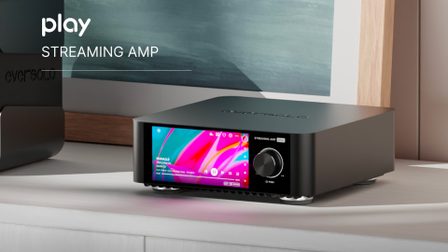 Eversolo Play: an all-in-one amplifier, network player, DAC, and even CD player!Hi-fi and home cinema news
 Yamaha, Onkyo, Marantz, Denon: which home theater amplifier under €2,000 in 2026?Comparisons and buying guides
 Technics SL-1200M7G: the limited-edition turntable for the SL-1200 series’ 55th anniversaryHi-fi and home cinema news
 Connected speaker or amplifier and speaker system: how to choose?Comparisons and buying guides
 OLED image: Is burn-in still a real risk in 2026?Concepts and technologies
 Contrast and black level: why OLED comes out aheadComparisons and buying guides