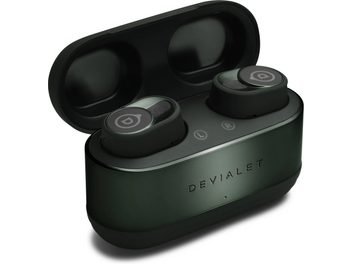
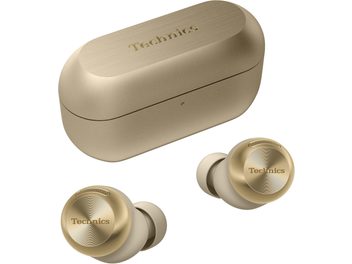
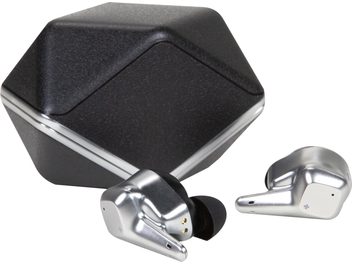
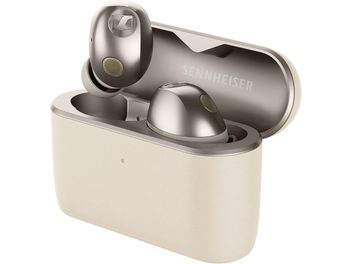
In-ear headphones
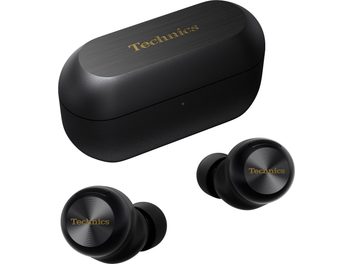
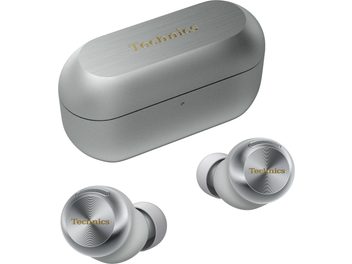
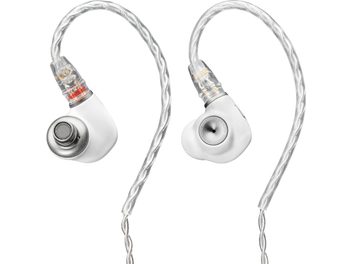
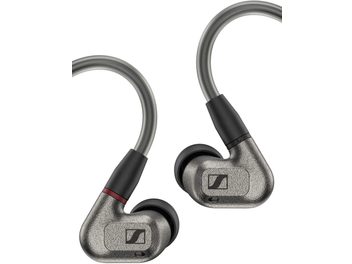
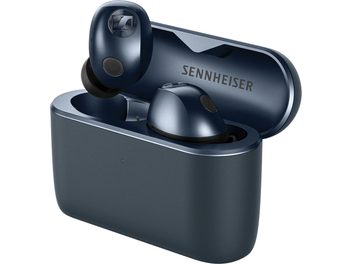
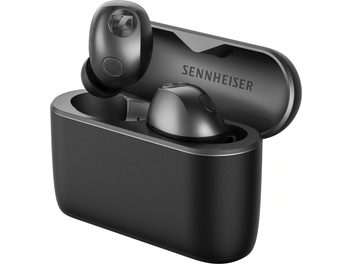
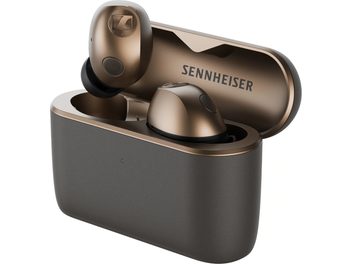
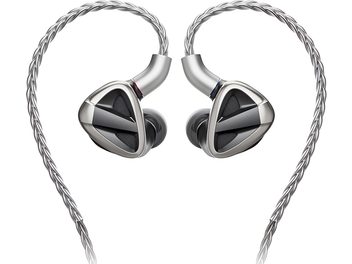
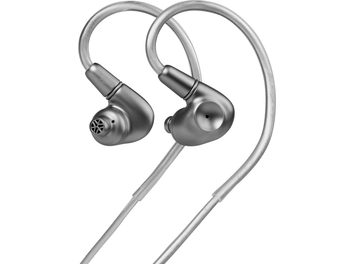
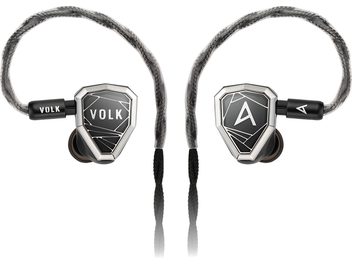
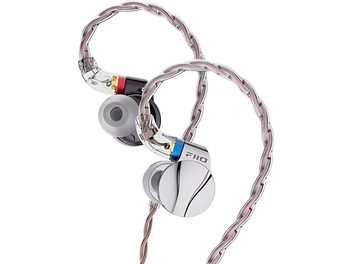
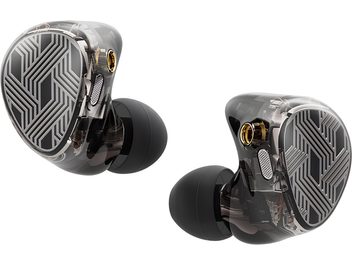
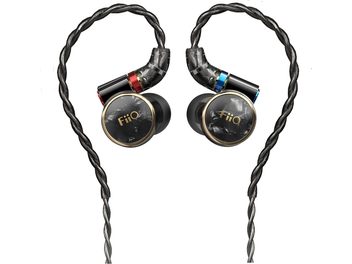
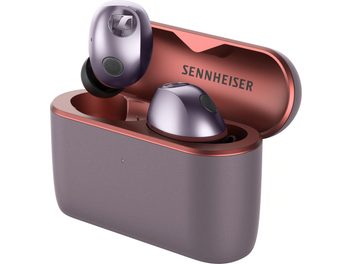
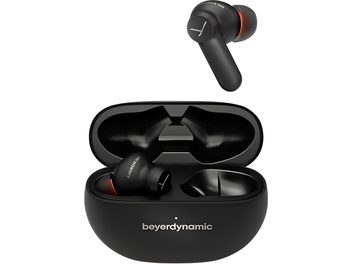
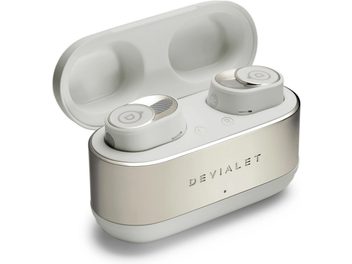
An in-ear monitor (IEM) fits into the ear canal, where a silicone or foam tip seals the passage. This seal isolates ambient noise without electronics and brings the driver closer to the eardrum, resulting in strong bass and plenty of detail from a tiny object. Tip quality determines almost everything: the right size ensures a secure fit, isolation and tonal balance, while a poor seal drains the bass. Most models come with several sizes, sometimes with memory foam tips. Sound also depends on the type of driver: a dynamic driver handles the bass, a balanced armature refines the treble, and hybrid configurations combine both to cover the full spectrum. In terms of connectivity, wired versions retain a often detachable cable, which can be replaced or adapted to a balanced source, while true wireless models eliminate all wires in favor of Bluetooth and a charging case. Lightweight and discreet, in-ear monitors accompany you on the move, during commutes and workouts when an ear hook provides a secure fit; musicians also use them for stage monitoring, sometimes custom-molded. There is still the occlusion effect, the resonance of your own voice or footsteps, which deep insertion accentuates. With wired models, the source heavily affects performance: a portable DAC or an audiophile music player properly powers a demanding in-ear monitor where a phone reaches its limits. The full selection is available in hi-fi headphones and earphones.