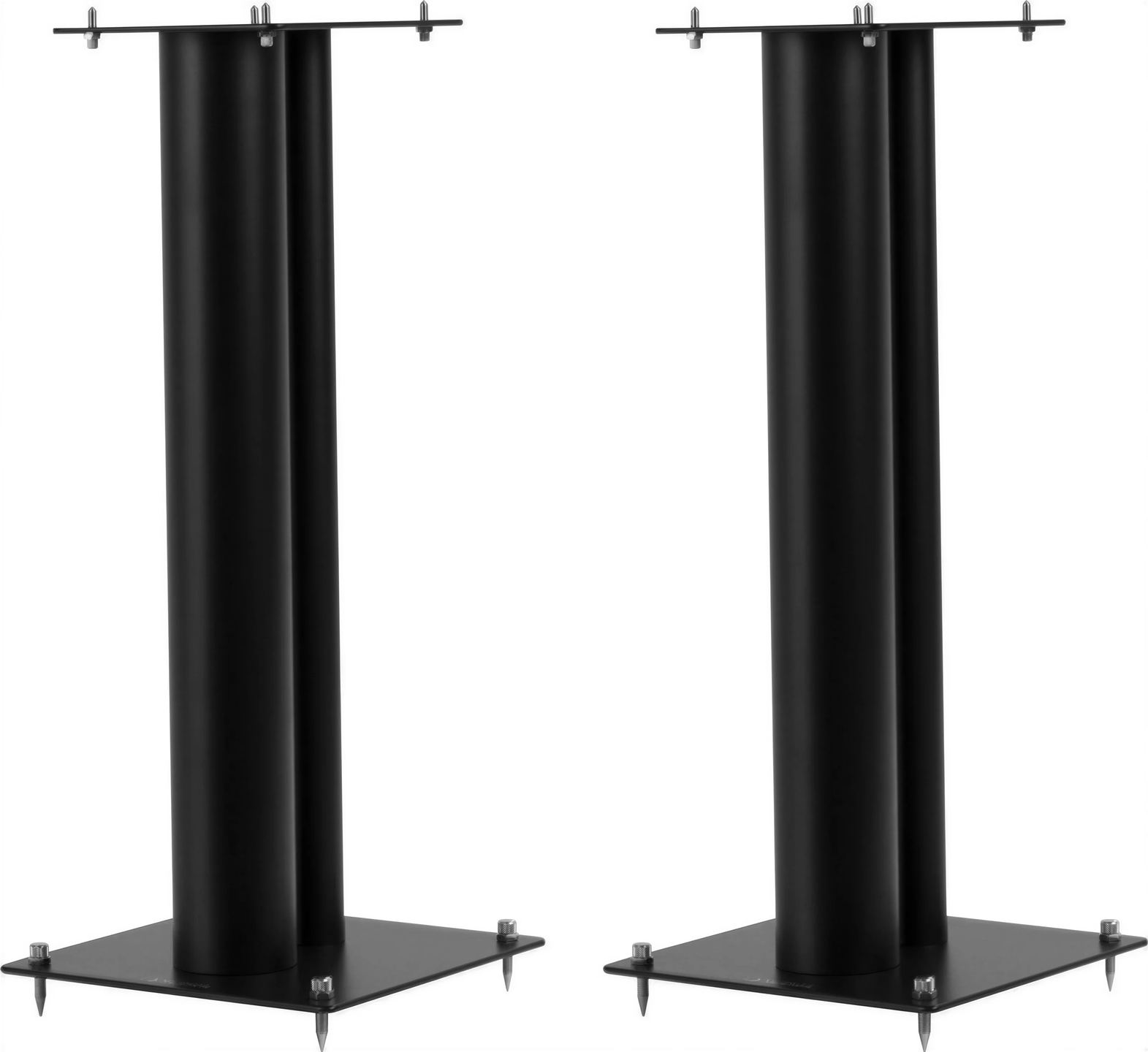
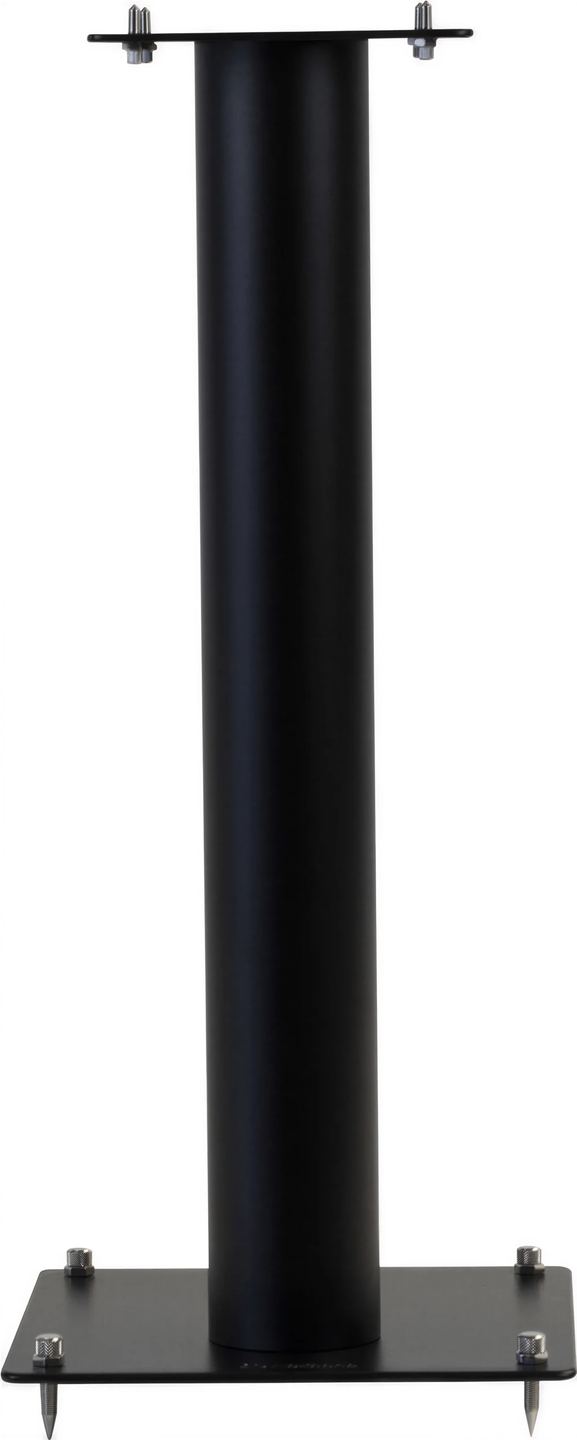
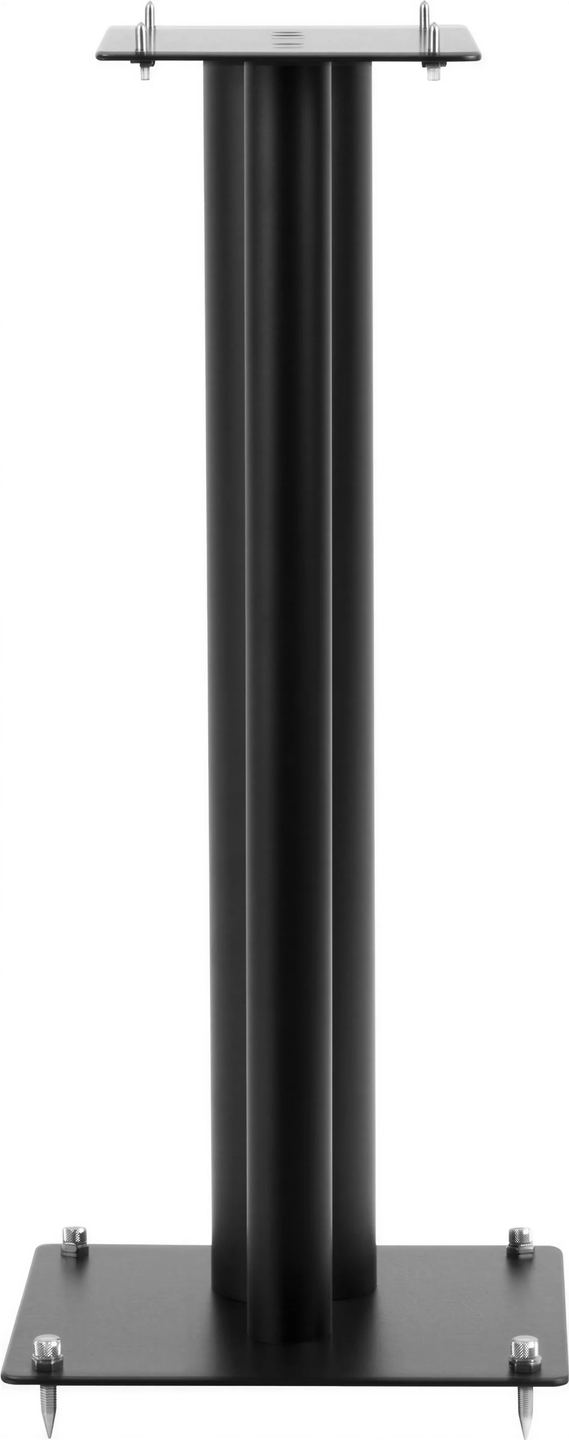
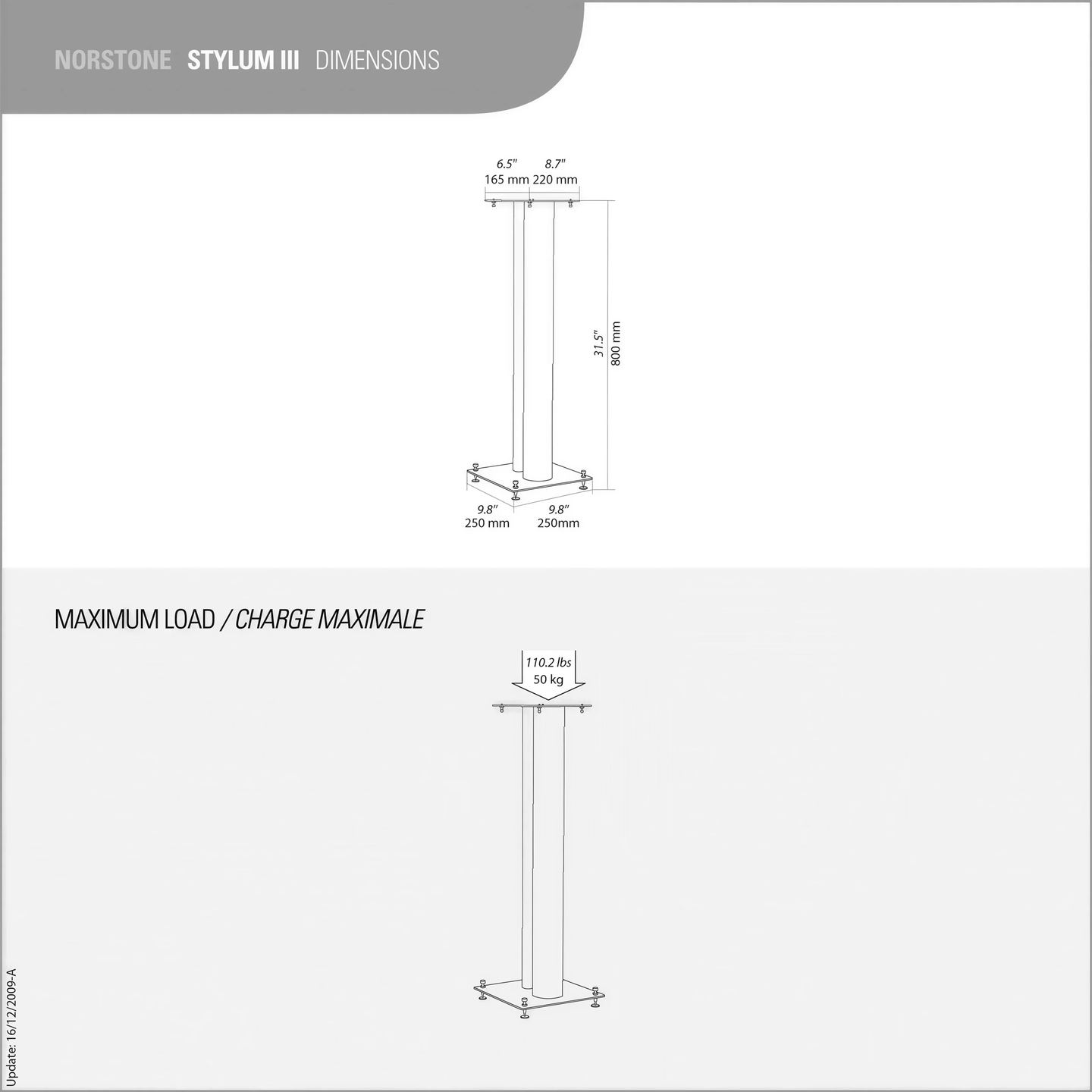
Placed on a low cabinet, a bookshelf speaker directs its treble downwards and makes the cabinet vibrate to the rhythm of the bass. At 80 cm tall, this NorStone stand raises the speaker to a seated listener’s ear level and separates it from the furniture. Its rigid steel tube, internal cable routing and adjustable spikes make it an unobtrusive support for both a stereo system and the rear channels of a home cinema system.
Eighty centimetres to align the tweeter with the ear
When sitting on a sofa, your ears are approximately 90 to 110 cm above the floor, depending on the seat depth. A bookshelf speaker is often 25 to 35 cm tall, with a tweeter positioned in its upper section. Placed on a platform at 80 cm, it therefore puts its tweeter within this range. Height matters because treble becomes more directional as it leaves the tweeter. Off-axis, it loses presence and the stereo image becomes less defined. At ear level, voices become clearer and instruments find their place between the two speakers.
The Stylum 3 is the tallest in the Stylum series. The Stylum 2 uses the same top plate and base, but stands at 58 cm. It suits taller speakers or low seating. The Stylum 3 is intended for standard-height seating and small speakers, which would otherwise sit too low.
An asymmetric steel tube that keeps the speaker still
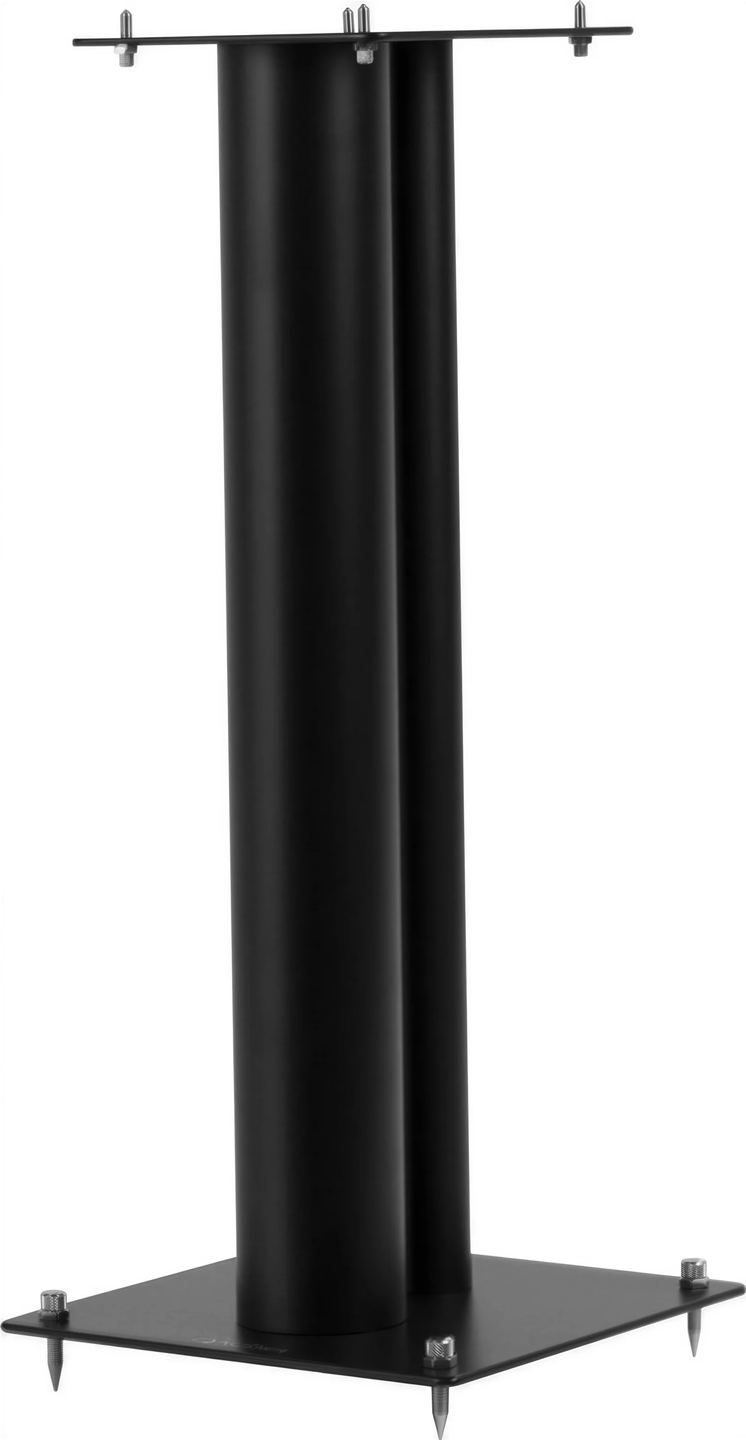
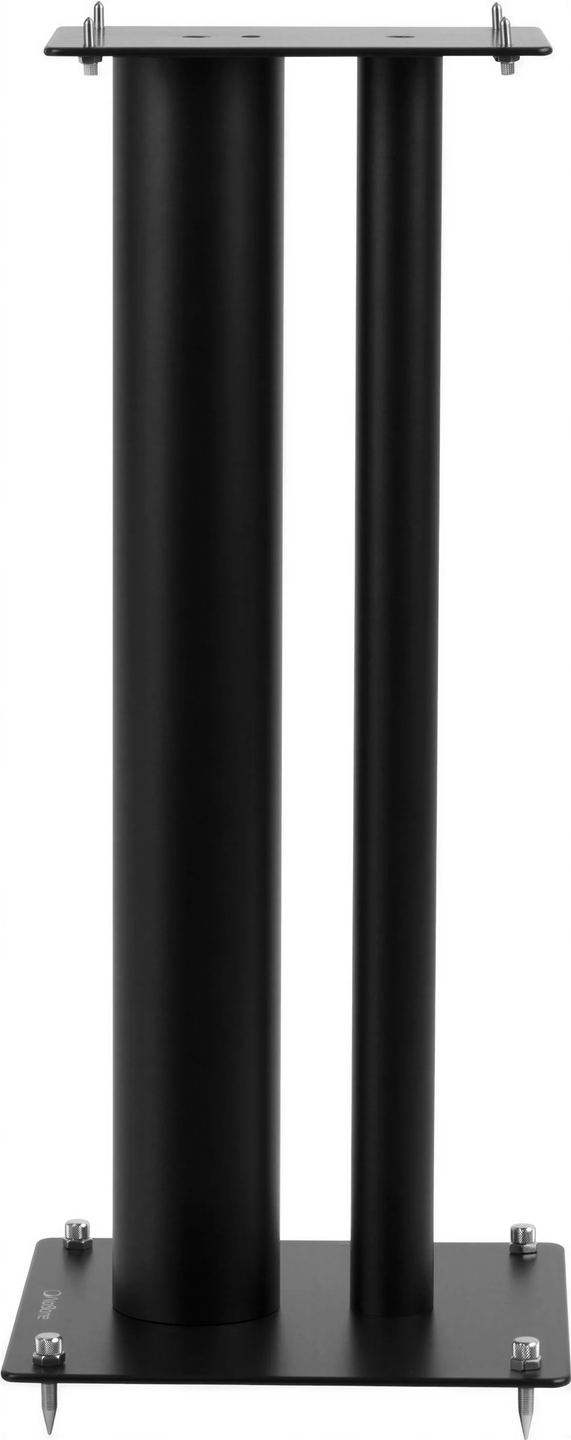
When the bass driver pushes air, it also pushes the cabinet in the opposite direction. A support that flexes allows the speaker to sway and makes the bass less controlled. A support that resonates adds its own vibration to the sound. NorStone addresses this with a highly rigid tubular steel structure with an asymmetric cross-section. This non-circular shape strengthens the tube and distributes its resonances, rather than allowing it to ring like a bell at a single frequency.
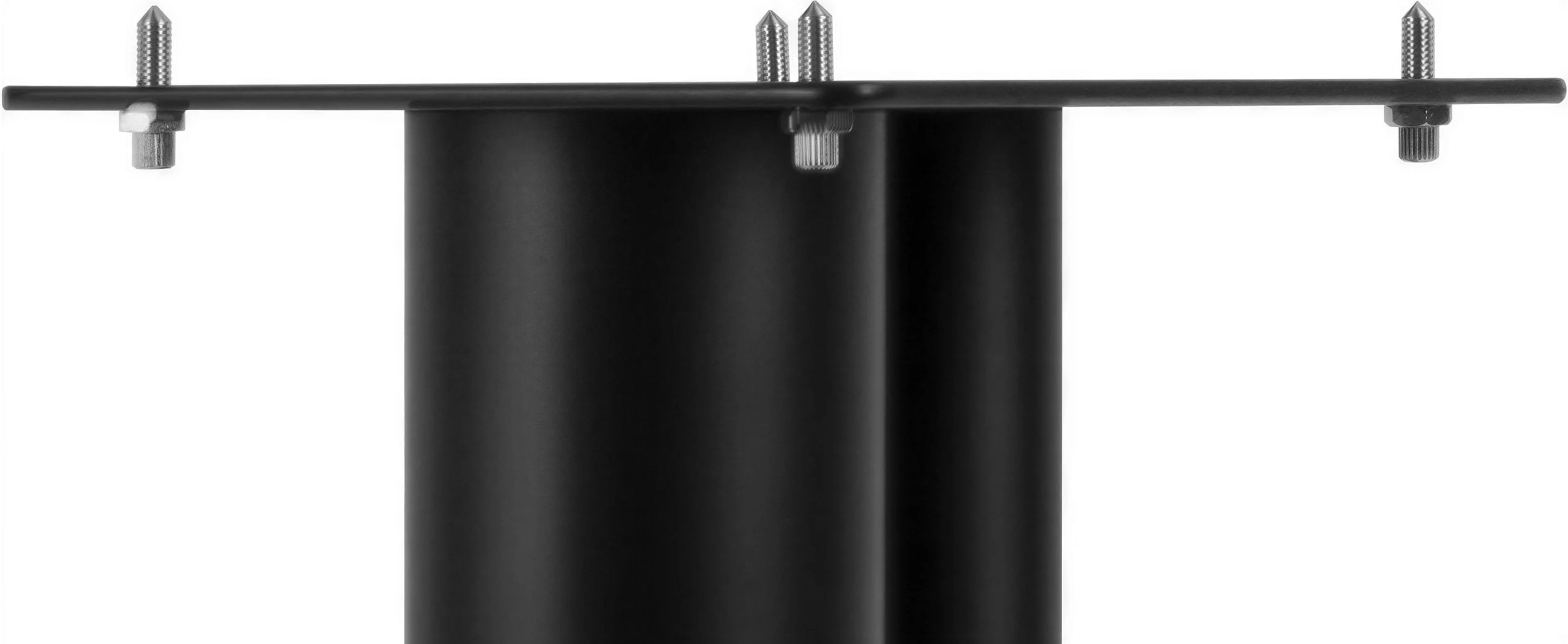
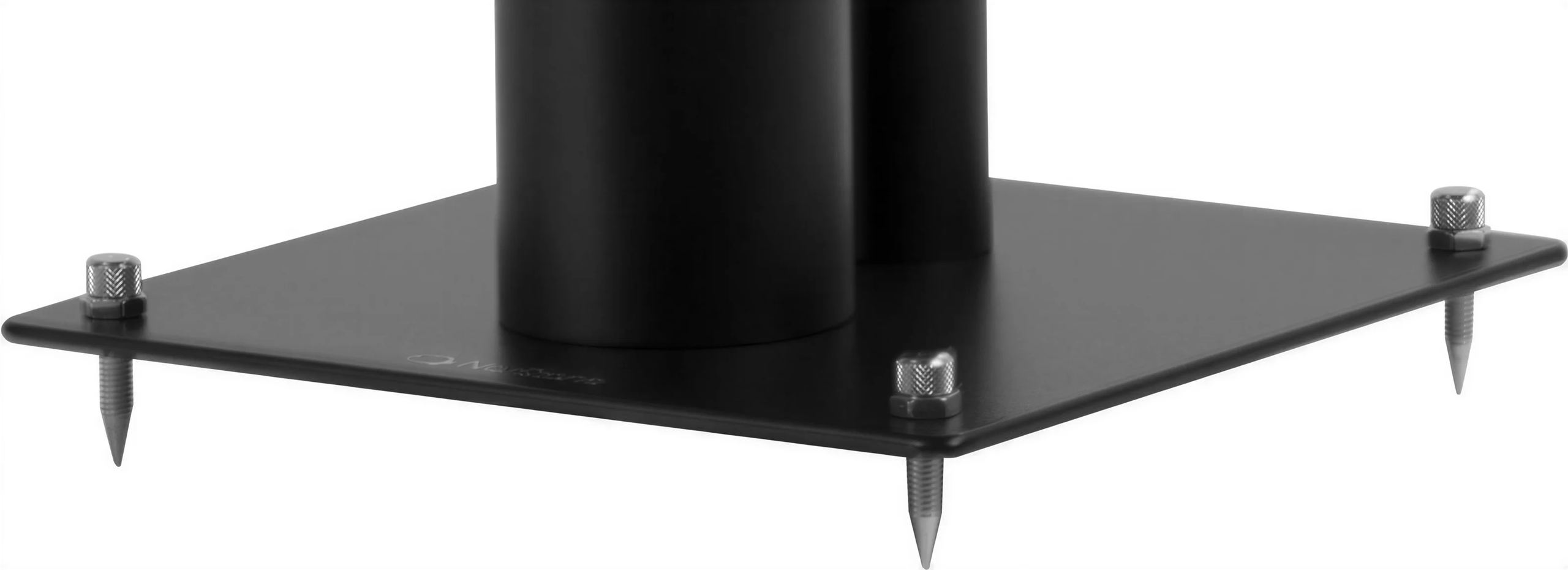
The 250 × 250 mm base is wider than the 165 × 220 mm top plate. The centre of gravity stays low and the assembly remains stable despite its height, even when placed in a walkway or behind an armchair. The top plate accommodates most bookshelf speakers. A very deep or very heavy model will overhang more and warrants a support with a larger top plate.
Spikes and pads to adjust each contact point
On the floor, the spikes pass through the carpet to rest on the concrete slab, rather than allowing the stand to float on a soft surface. On wood or tiled floors, spike shoes slide under the spikes. They prevent marks while maintaining the same firm support. The spikes can be screwed in to different depths, compensating for unevenness in an old floor and eliminating any wobble.
Two options are supplied for the contact between the top plate and the speaker. Spikes provide the most direct coupling, but may mark the underside of the cabinet. Plastic pads protect the veneer or lacquer and hold the speaker in place. The choice depends mainly on the value of the speaker’s finish.
Cables that disappear inside the tube
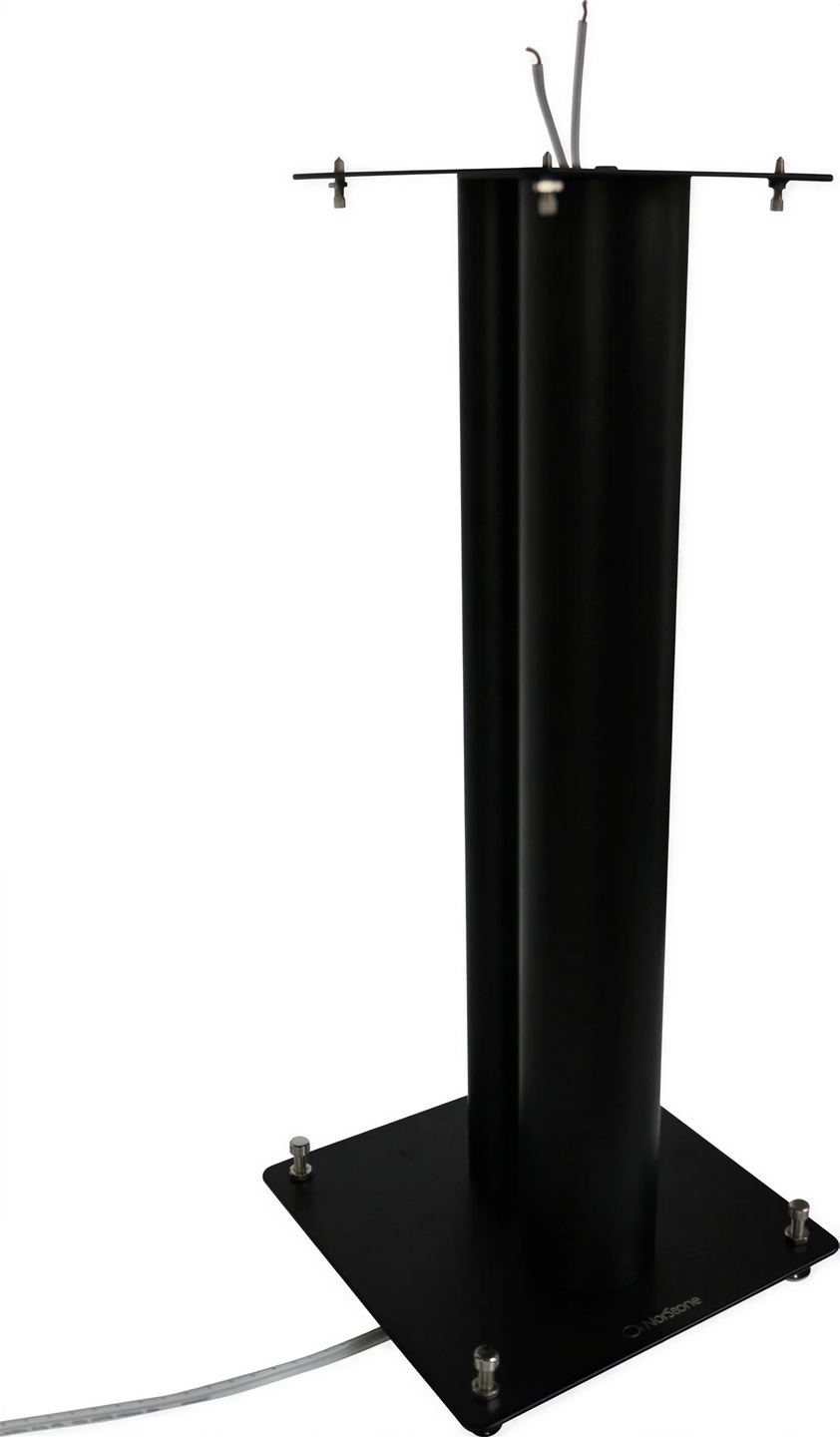
The speaker cable runs down inside the tube, from the top plate to the base. Only a few centimetres remain visible behind the speaker. The difference is particularly noticeable with surround speakers placed in the middle of a room, where a cable dangling along the stand catches the eye and gets underfoot. It is best to route the cable before fitting bulky banana plugs or spade connectors, which do not fit easily through the openings.